
In times of uncertainty, being prepared goes a long way. Whether it’s a natural disaster or an unexpected event, having emergency supplies ready can mean the difference between chaos and calm. But here’s the good news: you don’t have to spend a fortune to be prepared! Discount stores are overflowing with affordable essentials that can help you build your emergency kit without stretching your budget too thin. As someone who has navigated the aisles of various dollar stores while learning about resilience and readiness, I’ve discovered countless hidden gems that often get overlooked. Let’s dive into some must-have items that will keep you equipped and reassured when it matters most.
Your shopping list for emergency supplies at discount stores should include essential items such as water (one gallon per person per day), non-perishable food, a flashlight with extra batteries, a first aid kit, and a battery-powered or hand-crank radio. Additionally, consider adding personal necessities like prescription medications, sanitation supplies, and basic tools to help you prepare effectively without overspending.
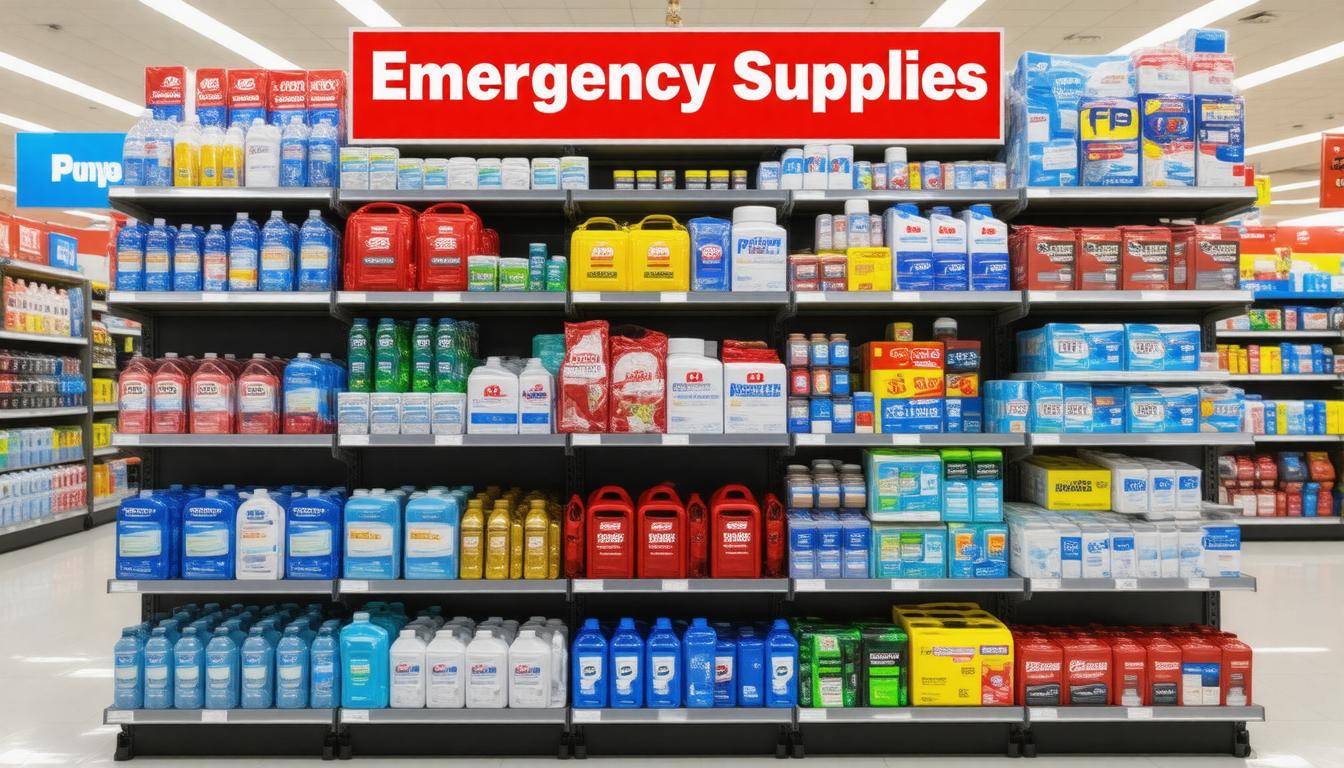
Budget-Friendly Emergency Preparedness
Preparing for emergencies doesn’t have to break the bank. One of the most effective ways to build a solid emergency supply kit is by shopping smart, particularly at discount stores. Places like Dollar Tree and local dollar stores offer an extensive array of supplies at prices that make stockpiling essentials feasible for all budgets. Instead of only considering high-end stores, it’s wise to check out options that provide necessary items without emptying your wallet.
When you venture into these stores, keep an eye out for key items. You can find essentials like flashlights, batteries, basic tools, and hygiene products often tucked away in bulk or clearance aisles. Many discount stores feature generic brands that provide substantial savings yet deliver on quality just like their name-brand counterparts. This means you don’t have to compromise on safety while being frugal.
Key Items to Search For:
-
Flashlights: Vital for visibility during power outages. A good flashlight can be found for around $5.
-
Batteries: Essential for your devices; you’ll likely find multi-packs at a discount.
-
Basic Tools: Keep pliers and screwdrivers handy for minor repairs or adjustments during emergencies.
-
Hygiene Products: Stock up on basics like toothpaste, soap, and hand sanitizer.
For example, purchasing a seven-day supply of hygiene products at a discount store can cost less than $10. This makes it not only an economical addition but also a practical one; having personal care items available during an emergency is crucial for maintaining health and morale.
The beauty of this strategy is twofold: saving money and ensuring you’re prepared. It’s surprising how many vital items you can accumulate with just a small budget, including essentials that might be overlooked in more expensive options.
As we turn our attention toward crucial medical needs, it’s essential to understand how these supplies play a pivotal role in your emergency preparedness plan.
Essential First Aid Items
Having a well-stocked first aid kit not only brings peace of mind but also ensures you’re ready to tackle minor injuries efficiently during an emergency. Immediate access to basic medical supplies can make a significant difference in outcomes. Whether it’s a scraped knee or a small cut, prompt care can prevent further complications.
-
Adhesive Bandages: These handy little strips are your first line of defense against minor cuts and scrapes. They come in various sizes, making them versatile for different wounds.
-
Gauze Pads: Ideal for larger wounds, gauze pads help absorb blood and protect the site from infection. Always keep a few on hand!
-
Antiseptic Wipes: Cleaning the wound with antiseptic wipes reduces the risk of infection significantly before applying any bandage.
-
Pain Relievers: Having some pain relievers, whether aspirin or ibuprofen, can provide additional comfort during stressful situations.
-
Scissors: Handy for cutting gauze or tape to size, scissors ensure you can manage your supplies effectively.
When I was caught in a minor emergency while camping, it was my simple kit that made all the difference. I had a clean adhesive bandage and antiseptic wipes at my fingertips, allowing me to treat a friend’s scraped leg quickly without panicking about finding help.
While some people may argue that premium first-aid kits stocked with advanced medical supplies are better options, it’s essential to recognize that discount store options provide adequate care for everyday injuries. The effectiveness of basic first aid supplies from budget-friendly stores rarely diminishes compared to pricier alternatives—especially considering common injuries encountered in an emergency. More often than not, generic brand pain relievers offer relief just as easily as their name-brand counterparts do.
When you’re assembling your emergency preparedness kit, remember that the key is not only what’s in it but also how accessible these essentials are. A well-organized first aid kit should be easy to find and simple to use—consider where you’ll keep it and if everyone in the household knows its location.
With your first aid supplies organized and ready for action, let’s turn our attention to another critical component of readiness: stocking up on foods that have a long shelf life and can sustain you when needed.
Affordable Non-Perishable Foods
When you’re preparing for emergencies, having a stockpile of non-perishable foods on hand is vital. These items serve as reliable staples since they won’t spoil when fresh supplies are cut off. Discount stores often offer an excellent variety without making a dent in your wallet, allowing you to assemble a robust emergency pantry with ease.
To start, canned goods are some of the best options around. Think about it—canned vegetables and fruits are affordable and contain the nutrients you need. Sourcing seasonal produce can be tricky during emergencies, which makes having these canned alternatives invaluable. According to the USDA, many canned foods can last anywhere from 1 to 5 years, depending on the preservation process. This longevity ensures that you won’t waste money on items you’ll never use.
Peanut butter is another fantastic option—it’s packed with protein and incredibly versatile. You can eat it straight from the jar or use it in sandwiches and snack recipes. Not to mention, it has a lengthy shelf life if stored correctly.
Dry pasta is also great because it’s cheap and pairs well with various sauces, making meal preparation simpler when resources are scarce.
Moving along the aisles at discount stores, you’ll likely find instant noodles, which are not only cost-effective but also quick to prepare when time is of the essence. Granola bars are another smart choice for those who might need something easy to grab for energy on the go; they’re perfect for keeping your spirits up in challenging situations.
Budget-Friendly Tips
Wouldn’t it be nice if stocking up didn’t feel like such an undertaking? A well-thought-out shopping list can help ensure that your purchases yield maximum value without excessive spending. For instance, it’s possible to secure a week’s worth of canned goods for under $20 if you shop wisely—always keep an eye out for bulk deals or sales on multi-pack items. This proactive approach allows you to fill your pantry efficiently while keeping costs manageable.
The key takeaway here is that planning ahead can save you both time and money while ensuring you have enough food supply ready for any emergency situation.
Having gathered essential food supplies sets the stage for addressing another critical aspect of preparedness—securing reliable water resources.
Water Storage Solutions
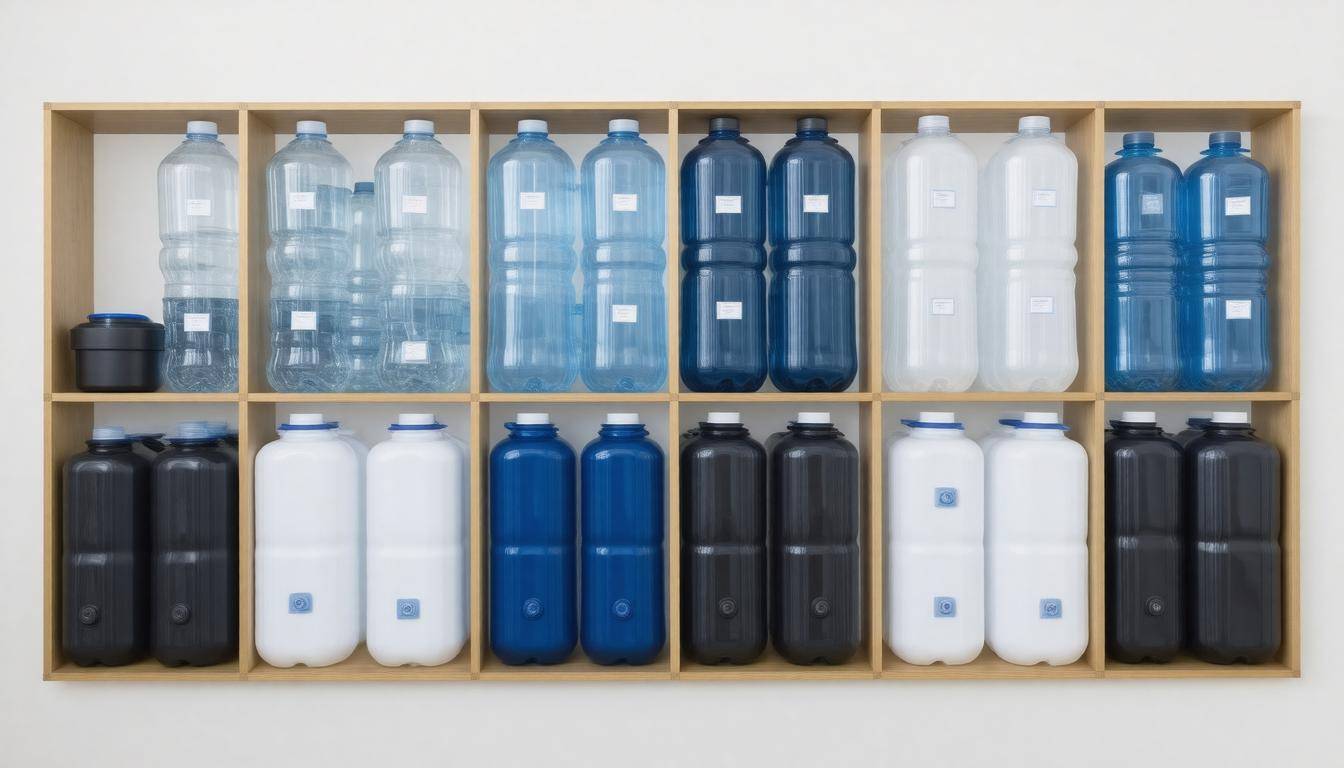
When it comes to water storage, the goal is simple: store enough clean water that will sustain your household until normal supplies are restored. This is crucial, especially during emergencies like natural disasters when access to safe drinking water can be severely limited.
Discount stores offer a variety of budget-friendly containers designed specifically for this purpose. Large plastic jugs or bottles are particularly popular because they often hold five gallons or more, and you can usually find them for just a few dollars each. These larger containers are great for long-term storage as they give you ample water supply in case of an emergency. Always look for food-grade containers which are designed to hold potable water, ensuring your supply remains safe for consumption.
Consider a practice I’ve found helpful: once every couple of months, rotate your stored water. Simply empty the old containers, rinse them out, refill them with fresh water, and store them again. This simple act helps prevent any stale taste and keeps your water supply fresh.
In addition to larger jugs, smaller portable water containers are incredibly useful for situations where you might need to transport water or portion it out among family members. These may come in handy during outdoor activities or while evacuating quickly; lightweight options that fit nicely in backpacks add convenience without compromising capacity.
| Type of Container | Capacity | Cost (approx.) |
|---|---|---|
| Large Jug | 5 gallons | $5 |
| Portable Bottle | 1 gallon | $3 |
| Water Pouches | 500 ml | $1 for pack of 3 |
Beyond basic storage, think about how you’ll maintain the cleanliness of your water supply over time. A good practice involves regularly cleaning any reusable containers with a mild bleach solution or vinegar to kill off bacteria. It’s crucial to rinse thoroughly afterward to avoid contaminating your stored water supplies with cleaning agents.
Lastly, don’t overlook the value of supplemental items such as portable filtration systems or purification tablets. These tools can enhance your preparedness by allowing you to ensure even non-potable sources—like rainwater or creek water—can be transformed into something drinkable and safe during extended emergencies. Having these extra measures can give you peace of mind that you’re well-equipped for any situation.
Beyond ensuring you have adequate water supply and storage, securing proper lighting solutions is also vital during emergencies when power might not be available.
Inexpensive Lighting Options
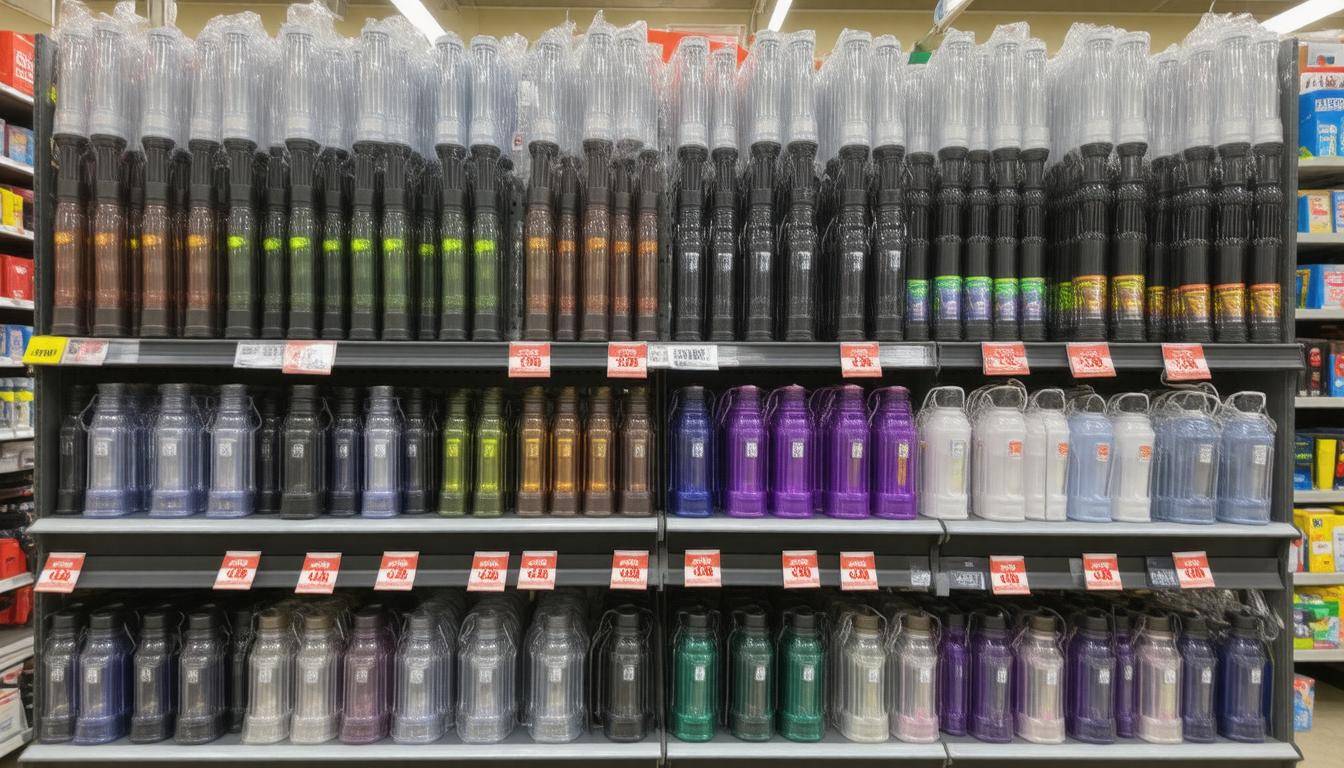
Spending nights in the dark due to power outages can be daunting, but there are plenty of simple, budget-friendly lighting solutions just waiting for you in discount stores. One viable option is investing in LED flashlights and lanterns. These light sources are not only energy-efficient but also incredibly effective—perfect for when you need reliable illumination without draining your purse.
LED lights have several advantages over traditional bulbs. They are long-lasting, which means once you’ve made the purchase, you’re set for future emergencies without worrying about frequent replacements. Plus, they generate less heat, making them safe to use in enclosed spaces. Even with these benefits, it’s vital to have a backup plan and accessories on hand, such as extra batteries for those LED flashlights.
Top Picks for Lighting
In discount stores, you’ll often find various options that cater to different needs:
-
Battery-Powered LED Lanterns: Perfect for providing ambient light and easily portable between rooms.
-
LED Flashlights with Extra Batteries: Peace of mind knowing that you won’t be left in the dark; often, a pack of two LED flashlights with batteries can cost as low as $5 at a store like Dollar Tree. Owning a couple ensures everyone can navigate your home safely during an emergency.
-
Solar-Powered Garden Lights: Though designed for outdoor use, these versatile lights can be brought indoors for temporary lighting needs. Simply place them outside during the day to charge and bring them inside as needed during unexpected power outages.
Always remember that the right lighting solutions not only help maintain visibility during emergencies but can also provide comfort and calm amid chaos.
With visibility sorted out through these affordable lighting options, you’ll want to prioritize keeping your family warm and ensuring adequate shelter next.
Warmth and Shelter Basics
Keeping warm in emergencies is not just about layering clothing; it involves a thoughtful selection of supplies that can protect you from the elements. Discount stores are a treasure trove of essential items designed to help retain body heat and create temporary shelter during adverse conditions. For instance, emergency mylar thermal blankets are among the most efficient tools available. Each blanket usually costs around $1.50, and when used correctly, they reflect your body’s heat back to you, making them invaluable for survival situations.
Similarly, you’re likely to find compact sleeping bags priced at approximately $15. These lightweight bags are designed with portability in mind, enabling easy storage and transport in your emergency kit. They’re perfect for retaining warmth during outdoor events or unexpected power outages at home. Just imagine unrolling one on a cold night—it can transform your experience from uncomfortable to cozy in an instant.
A simple addition like hand warmers, which generally cost about $1 for a pack of two, provides up to 10 hours of added warmth. These small packets fit easily into your gloves or pockets and can be the extra boost of heat you need in dire situations. Likewise, insulated gloves, averaging $5, allow you to maintain dexterity while keeping your fingers warm—essential for tasks like setting up an emergency shelter.
As we think about shelter, tarps become an important consideration. Priced around $10 for a size of 10×12 feet, tarps serve multiple functions—they can create makeshift shelters against rain or wind when properly secured with rope or heavy rocks found nearby. Having tarps on hand ensures you have protection from the elements while also establishing a dry area for cooking or sleeping.
Additional items worth considering include emergency bivvy bags, costing about $5 each. These bags are useful for reflecting heat back towards your body and provide a barrier against wet conditions. In critical situations where you might find yourself stranded outdoors, having a blend of these basic essentials allows for flexibility and adaptation.
Equipped with this range of supplies, you can create a solid foundation for your emergency preparedness strategy. Next, we’ll explore practical options that enhance your readiness without straining your budget.
Cost-Effective Tools and Gear
Basic tools can truly make a vital difference when dealing with unexpected challenges during an emergency, especially when they’ve been carefully selected for both quality and affordability. Discount stores are treasure troves for budget-conscious shoppers looking to equip themselves with essential supplies. You can find items such as multi-tools, duct tape, and utility knives—all priced significantly lower than their counterparts found in specialty shops.
Among the essential tools you should consider are:
- A multi-tool that includes various screwdrivers, pliers, and a can opener
- Duct tape, which proves beneficial in countless situations
- A sturdy utility knife for cutting tasks
- Work gloves to keep your hands protected
Don’t underestimate the power of these tools; for example, a simple multi-tool might only set you back around $10-$20 at discount stores while serving multiple purposes. Whether you’re tightening screws, opening cans of food, or even making minor repairs around the house, its versatility makes it indispensable. By choosing less expensive options without compromising quality, you’re being resourceful while preparing for emergencies.
One must remember that preparing doesn’t mean breaking the bank. A high price tag doesn’t always equate to better functionality.
Duct tape is another unsung hero in any emergency kit. With just a roll in hand, you can secure loose items, patch up minor leaks, or even create makeshift shelters if necessary. The tactile experience of pulling a strip from the roll gives you a sense of assurance; with it, you feel empowered to handle urgent situations that may arise unexpectedly.
Let’s not forget about a solid utility knife. This small tool can slice through packaging, cut rope, or perform other tasks that require a sharp edge. When you choose a discounted option over high-end brands, you’re investing wisely without sidestepping quality. Typically available for under $15, they provide incredible value.
As all these elements come together seamlessly in your efforts to prepare for emergencies, understanding how to effectively organize them into a comprehensive emergency setup is crucial.
Final Kit Assembly Tips
First and foremost, prioritize accessibility and portability as you assemble your kit. Selecting sturdy storage bins or backpacks that are easy to grab will streamline your preparations. Imagine yourself in a scenario where timing is essential; you want to reach for your supplies quickly without fumbling around. Choose containers that not only hold your items but also keep them organized effectively.
For instance, if an emergency strikes at night, having those flashlights, first aid kits, and water bottles easily accessible means you’re ready to act without wasting precious moments.
A consistent labeling system can significantly enhance your kit’s functionality. By labeling each container by category—such as first aid, food, or tools—you allow yourself to quickly find what you need even under stress. Picture yourself searching for medications or a flashlight amid chaos; clear labels would save valuable seconds.
Furthermore, keeping an updated inventory list inside the kit helps identify which items need replenishing. Next time you check on your kit, simply glance at the list for any expired supplies to make your shopping trip more efficient.
Remember, regular maintenance is crucial. Just as you wouldn’t let your car run low on oil without checking it, don’t let your emergency supplies fall into disarray.
Additionally, think about incorporating some personal touches specific to your family’s needs. If you have small children or pets, include essential care items for them as well—like diapers or pet food—to ensure everyone has what they need during an emergency situation. It’s these thoughtful considerations that might be the difference between comfort and panic when relying on this kit.
Lastly, consider distribution; it’s not just about having one central kit. Having duplicate kits in strategic locations adds another layer of convenience and preparedness. Perhaps keep a smaller version in your vehicle and another at work along with home storage. This way, regardless of where you are when disaster strikes, you’ll have access to critical supplies whenever you need them.
With these assembly tips in mind, creating a functional emergency kit becomes much easier—and it’s one of the best ways to ensure peace of mind without straining your finances.
In summary, taking proactive steps now to prepare for emergencies can bring significant peace of mind later on when chaos strikes. Remember that being prepared is not just smart; it’s essential for safety and security.