
When the chilly night air creeps in, many of us pull an extra blanket over ourselves, but what if you’re out camping or faced with a sudden cold snap at home? You might think your comfort depends solely on expensive sleeping bags or heavy blankets, but that’s not the only path to warmth. In fact, with a little creativity and resourcefulness, there are countless DIY emergency bedding options waiting for you right in your home or camping gear. From using old clothes to create plush layers to innovative solutions like bubble wrap or heated stones, you’ll discover how simple household items can transform a freezing night into a cozy experience. Let’s dive into these warm and efficient strategies that ensure comfort when temperatures drop, so you can sleep soundly no matter where you are.
Some effective DIY emergency bedding options include using insulated sleeping pads to prevent heat loss, layering with quilts or comforters both underneath and above your sleeping surface, and employing techniques like ‘Tentception’ where a smaller tent is set up inside a larger one to create an insulating layer. Additionally, incorporating items such as children’s playroom puzzle tiles for ground insulation and utilizing heated stones carefully wrapped in towels for extra foot warmth can significantly enhance comfort during cold nights.
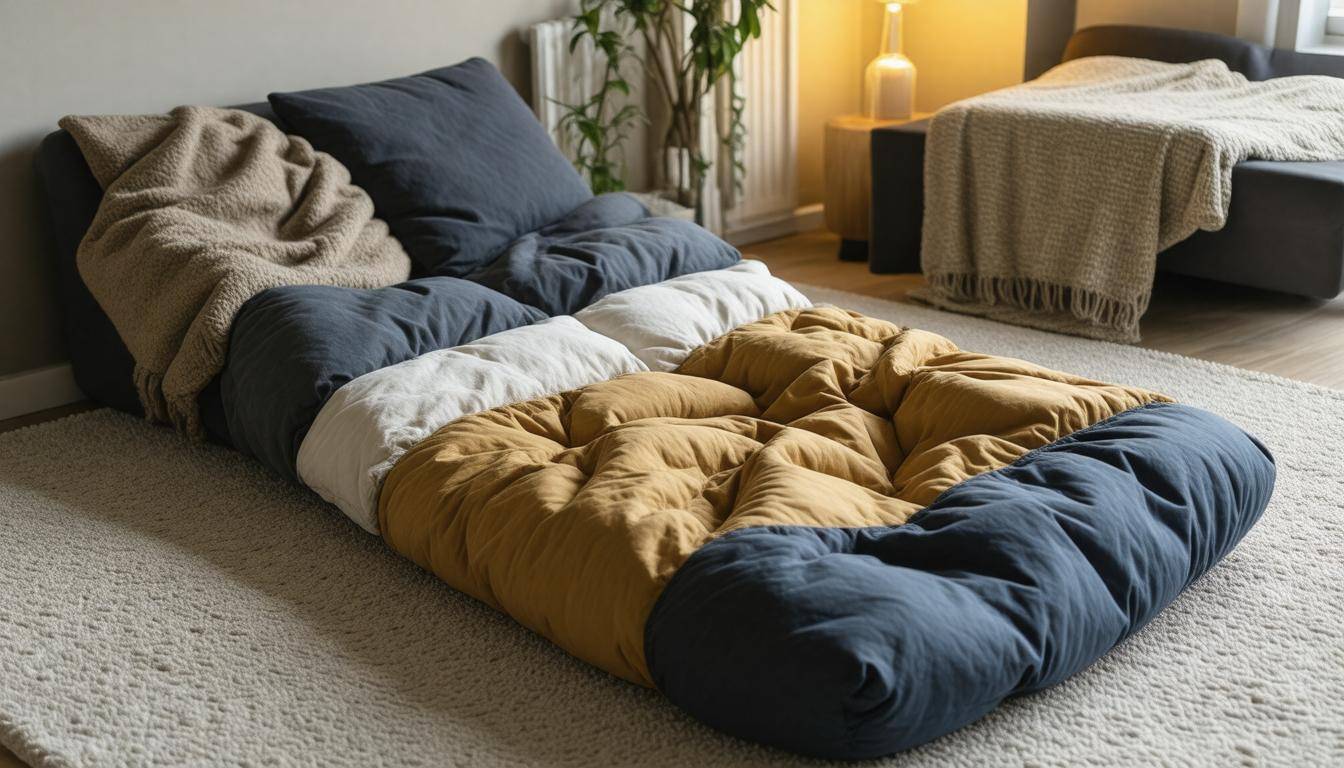
DIY Emergency Bedding Options
Finding yourself in need of extra warmth while camping or in a chilly home situation doesn’t have to lead to miserable nights. In fact, there are numerous innovative strategies that can make a significant difference in your comfort, drawing from both practicality and some clever resourcefulness.
One effective method is layering blankets or clothing. By stacking multiple layers, you can trap pockets of air between them, which serves as an excellent insulator. Each layer you add increases your warmth, helping you stay snug even when temperatures drop. If you’re in a pinch, simply pulling on extra clothes—think bulky sweaters or thick socks—can elevate your body heat just enough to ensure a good night’s sleep.
For those particularly frigid nights, utilizing an emergency space blanket can be a game changer. These thin, reflective sheets are designed to reflect body heat back, keeping you warm without taking up much space in your backpack. It’s lightweight and very affordable.
Next, if you want a creative touch, consider filling plastic bags or pillowcases with leaves or scrap clothing to use as makeshift bedding. This not only adds insulation beneath you but also utilizes materials that might otherwise go to waste—all while providing something soft to rest against. This technique is reminiscent of survival practices where people harness the natural environment.
Transitioning from the warmth around you to what’s beneath you, employing bubble wrap as a ground barrier is another great way to prevent heat loss through the cold ground. Its insulative properties create a cushion that blocks out harsh cold from below while adding just the right amount of comfort for sleeping.
When you need immediate protection and warmth, wrapping yourself in a heavy-duty tarp can act like a sleeping bag on the fly. This tactic effectively shields you from wind chill and moisture, so you’re less likely to feel the brisk night air biting at your skin.
Expanding further on insulative tactics, mylar bags can be utilized inside sleeping bags for additional warmth. These bags trap heat extremely well as they work similarly to space blankets by reflecting back body warmth.
Creative Mattress Alternatives
If you find yourself needing a mattress alternative urgently, try stuffing a large bag with straw or dried grass. This approach echoes those used by campers and pioneers long ago and effectively creates a makeshift mattress that provides decent comfort and insulation from the ground—just ensure it’s packed evenly for best results!
An interesting option that many overlook is sleeping in a well-ventilated tent inside your house. This keeps you warmer than typical bedroom arrangements by providing better heat retention and allows for better airflow too—reducing moisture buildup caused by body heat.
Adding foil-backed insulation boards underneath your sleeping surface can also make a big impact. These boards are often used in construction but serve excellently to reflect heat toward your body, making them invaluable when placed below your bed or sleeping mat.
Lastly, don’t underestimate the simple joy of preparing a hot water bottle wrapped in cloth to keep your feet warm throughout the night. This age-old method ensures that even if it gets too cold at night, you’ll have something comforting right at your toes!
With these various options at your disposal, ensuring adequate warmth during challenging situations becomes entirely feasible. Let’s broaden our exploration into ways to enhance the effectiveness of homemade bedding solutions tailored specifically for insulation.
Insulating Homemade Blankets
One excellent option for enhancing warmth during chilly nights is creating insulating blankets from clothes or various fabric layers you already have at home. This approach not only recycles old items but also provides customizable comfort to fit your unique camping needs. Imagine snuggling under a cozy blanket made from your favorite sweaters – it’s both practical and personal.
Steps to Create an Insulating Blanket
To make your own insulating blanket, start by gathering materials you don’t mind repurposing. Old towels, sweaters, or even thin blankets can work wonders. Each layer plays a crucial role in trapping air and retaining heat, so don’t hold back on the number of layers you use.
Lay your materials flat on a surface, overlapping them slightly to ensure there are no gaps where cold air could sneak in.
Once the layers are arranged to your satisfaction, secure them using safety pins for a quick fix, or sew them for a more durable solution. Here’s an insider tip: if you have access to a reflective layer like a mylar blanket, tuck this into the middle of your layers before securing everything. The reflective material will help bounce body heat back towards you, essentially creating a mini-thermal cocoon.
Recommendation
When selecting fabrics, prioritize thicker materials like wool or fleece since they offer better insulation due to their higher thermal resistance. For instance, wool has an R-value of 3.0 – 4.0 per inch, making it one of the best choices for cold weather situations. Fleece also provides substantial warmth with an R-value of 2.0 – 3.0 per inch while being lightweight—beneficial for camping scenarios where every ounce matters.
If additional cushioning is required, there are creative solutions available that can further enhance comfort alongside your homemade insulating blankets.
Makeshift Cushioning Ideas
Comfort can feel elusive during emergency camping situations, but with smart uses of common materials, you can build a cozy sleeping space that transforms your night under the stars. When you’re in a pinch, the key is looking around you for options that provide both cushioning and insulation.
Common Materials to Use
Let’s explore some practical materials that can make all the difference in your emergency bedding setup. Firstly, old pillows or couch cushions are excellent choices. They not only offer plush comfort but are also readily available in most homes. Just be sure to check for any signs of wear—after all, you want these to cradle you while you sleep.
Here are other effective materials:
-
Folded towels or quilts can add layers of softness and warmth. Utilizing several towels stacked together creates a cushioned barrier between you and the cold ground, making a world of difference.
-
Stuffing plastic bags with soft materials like leaves, grass, or even old clothes allows for creative solutions when traditional bedding isn’t available. This natural approach not only cushions but provides some level of insulation as well.
“When we ran out of traditional bedding, we found that stuffing our old duffle bags with clothes provided a surprisingly comfortable cushion,” says Jane, a seasoned camper.
The versatility of these items means they can serve multiple purposes—providing both comfort and insulation. For instance, if you’re using clothing as stuffing, consider selecting thicker garments like sweatshirts or jackets for added warmth. Likewise, stuffed plastic bags can create an effective makeshift sleeping pad that molds to your body shape.
Since comfort is derived from various factors including cushioning and heat retention, let’s talk about how layering these materials can maximize your warmth during colder nights.
Layering for Warmth
Layering is an effective strategy for maximizing heat retention. Start with your ground layer; the more insulation you have underneath you, the less chill will creep up from the hard surface. Combine your soft blankets and towels first to make a plush base for your makeshift bed.
Imagine placing an old sleeping bag or even an inflatable pad as a base layer, then covering it with folded quilts or towels. This combination not only cushions you but serves to trap warm air near your body as well. It’s amazing how layering different materials enhances overall warmth and comfort as they effectively work together.
As we explore further techniques for ensuring a warm night’s sleep in challenging conditions, remember that being resourceful now will ensure restorative rest later.
Innovative Heat Sources
Sometimes simple solutions are the most effective, and one such idea lies in using everyday items for warmth. A prime example is using a dense stone heated over a fire. This time-tested method offers a comforting source of sustained warmth throughout the night. Picture it: after an invigorating day of hiking, you settle into your sleeping area, and as the temperature drops, this warm stone enveloped in a towel becomes your very own bedwarmer. A bit of effort here pays off significantly when those cold winds howl outside your tent.
Step-by-Step Guide:
- Start by heating a medium-sized stone in a fire or even an oven for about 15-20 minutes. Ensure it’s quite hot—this is crucial for effective heat retention.
- Once it’s sufficiently heated, use tongs to carefully remove the stone from its heat source. Let it cool slightly to avoid burns on your skin.
- Next, wrap the stone securely in a thick towel or cloth to create insulation while helping avoid direct contact with your body during sleep.
- Finally, place it within your makeshift bedding before you sleep, positioning it near your feet or lower back where warmth is often most appreciated.
While this method can bring immense comfort, do not forget essential safety precautions. Always handle heated stones with care, making sure they aren’t so hot that they could cause burns or fire hazards.
In addition to the stone technique, another ingenious method involves using insulated bottles filled with hot liquids—think warm tea or soup—as heat sources overnight. Not only does this keep you hydrated, but these bottles serve dual purposes: hydration and warmth combined into one small package! Fill them with hot liquids before snuggling into your sleeping bag; they can retain heat for several hours depending on their quality.
More Creative Solutions:
Beyond these ideas, consider implementing small DIY heating pads made from household ingredients. By mixing equal parts salt and water in a sealed plastic bag and microwaving for a minute or two, you can create a warmth-retaining pad that lasts up to an hour for added comfort.
Finally, remember to think innovatively: Mylar thermal blankets are compact and perfectly designed to reflect over 90% of body heat! Even though they’re lightweight, having one handy can significantly enhance your warmth by preventing body heat from escaping into the chilly air of your tent.
Exploring these methods not only keeps you cozy but also highlights how ingenuity can elevate your outdoor adventures to new levels of comfort in challenging conditions.
Quick and Effective Crafting
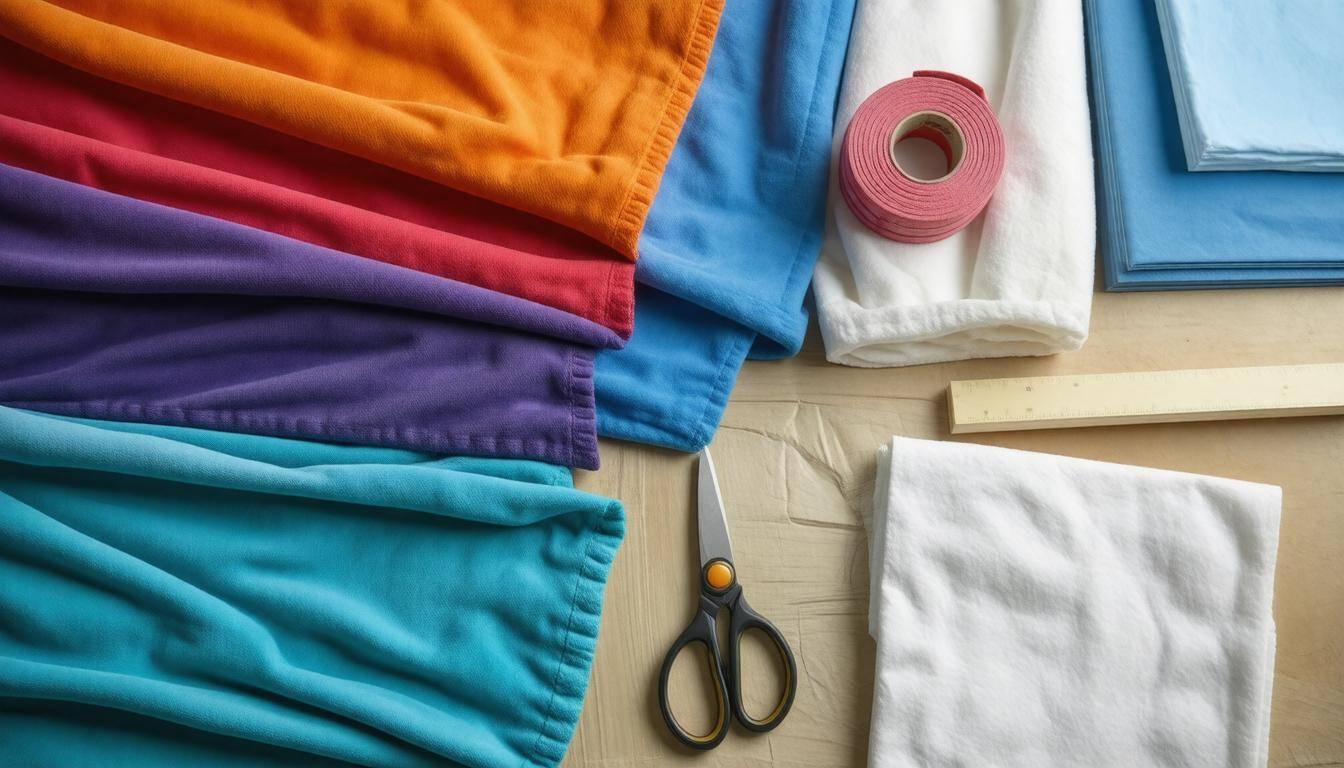
One immediate solution that springs to mind is constructing a sleeping pad using materials you likely have on hand in your home. Think about how often we discard or overlook items like old garbage bags. You can transform these everyday objects into effective bedding solutions. Imagine being able to whip up a cozy sleeping pad from household refuse; it’s not only thrifty but also shockingly practical!
Start with large, heavy-duty garbage bags—these can hold significant weight and stand up against the elements better than standard bags. Fill them halfway with dry leaves, grass, or even shredded paper, which all are excellent insulators. Once you’ve gathered your fillers, seal the bags tightly. This secures air pockets that will act as cushions against the cold ground beneath.
Remember, whenever you lay down to rest, ensuring you have cushioning under you makes a world of difference in comfort and warmth.
Next, position your filled bags flat under where you’ll be sleeping. This creates a layer of insulation that keeps your body heat trapped while preventing the cold from seeping in. A quick tip: if you’re really pushing for comfort, try layering multiple bags together or stacking them to achieve an optimal thickness that suits your weight.
But crafting doesn’t end with a quick fix; understanding how to layer materials can significantly enhance warmth. For enhanced effectiveness, consider coupling this homemade sleeping pad with other materials you might have at hand. Old blankets or quilts serve double duty—they’re excellent for additional warmth and comfort. Layering these over the pad you’ve created adds extra insulation, which could potentially save you from shivering through the night.
In addition to bags and blankets, cardboard boxes can be effective as well. Rigid and surprisingly insulative, cardboard can be laid out under your sleeping area for added support while still allowing air flow – think of it as another layer of protection against the chill.
Efficient crafting revolves around being innovative with what’s available to you. The beauty lies in combining items—from garbage bags to blankets—each adding its unique touch of warmth and comfort to your emergency bedding setup. When faced with unexpected situations outdoors, remember that creativity is often as crucial as any professional gear you might carry along on your adventures.
With these inventive solutions in mind, let’s explore how layering various materials can further enhance your warmth and comfort during those chilly nights outside.
Layering Techniques for Warmth
Layering is an age-old method to retain body heat and is key to staying warm during chilly nights outdoors. By effectively utilizing materials and their properties, you can create a cozy environment even when temperatures drop.
The strategy begins with a solid foundation—your base layer. This layer should be made of moisture-wicking fabrics like polypropylene or merino wool, which will keep your skin dry and minimize the chill that dampness can bring. A thickness range of 150-200 grams per square meter (gsm) is ideal for this purpose, as it provides enough warmth while remaining breathable.
Effective Layering Strategy
Once you have your base layer sorted, it’s time to think about the middle layers. This is where creativity can really shine! Old sweaters, fleece jackets, or even towels can serve as fantastic insulating layers. The idea here is to trap air between layers, which acts as insulation. Each layer adds its own unique ability to prevent heat loss, with fleece providing an R-value of up to 3.0 for warmth.
In my experience, using multiple thin layers rather than one thick sweater increases warmth retention by allowing better airflow and flexibility.
It’s worth noting that studies suggest multiple thin layers can be more effective than one thick layer for insulation, enhancing overall heat retention by up to 30%. People often overlook this; they assume a single bulky jacket will do the trick but may end up feeling stifled and cold instead.
Finally, finishing off your layering ensemble requires an outer layer designed to trap heat effectively. A heavy blanket, quilt, or durable tarp works well for this purpose. Fabrics that are windproof and waterproof provide additional protection against the elements, making them perfect candidates for outdoor settings. In colder environments, remember to position these outer layers properly to cover your entire sleeping area and prevent drafts from sneaking in.
For those interested in maximizing warmth through innovative approaches, consider additional accessories that can enhance your layered setup.
Using Household Materials
There’s something truly resourceful about looking around your home and realizing you have everything you need to stay warm while camping. When you’re out in the wilderness, household items can serve as effective bedding solutions, keeping you cozy when the temperatures drop. For instance, old curtains or worn-out carpets can be repurposed into ground barriers, helping to insulate against the chill that seeps up from the earth.
Let’s explore specific household materials you can use. Think about shower curtains; they aren’t just for keeping water off your bathroom floor. Using a shower curtain as a moisture barrier can prevent dampness from penetrating your bedding when set up under an air mattress or directly on the ground. This simple hack can significantly reduce heat loss from your body during those cold nights.
Meanwhile, old newspapers might seem like they belong in recycling, but they’re actually fantastic insulating pads when layered beneath your sleeping area. Their ability to trap air helps retain heat and adds just enough cushion for a more comfortable night’s sleep — after all, nobody wants to wake up with a stiff back!
Here’s a quick reference table with some common household items and their potential uses:
| Household Item | Potential Use |
|---|---|
| Carpet | Ground Padding |
| Old Clothing | Insulation |
| Shower Curtain | Moisture Barrier |
| Newspapers | Insulating Pads |
As you gather these materials, keep in mind that improvising with what you have at hand not only saves money but also encourages creativity in making your camp experience more comfortable.
Going beyond simple layering, consider utilizing thick blankets or old towels; these can be draped over you or between layers of clothing for added warmth. Imagine snuggling under an array of colorful blankets that once adorned your living room couch. Not only does this offer warmth, but it also invokes a sense of home when you’re out in nature.
Also, using old sweaters while sleeping can provide additional warmth—simply wear them or spread them out as an extra layer on top of your makeshift bed. The wool’s natural insulation properties can add 2-5 degrees of comfort when temperatures plummet at night.
It’s remarkable to think how many comfort solutions lie just within arm’s reach in our homes. Being inventive with everyday items leads to cozy camping nights while sidestepping unnecessary costs associated with premium outdoor gear.
Embracing these practical solutions lays the groundwork for maximizing comfort levels while camping outdoors, ensuring that your experience remains enjoyable even when conditions are less than ideal.
Testing and Enhancing Comfort
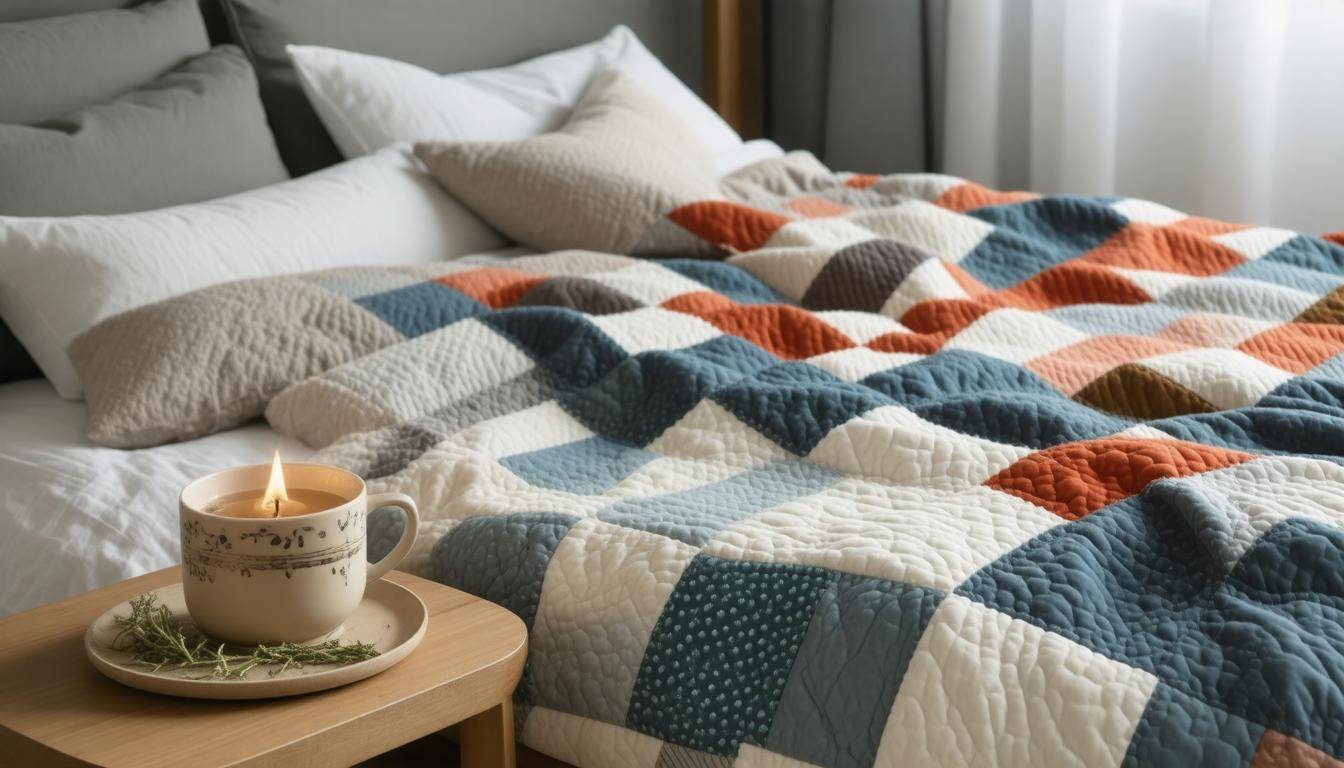
When it comes to DIY emergency bedding, comfort is paramount. Since you’ll likely rely on this setup during chilly nights, taking a moment to assess your comfort levels is crucial. It’s like trying on a new pair of shoes: they might seem perfect at first, but you may realize they need adjustments after wearing them for a while.
Steps to Assess and Improve
Start by setting up your bedding exactly as you intend to use it. Lie down for a few minutes and really tune into how it feels. This isn’t just about checking for squishiness; it’s about evaluating overall warmth and support. Are there any cold spots where air seems to seep through? Do any layers feel too thin or thick? You can even close your eyes and mentally note how each part of your body interacts with the bedding.
As you lie there, take that mental snapshot because you may identify areas needing adjustment. If you detect cold spots—that’s your cue! Rearranging or adding insulation layers can dramatically improve your experience. For areas lacking warmth, I recommend incorporating more cushioning materials to act like little heat traps, such as fleece or wool blankets—these materials excel at retaining warmth.
Think of this layering process like making a delicious soup; having the base right is important, but a pinch more salt or spices can elevate the flavor. The right combination makes all the difference in both taste and comfort.
As you experiment with adjustments, don’t hesitate to get creative. If additional blankets aren’t cutting it, try folding them for added insulation or placing an insulated mat underneath your sleeping surface for extra warmth from below.
As you continue testing various setups, remember that comfort is subjective; what works perfectly for one person may differ for another. By being attentive and willing to tweak your arrangements, you’re crafting a personalized solution that will ensure a cozy and restful night—even when sleeping under the stars unexpectedly.
In the world of camping where temperatures may drop unexpectedly, these warm DIY emergency bedding options are invaluable. Use creativity and experimentation to enhance your comfort, allowing you to fully enjoy every outdoor adventure.