
In a world where climate challenges are becoming more common, the issue of water scarcity has never been more pressing. Droughts affect millions globally, drying up rivers and stressing agricultural lands, which can lead to food shortages and soaring prices. It may seem daunting, but there’s good news: individuals have the power to make a real difference. By adopting simple habits and making informed choices about water usage, each of us can contribute to a more sustainable future. Whether it’s fixing a leaky faucet or rethinking how we water our gardens, every little effort counts. This comprehensive guide will walk you through various strategies and tips for conserving water, ensuring that together we can navigate these challenging times effectively.
The Drought Emergency: Water Conservation Guide covers essential topics such as best practices for reducing water usage, government regulations and actions to promote conservation, and innovative techniques for maintaining sustainability in water consumption. Additionally, it provides insights into ongoing conservation efforts and how individuals can contribute effectively during drought conditions.

Causes and Impacts of Drought
Droughts arise from a complex interplay of factors, deeply rooted in climate patterns and human activities. For starters, natural phenomena like El Niño and La Niña can significantly influence weather conditions, sometimes leading to prolonged dry spells. These cycles cause fluctuations in temperature and precipitation that can create drought conditions in certain regions for extended periods. Climate change compounds these issues, increasing temperatures globally and altering established rainfall patterns. As we continue to emit greenhouse gases at alarming rates, the consequences become even more severe, impacting not just localized areas but entire ecosystems.
Beyond the immediate climatic triggers, human activities play a central role in exacerbating drought conditions. Over-extraction of groundwater for agriculture and urban use is one major factor that depletes critical water sources faster than they can be replenished. This unsustainable practice is like running a marathon with no water stations in sight; eventually, you will face serious consequences.
Environmental Impacts
The environmental repercussions of drought are striking. With reduced water levels in rivers, lakes, and reservoirs, both aquatic life and local ecosystems suffer intensely. Fish populations dwindle as their habitats shrink or disappear entirely, while plant species struggle to survive without adequate hydration. Soil degradation becomes another harsh reality; when exposed to the elements without the protective cover of vegetation, it can erode quickly or become increasingly saline, rendering it unfit for planting crops.
The United Nations estimates that an astounding 1.2 billion people worldwide live in areas experiencing severe water scarcity—this figure highlights the urgency of addressing these environmental challenges.
But the impacts extend beyond the environment into our economy and society.
Economic and Social Impacts
Economically, droughts impose staggering costs, particularly within agriculture—one of the most vulnerable sectors. Crop yields drop dramatically during these dry spells; fields that once flourished can turn barren within a season. Livestock also suffers; without access to sufficient feed and water supplies, farmers often face hard decisions that can lead to loss of income or even bankruptcy. According to recent studies, drought-related losses in agriculture alone accounted for an estimated $8 billion in damages just in 2021.
On a social level, communities bear the brunt through water rationing and soaring food prices as supply diminishes. These economic stressors may force families to alter their everyday lives dramatically or even migrate away from affected areas in search of better prospects. Indeed, residents facing such challenges often find themselves navigating tightrope situations where every decision has weighty implications—this underscores how vital it is to understand not just the causes but also the overall impact of drought on communities.
Recognizing these pressing challenges is crucial now more than ever as we transition towards proactive measures that foster sustainability and responsible resource management.
Implementing Household Water-Saving Methods
Households have the power to make a real difference in water conservation by adopting simple changes that benefit both the planet and your budget. One significant step is installing water-efficient fixtures and appliances. By opting for low-flow showerheads and faucet aerators, you can save several gallons of water with every use. These devices restrict the flow of water without sacrificing pressure, allowing you to enjoy your shower or wash your hands without wasting precious resources.
As you contemplate your water usage, check your home for leaks too. A dripping faucet might seem minor, but it can waste more than 3,000 gallons of water per year. Imagine filling an entire swimming pool with the wasted water over time! Fixing these leaks promptly is relatively easy and can significantly reduce your water bill while contributing to overall conservation efforts.
Once you’ve addressed leaks, consider how you use your appliances as another area where improvements can be made.
Appliances like dishwashers and washing machines are often overlooked regarding water conservation. To maximize their efficiency, always run them only with full loads. Not only does this ensure that you’re getting the most out of each cycle, but it also decreases total water usage drastically—potentially saving dozens of gallons per load. Many modern machines come equipped with settings that allow you to customize the cycle based on load size, further enhancing their efficiency.
In addition to these appliance adjustments, adopting consistent water-saving habits in daily life can yield substantial benefits. For instance, turning off the tap while brushing your teeth or shaving not only conserves water but can save hundreds of gallons each month. Similarly, using a broom instead of a hose to clean driveways or sidewalks can save about 80-100 gallons of water every time you do so. Simple practices like this integrate seamlessly into daily routines and foster a lifestyle centered around sustainability.
With these practical methods and habits established, we will investigate how larger-scale strategies complement individual efforts in promoting sustainable community living.
Municipal Strategies for Water Conservation
As regions grapple with persistent drought conditions, municipalities can adopt critical strategies designed to enhance sustainable water use. One impactful method is the integration of water recycling and reuse systems. Cities like Singapore and Los Angeles have gained recognition for their progressive water management techniques. By treating wastewater and redirecting it for non-potable purposes—like irrigation for parks or industrial applications—these municipalities reduce the demand for fresh water, demonstrating resourcefulness in times of scarcity.
Water Recycling and Reuse
Take Singapore, for example. Its Newater program has transformed treated wastewater into high-quality water suitable for both commercial and residential uses. This initiative illustrates how communities can innovate their water supply methods despite geographical constraints. In Los Angeles, a mix of stormwater capture, groundwater replenishment, and recycled water usage exemplifies how cities can essentially “create” new sources of water while enhancing environmental resilience during dry spells. Such programs not only provide relief during droughts but also promote public engagement with recycled water as part of daily life.
Alongside these innovative systems, public awareness campaigns stand out as another essential pillar in promoting effective water conservation practices within municipalities.
Public Awareness Campaigns
Educational initiatives that encourage local residents to conserve water resonate powerfully when framed within relatable narratives. Consider rolling out campaigns that assign tangible values to everyday actions—like taking shorter showers or collecting rainwater for garden irrigation. Informative materials and workshops showcasing easy-to-follow steps foster a collective sense of responsibility within the community. A simple brochure detailing tips like turning off faucets while brushing teeth or fixing leaky taps could lead to significant long-term savings.
“The key lies in linking behavioral changes to tangible water savings,” reflects one city planner who believes that well-informed citizens become proactive contributors to sustainability efforts.
Moreover, incorporating storytelling elements about successful local efforts, alongside statistics relevant to immediate neighborhood conditions, strengthens community ties. Hearing about friends or neighbors successfully lowering their bills by conserving water sparks a ripple effect, encouraging others to join in.
By merging innovative technologies with compelling community outreach, municipalities can forge a resilient approach to managing water resources through difficult periods, ensuring sustained resource availability for generations ahead.
Efficient Irrigation and Landscaping Techniques
Efficient irrigation and smart landscaping practices play a pivotal role in conserving water, especially in drought-prone areas. By adopting these methods, you’ll not only save water but also maintain the health of your plants without sacrificing beauty. One of the best ways to achieve this is through drip irrigation systems. Unlike traditional sprinklers that spray water indiscriminately, drip systems deliver water directly to the roots of plants, significantly minimizing evaporation and runoff.
Drip Irrigation Systems
Installing a drip irrigation system can be a game-changer in your gardening routine. These systems use a network of tubing and emitters that release small amounts of water at consistent intervals directly to plant roots. Imagine watering your garden while you’re at work, confident that your plants are being nourished without waste. Research shows that drip systems can save up to 60% more water compared to traditional sprinkler systems. In addition, they help prevent fungal diseases that can thrive in wet foliage by keeping the leaves drier.
I once implemented a drip system in my backyard garden and noticed an immediate difference not just in water savings but also in plant health—my tomatoes thrived as never before!
Drought-Resistant Plants
Another proactive step to conserve water is selecting drought-resistant plants. Choosing native plants adapted to your local climate can significantly reduce your reliance on irrigation. For instance, consider planting lavender or yucca, both known for their minimal water requirements yet ability to enhance curb appeal vibrantly. Incorporating these types of plants allows you to create beautiful landscapes that require less maintenance over time.
Additionally, it’s worth noting that using mulch around your plants can drastically reduce evaporation from the soil. Mulch acts as a protective layer, preserving moisture while suppressing weeds that compete for resources.
Comprehensive Strategies
Of course, combining techniques amplifies effectiveness. Truly efficient irrigation stems from understanding when and how often to water based on the specific needs of your landscape and climate conditions. Watering early in the morning or late in the evening minimizes evaporation losses, which can be high during peak sunlight hours. Regular checkpoints on soil moisture—using sensors if possible—can give real-time insight into watering needs and reduce unnecessary usage significantly.
Implementing such strategies doesn’t mean compromise; instead, it allows you to enjoy a vibrant garden while playing your part in responsible water stewardship.
By weaving together efficient irrigation with thoughtfully chosen plant selections, every garden can flourish sustainably. Whether watering becomes a morning ritual or an automated task under the sun, remember that your choices contribute significantly to broader conservation efforts.
Shifting our focus from practical conservation techniques, we now examine the vital role of regulations and community initiatives that support sustainable water use.
Policies and Local Government Initiatives
Effective policies and initiatives from local governments are pivotal for driving large-scale water conservation. By establishing straightforward regulations and providing incentives, authorities encourage residents to make changes in their water usage. One approach local governments have taken is implementing mandatory water restrictions, which can be a powerful tool during periods of drought. For example, cities like Cape Town have defined specific times when outdoor watering is permitted, effectively limiting water wastage while still promoting necessary plant maintenance. Without these regulations, individual compliance often falls short, jeopardizing collective efforts.
To illustrate this point, consider how mandatory restrictions on lawn watering hours have shifted behaviors not just among homeowners but also within whole communities. By reducing the watering hours from early morning or late evening to just a couple of hours a week, towns manage to conserve significant amounts of water. This approach safeguards supplies while encouraging residents to explore alternatives like drought-resistant landscaping, aligning personal aesthetic desires with conservation needs.
Beyond restrictions, another critical aspect lies in the encouragement of community participation through incentive programs.
Incentive Programs
Providing incentives effectively promotes widespread community involvement in water conservation efforts. Local governments can roll out various programs offering rebates for homeowners who install water-efficient appliances or rainwater harvesting systems. These incentives lower the financial barriers that often deter homeowners from adopting efficient technologies. When residents see an opportunity to save money and contribute to broader conservation efforts simultaneously, they’re much more likely to participate.
Consider a scenario where a family receives a rebate for replacing an old toilet with a new high-efficiency model that uses less water per flush. Not only do they save on utility bills over time, but they also become part of a community initiative aiming for greater sustainability—both economically and environmentally. This communal engagement creates a sense of collective purpose around the issue of water scarcity and fortifies the relationship between individuals and local government.
Statistics show that cities with active incentive programs witness higher participation rates in conservation efforts. This indicates that transparent communication about available options is crucial to achieving success in these initiatives.
Through proactive measures that combine strict usage curtailment and incentivized smart choices, we can cultivate a strong foundation for adaptive strategies that engage the community effectively. Transitioning into how education plays an essential role in enhancing these efforts will reveal further opportunities for collaboration.
Community Education Programs

To achieve lasting results, educating the community about water conservation is essential. A well-informed public can make smarter choices regarding their water usage and help preserve this precious resource for future generations. The integration of several initiatives can empower residents, from school programs that inspire youth involvement to workshops that provide actionable tips for households.
School Programs
Integrating water conservation topics into school curricula not only educates students but also actively involves them in hands-on projects or competitions that reinforce these concepts. This interactive learning approach makes the subject more relatable and can foster a strong sense of stewardship among children. For example, classes can participate in challenges to track their water usage at home or design campaigns promoting save-water techniques. When kids take part in such initiatives, they are likely to carry these habits into adulthood, creating a ripple effect in their families and communities.
Schools can also collaborate with local organizations to create programs that include field trips to water treatment facilities or community gardens where students can see conservation techniques in action. According to studies by the American Water Works Association, community education programs can lead to a 20-30% reduction in residential water use during drought conditions. It’s proof that knowledge indeed leads to action when shared effectively.
Workshops and Public Seminars
Hosting workshops and public seminars for residents is another powerful strategy to deliver practical tips on reducing water usage in everyday activities. Think of these as community gatherings where residents gain valuable information and interact with local experts who can provide tailored advice based on specific regional challenges. Getting involved with the community creates a shared responsibility towards conservation.
These events might cover topics ranging from smart irrigation techniques for gardeners to practical changes one can make within the home—like installing low-flow showerheads or fixing leaks promptly, which often go unnoticed yet waste significant amounts of water. By presenting such solutions alongside compelling narratives about local water scarcity issues, these sessions resonate deeply with attendees, motivating them toward change.
It’s also worth noting that communities with ongoing education initiatives have experienced a 25% higher adoption rate of water-efficient appliances compared to those without such programs.
Fostering an environment conducive to learning while instilling empowerment through actionable insights can transform a community’s approach towards sustainable water management practices. By blending engaging school programs and informative workshops, communities become equipped not just with knowledge but also with motivation.
As we explore the wider implications of improved practices in water management, it’s crucial to investigate the innovative technologies and strategies emerging in this critical field.
Innovations in Water Management
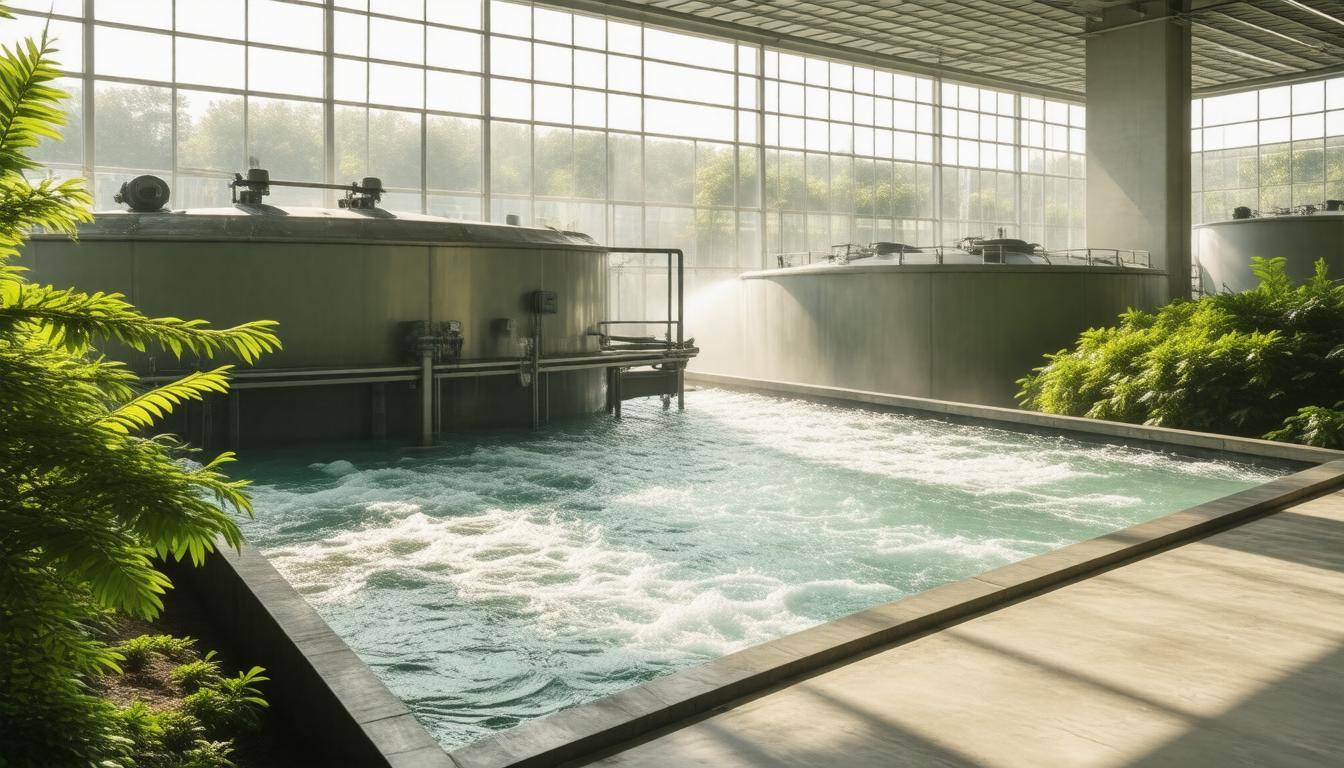
Technological innovations are revolutionizing the way we handle water resources, making them more effective and sustainable. With the increasing challenges posed by climate variability and aging infrastructure, innovative solutions have emerged. These developments aim to conserve water while enhancing accessibility and safety for communities around the world.
Smart Water Management Systems
One potential game changer in this arena is the implementation of smart water management systems that leverage artificial intelligence (AI). These systems optimize how water is distributed and used across urban landscapes, allowing municipalities to maximize efficiency while reducing waste. Think of smart meters as the eyes and ears of your water system; they can detect leaks almost instantaneously.
By employing sensors strategically placed throughout cities, these smart systems can provide real-time data on water flow, pressure, and usage patterns, enabling rapid responses to issues that arise. For example, when a leak occurs, it’s flagged immediately, preventing significant wastage and costly repairs further down the line.
Additionally, smart systems assess consumption patterns to adjust supply dynamically based on demand—a feature particularly useful during peak usage times. This helps manage existing resources judiciously while informing future infrastructure planning by revealing trends that may require attention.
Desalination Technologies
Another innovation stirring conversation in the water management field is desalination technology. While historically viewed as an expensive and energy-intensive option, advancements have made this approach increasingly viable for regions facing severe freshwater shortages. Countries like Israel and Saudi Arabia lead investments in large-scale desalination plants that tap into oceanic resources to supplement dwindling freshwater supplies.
New techniques and improvements in energy efficiency are turning the tide for desalination. For instance, solar-powered desalination methods have emerged, drastically reducing the carbon footprint often associated with traditional processes. Furthermore, innovations such as reverse osmosis membranes allow for greater extraction efficiency, meaning producing freshwater from seawater has become both cost-effective and more environmentally friendly.
As we explore the intersection of technology and conservation strategies, it becomes clear that proactive measures will play a pivotal role in safeguarding our vital water resources for the future.
Preparing for Future Water Shortages
Given the persistent threats of drought and water scarcity, understanding how to prepare for future shortages is essential. This preparation begins with developing comprehensive emergency response plans. Cities and states need these plans not only to respond swiftly during crises but also to establish a clear framework for managing water resources effectively.
Picture this: when a drought hits, every minute counts. A well-structured response in place means that authorities can assess the situation quickly, allocate water resources intelligently, and communicate with residents about necessary conservation measures.
Moving beyond immediate action, our investment choices today will directly impact our ability to manage water shortages tomorrow.
Developing Emergency Response Plans
A good emergency response plan includes strategies for maximizing available water—covering everything from on-the-ground delivery systems to advanced forecasting methods that analyze weather trends and predict drought patterns. By collaborating with local stakeholders, such as community organizations and residents, planners can tailor these strategies to meet specific regional needs. It’s about building collective resilience, not just reacting.
But response plans alone are not enough; long-term strategies are essential as well.
Investment in Sustainable Infrastructure
Investing in sustainable infrastructure is crucial for resilience against future water shortages. This includes initiatives like rainwater harvesting systems that allow communities to collect and store rainwater for later use. Imagine a city where rooftops become potential reservoirs, capturing droplets that would otherwise be lost.
Similarly, investing in greywater recycling systems—which treat wastewater from baths and sinks for reuse—can greatly reduce demand on fresh water supplies. Each system contributes not only to sustainability but also educates communities on the importance of resource circularity.
Furthermore, these infrastructures require initial capital but yield substantial long-term benefits by reducing dependence on external water sources and stabilizing supply during shortages.
Ultimately, it’s about fostering a culture of awareness and proactive engagement within communities to preserve precious water resources.
Encouraging schools and local organizations to promote conservation practices can make a world of difference. As people begin to understand their role in managing water use, you’re cultivating responsible stewardship over one of our planet’s most vital resources.
By integrating strategic planning and sustainable infrastructure investments with community engagement, we create stronger defenses against water scarcity challenges in the future.
How can communities collaborate to improve overall water conservation efforts during a drought?
Communities can collaborate to improve water conservation efforts during a drought by establishing local water conservation committees that bring together residents, businesses, and local governments to share resources and strategies. By promoting community-wide initiatives such as rainwater harvesting programs and xeriscaping, participants can collectively reduce their water use. For example, studies have shown that communities implementing such collaborative measures can achieve a 20-30% reduction in water consumption during drought periods, benefiting both the environment and the economy.
What role does government policy play in encouraging water conservation during droughts?
Government policy plays a crucial role in encouraging water conservation during droughts by implementing regulations, providing incentives, and funding public awareness campaigns. For example, policies that promote tiered water pricing can disincentivize excessive consumption; studies have shown that such measures can reduce water use by up to 20% in affected areas. Additionally, investment in infrastructure for rainwater harvesting and greywater reuse systems can facilitate long-term conservation efforts, ultimately leading to increased resilience against drought conditions for communities.
What specific water-saving techniques should households adopt during a drought emergency?
Households should adopt techniques such as fixing leaks promptly, using low-flow showerheads and faucets, collecting rainwater for landscaping, and replacing traditional toilets with high-efficiency models. According to the U.S. Environmental Protection Agency, fixing leaks can save homeowners about 10,000 gallons of water per year, while installing low-flow fixtures can reduce water usage by up to 30%. Additionally, practicing mindful lawn care by allowing grass to go dormant can significantly conserve water during a drought emergency.
How do different regions prepare for and respond to drought emergencies affecting water supply?
Different regions prepare for and respond to drought emergencies by implementing a combination of water conservation measures, improving infrastructure, and utilizing advanced technology. For instance, arid regions like California have adopted strict water use regulations, invested in desalination plants, and encouraged rainwater harvesting, while urban areas promote xeriscaping and greywater recycling. According to the U.S. Drought Monitor, as of 2023, over 40% of the western United States faces moderate to exceptional drought conditions, underscoring the critical need for adaptive strategies that vary from region to region based on local climate and water resources.
Are there any technological advancements that can aid in conserving water during periods of drought?
Yes, there have been significant technological advancements aimed at conserving water during droughts. Innovations such as smart irrigation systems use sensors and weather data to optimize watering schedules, reducing water usage by up to 50%. Additionally, greywater recycling systems allow households to reuse wastewater from sinks and showers for irrigation, potentially saving thousands of gallons per year. As these technologies become more widespread, they play a crucial role in managing water resources efficiently during periods of drought.