
In uncertain times, having an edible landscape is like holding a lifeline in your backyard. Imagine stepping outside and picking fresh veggies, fruits, or herbs whenever you need them—no grocery store runs required! This guide is all about setting up a practical and beautiful garden filled with nutritious goodies that can sustain you during emergencies. We’ve drawn from a variety of plant options that are not only easy to grow but also add charm to your outdoor space. Let’s dive into the essentials and learn how to create an edible haven that nourishes both body and soul!
The Edible Landscaping Emergency Guide features a diverse selection of plants that thrive in various climates, including herbs like basil and thyme, vegetables such as tomatoes and peppers, and fruits like strawberries and blueberries. Each plant is chosen not only for its edibility but also for its suitability to be integrated into decorative landscapes while providing essential nutrition during emergencies.
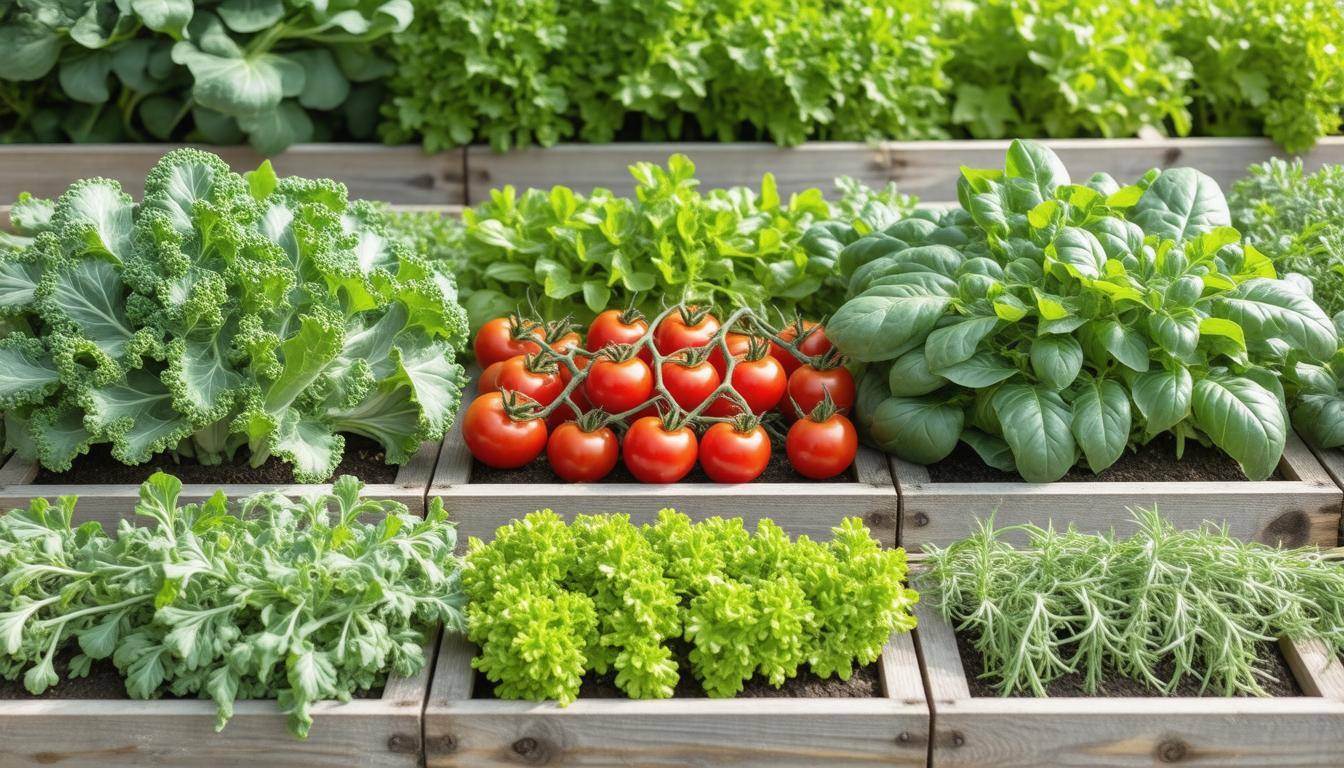
Essential Edible Plants List
Step I – Fast-Growing Vegetables
Fast-growing vegetables are your first line of defense in an emergency garden. When time is of the essence, these crops can provide nourishment in record time.
For instance, consider radishes, which can be ready to harvest in as little as 25 days. Their crisp, peppery flavor can bring life to meals during trying times.
Leaf lettuce is another top choice—it matures in about 30 days and continues to regrow after cutting, making it a reliable option for continuous harvests.
Another quick grower is spinach; not only does it thrive in cooler weather, but it’s also exceptionally rich in nutrients. These vegetables don’t just fill your plate; they help you build resilience by providing crucial vitamins and minerals when you need them most.
Step II – Nutrient-Dense Plants
Beyond speed, it’s vital to focus on nutrient density—plants packed with essential vitamins and minerals that support overall health.
Sweet potatoes should be a staple choice in any emergency garden thanks to their high content of vitamins A and C. The vibrant orange flesh is not just delicious but nutritious, offering energy-sustaining carbohydrates alongside significant health benefits.
Kale is another excellent addition; this leafy green is filled with iron, calcium, and antioxidants that can bounce back even during tough circumstances.
Beets also deserve a spot—they’re rich in fiber and help maintain healthy digestion while boasting storage capabilities that allow them to last long after harvest. Including such nutrient-dense plants ensures that when you’re relying on your garden for sustenance, every bite counts.
Step III – Perennial Plants
Perennial plants hold particular significance in the realm of food security. Unlike annuals that require yearly planting, perennials like asparagus and rhubarb return year after year with minimal effort on your part.
Imagine the peace of mind knowing you’ve cultivated a source of food that requires less upkeep yet continues to provide enriching sustenance season after season. Asparagus takes some time to establish but rewards you handsomely once it starts producing—often lasting for 15 years or more! Meanwhile, rhubarb’s tart stalks can add zing to various dishes and desserts without needing frequent replanting efforts.
In cultivating a diverse edible garden featuring fast-growing vegetables, nutrient-dense options, and resilient perennials, you set the stage for further exploration into other fruit-bearing selections that can enhance your landscape’s productivity and sustainability.
Fruit-Bearing Trees
Fruit-bearing trees are more than just aesthetically pleasing elements in your yard; they serve as a continuous source of nourishment. When selecting trees for your garden, it’s essential to choose ones that offer substantial yields over time, ensuring a steady supply of vitamins and minerals during tough times.
Take apple trees, for instance. They are famous for their crisp fruit and ability to produce a large harvest usually within 2-5 years of planting—sometimes even earlier with dwarf varieties! Remarkably, an apple tree can yield fruit for decades, making it a worthwhile addition to your landscape. Similarly, pear trees are hardy and adaptable to various soil types and climates, ensuring you have sweet, juicy pears ready to eat throughout the growing season.
Consider this: the nutritional value of fruits like apples and pears goes beyond immediate sustenance; they contain fiber, vitamin C, and other essential nutrients that support overall health during stressful periods.
If you’re situated in warmer climates, adding citrus trees such as lemon and orange can be particularly rewarding. These trees thrive in sunny environments and can yield hefty crops each year if properly tended. Even when space is limited, consider incorporating dwarf fruit trees, which can flourish in containers on patios or small yards while still providing a decent harvest.
Beyond their immediate benefits of providing fresh produce, planting fruit-bearing trees enriches the ecosystem. They attract helpful pollinators like bees and butterflies, playing an integral role in sustaining biodiversity around your home. As these trees mature, they also contribute significantly to carbon sequestration—absorbing carbon dioxide from our atmosphere—which can help mitigate some impacts of climate change.
While fruit is an invaluable aspect of our survival gardens, pairing these trees with complementary plants can further enhance your edible landscape’s diversity and efficiency. Let’s explore how integrating specific bushes into your garden can provide additional nourishment and variety.
Nut and Berry Bushes
Incorporating nut and berry bushes into your garden enhances its beauty while significantly boosting nutritional diversity. When the world feels uncertain, having a reliable source of food right outside your door can be both empowering and comforting. With a few well-placed bushes, you could provide essential fats and vitamins for yourself and your family during times of need.
Nut Bushes
Hazelnuts and walnuts are excellent choices for nut bushes. Hazelnuts have a relatively quick maturity time of 2-5 years, providing a bounty of healthy fats, proteins, and essential minerals with low maintenance. Imagine nurturing a plant that rewards you with substantial harvests without demanding much in return—it’s like having a friend who shows up every year with snacks! Hazelnuts thrive in well-drained soil, making them adaptable to various environments.
On the other hand, walnuts take around 4-5 years to mature but are worth the wait. Their rich flavor elevates dishes while offering significant health benefits from omega-3 fatty acids. Planting these nut bushes ensures you’ll have delicious snacks at your fingertips in just a few seasons.
Berry Bushes
Let’s shift gears to berry bushes like blueberries, raspberries, and blackberries. These plants are flavorful while packing a nutritional punch. Blueberries thrive in acidic soil, making them an excellent addition if you have compatible soil conditions. They yield fruit within just 2-3 years, quickly contributing fresh fruit to your diet.
Raspberries boast a short maturity time of about 1-2 years, allowing you to enjoy their sweet abundance promptly. They adapt well as long as the soil is well-draining. Blackberries share similar growth traits and can be trellised for vertical space-saving.
| Plant | Time to Maturity | Nutritional Benefits |
|---|---|---|
| Hazelnuts | 2-5 years | Healthy fats, protein |
| Blueberries | 2-3 years | Antioxidants, vitamin C |
| Raspberries | 1-2 years | Fiber, vitamin C |
| Walnuts | 4-5 years | Omega-3, protein |
By integrating these nut and berry bushes into your emergency edible landscape, you’re not just planting for today; you’re cultivating future nourishment that can sustain you when it matters most. This preparation can lead seamlessly into exploring the next layer of resilience in our edible landscapes—root plants that nestle beneath the soil’s surface.
Root Vegetables and Tubers
When creating an emergency vegetable garden, root vegetables and tubers stand out as unsung heroes. These hardy crops thrive in various conditions, provide substantial caloric content, and offer versatility in meals. Imagine the heartiness of a root stew simmering on a chilly evening! Some of the best options include carrots, potatoes, sweet potatoes, and garlic—all cultivable right in your backyard.
Carrots are more than just a side dish; they are packed with beta-carotene, promoting good vision—a definite health benefit during uncertain times when access to fresh produce may be limited. With a growth cycle of around 60 days, you’ll find yourself harvesting these vibrant orange roots before you know it. Not only do they deliver essential nutrients, but their crisp, sweet flavor adds an enjoyable crunch to salads or comforting stews. Growing them is straightforward; they prefer well-drained sandy loam soil with some sunlight—a simple task for most gardeners.
Now let’s talk about one of the most familiar staples found in kitchens worldwide: potatoes.
Potatoes are calorie-dense powerhouses that serve as filling bases for countless dishes. Their ability to be stored for long durations is unmatched—keeping them in a cool, dark place can extend their shelf life for months! This means these tubers can keep your cellar stocked even when other resources run low. Thriving in loose soil with good drainage and requiring full sun makes them perfect for beginners. Your entire family will soon see why this vegetable is celebrated worldwide.
Don’t overlook sweet potatoes either! These slightly sweeter cousins of regular potatoes boast impressive nutritional profiles—rich in vitamin A and fiber while making scrumptious baked treats or savory dishes alike. The bonus? Just like traditional potatoes, sweet potatoes can last an extended period without spoiling if stored properly. They flourish in similar growing conditions and deliver deliciously nutritious meals throughout the year.
Finally, we shouldn’t forget garlic, a flavorful companion in many recipes that also packs potential health benefits.
Garlic not only adds depth to your cooking but has been praised throughout history for its medicinal properties, particularly concerning cardiovascular health. Planting garlic is incredibly simple; it requires minimal space and pairs beautifully with many vegetables in the garden, encouraging biodiversity. Plus, it’s often harvested later in the season than other crops—meaning you’ll enjoy fresh garlic while other produce seems to dwindle away.
Incorporating these root vegetables into your gardening plan ensures you’ll never lack nutritious food options when you need them most. From stir-fries to hearty casseroles or simply roasted with herbs, the versatility of root vegetables makes them invaluable allies in any survival garden.
As you plan your garden layout, consider raising beds or utilizing containers to maximize yield while keeping maintenance manageable—it’s all about fostering sustainability! The focus now shifts to another vital component of your edible landscape that brings both flavor and nutrition.
Leafy Greens and Herbs
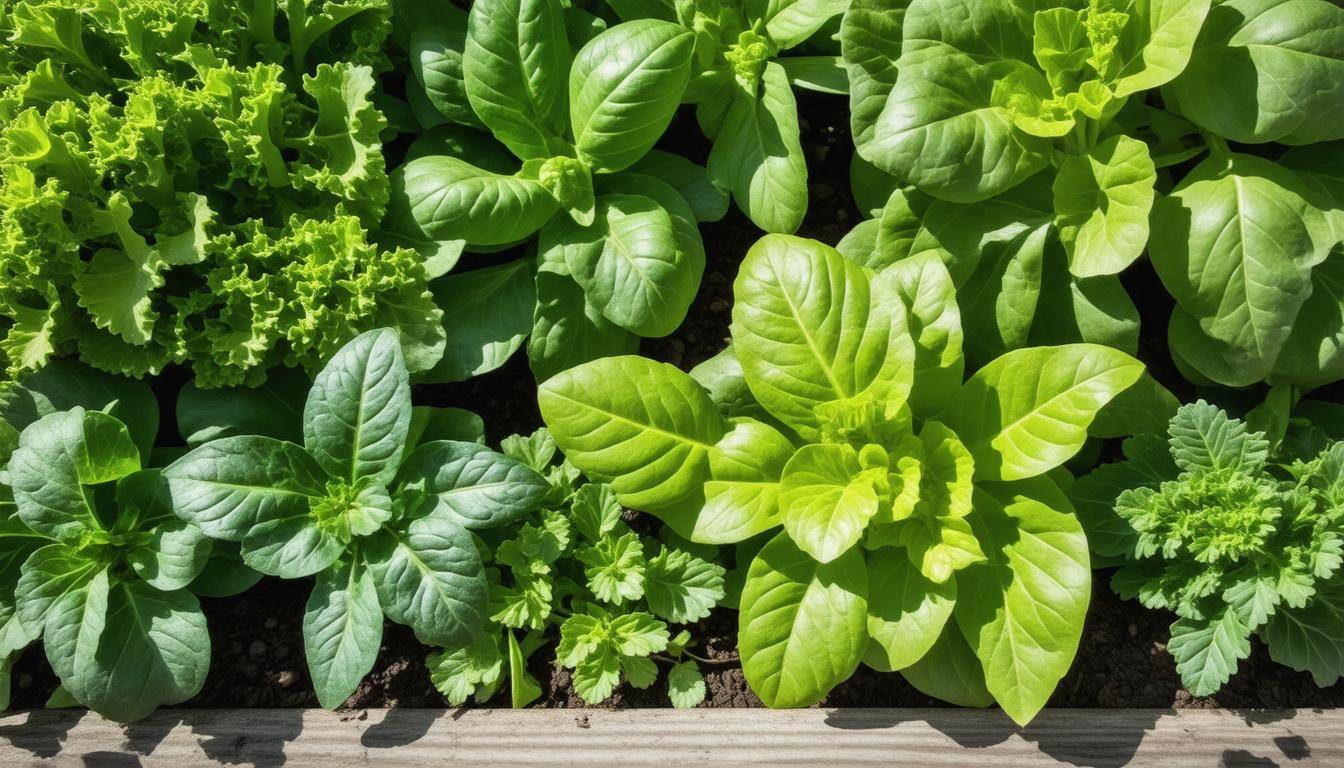
Leafy greens and herbs should be a fundamental part of your edible landscape for their rapid growth and nutritional benefits. As you plan your garden, consider incorporating these plants to enhance flavor in your meals while promoting health.
Kale, spinach, and Swiss chard are not just easy to grow; they are also packed with nutrients essential for your well-being.
Leafy Greens
Take kale, for example. This hardy green can withstand various weather conditions, making it ideal for diverse climates. Not only does it thrive in cooler temperatures, but its ability to return after harvest ensures a continuous supply throughout the season. Packed with vitamins K and C, kale supports bone health and boosts immunity—particularly valuable when you need that extra nutritional support.
Similarly, spinach is fast-growing, typically ready for harvest in about 40 days. Its versatility allows it to flourish even in partial shade, making it suitable for gardens with limited direct sunlight.
Swiss chard deserves special mention due to its rich nutrient profile and eye-catching colors. Its leaves are an excellent source of vitamins A, C, and K, along with minerals like magnesium. Unlike kale and spinach that can bolt quickly in hot temperatures, Swiss chard has an impressive growth timeline spanning from spring through fall, providing fresh greens when you need them.
Herbs
Next, let’s focus on how herbs can elevate both the flavor of your food and offer medicinal benefits. Herbs like basil, oregano, and rosemary enhance your culinary creations while offering robust health perks. Basil encourages continual harvesting throughout the growing season; just pinch the leaves regularly to stimulate more growth. This means you’re cultivating ongoing access to freshness right at your fingertips.
Oregano thrives in poor soil conditions and requires minimal water, making it a resilient addition to any garden. Rich in antioxidants, this aromatic herb enhances flavor while assisting digestion and possessing anti-inflammatory properties. Meanwhile, rosemary surprises many as a drought-resistant herb—perfect for those who may not have time to devote hours of care each week.
Integrating these leafy greens and herbs into your edible landscape promises variety and sustenance during uncertain times. The ease of growth paired with their substantial rewards reflects a practical approach to gardening that supports household nutrition when it matters most.
As we move forward, understanding how environmental factors influence plant cultivation will enable better decisions regarding the success of your edible landscaping efforts.
Climate and Soil Considerations
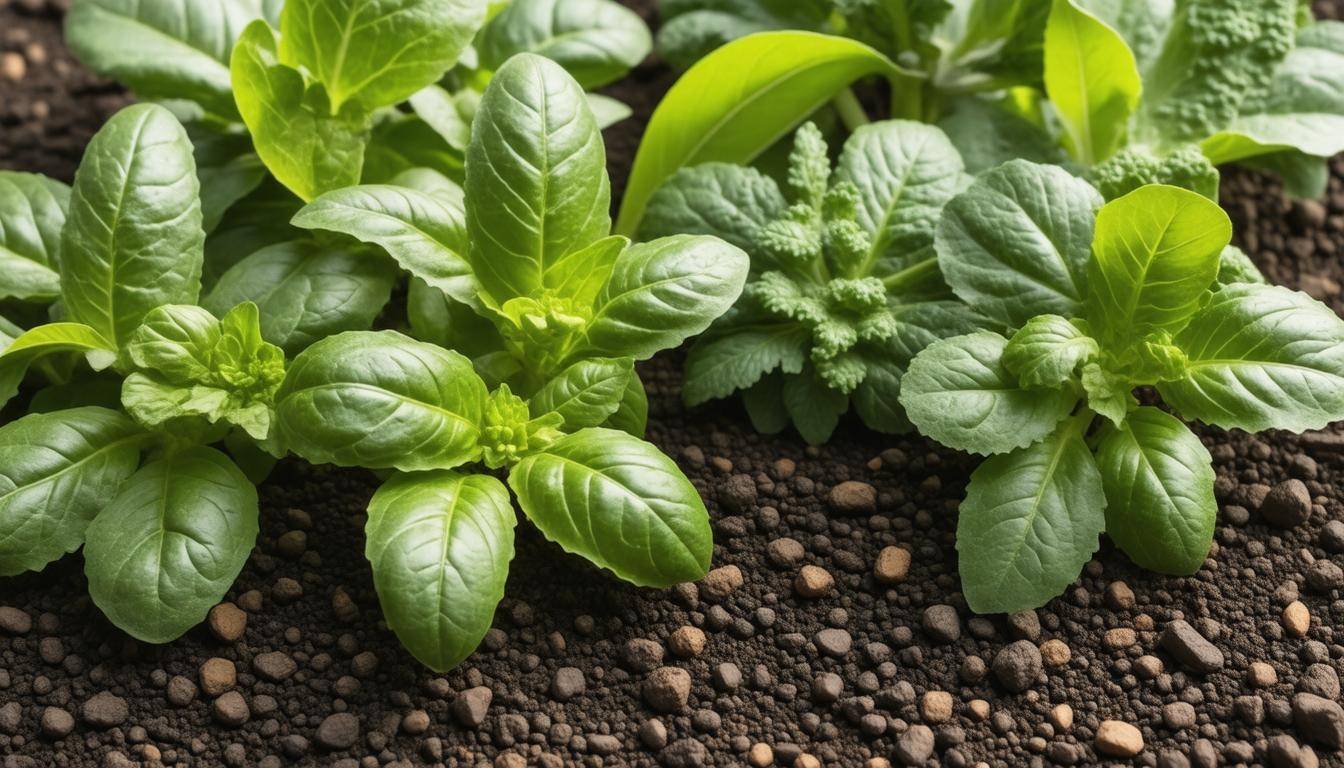
Understanding your local climate and soil conditions can dramatically influence your planting success. One crucial aspect is soil composition, which lays the foundation for healthy growth. Conducting a soil test is an excellent first step to determining the pH levels and nutrient content of your soil.
Most vegetables flourish in slightly acidic soil ranging from pH 6.0 to 7.0. If you find that your soil is too acidic, you can easily amend it by adding lime to raise the pH. Conversely, if it’s too alkaline, incorporating sulfur will help adjust its pH downwards, allowing for optimal nutrient absorption by your plants.
Once you’ve addressed the soil composition, it’s time to consider the broader context: your climate zone.
Climate Zones
One of the keys to successful gardening is understanding the USDA Hardiness Zone applicable to your area. Each zone corresponds to average seasonal temperatures, helping you select plants best suited for your region’s climatic conditions.
For instance, if you live in warmer zones like 9-11, you’ll have great success with citrus trees, which thrive in that heat and sunshine. On the other hand, plants like brassicas—broccoli, cauliflower, and kale—prefer cooler climates found in zones 3-7 where they can grow strong without wilting in extreme heat.
By recognizing these variables, you empower yourself as a gardener. Each choice aligns with the natural tendencies of local flora, ensuring your emergency vegetable garden not only thrives but flourishes during tough times. Whether it’s adjusting soil pH or selecting crops based on temperature ranges, every small adjustment contributes significantly to your garden’s productivity and resilience.
As we shift our focus toward creating a thriving outdoor space, understanding these elements will further enhance our chances of success while preparing us for whatever challenges may come ahead.
Designing Your Edible Landscape
Proper design ensures not only the maximum yield but also an exquisite aesthetic that can transform any space into a vibrant garden. As you embark on this journey, consider applying permaculture principles which promote sustainability and self-sufficiency. By grouping plants with similar water and light needs, you’ll optimize resource usage efficiently. This not only simplifies care but also promotes healthier growth as plants share benefits with each other. Imagine walking through a lush garden where every plant thrives because they are all in their ideal conditions; it’s a fulfilling sight to behold.
Just as thoughtful relationships exist between plants, so too should there be careful planning regarding the layout of paths.
Zoning
Dividing your landscape into zones according to plant types is an essential strategy. Place taller trees toward the north end of your garden, allowing sunlight to filter down onto shorter crops without casting shadows. This strategic positioning maximizes sunlight exposure, ensuring all plants receive adequate light throughout the day. Furthermore, creating zones allows you to prioritize which areas need particular care or monitoring. For instance, herbs might thrive better in a warmer zone near your kitchen entrance while leafy greens prefer cooler and shadier spots—understanding these relationships enhances both productivity and harmony within the landscape.
Consider how easy access plays a vital role in your design. Paths should be laid out thoughtfully to allow you to reach each area without compacting the soil too much, which could harm root systems and drainage. Visualize stepping stones or gravel paths leading you gently from one zone to another, encouraging exploration rather than a quick dash across the garden. Not only does this approach result in healthier plants, but it also creates an inviting atmosphere where you’ll want to spend time tending to your small patch of paradise.
Another aspect worth considering is how to manage vertical space effectively within your edible landscape.
Vertical Gardening
Vertical gardening is an excellent way to maximize limited space while adding layers of visual interest to your plot. Incorporate trellises for climbing vegetables like cucumbers or pole beans, allowing them to flourish upward rather than outward. This method saves horizontal ground space for other crops and improves air circulation and sun exposure for all plants involved. Picture vine-riddled structures climbing toward the sky, forming tranquil green walls that enhance your home’s outdoor decor.
It’s essential to mix aesthetics with function; thus, consider incorporating flowering edible plants such as nasturtiums or pansies among your vegetables. These vibrant colors not only spark delight but can also attract beneficial pollinators that help your garden thrive.
With zoning strategies and vertical gardening techniques in place, you’re set up for productive cultivation as you look forward to harnessing even more potential through effective planting partnerships.
Maximizing Yield Through Companion Planting
Companion planting is like having a culinary symphony in your garden; when you plant specific crops together, they can enhance each other’s growth while naturally managing pests. This strategy allows you to use space more efficiently, enabling plants to thrive together and grow stronger. Instead of relying on chemical pesticides or fertilizers, why not let nature’s wisdom guide your gardening practices?
For instance, marigolds are renowned for their pest-repelling abilities. Planting them alongside tomatoes not only helps ward off nematodes but also adds a burst of color to your garden.
Beyond aesthetics, companion planting offers practical benefits. Beans are known for fixing nitrogen in the soil, an essential nutrient that heavy feeders like corn crave. When planted together, they create a natural partnership that enhances growth. Imagine planting rows of corn where the beans wrap around the stalks, providing support as they flourish.
Here are some fruitful pairings to consider as you plan your garden:
-
Basil and Tomatoes: Not only does basil improve the flavor of tomatoes, it also helps deter pests such as hornworms.
-
Carrots and Onions: The scent of onions confuses carrot flies, protecting your precious carrots from harm.
-
Cucumbers and Peas: Peas enrich the soil with nitrogen, benefiting cucumbers that thrive when conditions are optimal.
Companion planting isn’t merely about physical closeness; it’s also about creating a balanced ecosystem in your garden where plants help each other flourish.
As you start thinking about pairing plants for maximum productivity, regular maintenance becomes crucial to ensure both your companion plants and overall garden remain healthy and productive. Just as collaboration between plants enhances growth, attentive care ensures that your efforts yield fruitful results.
Maintenance and Harvesting Tips
One of the secrets to a thriving vegetable garden is understanding the relationship between good maintenance practices and healthy harvesting routines. For example, watering isn’t just about soaking the soil; it’s about knowing when to water and how much. Most edible plants require about one inch of water per week, which can vary depending on rainfall and plant type. During particularly hot or dry periods, checking your garden daily becomes essential. Consider using a moisture meter to monitor soil conditions more accurately, ensuring that your plants don’t suffer from drought stress.
Consistent watering establishes deep root systems in your vegetables, allowing them to pull nutrients efficiently from the soil as they mature.
In addition to watering, another practice that amplifies the health of your garden is mulching.
Regular Watering and Mulching
Using organic mulch, such as straw, wood chips, or shredded leaves, serves multiple purposes. It not only helps retain moisture but also suppresses weeds that compete for nutrients. By applying a layer of mulch around your plants, you create a barrier that keeps soil consistent and stabilizes temperature fluctuations. A good rule of thumb is to maintain about 2-3 inches of mulch around your plants—this thickness is generally effective without hindering the growth of seedlings.
Now imagine combining this meticulous care with harvesting at just the right moment—a game changer for maximizing your crop’s potential.
Harvesting Techniques
When anticipating harvest time, consider timing carefully. Early morning is the best time for picking vegetables as they are often crisp and filled with moisture after a cool night. This slight advantage ensures you get vegetables at their peak flavor and nutritional content. Moreover, using sharp tools makes a huge difference; they allow for clean cuts which minimize damage to the plant itself and thus reduce the chance of introducing diseases into your garden.
Another critical point is keeping track of maturity dates for your plants. Knowing when each vegetable reaches its peak ripeness enhances quality too. For instance, leafy greens like lettuce can be harvested multiple times if cut above the crown; maintaining this method fosters continuous growth. On the other hand, root vegetables like carrots need to remain in the ground until they reach their optimal size—typically around 60 days after planting.
In essence, by establishing a dynamic routine involving careful maintenance practices and precise timing during harvesting, you’re not just cultivating vegetables—you’re nurturing a sustainable food source tailored specifically to meet your needs over time.
Maintaining awareness of these practices allows gardeners not only to maximize yield but also to create an enduring source of nourishment amidst uncertainties.