
Emergencies can strike at any moment, and for older adults, being prepared is not just important; it’s essential. As we age, our needs change, and understanding how to handle emergencies becomes a critical aspect of ensuring safety and peace of mind. Whether it’s a sudden health issue or a natural disaster, having a solid plan can significantly reduce anxiety and increase confidence when the unexpected happens. In crafting this guide, I’ve pulled together key strategies that focus on personalized emergency planning—because every senior has unique needs. By working through these steps together, you’ll be better equipped to not only face emergencies but to thrive in challenging situations with a strong support network by your side.
The “Elderly Emergency Preparation: Complete Guide” offers crucial strategies for ensuring the safety and well-being of older adults during emergencies, including personalized emergency plans, necessary supplies, communication strategies, and transportation considerations. It emphasizes the importance of understanding local risks, keeping an updated emergency kit, and involving a support network to enhance preparedness and response efforts.
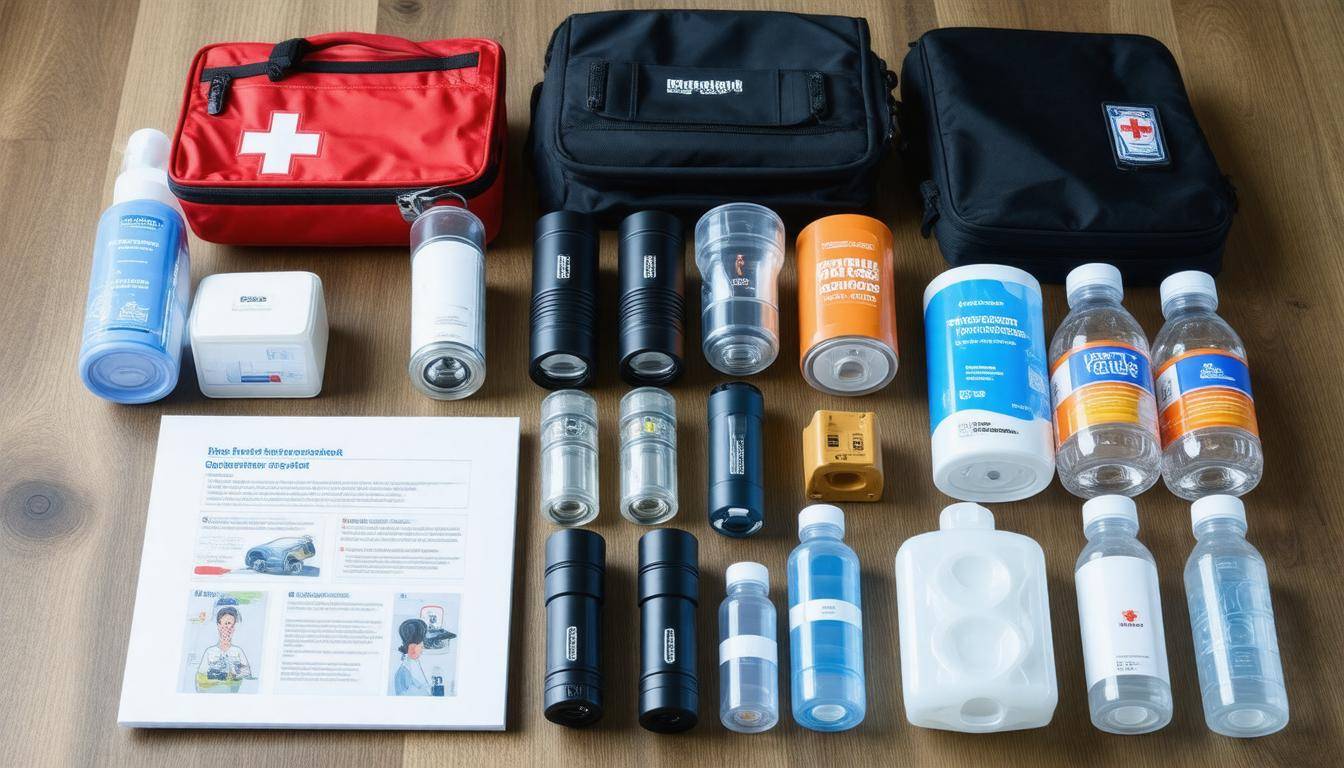
Essential Emergency Preparation for Seniors
Step 1: Assess Vulnerabilities
Understanding the specific vulnerabilities of seniors is crucial. This could involve mobility challenges that limit their ability to evacuate quickly or chronic health conditions requiring immediate attention during a crisis.
For instance, if a senior relies on medication, it’s paramount to have a contingency plan for ensuring that those medications are accessible when needed. You want to consider accessibility not just in terms of physical space but also with communication devices.
Is there a landline available if cellular networks go down? Knowing this allows for effective planning.
Step 2: Identify Risks Specific to Your Region
Being aware of regional risks is another critical step in preparing for emergencies. The Federal Emergency Management Agency (FEMA) highlights the importance of recognizing what potential disasters your area faces.
For example, individuals residing in the Midwest may need to brace for tornadoes, while coastal residents must prepare for hurricanes. Similarly, seniors in areas prone to wildfires should ensure they know evacuation routes and shelter locations well ahead of time. Each region poses different threats, and understanding these can significantly influence how one prepares.
Step 3: Develop a Clear and Simple Plan
After evaluating vulnerabilities and identifying risks, creating a clear, concise emergency plan is essential. A well-structured plan should outline each action step thoroughly.
For example, consider using straightforward language such as “If you hear sirens, check the weather radio,” instead of more complex instructions that could lead to confusion under stress. Including contact details for family members or caregivers within this plan is vital; having familiar voices on the line can alleviate anxiety during emergencies.
Also, clearly outline meeting spots or escape routes to make mobility easier for those with limited physical capabilities.
As you lay out these plans, remember that simplicity and clarity are your best friends.
With a solid foundation built on understanding vulnerabilities, location-specific risks, and a straightforward plan, we now turn our attention to designing an emergency checklist that aligns with individual needs.
Creating a Personalized Emergency Checklist
Crafting a personalized emergency checklist is vital for navigating the chaos that often accompanies emergencies, especially for older adults. By tailoring it to individual needs, you can ensure that each critical aspect of your personal health and safety is accounted for. This isn’t just a mundane task; it’s about empowering yourself to take charge of your wellbeing when it matters most.
Items to Include in Your Checklist
-
Medications: Accurately document all prescription and over-the-counter medications you use regularly, along with their dosages and any specific instructions. This ensures that even if chaos reigns, you won’t overlook your vital health needs.
-
Medical Devices: Confirm that all medical aids—such as mobility devices, hearing aids, and glasses—are easily accessible and noted on your checklist. In emergencies, every second counts, particularly when you rely on these items for daily functioning.
-
Personal Documents: Include copies of important personal documents within reach. Identification cards, health insurance information, and medical history should be in an easy-to-find place so they can be readily accessed when needed.
-
Communication Devices: Ensure that a cell phone is charged and easily reachable, along with extra batteries or a portable charger. Open lines of communication can be lifesaving during emergencies, allowing you to contact family or emergency services swiftly.
Keeping this checklist visible can serve as a constant reminder to stay prepared. Consider lamination or placing it in a prominent spot at home, like on the refrigerator door.
Once you’ve compiled this essential checklist, the next step involves gathering the vital resources you’ll need during emergencies to ensure your safety and security.
Assembling Your Emergency Kit
When building an emergency kit tailored for older adults, it’s vital to address unique requirements that may arise during a crisis. Start with a waterproof backpack or a sturdy container that can handle the elements—this will protect your essentials no matter what challenges arise. Aim to gather items that not only provide sustenance but also comfort and reassurance during potentially stressful situations.
A critical component of your kit should be food and water. Aim for at least three days’ worth of non-perishable food, such as canned goods, granola bars, and dried fruits, which can be easily consumed without cooking. FEMA recommends storing one gallon of water per person per day; therefore, for two people over three days, you’ll need six gallons of water. It’s essential to rotate these supplies regularly to ensure freshness.
Ensuring that these fundamental needs are met is crucial for any emergency preparedness plan.
Next, include a first aid kit equipped with basic supplies like adhesive bandages, antiseptic wipes, and necessary medications. Having a first-aid guide handy can help navigate unfamiliar injuries effectively. Always double-check expiry dates on medications and rotate them as needed.
The climate can often be unpredictable, so having appropriate clothing and bedding in your kit is essential. Include a change of clothes—preferably weather-appropriate—and sturdy shoes for mobility. A compact blanket or sleeping bag will provide warmth and comfort if shelter becomes unavailable.
Sanitation supplies are another vital aspect to consider. Stock your kit with toilet paper, hygiene products such as soap or wet wipes, and hand sanitizer. These items ensure cleanliness, especially in situations where regular facilities are inaccessible.
Additionally, consider adding a portable radio to remain updated on emergency news. Battery-operated or hand-crank models are ideal since they don’t rely on power outlets. Keeping extra batteries in your kit is equally important; remember that some supplies have longer shelf lives than others.
Essential Items and Their Shelf Life
| Item | Shelf Life |
|---|---|
| Bottled Water | 2 years |
| Canned Food | 2-5 years |
| Batteries | 10 years (if unopened) |
| Medical Supplies | Check specific expiry dates |
Finally, consider including personalized items relevant to your situation—this could mean anything from spare glasses or hearing aids to documenting special medical instructions or keeping a list of emergency contacts readily available in your bag. Taking these specifics into account fosters a sense of security when facing unexpected circumstances and leads us to explore the next crucial topic: ensuring you’re prepared for medical situations during emergencies.
Planning for Medical and Health Needs
For seniors, medical and health needs often require special attention, particularly during emergencies. This means not only having access to medications but also ensuring you have a comprehensive understanding of your health requirements.
Start with maintaining a detailed medication list that outlines each prescription, dosage, and frequency. By keeping a minimum two-week supply of all vital medications, you safeguard against any disruptions in access. Many pharmacies offer notifications when you’re eligible for refills; utilize those reminders to stay ahead of the game. Furthermore, don’t hesitate to reach out to your healthcare provider about procuring an emergency supply, especially if you anticipate challenges.
It’s important to designate a trusted friend or family member who can step in during an emergency. Share this medication list with them so they know precisely what you need and when. This not only simplifies their task but also ensures that you’re never uncertain about whether someone is looking out for your well-being. Having that extra layer of communication can alleviate stress and create a stronger safety net for yourself.
Additionally, consider using tools such as pill organizers to simplify medication management and avoid confusion, particularly during stressful times.
Real-life experiences bring these concepts home. Jane, a caregiver from Texas, shared: “During the last hurricane, my mother’s ability to access her medications saved her life. Our pharmacist helped arrange early refills, and we kept them in our emergency kit.” This highlights the real-world implications of proper planning; taking preventive measures puts you in a position of strength when unexpected situations arise.
In addition to medication, developing robust communication and evacuation strategies is essential for enhancing your overall preparedness during emergencies. Having direct lines of communication set up can be lifesaving.
Communication and Evacuation Strategies
Having a solid communication plan is essential for staying connected with family, friends, and emergency services when disaster strikes. Start by designating a primary contact person—this could be a family member or close friend who is reliable and can act on your behalf in case of an emergency.
Make sure this person knows your location, medical needs, and any specific evacuation plans you have devised. Regular updates are vital; consider creating a simple checklist that includes your emergency contacts, necessary medications, and special medical needs.
Accessible communication tools also play a pivotal role in keeping everyone informed—consider using social media or emergency alert systems to share critical updates quickly.
With the groundwork of communication laid, let’s move to the important next step: planning your evacuation routes.
Plan Your Evacuation Route
Planning multiple evacuation routes is paramount to ensure you can safely leave your home should the need arise. Start by scouting out at least two or three different paths from your residence that lead to safe areas or designated shelters.
When identifying these routes, account for any mobility issues you might face, whether it’s walking with a cane or needing assistance from a wheelchair. Think through potential obstacles such as steep inclines, busy intersections, or areas with inadequate sidewalks.
Additionally, reach out to local authorities to gather information on community evacuation plans that tailor support for seniors. Some municipalities have dedicated services providing transportation assistance for older adults during emergencies. Don’t hesitate to ask about these resources—they could make all the difference in reaching safety more quickly.
Also consider the importance of having transportation options readily available during emergencies. List local transportation services specifically catering to seniors, such as community shuttles or ride-sharing services. This proactive approach assures that you’re not left stranded in an emergency situation.
While preparing your plans, maintaining open lines of communication with nearby family members and engaging them in your emergency preparations can enhance both security and reassurance when disaster looms. With a comprehensive framework for communication and evacuation set up, you are better positioned to explore how community support can bolster your preparedness efforts.
Utilizing Community Support and Resources
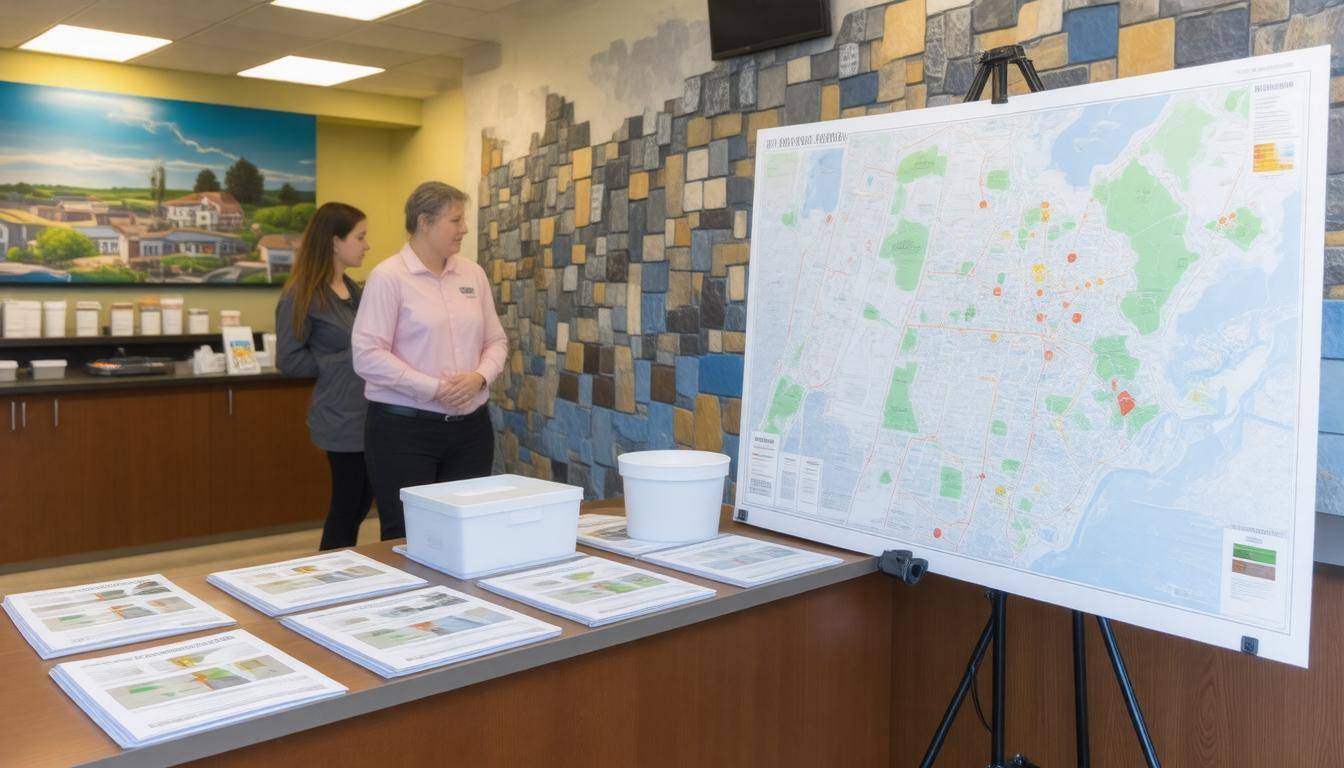
Engaging with local community organizations can significantly enhance the level of preparation for seniors facing emergency situations. These organizations provide not only information but also physical and emotional support. For instance, groups like AARP offer programs specifically designed to educate seniors on preparedness. They host informative workshops and distribute resources that cover everything from evacuation routes to creating emergency kits tailored for older adults. Participating in these programs can empower both seniors and their caregivers with knowledge that could save lives.
Another great opportunity for seniors is to join local Community Emergency Response Teams (CERT). Here, members are trained in basic disaster response skills such as fire safety, light search and rescue, and how to assist others in emergencies. Imagine being a part of a team that brings peace of mind not just to yourself but also to your neighbors. The sense of community serves as a strong fortification against the fear that often accompanies emergencies.
Accessing public resources can be equally beneficial in crafting an effective emergency management plan.
Access Public Resources
Government resources provide comprehensive guides tailored for senior preparedness, ensuring that vulnerable populations have the necessary tools to navigate emergencies effectively. Websites like Ready.gov are brimming with valuable information; they detail essential preparation steps and checklists that consider factors unique to elderly individuals, such as mobility issues or medication requirements. By thoroughly reviewing these guides, families can create personalized emergency plans suited specifically to meet their loved ones’ needs.
It’s worth noting that many states and localities may offer additional resources through their respective departments of social services. These often include local hotlines that connect senior citizens with immediate assistance during crises. Beyond physical preparations like packing emergency supplies or establishing check-in protocols, these connections foster a sense of belonging and care within a community – something reassuring when confronting uncertainty.
With community connections strengthened and public resources in hand, it’s crucial now to explore ways to establish safety measures within the home environment to maintain security amid any emergency scenario.
Practical Safety Measures at Home

Taking practical safety measures at home is essential in creating a secure environment, especially for the elderly. A well-prepared living space ensures comfort and safety while mitigating risks significantly during emergencies.
Start by ensuring that heavy furniture and appliances are anchored securely to the walls. This simple measure can prevent tipping during unexpected events like earthquakes or severe weather disturbances. It’s an easy fix that can save lives.
Ensure Safe Living Environment
Beyond just securing large items, installing functional smoke detectors throughout the home cannot be overlooked. Regularly checking their batteries and functionality is a small task that could prove invaluable when every second counts. Each room should ideally have a smoke detector; however, areas like kitchens and sleeping spaces require extra attention due to their high-risk nature.
Creating clear, unobstructed pathways is another crucial step in emergency preparation. This means removing clutter from hallways and exit points so that if an evacuation is needed, there’s no hesitation or confusion about where to go. It might feel overwhelming to declutter initially, but making this a regular practice allows for easier movement through the home—especially important for individuals with mobility challenges.
Review and Practice Safety Plans
Once you’ve set up your home environment, the next step is to review and rehearse safety plans with everyone involved, including caregivers and family members. Engaging in such drills brings familiarity with protocols that can reduce panic during actual emergencies.
Make it an interactive process—have discussions about what to do if a fire alarm sounds or how to respond during a power outage. Practicing these steps reinforces their importance and offers reassurance to everyone involved.
By systematically addressing these areas, seniors can greatly increase their preparedness levels and resilience during emergencies. The key is comprehensive planning, continuous communication, and leveraging both personal and community resources efficiently.
Adhering to these practical safety measures simplifies the response process during crises while fostering confidence among elderly individuals. Preparation isn’t merely about reacting; it’s about creating an environment where safety and familial support are paramount even before an emergency strikes.
In summary, effective preparation enables seniors to navigate potential crises with confidence.
What essential items should be included in an emergency kit specifically designed for the elderly?
An emergency kit for the elderly should include essential medications, a first-aid kit, a flashlight with extra batteries, non-perishable food and water, personal identification, a list of medical conditions and emergency contacts, and mobility aids if necessary. According to the CDC, nearly 40% of adults aged 65 and older experience at least one fall each year, making it crucial for them to have items that ensure their safety and easy access to assistance during emergencies.
What specific types of emergencies should elderly individuals prepare for?
Elderly individuals should prepare for various emergencies, including medical emergencies (like heart attacks or strokes), natural disasters (such as hurricanes or earthquakes), and falls, which account for 36 million fall-related injuries among older adults annually in the U.S. Additionally, preparation for power outages is crucial as they can impact access to medications and medical devices. Tailoring emergency plans to these specific types helps ensure timely responses and increases safety and independence for seniors.
How can technology be leveraged to help elderly individuals stay informed and connected during emergencies?
Technology can be a lifeline for elderly individuals during emergencies by utilizing mobile apps, smart home devices, and social media platforms to keep them informed and connected. For instance, apps like AARP’s “Emergency Preparedness” provide tailored alerts about local hazards, while smart devices can enable family members to check in regularly. Statistics show that seniors who use technology are 21% more likely to feel prepared for emergencies, highlighting the importance of digital literacy and access in enhancing their safety and communication networks.
What resources are available for elderly individuals who need assistance with emergency preparation and planning?
Numerous resources are available for elderly individuals requiring assistance with emergency preparation and planning, including local Area Agencies on Aging, the American Red Cross, and FEMA’s Ready.gov program. These organizations provide essential information on creating personalized emergency plans, securing necessary supplies, and understanding communication strategies during crises. According to the National Council on Aging, nearly 80% of seniors live independently, highlighting the need for tailored support in ensuring their safety in emergencies. Engaging with community resources can significantly enhance preparedness and peace of mind for aging adults.
How can caregivers assist elderly loved ones in creating and implementing an emergency plan?
Caregivers can assist elderly loved ones in creating and implementing an emergency plan by first conducting a thorough assessment of their specific needs and potential hazards, such as mobility limitations or medical conditions. They should then develop a personalized plan that includes emergency contacts, evacuation routes, and essential medical information. Providing regular training on using communication devices and ensuring that necessary supplies are accessible can enhance preparedness. Research shows that 60% of older adults feel unprepared for emergencies, highlighting the importance of caregivers’ proactive involvement in fostering a sense of security and readiness among the elderly.