
In emergencies, every second matters, especially when it comes to traffic accidents. Imagine being stuck in rush hour, only to suddenly hear sirens blaring behind you. The question is: how can we make sure emergency vehicles get through quickly and safely? This article dives into the technology and protocols that are making this possible, like the advanced communication systems that let cars talk to each other and to roadside infrastructure. With shared information about locations, speeds, and potential hazards, these systems have the power to save lives by helping responders reach their destinations faster. Let’s explore how this impressive tech works and what it means for road safety.
The “Emergency Communication Between Vehicles: Guide” offers insights into the latest technologies and protocols that facilitate effective communication during emergencies, including the integration of telecommunication equipment and interactive video services. You’ll also learn about key trends, funding opportunities for enhancing emergency response systems, and examples of successful inter-agency collaborations aimed at improving public safety.
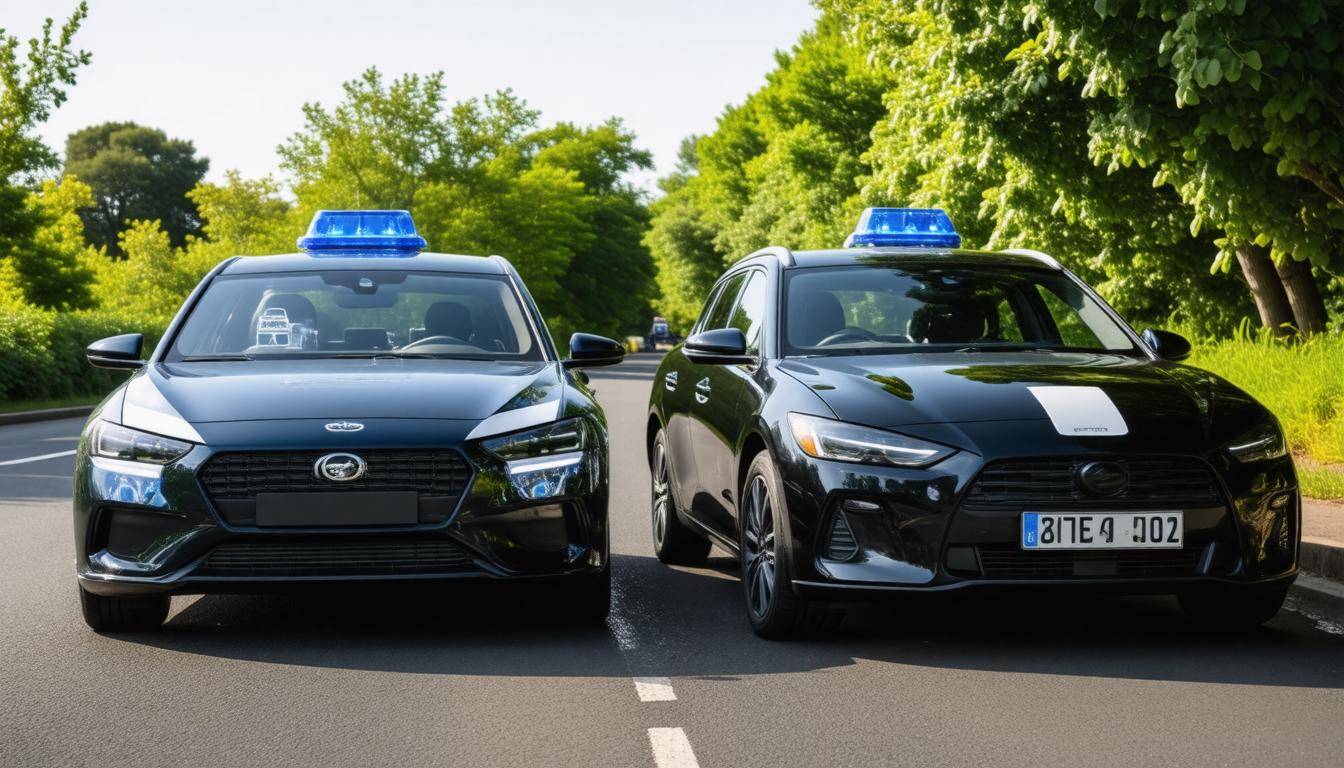
Emergency Communication Between Vehicles
At the heart of emergency vehicle communication is a unique blend of Vehicle-to-Vehicle (V2V) and Vehicle-to-Infrastructure (V2I) technologies. These systems create an interconnected network where vehicles can exchange vital information about their surroundings almost instantaneously.
For instance, imagine a scenario where multiple cars are approaching an intersection during an emergency. With V2V communication, vehicles continuously share real-time data regarding their position, speed, and direction, significantly decreasing the likelihood of collisions. This technology acts as an extra layer of protection, particularly in chaotic situations when panic could lead to poor decision-making.
Similarly, V2I communication complements these efforts by connecting vehicles with roadside infrastructure such as traffic signals and road signs.
Picture an ambulance racing through city streets. With V2I technology, traffic signals can adapt dynamically based on incoming data from emergency vehicles. This means that when the ambulance approaches, traffic lights can switch to green, creating a clear passage and cutting down response times dramatically. It’s akin to having an invisible escort guiding emergency responders through urban labyrinths where every second counts.
Not only does this improve response time, but it also helps manage traffic flow effectively, reducing congestion when emergencies occur.
However, the benefits of these systems extend beyond just urban settings. In rural areas, V2V communication plays a crucial role too. It allows vehicles to warn each other about potential hazards like slow-moving farm equipment or animals crossing the road. For example, if a driver encounters a flock of sheep blocking their path, they can transmit this information to nearby drivers who might be unaware of the obstruction. This proactive approach enhances roadway safety for all users by allowing them to adjust their driving behavior accordingly.
As we consider how these technologies operate together, it’s essential to also recognize the protocols and infrastructure required to support seamless communication between vehicles.
Key Technologies for Vehicle Communication
The backbone of emergency vehicle communication is built on several advanced technologies that work seamlessly to enhance safety and operational efficiency. Among these, GPS, Dedicated Short-Range Communications (DSRC), and 5G technology stand out as vital components that facilitate rapid information exchange between vehicles. Each plays a distinct role, providing unique advantages essential during emergencies.
Dedicated Short-Range Communications (DSRC)
DSRC is pivotal in ensuring instantaneous communication between vehicles. Operating within the 5.9 GHz frequency band, this wireless technology is specifically designed for automotive applications and transmits data with minimal latency. In simple terms, this means decisions can be made quickly; for example, if a car suddenly brakes due to an obstacle or hazard ahead, DSRC allows that information to be shared almost immediately with nearby vehicles.
Consider the frantic pace of busy roadways. When seconds count during an emergency—perhaps in an accident scenario or sudden road blockage—DSRC can deliver real-time alerts, allowing other drivers to react swiftly and potentially avoid further collisions. Its low-latency nature ensures that vital information reaches other vehicles without significant delays.
5G Technology
Transitioning from DSRC, we encounter another cutting-edge ally in vehicle communication: 5G technology. This next-generation network stands out because it not only provides enhanced bandwidth but also delivers faster data speeds, allowing for effective transmission of large volumes of information. During emergencies where multiple vehicles may broadcast their locations or health statuses simultaneously, 5G’s capacity to manage and process these signals becomes critical.
For instance, imagine a multi-car accident where live footage needs to be streamed to emergency responders while also sharing the coordinates of all involved parties. 5G networks can accommodate such demands seamlessly, drastically improving response times and situational awareness, ultimately saving lives. It also facilitates advanced features like vehicle-to-infrastructure communication, enabling cars to interact with traffic signals and road conditions.
These technologies do not operate in isolation; they rely on sophisticated network protocols to ensure seamless and effective communication across various platforms. Understanding these intricate communications systems forms the framework upon which emergency vehicle operations rely, which is crucial for incident management.
Wireless Networks and Protocols
At the heart of efficient emergency communication systems lies a complex web of wireless networks that facilitate real-time data exchange among vehicles. These networks connect vehicles to each other, traffic management centers, and even pedestrians. The integration of advanced cellular technologies such as 4G LTE and 5G plays a pivotal role in driving these interactions forward. With their capability to offer wider coverage and much higher data transfer rates, these technologies are essential, especially in urban settings where high-rise structures might otherwise hinder signal quality.
However, while urban environments benefit greatly from these robust cellular networks, rural areas present a different set of challenges. Here, traditional mobile networks often struggle to maintain stable connections due to geographical obstacles and lower infrastructure investment. Recognizing this shortcoming, there is growing interest in incorporating satellite-based communication systems as complementary tools in less populated areas. The reliance on satellite communications ensures broader reach that can empower vehicles with connectivity where ground-based networks cannot compete.
Cellular Network Integration
A peer-reviewed study highlighted how 4G LTE and 5G cellular infrastructures demonstrate resilience by effectively managing data flow during emergencies amid heavy traffic. In bustling urban locales, they ensure that vehicles receive critical information such as collision alerts and hazard notifications almost instantaneously, allowing for swifter reactions to emerging dangers. Conversely, many rural communities still grapple with outdated network capacities that can induce frustrating communication delays when seconds matter most. This disparity amplifies the urgency for innovative solutions like integrating satellite technology into the existing framework.
Potential improvements for V2V communication within various regions will depend heavily on developing partnerships between tech companies and telecommunication providers to upgrade infrastructure across the board.
Network Protocols for Safety Messages
Focusing specifically on the protocols employed by these wireless networks leads us to the IEEE 802.11p standard—an essential component designed explicitly for vehicular environments. What sets this protocol apart is its streamlined capability for rapid data exchange with minimal interference. This feature becomes crucial when relaying safety messages like crash alerts and hazard warnings through a dedicated short-range communications (DSRC) mechanism.
Think of it like this: just as a lifeguard at a busy beach uses a whistle to quickly grab attention without being drowned out by waves or crowd noise, the IEEE 802.11p protocol allows vehicles to communicate vital safety messages promptly, helping avert potential accidents caused by distractions or miscommunications.
Understanding how these protocols function sets the stage for exploring how data signals interact during emergencies, revealing more about the nuances of this life-saving technology.
Data and Signal Interaction in Emergencies
During critical incidents, the ability to communicate information accurately and quickly is essential. This reliance on technology means that emergency vehicles must not only send alerts swiftly but also prioritize the most urgent signals effectively. This brings us to an important aspect of communication: signal prioritization.
Signal Prioritization
Signal prioritization is akin to triage in a medical setting; it helps ensure that the most pressing messages regarding danger or emergencies are transmitted first. For instance, if a fire truck is responding to a blaze, that vehicle can send a signal indicating its route and status. If there’s an active chase involving law enforcement, that communication will take precedence over routine traffic reports. By ensuring that high-priority alerts reach recipients faster, we reduce the risk of accidents and improve response times. Such an approach creates a layer of protection against potential mishaps on busy roads during crises.
A recent study indicated that effective signal prioritization can increase response efficiency by as much as 35%. This data underscores how these technologies can save lives by allowing emergency responders to navigate obstacles and reach their destinations without delay.
Data Encryption
Alongside prioritization, data encryption plays a pivotal role in safeguarding sensitive information as it travels across networks. When emergency vehicles relay crucial details like their locations or the identities of individuals involved in an incident, ensuring this information remains confidential is paramount. Strong encryption protocols help mitigate risks such as cyber threats which could compromise personal and operational data.
According to a 2024 report, robust encryption practices reduced incidents of unauthorized access and cyber threats by 25% in emergency communications. Such metrics illustrate how investing in advanced encryption methodologies not only secures data but contributes to overall trust in the system.
The design of systems that harness these technologies is crucial for improving emergency alerts and facilitating seamless information exchange between vehicles and control centers in critical moments. As we explore this design process further, we will see how integrated strategies can enhance public safety measures on the roads.
Designing Systems for Emergency Alerts
System design for emergency alerts is all about crafting a well-thought-out ecosystem that encompasses everything from user interfaces to real-time updates. At its core, effective system design involves creating responsive and reliable frameworks that prioritize seamless communication during emergencies. Each element must work together like a finely tuned instrument, ensuring that when seconds count, responders have access to critical information without delay.
User Interface Design
A significant part of this framework focuses on User Interface (UI) Design. Imagine a scenario where emergency vehicle dashboards are cluttered with outdated information—confusing at best and dangerous at worst. To avoid this pitfall, UI designers ensure that emergency vehicle dashboards are equipped with intuitive layouts that display critical alerts and navigational data in real-time. The aim is not only to present information but to do so in a manner that’s instantly comprehensible.
These interfaces must be user-friendly, enabling quick comprehension and action.
As creators of these systems consider the user experience, they perform iterative testing with actual users—emergency responders—to gather feedback on the UI’s functionality. The goal is to ensure that during a crisis, every button press leads to immediate answers and actions.
Real-time Monitoring and Updates
Just as important is the aspect of real-time monitoring and updates. Continuous monitoring systems ensure that emergency alerts are updated dynamically based on real-time conditions. An effective alert system integrates live data feeds from weather stations, traffic cameras, and other relevant sources to provide clarity when chaos reigns.
This integration leads to more accurate and reliable guidance for emergency responders. For instance, if a forest fire breaks out, an efficient system can provide not only location data but also air quality metrics and estimated spread patterns in seconds—giving responders not just tools but actionable intelligence.
When designing these systems, considerations include bandwidth capabilities and how quickly the network can adapt to overwhelming traffic from multiple sources.
This focus on UI design and real-time monitoring highlights the intricate work behind crafting alert systems that save lives. Through thoughtful design choices, we enhance public safety by ensuring first responders receive timely and actionable information, ultimately making their jobs less daunting while providing essential assistance during emergencies.
By understanding these fundamental principles, we pave the way for exploring further innovations in technology that can bolster emergency response efforts even more effectively.
Integration of Sensors and Devices
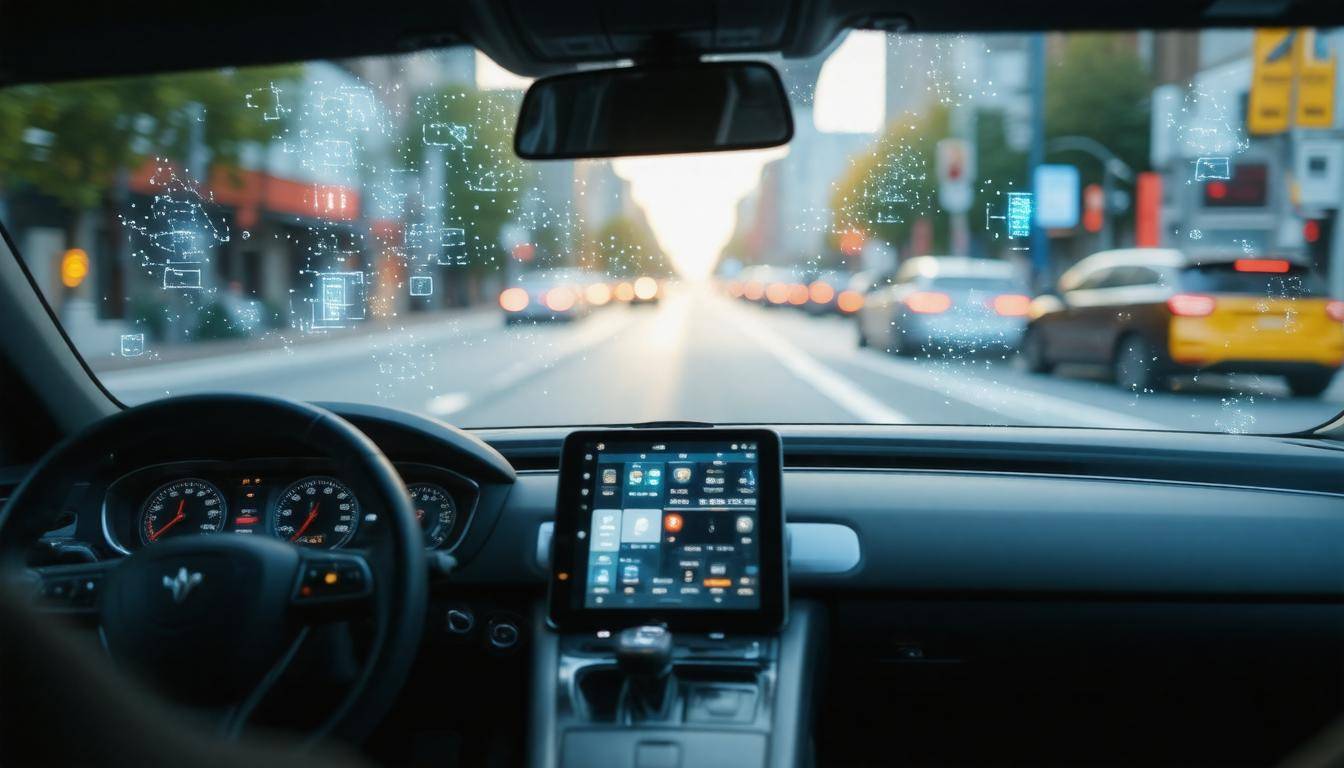
Sensors and devices are the lifeblood of Vehicle-to-Vehicle (V2V) communication systems, transforming mere data into actionable intelligence that improves road safety significantly. Imagine driving through a rain-soaked city where visibility is compromised. In such scenarios, LIDAR and RADAR sensors come together seamlessly to gather crucial information about your surroundings.
LIDAR offers precise measurements of distance; think of it as your vehicle’s eyes guiding you safely through obstacles, while RADAR detects objects even when heavy precipitation is a factor.
Types of Sensors
- LIDAR: These sensors emit laser beams that measure distances with remarkable precision. This capability is essential for systems designed to prevent collisions by providing accurate spatial awareness.
- RADAR: Utilizing radio waves, these sensors can identify objects at far distances, making them particularly reliable in adverse weather conditions that might obscure visibility for cameras.
- Cameras: Providing comprehensive visual data, cameras play an important role in decision-making processes by allowing vehicles to interpret their environment similarly to human sight.
Each type of sensor complements the others, creating an ecosystem of information that allows vehicles to communicate effectively. For instance, while LIDAR accurately measures distances, cameras enhance the data by recognizing traffic signs or pedestrians—an invaluable combination in emergency situations. This integration of technology not only boosts vehicle awareness but also enhances overall road safety.
It’s fascinating how each sensor contributes uniquely yet cohesively to a larger protection network on the roads.
However, despite these amazing advancements in sensor technology and their integration, challenges remain in fully achieving seamless communication between vehicles during critical moments. As we explore further, it becomes clear that understanding these challenges will help in developing solutions that enhance this vital technology.
Challenges in Emergency Communication
One of the most pressing hurdles is interoperability, a term that sounds technical but underscores a fundamental issue faced by emergency services: different systems simply don’t work well together. For instance, imagine an ambulance on its way to an incident scene, equipped with advanced vehicle-to-vehicle (V2V) technology from one manufacturer. If that ambulance needs to communicate with a police car made by another company, it might struggle due to conflicting communication protocols or formats. This lack of compatibility creates a dangerous gap where critical information could be delayed or lost entirely—a situation no first responder wants during an emergency.
On top of interoperability challenges, we also face growing cybersecurity threats that can undermine these vital systems.
As vehicles and devices become increasingly interconnected, they inevitably expand their attack surface for cybercriminals. Imagine if a hacker gains access to emergency communication networks, potentially misleading responders or compromising sensitive data. Although encryption techniques provide an essential layer of security, they aren’t foolproof; determined hackers continuously evolve their tactics to exploit new vulnerabilities. Ongoing advancements in cybersecurity measures are paramount—not just as an afterthought, but as a crucial component of vehicle communication systems.
Another set of challenges comes in the form of public awareness and responsiveness. Even if the vehicle-to-vehicle networks work perfectly, drivers and pedestrians must also play a role in ensuring safety during emergencies. For instance, if drivers are not aware of incoming alerts or do not understand how to respond effectively to notifications sent through these systems, they may inadvertently worsen the situation.
These multifaceted obstacles don’t just highlight technological gaps; they emphasize the need for comprehensive strategies that integrate both technology and public education.
As we explore solutions to overcome these challenges, collaboration among manufacturers, government agencies, and the community will be key. Fostering partnerships and sharing knowledge about best practices for both technology implementation and emergency preparedness can build more robust systems that support first responders and ultimately safeguard our communities.
This interconnected landscape sets the stage for what lies ahead in communications technology, as improvements are on the horizon that promise not only innovation but also greater safety for all road users.
Future of Vehicle Emergency Communication
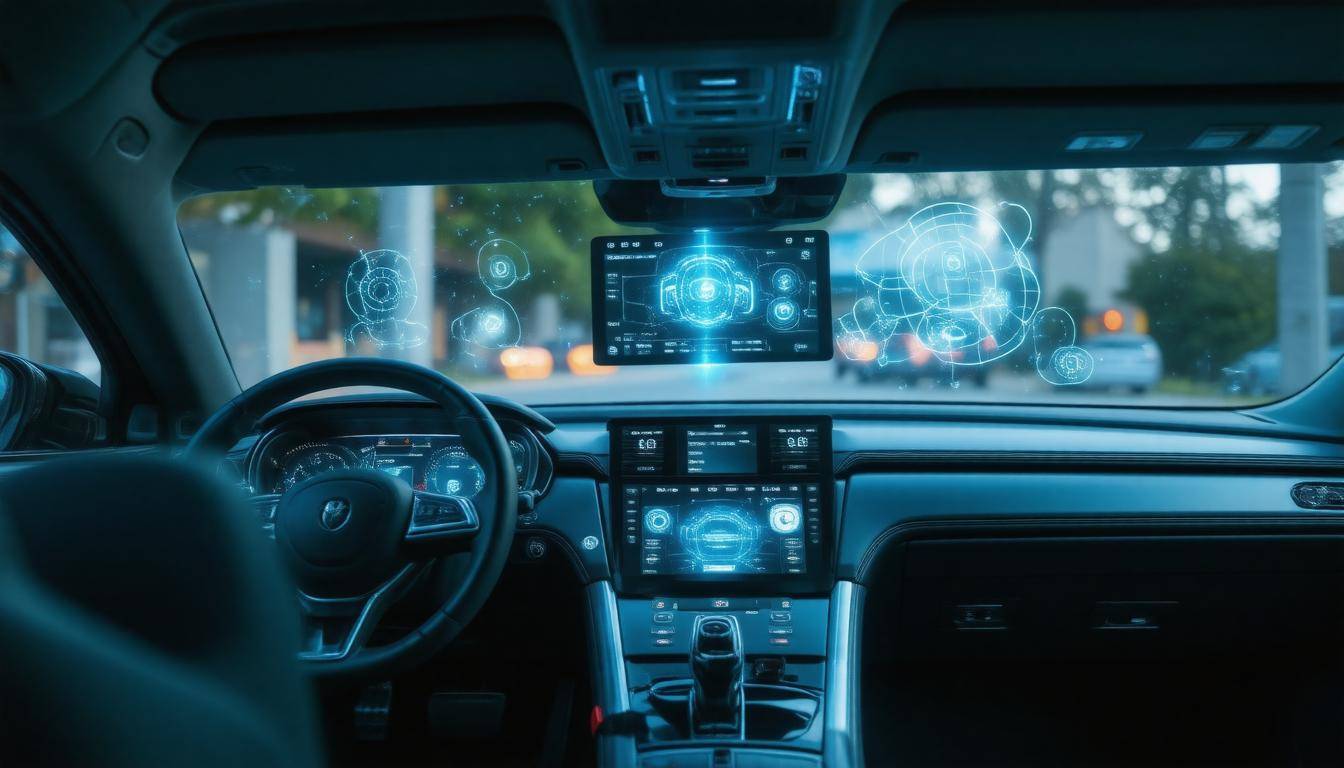
Emerging technologies and collaborations promise a transformative future for how vehicles communicate in emergencies. These advancements are not merely theoretical; they are on the cusp of becoming integral to our daily commutes and emergency protocols. Imagine a world where your vehicle, equipped with real-time data analysis, can predict hazards before you even encounter them. This is more than just wishful thinking; it’s the impending reality shaped by the rapid evolution of technology.
Collaboration with AI
Artificial Intelligence (AI) integration will revolutionize the landscape of emergency communications. With cutting-edge predictive analytics, emergency vehicles can analyze traffic patterns and environmental conditions to anticipate accidents or obstacles, helping them navigate around potential hazards swiftly. For instance, if an ambulance knows there’s heavy traffic ahead or an accident on the route, it could take an alternate path, arriving at its destination faster and potentially saving lives.
The emergence of autonomous emergency vehicles outfitted with AI capabilities means that these vehicles won’t merely react to situations—they’ll proactively manage them. They can analyze their surroundings and make split-second decisions without human intervention. By dynamically adjusting their routes based on real-time data collected from other vehicles and infrastructure, these vehicles promise not only quicker response times but also safer navigation in complex urban environments.
Blockchain for Secure Communication
Another promising advancement lies in adopting blockchain technology for secure communications within the vehicular network. In an age where data breaches loom large, utilizing blockchain ensures that all communications between vehicles remain secure and immutable. Just imagine—if you’re in an accident, the data logged into the blockchain can provide an indisputable sequence of events, reducing liability disputes and clarifying responsibility.
Blockchain could standardize secure data exchanges across various systems, ensuring that information shared between vehicles—and with emergency services—is both trustworthy and resistant to manipulation.
Each of these advancements promises not only to improve emergency response but also to create safer roads for all drivers. As we continue to innovate in vehicular technology, these tools will help transform our approach to safety and traffic management fundamentally. Embracing these trends means fewer accidents, quicker responses, and ultimately, lives saved on our roadways.
In summary, the fusion of emerging technologies like AI and blockchain will reshape our understanding and execution of vehicle emergency communication. Such innovations are essential for cultivating a safer transportation landscape moving forward.