
When life throws unexpected expenses your way, how prepared are you? Imagine opening your mailbox to find a hefty medical bill you weren’t expecting or facing a sudden car repair that could stretch your budget thin. These surprise costs can feel like a punch in the gut, especially if you haven’t planned for them. Setting up an Emergency Expense Tracking System is crucial—it’s like having a financial safety net that can catch you when things go awry. In this guide, we’ll walk through practical steps to create a system that not only helps you manage these surprise expenses but also keeps your finances on track, ensuring you’re ready for whatever comes next.
To set up an Emergency Expense Tracking System, first identify specific categories for unexpected expenses, such as medical bills or car repairs, and choose a tracking method that works for you—such as a budgeting app or a spreadsheet. Keep detailed records of these expenses to monitor spending patterns effectively and adjust your budget accordingly to ensure financial stability during emergencies.
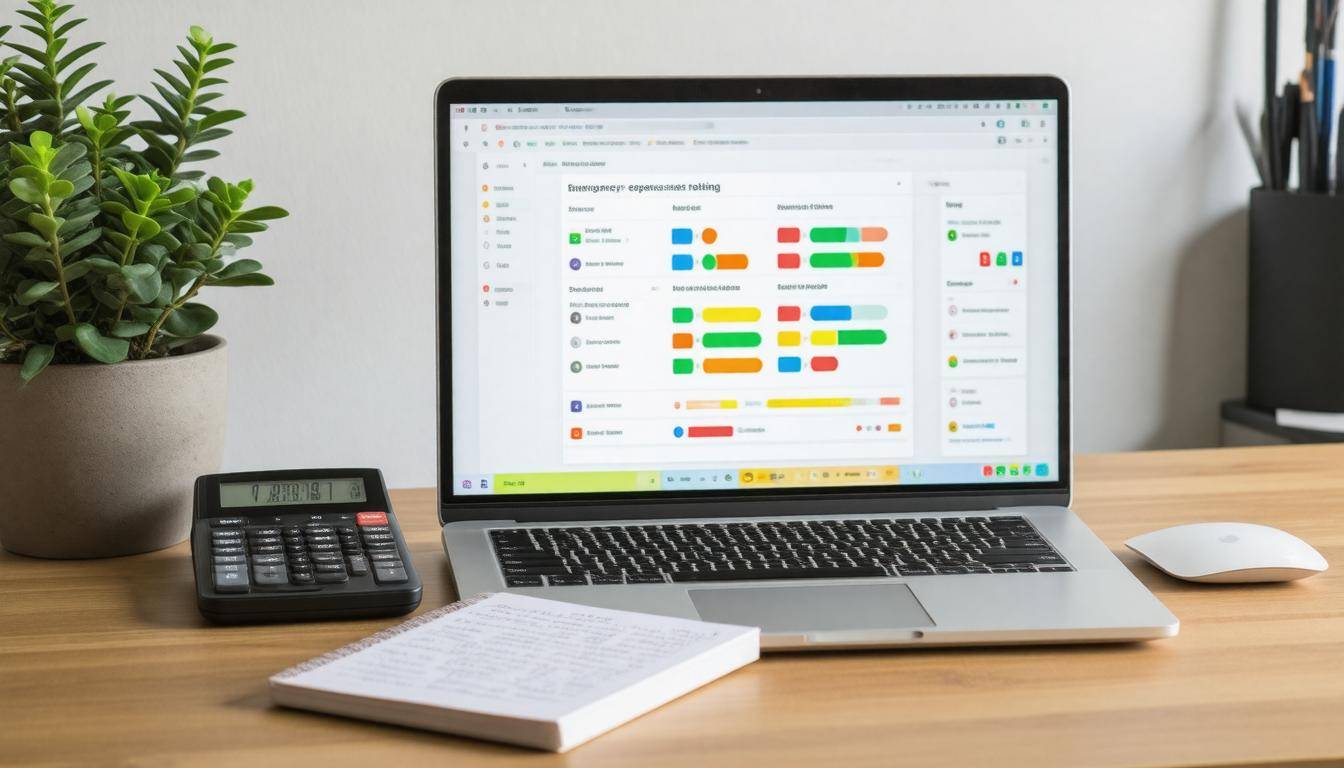
Choosing the Right Tracking Tool
Selecting a tracking tool tailored to your needs is crucial in establishing an effective emergency expense tracking system. The market offers various options that can appeal to different preferences. If you lean toward technology, digital tools might just be your path to ease and efficiency. They provide real-time insight into your finances with minimal effort on your part.
Digital Tools
Among these, apps like Mint or YNAB (You Need A Budget) have gained popularity due to their user-friendly interfaces and robust features. Mint allows users to connect their bank accounts directly, automatically categorizing spending in real time. This means you can see precisely where your money is going without manually entering each transaction. On the other hand, YNAB encourages proactive budgeting by giving every dollar a job, ensuring that you’re always prepared for emergencies before they happen.
Research shows that around 60% of individuals feel unprepared for unexpected costs, stressing the importance of integrating these tools into your financial routine.
These applications work seamlessly across devices; you can check your progress on a smartphone while you’re out and about or on a computer when you’re at home. Regular notifications remind you of upcoming bills or unusual expenses, which helps keep you informed—being proactive instead of reactive is key.
Manual Options
However, if you prefer a more traditional approach, manual options shouldn’t be overlooked.
Using a physical ledger or an Excel spreadsheet appeals to many because it offers greater control over your data. Instead of automating the process, you engage directly with your finances by recording every expense as it occurs. This method not only helps keep expenses in check but also gives you a clearer understanding of how much you’re spending in real time—something digital tools sometimes fail to provide for those who prefer tactile involvement.
Moreover, there’s something satisfying about physically writing down your expenses. It adds an element of mindfulness that many find beneficial in lessening impulse buying behaviors. When you write down each purchase, it forces you to pause and consider whether that coffee run or impulse item at checkout is truly necessary during this time of financial planning.
After selecting your preferred tool, either digital or manual, the next task involves effective setup strategies.
Take the time to categorize your expenses properly so that all future entries serve the purpose of creating a clear picture of your financial health. Whether through specific categories in apps or columns in spreadsheets—make it intuitive for yourself so maintaining it becomes second nature.
Setting Up Your Tracking System
To effectively manage unexpected expenses, you need to establish a systematic approach that includes thoughtful organization, timely notifications, and ongoing evaluation of your spending habits. An initial step is creating specific categories for different types of emergencies. For instance, consider potential issues that might arise: medical bills, car repairs, or even unplanned travel. By segmenting these areas into distinct categories within your tracking tool, you gain clarity and insight into how your finances shift in response to various emergencies.
Step I – Create Categories
When designing your expense categories, consider both common and less common situations that require quick funding. For example, beyond medical costs and home repairs, it may also be beneficial to include categories for pet emergencies or job loss. This not only keeps tabs on where your money might go but enables you to anticipate future expenses based on past patterns. Customizable tools like Mint can serve this purpose well by allowing you to tailor categories that suit your unique life circumstances.
After categorization lays the groundwork, the next crucial aspect of your system involves staying informed about significant expenses as they occur.
Step II – Set Up Alerts
Setting up alerts is an essential component of maintaining control over your emergency fund. By configuring notifications for transactions exceeding a certain amount – say $100 or more – you ensure that major expenses don’t slip through the cracks unnoticed. This proactive measure helps raise awareness about your spending habits and provides immediate insight into unexpected costs.
Regularly reviewing these alerts creates a habit of monitoring your finances actively rather than being reactive later on. Monthly check-ins can help contextualize larger expenses against your budgeted categories and keep you on track toward financial health.
Once you’re comfortable with alerts and have established a way to categorize expenses, it’s time to take advantage of the digital features available in your chosen tool.
Step III – Using Templates
Utilizing templates can significantly streamline your expense tracking process. Many budgeting tools offer pre-built templates tailored for specific financial needs, including emergency funds. These templates often come with suggested categories and default amounts based on typical expenditures seen across user demographics. However, don’t hesitate to tweak these templates if they don’t reflect your actual spending accurately.
By leveraging these custom frameworks alongside your tracking methods, you enhance both accuracy and efficiency in managing emergencies. The result? A seamless integration between planning and action that ultimately fortifies your financial stability when unexpected challenges arise.
With these strategies in place, you’ll find yourself better prepared to face unforeseen financial demands using the right resources at hand.
Using Templates and Software
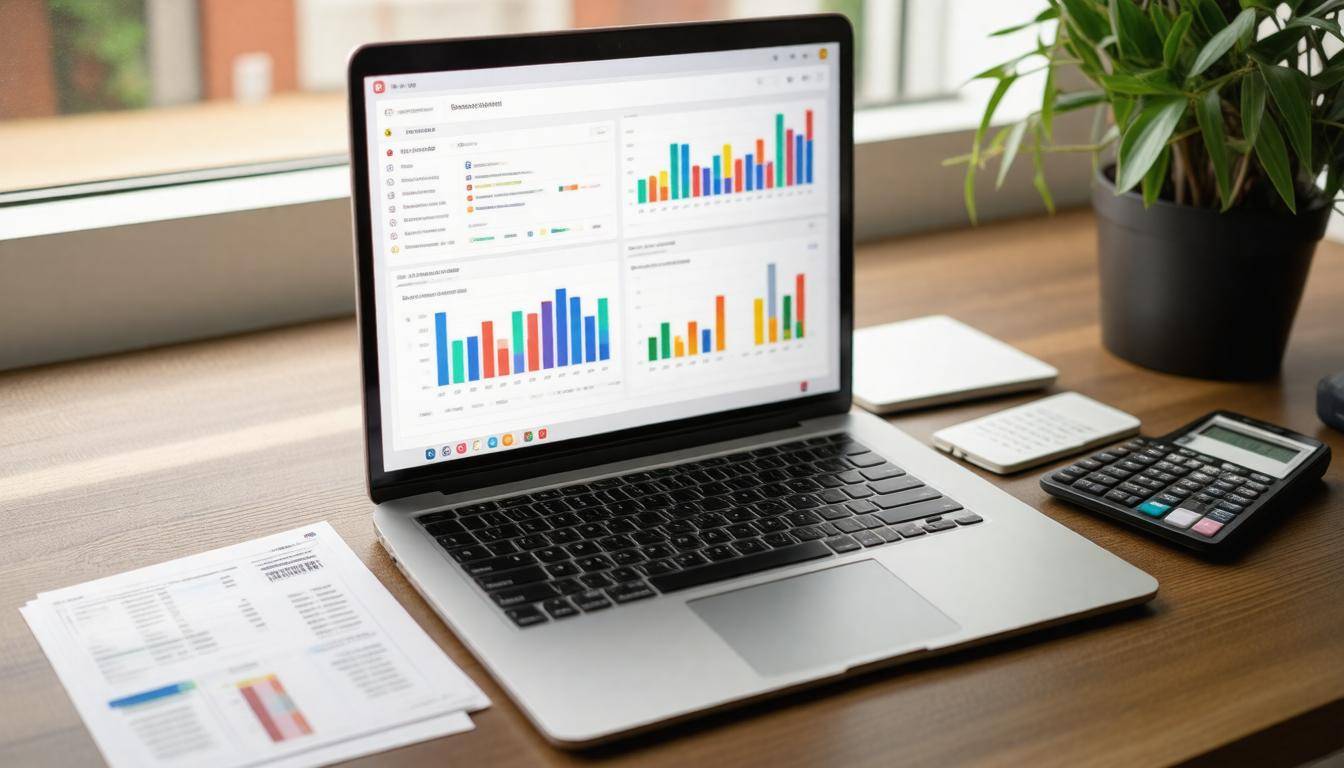
Templates play a crucial role in organizing your financial data, making it easier to monitor unexpected expenses. By utilizing ready-made templates through popular programs like Excel or Google Sheets, you can fast-track the setup of your tracking system. These tools often come equipped with pre-set categories, such as housing, transportation, medical expenses, and leisure activities, allowing for precise categorization of each spending item right from the start. This feature cuts down on manual entry errors and ensures that no detail is overlooked.
Ready-Made Templates
One effective method is to find a template online specifically designed for emergency expense tracking. Many users appreciate how these templates have formulas already embedded, which automatically calculate totals and track spending trends over time. For instance, you might be able to see at a glance how much you’ve allocated for pet care or how sudden car repairs have impacted your overall budget.
Templates are great in that they provide a framework, but remember to customize them to suit your unique needs.
As you become accustomed to using these templates, take some time to evaluate their effectiveness monthly. Do some categories consistently run over budget? If so, adjusting those limits can help manage expectations and lead to better financial health.
Software Benefits
Moving beyond templates, consider integrating specialized software solutions into your financial management routine. For example, platforms like QuickBooks offer robust features that extend beyond simple tracking. They not only provide customizable templates but also allow you to automate the process of tracking expenses altogether—a notable advantage compared to manual entry. Imagine waking up in the morning and finding that your latest purchases have been recorded automatically!
Most importantly, these software solutions can sync directly with your bank accounts, providing real-time updates on transactions as they occur. That means you’re not just reviewing data once a month; you’re actively monitoring your finances day by day. This shift makes tracking less about numbers and more about understanding your financial habits as they evolve in real time.
Using software isn’t just about convenience; it fosters accountability by keeping all your information organized.
Finally, many expense tracking applications have mobile versions that enable budgeting on-the-go—critical for making real-time decisions when unexpected expenses arise. By swiping a few times on your smartphone while at the store or during an emergency situation, you can see exactly what you’re working with financially.
Given these efficient tools at your disposal for managing financial discrepancies, the next step involves ensuring every expenditure is recorded accurately for a complete view of your financial landscape.
Recording Every Expense
Consistency is key to tracking emergency expenses effectively. If you create the habit of noting each expenditure, you’re more likely to maintain control over your finances. Think of tracking your spending as keeping a daily journal—but instead of documenting experiences, you’re logging the ebb and flow of your financial life. Each entry tells a part of the story of how your money moves in and out.
Step I – Record Immediately
One crucial aspect of expense tracking is recording every expense as soon as it occurs. Waiting until later can lead to forgetfulness about small purchases or essential details like where you spent your money or what it was for. Jotting down expenses immediately can feel empowering; it transforms the act from mundane to mindful. For instance, after getting a cup of coffee in the morning, I take a moment to note the $5 charge on my phone app while it’s still fresh in my mind. This adjustment has helped maintain accuracy in my budget and avoid discrepancies later.
While noting down expenses promptly is important, ensuring their authenticity adds another layer of precision to your budgeting process.
Step II – Keep Receipts
Another best practice is to keep digital or physical copies of receipts whenever possible. By saving these bits of paper (or digital information), you establish a reliable reference for verifying transactions that you’ve logged. This is especially useful when reconciling your budget or if an unexpected question arises regarding a charge on your account. Consider using a dedicated envelope or folder for physical receipts or an app designed for receipt storage that allows easy access to digital copies.
Keeping receipts not only safeguards against potential errors but also plays a pivotal role in future budgeting efforts. They help analyze spending patterns over time. For instance, if I realize that I regularly spend on takeout shown in my saved receipts, it gives me the chance to adjust my spending behaviors accordingly. This ongoing awareness supports building better financial habits that align with longer-term goals.
By integrating both timely recording and diligent receipt management into your routine, you’ll set yourself up for steady progress towards maintaining effective financial oversight.
Categorizing Emergency Costs
Proper categorization is crucial for understanding your financial situation and making informed decisions. Organizing emergency expenses into specific categories can shed light on where your money goes, helping you adjust your budget effectively. By focusing on the nature of each expense—whether it’s a necessary one-time payment or an ongoing obligation—you gain insight into your overall spending patterns. This approach aids in tracking and provides a structure that empowers you to respond swiftly when unexpected costs arise.
Separation of Expenses
One of the first steps in effective categorization is to separate one-time emergency expenses from ongoing ones. One-time expenses, like car repairs or unexpected medical bills, contrast with regular costs such as chronic medical treatments or consistent home maintenance. Understanding this difference can reveal trends in your spending and signal which areas may need additional attention in savings or budgeting efforts.
For instance, if you notice high spending on vehicle repairs within a year, it might be time to consider an auto maintenance plan or saving a little extra for future car-related emergencies. Ongoing expenses indicate recurring commitments that require stable funding sources over time. This separation creates a clearer picture of your financial landscape.
Utilize Sub-Categories
Another effective strategy is to use sub-categories within your main expense categories. This tactic allows for more detailed tracking and helps pinpoint high-spending areas needing adjustment. Take the category “Medical Costs,” for example. You can dissect this broader category into distinct sub-categories such as “Doctor Visits,” “Prescriptions,” and “Emergency Room Visits.” By doing so, you can assess where most of your health-related funds are allocated, potentially leading to proactive financial adjustments.
In this manner, you could notice that while doctor visits are relatively predictable, prescription costs might fluctuate wildly depending on certain months. Such insights are invaluable in helping you prepare your budget more accurately to accommodate these variations without derailing your overall financial stability.
Keeping everything organized this way doesn’t just offer clarity; it gives you control over your finances and aids in making informed decisions should an emergency arise. With a solid grasp on categorizing expenses, you’re well-positioned to tackle the next vital step in enhancing your financial foundation: laying out effective plans for achieving your monetary aspirations.
Planning for Financial Goals

Knowing what you want to achieve is essential when setting financial goals, particularly for an emergency expense tracking system. These goals can range from building an emergency fund to paying off debt or saving for a vacation. However, without specificity, it’s easy to feel overwhelmed or lost.
Setting specific targets helps keep you motivated and gives you clear benchmarks to check off as you progress. For example, instead of merely stating that you want to save money, set a target like saving $1,200 over the course of a year for your emergency fund. This type of clear goal not only provides direction but also instills a sense of accomplishment as you hit those milestones.
When planning, consider using tools designed for budgeting and savings tracking. Many financial apps allow users to set measurable goals and track their progress over time. The insight these tools provide can be invaluable in keeping your objectives in view. By utilizing features such as pie charts and progress bars within these applications, seeing how far you’ve come can become a strong motivator on days when you feel tempted to stray from your plan.
Yet goals shouldn’t be static; they require periodic reviews and adjustments based on new information about unexpected expenses you’ve noted along the way. Think about it—if you planned for a $300 incident that turned into $600 due to unforeseen complications, you’d need to reassess whether your goal remains achievable or if it needs adaptation based on your current financial reality.
Consistency is key; regularly revising your financial goals ensures they remain aligned with changing life circumstances.
Moreover, remember that it’s okay to set small sub-goals along the way toward achieving something larger, like getting that full emergency fund amount in place. Each small achievement becomes a stepping stone, providing a psychological boost that reaffirms your commitment and spurs you onward.
Embracing this approach will enhance your preparedness for emergencies and cultivate positive financial habits. This proactive mindset sets the stage for the next steps in effectively managing your finances.
Organizing Financial Data
Proper organization allows for quick access and easy reviews. When it comes to handling unexpected costs, having your financial information neatly organized can save you time, stress, and even money. Imagine being able to find critical documents at a moment’s notice or knowing exactly how much you’ve allocated to your emergency fund without sifting through piles of receipts. A cohesive system translates not only into efficiency but also reassurance during uncertain times when every minute counts.
Step I – Digital Filing System
One effective method is to employ a digital filing system like Google Drive or Dropbox for storing receipts and other financial documents. By doing so, you create a central hub for all essential files, ensuring that they are stored safely and are easily accessible from anywhere.
Think about it: rather than frantically searching through drawers filled with papers, you can simply open your digital folder and retrieve what you need in seconds.
This prevents losing track of important information and facilitates timely decisions in moments of need. For instance, if an unexpected medical bill arrives, being able to quickly reference your insurance paperwork could make all the difference.
Additionally, label your folders clearly and categorize documents logically; consider separate folders for expenses related to healthcare, home repairs, vehicle maintenance, etc. Always include subcategories for major purchases or significant bills. This strategy simplifies tracking trends over time and helps you spot potential areas for improvement in your budgeting practices.
Step II – Regular Audits
Beyond just storing data efficiently, scheduling regular audits every quarter is key to ensuring all information remains up-to-date and accurate. Start by setting calendar reminders to review both your digital files and physical documents. During these audits, go through receipts of any emergency expenses incurred since the last audit, verify their amounts against bank statements, and update your emergency funds allocation if necessary.
Think of these audits as health check-ups for your finances; just as you wouldn’t neglect your physical well-being, keeping a pulse on your financial situation is equally essential. Gather insights on spending habits based on previous emergencies—what did you use most of your fund for? Was there anything unanticipated that pushed you over budget?
Maintaining an organized financial data system not only enhances clarity but also provides a foundation for more successful budgeting for future unforeseen expenses. By implementing these structured approaches, you’re effectively building a safety net that stands ready when life decides to throw those unexpected challenges at you.
With a solid foundation in place for tracking expenses, let’s explore some strategies that can streamline your overall financial management process.
Tips for Simplifying Expense Management
Simplifying your expense management process is crucial to ensuring you adhere to your budget. This means less time stressing over numbers and more time enjoying peace of mind knowing where your money is going. To begin with, automating as many aspects of this process as possible reduces the burden of manual entry, which can often lead to errors or oversight.
Automate Where Possible
Embrace automation features provided by various financial software. Programs like Quicken and Mint allow for automatic bank syncing, meaning transactions are recorded in real-time without needing you to lift a finger. This minimizes human error and enables you to focus on analysis rather than tedious data input. Imagine waking up every day to find that all your expenses have been tracked without any effort from you! This feature can be a true game-changer for retention and accuracy in expense tracking.
However, even the most sophisticated tools require our attention from time to time.
Regular Check-Ins
Setting a routine for regular check-ins will help keep your financial situation transparent and manageable. Making a habit of reviewing your expenses—whether weekly or monthly—ensures that you’re aware of any patterns or shifts in spending habits. The key here is consistency; just as maintaining a healthy lifestyle requires regular exercise, monitoring your spending will promote financial health.
Countless people have found success using a structure that works best for them:
- Set a recurring reminder: Schedule reminders on your calendar or phone; this encourages accountability.
- Use mobile apps: Track expenses while on-the-go; it makes capturing those moments when impulse buys might otherwise slip away possible.
- Keep it simple: A minimalist approach to categories helps avoid feeling overwhelmed by hyper-detailing each purchase, making the whole process lighter and more manageable.
Keeping your system straightforward sets the stage for long-term adherence to your budget.
By blending automation with regular assessments and simplifying the categorization of expenses, you open the door to better financial management with less effort. Taking these measures provides clarity in knowing exactly where you stand financially at any given moment and bolsters confidence in managing your resources moving forward.
What are some common pitfalls to avoid when setting up an emergency expense tracking system?
Some common pitfalls to avoid when setting up an emergency expense tracking system include failing to categorize expenses properly, which can lead to overlooked spending areas, and not updating the system regularly, risking outdated data. According to a survey, nearly 60% of individuals who track expenses inconsistently often find themselves in financial distress during emergencies. Additionally, neglecting to set realistic budget limits may cause overspending and derail the entire tracking effort.
What specific features should I look for in an emergency expense tracking system?
When setting up an emergency expense tracking system, look for features such as real-time expense tracking, customizable categories, budget alerts, and easy integration with bank accounts. A study by the National Endowment for Financial Education found that 60% of Americans lack adequate savings for emergencies; having a sophisticated tracking system can help users identify spending patterns and prioritize savings effectively. Additionally, user-friendly interfaces and mobile accessibility enhance the likelihood of consistent use, ensuring that you stay on top of your finances even in crisis situations.
Are there any recommended software tools or apps for tracking emergency expenses?
Yes, there are several recommended software tools and apps for tracking emergency expenses, such as Mint, YNAB (You Need A Budget), and PocketGuard. These applications offer user-friendly interfaces and features like budget tracking, expense categorization, and real-time notifications that can help users manage their funds effectively during emergencies. According to a study by the Consumer Financial Protection Bureau, individuals who actively use budgeting tools are 50% more likely to save money for unexpected expenses, making these tools invaluable in preparing for financial emergencies.
How often should I review and update my emergency expense tracking system to ensure its effectiveness?
You should review and update your emergency expense tracking system at least quarterly to ensure its effectiveness. Regular reviews allow you to adapt to any changes in your financial situation or unexpected expenses. According to a survey by the National Endowment for Financial Education, individuals who actively track their expenses are more likely to be aware of their spending patterns, which can lead to better financial decisions and improved savings rates by up to 20%. By keeping your system current, you maximize its usefulness in times of need.
How can I create a simple yet effective budget for emergency expenses?
To create a simple yet effective budget for emergency expenses, start by assessing your average monthly income and identify fixed versus variable expenses. Aim to allocate at least 10-15% of your monthly income toward an emergency fund, as financial experts recommend having three to six months’ worth of living expenses saved. Use budgeting apps or spreadsheets to track these expenses regularly, ensuring you adjust as needed and stay disciplined in contributing to the fund. Statistics show that 30% of Americans do not have any savings set aside for emergencies, highlighting the importance of proactive budgeting and preparedness.