
Emergencies can strike at any moment, often leaving us feeling overwhelmed and unsure of what to do next. Whether it’s a sudden injury, a health scare, or an unexpected accident, knowing how to navigate the healthcare maze in these critical times is essential. This guide on Emergency Medical Services (EMS) will walk you through everything from understanding what EMS does to finding the nearest emergency facility when every second matters. With this information at your fingertips, you’ll be better prepared for those unsettling moments, making sure you and your loved ones receive the care you need without panic or confusion. Let’s dive in to unlock the resources available to you!
The Emergency Medical Services: Regional Access Guide offers vital information on how to locate and utilize emergency medical services specific to your area, including contact numbers, service coverage, response times, and protocols for various emergency situations. It serves as an essential tool for understanding the healthcare resources available during critical emergencies.
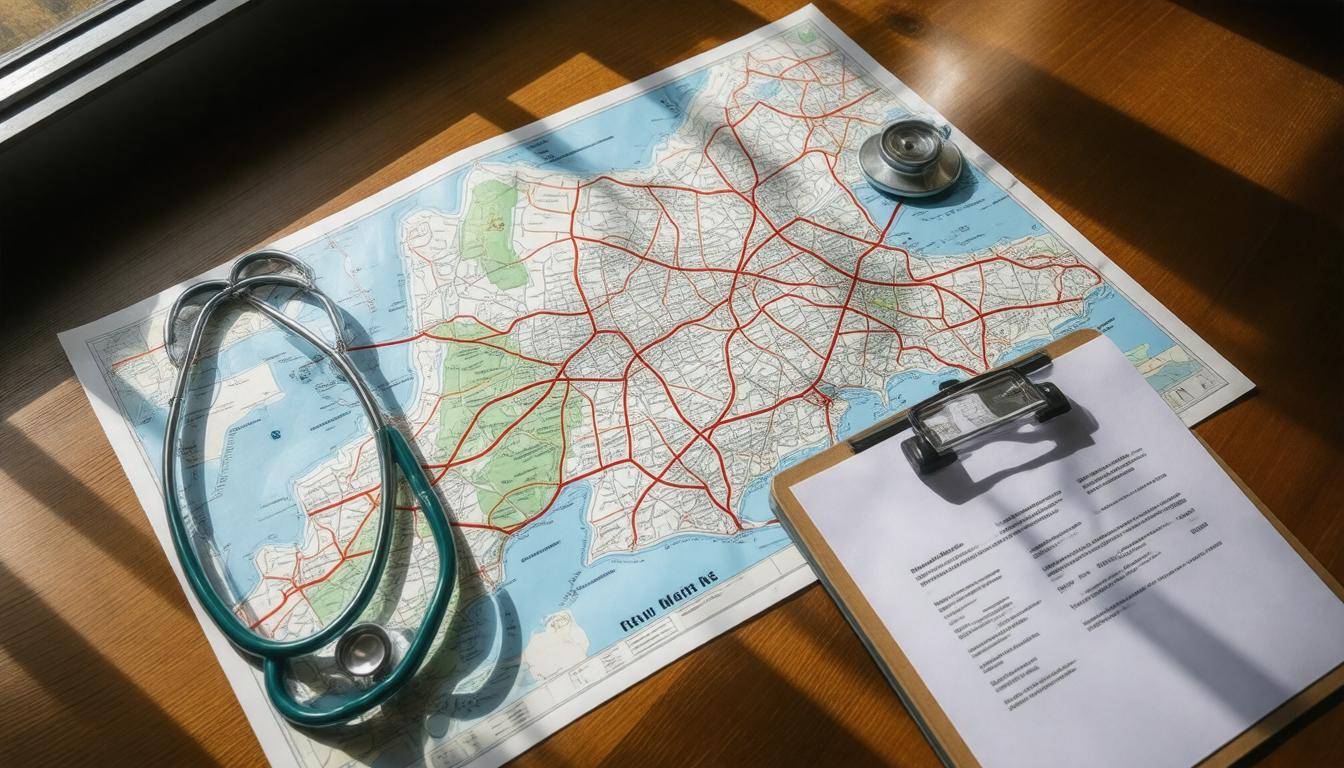
What is Emergency Medical Services (EMS)?
Emergency Medical Services (EMS) is a critical system designed to deliver urgent medical care when it’s needed most—think of it as a lifeline during emergencies. The call to action typically begins with a simple phone call to an emergency number, which triggers an immediate response. This could be for anything from a fallen elderly person needing help to traffic accidents or severe allergic reactions. Every second counts, and EMS ensures that help arrives swiftly.
Once the call is made, an emergency response team—generally including paramedics, EMTs, and sometimes even volunteer responders—is dispatched. These professionals are equipped with specialized training and tools to assess the patient’s condition at the scene and provide essential medical treatments before reaching a hospital. Imagine them as your frontline defenders against life-threatening crises, working tirelessly to stabilize patients and transport them safely.
The ability of EMS to respond quickly can literally mean the difference between life and death.
Furthermore, EMS plays an invaluable role beyond just emergency responses; it’s also about community support and education. Many EMS providers participate in outreach programs aimed at teaching essential first aid skills and CPR techniques to the public. By equipping individuals with knowledge, they aim to create a more prepared community capable of responding effectively before EMS arrives.
Understanding how EMS collaborates with other healthcare services enhances your awareness of what to expect during a medical emergency and informs your choices when assistance is needed. Let’s explore further how these systems operate together seamlessly.
Navigating Regional EMS Availability
Accessing emergency medical services can drastically differ depending on whether you’re in an urban environment or a rural area, and knowing these differences can be a matter of life and death. Urban areas usually boast a well-developed EMS infrastructure, leading to quicker responses. In bustling cities, multiple hospitals and comprehensive road networks mean you may find ambulances arriving within 10 minutes or less. Imagine being in a situation where every second counts; that rapid response time can save lives.
On the other hand, navigating EMS resources becomes more complex in rural regions, where access can be significantly limited.
Urban vs. Rural Access
For instance, in cities, the density of services means that if one ambulance is occupied, another is just around the corner. Conversely, in rural areas, the vast distances and lower population density often result in longer wait times. It’s not unusual for residents to experience delays exceeding 30 minutes while waiting for assistance. This stark difference highlights the importance of knowing your region’s specific challenges.
However, it’s not just about geography; various regional limitations also impact how easily one can access EMS.
Regional Limitations
The statistics shed light on this reality: approximately 20% of rural communities in the U.S. face significant constraints for accessing EMS services around the clock. Some areas may have EMS providers available only during certain hours or not at all on weekends. This lack of constant oversight presents a perilous situation when emergencies arise. Knowing these limitations can empower individuals to prepare accordingly—whether it involves creating a crisis plan or even learning basic first aid techniques.
Understanding these regional access issues is crucial for ensuring timely medical care in emergencies. With this knowledge in hand, let’s explore how to effectively locate nearby emergency medical facilities when needed.
Finding Emergency Medical Locations
Locating the nearest emergency medical facility can be pivotal in a crisis. In those harried moments, knowing exactly where to go—and how to get there—can alleviate stress and save valuable time. One of the best ways to begin this journey is through technology; online maps and directories are indispensable tools for anyone looking to navigate their local healthcare landscape.
Step I: Use Online Maps and Directories
Start by utilizing resources like Google Maps or your regional health department’s website. A quick search can yield a list of nearby hospitals and urgent care centers, complete with directions, estimated travel times, and operational hours. Most health department websites maintain comprehensive directories showcasing all emergency care locations within their jurisdiction. This step may seem simple, but in a high-stress situation, having these resources at your fingertips pays off significantly.
Once you’ve identified potential emergency medical locations, the next step involves preparing yourself for the journey to these facilities.
Step II: Familiarize Yourself with the Route
Familiarity with the quickest route to your selected emergency facility from your home, school, or workspace can make a critical difference during an emergency. Take a moment to map out multiple routes using your navigation tool of choice, considering alternative paths in case traffic becomes an issue.
If you can spare some time, visiting these locations beforehand serves a dual purpose. Not only will you become familiar with their services—which is notably helpful if you have specific needs—but you will also learn critical points of entry and parking arrangements that would otherwise add unnecessary stress during an emergency situation.
Emergency Room (ER): A part of the hospital where immediate treatment is provided.
Urgent Care: Facilities for injuries and illnesses that require immediate but not emergency-level care.
By taking these proactive steps to familiarize yourself with local emergency medical locations, you’re enhancing your readiness and empowering yourself and those around you with knowledge that can potentially save lives. As you plan ahead, consider each location’s unique attributes—whether it’s expertise in trauma care or specializations in pediatrics—because knowing what each facility offers can alter your choice in a crucial moment.
With this knowledge in hand, the next focus will be how to effectively reach out to your local emergency medical services when the need arises.
Contacting Your Local EMS
Knowing what to say and how to say it when contacting Emergency Medical Services (EMS) can play a significant role in ensuring timely assistance. When you dial that emergency number, every second counts. Being prepared can make all the difference. Picture this: you’re in a high-stress situation—maybe someone’s collapsed or is bleeding heavily. The last thing you want is to fumble for words when your message needs clarity.
Emergency Numbers
As mentioned earlier, many countries, including the United States, connect you to local EMS by simply dialing 911. It’s wise to familiarize yourself with regional variations of emergency numbers if you travel or live abroad.
Here’s a quick reference table:
| Country | Emergency Number |
|---|---|
| United States | 911 |
| United Kingdom | 999 |
| Canada | 911 |
| Australia | 000 |
Once you’ve dialed the correct number, the next step is crucial: providing key information succinctly.
Providing Key Information
- Location: Give your exact location, including nearby landmarks or building names that could help paramedics find you quickly.
- Nature of Emergency: Clearly describe the situation without excessive detail. For instance, instead of saying “my friend fell down,” specify “my friend collapsed and is unconscious.”
- Condition of the Patient: Share relevant details about any known medical history, allergies, or current symptoms important for the attending officers to know.
Remember that the operator may ask questions even as help is dispatched to ensure they have all necessary details. Stay calm and provide concise answers. If you’re nervous—that’s perfectly normal. Take a breath and focus on what needs immediate attention.
Being well-prepared and knowing how to effectively communicate with local EMS enhances confidence during emergencies and contributes to better outcomes. Clear communication in times of crisis can facilitate swift actions that are vital for saving lives. Let’s now shift our focus to understanding the protocols and procedures that guide these critical services.
EMS Protocols and Procedures
Emergency Medical Services (EMS) function based on protocols that ensure a consistent and effective response. These protocols are meticulously crafted and tested, enabling first responders to prioritize care and manage emergencies efficiently. One critical function in this system is triage, which establishes which patients receive immediate attention based on the severity of their condition. This method isn’t just efficient; it’s indispensable for saving lives in high-stress situations where time matters most.
Step-by-Step Guide to EMS Response
The EMS response process unfolds like a well-rehearsed symphony, with each step seamlessly connecting to the next. Firstly, dispatch occurs when someone calls the emergency number, triggering a rapid alert to the nearest available EMS unit. In an emergency, every second counts; thus, quick communication is paramount.
Once dispatched, time becomes even more critical as responders make their way to the scene.
Upon arrival, first responders immediately assess the situation. With keen eyes trained through rigorous training, they provide essential on-site care—administering oxygen, performing CPR, or controlling severe bleeding. The ability to remain calm and assess the scene quickly is a hallmark of effective EMS; chaos can cloud judgment, but trained professionals thrive amid it.
Imagine trying to decide what’s critically urgent while adrenaline pumps through your veins and sirens wail in the background. These responders have perfected their skills under pressure!
After providing initial care, assessment comes next—a critical phase where paramedics evaluate each patient’s condition thoroughly.
During assessment, patients are classified based on urgency: life-threatening conditions take precedence over less critical issues. This ensures that those who need immediate treatment receive it fast. For example, someone experiencing chest pain will be prioritized over someone with a sprained wrist. This structured priority system maximizes resources and efficiency when every second can save a life.
If transport is warranted due to the seriousness of the condition, another essential procedure follows.
Patients needing further medical evaluation or treatment are swiftly transported to the nearest appropriate medical facility. This step requires constant communication between the EMS team and hospital staff to prepare them for arrival. The hand-off of care from EMS personnel to hospital staff is vital; it involves conveying all relevant information about the patient’s condition and treatments administered en route.
It’s a relay race where every detail passed on can influence how well the receiving team can continue care effectively.
Effective execution of these steps can mean the difference between life and death. Having this streamlined protocol guarantees that patients receive timely interventions and improves their outcomes significantly. Smooth coordination among various healthcare providers illustrates the collaborative spirit inherent in emergency services.
Gaining insight into these protocols paves the way for understanding the role of those who deliver this vital service amidst urgent situations. Let’s explore further into those who operate within this framework, ensuring swift and competent assistance during emergencies.
Paramedics and Ambulance Services
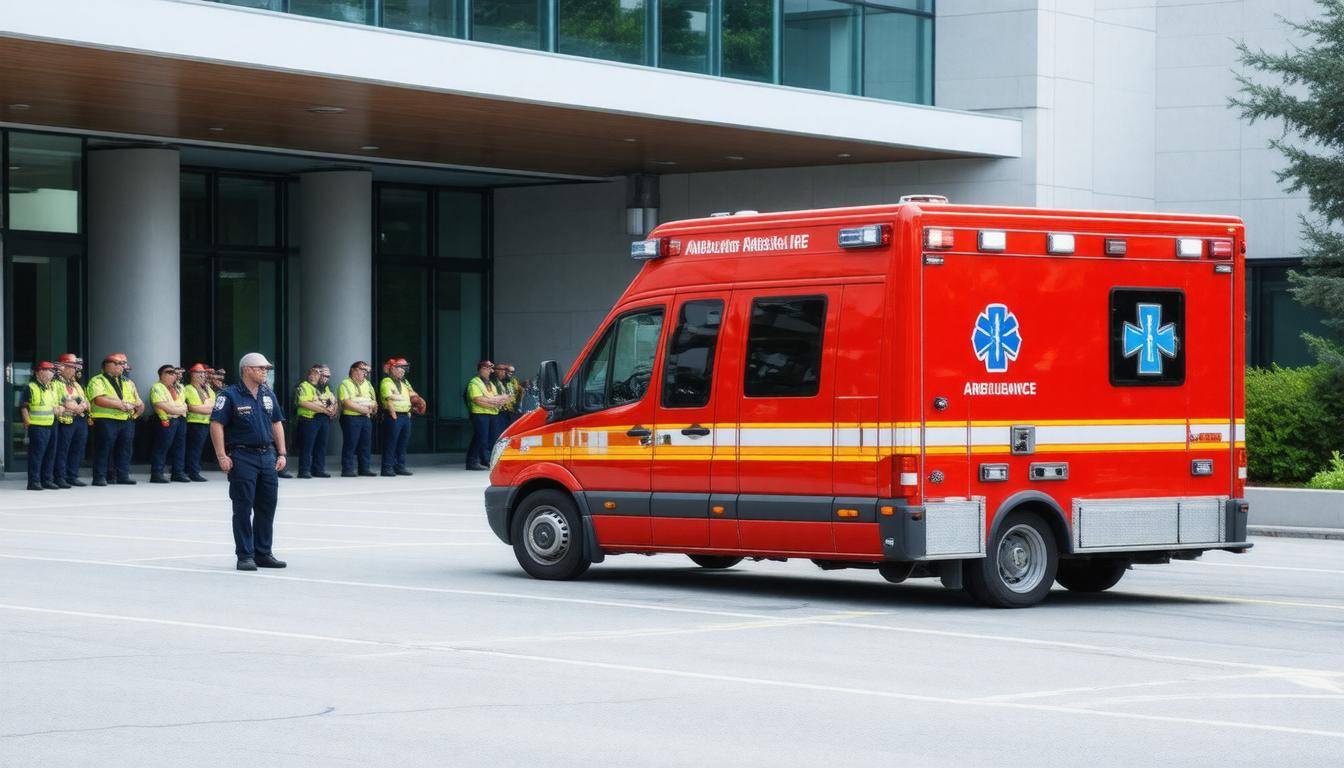
Paramedics are not just your average medical personnel; they undergo extensive training to respond swiftly and effectively during critical situations. With a unique blend of medical knowledge and emergency response skills, they are prepared for anything from cardiac arrests to traumatic injuries. For example, when they arrive at an accident scene, every second counts. The quick assessment of the victim’s condition becomes crucial in determining the treatments needed before reaching a hospital. That’s where paramedics shine—by bringing advanced care to the patient right on the spot.
When we think of ambulance services, we often picture a flashing vehicle racing through traffic, but there’s far more happening inside that ambulance. These vehicles are essentially mobile emergency rooms, equipped with state-of-the-art equipment like defibrillators, suction devices, and various medications. Above all, patients can receive immediate treatment while en route to their destination. It’s these lifesaving tools combined with the expertise of paramedics that help stabilize patients.
Consider this: if a paramedic administers IV fluids or performs CPR during transport, it could mean the difference between life and death for a patient in cardiac arrest.
Roles and Responsibilities
The roles of paramedics extend beyond mere transportation; they serve as critical healthcare providers during emergencies. Beyond identifying immediate threats to life, they also communicate vital information about the patient’s condition to the receiving medical teams ahead of time. This kind of pre-arrival notification can significantly aid in streamlining care once patients reach the hospital.
In addition to being skilled practitioners, good paramedics are effective communicators who gather pertinent information from witnesses or family members. They diligently check vitals and monitor patient responses throughout transit. Importantly, they’re trained to recognize potential complications that might arise during transport. This vigilance ensures that patients receive comprehensive care no matter where they are.
As we transition to examine further dimensions of lifesaving services provided by EMS, it’s essential to understand how paramedics and ambulance services collaborate for optimal patient outcomes.
Types of Lifesaving Services
Emergency Medical Services (EMS) encompasses a broad range of specialized care designed to address various medical emergencies swiftly and effectively. At the core of these services are two primary levels: Basic Life Support (BLS) and Advanced Life Support (ALS). Each plays a vital role, ensuring that patients receive the appropriate level of care according to their needs.
Basic Life Support (BLS)
BLS is foundational in emergency medical response, providing essential life-saving techniques administered primarily by Emergency Medical Technicians (EMTs). This includes skills like cardiopulmonary resuscitation (CPR), bleeding control, and basic airway management. The importance of BLS cannot be overstated; it is often the first line of intervention during critical situations when every second counts. For instance, if someone collapses from a cardiac event, immediate CPR can significantly increase their chances of survival until more advanced care arrives.
In many cases, knowing how to perform CPR can mean the difference between life and death.
Advanced Life Support (ALS)
Transitioning from basic interventions to more intricate care, Advanced Life Support (ALS) enhances emergency medical assistance performed by trained paramedics. This includes complex procedures like intubation, drug administration for urgent medical needs, and advanced cardiac monitoring to assess heart function in real-time. ALS is crucial in situations requiring immediate attention beyond basic care, such as severe trauma or acute respiratory distress. Paramedics are equipped with sophisticated tools and medications, enabling them to stabilize patients effectively before reaching hospital facilities.
However, EMS doesn’t stop there; it branches out into specialized units that focus on niche areas requiring focused expertise.
Specialized EMS Units
Specialized EMS units are crucial when circumstances demand tailored responses for specific emergencies. These include:
Pediatric Units: These teams are trained specifically in dealing with medical emergencies in children, who often present differently than adults do. With unique physiological characteristics, children need specialized assessment and treatment approaches that accommodate their specific needs.
Hazardous Materials (HAZMAT) Units: HAZMAT teams handle incidents involving chemical or biological exposures. In scenarios such as chemical spills or biological threats, these units utilize specialized equipment and training to ensure both patient safety and public health.
These specialized services illustrate how EMS adapts to diverse emergencies, ensuring each situation is handled with precision and care. Grasping this diversity within your regional EMS can empower informed decision-making during emergencies—potentially saving lives.
As we explore further, understanding common concerns about accessing these emergency services will enhance your preparedness for any urgent situation.
Common Questions About EMS Access
Many people find themselves overwhelmed when faced with medical emergencies, often wondering what constitutes a valid reason to call EMS. While it might seem tempting to reserve this lifeline for only the most critical situations, any uncertainty warrants a call. The dispatchers are trained professionals who can guide you through assessing the severity of the situation, providing crucial advice and directing you to the right resources if necessary.
Now let’s talk numbers – those surrounding costs associated with utilizing EMS services. It’s vital to understand that fees can vary significantly based on your location and the service provider. In some regions, EMS is funded by municipal budgets and is free at the point of access, while other areas may charge a fee depending on the distance traveled or services rendered. To avoid unexpected expenses, reach out to local EMS providers ahead of time to inquire about their policies and potential fees. This simple step can be very reassuring.
Understanding your local costs not only prepares you financially but also eliminates unnecessary stress during an emergency.
Here’s what you should consider when determining if you need to call EMS:
- Is someone experiencing severe pain or difficulty breathing?
- Are there signs of a stroke or heart attack?
- Did an injury occur that could result in substantial blood loss?
If the answer is “yes” to any of these questions, don’t hesitate – every second counts in emergency situations.
Consider Jane’s story as a compelling example of this knowledge in action. Living in Seattle, she experienced a heart-stopping moment when her father complained of chest pains. When unsure if it was serious enough for an EMS call, she decided to dial anyway. Rapid response from emergency professionals enabled assessment and treatment on-site. What could have been a tragic outcome turned into an opportunity for timely intervention that saved his life.
If you ever find yourself pondering whether to utilize EMS, remember that calling is always a safer option than second-guessing your instincts.
In understanding how to access these vital services and recognizing when to call for help, you equip yourself with the tools necessary for navigating medical emergencies effectively. Being proactive may ultimately save lives and ease stress during critical moments.