
In any emergency situation, having access to clean drinking water is one of the top priorities for survival. Whether you’re facing a natural disaster or navigating the great outdoors, knowing how to filter water effectively becomes essential. However, with so many options available, it can be overwhelming to choose the right system that meets your needs. This guide will break down important factors to consider when looking for the best emergency water filtration system—so you can feel confident in your choice and focus on staying safe and hydrated.
When comparing emergency water filtration systems, consider factors such as purification method (such as UV, reverse osmosis, or activated carbon), flow rate, size and portability of the system, ease of use, and the specific contaminants it is capable of removing. Additionally, look at customer reviews and certifications to ensure the system meets health and safety standards.
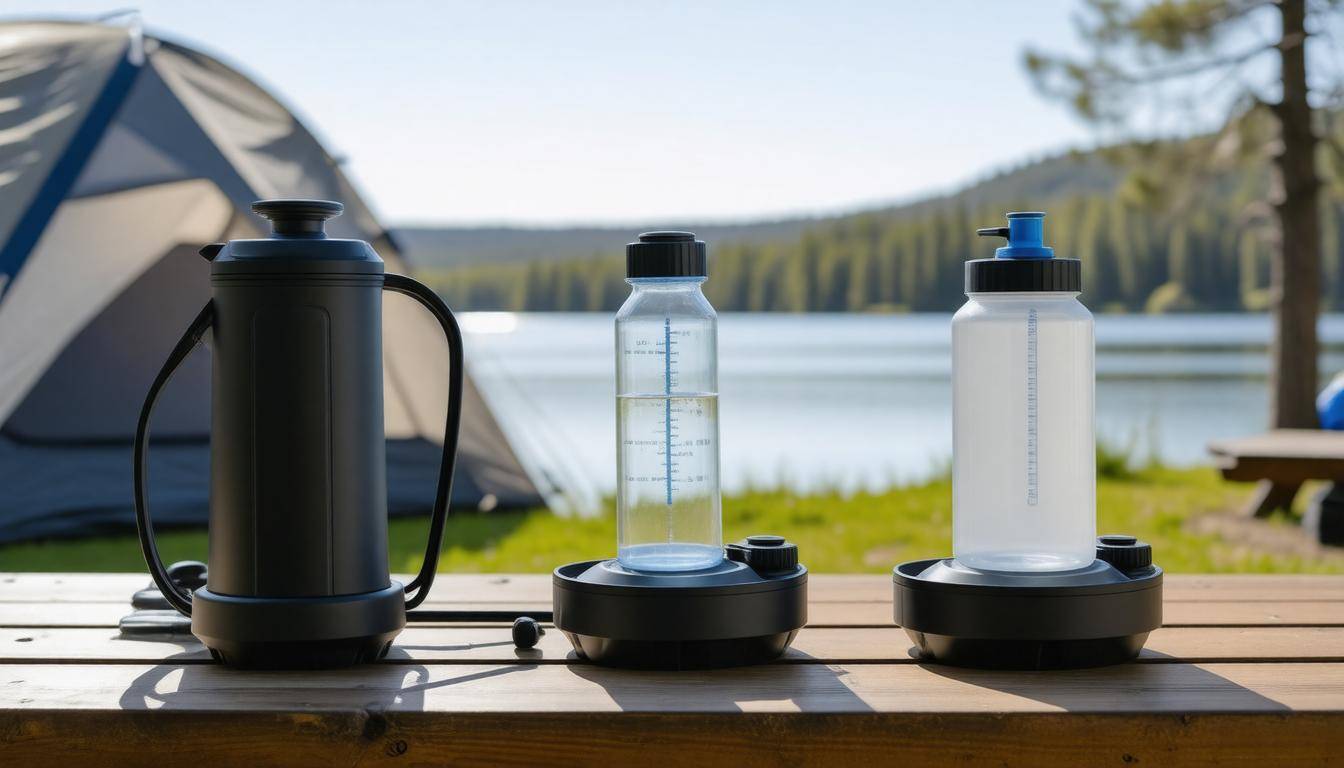
Top 5 Emergency Water Filtration Systems
LifeStraw Personal Water Filter
The LifeStraw personal water filter stands out due to its lightweight and portable design, making it an ideal companion for hikers, campers, or anyone preparing for emergency situations. This simple yet effective tool filters up to 4,000 liters of water while effectively removing 99.99% of bacteria and parasites. Users simply need to place one end in dirty water and sip through the straw – no batteries or chemicals required. Its straightforward design ensures anyone can use it with little instruction, which makes it invaluable when every second counts.
Sawyer Mini Water Filtration System
Moving on, the Sawyer Mini water filtration system offers versatility that’s hard to beat. This compact filter attaches easily to drinking pouches, bottles, or hydration packs, filtering up to an impressive 100,000 gallons of water. It’s particularly known for its efficiency; like the LifeStraw, it also removes 99.99% of bacteria and protozoa while efficiently filtering out microplastics. What truly sets this system apart is its convenience; whether you’re refilling a water bottle in the field or using it at home post-disaster, its flexibility and effectiveness make it a reliable choice.
Katadyn Vario Microfilter
Next up is the Katadyn Vario Microfilter, a favorite among backpackers who appreciate reliability and quick access to clean water. This innovative filter utilizes a dual-piston technology which not only speeds up the flow rate but also extends its lifespan. With three filtration stages designed for versatile conditions, users can switch between modes depending on water quality – perfect if you’re unsure about the source. The ease of maintenance adds another layer of practicality, allowing you to stay hydrated without stressing over your equipment.
Berkey Gravity-Fed Water Filter
On a larger scale, the Berkey Gravity-Fed Water Filter serves as both an emergency solution and a home purification system. Its robust construction can filter viruses and heavy metals while boasting a larger capacity than other options discussed here. This filter excels in settings where bulk water treatment is needed without power. In addition to being practical during emergencies, many users find Berkey’s long-term reliability appealing for everyday use, ensuring clean drinking water even outside of crisis situations.
With an understanding of these options tailored for specific needs, you’ll be better equipped to navigate your choices effectively. Transitioning from product comparison allows us to explore what features can truly make a difference in your decision-making process.
Key Features to Consider
Filtration speed plays a pivotal role in an emergency context where every second counts. Imagine you’re in a survival situation, and you’ve just located a water source—being able to filter that water quickly could be the difference between staying hydrated and risking illness from contaminants. Systems like the Sawyer Mini illustrate this aspect well, boasting impressive filtration speeds that allow for quick access to clean drinking water. When evaluating filtration systems, consider how fast they can transform questionable water into a life-sustaining resource.
Next comes ease of use. During emergencies, simplicity is paramount. Take the LifeStraw as an example; its design requires no complicated setup—just insert it into the water source and sip. This intuitive structure makes it perfect for situations where you need immediate access to filtered water without fumbling with instructions or parts. When choosing a system, think about whether you could efficiently operate it under stress; the less time spent worrying about mechanics, the better prepared you’ll feel.
Another essential aspect is the durability and weight of the filtration system. Lightweight yet robust systems like the Sawyer Mini and LifeStraw are favored by many because they integrate seamlessly into backpacks without adding significant bulk. Conversely, while heavier options such as the Berkey may not be ideal for travel, they provide robust filtration capabilities for longer-term use and a larger volume of purified water. Assess your needs carefully: if you’re planning on a lengthy stay outdoors or in an uncertain situation, favor durability alongside weight.
Understanding these key features enables you to evaluate what type of filtration system would best suit your unique needs—whether that’s packability for hiking or capacity for family-sized survival plans—making all the difference during critical moments.
With these essential factors in mind, moving forward allows us to explore the specific quality and effectiveness metrics that will further guide your selection process.
Comparing Quality and Effectiveness
When we discuss the effectiveness of water filtration systems, it’s about understanding their individual strengths and weaknesses. For example, while systems like Berkey excel in providing comprehensive purification—removing bacteria, viruses, and even heavy metals—their size and weight make them less practical for quick transport or emergency situations. Imagine needing to grab your supplies and head for higher ground; having lightweight options can make all the difference.
To highlight this further, let’s take a closer look at some specific filtration systems and their performance metrics in real-world applications.
Consider the capabilities of the LifeStraw, which removes up to 99.99% of bacteria and parasites. This makes it an excellent choice for hiking or situations where portability is vital. However, it doesn’t filter out chemicals or pesticides as effectively as other systems do. While it wins on portability, it doesn’t offer the same level of comprehensive protection against contaminants that may be lurking in standing water sources.
Assessing Additional Contaminant Removal
Many individuals don’t realize that factors such as removal of microplastics, chemicals, or pesticides can vastly influence your choice. For instance, the Sawyer Mini filters out microplastics but doesn’t address viruses—it offers peace of mind in one area but leaves gaps in others. The Katadyn Vario has a more extensive range of contaminant removal capabilities compared to some alternatives—removing not only bacteria but also certain harmful chemicals.
| Filtration System | Bacteria Removal | Virus Removal | Additional Contaminants |
|---|---|---|---|
| LifeStraw | 99.99% | No | No |
| Sawyer Mini | 99.99% | No | Microplastics |
| Katadyn Vario | 99.99% | No | Yes (some chemicals) |
| Berkey | 99.99% | Yes | Heavy Metals, Chemicals |
By comparing these filtration systems based on their capabilities, you can discern which system best meets your needs during emergencies. As we explore further, we’ll examine how capacity and efficiency vary among these options, ensuring you make the most informed choice possible.
Capacity and Efficiency Differences
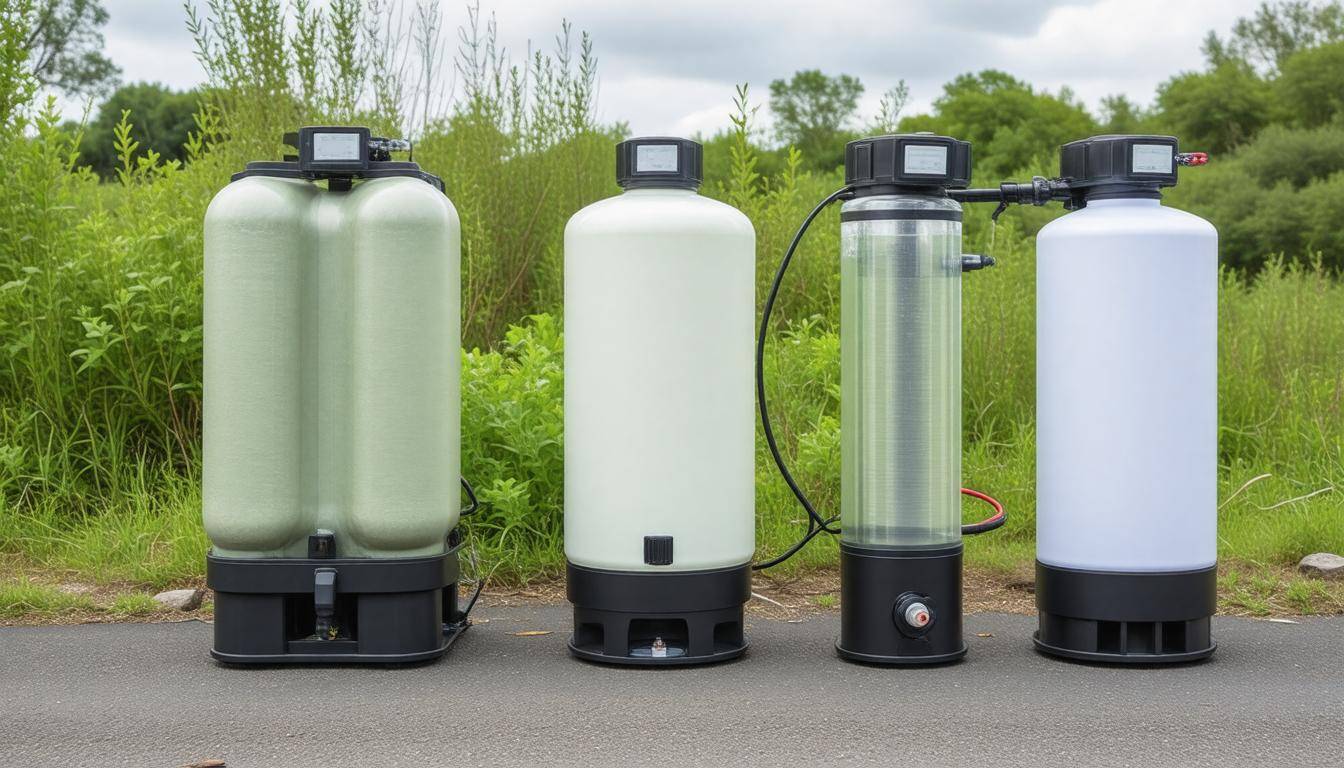
The capacity of a filtration system refers to how much water it can process before the filter must be replaced, while efficiency deals with the ability of a device to purify water without significant performance degradation over time. In emergency situations, these aspects become crucial, as you want a filter that can provide clean drinking water for extended periods without frequent replacements.
Filter Lifespan
For instance, the Sawyer Mini boasts an impressive capacity, filtering up to 100,000 liters of water. This means that one filter could potentially last through numerous camping excursions or emergencies, offering peace of mind when resources are limited. In contrast, the ever-popular LifeStraw has a lower capacity at 4,000 liters, which might require more frequent replacements if used constantly in dire situations.
Despite its higher volume capacity, systems like the Berkey not only filter larger amounts more efficiently but also utilize gravity to purify water from various sources. This makes them incredibly valuable during emergencies where large quantities of clean water are essential.
Flow Rate
Additionally, the flow rate, or how quickly the system can provide filtered water, is equally significant. In high-demand scenarios—imagine a family needing fast access to drinking water following a natural disaster—a slow flow might hinder your ability to hydrate effectively. The Katadyn Vario addresses this need through its dual-piston design, allowing for quicker output compared to systems with only single-piston mechanisms.
When evaluating flow rates, consider not just speed but also your specific consumption requirements. If you’re filling multiple containers for cooking or hydration during a gathering, a faster flow rate will save you precious time and keep everyone satisfied.
Balancing both capacity and efficiency is essential; this understanding empowers you to select a filtration solution tailored to your unique needs as you prepare for any situation. Next, we’ll explore various options available for different settings and purposes.
Portable vs. Home Filtration Options
When you think about emergency filtration systems, the choice between portable and home options often hinges on your specific lifestyle, environment, and anticipated usage scenarios. Portable filtration systems are typically lightweight and designed for individuals on the move. They can be lifesavers for campers, hikers, or anyone preparing for unexpected emergencies away from a stable water source. For instance, products like the LifeStraw or Sawyer Mini are compact enough to fit in a backpack yet powerful enough to remove contaminants from natural water sources, such as rivers or lakes, making them an essential tool in wilderness survival kits.
Portable systems excel in urgency but are not meant for heavy-duty, everyday use.
On the flip side, we have home filtration systems, such as the Berkey filter, which prioritize comprehensive purification over mobility. These systems are built to purify larger quantities of water and tackle a wider range of contaminants such as heavy metals and chemicals. They may not be as easily transportable, but their high capacity means fewer trips to refill, making them ideal for families or individuals planning for long-term emergencies at home. They also tend to use multiple filtration methods, ensuring that every drop you consume is safer than it might otherwise be.
Furthermore, while portability is important, consider your water consumption habits. If you live in an area susceptible to natural disasters or frequent boil water advisories, investing in a home filtration system may ultimately be more beneficial. You’ll want to ensure you have sufficient clean water available not just for drinking but cooking and sanitation needs.
Another consideration is ease of use; many portable filters require little maintenance apart from occasional cleaning—ideal for those who want simplicity and convenience during outdoor activities. Home systems often require more regular upkeep in terms of filter replacements and cleaning protocols to keep them functioning properly over time.
As you weigh your options between these two distinct types of filtration systems, it’s crucial to also evaluate how much you’re willing to invest in your peace of mind regarding safe drinking water access and quality.
Price Range and Value Analysis
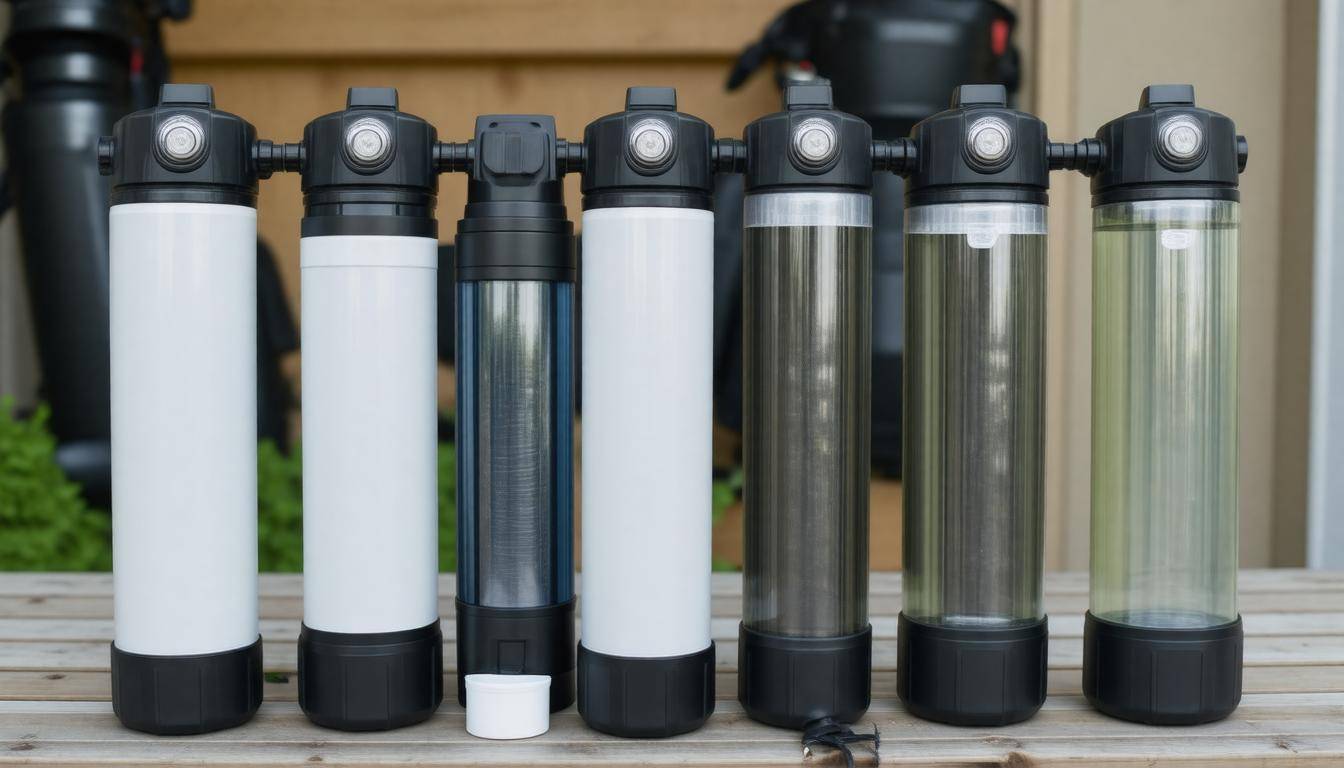
When exploring emergency water filtration systems, it’s crucial to recognize that prices can vary widely based on features and capabilities. Analyzing these costs in relation to their expected lifespan and performance offers a clearer picture of their actual value.
For instance, while a LifeStraw may only cost around $20 to $30, this budget-friendly option excels for short-term personal use. Its lightweight design and portability make it ideal for hikers or backpackers looking to save space. However, if you need a system capable of serving multiple users over an extended period, products like the Sawyer Mini, which falls within a similar price bracket but offers longer filter life, become essential.
Investing wisely requires weighing initial costs against long-term utility. The Berkey systems, priced higher at approximately $250 to $350, may seem daunting upfront, but they justify such an investment through extensive filtration capabilities and larger capacities. What might appear expensive initially can translate to significant savings over time—fewer replacements mean reduced long-term spending.
Moreover, when comparing different systems, consider not only the purchase price but also the operational costs, such as replacement filters. Some advanced filtration units might have a higher sticker price upfront but are engineered for longevity, requiring fewer replacements down the line. This enhances convenience and contributes to lower overall costs.
Reliable access to clean water is invaluable during emergencies; therefore, investing in a quality system can pay off immensely in terms of health security and peace of mind.
As you weigh the merits of various filters and their costs, it’s important to explore which system stands out as the most effective choice for safeguarding your water supply during critical moments ahead.
Best Overall System for Survival
If you’re preparing for an emergency, the Berkey water filtration system is often recognized as the gold standard. The reason for this heightened reputation lies in its exceptional filtration capabilities. It filters out a staggering range of contaminants, including harmful bacteria, viruses, heavy metals, and even certain chemical pollutants. Users can rest assured knowing that Berkey’s two filters can remove up to 99.9% of pathogens, ensuring that the water consumed is not just clean but safe for drinking.
But it doesn’t stop there; what makes the Berkey truly remarkable is its versatility. This system can operate using gravity alone—no electricity needed—which is essential during power outages or in remote locations. For those without access to treated municipal water, having a reliable filtration method becomes paramount. Additionally, the Berkey systems can purify both river water and rainwater effectively, adapting seamlessly to various scenarios of necessity.
Nevertheless, while impressive in functionality, it’s vital to acknowledge some limitations. Portability is one aspect where the Berkey may fall short. Its size and design mean it’s somewhat cumbersome if frequent transport or a bug-out scenario is necessary.
As an alternative, many enthusiasts turn to systems like the Sawyer Mini. While it may not match Berkey’s extensive purification features, it boasts critical advantages such as outstanding portability and a filter lifespan that can last several years with proper care. This small filter offers ease of use during travel or emergencies when space and weight are concerns—not to mention it has an incredibly simple yet effective design suitable for casual hikes or serious expeditions alike.
Choosing between these systems often boils down to individual circumstances: Are you preparing for home-based emergencies requiring large quantities of drinking water? Or are you focused on portable options suited for hiking or camping? Each situation will determine which system aligns best with your needs.
Bridging the gap between home filtration systems and compact alternatives opens the door to more individualized choices tailored to various emergency scenarios. Understanding how to navigate these options is key to enhancing your preparedness in critical situations.
How to Choose the Right Emergency Filter
The first step in this journey is to truly understand your needs. Think about where you spend most of your time during emergencies. Are you at home, camping, or frequently on the road? This assessment will guide you in deciding between a portable filtration system or a more stationary one suited for home use.
For instance, if you often venture into the wilderness, a lightweight, compact filter might be essential for your survival kit. However, if you plan to stockpile supplies at home, a larger system capable of filtering more substantial amounts of water could be a wiser choice.
Once you have clarity on your needs, it’s important to identify key features of the systems available. Consider aspects like filtration capacity—how much water the system can clean per hour—and ease of use—is it straightforward enough for anyone in an emergency?
Additionally, look into what contaminants the system can effectively remove. Not all filters are made equal; some may combat bacteria but not viruses, while others tackle heavy metals and chemical pollutants. Knowing what specific threats exist in your area can help narrow down suitable options.
After you’ve defined your needs and features, setting a budget becomes crucial.
Establishing a budget will help filter out potential options quickly. Think about how much you’re willing to spend not just initially but also over time—for instance, replacement filters can be a recurring expense that should factor into your calculations.
A high upfront cost might save money long-term if the filter has better durability and efficiency compared to cheaper alternatives with frequent maintenance costs.
Finally, after budgeting appropriately, it’s time to compare your filtered choices thoroughly.
Use comparison tables and customer reviews as valuable tools in this process. They provide insight into real-world performances and user experiences, which can shine light on both strengths and weaknesses of each product you’ve narrowed down.
Pay attention to these insights because they often reveal critical details that specifications alone might not convey—like ease of cleaning or portability.
By following these steps, you ensure you select an emergency water filtration system tailored to your specific needs, providing safe and clean drinking water when it matters most. Being prepared not only enhances safety but also grants invaluable peace of mind.