
Evacuating during an emergency can be overwhelming, leaving you to wonder where to go next. Whether it’s a hurricane bearing down or wildfires encroaching on your home, figuring out where to stay is crucial for your safety and peace of mind. It’s not just about finding shelter; it’s about securing a space that feels safe and supportive in the chaos. Imagine being in a crowded shelter with strangers or navigating through expensive hotel options while trying to keep your family together. This guide breaks down the various types of evacuation accommodations available, helping you make informed choices when every minute counts. By understanding your options, you can prepare yourself better for the unexpected and focus more on what truly matters—your safety and well-being.
The Complete Guide on Evacuation Accommodation Options details various strategies for securing safe and comfortable lodging during emergencies, focusing on key considerations such as location, essential facilities, and the importance of community within accommodations. Additionally, it highlights recommended types of accommodations, provides insights into emergency preparedness protocols, and outlines best practices for selecting suitable lodging during critical situations.
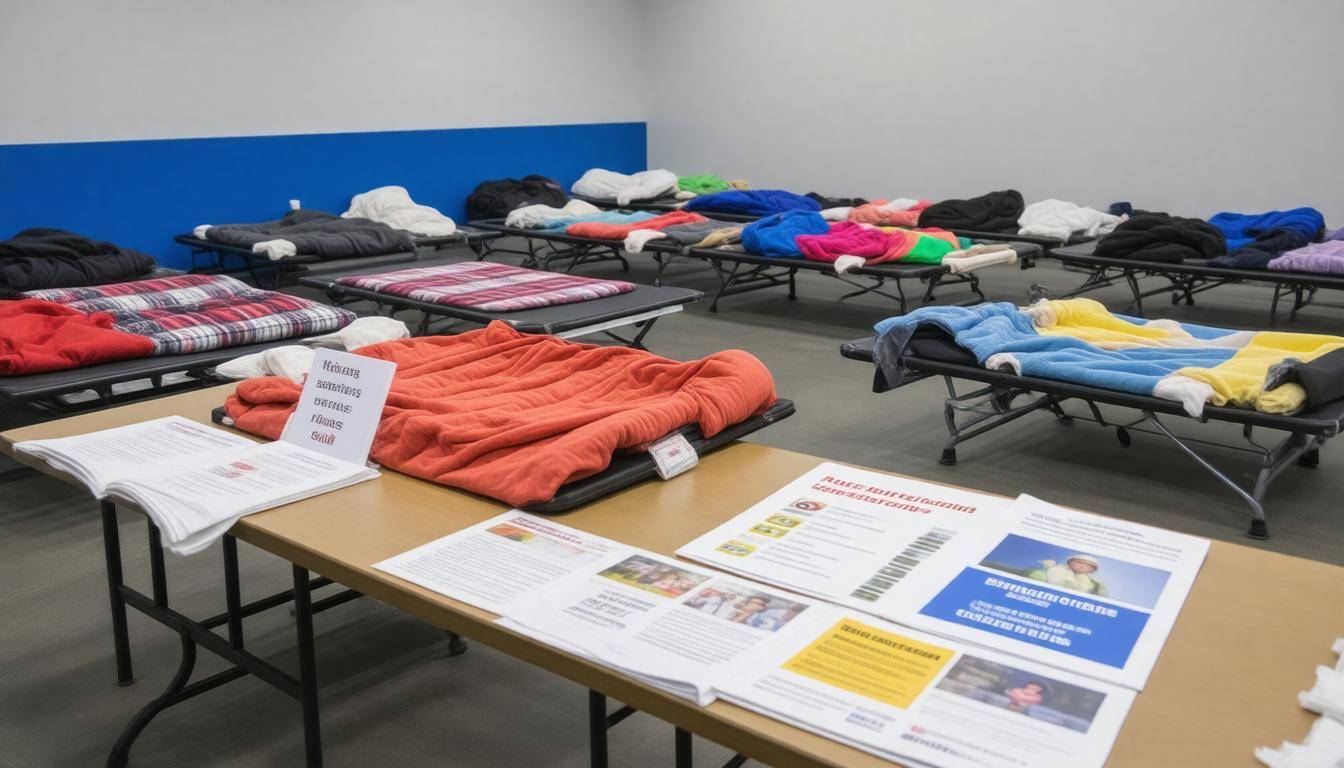
Various Evacuation Accommodation Options
1. Public Shelters
Public shelters are typically established by local authorities or organizations like the Red Cross in response to natural disasters. These shelters can house a large number of evacuees, making them an essential component of emergency management plans.
However, while they provide immediate availability and are free, they often come with significant downsides, such as overcrowding and limited privacy. Imagine sharing a space with many people, where personal items are reduced to what fits in a backpack. For families, especially those with young children, harsh conditions in shelters can elevate tensions and understandably add stress to an already difficult situation.
2. Hotels and Motels
Hotels and motels offer a more comfortable alternative for evacuees seeking privacy and familiar amenities during trying times. They become a refuge where you can relax after a long day of uncertainty.
A FEMA study found that about 30% of evacuees preferred hotels because these establishments tend to have reliable power supplies, dining options, and social atmospheres that lend some sense of normalcy amidst chaos. While cost can be prohibitive—especially if you need to stay longer than anticipated—the benefits often outweigh the downsides when comfort is at stake.
3. Temporary Housing
Temporary housing solutions may include RVs, mobile homes, or rented apartments designed to accommodate those who have lost their homes due to disasters. This option is particularly advantageous as it provides a middle ground between urgency and long-term comfort.
With larger spaces than hotel rooms and the ability for residents to personalize their environment somewhat, temporary housing offers flexibility for families facing extended displacement. Whether parked on a friend’s property or set up in a designated community area, these accommodations enable a semblance of home.
4. Friends and Family
Staying with friends or family during an evacuation is often overlooked, yet this option can offer invaluable support. Pre-arranging a plan ensures that during an emergency, you know exactly where you’ll go instead of scrambling to find shelter when time is of the essence.
Not only do you receive emotional support from loved ones, but familiar surroundings provide comfort that can greatly alleviate stress during tumultuous events.
Here’s why relying on close connections can truly make a difference:
- Immediate availability – No need for advanced research or reservations.
- Emotional support – Known faces can encourage calm in chaotic situations.
- Comfort of familiar surroundings – Keeps routines intact amidst turmoil.
Understanding the various accommodation types not only informs your choices but also sets the stage for exploring how community resources can play a vital role in securing safety during emergencies.
Public Shelters and Community Spaces
Public shelters play a crucial role in emergency situations, but they are not without their drawbacks. Often set up in gyms, schools, or community centers, these spaces can provide a roof over one’s head during tough times. However, they can also face significant challenges.
Take Hurricane Katrina, for example, when the Louisiana Superdome was transformed into an emergency shelter for over 20,000 evacuees. Many faced difficulties related to sanitation, overcrowding, and inadequate resources. Issues like these make it essential for evacuees to understand what to expect from such environments.
According to FEMA, around 75% of public shelters historically lacked sufficient facilities for people with disabilities. Although there has been significant investment in improvements since 2005, ongoing issues remain present. Always check ahead about facilities available at any location to ensure it meets your needs.
In contrast to these more traditional options, community spaces can provide unique benefits that enhance the evacuation experience.
Churches, temples, and local community centers often step in as informal shelters during emergencies. Unlike public shelters, these spaces can offer not just a place to sleep but also emotional support and a sense of belonging during distressing times. Imagine entering a familiar church where volunteers hand out warm meals or blankets; there’s a comforting touch that formal shelters may lack. These surroundings frequently allow for a more home-like atmosphere while helping individuals and families feel less isolated amidst chaos.
Community groups often rally together to donate food, clothing, and other essentials when disasters strike. This spirit of cooperation can foster community ties and create networks of support that continue long after the crisis has passed. By joining together in challenging times, neighbors can form lasting friendships while addressing immediate needs through shared resources.
When navigating evacuation options, don’t overlook church basements that may provide warmth alongside understanding caregivers trained to support individuals facing trauma or loss. It’s the human connection that makes all the difference in hard times.
By being aware of both formal public shelters and more personal community spaces, you’ll be better equipped with the knowledge necessary to find appropriate accommodations should you face an unexpected evacuation scenario. It’s worthwhile to explore additional avenues for temporary relief as you prepare for emergencies.
Temporary Housing Solutions

Temporary housing serves as a crucial bridge between short-term shelters and long-term solutions. In times of need, individuals and families facing loss or displacement need quick options that offer security and comfort. This is where various types of temporary housing come into play, providing not just a roof over one’s head, but also a sense of stability in uncertain times.
Options for Temporary Housing
There are several options available when it comes to temporary housing. Mobile homes and RVs stand out due to their inherent mobility and self-contained facilities, making them an ideal solution for individuals who need shelter that can move with them. Following the devastating 2004 Indian Ocean tsunami, Japan demonstrated tremendous resilience by utilizing over 50,000 temporary housing units to accommodate displaced families. These homes not only offered protection from the elements but also served as a stepping stone for rebuilding lives.
Renting apartments or homes is another viable option which offers more long-term stability for those in transition.
Websites like Airbnb and Vrbo have recognized the critical need for emergency housing and have rolled out programs specifically designed for such situations. For instance, during the catastrophic wildfires in California in 2019, Airbnb opened its platform to wildfire evacuees, successfully accommodating over 5,000 people in urgent need of shelter. This innovative approach allows hosts to provide safe spaces while assisting those facing dire circumstances.
Accessing these temporary housing options involves explicit steps to ensure that you can secure a place when required.
Steps to Secure Temporary Housing
Securing temporary housing starts with being proactive. First, it’s essential to register with local authority programs specifically offering temporary housing solutions; these organizations often have resources on hand to help those displaced find immediate shelter. Secondly, utilizing online platforms tailored for emergency housing can vastly increase your options and connect you with available accommodations quickly. Lastly, keeping a curated list of possible temporary housing options as part of your evacuation plan can be invaluable—this allows for swift decision-making during stressful situations.
In emergencies, knowing where to seek refuge shouldn’t be left to chance; it should be planned.
The importance of knowing your options cannot be understated—it empowers individuals and families to navigate uncertainty with confidence and reassurance. By understanding the landscape of temporary housing solutions available today, we can better prepare ourselves for any unexpected challenges life may throw our way.
As we explore further possibilities for accommodation during crises, let’s turn our attention to various lodging types that can serve as effective alternatives during urgent situations.
Hotels, Motels, and Rentals
For many individuals and families facing displacement due to emergencies like wildfires or natural disasters, hotels and motels emerge as viable options that strike a comforting balance between accessibility and amenities. This aspect is especially important when you need to provide a sense of stability and routine amidst chaos.
Whether you’re looking for a cozy motel or a more upscale hotel, these establishments are typically designed with transient guests in mind. When I think back to evacuations I’ve experienced, the first thought is how being sheltered in a hotel can offer a flicker of normalcy during turbulent times.
Benefits
John Smith, a Florida resident displaced by Hurricane Irma, shares his experience: “After Hurricane Irma, we stayed in a motel for a week. It had all the basic amenities and allowed us to feel somewhat normal.” This perspective resonates with many who find relief in the familiar surroundings of a well-equipped room. Comfort plays a huge role; having a place to sleep where help is just an inquiry away can uplift spirits when everything else feels uncertain.
However, while motels may provide essential comfort, hotels step up by offering additional services that could ease the burden on evacuees.
While hotels often come equipped with amenities such as meals, laundry services, and even recreational facilities, these perks typically reflect in a higher price tag. The affordability aspect weighs heavily on the decision-making process. Evacuees must balance their immediate needs against financial considerations while determining where to stay.
Finding Affordable Options
To navigate the myriad of options available, seeking out websites that specialize in comparing hotel prices can be incredibly beneficial. It’s also worthwhile to look specifically for emergency rates or special discounts designated for evacuees; some places even have partnerships with local governments to facilitate support for those affected by disasters. For example, recently in Australia during wildfire incidents, there were substantial government initiatives aimed at aiding evacuation costs.
| Accommodation Type | Comfort Level | Cost | Availability |
|---|---|---|---|
| Public Shelters | Low | Free | High |
| Hotels/Motels | High | Variable | Medium |
| Rentals | Medium | High | Medium |
Each accommodation type offers its own set of advantages and challenges so it’s imperative to assess your circumstances thoroughly while planning your exit strategy in the face of emergencies. Understanding these options enriches your ability to respond effectively when faced with unforeseen situations ahead lies a critical aspect—how to prepare personally for such events.
Personal Evacuation Planning
Individual preparation can make a significant difference during an emergency. When the unexpected happens, having a solid plan in place helps ensure your safety and facilitates a quicker response. The cornerstone of this personal evacuation strategy lies in effective planning, as it empowers you to act with confidence rather than panic.
Steps for Effective Planning
One of the first steps is to create a checklist of essential items you’ll need during an evacuation. This checklist should include critical documents such as identification and important medical information, along with a supply of medications you may require. It’s tempting to pack all your belongings out of fear of missing something, but the key here is to keep it compact and focused: only take what you truly need for immediate survival. Overpacking can lead to unnecessary stress and delays.
Once you’ve compiled your essentials, the next task involves mapping out your evacuation routes.
Familiarizing yourself with at least two reliable evacuation paths from your home can make all the difference if time becomes critical. Use local government resources or community apps that provide real-time traffic updates so that you remain informed about the best routes available depending on the situation at hand. It would also be wise to pinpoint potential accommodations along these routes—whether that’s shelters set up by your city or trusted hotels that historically have welcomed evacuees during emergencies. Such preparations ensure that you’re not scrambling for a place to stay when chaos unfolds around you.
With routes and accommodation options considered, communication emerges as another pillar of an effective evacuation plan.
Establishing a robust communication plan is paramount. It’s vital to select an out-of-town contact who can serve as a reliable point of connection for family members during emergencies. In doing this, consider utilizing apps like Zello or WhatsApp—they’re particularly useful because they can maintain functionality even when cellular networks are unstable or congested. Ensure all family members know this contact’s information and agree on how often to check in with one another amid an urgent crisis.
Reflecting on these actions, every step taken toward preparedness paves the way for a smoother, more efficient evacuation process.
As we navigate our busy lives, it’s easy to dismiss these preparatory steps as insignificant; however, being equipped with knowledge and resources transforms chaos into clarity and fear into effective action. By assessing your needs, streamlining your packing list, mapping out safe routes, and establishing communication protocols ahead of time, you transform yourself from a mere bystander in an emergency into an empowered individual who knows exactly what to do—and where to go—when it matters most.
Equipped with personal planning strategies, we can now shift our focus to exploring safe haven options that will further enhance our response during unforeseen circumstances.
Choosing Safe Locations

Picking the right location for evacuation can be a pivotal decision in times of crisis. It’s crucial to select areas that are not only safe from immediate dangers but also equipped to provide necessary support during emergencies. One of the first steps is to prioritize regions fortified against natural threats. This includes steering clear of flood zones, wildfire-prone areas, or places with a history of evacuations due to hurricanes or tornadoes. The Federal Emergency Management Agency (FEMA) provides detailed risk maps, beneficial tools for assessing hazard zones, allowing individuals to make informed decisions about where they will seek refuge.
As you explore potential evacuation sites, consider locations positioned on higher ground. These spots have historically served evacuees well; for instance, during the devastating floods in Thailand in 2011, tourists flocked to hotels situated on elevated terrain, finding safety amidst rising water levels. Additionally, public infrastructure such as schools and town halls frequently serves as designated emergency shelters because they are built to withstand the elements better than typical residential structures. Not only are these buildings generally equipped with sturdy materials, but they also often include emergency supplies that can aid in crisis situations.
It’s interesting to note that a study published in the Journal of Environmental Health indicated that about 65% of flood evacuees displayed a preference for relocating to high-ground areas during emergencies. However, mere distance from hazards isn’t everything; accessibility is equally critical. Ideally, your chosen location should be at least 10 miles away from known danger zones and have multiple access routes. This ensures timely escape options if conditions worsen.
In addition, consider surrounding amenities: having quick access to medical services and emergency response teams can dramatically affect outcomes during an evacuation. Aim for areas less than 5 miles from hospitals and fire stations—this will ensure help is always within reach if something goes wrong.
Once you’ve identified potential evacuation points, think about community resources available nearby. An effective evacuation strategy is also about comfort and support; locations with strong community networks—such as shelters or volunteer organizations—can provide additional security and reassurance during chaotic events. Seeking out places with at least three active organizations can enhance the sense of readiness and safety.
Ultimately, the goal is not just survival but also accommodating emotional needs during stressful times. Evacuation doesn’t have to feel isolated; when you’re surrounded by others facing similar challenges, it creates a sense of unity and camaraderie that can be immensely comforting in tough situations.
Prioritizing safety and accessibility not only enhances physical security but also nurtures emotional resilience during evacuations. This mindful approach lays the groundwork for ensuring that vulnerable populations receive the care and support they need in times of crisis.
Protecting Vulnerable Individuals
Vulnerable groups, such as the elderly, individuals with disabilities, and young children, require special attention during evacuations. Their needs can vary greatly, and planning for these differences can make all the difference in an emergency. Taking the time to ensure they have adequate resources not only enhances their safety but also fosters a sense of community and support during trying times.
Safeguarding Measures
The first step is ensuring that disabled individuals have accessible shelter options. Although the Americans with Disabilities Act (ADA) encourages this, compliance among all facilities isn’t guaranteed. As a result, it’s essential for employers and organizations to verify that shelters meet accessibility standards. A quick survey or pre-evacuation assessment can help identify potential barriers — such as stairs without ramps or narrow doorways that impair access.
For infants and young children, packing additional supplies like formula, diapers, and comfort items plays a vital role in easing anxiety and keeping them safe during evacuations. To illustrate how valuable this can be, consider the 2020 Australian wildfires; shelters distributed specialized baby kits containing essentials that relieved the burden on parents during such stressful situations. The emotional weight lifted by knowing you have what your child needs in an emergency should never be underestimated.
One group that often goes overlooked in discussions about evacuations is elderly residents who may require tailored medical support.
Identifying shelters equipped with healthcare staff or nearby medical facilities is critical for those who need medications or regular assistance. An assessment protocol for elder care during emergencies can go a long way toward prioritizing their needs. Having a plan in place to facilitate transfers or providing transportation to healthcare facilities ensures that seniors remain secure and taken care of amid chaos.
Remember, nobody wants to be concerned about where their next dose of important medication will come from while watching the news and hoping that “the storm” doesn’t hit them.
Organizations like the Red Cross can provide invaluable support and specialized services for vulnerable individuals during crises. They conduct training sessions focused on helping communities understand how to assist those needing extra help. Their resources alleviate fears of being alone in emergencies, offering assurance that there are viable pathways to safety and proper care.
Addressing the specific needs of vulnerable individuals embraces not just compliance but also compassion. This collective approach strengthens community bonds as we work together toward safety in unforeseen circumstances. Transitioning from immediate evacuation strategies leads us into discussions about securing stable housing options for those affected by disasters.
Long-Term Housing Post-Disaster
Securing stable housing after a disaster can feel like an uphill battle; yet, it is essential not only for safety but for emotional well-being too. The transition from immediate shelter to a long-term solution represents a significant change, ideally fostering stability and normalcy in the lives of those affected. Recognizing the variety of options available can make this process less daunting.
Government and NGO Assistance
Various organizations stand ready to help during this crucial time. Programs offered by FEMA, HUD, and numerous local government agencies often provide financial aid aimed at restoring housing post-disaster. For instance, after Hurricane Maria, FEMA facilitated over 70,000 long-term housing solutions in Puerto Rico alone. This comprehensive effort underscores how invaluable government interventions can be during such times of need.
Often, applying for these resources requires specific documentation, so it’s important to keep records organized. A clear understanding of your eligibility can expedite the process significantly. It can also be beneficial to reach out directly to representatives who can clarify any paperwork or requirements you may not understand.
Community Efforts
In addition to formal governmental assistance, grassroots efforts spearheaded by non-profits and community organizations play a vital role in rebuilding. Groups like Habitat for Humanity have been instrumental in providing relief and constructing homes after various disasters. Take the aftermath of the Haiti earthquake in 2010 as an example; the collective action of NGOs resulted in the construction of thousands of homes that provided shelter for those displaced.
It’s remarkable how quickly communities rally together in the face of calamity. Local volunteers might form teams to assist with rebuilding efforts while donations pour in from surrounding areas to support those affected. As Maria Lopez recounted after her town experienced devastation from an earthquake, “Our community came together with help from government grants and NGO support to rebuild better homes.”
By harnessing both governmental assistance and community strength, individuals facing displacement can move towards establishing new roots more effectively. Understanding these avenues not only facilitates access but also empowers residents in their journey back toward stability after unforeseen hardships.
In summary, an informed approach to securing long-term housing and leveraging available resources can significantly enhance recovery efforts following disasters. Emphasizing community collaboration alongside governmental support ensures that those affected have the best opportunity to rebuild their lives.