
During emergencies, knowing where to turn for help can make a world of difference, especially for vulnerable individuals. Evacuation Assistance Programs aim to ease the burden of getting to safety during crises like hurricanes, wildfires, or floods. They offer essential resources and support tailored to those who face unique challenges, such as seniors and people with disabilities. Exploring these state-specific programs means discovering how communities invest in their residents’ safety and well-being. With so many resources available, it’s important to understand how these programs operate and how to access them when every second counts. This guide will navigate you through the different evacuation assistance options across the United States and equip you with the knowledge needed to ensure your safety—and that of your loved ones—when you need it most.
Evacuation Assistance Programs are designed to help individuals, particularly those with disabilities or special needs, during emergency evacuations. You can find information on these programs by visiting your state’s emergency management agency website or local government resources, which provide details on eligibility, services offered, and application processes.
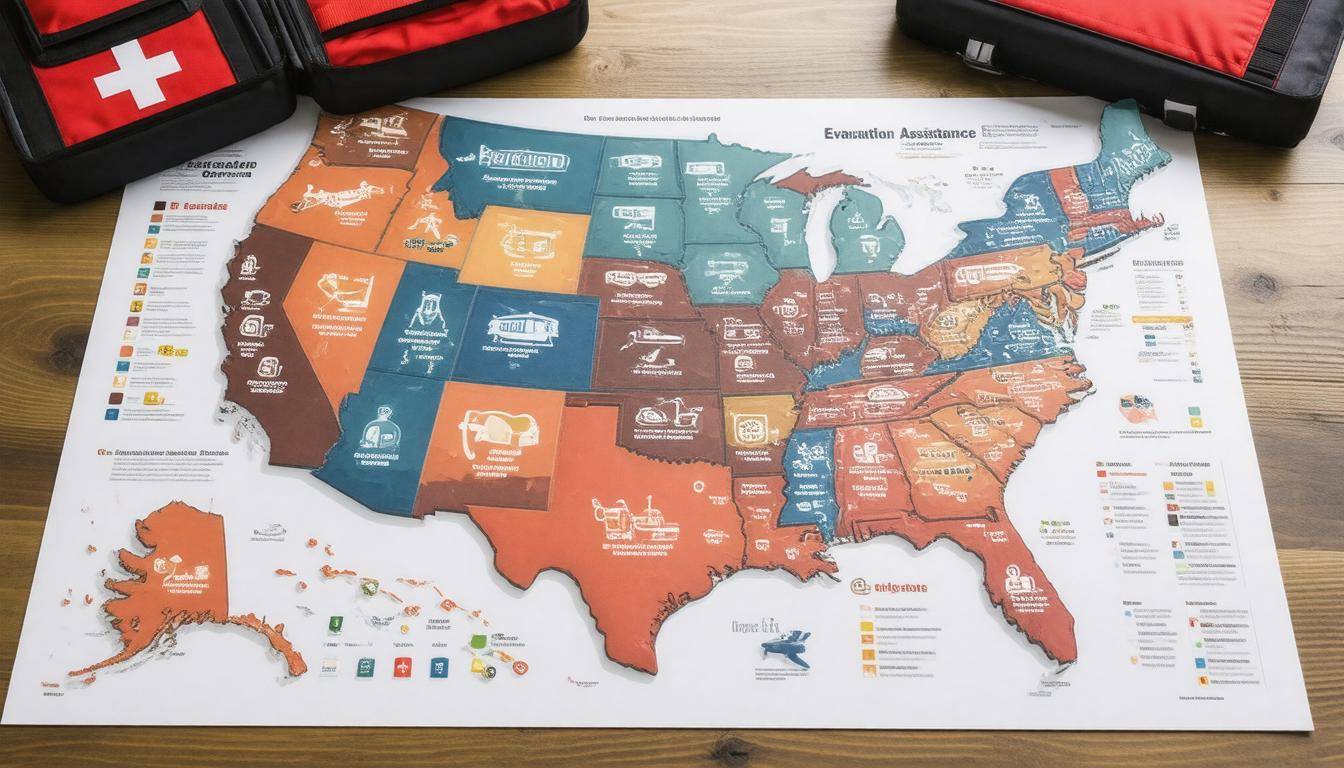
Overview of State Evacuation Assistance Programs
Each state in the U.S. crafts unique evacuation assistance programs based on its geographical landscape, climate risk, and community needs. These programs are not just one-size-fits-all solutions; rather, they consider the distinct challenges posed by various potential emergencies in each locale.
For example, while California prioritizes wildfire evacuations with designated routes and public information campaigns aimed at maintaining awareness during fire season, coastal states like Florida design their plans with hurricanes in mind, focusing heavily on storm surge and flooding evacuations.
The complexity of these programs often means they involve a range of resources such as transportation assistance for those without access to vehicles or support specifically for individuals with disabilities. The finesse of each state’s approach speaks to a commitment to ensuring that residents have viable escape routes and timely warning systems.
Programs may also include partnerships with local volunteer organizations that aid specific demographic groups, illustrating how local knowledge and resources can enhance larger state initiatives.
Range of Programs by State
As you explore the different programs across states, you’ll find that they typically fall into several categories, from establishing shelter sites to creating robust alert systems that communicate imminent dangers. Many states also offer training workshops for community members to prepare them for disasters—think family emergency plans, knowing where to go, and what supplies to take if an evacuation is necessary.
One valuable aspect of these programs is their flexibility; states frequently update them after practicing drills or after significant events analyzing what worked and what didn’t. This understanding allows continuous improvement, ensuring that when an emergency occurs, responses are not only fast but also informed by past experiences. It’s this cycle of learning that helps save lives.
Importance of Community Involvement
Furthermore, the success of evacuation plans hinges significantly on community involvement. Local governments often partner with grassroots organizations, churches, schools, and civic groups to help disseminate information more effectively and ensure everyone knows what steps to take during an emergency.
Collaboration fosters trust and increases participation when clear channels are established. When communities become engaged in planning efforts, the ability to respond quickly becomes much more robust.
Recognizing the criteria for accessing these services becomes essential next as it highlights the inclusivity efforts made by various programs striving to assist all residents facing risks during emergencies.
Eligibility Criteria for Assistance
Each state has its own set of guidelines defining who qualifies for evacuation assistance, reflecting various local needs and priorities. These guidelines are designed to ensure that the most vulnerable populations receive timely and effective aid. When considering eligibility, the most common factors include residency, need-based assessments, and health conditions.
General Eligibility Requirements
-
Residency: Most states require applicants to be residents within their boundaries to qualify for assistance. This is important because resources are allocated based on local tax revenues and funding structures.
-
Need-Based: States often prioritize assistance for low-income households, recognizing that financial constraints can make it difficult for these families to evacuate or find safe shelter during emergencies.
-
Health Conditions: Individuals with medical conditions that necessitate special care often receive priority. This could include seniors requiring mobility support or individuals relying on medical equipment requiring electricity.
While these criteria help states allocate limited resources effectively, they can also raise questions about inclusivity.
Examples from Different States
Specific examples from various states illustrate how these eligibility criteria manifest in practical terms. In Texas, there is a dedicated registry where elderly residents can enroll. Once registered, they are prioritized during emergencies, ensuring they receive immediate attention when needed. Similarly, New York automatically grants eligibility to residents with disabilities, acknowledging the unique challenges this group faces during evacuations.
A closer look at these examples indicates a broader trend towards personalized local strategies. The varying criteria across states highlight the importance of tailoring assistance programs to meet community-specific needs.
However, while these approaches are beneficial in many respects, evaluating their effectiveness in reaching all segments of the population remains essential. With an eye on the overall landscape of support systems available, we can now turn towards exploring vital capabilities and offerings tailored to enhance individual safety during crises.
Key Services and Resources Available
States provide a variety of essential services to ensure that individuals have a safety net when evacuations are necessary. For instance, Transportation Services are one of the cornerstones of these efforts. Many states offer free bus rides and emergency transportation options through ride-sharing platforms like Uber and Lyft. Additionally, specially-equipped vans are often made available for those with disabilities, ensuring that no one is left behind during crucial situations.
Moving beyond transport, it’s vital to consider Shelter Provisions. Numerous states set up emergency shelters stocked with life’s essentials like food, water, and medical supplies to support those affected by disasters. In North Carolina, for example, shelters may be established in schools and community centers during hurricane events; however, pre-registration is often required for access. This registration process can ensure that resources are allocated appropriately and efficiently when every minute counts.
Furthermore, effective communication becomes paramount during an evacuation. States utilize various methods for Information Dissemination, keeping citizens informed about real-time evacuation alerts and safety protocols. For example, Oregon has developed user-friendly apps that deliver timely updates directly to residents’ phones, preventing misinformation during crises. Local news stations, social media channels, and dedicated hotlines also act as valuable sources of information. By tapping into these resources, individuals can stay updated on evacuation routes and shelter locations.
To further enhance your preparedness for potential evacuations, it’s beneficial to familiarize yourself with these services ahead of time. Being well-informed about what’s available can mean the difference between chaos and a smoothly executed plan when emergencies arise. Each state’s approach varies slightly, so checking local guidelines ensures you’re ready should a crisis occur.
Understanding the key resources is an essential step toward enhancing your readiness, forming the foundation necessary to navigate unforeseen challenges effectively. This foundation leads us naturally into the next focus area—strategies for taking proactive steps to keep yourself and your loved ones safe during emergencies.
Planning and Preparing for Emergencies
When it comes to emergencies, having a well-thought-out plan is your best ally. Effective planning involves not just creating a strategy for evacuation but also preparing your household to act quickly when the need arises. It’s easy to assume, “It won’t happen to me,” but taking proactive steps can safeguard you and your loved ones in times of crisis.
Creating a Personal Evacuation Plan
The first step is crafting a personal evacuation plan tailored to your unique situation. Start by identifying exit routes: think of several ways out of your neighborhood, considering potential roadblocks or obstructions. Mapping multiple routes ensures that if one path is blocked or congested, you have alternatives.
Next, gather emergency contacts. This list should include family members, friends, or nearby neighbors who can assist you during an evacuation. Store this list on your phone and keep a printed copy in your go-bag for easy access.
A go-bag is essential as well. This isn’t just a casual suggestion but rather a crucial aspect of your plan. Fill it with necessities like medications, important documents, non-perishable food, and water. Ensuring each bag is tailored to the specific needs of each family member—including pets—can alleviate stress during a chaotic event. Remember to rotate the supplies every six months so that nothing goes stale or out-of-date.
Designating meeting points for family members provides an anchor amidst the confusion of an emergency. Choose a safe location that is away from potential danger zones where everyone understands they should regroup if separated.
State-Provided Guides
Many states offer invaluable resources such as printed or online guides to assist residents in developing their emergency plans. For example, Louisiana provides robust checklists detailing local evacuation routes along with essential contact information for emergency services. These guides serve as practical tools that simplify the often daunting task of organizing a thorough evacuation plan, ensuring no detail is overlooked.
Incorporating these strategies into your preparations lays a solid foundation for effective action during emergencies. Moving forward, it’s crucial to consider how certain groups might require additional resources and support tailored to their specific needs.
Special Support for Vulnerable Groups
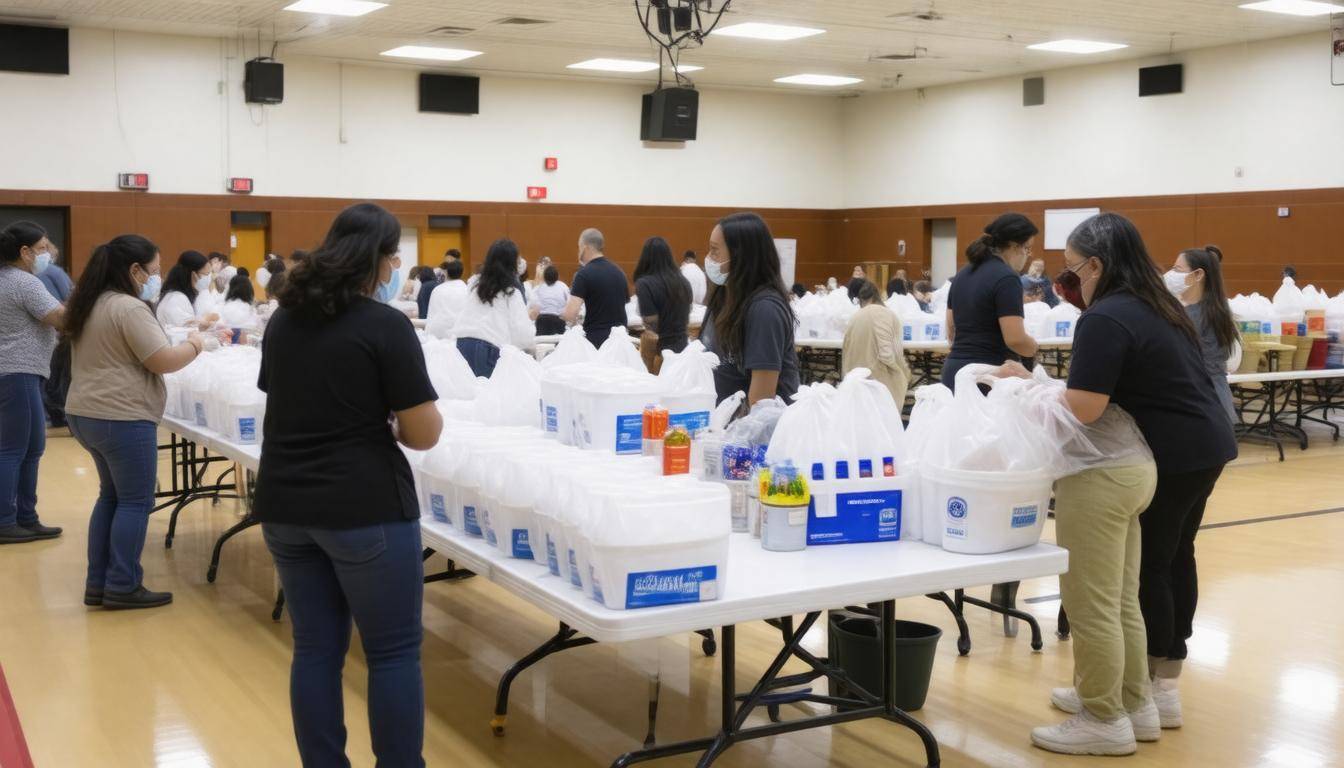
Vulnerable groups like the elderly, disabled, and low-income families face unique challenges during evacuations. Recognizing their specific needs is crucial in ensuring their safety and well-being. Many states have crafted programs that address these challenges directly, acknowledging that a one-size-fits-all approach simply won’t suffice.
Specific Programs and Services
Across the nation, states have put forth tailored assistance packages. Some states offer specialized transportation services that ensure elderly or disabled residents can reach safe locations without added physical strain or anxiety. These services often include trained staff who can provide assistance as needed, whether that means helping someone into a vehicle or ensuring they can bring necessary medical equipment.
A proactive approach is vital; local governments often release resources to regional shelters that have ramps and accessible facilities so everyone has equal access to support during emergencies.
Personal Testimonies
Jane Doe of Mississippi, a wheelchair user, highlighted the importance of these resources when she stated that the state’s dedicated transportation service for disabled individuals was a “lifesaver” during last year’s hurricane. This anecdote reflects a broader sentiment shared by many across different states, showcasing how essential it is for services to be inclusive and accommodating.
Financial Assistance
States such as Ohio provide grants specifically aimed at assisting low-income families with temporary housing expenses during evacuations. This financial safety net not only alleviates immediate stress but also allows families to focus on what truly matters—safety and recovery—without the added burden of financial instability.
The combination of tailored programs and personal narratives creates a robust framework in which vulnerable populations can effectively navigate emergency situations and find the help they need. Transitioning now, we’ll explore how these efforts align with larger initiatives involving federal support and community involvement.
Coordination with Federal and Community Efforts
State evacuation programs thrive on a symbiotic relationship with federal and community organizations. This cooperative dynamic enhances the overall efficiency of evacuation efforts, ensuring that aid reaches those who need it most during emergencies. Understanding this collaboration is crucial for grasping how evacuations can be effectively managed.
Federal Partnerships
At the forefront of these partnerships is the Federal Emergency Management Agency (FEMA). FEMA plays a pivotal role by providing funding and essential resources. Imagine a state scrambling to prepare for an unforeseen disaster; FEMA’s support becomes a lifeline in harnessing mobile shelters, food supplies, and logistical expertise essential for managing large-scale evacuations. Additionally, FEMA helps states develop robust preparedness plans, minimizing risks before disasters strike. Thus, federal partnerships are frameworks for long-term resilience.
However, collaborating at the federal level is only one piece of a much larger puzzle.
Community Involvement
Local nonprofits and community organizations also play an indispensable role in evacuation assistance. Organizations like the Red Cross often take charge of logistics, transforming gymnasiums into shelters or distributing critical supplies to evacuees. Their hands-on approach ensures that resources reach vulnerable populations. They not only bring equipment but also volunteers who offer emotional support—a vital aspect during crises. Engaging local community members creates a network that reinforces trust and facilitates effective communication throughout the emergency response process.
Nonetheless, even with strong partnerships established between federal and community entities, hurdles exist.
Coordination Challenges
Coordination efforts face hurdles—most notably bureaucratic red tape that can slow down responsiveness in emergencies. Navigating through layers of regulations can hinder timely assistance; therefore, preemptive planning becomes essential. Streamlined communication channels, regular drills incorporating all stakeholders, and establishing flexible guidelines help mitigate these coordination challenges when real crises arise. Proactive measures ensure that all partners—federal agencies, local governments, and community groups—are equipped to act decisively together.
These elements highlight the complexity of support necessary for successful evacuation assistance across states. Transitioning from coordination efforts brings us to the next focus: identifying common challenges and existing gaps that affect the effectiveness of support systems.
Common Challenges and Gaps in Support
One of the primary issues plaguing evacuation assistance programs across the nation is resource allocation. States often grapple with insufficient funding, which hampers their ability to implement and sustain comprehensive support initiatives. A 2023 report highlighted that 45% of states identified a lack of adequate financial resources as a significant roadblock. This financial strain can lead to reduced staffing, limited training opportunities, and outdated equipment—all factors that ultimately compromise the effectiveness of these programs.
As funding hurdles exist, so too do technological impediments that further complicate response efforts.
Technology Gaps
The reliance on outdated communication methods remains a major stumbling block for smooth operations during emergencies. Communities in remote areas might still depend on landlines or radio broadcasts for critical updates, which are not always dependable during a disaster. A missed notification about an approaching hurricane or evacuation order could place countless lives at risk. Therefore, upgrading to modern technologies such as mobile alerts and social media platforms is crucial for providing timely real-time updates to affected populations. This kind of swift communication can be the difference between chaos and calm when it comes time to evacuate.
Meanwhile, another layer of complexity arises from bureaucratic processes, which can exacerbate urgency during crises.
Bureaucratic Hurdles
Navigating through red tape can be daunting—especially when time is of the essence during natural disasters. In Florida, for example, numerous evacuees have shared their frustrations regarding delays in receiving emergency aid due to slow administrative processes. During moments when quick action is critical, it seems counterproductive for forms and claims to linger by someone’s desk. Though improvements are underway, there remains a clear need to streamline these processes to ensure that help reaches those in critical need without unnecessary delay.
These gaps underline the pressing necessity for adjusting our approach toward evacuation support systems.
Identifying these challenges offers valuable insights into how assistance programs can evolve and improve. Collaborative efforts at federal, state, and community levels must focus on resource mobilization, integrating advanced technologies for communication and creating more agile bureaucratic frameworks that deliver swift responses.
As we explore ways to enhance these systems, we open up new avenues for improvement that can lead to better preparedness and responsiveness in future emergencies.
Enhancing State Evacuation Programs

There are several strategies that state governments can adopt to significantly enhance the effectiveness of their evacuation programs. One of the most pressing needs is to increase funding for emergency management departments. By allocating additional resources to these crucial teams, they would be better equipped to respond during crises.
It’s essential that states not only increase their budgets but also implement transparent resource allocation processes. This ensures that funding is directly channeled into critical areas, ultimately saving lives when emergencies arise.
Furthermore, adopting modern technological solutions can play a vital role in enhancing these programs. States should consider implementing real-time tracking systems for evacuees, allowing emergency responders to monitor movement and provide assistance where needed. This technology can help streamline evacuations, reduce confusion, and ensure everyone’s safety.
Moreover, improving communication methodologies—with tools such as mobile apps or social media—can keep communities informed about evacuation routes, shelter locations, and safety advisories.
To further illustrate the potential for improvement, Kansas serves as a relevant case study. After upgrading its emergency communication systems, the state saw a remarkable 20% reduction in evacuation times during the last tornado season. By utilizing feedback from the community regarding these upgrades, Kansas was able to fine-tune its systems even more effectively.
Listening to residents and integrating their perspectives into planning efforts fosters trust and encourages public participation—elements that can make a significant difference when disaster strikes.
Ultimately, these enhancements form a comprehensive strategy designed to bolster each state’s capability to manage evacuations effectively. The combination of sufficient funding, cutting-edge technology, and strong community engagement plays a pivotal role in ensuring safety during emergencies.
In conclusion, by prioritizing funding, embracing technology, and actively engaging communities, states can refine evacuation assistance programs and ultimately save lives during crises. The collective effort to enhance these systems ensures preparedness and resilience against future emergencies.
How can individuals prepare ahead of time for potential evacuations using these programs?
Individuals can prepare for potential evacuations by proactively researching their state’s evacuation assistance programs and creating a personalized emergency plan. This includes identifying local resources, securing necessary supplies like food and water, and mapping out evacuation routes. According to FEMA, 60% of Americans feel unprepared for emergencies, highlighting the importance of planning ahead. Engaging with community organizations for support and staying informed about local hazards can significantly increase safety and improve response during an unexpected evacuation.
Are there any challenges or limitations associated with evacuation assistance programs that users should be aware of?
Yes, there are several challenges and limitations associated with evacuation assistance programs. One major challenge is the inconsistent availability of resources across different states, which can leave some populations underserved. For instance, a report indicated that nearly 40% of rural communities do not have access to comprehensive evacuation plans or transportation services. Additionally, communication barriers and lack of awareness about available programs can hinder effective assistance, particularly for vulnerable populations such as the elderly or disabled. It’s crucial for users to familiarize themselves with local resources and stay informed for better preparedness.
How do eligibility requirements for evacuation assistance vary from state to state?
Eligibility requirements for evacuation assistance programs vary considerably from state to state, often influenced by factors such as population density, local disaster risks, and available funding. For instance, states frequently impacted by natural disasters, like Florida or California, may have more comprehensive programs that support a broader range of applicants, including seniors and individuals with disabilities. Conversely, states with lower disaster vulnerability might prioritize specific at-risk groups or have stricter income thresholds. According to FEMA data, approximately 30% of states tailor their programs based on unique community needs, reflecting the diversity in responses to emergencies across the nation.
What types of services do evacuation assistance programs provide to individuals in need?
Evacuation assistance programs typically provide a range of services including transportation, emergency shelter, food and water supplies, medical support, and information dissemination to help individuals navigate the evacuation process during disasters. According to recent statistics, over 30% of vulnerable populations, such as the elderly and disabled, rely on these programs for safe evacuation during emergencies. These services are crucial in ensuring the safety and well-being of those who may not be able to evacuate on their own due to physical limitations or lack of resources.
What resources are available for finding evacuation assistance programs in a specific state?
To find evacuation assistance programs in a specific state, resources include state emergency management websites, local government offices, and community organizations that often provide up-to-date information on available services. Additionally, the Federal Emergency Management Agency (FEMA) offers an online tool to help residents locate assistance. A 2023 survey indicated that nearly 78% of states reported having dedicated webpages for evacuation resources, making it easier for residents to access vital information tailored to their locality.