
As fall sets in, it’s easy to get cozy with warm cups of cocoa and the beauty of changing leaves. But for many homeowners, this season also brings a crucial task: preparing for wildfires. It might seem surprising, but even as temperatures cool down, the risk of wildfires remains high in many areas. Being proactive about fire safety can mean the difference between preserving your home and facing potential disaster. Let’s dive into a simple yet effective checklist that will help you safeguard your property from wildfire threats while enjoying the crisp air and beautiful autumn scenery.
Your Fall Wildfire Prevention Property Checklist should include tasks such as maintaining defensible space by clearing flammable debris within 30 feet of your home, ensuring that your roof and gutters are free of leaves and other combustible materials, and using Class A fire-rated roofing materials. Additionally, inspect and clean your property’s landscaping to minimize fire hazards, and consult local authorities for burning regulations to manage any leftover debris safely.
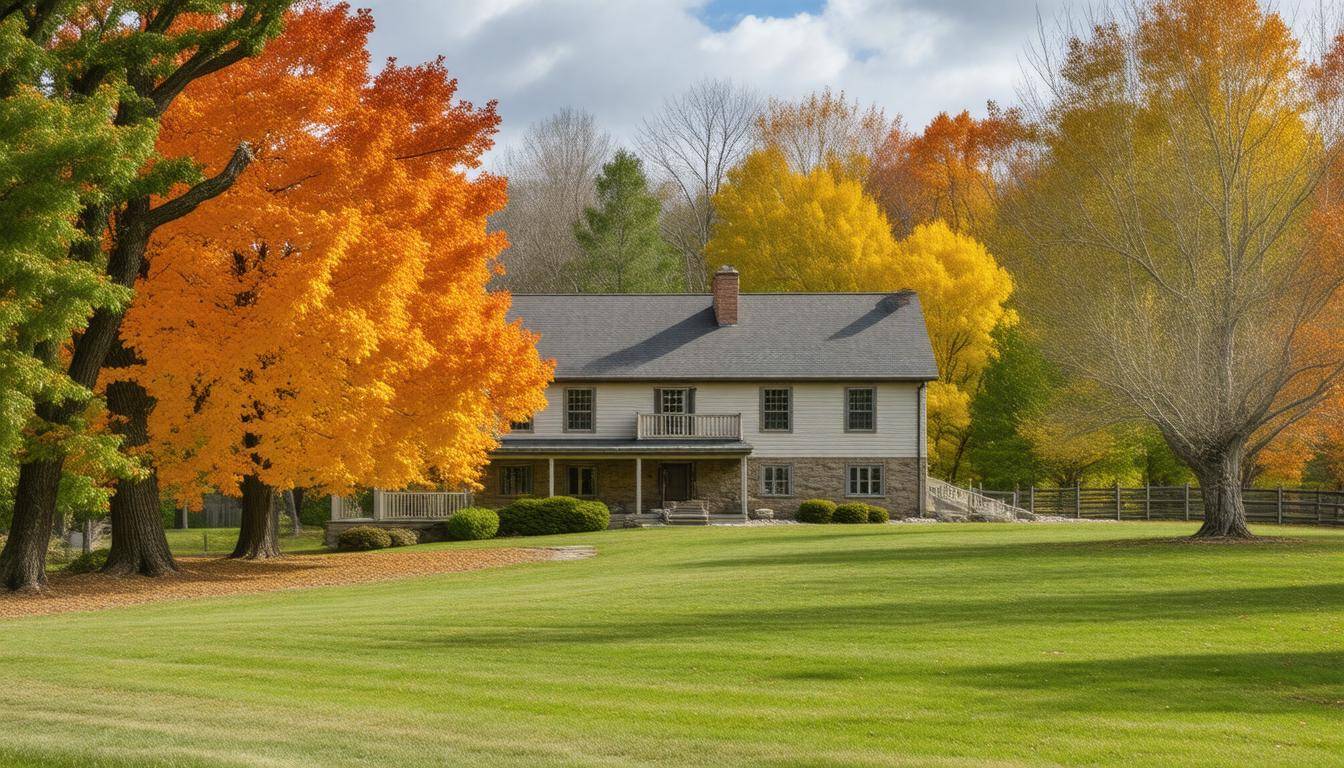
Essential Fall Wildfire Prevention Tips
One of the fundamental aspects of safeguarding your home is understanding the concept of the Defensible Space—the area around your property that you maintain to reduce the risk of wildfires. Establishing a defensible space means creating a buffer zone where flammable materials are minimized, effectively lowering the chances that a wildfire will reach your home. This typically involves clearing a minimum distance of 30 feet from buildings but aims for up to 100 feet in more fire-prone areas. Imagine this space as a protective shield, designed to keep flames at bay.
Maintaining a defensible space not only protects your home but can also enhance its appeal and value in the long run.
Another crucial element is ensuring your roofing meets Class A fire ratings, which signifies it has been tested for resistance against ignition. Choosing materials like metal or tile can dramatically improve the fire resilience of your roof. Regular roof inspections should be part of your fall checklist; make sure there are no dry leaves or branches left behind that could ignite from embers carried by wind. Taking these proactive measures ensures your roof remains a barrier against possible fire threats.
Now, let’s talk about gutter maintenance, as neglected gutters can become dangerous reservoirs of dry debris. It’s important to clean them out regularly during fall to avoid any potential ignition sources that could act as kindling. Think of damp leaves being trapped there—they’re essentially waiting for a spark to ignite! By keeping gutters clear, you’ll not only reduce fire risk but also improve water flow during rainstorms.
Additionally, consider how you store outdoor equipment: lawnmowers, gas grills, and propane tanks need careful attention when fall arrives. Always store these items indoors or under cover to shield them from potential sparks. Leaving them exposed invites trouble; even minor accidents can lead to significant risks in wildfire season.
The Importance of Fire-Resistant Landscaping
Beyond immediate actions, making thoughtful landscaping choices offers long-term benefits in maintaining a safe property.
Using fire-resistant landscaping materials such as gravel or stone instead of mulch can fundamentally change your landscape’s vulnerability to wildfires. These materials are far less likely to catch fire compared to organic options. Moreover, strategically placing bushes and trees can create natural barriers that minimize flame spread while adding beauty to your yard.
Properly managing vegetation means working actively with local resources like the county sheriff’s office for guidance on burning regulations and your local fire department for advice on managing shrubbery and trees.
Finally, don’t ignore the importance of planning ahead with slash management after tree and shrub pruning. Maintain proper practices by consulting with authorities about thinning waste or safely burning debris in designated areas.
Each step we take today sets us up for a safer tomorrow as we prepare our landscapes. Following these guidelines enables us to transform our properties into true sanctuaries against wildfire threats.
Reducing Fire Risk with Landscaping
Landscaping does far more than beautify your property; it serves as an essential line of defense against wildfires. By strategically managing the vegetation around your home, you can create a protective barrier that slows the spread of flames and minimizes potential damage. The concept of defensible space is crucial here, referring to the area around your home where fuels are managed to reduce fire risk.
Fire-Smart Landscaping Practices
Defensible Space: This is an area around your home where vegetation and other fuels are treated, cleared, or reduced to slow the spread of wildfire. Establishing this space is not just beneficial; it’s vital for homes located in wildfire-prone regions.
For optimum results, consider dividing your defensible space into three zones, each having a specific purpose and guidelines:
In Zone 1, which extends from 0 to 5 feet from your home, focus on using fire-resistant plants like succulents or decorative gravel. This region should be clear of flammable materials; regularly remove dead leaves and pine needles from both your yard and roof. By keeping these areas clean, you minimize fire fuel close to your home’s walls.
In Zone 2, ranging from 5 to 30 feet away from your house, proper spacing of trees becomes imperative. Aim for a distance of at least 10 feet between trees to prevent an easy transition for flames. Additionally, prune tree branches to maintain a height of at least 6-10 feet above ground. Overhanging branches can act like kindling, so trimming them back helps shield your home further.
Finally, Zone 3 spans from 30 to 100 feet away from your residence. Within this zone, it’s essential to thin out heavy accumulations of ground materials like fallen leaves or dried grass. Creating ‘fuel breaks’ using driveways, lawns, or gravel pathways can also disrupt the path of a potential blaze.
I recently spoke with a homeowner in California who undertook these landscaping measures as outlined across these zones. After implementing them diligently, they experienced remarkable outcomes during this year’s wildfires. Despite the raging fires nearby, their home survived with minimal damage thanks to the “fire-smart” adjustments they made.
Understanding the significance of careful landscaping lays the groundwork for exploring enhanced building choices that contribute to safety during wildfire season.
Fire-Resistant Building Materials

When considering fire safety for your home, the choices you make regarding materials can dramatically influence how resilient your property is in the event of a wildfire. Just imagine standing in front of your house during a fire season, knowing that the very walls and roof overhead could be your first line of defense. It’s about more than just aesthetics; it’s about survival.
Key Materials
Roofing stands as a formidable barrier against potential embers and fire. Asphalt shingles, while common, can be vulnerable if not treated properly. By contrast, metal roofing, clay tiles, and concrete tiles are recommended options that boast high resistance to flames. Metal roofs not only reflect heat but can also withstand direct exposure to fire without warping or melting, providing critical time for evacuation.
On the siding front, fiber-cement and stucco are two robust contenders worthy of consideration. An NFPA study revealed that homes with non-combustible siding are 63% less likely to ignite during a wildfire event, underscoring the importance of these materials. Meanwhile, if you opt for wood siding, ensuring it is treated can offer a higher level of protection against flames—but keep in mind that untreated wood may still pose a risk.
Moving on to windows, they can quickly become an entry point for flames and intense heat if not adequately protected. Installing dual-pane tempered glass windows greatly enhances their ability to withstand high temperatures and reduce the risk of breakage due to thermal stress. This means fewer opportunities for flames to creep inside your home, effectively keeping any internal fires at bay.
While selecting appropriate building materials is essential, ensuring the structural integrity and functionality of these choices through regular maintenance is equally important in creating a safe environment. With the right preparations in place, we turn our attention next to strategies that ensure swift and effective action in critical situations.
Emergency Evacuation Plans
Being prepared for a sudden evacuation can save lives, especially in areas prone to wildfires. It may feel tedious to draft and rehearse a plan, but let me assure you—it’s worth every minute invested. When flames threaten your home, clarity and speed become paramount. Understanding this urgency underscores the need for a well-structured evacuation plan.
How to Create an Effective Plan
The foundation of your emergency evacuation plan rests on several key steps that prioritize safety:
-
Identify Exit Routes: Begin by familiarizing yourself with at least two reliable escape routes from your neighborhood. Visualization is crucial here; map it out and ensure everyone knows how to navigate these paths effectively. Remember that in emergencies, traffic may be heavy, so consider alternative routes as well.
-
Emergency Contact List: Prepare an easily accessible list of essential contacts. Make sure it includes not only family members but also local fire departments and emergency services. This list should be kept in your emergency kit, on your phone, or even posted in prominent locations around the house—anywhere it will be quickly found during a crisis.
-
Pack an Emergency Kit: An organized emergency kit can make all the difference in a stressful situation. Stock it with essentials like water, non-perishable food items, medications, first-aid supplies, and critical documents such as IDs and insurance policies. Keep it stored in a designated spot that’s easy to access when it’s time to leave.
-
Communication Protocol: Establish a clear communication plan among your family members. Choose a meeting point outside of your evacuation zone where everyone can gather once they’ve exited safely—this can alleviate anxiety about missing anyone during the chaos. If separation occurs, define a protocol to check in using mobile phones or social media platforms.
-
Practice: Finally, enact practice drills regularly at least twice each year to reinforce familiarity with your evacuation plan. This isn’t just about running through the motions—it’s about building muscle memory and reducing panic when the real thing happens. A recent testimonial from a family in Oregon illustrates the value of these practices; they credited their regular drills with saving their lives during an actual wildfire evacuation last summer.
So take these steps seriously: crafting a robust evacuation plan could be the single most important action you take this fall as wildfires continue to pose threats across many regions.
Preparation for emergencies goes beyond just knowing exit routes; it also encompasses having essential resources readily available should the need arise to vacate promptly before additional safety measures are addressed.
Regular Property Inspections
Regular inspections are an integral part of your wildfire prevention strategy. These routine checks significantly enhance your home’s resilience against wildfires by ensuring that potential fire hazards are addressed promptly.
Monthly Checks should become a habit; inspect your property each month to ensure debris hasn’t built up around structures such as leaves, branches, or any flammable materials. Neglecting even small amounts of dry foliage can create the perfect tinder for an encroaching fire. Moreover, pay attention to your landscaping: overgrown vegetation close to your home can provide a bridge for flames to travel directly to your property.
Though some might argue that annual inspections are sufficient, frequent checks are invaluable in catching potential hazards early. Imagine discovering a pile of dried leaves near the foundation of your home or noticing some shrubs that have grown alarmingly close to your windows. These small findings can often be overlooked in an annual inspection, yet they hold the potential to exacerbate fire risks significantly. Therefore, aiming for monthly inspections not only allows you to remove these dangers but also fosters a proactive mindset towards fire safety.
Regular inspections pave the way for understanding any changes in your home’s vulnerability over time and how natural elements might impact its defensibility against fires.
During these inspections, it’s important to look for breaches in fire-resistant materials as well. Roofs and siding should be intact without cracks or openings where embers can infiltrate. Always keep an eye out for signs of deterioration or damage—being meticulous in these areas could save your home from becoming a statistic in wildfire loss reports. The National Fire Protection Association emphasizes that properties with well-maintained defensible space are 50% less likely to sustain damage from wildfires.
Tools for Effective Inspections
Even your inspection routine can be improved through effective tools tailored for the job. Whether it’s a simple rake for clearing debris or a smartphone app that reminds you of what to check, having the right equipment makes the task feel less daunting.
Keep a checklist handy to ensure no corner of your property is left unexamined; integrating technological resources into this process will help reinforce accountability and organization.
Understanding how to effectively utilize various fire safety products will further enhance your preparedness and protection against the risks of wildfires.
Effective Use of Fire Safety Products
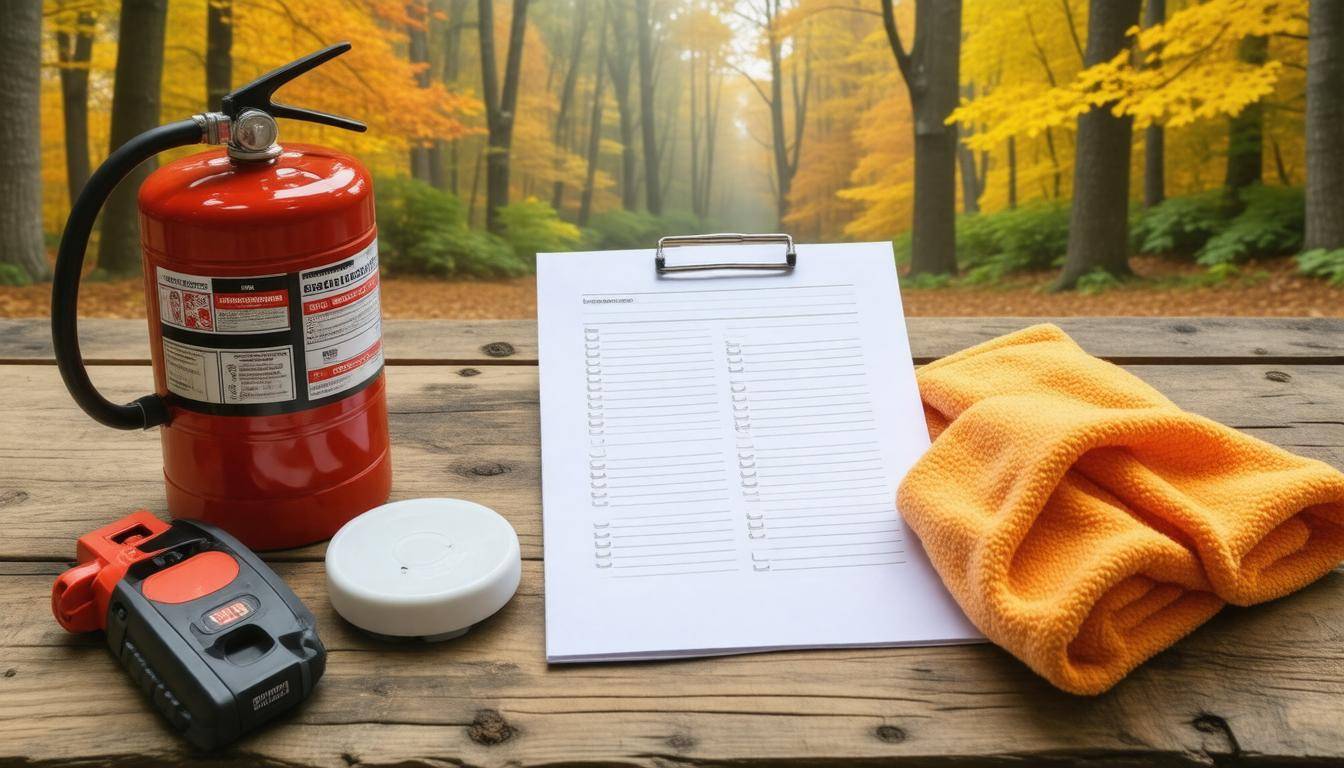
Fire safety products serve as your first line of defense against unexpected fires. It’s essential to understand not only their purpose but also when and how to utilize them efficiently. Imagine this: you’ve installed top-notch fire extinguishers and a Class A fire-rated roof, but if you never check the pressure gauge on your extinguishers or neglect your annual inspections, you might be banking on unreliable equipment when disaster strikes.
Fire extinguishers are particularly vital; when a small fire breaks out, every second counts. Make it a habit to keep one accessible on every floor of your home for quick access. The best practice is to carry out monthly checks on these devices to ensure they are fully charged and ready for action. Just like changing the batteries in your smoke alarms, staying proactive can save lives.
Inspecting Your Roof and Vents
When it comes to protecting your property, your roof plays a pivotal role. Class A fire-rated roofs are designed to withstand direct flames; however, they can still succumb to other hazards if not regularly inspected. Therefore, during your scheduled roof inspections—preferably at least once or twice a year—you need to look for any signs of wear and tear or debris accumulation that can pose risks.
-
Debris: Leaves and branches can easily catch fire and should be cleared away.
-
Damage: Check for shingles that may have been damaged by weather or animals, as these can become points of vulnerability.
Additionally, ember-resistant vents should be routinely checked for suitability – embers from distant wildfires can travel far, so ensuring that your vents are adequately screened will prevent nasty sparks from getting too close. Conduct these checks at least once a year as part of your home maintenance routine.
Treating Materials with Fire Retardant Sprays
Applying fire retardant sprays can add another layer of protection around your home. These products work by treating wood and other materials that could easily ignite. While this application is effective long-term, it’s recommended to reapply annually for maximum efficacy.
Think of fire retardant sprays as taking preventive measures; regular application can help in creating an extra barrier between potential ignition sources and flammable materials. Just remember, applying it on the same day every year keeps it top-of-mind!
Beyond proper installation and use, educating yourself about additional resources can greatly enhance your property’s fire safety capabilities. Local authorities often provide guidance on specific regulations for items like burning debris or slash management—sometimes even offering programs or rebates for implementing fire-safe landscaping practices.
Understanding how to effectively apply these measures sets the stage for staying alert to potential dangers posed by shifting weather patterns. By focusing on preparation and education, you equip yourself with essential knowledge as conditions evolve.
Weather Monitoring and Alerts
Keeping an eye on the weather is a critical aspect of wildfire prevention, especially in areas prone to wildfires. Being proactive can determine not just your own safety, but the safety of your entire community. Whether it’s monitoring local conditions or staying informed about broader weather patterns, the insights you gain are invaluable for making timely decisions.
One effective way to stay updated is through weather apps like Weather Underground or NOAA’s weather radar. These platforms provide real-time updates that can give you information on sudden weather changes, which may signal increased wildfire risks. Such accessibility allows you to plan your activities accordingly and know when to take precautionary measures. For instance, if a storm is approaching, knowing wind speed and direction can help you anticipate fire spread.
It’s essential to remain alert for fire weather watches and warnings issued by the National Weather Service. According to research, areas under such advisories are 70% more likely to experience wildfires than surrounding regions. Warnings often come with specific instructions on what actions to take—be it stopping outdoor burning or securing property. This data underscores the importance of these alerts, making them a vital part of your preventive strategy.
Another step towards enhancing this vigilance is through smart home devices like weather stations that provide localized alerts regarding humidity changes, temperature fluctuations, and wind speed. These devices allow for personalized monitoring tailored to your immediate surroundings, enabling quicker responses as conditions change. For instance, should humidity drop significantly while temperatures rise, you’d have real-time alerts prompting you to avoid outdoor activities that could inadvertently spark a blaze.
As we consider the role of individual responsibility in fire safety, it’s equally important to explore how community collaboration strengthens our collective defenses against wildfire threats.
Community Resources and Support
Leveraging community resources can amplify your wildfire preparedness efforts in various ways. Your local fire department is an invaluable asset. They are not just first responders; they also provide vital advice on fire safety practices and often conduct fire inspections for residences and businesses. Regular consultations with them can help identify weak spots in your property’s defenses against wildfires, ensuring that you have the right tools and measures in place before the season hits.
Furthermore, many communities boast organizations like the Fire Safe Council of Nevada County, which offers comprehensive guidelines, educational material, and support systems tailored to local needs. Their expertise can significantly enhance your community’s preparedness for potential wildfires. Through their programs, residents learn about specific risks in their area and how best to mitigate them.
Another fantastic resource is neighborhood groups focused on wildfire prevention. Forming or joining a neighborhood watch group dedicated to this cause allows members to pool resources effectively. This could mean organizing fuel break initiatives or creating evacuation plans as a team. Using communication apps can streamline this effort for quick dissemination of crucial information during emergencies. In times of crisis, being able to relay information rapidly could save lives.
It’s also beneficial to participate in workshops and training sessions related to wildfire risk management. Organizations frequently offer these free or at a low cost, providing updates on the latest techniques in fire prevention strategies. Attending these workshops not only makes you more knowledgeable but also connects you with other residents who share similar concerns, allowing you to build a stronger network focused on community safety.
As these collective efforts illustrate, a comprehensive approach—combining advice from professionals with grassroots initiatives—creates an effective barrier against wildfires while fostering camaraderie among residents dedicated to protecting their homes and loved ones.
Additionally, utilizing local resources not only enhances personal safety but also strengthens community ties, making everyone more resilient against the threat of wildfires. Your proactive steps today are crucial in safeguarding your property tomorrow.
How often should homeowners review and update their wildfire prevention measures?
Homeowners should review and update their wildfire prevention measures at least twice a year, ideally in the spring and fall. This regular assessment ensures that properties are prepared for the heightened risk during wildfire season, as over 80% of wildfires are caused by human activity, many of which can be mitigated through proactive safety measures. By staying vigilant and adapting to any changes in vegetation or local regulations, homeowners can significantly reduce their risk of property loss.
What role does local climate play in determining effective wildfire prevention strategies?
Local climate significantly influences wildfire prevention strategies, as it dictates vegetation types, moisture levels, and fire behavior. For instance, areas with hot, dry climates are more susceptible to wildfires, necessitating stricter measures such as defensible space around properties and the use of fire-resistant building materials. According to the National Interagency Fire Center, regions with drought conditions can see a 200% increase in wildfire risk, underscoring the need for tailored approaches based on specific climatic conditions to ensure effective fire safety measures.
How can community efforts complement individual homeowner checklists for better wildfire prevention?
Community efforts can significantly enhance individual homeowner checklists for wildfire prevention by fostering a collective sense of responsibility and spreading awareness about fire safety practices. When neighborhoods collaborate on initiatives such as creating defensible spaces, conducting group clean-up days to remove flammable debris, or implementing community-wide firebreaks, the overall risk of wildfire spread is reduced. Statistics show that well-coordinated community programs can lower fire risk by up to 40%, emphasizing the power of joint action in safeguarding properties against wildfires.
What specific tasks should be included in a fall wildfire prevention property checklist?
A fall wildfire prevention property checklist should include tasks such as clearing away dry leaves and debris from gutters and roofs, creating defensible space by trimming trees and shrubs within a 30-foot radius of the home, storing firewood at least 30 feet away from structures, and ensuring that grass is kept well-watered and mowed. According to the National Fire Protection Association, maintaining defensible space can reduce the risk of wildfire damage by up to 50%. Implementing these measures not only protects your property but also enhances community safety during high-risk fire seasons.
Are there particular landscape features that can help protect a property from wildfires?
Yes, certain landscape features can significantly enhance property protection against wildfires. Creating defensible space by maintaining a buffer zone that is clear of flammable vegetation, ideally 30 feet around structures, can reduce fire intensity and the likelihood of flames reaching the home. Additionally, using non-flammable materials for landscaping elements, such as rocks or gravel, along with maintaining healthy trees to minimize foliage density can lower fire risk. According to the National Fire Protection Association (NFPA), properties with these protective measures are significantly less likely to suffer damage during wildfires compared to those without them.