
As cyclone season approaches in Fiji, the importance of being prepared cannot be overstated. With wind speeds capable of ripping apart homes and heavy rains causing devastating flooding, it’s vital to know exactly what to do before, during, and after a storm hits. Think of it like getting ready for a big family outing: you wouldn’t head out without packing the essentials, right? Just as you wouldn’t venture into the great outdoors unprepared, facing a cyclone requires careful planning and a solid checklist. This guide will help you navigate each step of cyclone preparation to ensure you and your loved ones stay safe amidst nature’s fury.
A comprehensive Fiji Cyclone Preparation Checklist should include assessing potential impacts, preparing an emergency kit with essential supplies (such as water, food, and first aid), monitoring weather advisories from reliable sources, identifying designated shelters, and securing important documents. Additionally, it’s vital to establish a communication plan with family or team members to ensure everyone knows the steps to take before and during a cyclone event.
Understanding Cyclone Threats
Cyclones can bring a range of devastating impacts, and it’s crucial to recognize how their categories translate into real-world effects. The classification of cyclones ranges from Category 1 through Category 5, each representing escalating wind speeds and associated risks.
For instance, Category 1 includes wind speeds of 74-95 mph (119-153 km/h) and is likely to cause only minor damage. As we ascend in category, the dangers become increasingly severe.
A Category 2 cyclone with wind speeds of 96-110 mph (154-177 km/h) might lead to more substantial destruction, uprooting trees and damaging homes. Meanwhile, a Category 3 cyclone (111-129 mph or 178-208 km/h) has the potential to inflict serious damage on well-built structures. The most alarming threat emerges from Category 4 and Category 5 storms—where wind speeds exceed 130 mph (209 km/h) up to a staggering over 157 mph (252 km/h). These storms can be catastrophic.
As witnessed during Cyclone Winston in 2016—a Category 5 storm—homes were leveled, infrastructure obliterated, and lives disrupted, leading to financial costs estimated at over $1.4 billion.
Of particular concern are storm surges that can occur alongside these cyclones, dramatically worsening flooding conditions. A storm surge is an abnormal rise in sea level due to intense winds pushing water toward the shore. This results in coastal areas experiencing flooding that extends far beyond typical high-water lines.
Landslides also pose significant risk; heavy rains coupled with strong winds can destabilize hillsides, particularly in hilly and mountainous regions of Fiji.
Awareness and understanding of these diverse threats are critical for residents to prepare mentally and practically for cyclone situations. It’s about being informed so that you can react swiftly when necessary.
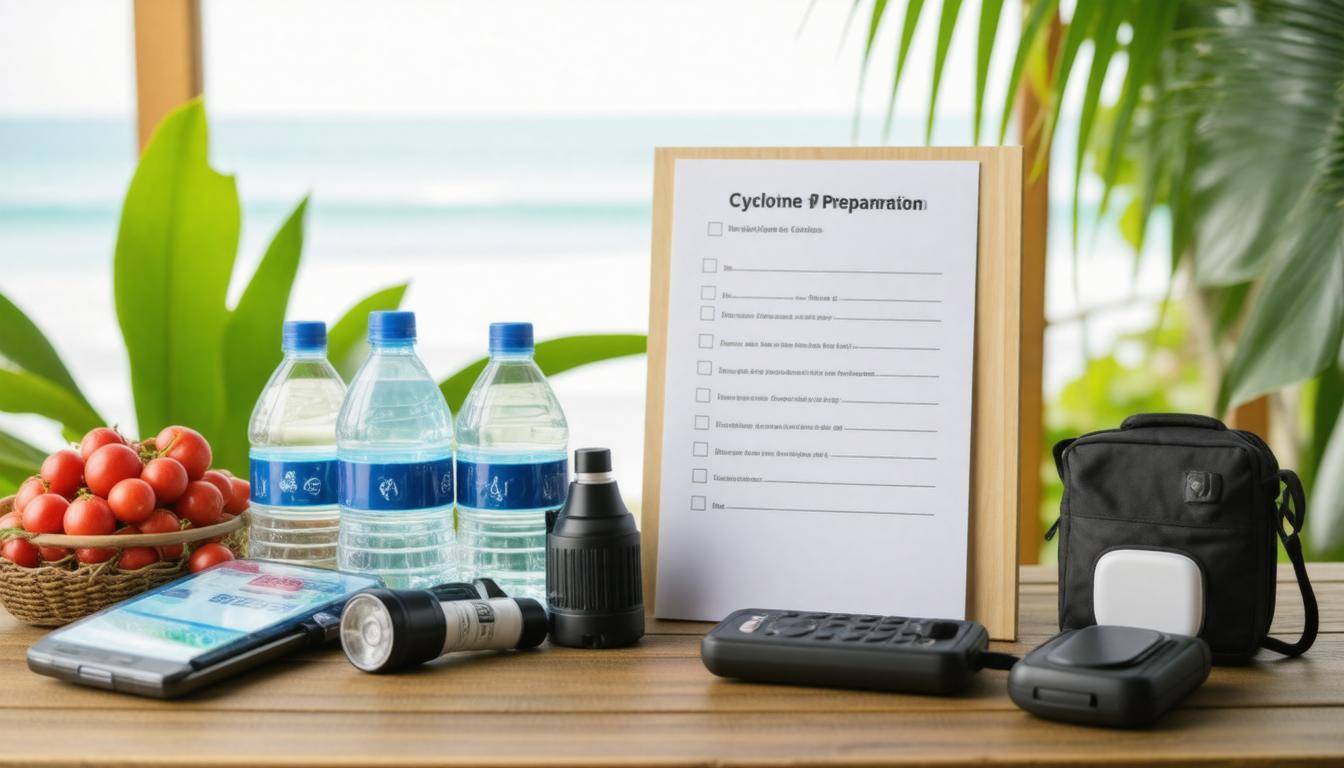
Having a cyclone preparedness kit is vital—it can be life-saving when seconds matter. This kit should ideally include essential supplies such as:
- Plenty of bottled water
- Non-perishable food items
- First-aid essentials
- Flashlights with extra batteries
- Important documents protected in waterproof containers
Regular assessments of your readiness mean that when a cyclone looms on the horizon, you’re not just reacting; you’re ready to act with confidence.
With the knowledge of cyclone threats firmly established, it’s time to explore how to create a comprehensive kit that ensures safety and readiness during these unpredictable weather events.
Building a Cyclone Kit
When the storm season approaches, having a cyclone kit ready can be a true lifeline. It’s not just about survival; it gives you peace of mind knowing that you’re prepared for the unexpected. Begin with the must-have items to ensure you and your loved ones are taken care of when disaster strikes.
Must-Have Items
-
Water and Food: Start with water—it’s vital to have at least three liters per person per day for a minimum of three days stashed away. This equates to about 9 liters for a family of three. As for non-perishable foods, include items like canned beans, tuna, or dried fruits. Stock foods that require little to no preparation while providing adequate nutrition.
-
Flashlights and Batteries: When the winds howl and power lines falter, sturdy flashlights equipped with extra batteries become invaluable. Consider investing in LED flashlights, as they are brighter and use less energy than traditional bulbs. Don’t forget candles or camping lanterns for additional light sources, but always prioritize safety to avoid fire hazards.
-
First-Aid Kit: Accidents can happen even in controlled environments—this is where a comprehensive first-aid kit comes into play. Ensure it includes bandages, antiseptic wipes, pain relievers, and any personal medications that family members need. Familiarize yourself with basic first-aid techniques in case of emergencies.
-
Personal Documents: Vital documents should never be overlooked. Keep photocopies of identification, insurance documentation, and emergency contact numbers stored safely in waterproof containers. In times of distress, these documents can expedite recovery efforts and ensure you’re not left without identification when needed most.
-
Portable Chargers: With communication being crucial during emergencies, having portable chargers for your mobile devices can keep you connected when power fails. Updates from local authorities or notifications about rescue operations may come through your phone.
As you’re assembling your cyclone kit, consider how each item not only contributes to immediate needs but also aids in maintaining morale during stressful times. Letting your kids help choose snacks or planning an emergency meal together can transform this necessity into an engaging family activity.
With your kit prepared, it’s time to focus on measures that will fortify your residence against potential damage from severe weather events.
Securing Your Home

Properly securing your home can significantly reduce damage to property and increase your family’s safety during a cyclone. It’s not just about making sure everything looks tidy; it’s about creating a fortress that can withstand nature’s tempestuous moods.
First and foremost, inspect and reinforce crucial elements of your home. This starts with your roof, windows, and doors. Making use of storm shutters is ideal because they are specifically designed for this purpose. If storm shutters are not readily available, sturdy plywood can serve as an effective substitute. Just ensure you’ve got a minimum thickness of 5/8 inch for that plywood—anything less might be no match against high winds.
To take things a step further, consider reinforcing your garage doors with bracing kits. Those large doors can easily be blown off their hinges when caught in heavy winds, leading to catastrophic potential damage inside your home. This extra measure could save you considerable stress and resources in the long run.
Next on your list should be clearing the surrounding area around your home. It’s essential to remove loose objects such as garden furniture, toys, and anything else that might become a dangerous projectile flying through the air. Think of those lighter items as potential missiles during the storm—they can cause significant injury or damage to structures nearby.
Additionally, trimming tree branches is crucial because you want to keep them from snapping off and crashing into your home; dead branches can also fall even without strong winds. The importance of securing outdoor equipment cannot be overstated; grills, gas cylinders, and other equipment must be firmly anchored using weights or straps.
Once you’ve fortified your home’s physical structure and cleared the surroundings, it’s essential to ensure everyone within your household knows what actions to take when the winds start howling and the rain begins to pour down.
Developing a Family Emergency Plan
Establishing a family emergency plan allows every member to know their role in an unexpected situation, especially during severe weather like cyclones. It’s not just about knowing what to do but feeling confident and prepared.
For instance, gathering around the kitchen table to discuss potential cyclone scenarios doesn’t merely prepare you for action—it brings your family closer together as you strategize how best to respond. This also presents an opportunity to address any fears or concerns that children may have, ensuring everyone feels heard.
As you work through this discussion, assigning specific roles can be particularly crucial during an emergency. This could mean designating one person to gather essential supplies while another checks on neighbors or pet care plans.
Imagine the peace of mind you’ll all feel knowing that each person has a task! This clarity enhances efficiency and fosters teamwork, creating a sense of unity when faced with adversity.
When I was part of our family’s emergency preparations before Cyclone Pam hit Fiji, each of us had our assigned roles. I was responsible for packing our go-bag, while my sister focused on retrieving important documents from our safe—together, we felt empowered rather than intimidated by the impending storm.
Communication is another critical component of your emergency plan. It’s wise to decide in advance how your family will stay connected during a cyclone. Will you use mobile phones or invest in two-way radios?
Make sure to identify both primary and secondary means of contact—there’s always a chance cell networks might fail during a storm. Creating a group chat or a family meeting spot could be invaluable if communication lines are disrupted.
Furthermore, having an established safe meeting place is paramount in case anyone gets separated. Consider neighbor’s homes or public community centers as options. When everyone knows where to go after the storm passes, it reduces uncertainty and anxiety.
As you finalize your family emergency plan, keep these essential points in mind:
-
Regular Review Meetings: Schedule monthly discussions to practice responses and update the plan as needed.
-
Emergency Contacts: Create a list of contact numbers, including local authorities and friends in other cities—a reliable out-of-area point of contact can be beneficial.
-
Practical Drills: Engage your family in practice drills to test your plan’s efficiency.
Investing time now can make all the difference during critical moments, especially when ensuring safety and connectivity become paramount for everyone involved. Next, we’ll explore effective ways to maintain communication throughout these situations.
Communication Strategies
Effective communication can truly be a lifeline during a cyclone. It’s not just about sharing updates; it’s about ensuring everyone knows what to do and where to go when storms become too fierce. One of the first steps families should take is to invest in battery-operated radios. Unlike mobile phones, which can run out of battery or lose signal, radios can keep you updated on critical weather alerts and safety instructions. A good radio ensures you won’t miss important announcements from local authorities or the Fiji Meteorological Service, especially since they update advisories every three hours.
Another useful resource is mobile phones equipped with emergency contact apps. Many smartphones now come with features that allow users to store medical information or next-of-kin contacts, making it easier for rescuers to assist in case of an emergency. However, don’t rely solely on these devices as power outages are common during cyclones. Instead, preparing backup communication methods like walkie-talkies can be a game-changer. They allow family members to stay connected even when mobile networks go down.
To streamline these efforts, create a concise list of emergency contacts that everyone in your family has access to. This list should include local emergency services, relatives who live outside the affected area, and important neighbors or friends. It’s not merely about who to contact; it’s also valuable to share this list with your neighbors, fostering community cooperation during challenging times.
“A well-prepared family will navigate a cyclone with less stress than one without.”
Staying informed means more than just having a radio or phone—it’s vital that each family member understands how to use these tools effectively.
Regular discussions about who your family should contact in specific scenarios can soften the anxiety surrounding emergencies. These conversations ensure that even younger children understand the importance of reaching out to designated contacts if separated or if emergency plans change unexpectedly. Notably, designating a point person outside the hurricane’s affected area can help facilitate communication and pass along information that might not be accessible locally.
Also, consider implementing “check-in” times where everyone agrees to touch base with one another when safe to do so, reinforcing accountability while easing worries about loved ones’ safety.
When the storm hits and chaos ensues, having a well-thought-out communication strategy in place can not only keep families safe but also create a sense of calm amidst the turmoil. Preparation isn’t just an action; it’s an essential part of ensuring everyone’s well-being as nature unleashes its fury.
As we continue our exploration of preparedness, understanding how to monitor weather alerts will enhance your ability to stay ahead of potential dangers.
Staying Informed with Weather Warnings
Keeping a pulse on the current weather conditions is essential for any household, particularly in a region prone to cyclones like Fiji. Understanding the latest updates can significantly influence your decisions, potentially safeguarding both lives and property. Imagine this: clouds begin to thicken ominously, and winds pick up abruptly; how do you react? You’ll want timely, reliable information to guide your actions.
That’s why it’s crucial to regularly check updates from reputable sources such as the Fiji Meteorological Service. These agencies are dedicated to monitoring cyclone activity and providing accurate forecasts. Make it a habit to visit their website or receive notifications via social media. Additionally, installing weather apps on your smartphone can offer real-time alerts straight to your pocket. Apps featuring push notifications ensure you’re always in the loop, even when you’re busy or away from home.
During Cyclone Harold in 2020, timely alerts enabled many residents to evacuate safely. This underscores the importance of staying connected; those who ignored warnings unfortunately faced devastating consequences.
If evacuation becomes necessary, having prior knowledge of procedures and available shelters is critical.
Now, let’s examine what it means to stay informed effectively. First and foremost, familiarize yourself with local terminologies surrounding weather warnings. For instance, there’s a difference between a “watch” and a “warning.” A watch signifies that conditions are favorable for severe weather, while a warning indicates that severe weather is occurring or will occur shortly. Recognizing these terms can enable quicker reactions, allowing you to fine-tune your emergency plans depending on the severity of the situation.
Furthermore, consider joining local community groups focused on disaster preparedness. Engaging with neighbors who share similar concerns can provide another layer of insight into storm predictions and safety measures that have worked in the past. Sharing experiences and advice among community members creates a network of support that can enhance everyone’s readiness during cyclone threats.
Being proactive about following weather changes does more than just prepare you—it builds confidence in your ability to handle unexpected situations. When every family member understands how to access alerts effectively and stays informed about potential risks, they contribute significantly to collective safety.
As we transition into discussing actions needed during emergencies, understanding evacuation protocols becomes paramount for ensuring safety during cyclone threats.
Evacuation Procedures and Finding Shelter
When evacuating, it’s crucial to plan ahead for finding safe shelter. Make it a priority to locate designated cyclone shelters within your area—these are typically schools or community centers designed to endure severe weather. Ensuring that you know where these shelters are in advance can save precious time when every moment counts.
It’s important to think about how quickly conditions can change, and one storm can leave areas uninhabitable for weeks. Having a plan keeps panic at bay, allowing your family to remain calm and collected during the evacuation process.
Evacuation Steps
As you prepare for an evacuation, consider the following steps:
-
Identify Evacuation Routes: Make sure you and your family know the quickest routes to the nearest shelter. Look at maps provided by local authorities or community bulletins. These will show safe paths free from flooding or debris.
-
Pack Essentials: Assemble your cyclone kit in advance, ensuring it includes food, water, first aid supplies, medications, and important documents such as identification and insurance papers.
-
Keep Vehicles Ready: Your vehicle becomes your lifeline during an emergency. Ensure that the gas tank is filled before a storm hits so you’re ready to leave without delay. Creating a simple checklist of items you need to keep in your car can further streamline the process.
With these evacuation steps clearly defined, let’s explore how to effectively locate safe shelter amidst the chaos.
Finding Shelter
Upon reaching the evacuation area, swiftly locate an established cyclone shelter. These locations often have the necessary structural integrity to withstand powerful winds and protect against falling debris. During Cyclone Tino in 2020, various communities were able to find refuge in local school buildings which served as reliable shelters.
It’s helpful to know that many local governments maintain lists of available shelters that they update regularly—these can often be found online or through community alerts leading up to severe weather events.
However, reaching out to neighbors or community groups can provide additional clarity on which shelters offer the best protection based on local experience.
Shelter Considerations
When choosing a shelter, keep these factors in mind:
-
Capacity: Some shelters may fill quickly; being informed about multiple options helps ensure you’ll have a place to go if your first choice isn’t available.
-
Accessibility: Consider whether the shelter is accessible for individuals with mobility challenges or those with children.
-
Supplies: Some shelters may provide food and sanitation facilities while others may require you to bring everything you need. Knowing beforehand what each option offers helps reduce stress during the evacuation.
Navigating evacuation procedures and finding secure shelter requires preparation and awareness; doing so ensures readiness when severe storms hit.
Understanding how to handle emergencies lays the groundwork for what comes next as we focus on essential actions taken right after the storm passes.
Post-Cyclone Recovery Steps
Post-cyclone recovery is a multifaceted process that goes beyond just returning to normal life; it involves careful planning, coordinated efforts, and ongoing vigilance. The steps taken immediately following a cyclone can significantly influence the timeframe and quality of recovery, helping you regain stability while ensuring safety for yourself and your family.
Initial Safety Checks
Your first task after the cyclone should be conducting initial safety checks around your home. It’s essential to protect yourself by wearing appropriate gear: sturdy boots, gloves, and a hard hat can shield you from potential hazards while you inspect your surroundings.
Begin with a careful examination of the exterior structure of your home—look for any signs of damage such as cracks in the walls, sagging roofs, or fallen debris that could pose risks.
As you assess your property, stay alert for less obvious dangers such as broken glass, exposed nails, loose power lines, or structural instability. Each step you take should be deliberate; moving too quickly increases the risk of injury.
Contacting Insurance
Once you’ve ensured that it’s safe to enter your home, it’s important to document all damage. Use your phone or camera to take clear photos or videos of affected areas and belongings. This visual evidence will be invaluable when you contact your insurance company to initiate claims. It’s advisable to do this as soon as possible to accelerate the claims process.
After Cyclone Ana in 2021, many families found relief through timely insurance claims that helped them cover urgent repair costs. Such prompt action can alleviate financial pressure and facilitate quicker recovery efforts.
Following these initial steps is where community support becomes vital in facilitating broader recovery efforts.
It’s often during tough times that we discover exactly how strong our communities can be! Reaching out for help does not mean you’re weak; instead, it shows resilience and prioritizes collaboration for long-term recovery.
Community Support
Once immediate safety has been addressed and insurance claims initiated, neighborhood solidarity can play an essential role in fostering recovery. Local organizations often rally together to provide food, shelter, and other resources for those affected by the cyclone. Engaging with these groups allows not just for help but also for emotional support as everyone processes their experiences together fosters a sense of belonging during trying times.
Thus, attending community meetings or forums focused on recovery efforts can open doors to valuable resources—be it rebuilding supplies or mental health support services. Remember that no one has to recover alone; reaching out builds relationships and shared strength in overcoming challenges.
Responsibly navigating through post-cyclone recovery demands awareness of potential dangers, swift action regarding insurance needs, and embracing community support as key pillars toward restoring peace and normalcy in your life. Rebuilding isn’t just about structures; it’s about forging stronger community ties and ensuring everyone moves forward together.