
Managing your finances can sometimes feel like trying to juggle while riding a unicycle—tricky and a bit overwhelming. But what if I told you there’s a way to make this balancing act much easier? Enter the Financial Preparation Calendar. Imagine having a step-by-step plan that takes huge financial tasks and splits them into bite-sized chunks, making them much simpler and less daunting. This calendar not only keeps track of your income and expenses but also turns budgeting from a chore into a fun self-improvement project. You’ll find yourself becoming more aware of your spending habits, setting achievable goals, and ultimately feeling more in control of your financial future. Let’s dive into how you can use this easy-to-follow roadmap to take your finances from chaotic to cool throughout the year!
A Financial Preparation Calendar is a structured tool that breaks down financial tasks into manageable monthly actions, allowing individuals to engage in ongoing financial planning rather than treating it as a one-time event. By following this calendar, users can proactively manage their finances, achieve specific milestones, and make informed updates throughout the year to enhance their overall financial wellness.
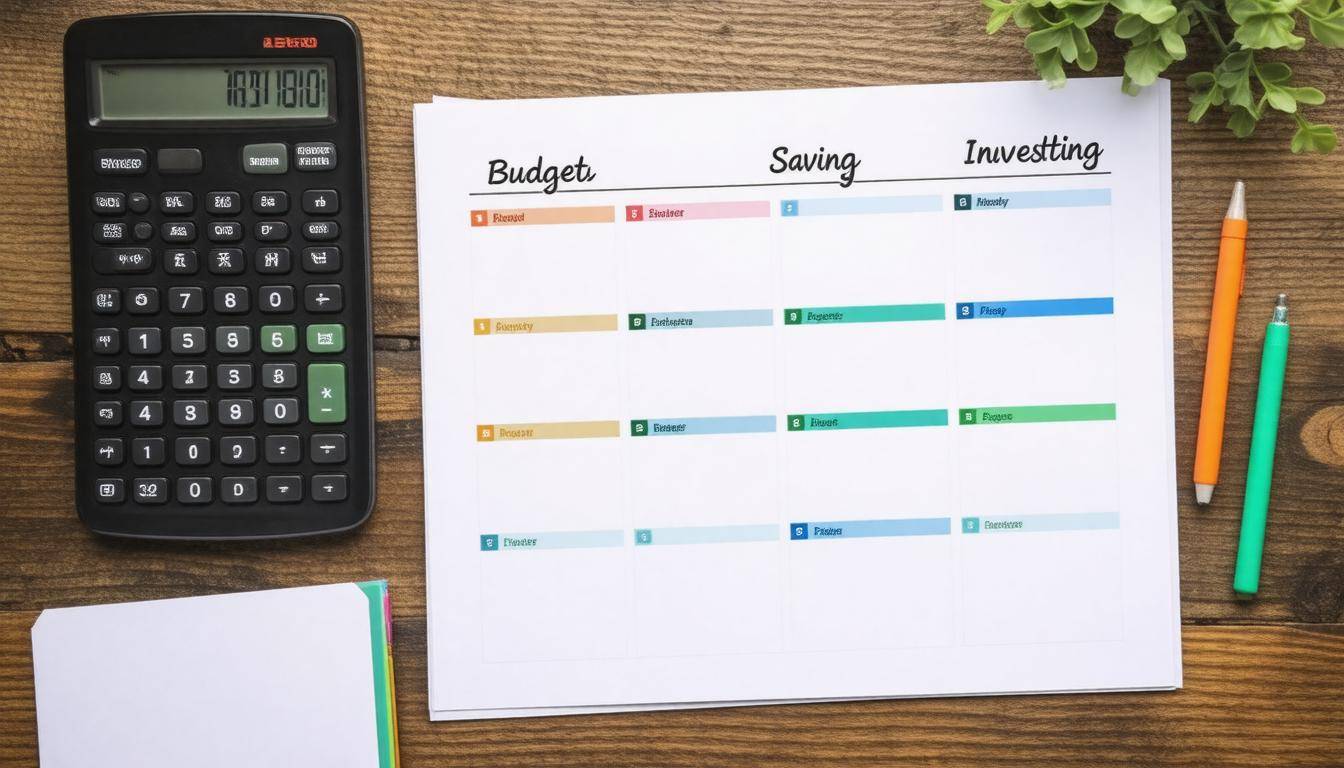
Using a Financial Preparation Calendar
A Financial Preparation Calendar isn’t just a calendar; it’s a roadmap to achieving your financial goals. The beauty of this tool lies in its ability to break down overwhelming financial tasks into manageable monthly activities. Instead of viewing financial management as a daunting challenge that looms overhead, you can see it as a series of small steps, each leading to your larger objectives. For example, when you jot down tasks like “review budget” or “check credit report,” they become part of your monthly routine, ensuring that these essential activities don’t fall by the wayside.
When you set specific milestones—like saving for a vacation or paying off debt—to accomplish each month, you essentially create a personal commitment that keeps you accountable. This engages you with your finances in an ongoing dialogue rather than an infrequent assessment. Knowing that in February you’ll focus on tax preparations or in March you’ll start planning your summer expenses encourages proactive engagement instead of reactionary measures when it’s too late.
Beyond merely tracking tasks, a comprehensive Financial Preparation Calendar also enables you to identify and manage cash flow efficiently throughout the year.
Tracking Income and Expenses
Utilizing your calendar to meticulously track both income and expenses fosters awareness about spending habits. As you record your monthly income—including salary, bonuses, and side hustle earnings—you provide yourself with clarity about what’s coming in. Concurrently, categorizing expenses—housing, utilities, groceries, entertainment—creates transparency regarding where your money goes.
By keeping tabs on these categories, here are some critical insights you can glean:
- Identify Trends: You may notice fluctuations in your utility bills during specific months.
- Spot Overindulgences: You might find that dining out consistently impacts your savings ability.
- Utilize Trends for Future Planning: If summer months typically increase travel costs, you can allocate funds accordingly in advance.
Another essential aspect to consider while using the calendar approach is how often to review your progress.
Monthly Reviews and Adjustments
Regular reviews are paramount for successfully navigating any financial journey. At the end of each month, set aside time for reflection. Assess whether you’ve met your spending goals, if there were unexpected expenses that derailed your plans, or what strategies worked well. By doing so, you’re not just checking off tasks; you’re actively engaging with your financial health.
“A budget isn’t just about numbers; it’s a way to align your spending with your values.”
This reflective practice reinforces the notion that budgeting is an ongoing process tailored to changing circumstances and aspirations.
Finally, don’t overlook setting annual goals within this calendar framework.
Annual Goals for Long-Term Success
Integrating long-term goals within your Financial Preparation Calendar provides direction while maintaining focus on yearly objectives alongside monthly tasks. Whether it’s saving for a home deposit, planning a family trip abroad, or contributing more to retirement funds, these clear goals serve as anchors throughout the year.
By marking key dates such as retirement account deadlines or tax filing reminders directly on the calendar, you ensure these important moments won’t slip through the cracks. It transforms annual financial planning from merely an end-of-year scramble into an organized process nestled amidst more frequent check-ins and adjustments.
With this structured approach fresh in mind, let’s explore practical steps to lay the groundwork for strong financial habits as we move into the first quarter of the year.
Laying the Foundation in January to March
The first three months of the year are critical for establishing a robust financial strategy. You might think of January as not just the start of a new year but as your financial springboard. It’s when you can ignite those fresh goals and get your finances in order. January isn’t merely about numbers; it’s an opportunity to reflect on personal values and how they align with your spending.
Begin by setting a realistic budget that incorporates not only your income and essential expenses but also small indulgences that keep your morale high.
A common recommendation is to allocate at least 10% of your earnings towards an emergency fund, which acts as a crucial safety net for unforeseen events like car repairs or medical emergencies.
Moving into February, we focus on another critical area: debt management.
February: Debt Review and Reduction Plan
February brings an essential step in refining your financial health: taking a long, hard look at outstanding debts. Whether it’s credit cards that seem to multiply or lingering personal loans, acknowledging these obligations is vital.
You should create a comprehensive list outlining each debt alongside its associated interest rates and minimum payments. This visualization serves two purposes. First, it clarifies how much you owe overall and highlights where adjustments can be made toward repayment methods.
An effective strategy here is known as the avalanche method, where you prioritize paying off high-interest debts first. By directing more of your income toward these loans while making minimum payments on others, you minimize the wasteful interest piling up over time.
It’s important also to remember that settling debts, much like cleaning out a cluttered garage, might bring initial discomfort but ultimately leads to clarity and freedom—financial or otherwise.
As March rolls in, tax preparation becomes paramount in our financial journey.
March: Tax Preparation and Investment Analysis
March serves as a reminder that tax season is upon us, encouraging us to gather all necessary documents for filing taxes accurately. Take this opportunity not only to secure your documentation but also to familiarize yourself with potential deductions or credits you may qualify for.
Financial advisors often emphasize the benefits of early tax preparation; doing so can help stave off last-minute stress while providing insight into how much of a refund (if any) you might expect.
Completing your taxes early allows for better planning regarding investments as well. When you know what resources you have available from tax refunds or other sources, you can allocate funds to areas that will grow your wealth—think savings accounts or future investments—before the hustle of spring overwhelms your calendar.
Engaging actively with these steps from January through March fosters a mindset focused on long-term financial wellness rather than reactive measures when crises arise.
Turning our attention to the next steps ensures we stay agile and responsive as we move forward through the year.
Tracking and Adjusting from April to June
April: Tax Filing and Budget Review
April is a pivotal month in your financial calendar. This is when tax returns are typically due, and it’s the perfect time to take a step back and review your overall budget. Filing your taxes not only helps you fulfill legal obligations but also gives you insight into your earnings and allowable expenses from the previous year. You’ll want to gather all relevant documents—W-2s, 1099s, receipts—so that you can efficiently file your taxes.
The aim here is to identify discrepancies between what you planned to spend and what you actually did. Did that brunch with friends eat into your grocery budget? Or perhaps unexpected car repairs set you back financially? By analyzing your spending patterns, you can make informed changes to ensure that your financial goals remain achievable as the year progresses.
May: Mid-Year Financial Check and Expense Audit
Moving into May, it becomes crucial to conduct a mid-year financial health check, serving as an excellent opportunity for an expense audit. Start by listing out every expense incurred over the last two months and categorize them so that you can see where your money is flowing.
For instance, many people are surprised at how much they spend on eating out or subscription services they rarely use. By closely examining these categories, you’ll be able to identify any unplanned expenditures that may have crept in during the previous months. Aim to simplify these by asking yourself whether these expenses genuinely add value to your life or if there’s room for reduction.
It can also be beneficial to utilize budgeting apps or spreadsheets for this task. Tracking expenses visually often makes it easier to spot trends and areas needing attention.
June: Savings Boost and Summer Planning
As we reach June, consider this month not just for reflection but for action—specifically in boosting your savings rate. If you’ve found that you’re currently doing well with managing expenses without overly restricting yourself, try allocating a small percentage of any windfalls (like summer bonuses or tax refunds) directly towards savings. Even an extra 1-2% can significantly impact over time.
Many individuals find success in using their tax refund to fund summer vacation plans while simultaneously increasing their savings contributions. For example, if you receive a $1,000 tax refund and allocate $500 towards a fun weekend trip while putting $500 in a high-interest savings account, you’re setting yourself up for both personal enjoyment and ongoing financial health.
With summer coming around, it’s also wise to think ahead about big-ticket purchases like vacations or home improvements. By planning early, you’ll avoid dipping into emergency funds later as those events unfold.
The months of April through June highlight essential practices for maintaining fiscal responsibility, setting the stage for deeper insights as we transition into the next phase of financial planning activities.
Reviewing and Refining in July to September

The third quarter is not just about reflection; it’s also a strategic opportunity to recalibrate your financial plans. Starting with July, this month is all about mid-year reflection and adjustment. Take a moment to sit with your budgeting plan and evaluate how you’ve progressed since January. The reality of life often throws unforeseen challenges our way, so it’s crucial to assess whether your current financial goals still resonate with your lifestyle or need a tweak.
For example, if you had anticipated certain expenses but found yourself spending more on necessities or indulging in unexpected pleasures, it’s time to adapt. Make a note of any shifting priorities; maybe you’ve taken up a new hobby that has cost implications, or perhaps an unexpected medical bill cropped up. These insights will lead to richer discussions about budgeting—embrace them as opportunities for growth rather than setbacks.
Moving into August, your focus should shift toward your investment portfolio. This month is prime time for an investment review to ensure everything aligns with your long-term financial goals. Consider using online resources and tools designed for tracking performance. Such tools can offer detailed insights into how your assets are performing, showing areas where adjustments could yield better returns.
The strength of your portfolio lies in understanding not just what’s doing well, but also what needs rebalancing. If you’ve noticed any significant underperformers, it may be time to consider reallocating those funds into more promising investments or adding fresh assets that fit your strategy. This proactive approach keeps your financial health robust and agile.
Finally, as we round out the third quarter in September, it’s essential to shift gears once again by reassessing your insurance policies. It’s easy to forget about these crucial safety nets amidst daily life, yet doing so can lead to considerable savings or enhanced coverage options. Dive into the particulars of each policy—health, home, and auto—and evaluate their relevance.
Whether seeking quotes from different providers or revisiting the fine print of what you currently hold, don’t underestimate the potential benefits of performing a thorough review. Often, providers enhance plans or introduce new options that could considerably reduce premiums while improving coverage.
By keeping a close eye on these elements during July through September, you lay a strengthened foundation for the rest of the year—a testament to how regular financial check-ins can lead to optimal management of personal finances.
As you turn your attention towards the upcoming months, preparing for varied seasonal expenses will help maintain your financial balance while navigating the challenges ahead. Let’s explore effective strategies for managing these transitions seamlessly.
Planning Ahead from October to December
The final quarter is not just a time for celebration, but also an opportunity to take stock of your financial situation and prepare for the New Year.
During October, it’s essential to engage in year-end tax planning. This is a great time to closely examine tax-advantaged accounts such as IRAs or 401(k)s. By considering additional contributions to these accounts, you not only increase your savings but also potentially lower your taxable income.
For example, individuals under 50 can contribute up to $6,000 per year to an IRA, while those over 50 can add an extra catch-up contribution of $1,000. Taking advantage of such options could significantly impact your financial health moving forward.
November ushers in holiday festivities, but it’s crucial to maintain budgetary discipline amidst all the cheer.
Setting a strict budget for holiday spending helps avoid that all-too-common post-holiday debt hangover. Research suggests that the average American spends about $1,000 on holiday gifts alone! By defining spending limits early on, you pave the way for guilt-free enjoyment instead of buyer’s remorse in January.
It’s also wise to consider making charitable donations during this month. Not only do they enrich the lives of those less fortunate, but charitable contributions may also yield tax deductions—benefiting you both socially and financially.
As December approaches, reflection and goal setting come into play.
Conducting a final review of your finances provides clarity before setting new goals for the coming year. This process allows you to identify areas requiring adjustments and recognize beneficial financial habits from throughout the year.
Having this frank assessment fosters a sense of preparedness as you step into January ready to tackle fresh financial challenges head-on. Using financial tools and apps can simplify tracking your progress; many of these tools allow you to set reminders for important tasks or automatically track expenses against your created budgets.
Remember, this proactive approach not only cultivates a consistent financial routine but also instills a sense of control and confidence as you leap into the New Year armed with clear objectives and strategies for success.
With this groundwork laid out, we can now pivot towards actionable insights that will enhance your budgeting effectiveness and empower you throughout the upcoming year.
Tips for Effective Budgeting

Embracing effective budgeting habits will become an empowering part of your life as you learn to navigate your financial landscape. One of the first steps towards achieving this is by regularly tracking your expenses. It may sound tedious, but getting into this habit allows you to visualize where every dollar goes. Whether using a straightforward spreadsheet or an app like Mint or YNAB, logging each expense provides clarity and encourages mindful spending. Imagine how much more informed you’d feel about your financial choices when you can see them all laid out!
This exercise in awareness can reveal surprising patterns, such as recurring subscriptions you might have forgotten about or daily coffee runs that add up.
Following closely behind is the practice of categorizing and prioritizing your expenses. Begin by classifying all your spending into clear categories—needs (like rent and groceries) versus wants (like dining out and entertainment). By establishing this hierarchy, you can make informed decisions about where to cut back if necessary. Picture a balanced scale: prioritize those essential needs on one side while managing wants thoughtfully, ensuring you’re meeting your obligations without neglecting the pleasures in life.
Another vital element involves leveraging budgeting tools that best suit your lifestyle. With a plethora of options available today, utilizing technology to automate tracking can save time and help reduce human error. From simple apps that categorize expenses automatically and send alerts when you’re nearing budget limits to comprehensive software offering analytics and reports, find what resonates most with you. It’s akin to having a personal finance assistant right in your pocket; these tools can motivate and keep you accountable.
Now, it’s crucial to review and adjust your budget regularly. Life is dynamic; therefore, staying agile in managing finances is key! Set aside dedicated time—perhaps at the end of each month—to analyze your spending against your original budget. Are there areas where you’ve consistently overspent? Flip it around: maybe opportunities exist for enhanced savings? Utilize these insights to refine your strategy going forward. Like frequent tuning of an instrument, regular checks ensure everything remains harmonious rather than falling flat.
Lastly, ensure you’re setting realistic goals throughout your budgeting journey. Establishing both short-term and long-term financial targets is excellent practice, but they must be grounded in reality to be effective. If you’re aiming to save for a vacation, first assess how much realistically fits into your monthly budget without straining your finances. Think of goal-setting as laying bricks for a strong foundation; if any brick is poorly placed or unevenly sized, it could compromise the entire structure.
By incorporating these strategies into your monthly routine, you’ll not only keep yourself on track financially but also open the door to exploring additional tools that can further enhance your budgeting experience.
Essential Tools and Resources
When it comes to financial management, leveraging technology can transform how we approach our budgeting and planning. Budgeting apps such as Mint, YNAB (You Need A Budget), and PocketGuard are invaluable assets in this digital age because they allow you to track every dollar spent, and more importantly, they help you plan ahead.
These apps bring multiple advantages to the table: automatic bank synchronization enables you to stay updated with your transactions without manual input. You can easily categorize your expenses, allowing you to see where your money goes each month. The goal-setting features help you envision your financial future, offering motivation and clarity as you strive for savings targets or debt reduction.
According to numerous studies, individuals using such apps report feeling more control over their finances, which is a big step toward achieving financial wellness.
While digital tools are beneficial, there’s no substitute for personalized guidance. This is where financial planners and advisors come into play. Working with a certified planner offers a wealth of benefits tailored specifically to your unique circumstances. Unlike a generic app that applies broad strategies, human advisors engage in deep conversations with you about your goals—whether that’s retirement planning, saving for a child’s education, or investing wisely.
They take the time to understand not only your financial status but also your aspirations and fears. This personal touch can make all the difference when navigating complex financial landscapes.
However, if you’re not ready for one-on-one meetings just yet, there are abundant online resources and courses available that can broaden your financial literacy at no cost. Websites like Investopedia provide comprehensive educational articles that dissect various aspects of finance in layman’s terms. If you’re keen on going deeper, platforms like Coursera and Udemy offer structured courses on personal finance and investing, often taught by industry professionals.
| Tool/Resource | Function | Cost |
|---|---|---|
| Mint | Budget tracking, expense categorization | Free |
| Certified Planner | Personalized financial advice and planning | Varies |
| Investopedia | Educational articles on finance | Free |
| Coursera | Comprehensive financial courses | Course-based fee |
These essential tools create a framework for developing proactive financial habits and ensure ongoing engagement with your finances. With these resources at hand, you’ll find navigating through budgeting complexities much smoother.
Whether you’re just starting your financial journey or refining existing strategies, having the right tools can lead to more informed decisions and a brighter financial future.
Incorporating a month-by-month approach to manage finances encourages consistency and reduces overwhelm while planning for the future.