
In the aftermath of a disaster, time becomes a precious commodity, and your actions can greatly influence the outcome for you and those around you. Imagine stepping out of your home to find chaos—a scene that no one hopes to witness but is all too real for many. In these critical first 24 hours, knowing the right steps to take can not only protect your safety but also aid in recovery efforts. This guide will walk you through essential actions to ensure your immediate well-being, from securing your surroundings to gathering necessary supplies. It’s all about being prepared—not just for what could happen, but for how you can respond when it does.
In the first 24 hours after a disaster, it is crucial to assess your immediate surroundings for safety hazards, gather essential emergency supplies, and stay informed through credible news sources for updates on recovery efforts. Additionally, prioritize health precautions such as proper hygiene and vaccination recommendations while seeking support from local community organizations.
Securing Immediate Safety
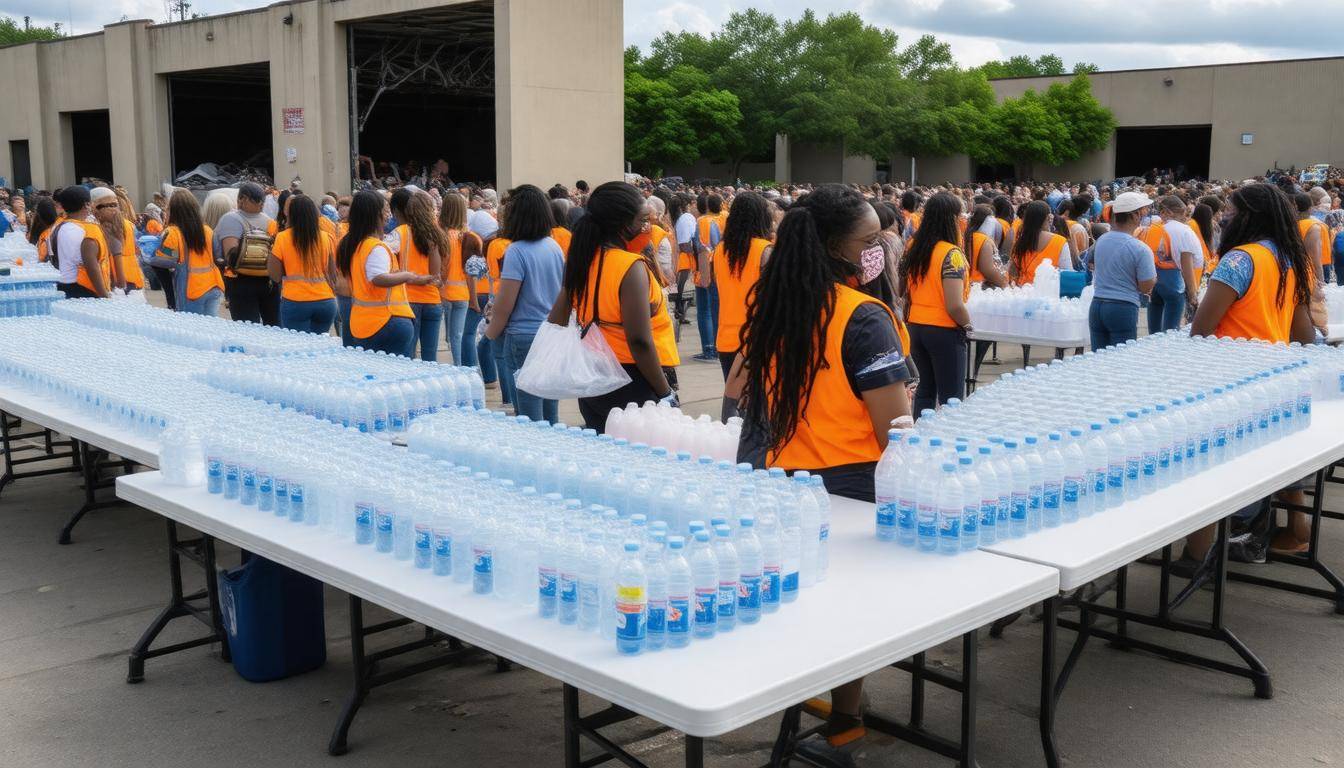
In a chaotic situation after a disaster, securing immediate safety occupies the top priority. It’s not simply about checking for physical damages; it’s about creating an environment where you can breathe and think clearly. Every second matters, especially within the first 24 hours. Your ability to act quickly can deeply impact everyone involved, so remain calm but vigilant.
Step I – Assessing Your Surroundings
Start by conducting a thorough survey of your environment. Look for immediate threats: Are there unstable structures nearby, such as partially collapsed buildings or trees that might fall? Consider downed power lines, which pose electrocution risks. If you smell gas or suspect a leak—perhaps from hissing noises or unusual odors—immediately leave the area without flipping any switches or using electronic devices that could trigger an explosion.
Remember, safety doesn’t come from panic; rather it comes from careful observation and thoughtful action.
After addressing any lurking dangers in your immediate vicinity, the next essential step is to ensure personal health among all those affected.
Step II – Check for Injuries
Now it’s time to check on everyone around you. Conduct a quick assessment of injuries among family members or fellow survivors. This isn’t just a matter of healing cuts and bruises; it’s about prioritizing life-threatening conditions first. Start with severe bleeding—if someone is injured, cover wounds with clean cloths, applying direct pressure to stop the flow of blood. Evaluate breathing as well; if anyone struggles to breathe, check for airway blockages and assist if necessary.
A calm voice can work wonders here. Reassure those around you that help will come, encouraging them to stay conscious and focused while giving them simple instructions if they can assist themselves.
Utilizing familiar first aid techniques carries great weight in these tense moments. For instance, knowing how to perform CPR can save a life—as you wait for professional help, it’s better to act on what you know. The heart may be racing, but helping someone else can also offer a sense of purpose amidst chaos.
As we move forward in recovery efforts, maintaining clear connections with one another plays a vital role in managing the aftermath together.
Effective Communication Strategies
In the aftermath of a disaster, clear and efficient communication is essential. The moments following an emergency can be chaotic, making it crucial to implement effective communication strategies. Establishing a plan ahead of time—or improvising one on the fly—can significantly influence how smoothly you and your family navigate the disruptions.
Imagine a family scattered by the chaos of a storm, each member uncertain about the next steps. This is exactly why having a communication strategy in place can make all the difference.
For instance, think about the many stories from individuals affected by natural disasters, like hurricanes or wildfires. Those who had specific communication protocols—like agreed-upon text check-ins or designated meeting spots—often found each other more swiftly than those who didn’t. During the devastating 2024 Colorado wildfires, families that set up pre-agreed meeting points were able to reconnect quickly amidst the smoke and chaos.
You might even consider it your “disaster buddy system,” where everyone knows who to contact and what to say when everything goes haywire!
While technology may often be your best friend in these scenarios—think SMS or social media tools—you should still expect some limitations. Network congestion can make it difficult to get messages through in emergencies. Therefore, rely on simple methods such as leaving written notes at predetermined locations if all else fails. A message stuck to the fridge or on the front door can direct your loved ones to your location.
Additionally, utilizing group messaging apps can enhance coordination efforts among extended family or groups of friends. Create a group chat prior to any potential emergency; this way, everyone involved can easily share updates about their status and location in real-time. It’s more effective than sending out individual messages that may get lost in transmission delays.
With strong communication strategies operating smoothly, it’s time to turn our attention toward ensuring that your emergency supplies are well organized and ready for action when needed most.
Utilizing Emergency Supplies
Emergency supplies are your first line of defense in the chaotic aftermath of a disaster. By preparing ahead of time, you can ensure that you and your loved ones are equipped to handle any immediate needs that arise. Imagine this scenario: after a significant event like an earthquake or flood, access to essentials can be severely limited. That’s where your carefully prepared supply kit comes into play—offering comfort and safety in uncertainty.
LIST of Basic Emergency Supplies
-
Non-perishable food items: This should include things like canned goods, energy bars, and dried fruits—anything that requires no refrigeration or extensive preparation.
-
Bottled water: Aim for at least one gallon per person per day, so if your family consists of four people, that’s a minimum of twelve gallons for three days.
-
Flashlights and extra batteries: Power outages are common during disasters, making reliable light sources essential.
-
Emergency blankets: These compact blankets can provide warmth and also space for multiple uses; they help retain body heat.
-
Multi-tool or Swiss Army knife: Versatile tools can come in handy for many purposes, from simple tasks to more complex needs.
-
Portable phone chargers: Keeping communication open is critical during disasters, so these chargers ensure that your devices remain functional.
With these basic supplies at hand, it’s important to understand how to employ them effectively.
First, don’t just throw these items into a box and forget about them. Take some time periodically to check their condition and replace any expired goods; ideally, do this every six months. During periods of low preparedness stress, you may find it easier to think through scenarios where each item would be necessary. What if there’s no power? In that case, your flashlights become indispensable. The more familiar you are with your supplies, the quicker and more efficiently you can respond when the moment arrives.
Remember that keeping calm is also part of utilizing emergency supplies effectively. Your mindset will influence how you approach the crisis and make decisions.
Beyond basic supplies, consider the psychological aspect as well. A well-stocked emergency kit not only provides physical essentials but also offers peace of mind. Knowing that you’re prepared can significantly lessen anxiety in stressful situations. As a personal anecdote, I once faced a severe storm without proper preparations. I realized too late that my anxiety could have been mitigated with sufficient planning—leading me to create a comprehensive readiness strategy afterward.
Actionable Tips
In addition to maintaining your supplies, think about specific strategies for leveraging them effectively during emergencies. For instance, plan meals ahead based on what is in your kit. This advance thinking allows everyone involved to know what to expect; it becomes one less unknown in an already chaotic situation. Also, don’t forget about hygiene products—they’re just as crucial as food and water in avoiding illness after a disaster.
As we look into the medical necessities next, remember that each element of your preparedness plan reinforces your overall safety and wellbeing during those critical first moments after disaster strikes.
Assembling a Comprehensive First Aid Kit
When it comes down to emergencies, time is of the essence. That’s why having a well-stocked first aid kit can provide peace of mind and ensure you’re ready for any medical situation that may arise. You’ll want to select items not just based on common injury types, but also considering the specific needs of your family. Basic components should include adhesive bandages in various sizes, sterile dressings to cover larger wounds, and antiseptic wipes for cleaning cuts.
Adhesive tape is a must for securing gauze or wraps, while scissors and tweezers will come in handy for both cutting and removing splinters. A digital thermometer is vital for monitoring fevers, and don’t forget about including pain relief medications such as ibuprofen or acetaminophen.
Importantly, be sure to add any prescription medications that family members might need. This is where understanding individual health conditions comes into play; for instance, if someone in your family has asthma, including an inhaler could be lifesaving.
It’s essential to consider not only the supplies you might typically need but also the circumstances you might encounter. For example, if you have pets, adding pet-specific first aid items like a muzzle or pet-safe antiseptic can make all the difference during an emergency.
One of my personal experiences involved a camping trip where our group faced a sudden allergic reaction one evening due to unknowingly consuming food containing allergens. The quickly assembled first aid kit allowed us to manage the situation swiftly by providing antihistamines and gauze compresses until we could seek better help.
In addition to assembling your kit with crucial supplies, it’s vital to think about where you’ll store it so it’s easily accessible whenever you need it.
Storage Recommendations
The location of your first aid kit matters just as much as its contents. You want this crucial gear to be stored in a place that’s easy to access yet protected from environmental hazards like moisture and dust. Using a waterproof container will safeguard the integrity of the contents inside.
Consider keeping it somewhere central in your home—perhaps in the kitchen or near an exit—so everyone knows where to find it quickly in times of need. Additionally, make sure that all family members are familiar with the location and contents of your first aid kit; knowledge truly is power when seconds count.
Remember to review your first aid kit every six months. Check expiration dates on items like medications and antiseptics, replacing anything that’s no longer viable. This regular maintenance ensures that when an emergency arises, you’ll have everything necessary for immediate action without wasting valuable time checking what you have on hand.
Taking these thoughtful steps while assembling your comprehensive first aid kit prepares you for medical emergencies and empowers you and your loved ones with confidence—which can make all the difference during uncertain times.
Equipped with the right supplies and knowledge, you’re better prepared for any unexpected situations. Next, we will look at ensuring safety through discovering appropriate resources and options during crises.
Finding Shelter and Safe Evacuation
In many disasters, the challenge isn’t just about the immediate danger; it often involves finding a safe place to stay. This can be more than just a roof over your head—it’s about ensuring you’re in an environment free from further risks.
First and foremost, it’s vital to look for local shelters identified by emergency services. These may include community centers, schools, or designated emergency shelters equipped to support individuals fleeing unsafe conditions. Since every minute counts during an emergency, being familiar with these locations ahead of time can significantly enhance your chances of finding safe harbor quickly.
Having an evacuation plan is similarly essential. This means mapping out multiple routes you can take in case your primary path becomes unsafe or blocked due to debris or flooding. Just like preparing for a long road trip, it’s useful to scout out alternative paths beforehand. Think of it like navigating through a complex maze—having multiple exit strategies in your playbook can save time and reduce stress when every moment matters. By prepping in advance, you avoid the panic that comes with last-minute decisions.
Regularly updated maps can be invaluable in this scenario; local authorities often provide real-time information on which roads are passable or closed.
Furthermore, the process of evacuation isn’t just about choosing a route; it’s also about knowing what safety protocols to follow during your departure. For instance, if smoke is present in the air, staying low while you make your way towards safety is crucial because smoke rises high and can obscure your vision. To protect yourself further, consider using a cloth to cover your mouth and nose—this simple action can help filter harmful particles from entering your lungs.
While you’re focusing on finding shelter and escaping potentially dangerous situations, it’s equally important to gather essential supplies before leaving home. As you prepare for what’s next, understanding how to access immediate assistance will be critical for ensuring safety and support.
Accessing Emergency Assistance
When disaster strikes, knowing where to turn for help can significantly ease the burden you’re facing. The first step is recognizing that various emergency services are available, each designed to cater to specific needs during this critical time. Emergency services typically include fire departments, police, and medical assistance; however, it’s essential to understand which service can provide the support you require.
A great strategy is to familiarize yourself with national emergency numbers and local helplines tailored to your community’s unique crisis management protocols. This knowledge not only helps in emergencies but empowers you to act quickly and efficiently.
| Service | Phone Number | Notes |
|---|---|---|
| Fire Department | 911 | Contact for immediate fire or rescue |
| Disaster Relief | FEMA | 1-800-621-FEMA (3362) |
| Local Helplines | Varies by location | Refer to your community’s disaster plan |
Understanding how these contacts work is vital; they can guide you through the next steps in securing your safety and resources.
Once you’ve reached out for assistance, it’s important to stay organized while you await help. Keep documents handy that prove your identity and assess any damages that have occurred. This information could be invaluable for insurance claims and further assistance requests.
After accessing emergency services and gathering necessary documentation, prioritizing your well-being and addressing potential hazards becomes paramount.
Health and Environmental Safety
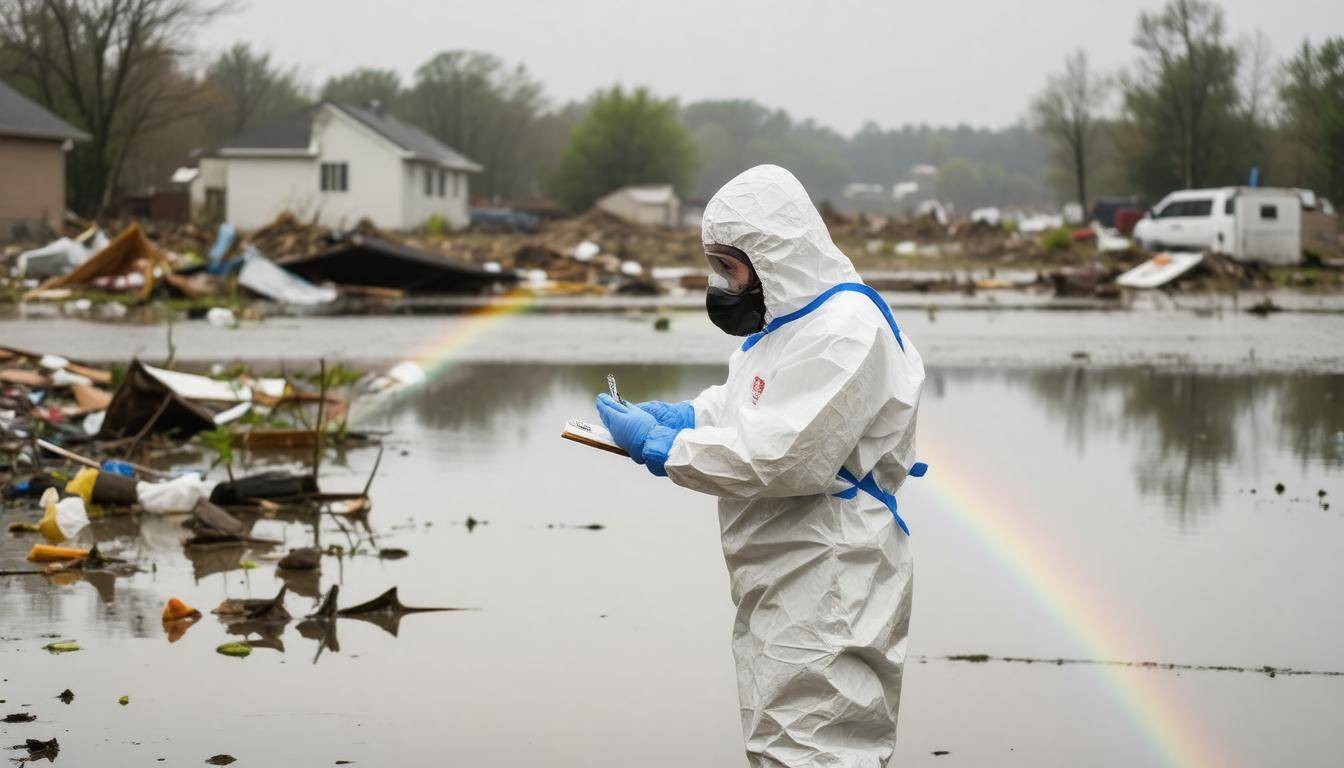
After a disaster, the environment can be filled with risks that affect your health and well-being. Ash, soot, and debris may linger, introducing harmful particles into your air and affecting your water supply. Immediate action is necessary to mitigate these risks. It’s like stepping into another world where what was once familiar now poses various challenges. Adopting simple yet effective strategies can mean the difference between thriving post-disaster or facing further complications.
Water Safety
One of the first things to address after a disaster is water safety. Contaminated water can pose serious health threats, leading to gastrointestinal issues and more severe ailments. To ensure your drinking water is safe, boil it for at least one minute. This method effectively eradicates harmful bacteria and viruses that may have infiltrated your water supply during the disaster. For added security, consider using water purification tablets; they are an efficient option if you’re in a pinch. Keeping a stock of these tablets can provide peace of mind when calamities threaten your regular supply sources.
Moving beyond water safety, let’s turn our attention to what might be lurking in your pantry.
Food Safety
The food you kept stored could present a hidden risk as well. It’s essential to inspect all food supplies thoroughly for spoilage—anything that appears damaged or smells off should be discarded immediately. Foods exposed to floodwater or excessive heat are particularly dangerous, potentially harboring harmful bacteria that can lead to significant health risks. Sometimes, it’s hard for us to part with food we believe could still be usable, but discerning vigilance is critical here. Your health is much more valuable than any item in your cupboard.
A survivor from Hurricane Ida shared their experience: “Proper food and water safety measures reduced the occurrence of post-disaster illnesses in our community.” Such accounts remind us that diligence in these areas pays off immensely.
As we navigate through this challenging time, remember that your safety should always come first; taking proactive measures will pave the way toward recovery. The next steps involve understanding how local resources can aid you during this period of uncertainty.
Community Emergency Services
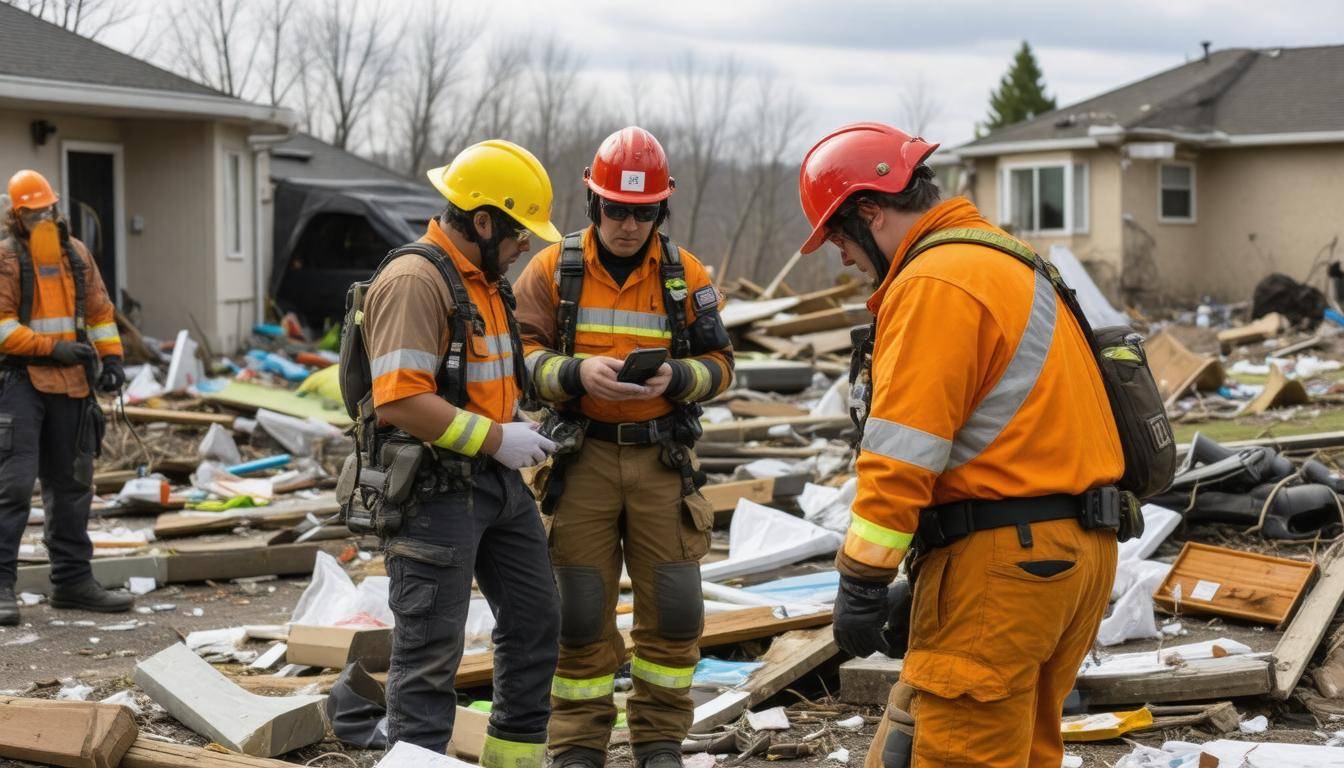
Community emergency services are an invaluable pillar in the restoration process following a disaster, offering resources and assistance that individual efforts often cannot match. Local agencies, such as the Ventura County Fire Department (VCFD), play a critical role during the first 24 hours by providing vital support like fire protection, rescue operations, and flood management through sandbag stations. This reliance on organized community resources can significantly ease the stress of recovery, proving that together, resilience grows stronger.
Engaging with local initiatives can shape your response to emergencies and contribute to your overall preparedness. Programs such as VCFD’s “Ready, Set, Go!” initiative guide residents on emergency planning tailored to individuals’ needs. This proactive approach emphasizes the importance of familiarity with available resources. By participating in community programs and training sessions, you’ll equip yourself with essential skills—like joining courses such as CERT (Community Emergency Response Team) Training—empowering you to respond effectively in times of crisis.
“Preparedness is key; knowledge empowers communities.”
It’s crucial to remain informed about local emergency services. Monitoring community radio broadcasts or following official social media channels are effective ways to receive real-time updates about conditions affecting safety. For instance, if there is a wildfire nearby or severe weather moving in, being informed ensures you’re ready to take timely action.
Additionally, engaging with local health departments not only provides healthcare resources but also connects vulnerable populations with tailored emergency plans. Hospitals and nursing homes quickly adapt their protocols based on updated information from emergency services, enabling them to protect those most at risk during disasters.
Engagement with community emergency services creates connections that foster collective resilience.
By actively participating in these community efforts and staying informed about available resources, individuals not only empower themselves but also contribute to a more cohesive community response that benefits everyone during challenging times.
In times of uncertainty, your connection with community resources becomes essential for effective disaster response. Together, we can build a stronger, safer future.
What immediate steps should I take to ensure my safety in the first 24 hours after a disaster?
In the first 24 hours after a disaster, prioritize your safety by assessing your surroundings for hazards, securing shelter from potential threats, and staying informed via battery-powered radios or mobile alerts. Establish a communication plan with family or friends and avoid using phones except for emergencies to keep networks available. Statistics show that 60% of families do not have an emergency plan in place; having one can significantly increase your chances of staying safe.
What resources or agencies should I contact right away following a disaster?
Immediately following a disaster, you should contact local emergency services (dial 911 in the U.S.), the Federal Emergency Management Agency (FEMA), and your state or local emergency management agency for immediate assistance and resources. These agencies can provide medical help, shelter, and information on how to access disaster relief funds. According to FEMA, nearly 40% of small businesses never reopen after a disaster, highlighting the importance of acting swiftly to secure necessary support and resources.
How do I prepare emotionally and psychologically for the challenges that arise after a disaster?
To prepare emotionally and psychologically for the challenges that arise after a disaster, cultivate resilience through mindfulness practices such as meditation or journaling, which can enhance emotional regulation and stress management. Establishing strong social connections is crucial—research shows that people with robust support networks are 50% more likely to recover from traumatic events. Additionally, familiarize yourself with potential scenarios and visualize coping strategies, which can bolster your confidence during crises. Embracing these proactive measures can significantly improve your ability to navigate the emotional turbulence of post-disaster recovery.
How can I assess damage to my property safely during the first day after an emergency event?
Assessing damage safely in the first 24 hours after a disaster involves wearing appropriate protective gear, such as gloves and sturdy shoes, to avoid injuries from debris. Inspect your property from a distance before entering to identify any hazards like fallen power lines or unstable structures. According to FEMA, nearly 80% of injuries occur during recovery efforts, so it’s crucial to proceed with caution. Additionally, document any damage with photos for insurance purposes but prioritize your safety first; if conditions seem risky, wait for professionals to assess the situation.
What supplies or essentials should I have on hand before a disaster strikes so I’m ready when it happens?
To be well-prepared for a disaster, ensure you have a well-stocked emergency kit that includes water (one gallon per person per day for at least three days), non-perishable food (at least a three-day supply), a flashlight, batteries, a first aid kit, a multi-tool, and necessary medications. According to FEMA, nearly 60% of Americans have no emergency supplies at home, which can severely hinder your ability to respond effectively in a crisis. Having these essentials readily available increases your resilience and enhances your chances of safety during the critical first hours after a disaster.