
When it comes to stocking up on food for the long haul, how you package it can really make a difference. It’s not just about buying in bulk; it’s about knowing how to protect those precious supplies from spoilage and waste. I’ve seen firsthand how crucial the right storage methods are, whether preserving my homegrown tomatoes or storing dried herbs from last summer’s garden. The good news is that with the right techniques and materials, you can keep your emergency food supplies fresh and safe for years to come. In this article, we’ll explore the top tips and methods for effective food packaging that will help you make informed choices and preserve your hard work!
The best methods for food packaging in long-term storage include using airtight containers, vacuum-sealing bags, and nitrogen-flushing techniques to minimize oxygen exposure. Additionally, labeling containers with dates and contents, as well as storing them in cool, dark locations, significantly enhances the shelf life of your emergency food supplies.
Advantages and Disadvantages
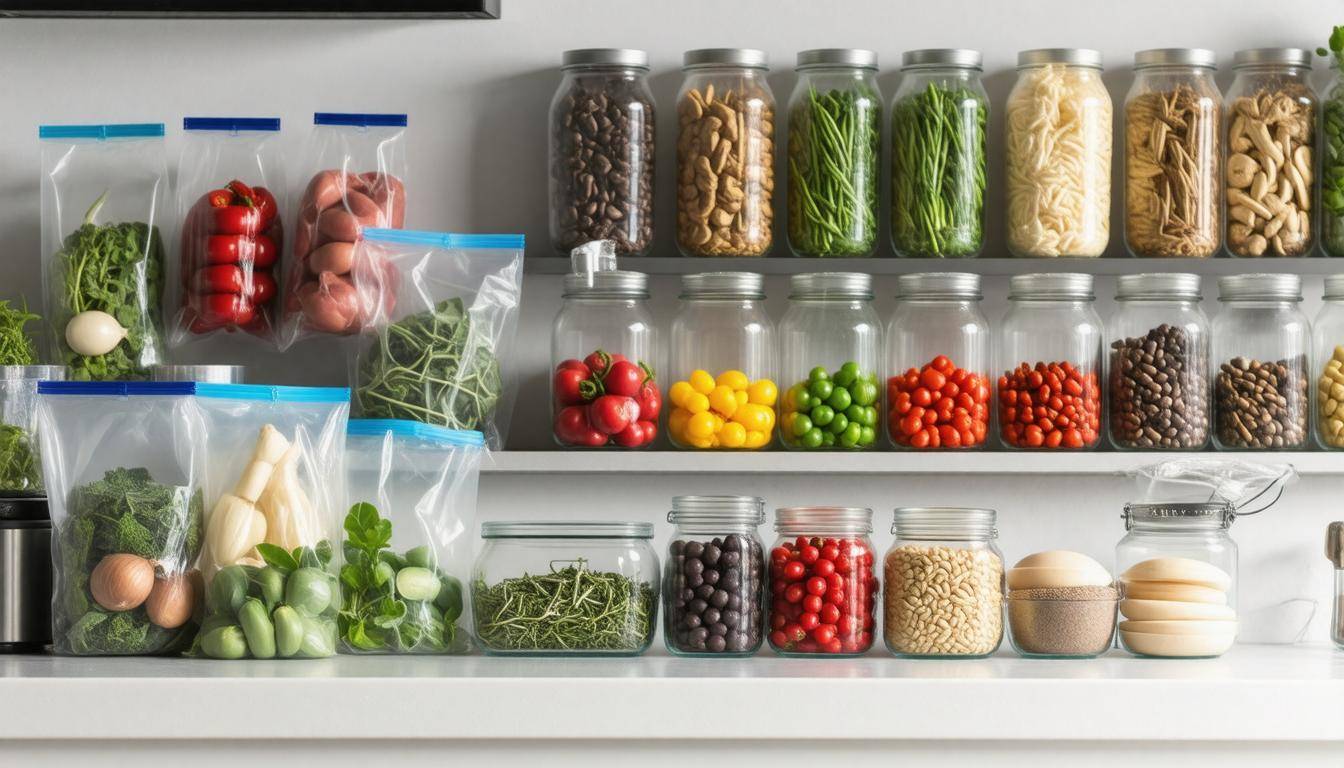
When it comes to drying and dehydration, these methods stand out as economical options for long-term food storage. They work by extracting moisture from foods, significantly prolonging their shelf life. For instance, consider dried fruits like apricots or vegetables such as zucchini; when stored correctly, they can last for up to a year without losing their essence.
Yet, while they are undeniably lightweight and easy to store, an important factor to note is that they may lose some original texture and nutritional value during the dehydration process. Remember, if you’ve ever bitten into a sun-dried tomato, you’ve experienced this transformation firsthand.
Freezing
On the other hand, freezing excels at maintaining food quality. Many foods retain their nutritional content effectively for over a year when kept at appropriate temperatures. Think of the taste of freshly frozen berries added to your morning cereal—delicious!
However, the caveat here is that freezing demands a constant supply of energy. This reliance highlights the vulnerability of frozen foods during power outages; food can suffer from loss of texture or worse, develop freezer burn if not packaged properly. It’s paramount to invest in sturdy, airtight containers or vacuum sealers to ensure your hard work doesn’t go to waste.
Canning
When we shift our focus to canning, we encounter another compelling option. Canning can extend the shelf life of food up to five years by sealing it in an airtight environment which expertly prevents bacterial growth. Imagine those summer tomatoes from your garden transformed into rich marinara sauces that last you through winter!
This method does have its downsides, especially concerning health-conscious eaters. Notably, canning might introduce excessive sodium into your meals—irregular levels depending on how you season—and for those watching their salt intake, this could be a red flag.
Moreover, it’s critical to use proper techniques because improper canning can result in botulism—a severe foodborne illness that no one wants lurking in their pantry.
Given these factors, choosing the right materials for packaging is equally crucial as selecting the right preservation method itself.
The choices you make now will affect both safety and flavor down the line, paving the way for exploring what materials will serve your long-term storage needs best.
Best Materials for Long-Term Storage
When it comes to preserving food effectively, the materials you choose are just as important as the methods you employ. The right packaging ensures that your food remains safe from spoilage and maintains its nutritional value over time. One of the top choices in this realm is food-grade buckets. They’re commonly used for bulk storage, such as grains or beans, and possess remarkable durability.
These buckets often come equipped with air-tight lids, which are crucial in protecting food items from pesky pests, dust, and moisture. Additionally, they can be lined with mylar bags to create a formidable barrier against light and oxygen, both of which can degrade food quality over time.
Food-grade buckets excel at storing various items, including wheat and other grains, legumes, and even dehydrated vegetables. However, while they offer excellent protection, their bulkiness can pose a challenge for those with limited storage space. That’s why organization is key; stacking these buckets or placing them on shelves helps maximize space while keeping your pantry tidy.
Another great option is aluminum foil and tin cans, both of which offer distinct advantages suited to different needs.
Aluminum foil serves as an ideal choice for wrapping smaller portions of food. Its lightweight yet sturdy nature allows you to seal food tightly while preventing air from sneaking in. This attribute is particularly helpful when you’re looking to preserve leftovers or smaller servings of dried snacks.
On the other hand, tin cans have traditionally been used in commercial food packaging. They effectively keep out air and unnecessary contaminants but may not be practical for home use without specialized canning equipment.
Using foil can be a bit more hands-on since it requires careful wrapping to truly protect the contents within. However, it’s versatile for various items and can easily adapt to different portion sizes.
Choosing the right materials like food-grade buckets for bulk items or aluminum foil for smaller portions allows you to tailor your long-term storage strategies.
This meticulous approach sets the stage for understanding storage solutions that involve more durable options capable of safeguarding your food against external elements.
Glass and Metal Containers
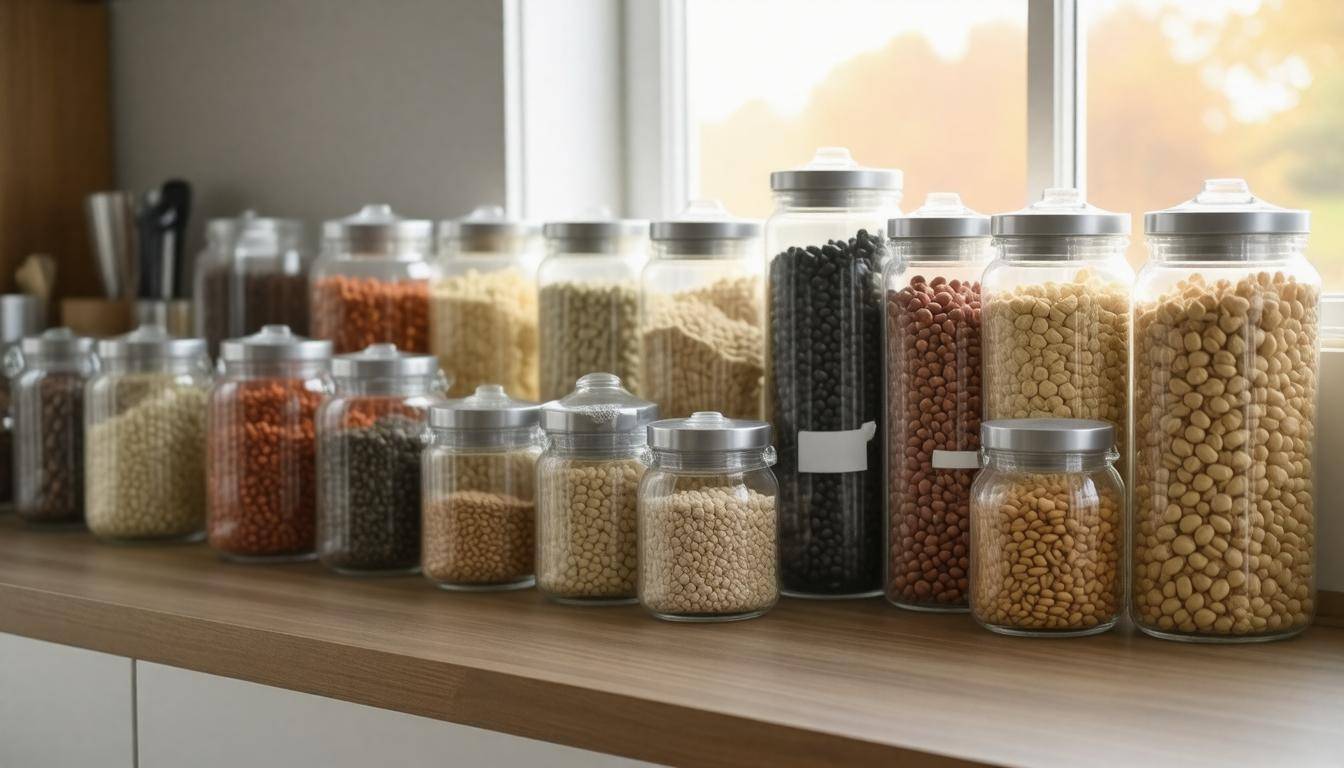
Glass jars are a popular choice for long-term food storage due to their non-reactive nature, making them perfect for acidic foods like tomatoes and pickles. This quality not only prevents chemical reactions with the food but also keeps flavors intact. Additionally, the transparency of glass allows you to visually check the contents, which is both convenient and reassuring. For example, when I open my pantry and see my neatly organized glass jars filled with colorful beans and grains, it brings a sense of satisfaction that plastic just can’t match.
However, it’s critical to handle glass jars carefully. Statistics show that around 30% of home canning mishaps involve broken glass, often resulting from improper handling or thermal shock during the canning process. This highlights the importance of understanding your jars’ limits and ensuring they’re stored correctly in environments where they’re less likely to be bumped or dropped. While glass offers a beautiful aesthetic, its weight becomes an important consideration; if you need to transport these jars, they can quickly become cumbersome. Careful placement during storage is essential to avoid accidents.
But let’s not overlook metal containers, which also offer remarkable benefits for food storage.
Metal containers such as stainless steel and tin are highly durable and serve as excellent protection against rodents, ideal for storing items like nuts, rice, and pasta. One of their standout features is their imperviousness to light; this means there’s less risk of light-induced spoilage for food sensitive to UV rays. Personally, when I think about long-term food storage in a humid environment, metal starts to appear as the better option—it can withstand some rough treatment without cracking like glass would.
Nevertheless, caution should be exercised since metal containers are prone to corrosion over time, particularly in humid conditions. Ensuring they remain dry and clean can greatly prolong their life. Choosing high-quality materials—like rust-resistant stainless steel—can mitigate this risk significantly. It’s also advisable to use airtight seals on metal containers to keep moisture out as well.
Both glass and metal containers have their place in a well-rounded food storage strategy; their unique attributes present various advantages tailored to different needs. Next, we will explore how specific packaging options enhance preservation and convenience for long-term storage solutions.
Mylar Bags and Plastic Options
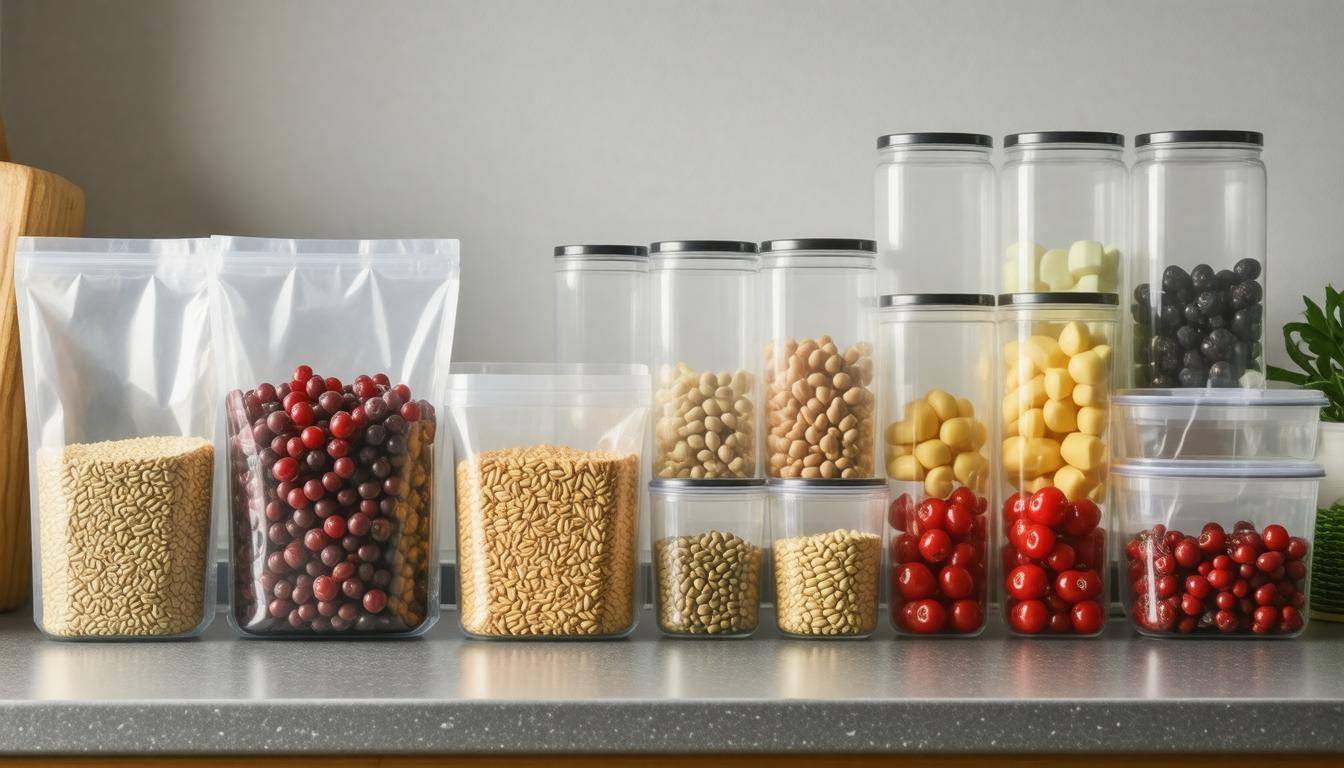
Mylar bags have gained a solid reputation in the realm of long-term food storage due to their remarkable properties. Made from polyester resin, these bags create a formidable barrier against oxygen, effectively extending the shelf life of stored foods. In my own experience, I’ve found that when properly sealed, Mylar bags can keep dried goods like grains, cereals, and spices fresh and flavorful for years. Their oxygen-blocking abilities help prevent oxidation—one of the primary culprits behind spoilage.
With the right sealing equipment, Mylar bags can provide a shelf life of up to 25 years for various dry goods.
While Mylar bags offer exceptional advantages, plastic containers also play a significant role in effective food storage strategies.
Plastic Containers
When it comes to versatility, high-density polyethylene (HDPE) plastic containers shine bright. Their durability makes them an excellent choice for storing bulk items while keeping moisture at bay. However, it’s crucial to remember that not all plastics are created equal; you must ensure that the containers you select are food-grade and BPA-free to avoid harmful chemical leaching into your stored food.
Despite their advantages, beware: HDPE containers are more prone to scratching over time. Scratches can create tiny pockets where bacteria can hide, potentially compromising your stored food’s safety. Regularly inspect your containers for signs of wear and replace them as necessary.
Additionally, consider using airtight sealing methods with these containers to maximize their ability to preserve freshness. By reinforcing the seals with vacuum lids or even repacking your items into smaller containers each time you open them, you’ll further extend their shelf life. It’s essential to maintain clean and organized storage areas because maintaining a dry and well-ventilated environment helps ensure that both Mylar bags and plastic containers perform optimally when it comes to preserving your emergency supplies.
Understanding the strengths and limitations of each option will empower you to make informed decisions when preparing your long-term food storage plans. This knowledge will seamlessly guide you towards innovative approaches that enhance the preservation of your food resources.
Sealing Techniques for Enhanced Freshness
Proper sealing techniques are a cornerstone of effective food preservation. Think about it: when you open a bag of chips, the first thing you typically notice is the fresh scent that wafts out—this aroma comes from air not being allowed in. By using proper sealing methods for long-term storage, you can replicate this same effect for your fruits, vegetables, grains, and more.
Oxygen Absorbers
Oxygen absorbers play an essential role in preserving your food by creating an environment that restricts the presence of oxygen. These small packets effectively remove oxygen from their surroundings, preventing the growth of aerobic pathogens like mold and certain bacteria that thrive in such conditions.
Imagine placing these in a sealed mylar bag filled with dried beans or grains; the items remain fresh for longer periods compared to traditional packaging. However, there’s a catch: you need to use them properly.
Ensure that the packets match the size and type of your food storage; this maximizes their effectiveness and saves resources over time. For instance, storing large quantities of rice may require several absorbers to thoroughly eliminate oxygen throughout the entire container. Ideally, you want to minimize exposure to air as quickly as possible after adding them.
After ensuring your food is safe from bacteria, another robust method to maintain freshness involves heat sealing.
Heat Sealing
Heat sealing is another great sealing technique if you’re serious about long-term food storage. This method creates an airtight seal by applying heat to thermoplastic materials, essentially melting them together so no air can escape or enter. It’s especially effective for both mylar bags and vacuum-sealed bags.
However, there’s a slight barrier to entry: investing in a heat sealer machine can be costly upfront. But don’t let that deter you! Once you’ve made this investment, you’ll find that these machines are quite user-friendly. Just be sure to practice with less valuable items before moving on to more precious foods—you wouldn’t want to risk damaging that expensive cut of meat or a stash of perfectly ripened fruit due to an improper seal.
Mastering sealing techniques is foundational in prolonging not just the life but also the quality of your preserved foods.
With these techniques under your belt, you’re already on your way toward becoming an expert in food preservation. Now, let’s explore more about advanced methods that enhance food longevity and maintain quality during extended storage periods.
Vacuum Sealing Methods
Vacuum sealing is more than just a trendy kitchen gadget; it’s a powerful ally in the quest for long-term food preservation. By completely removing air from the packaging, this technique prevents oxidation and moisture—two common culprits of spoiling food. It’s fascinating to think about how simply eliminating air can lead to such dramatic improvements in longevity. For instance, while fresh meat might only last a few days in the fridge, properly vacuum-sealed frozen meat can last up to three years! With just a little effort, your favorite cut of beef or chicken can be ready for any future meal or occasion.
Table: Storage Duration for Different Foods
| Type of Food | Storage Duration | Notes |
|---|---|---|
| Meats (frozen) | Up to 3 years | Avoid freezer burn with proper seal |
| Dried fruits | Up to 1 year | Store in a dark, cool place |
| Bulk grains | Up to 5 years | Ideal with oxygen absorbers |
Home Vacuum Sealing Machines
Investing in a home vacuum sealing machine can make this process much simpler. Machines like the FoodSaver are user-friendly and designed specifically for household use, equipped with options for sealing both dry and moist foods. A practical tip when using these machines is to ensure that food items are completely dry before sealing. Otherwise, moisture can compromise the integrity of the seal, leading to spoilage. Simple precautions like this can help you avoid unnecessary food waste.
Moreover, it’s not only about having a machine; understanding how it works is essential.
Professional Sealing Methods
For those who are serious about food preservation or operate on a larger scale, exploring professional-grade vacuum sealers might be worthwhile. These machines offer significantly stronger seals compared to standard home versions, making them suitable for larger batches of food—think preparing several portions of homemade soup or sauce at once. However, these systems often come with higher price tags that may not justify the expense for everyday home cooks.
In many cases, these professional tools are seen in commercial operations, where their efficiency outweighs costs. For small household use, they may feel like overkill unless you often find yourself needing to store excessive amounts of food.
Understanding the methods and machinery available is crucial as we explore what kinds of foods can be effectively stored for varying timeframes.
Duration of Storage for Different Foods
Not all foods are created equal when it comes to how long they can be stored. Several factors, including moisture, air exposure, and temperature, play significant roles in determining the longevity of your stored goods. As you explore food storage, it’s essential to recognize that different foods have varying shelf lives even within their optimal packing conditions.
For example, white rice, when packaged correctly in mylar bags with oxygen absorbers, can astonish you with its longevity—lasting up to 30 years! Imagine having a staple ingredient available at such a low cost over several decades—it’s not just practical; it’s a game changer in emergency preparedness.
On the other hand, let’s consider canned vegetables. While they generally hold strong for about 2 to 5 years, relying on canned goods requires a closer check on expiration dates and any signs of spoilage. This can include bulging lids or rusting—anything that may indicate the contents are no longer safe to consume.
Meanwhile, nuts present another interesting case; although they are incredibly nutritious, their natural oils make them susceptible to rancidity. Vacuum-sealed bags can extend their storage life to about two years, but one should always do a smell test before consumption.
According to the USDA, dried beans offer an impressive range when it comes to longevity, maintaining their nutritional value anywhere between 10 and 30 years. Nevertheless, keep in mind that these beans may require longer soaking times as they age. It’s worth being mindful of how the duration impacts food preparation as well.
To ensure you’re making the most out of your food packaging efforts, consider evaluating not just what you’re storing but also how often you rotate through your supplies. Regular checks every few months might seem like a chore, but they’ll help you maintain freshness and safety in your pantry. Focus on meals or recipes that allow you to use older items efficiently while replenishing your stock with newer provisions.
Successful long-term food storage isn’t merely about putting things away; it’s also about understanding which foods are worth keeping for the long haul and how best to manage them. Knowing the durations helps you plan your meals appropriately while ensuring that when tough situations arise—like natural disasters—you have access to nutritious food that won’t compromise your health or safety.
As we progress on this journey of preserving food quality, there are further strategies that can enhance your approach and elevate your methods.
Additional Tips for Quality Preservation
For optimal preservation quality, it’s crucial to implement several strategies that protect your food from spoilage while ensuring that it remains safe for consumption.
-
Cool, Dark Storage Locations: Always store food in areas where the temperature consistently ranges between 50°F and 70°F. This helps mitigate risks associated with spoilage such as mold growth, rancidity, or other unpredictable deterioration. Remember, heat and light can rapidly degrade food items; think of your food like a nostalgic keepsake—the less exposure to harsh environments, the longer it stays cherished.
-
Regular Inspection: Just like a good detective reviews evidence, you should routinely check your stored foods—every six months is a great benchmark. Look for signs of spoilage like unusual odors or discoloration and don’t ignore rusted or bulging canned goods. These warning signs are crucial indicators that something may be amiss. A quick inspection can help you catch problems early and prevent loss.
-
Rotation System: Having an organized rotation system ensures that older stock is consumed first, much like a library checks out its oldest books first. Adopt a “first in, first out” approach to your inventory; this means placing newer items behind older ones on your shelves. Not only does this reduce waste, but it also simplifies meal planning because you’re always using what’s nearing its expiration date.
In addition to these foundational methods, consider utilizing vacuum sealing for items like meats and vegetables. Removing air can prevent freezer burn and significantly prolong shelf life—by as much as 2 to 3 years! When storing dry goods such as grains and legumes, opt for airtight containers or Mylar bags combined with oxygen absorbers; this dual layer of protection goes a long way in safeguarding your supplies from moisture.
Label every package clearly with the date of storage. Food can lose quality over time, and proper labeling will assist you in tracking freshness effectively so nothing gets forgotten at the back of your pantry.
Following these tips is not just about preserving food; it’s about ensuring peace of mind when confronting unforeseen circumstances. By taking these preventive measures, you can be fully prepared for whatever comes your way, maintaining both safety and quality in your food supplies.
What types of materials are best suited for long-term food storage?
The best materials for long-term food storage include Mylar bags, vacuum-sealed containers, glass jars with airtight lids, and food-grade buckets. Mylar bags are excellent for protecting against light and moisture, while vacuum sealing removes air to prevent oxidation. Glass jars maintain an airtight seal and are reusable, making them environmentally friendly. According to research, properly stored foods can last 20 to 30 years when using these methods, significantly extending their shelf life compared to standard packaging options.
How do different food types require unique packaging techniques for optimal preservation?
Different food types require unique packaging techniques to address their specific preservation needs, as each type of food has distinct moisture levels, oxygen requirements, and susceptibility to spoilage. For example, dry goods like grains are best stored in airtight containers to prevent moisture absorption, while perishable items such as fruits and vegetables benefit from breathable packaging that allows ethylene gas to escape, extending shelf life. Statistics show that properly packaged dried foods can last up to 25 years if stored correctly, while vacuum-sealed meats can remain fresh for 1-3 years in the freezer. This tailored approach ensures optimal preservation and reduces food waste significantly.
How does improper food packaging affect food safety and quality over time?
Improper food packaging can lead to contamination, spoilage, and loss of nutritional quality over time. For instance, exposure to air and moisture can accelerate oxidation and microbial growth, resulting in foodborne illnesses and significant waste—statistics show that nearly 30% of food is wasted due to improper storage methods. Moreover, inadequate sealing can introduce pests and bacteria, further compromising safety and taste. Investing in proper packaging techniques is essential for maintaining both the quality and safety of stored foods.
Are there any environmentally friendly options for long-term food packaging?
Yes, there are several environmentally friendly options for long-term food packaging, such as biodegradable bags made from plant materials, glass jars, and metal containers. According to a 2021 study, biodegradable packaging can reduce plastic waste by up to 60% in landfills when composted properly. Additionally, using reusable containers not only minimizes single-use plastic but also conserves resources significantly; for instance, switching to glass can cut down on the carbon footprint by approximately 35% compared to traditional plastic. These sustainable methods provide effective storage while being kinder to the planet.
What role does vacuum sealing play in extending the shelf life of food?
Vacuum sealing plays a crucial role in extending the shelf life of food by removing air, which significantly reduces the growth of bacteria and molds that thrive in oxygen-rich environments. Studies have shown that vacuum-sealed foods can last 3 to 5 times longer than those stored conventionally; for example, vacuum-sealed fruits and vegetables can remain fresh for up to two weeks compared to just a few days under normal storage conditions. This method also helps preserve nutritional value and flavor, making it an essential technique for long-term food storage.