
In recent years, wildfires have forced many to confront the potentially devastating risks they pose to homes and communities. Imagine waking up to the smell of smoke, realizing your family may need to evacuate at a moment’s notice. Preparing for such situations might not be on everyone’s to-do list, but having a Forest Wildfire Defense Kit can make all the difference when urgency strikes. This article will guide you through crafting a kit that covers everything from essential safety gear to strategies for effectively safeguarding your family and home against wildfires. With a little planning, you can face wildfires with confidence and readiness, ensuring you’re not left scrambling when every second counts.
The Forest Wildfire Defense Kit complete checklist should include essential items such as water and a filter, a first aid kit, multi-tools or knives, firemaking tools, sunscreen, and flexible utility items like bandanas and duct tape. Additionally, it is important to consider including breathing apparatuses, decent boots, rain ponchos, and long-term preparedness supplies like seeds for regrowth after a wildfire.
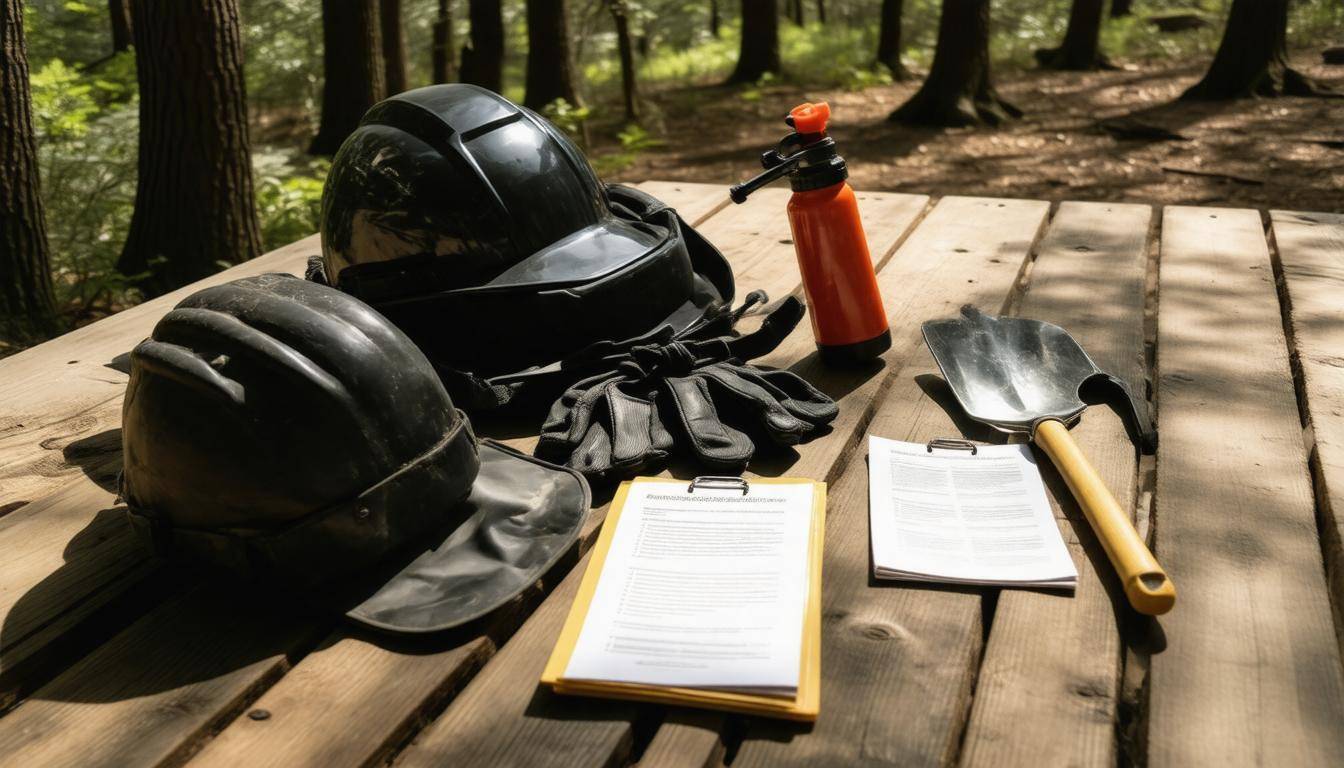
Essential Safety Gear
Safety gear isn’t just a precaution; it’s your first line of defense in protecting yourself and your loved ones during wildfire events. The right equipment can make a tremendous difference when it comes to your health, comfort, and safety while navigating smoky environments or evacuating from dangerous situations.
Breathing Apparatus
One of the most critical items in your wildfire preparedness kit is a high-quality breathing apparatus. I recommend investing in either an N95 mask or a P100 respirator. These masks are designed to filter out harmful airborne particles that can aggravate respiratory conditions and expose you to toxins released during a fire.
For instance, during the catastrophic 2020 California wildfires, many residents struggled with severe respiratory issues due to poor air quality from smoke and particulate matter. In contrast, those equipped with proper masks reported significantly fewer health complications. This underscores the importance of having reliable breathing protection at your disposal.
Fire-Resistant Clothing
Another vital part of your preparation should be flame-resistant clothing. Made from specialized materials like Nomex or Kevlar, these garments are engineered to protect against extreme heat and flames. Wildfires create unpredictable conditions—where embers can land unexpectedly—so wearing such clothing can help insulate you from intense temperatures.
Consider how firefighters wear these materials not just for style, but because they know how effective they are in real-life scenarios. These fabrics are rigorously tested under controlled conditions to ensure they can withstand fire exposure without melting or igniting, making them ideal for anyone near active fire zones or responding to an emergency.
As we shift focus from individual protection gear to essential items for maximizing security and readiness, let’s examine what tools and supplies will bolster your defenses against wildfire threats.
Tools and Supplies
When it comes to preparing for wildfire situations, practical tools and supplies play a crucial role in both immediate firefighting efforts and long-term survival. Having the essentials at your fingertips can make a world of difference.
For instance, carrying at least one gallon of water per person per day ensures hydration during intense physical activity while serving as a firefighting resource. Adding portable water filters like Sawyer Squeeze or LifeStraw to your gear can significantly enhance access to clean drinking water. Dehydration poses serious risks during prolonged emergencies, as cited by the American Red Cross, so keeping these hydration tools handy isn’t just smart—it’s essential.
But hydration is just one aspect of being prepared; let’s explore other critical supplies that can aid in your survival.
Multi-Tool and Knife
A multi-tool can be likened to having a toolbox in your pocket; it dramatically expands your capabilities in emergencies. The Leatherman Wave, for example, is equipped with various implements such as knives for cutting, pliers for gripping, and screwdrivers for repairs. This versatility means you can tackle multiple tasks without needing an entire array of cumbersome tools. In scenarios where every second counts, pulling out a multi-tool could determine how smoothly you manage a situation.
An important part of any emergency kit is how you can start a fire.
Fire-Making Tools
Think of fire-making tools as modern-day matchsticks; they serve as lifelines when warm meals or comfort are needed. Whether you’re cooking food or seeking warmth, having reliable fire-starting kits can significantly enhance your survival odds in the wilderness. Including fire starters, waterproof matches, and lighters in your toolkit makes starting a fire as effortless as possible.
- Fire-making tools (e.g., striker kits, matches)
- Multi-tool/Knife
- Water filter
- Water containers (1 gallon per person per day)
While equipping yourself with these crucial tools lays an excellent foundation for safety, creating a protective perimeter around your home also plays a significant role in mitigating fire risks.
Defensible Space Creation
Defensible space serves as a protective buffer around your home that mitigates the threat of wildfires. Imagine it as a shield between your property and encroaching flames. This area helps slow or even halt the spread of fire while preventing embers from igniting your home. It’s not just about having an aesthetically pleasing yard; it’s about giving your property a fighting chance against the unpredictable nature of wildfires.
Zone 0 (0-5 feet)
The area closest to your home, known as Zone 0, requires the most attention. Here, you’re looking at the first five feet surrounding your house, where you need to utilize fire-resistant materials like gravel or concrete. These materials act as barriers against flames and flying embers. Regularly clearing away any debris, such as leaves and twigs that can ignite easily, is crucial. Think of it like keeping the perimeter of a fortress clear—without any combustible materials, you’re significantly reducing fire risks right at the line of engagement.
Zone 1 (5-30 feet)
Moving slightly outward to Zone 1, which extends from five to thirty feet away from your house, the focus shifts from hardscaping to managing vegetation density. It’s essential to ensure plants are adequately spaced apart; this prevents fire from climbing across shrubs or trees towards your home. Keeping these plants healthy can have significant benefits—according to CAL FIRE, maintaining a well-kept Zone 1 can reduce property loss by more than 50% during wildfire events. Regular maintenance is key; check often for any dead or dry vegetation, which can serve as fuel, and remove it promptly.
Zone 2 (30-100 feet)
Finally, in Zone 2, extending out from thirty to one hundred feet away from your property line, you’ll want to mow grass down to a maximum height of four inches. It might feel like a lot of work, but think of it as taming an unruly wilderness into a well-managed estate—this space plays a vital role in slowing a fire’s advance. Additionally, ensure proper spacing between individual trees and shrubs in this zone. This spacing reduces the likelihood that flames will leap from one plant to another, creating an uncontainable fire front.
As we continue our discussion on fire safety initiatives, understanding effective vegetation management practices will further enhance your property’s defenses against wildfire threats.
Vegetation Management
Managing the plants and trees near your home is more than an aesthetic choice; it is a vital step in safeguarding your property from potential wildfires. Think of it as creating a protective barrier. By carefully curating the types of vegetation you have and how you maintain them, you can significantly reduce fire hazards that could threaten your family and home.
Targeting Flammable Plants
One significant part of vegetation management is to proactively remove highly flammable plants. Species like juniper, pine, and eucalyptus are notorious for their ability to ignite quickly and spread flames rapidly. In fact, according to a report from the National Fire Protection Association, these types of plants can increase the risk of fire by up to 75%. Not only should you think about removing existing plant life that poses these risks, but also consider planting drought-resistant species that are less prone to ignite—think of fire-resistant shrubs like manzanita or low-growing herbs that create a stable ground cover.
Imagine standing in your yard and seeing lush greenery that not only beautifies your space but also serves as a buffer against fire dangers. This transformation can provide peace of mind while enhancing the natural landscape around your home.
Regular Maintenance
Regular maintenance should not be underestimated. This means not just seasonal trimming but also an ongoing commitment to keeping your outdoor space safe. Trimming trees and shrubs helps prevent branches from overhanging roofs and porch areas where embers might ignite a flame. Be sure to clear away dead leaves and branches regularly.
A well-maintained yard isn’t just pleasing to the eye; it’s an essential part of wildfire preparedness.
Take time at least biweekly to check for any dry twigs or brown leaves lingering in corners or hidden crevices. While this may sound simple, neglecting these small tasks can lead to a buildup of flammable materials in areas where fires could easily start. Establish a schedule in conjunction with local seasons; for instance, right before high winds or dry months are particularly good times for thorough checks.
While maintaining vegetation around your home is critical, establishing robust procedures for when evacuation becomes necessary is equally important for ensuring safety during emergencies and further strengthens your overall preparedness against wildfires.
Evacuation Planning
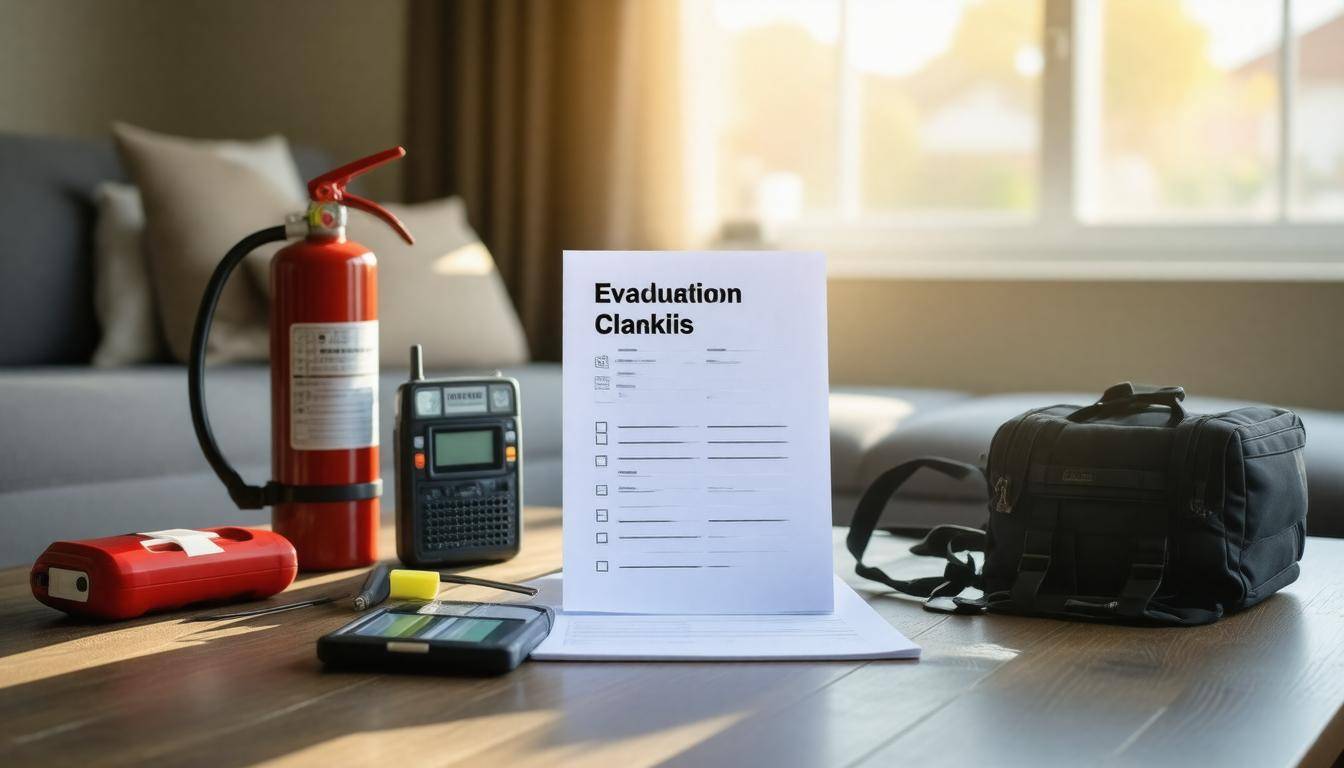
A well-thought-out evacuation plan can save lives during emergencies like wildfires. To ensure success, start by mapping out multiple escape routes from your home. Don’t solely rely on electronic devices, as they may fail. Instead, invest time in marking these routes on a physical map that everyone in your household understands. Having alternatives is critical; during the Camp Fire in 2018, many residents faced severe congestion on primary routes, leading to delays. Knowledge of lesser-known paths could make the difference between safety and disaster.
Know Your Routes
When planning these routes, consider factors such as potential roadblocks or areas prone to high fire activity. Discuss these routes with family members so that everyone knows their options. It’s worthwhile to drive these routes during good weather, if possible, to familiarize yourself with them. This practice allows you to assess whether your escape route could unexpectedly be blocked by fallen trees or debris.
Now that you’ve identified your routes, keeping communication lines open during emergencies is equally important.
Emergency Contacts
As you prepare for wildfire season, make a list of emergency contacts, including local fire departments and community resources that could prove invaluable during crises. Keep this list easily accessible—saved physically in your defense kit or posted prominently in your home. Include contacts for family members who might not be home during an emergency; extending this list to close friends and neighbors can assist coordination efforts.
In addition to helplines and safety numbers, consider plugging in numbers for mental health resources. These provide emotional support not just for individuals directly affected but also for families facing the stress of evacuation and uncertainty.
Knowing your routes and having a contact list is only effective if you’ve practiced executing the plan.
Evacuation Drills
Practicing your evacuation plan through drills is vital—aim for twice a year if possible. According to a survey conducted by the Federal Emergency Management Agency (FEMA), families who practiced drills were 50% more likely to evacuate safely compared to those who did not. This statistic emphasizes how preparation fosters confidence amidst chaos.
In your practice drills, incorporate every aspect of the evacuation process. Timing how long it takes to gather essential items can help gauge how much time you’ll need when an actual evacuation is called. Ensure each family member understands their responsibilities—this includes gathering pets, grabbing your emergency bag packed with necessities like medication and important documentation, and knowing where to go once you’ve left home.
With a solid plan in place, understanding how to utilize your defense kit effectively will ensure you’re fully prepared should an evacuation occur.
Using Your Defense Kit
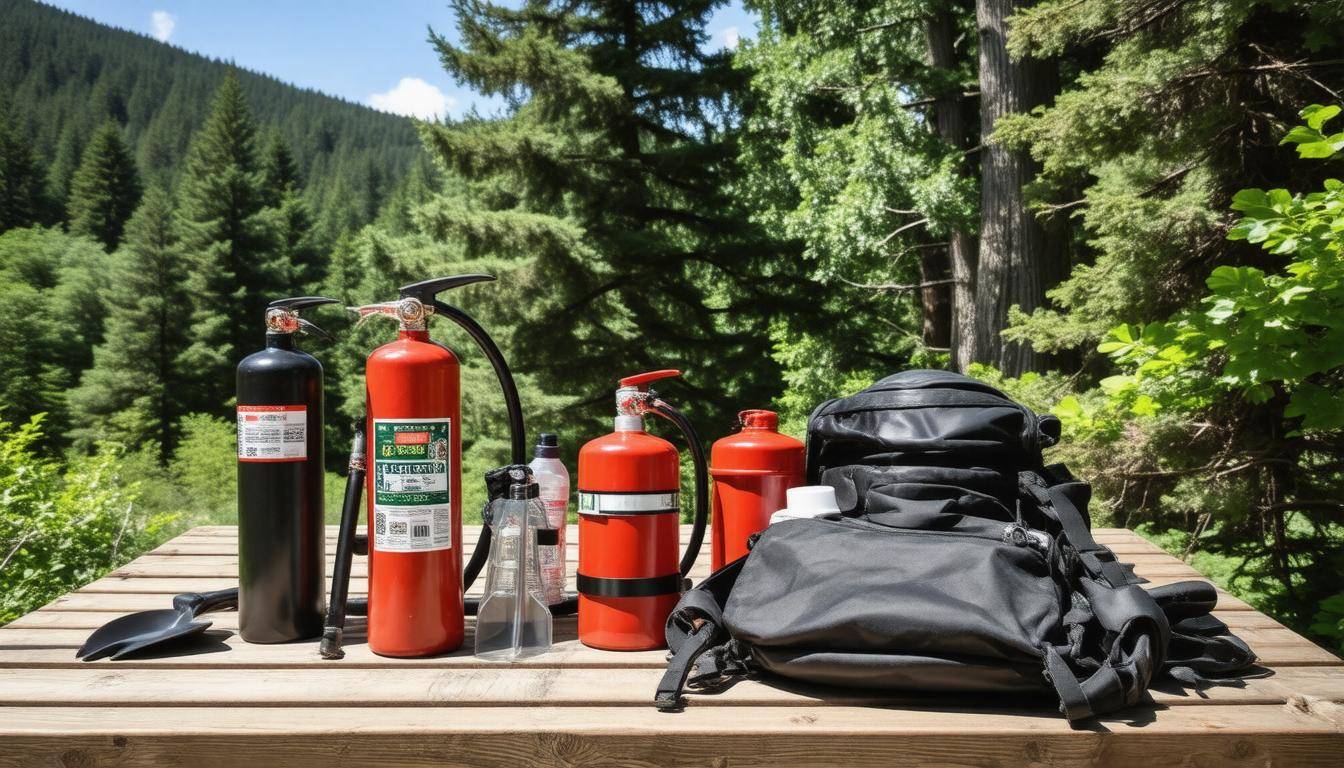
Effective use of your defense kit can make a significant difference. It begins with understanding that every piece of equipment has a purpose and knowing how to implement it effectively. This preparation is not merely about having the tools at hand; it’s about having the confidence and knowledge to use them when it counts.
Step-by-Step Kit Utilization
The first step to utilizing your defense kit effectively is to assemble fast. In a crisis, time is of the essence. To facilitate quick access, gather all your items in one designated spot. A well-organized go-bag, filled with essential items such as water, first aid supplies, and a flashlight, will alleviate any panic when urgency strikes. Think of it like preparing for a big race—having everything ready ensures you’re not scrambling at the last minute, which allows you to focus on what really matters: keeping safe.
Step 1 – Assemble Fast
As you pack your go-bag, remember that lightweight yet durable materials are key. Items like a portable water filter or compact first-aid kits save space without compromising quality. Check to ensure that everything is functional and easy to access; that flashlight should be in working order and easy to find even in low visibility.
Step 2 – Prioritize Safety Gear
Next comes prioritizing safety gear, which holds paramount importance in any wildfire situation. Before taking any further action, equip yourself with your breathing apparatus and fire-resistant clothing. These protective layers are designed to shield you from scorching heat and smoke inhalation, both of which pose significant health risks during an emergency. Think of this as donning armor before heading into battle; it prepares you physically and mentally for the task at hand.
Step 3 – Activate Tools
With your safety gear securely in place, it’s time to activate your tools strategically. For example, a multi-tool can be invaluable—capable of cutting away barriers like branches or debris in your escape path. However, remember that each tool has its own set of strengths; a shovel could help create firebreaks in certain scenarios while a hose may be necessary if water sources are nearby. This brings us back to planning: understanding when and how to deploy each piece of equipment greatly increases efficiency during critical moments.
While understanding how to use your gear is crucial for individual safety measures, you must also consider strategies to ensure the welfare of those closest to you as you prepare for potential wildfires ahead.
Family Protection Strategies
Ensuring your family’s safety requires coordination and clear communication. Having a structured plan in place can make all the difference when disaster strikes. One of the first steps is establishing safe meeting points. These should be designated spots both within your neighborhood and outside it. Imagine you’re separated; having previously identified locations where everyone knows to go can prevent confusion and anxiety. This strategy allows you to quickly gather together and assess your situation calmly.
It is essential that everyone in the family knows these meeting points—consider locations like a neighbor’s house, a park, or even a local grocery store that is familiar to everyone. By involving everyone in the decision-making process, you build a sense of ownership and confidence in the preparedness plan.
Next, we need to discuss communication plans. In an emergency, keeping in touch becomes crucial. While everyone may think texting might be the best idea, in reality, phone lines could be overwhelmed. Therefore, consider including out-of-state contacts as part of your emergency network, designating someone who lives far away whom each family member can check-in with if local calls aren’t going through.
Incorporating out-of-state contacts adds an additional layer of reassurance, acting as a helpful conduit for information during chaos.
Additionally, devising specific strategies for child and pet safety must take precedence. Children should be involved in the planning phases so they understand what to do if there is an evacuation order. When kids are part of the drills, they are likely to respond better under pressure. You might also have a special “go-bag” prepared for each child that includes essentials – think of items like snacks, important documents, and even comfort toys that can help ease their minds.
Similarly, pets are part of the family and their well-being must not be overlooked. It’s wise to create a separate evacuation plan just for your animals. Ensure that all pets have identification tags on their collars and consider microchipping them for added security. Involving your pets in practice drills keeps them accustomed to the idea of moving quickly – it can be unsettling for them otherwise.
While these strategies emphasize protecting loved ones, maintaining a secure environment at home is equally vital as we focus on enhancing overall preparedness.
Home Safety Measures
Making your home more fire-resistant can significantly enhance your chances of survival should a wildfire approach. One primary way to do this is by incorporating fire-resistant materials into your home’s construction. Consider using metal roofs or fiber-cement siding; these materials not only withstand higher temperatures but also resist ignition from flying embers. If you really want to take it up a notch, think about adding fireproof shutters that can close off windows at crucial moments, shielding them from direct heat and flames.
Moreover, installing a sprinkler system can be a game changer. Research shows that having a home sprinkler system can reduce property loss due to fires by up to 80%. Envision this: while the wildfires rage outside, your home’s fire sprinklers are working diligently to keep flames at bay and protect your valuable assets. If you have an outdoor sprinkler system, they can douse any flames that come too close, providing a buffer against fierce elements.
Now that we’ve laid down some fundamental building blocks for safety, let’s talk about regular maintenance and inspections.
It’s essential to maintain a proactive stance in preventing potential disaster. Regularly inspecting and maintaining your home’s perimeter is vital for fire prevention. Pay extra attention to gutters and vents where leaves and debris can accumulate, acting as kindling for any stray sparks or embers. During dry seasons, make it a point to clear out gutters regularly, as wildfire conditions often arise suddenly and without warning. By keeping these areas clean, you drastically decrease the chances of embers igniting new fires within your vicinity.
| Measure | Description | Benefit |
|---|---|---|
| Fire-Resistant Materials | Use materials like metal roofs and fiber-cement siding | Reduces ignition risk |
| Home Sprinkler Systems | Install sprinkler systems inside and outside | Controls small fires |
| Regular Inspections | Check gutters, rooftops, and vents regularly | Prevents ember ignition |
Remember that preparedness doesn’t stop with just having the right materials or systems in place; it also involves consistent action on your part. Adopting these measures will go a long way toward creating a protective envelope around your home—one that safeguards your property and could save lives during unpredictable wildfire seasons.
Incorporating these strategies will significantly increase your home’s resilience against wildfires while ensuring you and your loved ones remain safe in perilous times.
What maintenance practices should be followed for the items in a wildfire defense kit?
Regular maintenance practices for items in a wildfire defense kit include checking and replacing expired items, ensuring that fire extinguishers are fully charged and inspected annually, testing smoke detectors monthly, and keeping tools like shovels and rakes in good working condition. Additionally, it’s crucial to periodically review your kit’s contents for relevance and effectiveness, as wildfires can evolve with changing environmental conditions; studies show that 60% of homeowners who prepare a wildfire defense plan significantly increase their chances of protecting their property.
How can community engagement enhance the effectiveness of individual wildfire defense kits?
Community engagement enhances the effectiveness of individual wildfire defense kits by fostering collaboration, knowledge sharing, and resource pooling. When communities come together to prepare for wildfires, they can organize training sessions and workshops that educate residents on best practices for fire prevention and evacuation planning. According to studies, communities with strong social networks are 25% more effective in implementing safety measures and responding to emergencies. This collective preparedness not only increases individual awareness but also creates a stronger defensive front against potential wildfires, ensuring that resources and information are readily available when needed most.
How can a Forest Wildfire Defense Kit effectively reduce the risk of home destruction?
A Forest Wildfire Defense Kit can significantly reduce the risk of home destruction by equipping homeowners with essential tools and materials to create defensible space around their properties. By adhering to guidelines such as maintaining a 30-foot buffer of cleared vegetation, homes have been shown to be up to 90% less likely to catch fire. Additionally, having items like fire-retardant gels, hoses, and emergency communication devices allows for quick response during a wildfire event, enhancing overall preparedness and potentially saving lives and property.
Are there regional differences in recommended items for wildfire preparedness?
Yes, there are regional differences in recommended items for wildfire preparedness due to varying climate conditions, vegetation types, and local regulations. For example, areas like California often emphasize creating defensible space with fire-resistant plants and materials, while regions in the Pacific Northwest may focus more on equipment for dealing with wet weather and damp vegetation. According to the National Fire Protection Association, communities in high-risk wildfire areas should consider tools like rakes and shovels, whereas urban settings might prioritize emergency kits or evacuation plans. Tailoring preparedness strategies to specific regional needs can significantly enhance safety and resilience against wildfires.
What items should be included in a Forest Wildfire Defense Kit?
A Forest Wildfire Defense Kit should include essential items such as a fire extinguisher, shovels and rakes for creating defensible space, a sturdy hose with a nozzle, a first aid kit, and goggles or masks to protect against smoke inhalation. In recent years, wildfires have been increasing in frequency and intensity, with over 50 million acres burned annually in the U.S. alone (as of 2023). Preparedness can significantly reduce risk and damage; studies show that homes located within defensible spaces have a much higher survival rate during wildfires.