
In an unpredictable world, being prepared for emergencies is essential. Think about those unexpected moments when life throws a curveball—whether it’s a sudden storm, an evacuation notice, or even a power outage. Having a well-stocked go-bag ready can make all the difference and offer peace of mind. This article will guide you through the must-have items for a 72-hour survival checklist, giving you the confidence to handle whatever challenges come your way. Let’s dive into what you need so you can feel ready for anything life may bring!
A complete 72-hour go-bag checklist should include water (one gallon per person per day), non-perishable food, a first aid kit, a flashlight with extra batteries, an emergency radio, and personal hygiene items. Additionally, consider including clothing appropriate for the climate, any necessary prescription medications, and important documents in a waterproof bag for comprehensive preparedness.
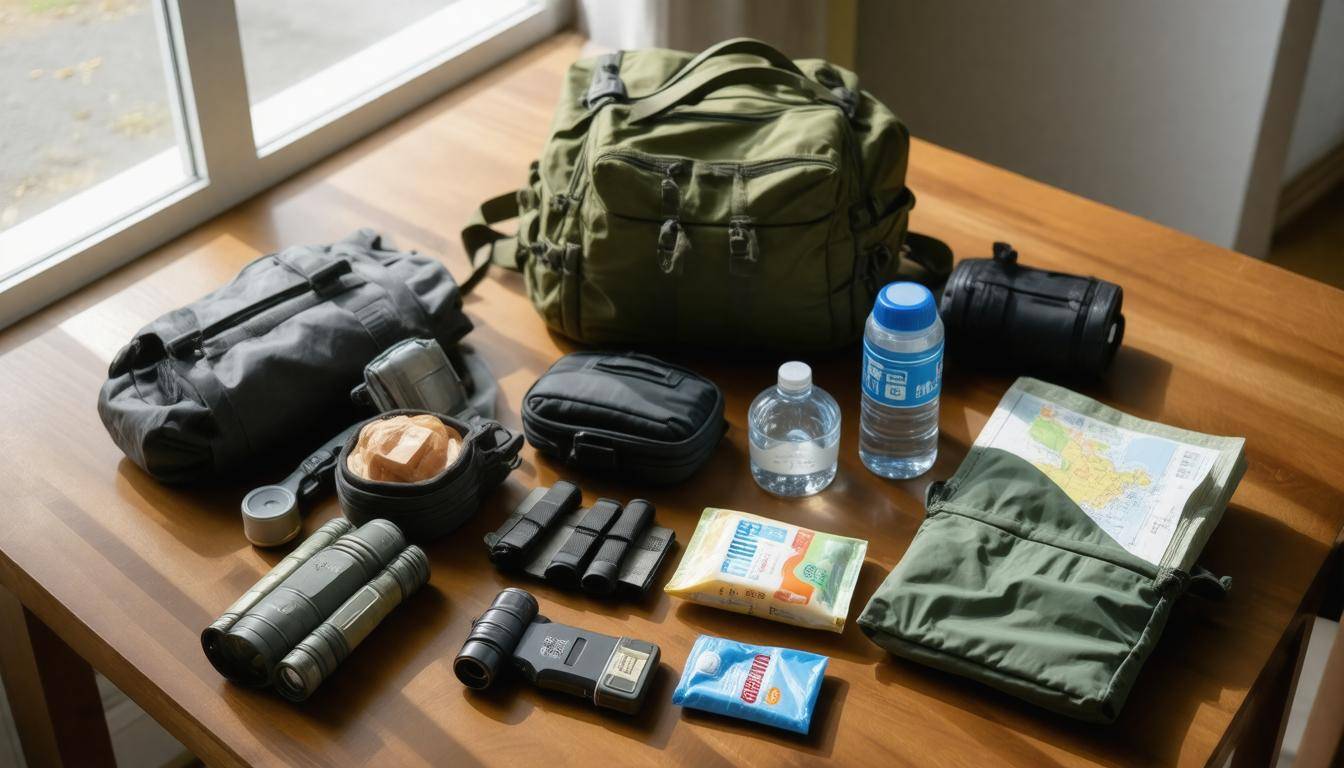
Essential Go-Bag Items
First and foremost, let’s talk about water, the lifeline during any disaster. The recommendation is straightforward: pack one gallon of water per person per day. This not only covers drinking needs but also basic hygiene and sanitation. The Centers for Disease Control and Prevention (CDC) starkly reminds us that human survival hinges on water, typically lasting about three days without it. To ensure you’re well-prepared, consider including an extra gallon or two to account for pets or unexpected needs, turning a simple necessity into proactive foresight.
Next to water, we have food, which plays an equally vital role in maintaining energy and morale during stressful times.
When it comes to food, think non-perishable and easy to prepare. It’s recommended to gather items like energy bars, canned goods, and freeze-dried meals which can last long and be consumed on the go. The goal is to provide each person with at least 2,000 calories per day. Including a manual can opener in your kit is indispensable because nothing is worse than being stuck with a can of beans and no way to open it!
Now let’s shift our focus from nourishment to how you’ll stay informed during emergencies—this is where communication devices come into play.
A battery-operated or hand-crank radio becomes essential when phone lines and internet service may fail. An excellent option is NOAA Weather Radios equipped with tone alerts that keep you updated on weather conditions and emergency broadcasts. Imagine being able to hear crucial announcements while others may be left in the dark, giving you an advantage in planning your next moves during a disaster.
Beyond these essentials, think about hygiene products as well—these are often overlooked yet play a vital role in personal comfort during stressful situations. A small toiletry kit containing travel-size items such as toothbrushes, toothpaste, wet wipes, and sanitary supplies goes a long way toward preventing unnecessary discomfort or health issues while you’re on the move.
As you finalize your Go Bag contents, don’t forget the importance of carrying medical supplies that cater specifically to your family’s needs.
Your first aid kit should contain basics like bandages, antiseptics, and pain relief medications; however, don’t stop there. It’s wise to include any prescription medications your family members need along with a list detailing their dosages and purposes. In emergencies, every second counts; having these essentials right at your fingertips could make all the difference between maintaining well-being and facing debilitating health issues.
We’ll now cover less obvious yet equally critical items that can enhance readiness in any situation.
Additional items such as flashlights with spare batteries provide essential lighting if power is lost. The importance of signaling devices like whistles cannot be overstated; a whistle can carry sound much farther than your voice can during chaotic moments. Dust masks should likewise figure into your kit—they protect against inhaling debris from damaged surroundings or dust stirred up by evacuation efforts.
Every item added to your Go Bag enhances the safety net you’ll want in place during emergencies. Regularly checking these items—ensuring everything is fresh and functional—is vital in keeping your supplies ready for action whenever disaster strikes. Now let’s explore what specific supplies will sustain you during those critical hours ahead.
Food and Water Supplies
When it comes to a go-bag, sustenance isn’t just a consideration—it’s an absolute necessity. In situations where every minute counts, having the right food and adequate water supplies is crucial for maintaining your energy and health over an extended period.
As a general rule of thumb, you should pack one gallon of water per person per day. This means for a 72-hour emergency, you’re looking at a total of at least three gallons per person. While this might seem like a lot, remember that you’ll need it not only for drinking but also for sanitation purposes—so it’s better to be prepared than under-equipped.
To enhance your water supply further, consider including water purification tablets or investing in a portable water filter like the LifeStraw, which can clean up to 1,000 gallons of water. During an emergency, access to fresh water may become limited or compromised; having these tools allows you to filter potentially unsafe water sources—which can provide peace of mind if your bottled water runs out. Imagine being stranded with limited resources yet having the capability to purify nearby water bodies—that’s what preparation is all about!
Water
Besides simply storing the necessary amount of water, it’s important to regularly check those supplies. Water bottles can degrade, especially when exposed to heat or sunlight over long periods. Ensure you replace them at least once a year to maintain their purity. Furthermore, label each container with the date you stored it; this simple act can remind you when it’s time for a refresh.
Food
Now turning our attention to food: when selecting items for your go-bag, think non-perishable and nutrient-dense. This could include packing energy bars, canned tuna or chicken, instant oatmeal packets, trail mix, freeze-dried meals, and even peanut butter—each providing essential calories without requiring refrigeration.
These choices not only sustain energy levels but also offer variety during trying times. Here’s a shortlist:
- Energy bars
- Canned tuna or chicken
- Instant oatmeal packets
- Trail mix
- Freeze-dried meals
- Peanut butter
Reflecting back on experiences, one survivor from Hurricane Sandy remarked on how indispensable their go-bag’s freeze-dried meals were during their ordeal. Not only did they find these meals nourishing—but they also required little effort to prepare as they needed just boiling water—a far simpler task compared to creating complex dishes with limited resources around.
When considering your food supplies, think about ease of preparation alongside nutritional value. Foods that can be eaten cold or those that require minimal cooking options will serve you best during emergencies when every second counts.
While securing the right food and hydration supplies is critical for survival, additional essentials like shelter and lighting play crucial roles as well in dire situations.
Portable Shelter and Lighting
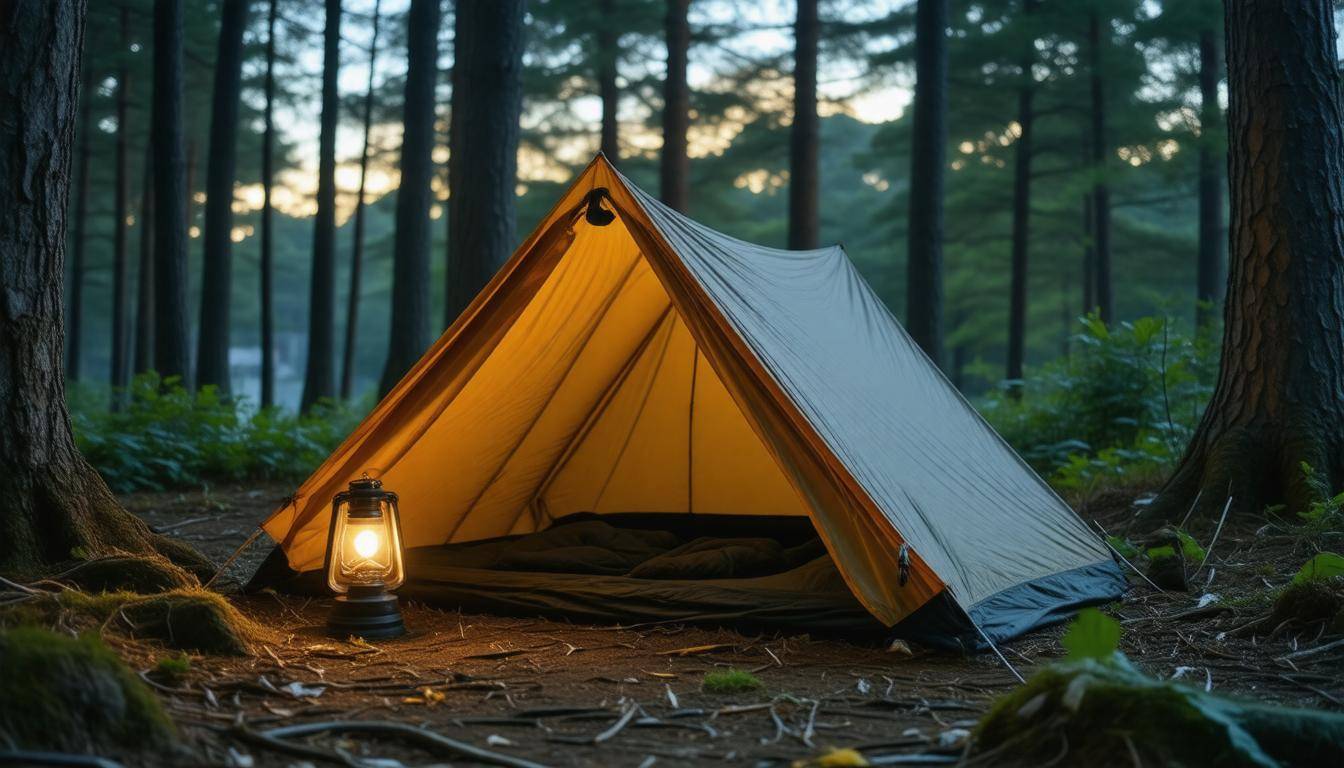
When it comes to emergencies, having a portable shelter can make all the difference. Imagine finding yourself outside in unpredictable weather, whether it’s rain, snow, or harsh winds. This is where a lightweight tent or an emergency bivvy comes into play. A good option is the SOL Emergency Bivvy, which is compact and easy to carry and features a reflective coating that preserves up to 90% of your body heat. Just think about it: you might be using all of your precious energy trying to keep warm, and having a tool that helps mitigate that loss can be essential in emergencies.
Packing smart doesn’t mean compromising on comfort or safety; several lightweight options exist that won’t weigh you down.
Light is another crucial element that cannot be overlooked. In situations where you might be without power for extended periods, having adequate lighting sources such as LED flashlights or headlamps is vital. They provide illumination and ensure you can navigate safely in the dark. The convenience of an LED headlamp allows you to keep your hands free, particularly useful if you’re trying to set up shelter or prepare food while it’s dark out.
Interestingly, according to a UL study, preparedness kits that included solar chargers or hand-crank options saw increased effectiveness during extended power outages. This shows how technology can assist us when traditional power solutions are unavailable.
For an even smarter approach, consider investing in products that serve dual purposes; for example, certain flashlights come equipped with built-in batteries that can recharge via solar energy, providing a continuous power source as long as you’re able to expose them to sunlight during the day.
Always keep extra batteries handy for your flashlights and headlamps—relying on a single charge isn’t an ideal long-term strategy. Situational awareness includes being prepared for any unexpected needs, such as needing light over multiple days.
While shelter and light ensure physical safety and comfort during adverse conditions, the next critical aspect of your go-bag should focus on essentials that provide health security and personal protection in emergencies.
First Aid and Personal Protection
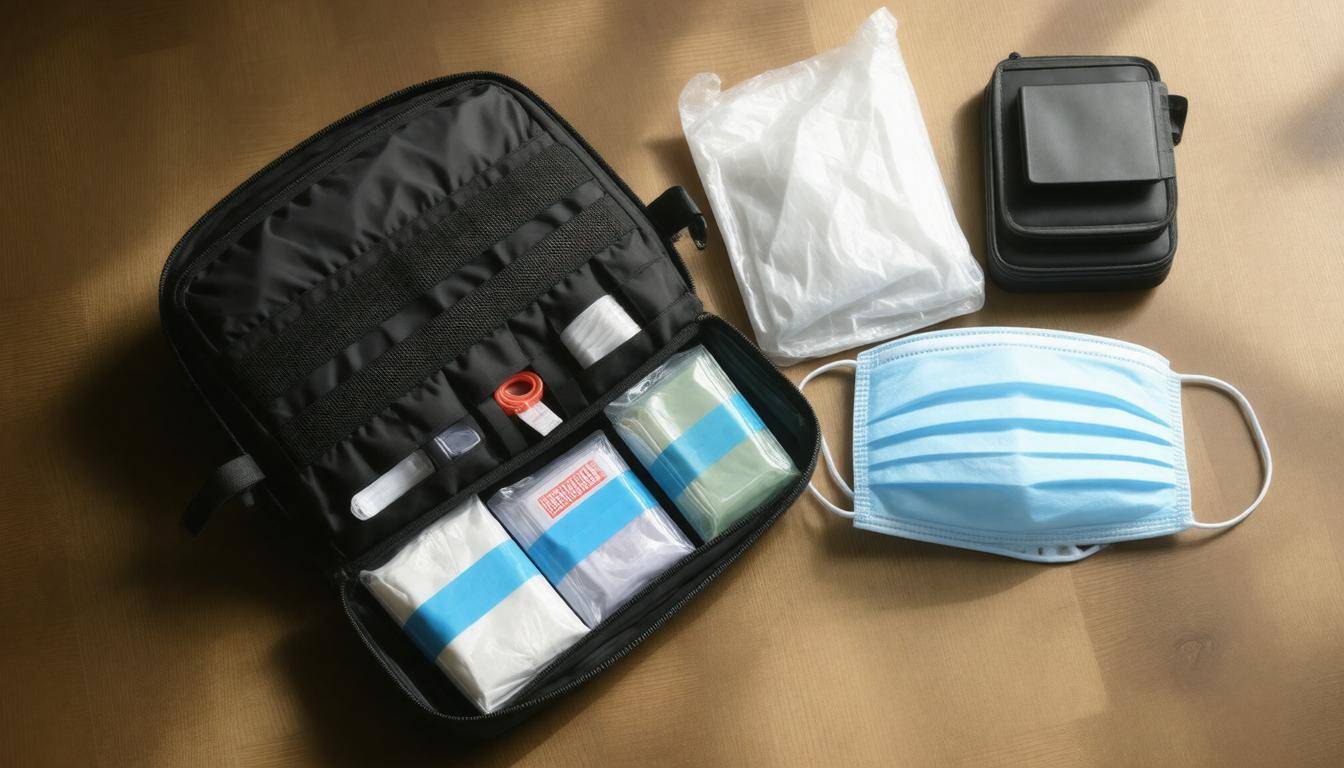
Accidents don’t follow a schedule—they can happen anytime, especially during emergencies when you’re least prepared. That’s why having a well-stocked first aid kit isn’t just recommended; it’s essential. Imagine being out on a hike and twisting an ankle or suffering a scrape. In such cases, the difference between a smooth recovery and a significant setback often hinges on the contents of your first aid kit.
First Aid Kit
Your kit should be like a good friend—reliable and equipped with the essentials. Start with basic items: bandages in various sizes, antiseptic wipes to keep wounds clean, and burn cream for unfortunate encounters with hot surfaces. Don’t forget about tweezers for splinter removal, scissors to cut tape or clothing, and vital over-the-counter medications such as pain relievers and antihistamines. It’s helpful to have non-drowsy options if you’re planning outdoor activities.
Kits like the Surviveware Small First Aid Kit are great because they have detailed inclusions tailored for hikers, ensuring you won’t fumble around when time is of the essence.
Personal Protection
Now let’s shift our focus to personal protection. Think of this aspect as your shield against unexpected threats or hazards in the wild. An N95 mask is particularly useful because it provides a solid barrier against airborne contaminants—whether that’s dust from hiking trails or smoke from nearby fires.
A small bottle of pepper spray can be invaluable for providing an extra layer of security in unpredictable situations. However, this choice comes with responsibility; ensure you’re comfortable using it before you head out into unfamiliar environments. Familiarize yourself with its operation in a safe space so that it becomes second nature when you need it most.
As we navigate through this journey of preparedness, remembering to take care of your comfort and hygiene is crucial—it lays the foundation for maintaining your overall well-being in challenging circumstances.
Clothing and Personal Hygiene
Clean clothes are more than a luxury during a challenging time—they are integral to your health and well-being. When facing an emergency scenario, imagine being drenched in cold rain while trying to focus on survival; uncomfortable conditions can lead to stress and worsen your physical state. This is where versatile clothing options come into play. Packing adaptable pieces, such as thermal underwear for warmth, helps regulate your body temperature when the environment becomes unpredictable. Furthermore, a waterproof jacket can shield you from the elements, keeping you dry and protected. Merino wool clothing, noted for its natural insulating properties, allows moisture to escape while retaining warmth even when damp.
To complement these clothing items, personal hygiene products become vital in maintaining health and morale during emergencies.
It’s easy to overlook how critical hygiene is until you’re faced with less-than-ideal living conditions. Imagine trying to maintain some normalcy while living out of a bag during an evacuation or disaster situation. That’s why including travel-sized hygiene items—like toothbrushes, toothpaste, hand sanitizer, biodegradable soap, and feminine hygiene products—becomes essential. These small items serve not just for comfort but as protection against illness that can arise from poor sanitary conditions. A simple bar of biodegradable soap can go a long way in helping keep germs at bay, especially when clean water may be scarce.
| Item | Quantity |
|---|---|
| Toothbrush & toothpaste | 1 each |
| Hand sanitizer | 1 small bottle |
| Biodegradable soap | 1 bar |
| Feminine hygiene products | As needed |
Remember that in emergencies, every little bit counts—you want these items to be compact yet effective. Having appropriate clothing and personal hygiene supplies not only aids in immediate survival but promotes overall mental well-being during stressful times by allowing you to feel cleaner and more confident.
As we continue assembling our Go-Bags, it’s crucial to turn our attention toward additional essentials that will further enhance our preparedness and strengthen our chances of navigating through emergencies effectively.
Survival Tools and Gear
Effective survival relies heavily on not only having the right gear but also ensuring it’s organized for quick access. A well-prepared Go-Bag contains a variety of tools that serve multiple purposes, making every ounce count in terms of utility. For instance, consider investing in a multi-tool such as the Leatherman Wave+. This compact piece not only combines the functions of a knife and pliers but also includes screwdrivers and scissors, allowing you to tackle various tasks without needing multiple tools. Imagine being able to fix a broken tent pole or prepare food without needing to rummage through your pack—this kind of efficiency can make all the difference during your adventure.
Fire Starter
Next on the list is reliable fire-starting gear. Fire is a fundamental element for survival, providing warmth, cooking capabilities, and even a signal for rescue. Pack essential items like waterproof matches, a reliable lighter, and a dependable fire starter such as a ferro rod. The ferro rod deserves special mention; it’s renowned for its ability to ignite sparks even in damp conditions. In one memorable camping trip, I watched a friend struggle to start a fire with wet matches while my ferro rod lit up with ease—this highlighted just how crucial this tool can be. By including multiple fire-starting options, you’re enhancing your chances of success no matter the weather conditions.
Each item must not only be functional but also easily accessible when it’s needed most.
Proper packing technique is vital when it comes to your Go-Bag’s functionality. Keep frequently used items like your multi-tool and fire starters at the top or in easily reachable pockets so that you don’t have to dig through everything in an emergency—a frustrating experience you want to avoid! One effective method I’ve found is using small pouches or bags within the larger backpack; you can categorize your tools (like first aid supplies, navigation tools, etc.), which makes finding gear in a moment’s notice much simpler.
Remember: When planning your packing strategy, think about not just what you need but how you’ll need it when the situation arises.
Survival tools are about creating options—options for shelter, warmth, food preparation, and safety. Investing time into carefully selecting these items can significantly increase your confidence during any outdoor venture. Whether you’re braving the backcountry or preparing for unexpected emergencies at home, being equipped with thoughtfully chosen survival gear puts you one step closer to ensuring both safety and sustainability in uncertain situations.
With these essentials established, we can now explore how best to organize everything to ensure readiness when it counts.
Packing Your Go-Bag
Proper packing makes your go-bag significantly more efficient and user-friendly. When assembling your kit, consider that the way you arrange items can greatly impact how quickly you can access what you need in a crisis. Imagine being in a stressful situation where time is of the essence; knowing exactly where your essential supplies are can mean the difference between calmness and chaos.
Weight Distribution
One of the first principles of effective packing is weight distribution. Place the heaviest items—like water—at the bottom of your bag to keep the center of gravity low. This arrangement ensures that your go-bag remains balanced, allowing for easier transport whether you’re carrying it on your back or maneuvering it in your hands.
Try arranging compartments and pockets in the bag for optimal organization; keeping your first aid kit in an easily reachable outside pocket while storing food and clothing towards the center creates a sense of order and expediency.
To illustrate this concept, envision hiking through rugged terrain with a loaded backpack. If all your supplies are stacked haphazardly, it’s not only uncomfortable but also potentially dangerous if items shift unexpectedly. By following this method, you’ll build a reliable foundation that ensures stability and ease of movement.
Accessibility
Another critical consideration is accessibility. Items like your flashlight, multi-tool, and whistle should be quickly at hand since they are often needed in immediate situations. One effective strategy is to utilize small pouches within the go-bag to segregate items based on their function, making it easier to locate crucial tools when nerves begin to fray.
Additionally, compress clothing and blankets into vacuum-sealed bags to save space while keeping everything organized. Imagine needing warmth on a cold night or a quick change after an unexpected mishap; having those layers efficiently packed will streamline the process when you need them most.
Careful packing is essential, but ensuring you have all necessary components is equally important. As we continue, we’ll look deeper into all the critical items you should include for comprehensive readiness.
The Complete 72-Hour Checklist
A well-organized checklist guarantees that you have all the necessary items packed and gives you peace of mind knowing you’re prepared for various emergencies. Think of it as a safety net, ensuring that in times of uncertainty, you’ve got the essentials to sustain yourself for at least 72 hours.
In essence, each item on this list plays a crucial role in survival, addressing hydration, nutrition, shelter, communication, and health needs. For instance, water is paramount—it’s recommended to pack one gallon per person per day. If you’re preparing for a family of four, filling your go-bag with 12 gallons will ensure everyone stays hydrated.
Similarly, when it comes to food, consider non-perishable options like freeze-dried meals or nutrient-rich snack bars that can provide vital calories (2,000-2,500 calories per person per day) while remaining lightweight and easy to store.
Beyond food and water, it’s important to ensure you have a portable shelter. Whether it’s a compact tent or a bivvy sack, having something to protect you from the elements will improve your comfort and chances of survival during an emergency situation. Don’t forget about signaling or gathering information; that’s where a battery-powered or hand-crank radio becomes essential. It’ll keep you updated on emergency developments and allow you to reach out for help if needed.
Moving forward in your checklist, ensure essential items such as a flashlight or headlamp are included, complete with extra batteries critical during power outages. Imagine trying to navigate through darkness without adequate lighting—it can be disorienting and dangerous. Thus, include quality options that provide a minimum of 48 hours of continuous use.
Furthermore, a comprehensive first aid kit is crucial. Aim for one that includes at least 20 essential items like bandages and antiseptic wipes, allowing you to treat both minor injuries and more serious ones until professional medical assistance can be reached.
As we progress through your checklist, remember that good hygiene shouldn’t be neglected even in dire situations.
Personal hygiene items—think soap, toothbrushes, sanitary supplies—are vital not only for cleanliness but also for reducing the risk of infections during emergencies. Maintaining hygiene will help keep spirits up in challenging times.
Lastly, don’t forget personal items like important documents and any necessary prescription medications specific to your individual needs or family circumstances. Secure these in waterproof bags to avoid damage if water enters your go-bag. Also consider including items for personal protection such as N95 masks or even pepper spray if appropriate regulations allow it.
In summary, this meticulously crafted checklist ensures that you’re equipped for any emergency situation while focusing on survival essentials like hydration, nutrition, shelter, communication, and health. Preparation brings confidence—knowing you’ve got what you need at your fingertips allows you to face uncertainties head-on.
How can I customize my go-bag based on my family’s specific needs?
To customize your go-bag based on your family’s specific needs, first assess the unique requirements of each family member, including medical needs, dietary restrictions, and activity levels. For instance, if you have young children, consider including comfort items like toys or blankets, and if someone in the family has allergies, include appropriate medications. According to emergency preparedness experts, 60% of families do not consider individual needs when planning for emergencies, which can lead to unnecessary stress. Tailoring your go-bag ensures that everyone in your family has what they need to stay safe and comfortable during a crisis.
What are the essential items that should be included in a go-bag?
Essential items for a go-bag include water (at least one gallon per person per day), non-perishable food (a 72-hour supply), first aid supplies, a flashlight with extra batteries, multi-tools, a whistle for signaling, clothing suitable for the environment, and important documents in waterproof bags. A well-stocked go-bag can significantly increase your chances of survival during emergencies, as studies show that having access to clean water and food is critical; 60% of survival situations are exacerbated by poor preparedness.
How do I choose the right food and water supplies for my go-bag?
To choose the right food and water supplies for your go-bag, focus on non-perishable items that are lightweight and high in calories, such as energy bars, dried fruits, nuts, and dehydrated meals. Aim for at least 1 gallon of water per person per day to stay hydrated, which is a common guideline during emergencies. Pack foods that require little or no preparation and have a long shelf life. Including an assortment of protein and carbohydrate sources will help maintain energy levels; remember, about 2,000-2,500 calories per day per adult is recommended for survival situations.
What items are often overlooked when preparing a 72-hour emergency kit?
Often overlooked items in a 72-hour emergency kit include essential documents (like identification and insurance papers), personal hygiene products, and a multi-tool or Swiss army knife. Many people focus on food and water, but according to emergency preparedness surveys, nearly 60% of people forget about personal sanitation needs and basic tools that can make survival tasks much easier. Having these items not only ensures better hygiene but also aids in various emergencies, enhancing overall readiness.
How often should I check and update the contents of my go-bag?
It’s recommended to check and update the contents of your go-bag at least every six months or whenever there are significant changes in your personal circumstances, such as moving to a new area or changes in family size. Regular checks ensure that supplies haven’t expired, the gear is functional, and the contents remain suitable for your current needs. According to safety experts, having an up-to-date emergency kit greatly increases your chances of effectively managing unexpected situations—especially since over 60% of people have never prepared an emergency plan.