
Wounds happen, whether it’s a scraped knee from playing outside or a little cut while cooking. When that happens, knowing how to clean the wound properly can make a big difference in healing. While it’s always best to reach for medical supplies when available, sometimes you might find yourself in a pinch without them. That’s where improvised wound cleaning solutions come into play—household items can often serve as quick fixes, helping you keep minor injuries clean and safe. Let’s dive into some effective and safe options you can easily whip up at home to tackle those unexpected cuts and scrapes!
Safe options for improvised wound cleaning solutions include using saline made from mixing 1/4 teaspoon of sea salt with 1 cup of warm distilled or boiled water. It’s crucial to prepare these solutions fresh each time to minimize contamination risks, as homemade alternatives lack the sterility of commercially produced wound cleansers.
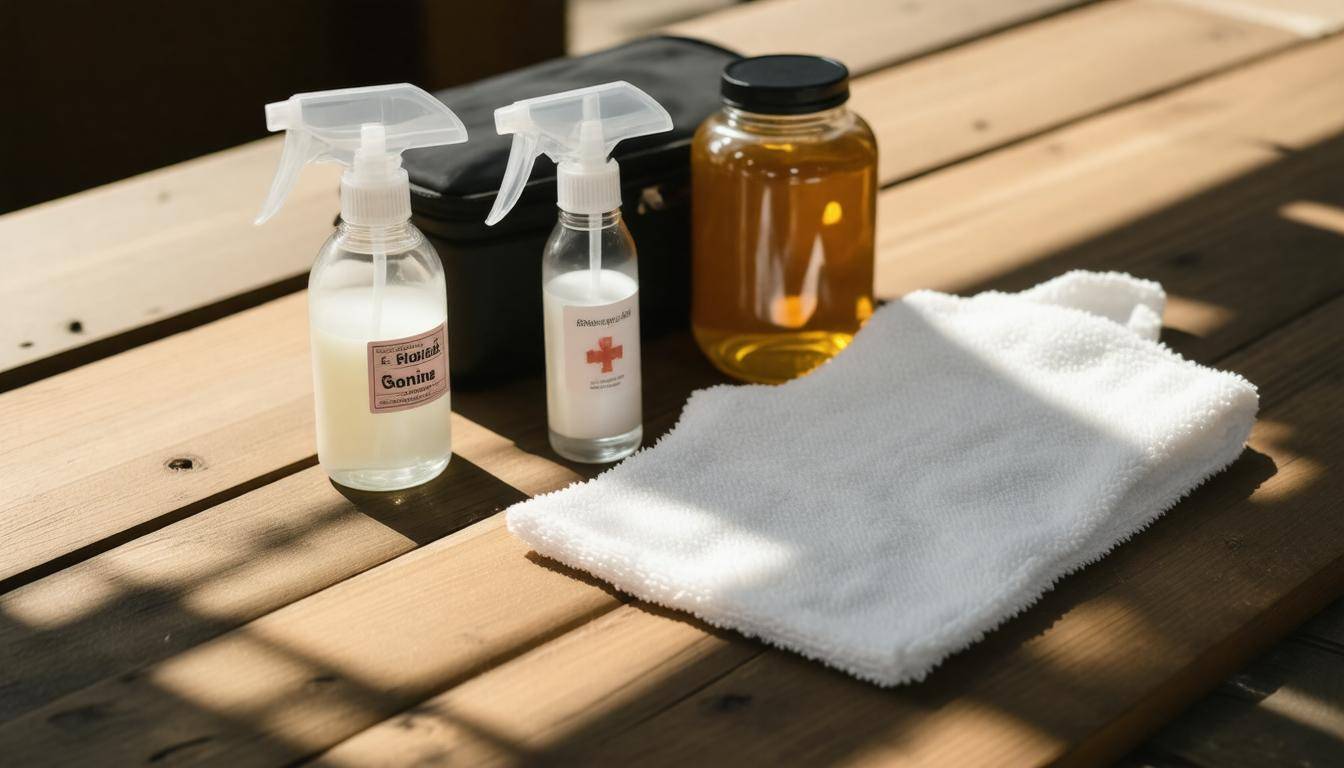
Safe Improvised Wound Cleaning Solutions
When facing a wound that needs attention, a common household solution is boiled water. Boiling water for at least five minutes can eliminate the vast majority of bacteria, making it an effective choice for cleaning wounds in urgent scenarios. After allowing the water to cool adequately—because pouring scalding water onto a wound is obviously not advisable—you can gently pour it over the injury. This process helps flush out debris and cleanse the area significantly without introducing harmful bacteria.
While boiled water offers an excellent first step in wound care, consider using a homemade saline solution for added effectiveness.
Homemade Saline Solution
Creating your own saline solution is straightforward and does not require sophisticated ingredients. By mixing 1/4 teaspoon of salt into one cup of boiled and cooled water, you generate a simple yet effective saline wash. The salt helps draw moisture out of tissues, which effectively thins any grime present, aiding in cleaning the area. Although this makeshift saline is not as sterile as commercially prepared solutions, it serves as a reliable alternative when you’re caught without proper supplies.
Homely remedies like this can often save you in tight spots where professional-grade materials are unavailable or impractical to access.
While these basic cleaning methods can be beneficial, they may not fully address all potential infections; incorporating natural remedies into your wound care routine offers additional protection.
Natural Antiseptics
Within your kitchen cabinet lies an array of natural options that boast antiseptic properties. For example, honey is known for its antibacterial quality and can be applied directly to clean wounds to speed up the healing process. Similarly, diluted vinegar, mixed at a ratio of 1 part vinegar to 3 parts water, serves as a potent disinfectant. However, it should only be used after initially cleaning the wound with boiled water or saline since vinegar’s acidity can irritate raw tissue if applied too soon.
Moreover, mild soap mixed with clean water provides another great option for initial cleansing that minimizes infection risk. Just as important is ensuring that you use clean utensils when preparing any homemade solution; dirty hands or contaminated cups can spoil your efforts and introduce new pathogens to the injury site.
Whenever improvising with wound care solutions, it’s wise to weigh the risks and effectiveness carefully while always erring on the side of caution.
Take note that while many might choose DIY options due to convenience or cost-effectiveness, healthcare professionals advise using commercially available products whenever possible. They provide tested efficacy and sterility that homemade solutions cannot guarantee. Investing even a few dollars into a good saline wound wash could be beneficial compared to risking complications from improper home mixes.
As we explore safe alternatives, understanding the potential of household ingredients allows us to enhance the care we provide during minor injuries and pushes us toward examining other natural substances with healing properties.
Natural Antiseptics for First Aid
Aloe vera isn’t just a soothing gel for sunburns; it’s also an effective natural antiseptic. This green wonder contains compounds that promote healing while boasting antibacterial properties. When applied directly from the leaf, it can create a barrier to keep dirt out while encouraging skin repair. Imagine slicing open a fresh aloe vera leaf, its gel oozing out, ready to soothe and protect that cut on your arm. Such an easy solution at your fingertips!
However, aloe is not the only natural treatment available; apple cider vinegar also plays a significant role in wound care.
Apple Cider Vinegar
Renowned for its antimicrobial properties, apple cider vinegar can be a valuable addition to your first aid kit. A simple diluted solution—a mixture of one part vinegar to three parts water—can effectively clean minor wounds. This ratio ensures that you receive the cleansing benefits without overwhelming your skin with acidity. Picture yourself mixing this concoction in a small bowl, ready to dab it onto a scrape. Just remember to avoid applying undiluted apple cider vinegar directly on open wounds because it may cause irritation.
Next up is coconut oil, another fantastic alternative known for its gentle yet powerful properties.
Coconut Oil
Coconut oil stands out as both a popular cooking ingredient and an effective natural antiseptic. Thanks to its lauric acid content, which has antibacterial qualities, coconut oil can be applied directly to minor wounds and scrapes with ease. Think about how effortlessly you can use coconut oil; simply scoop some from the jar and spread a thin layer over your cut to help keep infection at bay while promoting skin recovery.
Lastly, let us not forget about witch hazel and its widely appreciated benefits in wound care.
Witch Hazel
Often overlooked, witch hazel deserves a mention as an effective natural antiseptic due to its astringent and antiseptic properties. Applying witch hazel directly to the skin can reduce inflammation and minor bleeding while keeping the area clean from potential pathogens. It’s like having nature’s soothing balm in your medicine cabinet—perfect for quick relief!
When considering these natural alternatives, remember that proper hygiene practices are crucial when using anything for wound care. Freshly prepare any homemade solutions instead of storing them; this helps avoid contamination from bacteria over time. Always consult with a healthcare provider if you’re unsure about any treatment option or if infections seem to worsen rather than improve after using these remedies.
By integrating these accessible and friendly options into our first aid approach, we embrace nature’s powerful support system in our pursuit of health and safety. With this foundation laid, we can next explore practical applications found within our homes that double as effective wound care solutions.
Using Household Items
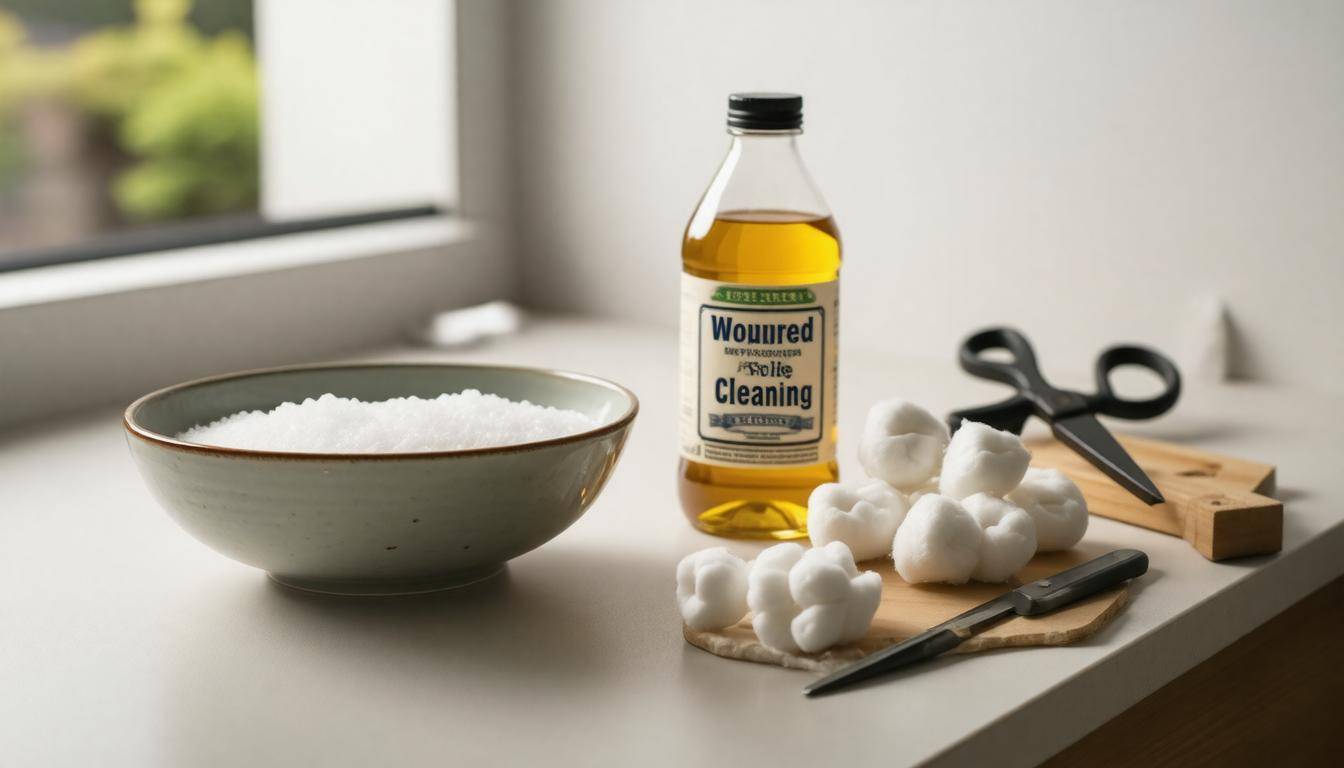
Often, the value of household items becomes apparent only during emergencies. A simple trip to the kitchen or medicine cabinet might yield essential tools for tending to minor injuries. For instance, many individuals likely have hydrogen peroxide within arm’s reach. While some healthcare professionals caution against its frequent use due to its potential to damage tissue, it can certainly be employed judiciously for cleaning minor cuts and scrapes. A dab with a cotton ball may create a bubbly reaction that effectively cleanses the wound, lifting away dirt and bacteria.
However, moderation is critical—a quick splash might be beneficial, but overusing hydrogen peroxide can delay healing due to its harmful effects on cells.
Another often-overlooked champion of wound care is rubbing alcohol.
This common antiseptic not only disinfects surfaces but also serves as a reliable choice for treating small cuts. The key lies in understanding how to wield it wisely: apply rubbing alcohol using a cotton pad to ensure targeted application without oversaturating the area. Although effective, be ready for that characteristic sting; its strong properties might cause some discomfort. Therefore, avoid using it on large wounds or sensitive areas because it could exacerbate any pain.
Additionally, let’s not overlook other everyday items that can aid in promoting wound care:
Salt Water Solution
Mixing 1 teaspoon of salt into a cup of clean water results in an effective saline solution which can help cleanse minor wounds by lowering the risk of infection. This simple concoction leverages salt’s natural antibacterial properties while keeping your first-aid practices economical.
Vinegar Solution
You can easily mix white vinegar with water in a 1:1 ratio for a potent antiseptic solution due to vinegar’s inherent antibacterial qualities. This solution can make even the simplest cuts feel a bit more secure as you notice your body’s natural healing taking place.
Honey and Baking Soda
Honey deserves special mention for its almost miraculous healing benefits—applying just a thin layer of raw honey to a wound not only provides moisture but also creates an inhospitable environment for bacteria. Similarly, creating a baking soda paste with a few drops of water can effectively clean abrasions and reduce inflammation by serving as a gentle exfoliant.
While these household items are readily available and offer great potential in wound care, it’s essential to approach their use with awareness and respect for their distinct characteristics. From here, we can explore straightforward methods to prepare your own saline solution at home.
Making Saline at Home
Creating a saline solution at home may seem daunting, but it’s actually quite simple when you follow the right steps. This isn’t just busywork—this mixture mimics our body’s natural fluids, making it an excellent choice for cleansing wounds while minimizing infection risks. When I first learned to make this solution, I appreciated how quickly I could prepare it and have it on hand, thus being ready at a moment’s notice for any little accidents.
Step-by-Step Guide
-
Boil Water: Begin with purified water—either distilled or boiled—to ensure there are no harmful pathogens. If boiling, allow the water to reach a rolling boil for at least five minutes. Allowing it to cool afterward is essential because hot water can harm sensitive skin.
-
Add Salt: As the water cools, measure out 1/4 teaspoon of non-iodized salt. Non-iodized is preferred because it contains no additives that could irritate wounds. Stir this into your cooled water until it disperses completely; this process is when your saline solution truly begins to take shape.
-
Cool Down: Once the salt has dissolved, give the solution a little time to sit until it’s at room temperature. If it’s too hot or even too cold, it won’t be effective for cleaning your wounds. The goal here is to create something that feels just right against your skin.
This simple mixture poses no harm and remains safe for various health applications due to its isotonic nature. However, there are a few considerations to ensure optimal safety and effectiveness during use.
It’s crucial to remember that homemade saline should be prepared fresh each time you need it; storing it can lead to bacterial growth, defeating its purpose in wound care. After mixing your solution, try not to store leftovers—use them within 24 hours for safety’s sake. Clean utensils throughout the process significantly reduce contamination risks.
When using your homemade saline for wound cleaning, apply it gently with sterile cotton pads or gauze rather than pouring directly over the wound. This approach minimizes irritation and helps control how much liquid you’re using. Embracing these small but essential practices can keep your first-aid skills sharp and effective.
Equipped with this knowledge on preparing saline solutions, you can enhance your approach to minor injuries and explore natural options that might complement these basic remedies in maintaining health and well-being.
Antibacterial Herbs
Many herbs are nature’s little treasures, boasting remarkable antibacterial properties that can help keep wounds free from infection and aid in recovery. For instance, Aloe Vera is well-known not just for its soothing qualities but also for its ability to promote healing.
Applied as gel directly from the plant, it creates a protective barrier while delivering moisture, which is essential for the wound healing process. Among users, testimonials abound regarding the quicker healing times observed when applying fresh Aloe Vera gel daily. It’s as if a gentle hug from nature speeds up recovery.
Garlic
Next on the list is garlic, which has long been praised for its medicinal qualities. When crushed, garlic releases allicin, a compound with potent antibacterial and antimicrobial properties. This makes crushed garlic an effective option for reducing bacterial load on minor wounds.
However, caution is warranted—garlic can cause skin irritation if applied directly in large amounts or for extended periods. Thus, in emergency situations, using a light application can be beneficial without overwhelming the skin.
The beauty of garlic lies within its accessibility; most of us have it lying around in our kitchens. In moments of need, simply crush a clove and apply it lightly to the affected area to harness its antibacterial prowess. Its strong aroma might even serve to ward off infections both literally and figuratively.
Shifting focus from individual herbs, we will now examine practical techniques for cleaning wounds effectively and ensuring they remain safe during treatment.
Emergency Cleaning Tips
Emergencies often require us to think on our feet, especially when addressing wounds that need immediate attention. Knowing how to clean a wound properly can prevent infections and set the stage for better healing. A clean cloth serves multiple purposes in these situations. When you find yourself in a pinch, look for a cloth that was recently laundered—this ensures it is clean enough for initial wound care. If you have access to boiling water, dip the cloth in it to sterilize it further. This additional step can greatly enhance your efforts in minimizing bacteria.
In several instances, I’ve seen makeshift bandages made from old t-shirts or kitchen towels that allowed quick responses to unexpected cuts and scrapes. Remember, improvisation can sometimes be lifesaving.
Once you’ve employed a clean cloth as a temporary bandage, it’s critical to flush rather than scrub the wound. Gently rinsing the area with clean water helps remove dirt and pathogens without causing further trauma to the tissue. Scrubbing might seem like a good way to ensure cleanliness, but vigorous action can aggravate the wound and drive contaminants deeper into the flesh. Instead, apply gentle pressure while directing water over the affected area, letting gravity do its work.
Let Water Work Its Magic
Besides using plain water for flushing, consider solutions suitable for emergencies. Saline solution, easily prepared at home with just salt and boiled water, provides an excellent option for wound cleaning if pure water is unavailable. The salt concentration should be about 0.9%, similar to what is found in commercial saline solutions—but always remember to use distilled or cooled boiled water for safety.
For example, imagine you’re camping and someone takes a tumble while hiking; bringing along this simple saline mixture could make all the difference in cleaning a scrape before applying a dressing.
As effective as these tips are for initial care, they’re crucial stepping stones leading up to professional medical help whenever possible.
After applying initial first aid by cleaning and covering the wound with your makeshift bandage or sterile dressing, monitor the injury closely for signs of infection such as redness or swelling. If any distressing symptoms appear or if the wound looks worse than expected within a day or two, don’t hesitate to seek professional medical assistance. Quick decision-making is key during emergencies, but ensuring those decisions are complemented by expert evaluation is equally important.
With these foundational practices in mind, it’s essential to assess not only their effectiveness but also what alternatives exist for optimal care in these situations.
Evaluating Effectiveness
Not all makeshift cleaning methods are suitable for every situation; in fact, some may do more harm than good. To determine the effectiveness of your wound cleaning solution, you’ll want to pay close attention to a few essential factors. One significant aspect is how the wound reacts after you’ve cleaned it.
Signs of Infection
It’s wise to observe the wound closely for any changes that could signal infection. Look for increased redness surrounding the wound, which often indicates an inflammatory response. Swelling may also occur—this is your body’s way of reacting to injury, but excessive swelling is a cause for concern. Additionally, if you start to see discharge that is greenish or foul-smelling, this further points to an infection brewing beneath the surface.
If any of these symptoms worsen despite your cleaning efforts, it’s a clear signal that perhaps your chosen method isn’t effective. Cleaning should ideally yield improvements—not deteriorations—over time. Think of it as tuning a musical instrument: if things sound off pitch even after adjustments, it’s time to consult a professional instead of continuing on your own.
Continuous monitoring is crucial because early detection of complications can make all the difference in successfully treating a wound.
While taking care of a wound with improvised solutions can be practical in emergency situations, sometimes expert intervention becomes necessary to ensure proper healing and infection prevention. Always keep in mind that when ordinary remedies fail, consulting with a healthcare provider can offer insights that homemade solutions simply cannot provide.
When to Seek Professional Help
Knowing when to call in the experts is crucial when dealing with any injury, especially if it involves a wound. While minor cuts and scrapes can often be treated at home with improvised solutions, some wounds require serious attention. In particular, deep cuts, puncture wounds, and any injury displaying signs of infection should not be ignored. It’s tempting to think you can handle everything on your own, but certain injuries require care only a healthcare professional can provide.
For example, deep cuts may appear manageable initially; however, if they are more than half an inch deep or continue to bleed after applying pressure for ten minutes, it’s time to seek medical assistance. Puncture wounds can seem unimportant but may harbor bacteria below the skin’s surface. Remember that the CDC reports around 30% of untreated wound infections can lead to complications, making treatment much harder later.
It’s better to err on the side of caution—consult a doctor whenever there’s uncertainty about the severity of a wound or its appropriate treatment.
Beyond visible severity, signs of infection are another clear indicator that professional help is necessary. If you notice redness expanding from the wound site, swelling, warmth, or pus, those are telltale signs of infection. Infections can worsen dramatically within hours if left untreated.
Furthermore, don’t overlook any underlying issues that could complicate recovery; individuals with diabetes or compromised immune systems should always take potential wounds seriously. These conditions can hinder healing and increase the risk of severe complications.
Consider how timely intervention plays an essential role in wound treatment. The window for effective care often closes rapidly after injury occurs; knowing what local resources—like urgent care centers or emergency rooms—are accessible can save critical time when every second counts.
While improvisation in wound care can be incredibly useful during emergencies where professional supplies aren’t available, knowing when to escalate your care fosters better outcomes and lessens the risk of complications. Always listen to your body and trust your instincts regarding your health—you’re often the best judge of whether something feels right or off with your wound.
In navigating wound care, understanding both improvised solutions and recognizing when professional help is needed is vital for ensuring safety and effective recovery.
Are there any DIY solutions that should be avoided when cleaning wounds?
Yes, there are several DIY solutions that should be avoided when cleaning wounds. For instance, hydrogen peroxide and alcohol can damage tissue and slow down healing, potentially increasing the risk of infection. Studies have shown that using these solutions can lead to a 50% reduction in cell viability in wound healing, emphasizing that gentler saline solutions or clean water are safer alternatives. Always opt for methods that promote healing rather than risk complications.
What steps should be taken to ensure that improvised wound cleaning solutions are prepared safely?
To ensure that improvised wound cleaning solutions are prepared safely, always begin by using clean, sterile equipment and sources to minimize contamination. Use distilled or boiled water, as this reduces the risk of introducing harmful bacteria. It’s crucial to avoid using harsh chemicals or substances not intended for medical use, as these can irritate the wound or exacerbate infection risks. According to studies, approximately 30% of wound infections in emergency settings can be attributed to improper cleaning methods; thus, prioritizing safety in preparation can significantly reduce infection rates and promote healing.
How do the effectiveness and safety of improvised wound cleaning compare to commercial products?
Improvised wound cleaning solutions can be effective in emergency situations when commercial products are unavailable, but their safety often varies depending on the materials used. While certain household items like saline or mild soaps can help clean wounds, they lack the standardized formulation and sterilization processes found in commercial antiseptics, which are designed to minimize infection risk. Studies indicate that improper cleaning methods can lead to a 50% higher chance of infection compared to using medically approved products. Therefore, while improvised methods may suffice temporarily, relying on commercially available options is advisable for optimal safety and effectiveness.
What common household items can be used safely to clean wounds?
Common household items that can be safely used to clean wounds include mild soap and water, saline solution, and hydrogen peroxide (in low concentrations). Mild soap effectively removes dirt and bacteria without irritating the skin, while saline solution mimics the body’s own fluids, making it gentle on open wounds. Hydrogen peroxide can be used sparingly, as it helps disinfect but may also damage new tissue if overused. According to studies, proper cleaning reduces infection rates by up to 50%, highlighting the importance of using appropriate methods in first aid situations.
When should a person seek professional medical help instead of relying on improvised wound cleaning methods?
A person should seek professional medical help instead of relying on improvised wound cleaning methods if the wound is deep, large, or shows signs of infection such as increased swelling, redness, pus, or fever. Additionally, if the bleeding does not stop after ten minutes of applying pressure, or if there is a risk of tetanus due to the nature of the injury (for example, from rusty objects), immediate medical attention is necessary. According to the CDC, about 2 million people in the U.S. are treated for infected wounds annually, underscoring the importance of proper care in more serious cases.