
In uncertain times, having a reliable source of fresh food can make a world of difference, but how do you create an indoor garden that thrives? Whether you’re facing an emergency situation or just want the comfort of growing your own produce, setting up an indoor growing system is easier than you might think. With a bit of planning and the right supplies, you can cultivate anything from leafy greens to vines of tomatoes right in your home. This article will explore different methods—hydroponics and soil-based systems—and offer essential tips for making your indoor garden flourish, no green thumb required! So grab your gardening gloves and let’s dig in!
To set up an indoor growing system for emergencies, start by selecting a suitable location with adequate space and access to light, such as a spare room or basement. Choose the right growing method—either soil-based or hydroponic—and ensure you have necessary supplies such as grow lights, quality potting soil or hydroponic equipment, and appropriate containers; then follow best practices for temperature regulation and regular watering to maintain healthy plant growth throughout your indoor garden.

Essential Indoor Growing Systems for Emergencies
1. Hydroponics System
Hydroponic systems are fascinating in their ability to grow plants without soil, relying instead on nutrient-rich water solutions. This method allows for incredible flexibility and efficiency. Among the most popular types are Deep Water Culture (DWC) and Nutrient Film Technique (NFT). Both systems are celebrated not only for their rapid growth rates but also for their exceptional yield. Indeed, the statistics are compelling: research indicates that hydroponic systems can produce yields up to 25% higher than traditional soil gardening. Imagine growing a flourishing garden right in your home with vegetables ready to harvest at a fraction of the time typically required!
One simple illustration is DWC, where plant roots dangle into oxygenated nutrient solution. This setup ensures optimal nutrient uptake while minimizing space—perfect for urban dwellers or those with limited room. If you think about it, this method addresses crucial resource limitations as well, primarily because it requires significantly less water compared to conventional agriculture.
Yet, despite these impressive gains, many people find comfort in the traditional approach of soil-based growing.
2. Soil-Based System
Soil-based indoor gardens use age-old methods but adapt them within a controlled environment, yielding great results when done correctly. Raised beds or large pots filled with quality potting soil serve as the foundation, providing stability and support while managing pests more effectively than outdoor systems. Soil gardening offers familiarity; it’s grounded in tradition and is more accessible for beginners who may feel overwhelmed by hydroponics’ intricacies.
The triumphs reported by traditional gardeners often highlight not only the ease of setup but also the superiority in flavor that comes from organically grown produce. Many swear that tomatoes harvested from their homemade soil mixtures burst with flavor unlike anything found at a grocery store. Such testimonials lend credibility to the notion that nurturing plants in soil fosters richer flavors and aromatic buds—a true sensory delight!
But what if one system appears labor-intensive? Which takes precedence during an emergency situation?
The reality is that both systems have unique merits and challenges.
Ultimately, the choice between hydroponics and soil-based systems hinges on personal preferences regarding taste, ease of management, and specific emergency preparedness goals. By understanding each method’s essentials and potential yield, you’re better equipped to make an informed decision tailored to your needs and lifestyle.
As we explore these diverse growing methods, it’s essential to evaluate how different setups perform in specific contexts and circumstances.
Hydroponic vs. Soil-Based Options
The debate surrounding hydroponic and soil-based systems reflects fundamental differences in growing philosophy, ease of use, and resource management. Hydroponics, for instance, appeals to those seeking quicker growth rates and efficient space utilization. With the right conditions, plants can grow up to 30% faster than in soil. This method allows growers to precisely control nutrient solutions tailored to the specific needs of their plants, leading to an optimized growth experience. However, it comes with its own set of challenges; managing a hydroponic system requires a technical understanding of pH levels and nutrient balances, which might be daunting for beginners.
Each approach has its merits, but the complexity of hydroponics can deter new gardeners looking for something straightforward.
In contrast, soil-based systems are often viewed as the more intuitive option. Newbies often find comfort in utilizing natural nutrients present in organic soil, which brings a sense of connection to traditional gardening practices. Many growers swear that soil cultivates richer flavors, particularly when it comes to vegetables and herbs. For example, the aroma from organically grown tomatoes has a deeper richness that some believe offers a sensory advantage over hydroponically grown counterparts. Yet, this seemingly simple approach also has its drawbacks; managing pests can be more challenging in soil due to the various habitats they can thrive in.
It’s essential to weigh these factors according to your personal circumstances when deciding which method suits you best.
Advocates for hydroponics often point out that water usage is significantly reduced—about 90% less than traditional soil gardening—making it a sustainable choice for urban settings with constrained resources. In fact, hydroponics can fit into compact areas as small as one square foot per plant! On the other hand, proponents of soil systems argue that adhering to organic growing practices fosters sustainability and enhances environmental health through natural nutrient cycling.
The decision ultimately hinges on individual preferences regarding sustainability, flavor nuances, and complexity. For those wanting simplicity without sacrificing quality produce, starting with organic soil might be more desirable. Conversely, if speed and efficiency are paramount for your emergency setup, investing time in learning about hydroponic systems may prove rewarding in both yield and self-sufficiency.
As we explore further into this subject, understanding the specific supplies you’ll need and the conditions required will enhance your setup experience.
Necessary Supplies and Conditions
To set your indoor growing system on the path to success, acquiring the right tools and supplies is essential. First and foremost, you need a suitable growing medium. For hydroponic gardens, options like coco coir or rock wool are ideal due to their excellent drainage and aeration properties. If you’re leaning towards soil-based cultivation, then a high-quality potting soil such as FoxFarm Ocean Forest is often recommended for its rich nutrient content.
It’s worth mentioning that nutrients play a critical role in plant growth, especially in hydroponics where traditional soil isn’t available; General Hydroponics Flora Series is among the top choices for liquid nutrient solutions, celebrated for promoting healthy plant development without excessive complications.
Having established what materials you need, let’s turn our attention to the conditions surrounding your garden.
The environment where your plants grow can make or break their success. For optimal growth, maintaining a stable temperature between 65°F to 75°F is vital—this is where most plants feel comfortable and thrive. Additionally, consider humidity levels; aim for around 50% to 70% relative humidity. This moisture keeps the plants hydrated but be cautious of too much humidity, which can lead to mold—a gardener’s nightmare.
Furthermore, proper ventilation cannot be overlooked. Stagnant air can stunt growth and foster pest issues. A simple desk fan aimed at your plants can do wonders for air circulation. Ensure your plants receive adequate light exposure; ideally, they should bask under grow lights for at least 12 hours a day. These artificial lights mimic natural sunlight and are particularly beneficial during winter months when daylight is scarce.
Just as important as having the correct tools and maintaining proper environmental conditions is regularly checking on these factors to prevent any issues before they become serious problems.
Always use a pH meter to monitor the acidity of your growing medium, keeping it between 6.0 and 7.0 to ensure nutrient availability. Watching these parameters closely—temperature, humidity, airflow, and light—will not only promote healthier plants but will encourage a steady yield throughout year-round growing cycles.
Each piece of equipment and every condition you’ve carefully orchestrated contributes to efficient self-sufficiency within your home garden, enabling you to harvest fresh produce during emergencies while enjoying the therapeutic aspects of nurturing your plants.
Moving forward, we will explore the pivotal role that lighting plays in maximizing growth potential in indoor settings.
Optimal Lighting Strategies
Lighting is essential in indoor gardening, influencing everything from seedling development to flowering and fruit production. Finding the right light for your setup can truly make the difference between a flourishing garden and one that struggles to survive. One must consider not only the type of light but also its intensity and duration.
Types of Lighting
When it comes to indoor growing systems, there are several lighting options available, but two dominant types are LED lights and fluorescent lights.
LED Lights stand out for their energy efficiency as they require significantly less electricity than traditional options. In fact, recent statistics show that LEDs consume 40-60% less electricity compared to fluorescent lights while providing an equivalent or even superior light output. This efficiency makes them particularly appealing to anyone looking to keep costs down over the long haul—essential for those concerned with off-grid living or emergency self-sufficiency setups. Among various brands, Spider Farmer is favored for its high-quality LEDs that give a full spectrum of light, crucial for supporting plants through all growth stages from germination to fruiting.
Conversely, Fluorescent Lights are seen as a more cost-effective solution for budding gardeners. They tend to be lighter on the wallet upfront but are generally less powerful than LEDs. They can work brilliantly for seedlings or lower-light plants but may struggle with higher light-demand species when flowering. Despite this limitation, they’re widely used because they help newbie gardeners establish a strong foundation without breaking the bank.
Light Duration
Equally important as the type of lighting is the duration that plants are exposed to light each day. Most plants thrive on about 12-16 hours of light daily, depending on their species and growth stage. Timing is everything; for instance, during the vegetative phase, many plants do best under extended lighting periods with ample intensity.
It’s interesting, however, how different phases can necessitate changes in light duration. For instance, during the flowering stage, shorter light durations—around 10-12 hours—can mimic natural seasonal changes and trigger blooming processes in certain plants. This practice aligns closely with how plants would respond organically in nature, reinforcing their biological growth rhythms.
While some may argue that constant exposure equals healthier plants, it’s crucial to recognize that too much light can lead to stress and imbalanced growth. In essence, understanding your plant’s specific needs will allow you to tailor your lighting strategy effectively—a critical aspect of maintaining thriving indoor gardens.
With these optimal lighting strategies in mind, the next step is creating an effective space that maximizes your garden’s potential while catering to your unique needs.
Setting Up Your Indoor Grow Space
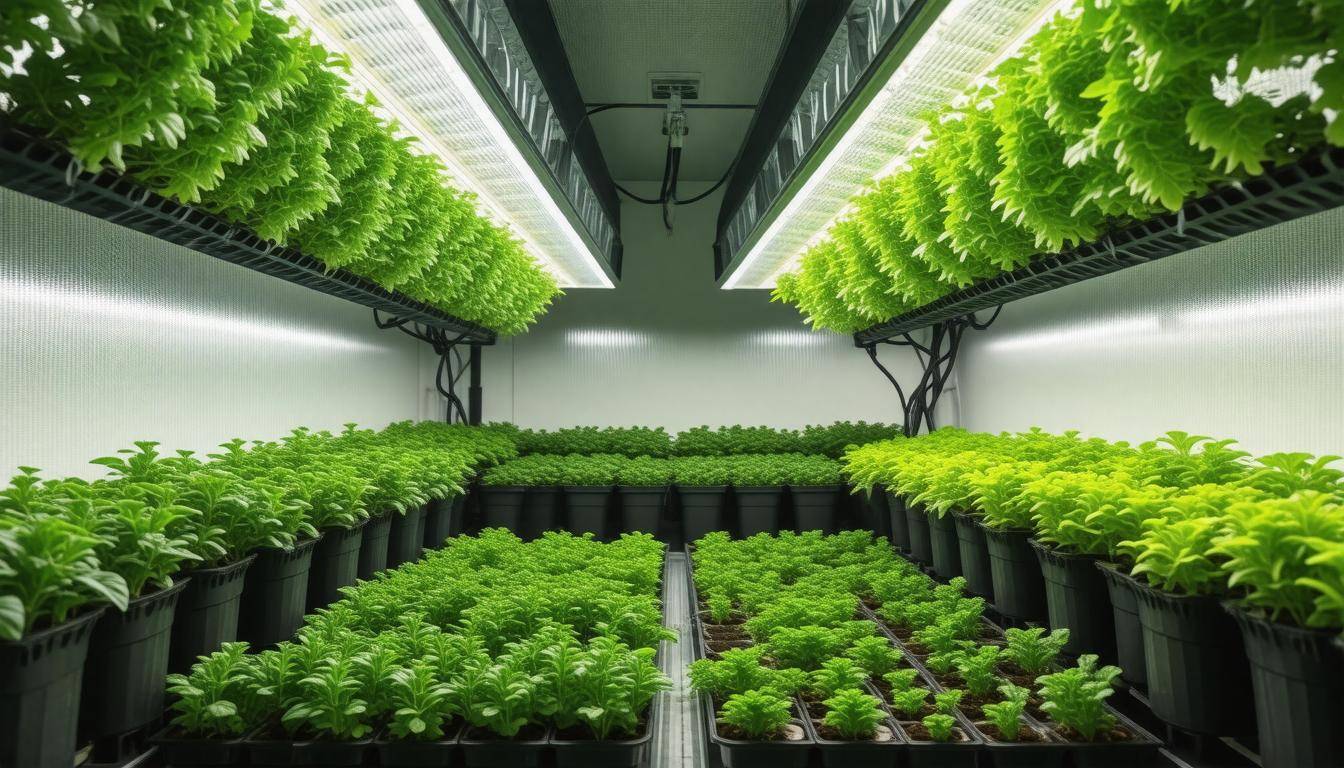
Creating an effective grow space involves more than just filling it with plants; it requires thoughtful planning and organization. The first step in your endeavor should be to choose the right location. Ideally, pick a space that provides easy access and is well-ventilated while being shielded from extreme temperature fluctuations. For instance, placing your setup in a basement may allow for better temperature control compared to a garage, where heat can build up quickly on sunny days.
After choosing the perfect location, it’s essential to gather all the necessary tools and materials.
Step I – Choose the Location
Selecting an appropriate spot for your indoor garden is crucial. You’ll want a space where light can easily reach your plants, which affects their growth and yield. Think of areas near windows or spots where you can add LED grow lights without obstruction. Ensure the site allows for good air circulation; stagnant air can lead to mold growth and pest infestations that ruin your crops. Consider your home’s layout—draw a quick map of potential spots and assess each for accessibility and environment.
Next, let’s gather and assemble our tools.
Step II – Assemble Tools and Materials
Once you have identified the location, it’s time to assemble the necessary tools and materials needed for your indoor garden. At a minimum, you’ll require grow lights with a suitable luminosity to mimic sunlight; bulbs with a Kelvin rating between 5,000 and 6,500 will be effective at promoting plant growth. Additionally, consider investing in timers to automate your light cycles to maintain consistency. Depending on whether you choose soil-based or hydroponic systems, ensure you have containers, quality potting mix (with proper drainage), or hydroponic setups ready. For plant health monitoring, environmental monitors that track humidity, pH levels, and temperature are indispensable tools that will guide you in maintaining optimal growth conditions.
With tools gathered, it’s crucial to configure the layout strategically.
Step III – Configure the Layout
Arranging plants thoughtfully helps maximize light penetration and airflow—two critical components for healthy indoor gardens. Position taller plants so they don’t overshadow shorter ones; this way, each plant receives ample light exposure. Leave enough space between pots not only for plant growth but also for easy maintenance access. Consider creating aisles that allow you to navigate comfortably when tending to your plants. Good layout configuration leads to efficient workflow during watering, harvesting, or inspecting your plants for pests and diseases.
Following layout configuration, managing air quality becomes essential.
Step IV – Setup Ventilation
Proper ventilation is vital in any indoor growing environment as it keeps air circulating evenly while regulating humidity levels—two factors critical for plant health. Install fans around your garden setup; oscillating fans can effectively move air throughout the space while reducing hotspots where humidity might rise unnaturally high. For larger grow areas, consider setting up exhaust vents to expel excess heat or humid air outside rather than allowing it to stagnate around your plants.
Establishing these systems lays the groundwork for successfully nurturing your indoor garden through varied conditions.
Maintaining a Stable Environment

Consistency is key to plant health. Just like us, plants thrive when they are provided with a stable environment that mimics their natural habitat. If you’re growing indoors, factors such as temperature, humidity, and light must remain within certain ranges for plants to flourish.
Imagine your home: if it suddenly became sweltering hot or freezing cold without warning, you’d likely feel uncomfortable and even unwell after some time, wouldn’t you? The same goes for our green friends.
Monitor and Adjust
To keep your plants happy and thriving, make use of environmental sensors. These little devices act like guardians over your grow space, consistently monitoring temperature, humidity, and light levels. For example, a sensor can alert you if your grow lights are too close to the plants or if the humidity dips below what’s ideal for those tender seedlings.
Once you have this data, be prepared to adjust the settings as necessary. This could mean recalibrating your heater or humidifier or moving those lights a bit further away to avoid scorching your plants. Whether it’s raising the temperature by a few degrees or increasing humidity through misting, small tweaks can have significant impact on plant health.
But maintenance extends beyond just managing these immediate environmental factors.
Regular Checks
Daily inspections are vital for catching issues before they spiral out of control. During these checks, take note of any signs of pests, mold growth, or nutrient deficiencies. Perhaps you notice yellowing leaves—this could indicate an underlying nutrient deficiency calling for prompt action before affecting the entire crop.
Implementing a regular maintenance schedule ensures that nothing falls through the cracks. Dedicate specific days for deeper inspections; maybe Mondays are for checking your soil moisture levels while Thursdays focus on inspecting for pests. By having designated tasks, you’ll create a rhythm that allows you to remain vigilant and proactive about plant care.
These routine evaluations not only help in maintaining optimal conditions but also foster a closer connection with your plants, enabling you to better understand their needs.
Through consistency in monitoring and maintaining their environment along with regular checks for potential issues, you position yourself to create not just a garden but a thriving ecosystem within the walls of your home—or during emergencies when such self-sufficiency becomes crucial. As we consider the intricate steps involved in nurturing these gardens, it’s equally important to explore how we can maximize our yields efficiently.
Efficient Harvesting Techniques
One effective method you should consider is the cut-and-come-again approach, particularly for leafy greens. This technique involves selectively harvesting the outer leaves of your plants while allowing the inner leaves to remain intact. It’s like a friendly haircut for your vegetables. By trimming away the older, larger leaves, you give the younger leaves a chance to flourish, ensuring that you can enjoy fresh produce every few days. Imagine stepping into your kitchen one afternoon and snipping off a handful of vibrant, crisp lettuce leaves for a salad – delicious and rewarding!
Tip: Make sure to perform this harvesting gently; using sharp scissors or clean shears will minimize stress on the plant, promoting quicker healing and encouraging new growth.
Now, when it comes to fruiting plants, timing your harvest becomes critical for maximizing both flavor and yield.
Optimal harvest timing varies depending on what type of plant you’re dealing with. For most fruits and vegetables, the moment they reach peak ripeness—typically indicated by color changes or reaching their desired size—is key. For instance, tomatoes should be harvested when they are fully colored and firm to the touch. Not only do you want them to look good, but waiting until they are at their best also enhances their flavor profile—it’s like waiting for that perfect moment to pop open a bottle of wine.
Harvest Hands-On
Always remember to use sharp tools when harvesting fruiting plants as it helps avoid damage. Cutting stems at a 45-degree angle is beneficial because it promotes faster healing for the remaining plant tissue and reduces the risk of disease entering through open wounds. Imagine feeling the weight of a plump tomato in your hand—this tactile feedback can remind you just how satisfying it is to cultivate food right from your own indoor garden.
Alongside these harvesting techniques, immediate post-harvest handling is equally important in maintaining freshness.
Once you’ve harvested your produce, rinse it promptly in cool water to remove any dirt or pests before storing it properly. Store your leafy greens in a cool, dark place or your refrigerator, where they can last anywhere from 5-7 days. Tomatoes, on the other hand, will do best at room temperature for about 1-2 weeks if they’re not fully ripe yet. By paying attention to these small details, you ensure that each crop stays tasty and ready for your table.
Understanding each plant’s needs and responding appropriately ensures that your indoor garden consistently provides fresh produce while enhancing self-sufficiency during emergencies. Moving forward, let’s explore how to effectively maintain continuous growth in your indoor gardening endeavors.
Planning for Continuous Growth
Ensuring a continuous supply of fresh produce requires ongoing planning that aligns with your growth capabilities and available resources. One effective way to achieve this is through successive planting. This technique involves sowing new seeds or seedlings every few weeks, allowing you to maintain a staggered harvest schedule. By doing so, you can effectively increase your yield by up to 30%, ensuring a consistent supply of food throughout the growing season. Imagine having ripe vegetables ready for harvest just as you finish your last batch—this approach turns your indoor garden into a perpetual source of nourishment.
As you establish your planting schedule, don’t forget about rotating crops. This practice helps prevent soil nutrient depletion and eliminates potential pest problems before they escalate. For example, if you grow lettuce in one cycle and then switch it out for peppers, it minimizes the risk of specific pests or diseases taking hold. This strategy leads to healthier plants and increases overall productivity by enhancing soil health over time.
To aid your understanding, let’s consider how these strategies interact with different growing methods and their respective benefits.
| Growing Method | Advantages | Challenges |
|---|---|---|
| Hydroponics | Higher yields, water-saving | Technical, costlier |
| Soil-Based | Easier setup, better flavor | Pest control effort, space need |
By comparing hydroponic systems to soil-based approaches, it’s clear that each has unique advantages. Hydroponics can offer higher yields and conserve water—particularly valuable in emergencies when resources are limited. However, this method can be more technical and may require additional investment in equipment and monitoring. On the other hand, soil-based growing might be simpler and promote better flavor in plants but demands more effort in managing pests and requires adequate space.
Ultimately, combining successive planting and crop rotation strategies creates a robust plan for self-sufficiency in emergencies. Adapting to the characteristics of your chosen growing method will pave the way for ongoing success.
In a world where self-sufficiency becomes increasingly vital, equipping yourself with these techniques will ensure a steady supply of nourishment when it matters most. Whether through innovative hydroponics or traditional soil methods, your indoor growing system can thrive in any circumstance.