
Wildfires are more than just a summer nuisance; they bring serious threats to our health and safety, especially in places like Irkutsk. With smoke filling the air, it’s essential to know how to protect ourselves from the harmful effects of this pollution. From masks to air purifiers, understanding what gear you need can make a significant difference. This guide aims to equip you with practical safety tips and tools to navigate through these smoky challenges successfully. Let’s dive into what you can do now to stay safe amidst the haze.
To protect yourself from wildfire smoke in Irkutsk, ensure that you stay indoors with windows and doors closed, use air purifiers if available, and wear an N95 mask when going outside. Additionally, staying informed about air quality levels and minimizing physical activity during heavy smoke days can significantly reduce health risks.
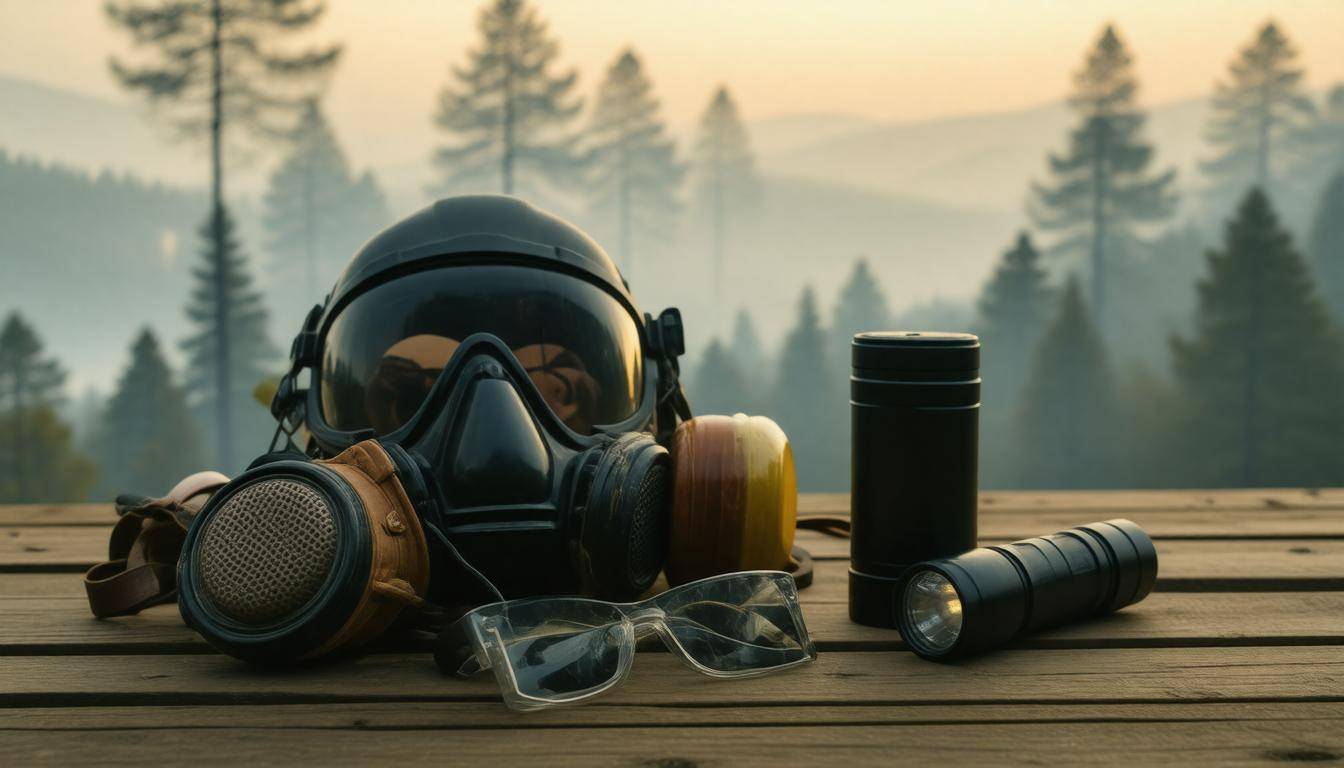
Impact of Irkutsk Wildfires
The wildfires in Irkutsk do not just leave behind charred earth; their repercussions ripple through ecosystems, economies, and communities. In 2023 alone, the devastation stretched over one million hectares, resulting in thousands of residents losing their homes. This dislocation caused an immediate strain on local resources like emergency services and supplies as communities rallied to support their neighbors in desperate need. Imagine waking up to find your entire neighborhood transformed into a smoldering landscape—this was the harsh reality for many.
The toll on human health cannot be underestimated either. Smoke envelops homes, schools, and workplaces and leads to immediate respiratory concerns. People suffering from asthma or other lung conditions are particularly at risk. Furthermore, long-term exposure can aggravate chronic health issues and even lead to life-threatening conditions.
Research indicates that inhaling smoke from wildfires can significantly increase hospitalization rates for respiratory problems during peak fire seasons.
Beyond immediate effects, the economic implications are staggering. The Russian Emergency Situations Ministry reported that damages exceeded $150 million just in 2023. When you consider infrastructure repair, healthcare costs, and loss of livelihoods, it’s clear that the economic ramifications will last much longer than any recovery efforts. As such fires rage on with increasing frequency, businesses may struggle to recover or pivot in time to adapt.
On a broader scale, the environmental impact is equally alarming. Wildfires release vast amounts of carbon dioxide into the atmosphere at an unprecedented rate, contributing significantly to climate change.
Additionally, the aftermath of such fires weakens soil stability and leads to erosion, which can cause landscapes to change permanently. This shift can disrupt local ecosystems as flora and fauna are altered drastically by fire. Even if new plant life emerges, invasive species often take root in areas where native plants once thrived.
When examining the full scope of wildfires in Irkutsk, it’s evident that their impacts encompass immediate dangers as well as long-term ecological changes. As these conversations about safety gear become increasingly essential, understanding the foggy risks associated with smoke inhalation awaits next.
Health Risks from Smoke Inhalation
Wildfire smoke is a cocktail of harmful substances. It’s not just unpleasant; it contains a mixture of gases and fine particles that come from burning trees, grass, and other organic materials. These tiny particles, known as particulate matter, can settle deep into the lungs, leading to serious health issues even after short exposure.
Short-Term Effects
When you’re exposed to wildfire smoke, you might notice some immediate and uncomfortable symptoms. For instance, irritation of the eyes, nose, and throat can occur almost right away. You may also find yourself coughing or wheezing as your body attempts to clear out the foreign particles. This reaction is your body’s way of signaling that something isn’t quite right. Difficulty breathing and occasional chest pain can further intensify the experience, making ordinary activities seem daunting.
The short-term effects shouldn’t be ignored; they serve as an important warning from your body.
Long-Term Effects
However, the consequences of smoke inhalation extend beyond these immediate reactions. Prolonged exposure can lead to more severe conditions such as chronic respiratory diseases and cardiovascular problems. In extreme cases, long-term inhalation of smoke has been linked to cancer. Vulnerable populations—children who are still developing, the elderly whose bodies are less resilient, and individuals with pre-existing health conditions—are especially susceptible to these dangers.
Take Olga’s experience, for example. As a resident of Irkutsk, she experienced exacerbated asthmatic symptoms during wildfire season, illustrating how wildfire smoke can drastically affect one’s health and quality of life.
Given these potential health risks, it’s essential for everyone in affected areas to take proactive measures to shield themselves from smoke exposure. Staying indoors during high-smoke days and using air purifiers can significantly reduce inhalation risks while wearing appropriate masks if you must go outside adds an extra layer of protection. Your health is invaluable, so safeguarding it against these fire-related threats should be a priority.
Recognizing these hazards highlights the importance of understanding what protective measures can effectively combat such smoke exposure, guiding us toward the necessary safety gear for when situations worsen.
Essential Protective Gear
Protecting yourself from wildfire smoke means gearing up with the right equipment. Each piece of protective gear serves a unique purpose and collectively helps to minimize exposure to harmful particles. The first line of defense begins with your breathing apparatus—a vital component considering how easily smoke can infiltrate the lungs.
Respiratory Protection
N95 or P100 masks are highly recommended because they can filter out a significant majority of harmful particles. An N95 mask blocks roughly 95% of very small particles, while a P100 mask offers even more protection, filtering out up to 99.97%. Remember, the fit is almost as important as the effectiveness; if the mask doesn’t seal properly around your face, it won’t be as effective.
Also, consider an additional layer of safety by pairing these masks with a face shield. While the masks protect your airways, a face shield can prevent ash and irritants from coming in contact with your face, providing comprehensive protection.
Eye Protection
It’s essential not to overlook eye protection during smoky conditions. Goggles that create a seal around your eyes can protect against smoke irritation. This is particularly important because even brief exposure to irritating smoke particles can lead to redness and discomfort, which can last for hours or even longer.
When choosing goggles, opt for those that offer anti-fog features as well; poor visibility is the last thing you need while navigating through smoke-filled conditions. Clear lenses will also help maintain visibility without sacrificing your eye health.
Skin Protection
Wearing long sleeves and pants made from natural fibers can help protect your skin from ash and heat. Fabrics like cotton and linen offer breathability while creating a barrier against debris that may settle on your skin.
If you’re venturing into areas with higher smoke concentrations or actively engaging in firefighting efforts, consider specialized clothing that has fire-resistant qualities. Such clothing not only safeguards against burns but also prevents ash irritation on sensitive skin areas.
These protective measures are crucial for ensuring safety in wildfire situations; however, understanding how to maximize their effectiveness requires knowledge of specific solutions tailored for respiratory protection during hazardous air quality conditions.
Effective Masks for Wildfire Smoke
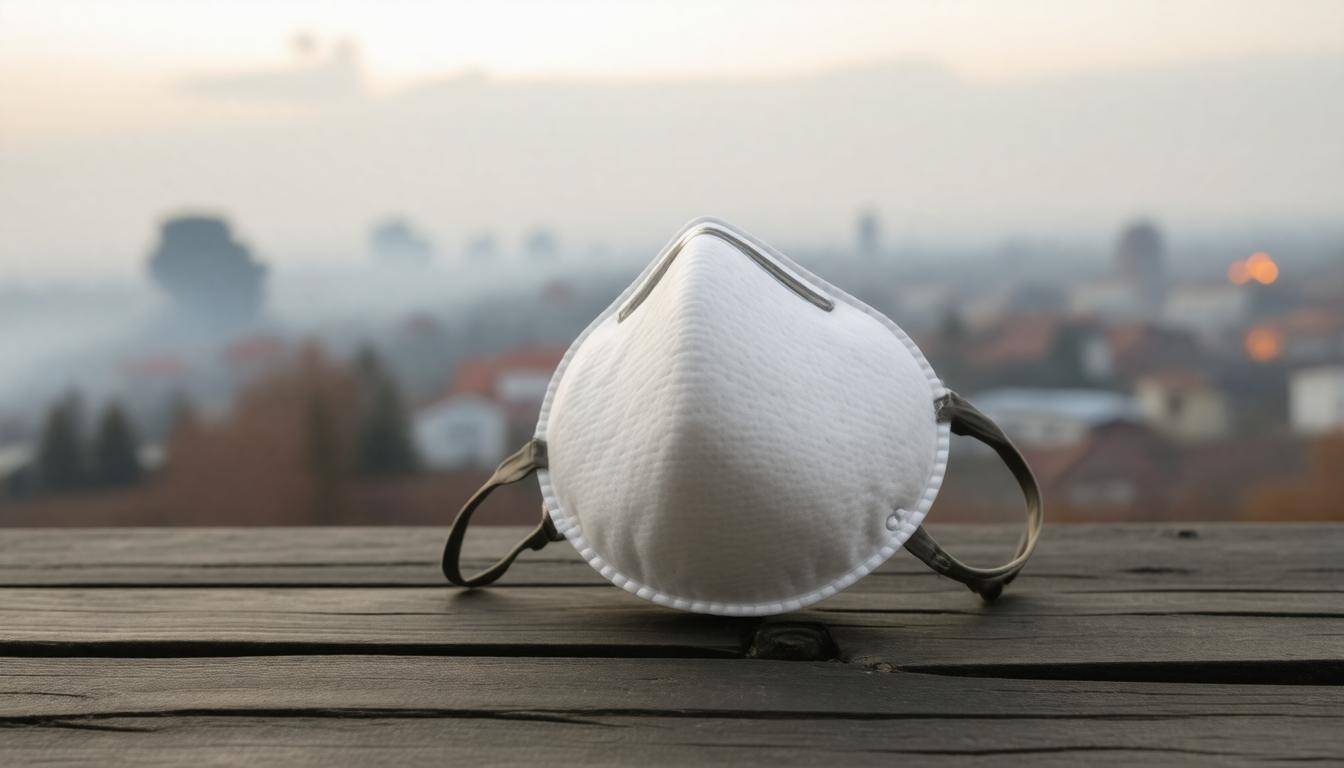
When it comes to staying safe from wildfire smoke, choosing the right mask can be a game-changer. Not all masks are created equal, and using the right one can make all the difference in how well you breathe during smoky conditions. While standard surgical masks and cloth coverings may provide some level of comfort, they simply do not cut it when facing the dangers posed by airborne particles released in smoke.
Best Types of Masks
For serious protection, consider investing in either N95 or P100 respirators.
-
N95 Respirators: These masks filter out approximately 95% of airborne particles and are highly regarded for their effectiveness against various forms of pollution, including smoke. They are designed to fit tightly around the face, helping to create a proper seal that minimizes leakage while you breathe.
-
P100 Respirators: Going a step further, P100 masks offer remarkable filtration efficiency, blocking an impressive 99.97% of particulates. This makes them not only suitable for smoke but also for industrial dust and hazardous materials.
Now that we understand the best types of respirators available, let’s explore specific brands that stand out in providing reliable protection against wildfire smoke.
Brands to Consider
When selecting a brand, it’s essential to choose models that have been tested and proven effective. Here are a couple of reputable options:
-
3M N95 Disposable Respirators: These disposable masks are lightweight, comfortable, and effective at filtering out harmful particles. Many users find them easy to wear for extended periods—important during lengthy exposure situations like evacuation or while cleaning up after a fire.
-
Particulate Respirator from Moldex: With a focus on safety and comfort, this model boasts 100% filtration efficiency while allowing for easier breathing due to its unique design. Moldex masks are often praised for their low-profile structure that doesn’t obstruct vision, which is an added perk for those needing situational awareness while working outdoors.
Once you’ve selected a suitable mask, the next step involves ensuring that your attire complements your protective gear effectively.
Choosing the Right Protective Clothing
Suitable clothing can significantly reduce the risk of burns and exposure to harmful particles. When it comes to protecting yourself from both the intense heat and the ash-filled air caused by wildfires, choosing the right clothing is paramount.
Materials to Opt For
Natural fibers like cotton and wool are excellent choices as they are less likely to catch fire compared to synthetic materials. Cotton, for instance, not only breathes well, keeping you cooler in high temperatures, but also forms a protective barrier against flying embers and ash. Wool has the added benefit of being naturally fire-resistant, making it an essential fabric for anyone working or residing near areas affected by wildfires.
Furthermore, consider layering smartly. Wearing several layers of natural fabrics allows better thermal regulation. While one layer may provide a basic shield against particulate matter from smoke, additional layers can trap heat and potentially protect against contact burns if you happen to get too close to a flame or smoldering debris.
Additional Gear
Beyond just shirts and trousers, proper protective gear should include items like fire-resistant gloves and jackets. Fire-resistant gloves not only protect your hands from potential burns but also provide grip while handling tools or debris during cleanup efforts.
Fire-resistant jackets add another layer of defense against both heat and smoke inhalation, often featuring specialized fabrics designed to minimize both flammability and respiratory risks. Brands like Carhartt and Bulwark have built reputations for producing high-quality, specialized fire-resistant clothing that can provide those extra layers of protection when you need them most.
Investing in this type of gear may seem costly upfront, but it’s critical for your safety during wildfire season; an ounce of prevention is worth a pound of cure.
By ensuring you’re equipped with the right attire and protective equipment, you pave the way for safer experiences outdoors. Next, we will explore ways to enhance your environment further amidst challenging air quality conditions.
Indoor Air Quality Solutions

During wildfire events, being proactive about your indoor air quality can make a significant difference in your health and comfort. One of the simplest yet most effective measures is to keep windows and doors tightly closed. This action creates a barrier against the smoky air trying to seep into your living space. It might feel tempting to open a window for fresh air, but resist that urge; the outside air can do more harm than good in these situations.
To further block out smoke, try these additional strategies:
- Place damp towels at the bottom of doors: This helps seal gaps and traps entering smoke particles.
- Close all vents: Ensure that HVAC ducts are sealed during smoke advisories to prevent outdoor air from circulating indoors.
Air Filtration Systems
Another critical step in protecting your indoor environment is investing in an appropriate air filtration system. Upgrading your HVAC system can elevate your home’s safety and well-being dramatically. High-efficiency particulate air (HEPA) filters capture at least 99.97% of microscopic particles that are 0.3 microns or larger, which includes smoke particles.
Investing in an HVAC system equipped with premium filters can significantly improve indoor air quality.
Among the many options available, one standout choice is the IQAir HealthPro Plus. This state-of-the-art air purifier is known for its longevity and unparalleled ability to filter even the smallest particles. It operates quietly and efficiently, making it perfect for families during wildfire season or whenever poor outdoor air quality threatens.
Don’t underestimate the value of these preventive measures. By focusing on maintaining clear indoor air spaces through simple yet effective techniques, you create a safe refuge amid chaotic environmental conditions outside.
Next, we will explore essential tools that aid in ensuring optimal air quality in tight spaces and provide relief from hazardous outdoor conditions.
Portable Air Purifiers
A portable air purifier is your first line of defense against compromised indoor air quality, especially when smoke infiltrates your living space. These devices serve a simple, yet vital purpose: they filter out pollutants that can not only affect your health but also affect your comfort—a must-have when every breath feels like a risk due to smoky conditions outside. By strategically placing a portable air purifier in the rooms you frequent most, you can significantly improve your indoor atmosphere and protect your lungs from harmful particles.
Key Features to Look For
Choosing the right portable air purifier can make all the difference. First and foremost, look for a High CADR (Clean Air Delivery Rate). This metric tells you how quickly and efficiently an air purifier can clean the air within a specific space. A higher CADR means quicker relief from airborne impurities. Seek models with True HEPA filters; these are proven to capture 99.97% of particles measuring 0.3 microns or larger, which includes many allergens, dust, and even some bacteria.
Moreover, consider air purifiers equipped with activated carbon filters. While HEPA filters tackle physical particles, activated carbon works wonders on gases and odors—essential during wildfire smoke events by eliminating those lingering acrid smells that can permeate your home long after the flames have been extinguished.
As you weigh options, it’s also worth keeping an eye out for other features such as energy efficiency (look for ENERGY STAR certification), noise levels (to ensure it won’t disrupt your peace), and any smart technology that allows for remote control or monitoring via smartphone apps.
Not only do portable air purifiers help reduce airborne toxins during wildfires, but according to a study conducted by Consumer Reports, they can reduce airborne pollutants by up to 85%. The data suggests an encouraging reality: investing in quality portable air purifiers makes indoor environments much safer during such critical times.
Recommended Models
If you’re unsure where to start in your search for an efficient device, consider the following popular models:
- Coway Airmega 400: Known for its impressive CADR ratings and sleek design, this model features both HEPA and activated carbon filters along with eco-friendly settings.
- Dyson Pure Hot+Cool HP06: This versatile unit functions as a heater and fan while offering powerful purification capabilities and smart connectivity.
With the right portable air purifier at hand, you position yourself to breathe easier even when outdoor air quality plummets due to wildfires. Regular maintenance of these devices ensures they continue running effectively as we transition into exploring further safety measures that address urgent situations.
Emergency Preparedness Tips
One of the most underestimated elements of preparing for wildfire events is maintaining open lines of communication. Ensure that every family member has a fully charged phone with emergency contacts saved. Consider creating a group chat or using an app suitable for emergencies; this way, you can check in with each other even if you are separated during an evacuation.
Stay Informed
Keep yourself updated about local conditions. Signing up for alerts from your local authorities can be incredibly helpful. Many communities have dedicated platforms where updates on air quality and evacuation notices are disseminated regularly. It’s also wise to follow social media groups focused on local news; this sometimes provides faster insights than official channels.
Knowing what is happening around you can guide your decisions during emergencies, preventing panic and helping you respond effectively.
Additionally, consider designating one person as the primary decision-maker during emergencies, someone who will assess the situation and guide others on necessary actions. This can alleviate confusion and streamline communication among family members when time is of the essence.
Documentation and Valuables
Secure essential documents, like insurance policies and identification, in a waterproof container that’s easy to grab. Digital copies stored securely in the cloud can also be beneficial, allowing you to access them from anywhere if your physical copies become lost or damaged during a crisis.
In conjunction with securing documents, think about making duplicates of your most cherished items—whether photographs or heirlooms. Documenting their existence can save you heartache in case of loss and helps in processing insurance claims seamlessly.
Prepare Your Home
Ensuring that your home is ready for potential wildfires is just as crucial as personal preparedness. Evaluate and clear flammable materials such as dead vegetation, branches, or anything too close to your structure. Make sure your gutters are clean and secured to minimize flying debris risks from high winds.
It may seem daunting at first, but taking these preventative measures creates not only a safer environment but also peace of mind during precarious times.
Last but certainly not least, staying calm cannot be understated. Panic often leads to misinformed decisions that could exacerbate a dangerous scenario. Practicing mindfulness techniques or stress management strategies—like deep breathing—can empower you to remain composed even when chaos surrounds you.
By weaving all these preparedness strategies together into a cohesive plan, you will significantly enhance your family’s safety and resilience in the face of wildfire smoke challenges.
As wildfires continue to pose serious threats, being proactive and prepared is essential for ensuring safety when it matters most. These guidelines will equip you with the knowledge necessary to navigate through challenging times effectively.
Are there any local resources or services in Irkutsk that provide support during wildfire smoke events?
Yes, in Irkutsk, local resources such as the Irkutsk Regional Emergency Service and public health departments provide support during wildfire smoke events. They often disseminate air quality updates, distribute protective masks, and offer guidance on safety measures. According to a 2023 report from the regional administration, there was a notable increase in community outreach during major smoke events, helping over 1,000 residents access necessary protective gear and information to mitigate health risks associated with poor air quality.
What types of masks or air filters are most effective for protection against smoke inhalation?
N95 respirators and P100 masks are the most effective for protection against smoke inhalation, as they can filter out at least 95% and 99.97% of airborne particles, respectively. According to the Environmental Protection Agency (EPA), these masks significantly reduce exposure to harmful particulate matter, known to be prevalent during wildfires. They are designed to create a tight seal around the face, preventing smoke and other pollutants from entering, making them crucial for those in areas affected by wildfire smoke like Irkutsk.
How can residents properly prepare their homes to reduce smoke infiltration during wildfires?
Residents can properly prepare their homes to reduce smoke infiltration during wildfires by sealing windows and doors with weather stripping, using air purifiers equipped with HEPA filters, and creating a barrier with wet towels or rags at entry points. According to the Environmental Protection Agency, indoor smoke levels can be significantly higher than outdoor levels during wildfire events, making it crucial to maintain a clean air environment inside. Additionally, keeping ventilation systems closed and ensuring that exterior body of the home is properly maintained can greatly minimize smoke intrusion and enhance safety.
What steps should be taken if someone experiences respiratory issues due to wildfire smoke?
If someone experiences respiratory issues due to wildfire smoke, they should immediately move to a smoke-free environment, ideally indoors with air conditioning. It’s crucial to avoid physical exertion and use an N95 respirator mask if outdoor exposure is unavoidable. According to the CDC, individuals with pre-existing respiratory conditions are at heightened risk; thus, they should have an action plan in place, including quick access to inhalers or medications as prescribed. Seeking medical attention is imperative if symptoms persist or worsen.
What specific health risks does wildfire smoke pose to residents in Irkutsk?
Wildfire smoke poses significant health risks to residents in Irkutsk, primarily affecting respiratory health. Inhalation of fine particulate matter (PM2.5) can lead to exacerbations of asthma, chronic obstructive pulmonary disease (COPD), and increased hospital admissions for respiratory issues. Studies indicate that exposure to wildfire smoke can lead to a 20-40% increase in respiratory-related hospital visits during severe smoke events. Additionally, long-term exposure may contribute to cardiovascular problems, making it essential for residents to utilize proper smoke protection gear during wildfires.