
When the skies darken and the winds begin to howl, it’s easy to feel overwhelmed by the power of nature. Living on an island can bring unique challenges during cyclone season, and knowing how to prepare can mean the difference between chaos and calm for you and your family. With storms becoming more intense, having a plan in place isn’t just smart—it’s essential. This guide will walk you through building a comprehensive Island Cyclone Defense Kit that ensures you’re ready for whatever comes your way. From essential supplies to effective communication strategies, you’ll find everything you need to navigate stormy weather safely. Let’s dive into making your storm preparedness as solid as your home itself!
An Island Cyclone Defense Kit should include essential items such as non-perishable food, water, first aid supplies, flashlights with batteries, emergency blankets, a multi-tool, and communication devices like a battery-operated radio. Additionally, it’s crucial to have important documents stored securely and a plan for securing your home and evacuating safely if necessary.
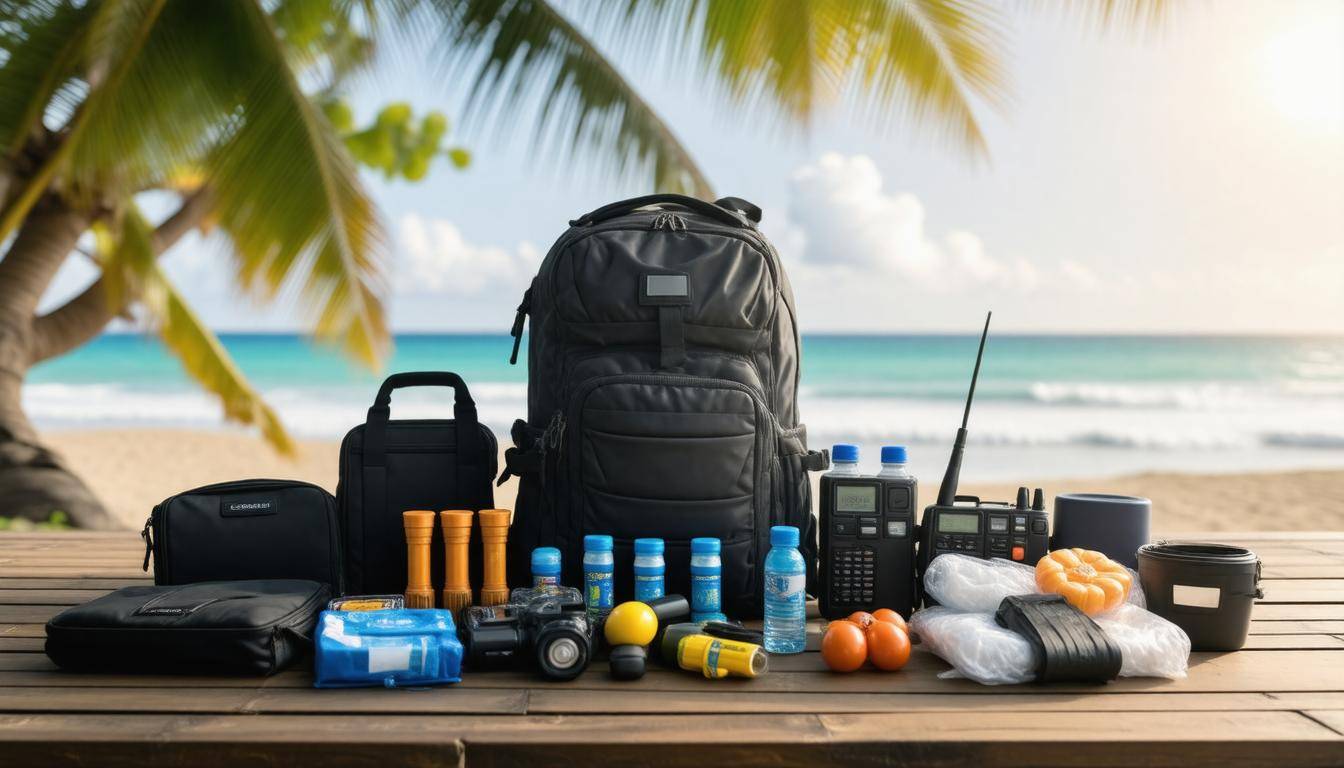
Island Cyclone Defense Kit Essentials
Preparing for a storm is not just about having supplies; it’s about having the right kind of supplies. Starting with robust, waterproof containers is paramount for protecting your items against flooding or strong winds. Imagine the chaos of seeking essential tools only to find that water has soaked through flimsy packaging, ruining critical items. To prevent this, choose durable containers that are waterproof and resistant to impacts. For enhanced organization, consider using multiple containers designated for different categories like food, first-aid supplies, and tools. This strategy minimizes the risk of cross-contamination while ensuring that each category remains easily accessible during a crisis.
Essential Items Breakdown
Let’s unpack why each item in your cyclone defense kit matters and how it can make a significant difference in your safety and comfort during and after a storm.
-
First Aid Kit: A well-stocked first aid kit is your line of defense against injuries sustained during a cyclone. It should include items like antiseptics to clean wounds, band-aids for minor cuts, gauze pads to control bleeding, and any necessary medications specific to your family’s needs. Pack them away in waterproof pouches to keep everything dry and ready for immediate use.
-
Multi-tool: Having a sturdy multi-tool can be invaluable in an emergency. With various attachments such as knives, screwdrivers, and pliers, this compact device ensures you’re equipped for small repairs, meal preparations, or even opening cans of food without needing bulky equipment.
-
Emergency Blankets: Lightweight yet powerful; these thermal blankets can retain up to 90% of body heat. If you find yourself without electricity due to storm damage, these blankets become crucial in keeping warm when temperatures drop unexpectedly.
-
Whistle: In chaotic situations where shouting may be ineffective or energy-consuming, a whistle becomes a lifesaver. It can help rescue teams locate you quickly if needed — especially important if debris or structural hazards block your movement.
-
Fire Extinguisher: Accidents can happen at any time; even while preparing for a storm. Keeping a compact fire extinguisher on hand helps mitigate small fires from appliances or candles used during power outages, protecting both life and property.
-
Heavy-duty Gloves: Following a cyclone, the landscape may be littered with hazardous debris requiring clean-up. Heavy-duty gloves enable you to navigate through sharp objects safely and aids in managing cleanup tasks efficiently.
These essential items lay the groundwork for being adequately ready for future storms. Knowing what supplies are necessary enhances your capacity to face challenging situations head-on as we move on to ensure you’re set with vital food and water resources.
Water, Food, and Emergency Supplies
First and foremost, having an adequate supply of water is crucial during a cyclone or any emergency. Each person in your household should have access to at least one gallon (3.785 liters) of water per day, and ideally, you’ll want enough stored for at least three days. This means a minimum of three gallons per person, which can quickly add up for larger families. To ensure cleanliness and safety, it’s important to store this water in clean, air-tight containers, making sure the containers are food-grade to prevent harmful leaks.
In addition to water, food is the next vital component of your emergency kit. Focus on non-perishable items that provide sufficient nutrition without requiring cooking or complicated preparation. Ideal choices include ready-to-eat canned goods—anything from soups and stews to vegetables—and energy-rich options like granola bars and freeze-dried meals. You’ll want foods that you can consume straight away, as power outages can render many cooking appliances ineffective.
But what if you find yourself in a position where cooking is required? Don’t worry; there’s a solution!
Essential Emergency Supplies
To cater for those rare times when you do need to prepare food, consider including a portable stove with compact fuel canisters in your kit. This way, you’re equipped to cook some essentials like canned goods or dry rations should the situation arise:
- Portable Stove: Lightweight and easy to use.
- Manual Can Opener: Because you’d rather not use a spoon to dig into your canned beans!
- Disposable Utensils and Plates: When running water is scarce, these make cleanup incredibly simple.
- Sanitation Supplies: Items like wet wipes, hand sanitizer, and even portable toilets can be invaluable when normal services are disrupted.
These supplies don’t just cover the basics—they also play a key role in maintaining hygiene during trying times. In stressful situations, keeping clean isn’t always possible, but having sanitation supplies close at hand can help mitigate health risks that arise from poor hygiene practices.
Preparation revolves around understanding your unique needs and the types of emergencies you may encounter. By evaluating these aspects before disaster strikes, you set yourself up for resilience in the face of adversity while ensuring you remain connected and powered through the storm.
Communication Devices and Power Sources
During a cyclone or any natural disaster, staying informed can be the difference between safety and chaos. With island terrains often limiting connectivity, it’s crucial to be equipped with the right gear. Investing in battery-powered or hand-crank radios allows you to receive vital emergency updates, alerts, and instructions even when traditional channels fail. These radios typically provide access to multiple frequencies, ensuring that you’re not left in the dark as conditions change rapidly. While these radios are effective for immediate communication, a satellite phone presents an excellent backup option; they operate independently of local cell towers, providing a lifeline when everything else goes out.
However, communication is only one part of the equation; ensuring your devices are powered up is just as critical.
Consider using solar chargers or portable power banks to keep your communication devices fully operational. When faced with extended power outages post-storm—sometimes lasting days—you’ll want to ensure that your charged devices are ready to go at a moment’s notice. Solar chargers harness sunlight, allowing you to recharge your devices without relying on the grid, while portable power banks store energy that can be used anytime. Both options provide flexibility and peace of mind as you navigate through challenging circumstances.
An example of a versatile solution is the Goal Zero Yeti Portable Power Station—it offers ample power for multiple devices and comes with various output options to suit different charging needs. Similarly, the BioLite SolarHome 620 Kit not only delivers energy but also integrates lighting solutions into its design, making it a smart choice for emergencies.
The integration of reliable communication tools and sustainable power sources equips you for anything nature throws at you. With these devices in hand, you’ll remain prepared to face storm challenges head-on while maintaining crucial contact with loved ones and emergency services.
Now that you have a better understanding of effective communication and power solutions, consider how these elements fortify your overall approach to preparedness in the face of storms.
Strengthening Home Structures
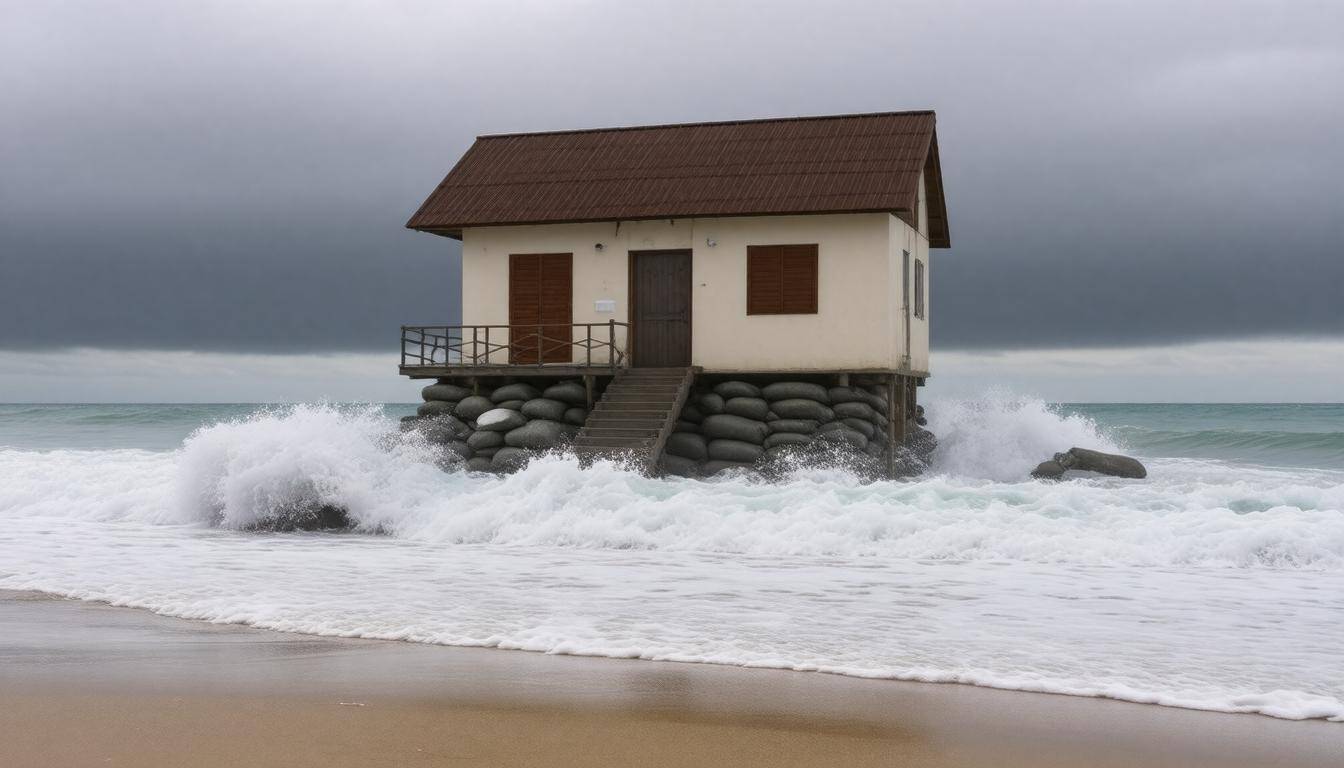
Secure structures are fundamental when it comes to surviving the fury of cyclones. By reinforcing your home’s framework, you’re not just protecting your family or valuables; you’re investing in long-term safety and economy.
For instance, installing hurricane shutters isn’t merely a cosmetic enhancement; it acts as a formidable barrier against flying debris that can easily shatter windows and compromise the home’s integrity during a storm.
When installing hurricane shutters, ensure they fit snugly and are made from durable materials such as aluminum. Similarly, plywood can be a cost-effective alternative if shutters are out of reach. Simply cut the plywood to fit each window and secure it with strong screws. This small step could mean the difference between minimal damage and significant repairs.
Structural Reinforcements
Beyond just protecting windows, consider how to enhance the very structure of your home. One critical investment is the use of hurricane straps, which provide an essential connection between your roof and its walls. By bolting these straps securely, you’re effectively tying your house together—a key element that allows it to withstand extreme winds without failing.
Think of hurricane straps like a safety belt for your house; they keep everything secure during turbulent times.
You might wonder about the impact on aesthetic appeal; however, these reinforcements can be discreet and often go unnoticed while providing substantial protection. Ensure that heavier outdoor furniture is secured or stored away before a storm hits. A lightweight chair can transform into a dangerous projectile if caught in ferocious winds, creating hazards for both nearby structures and individuals.
Roof and Outdoor Areas
The roof of your home deserves particular attention. If possible, choose reinforced roofing materials designed to withstand high wind forces. This means exploring options like asphalt shingles rated for high winds or metal roofing systems that are more resilient against both moisture and wind damage.
Furthermore, ensure that all roof tiles or shingles are properly sealed according to manufacturers’ guidelines using durability-enhancing techniques.
Regular inspection plays an equally crucial role too; make it a habit to check for loose shingles or any signs of wear after storms to catch issues before they worsen. Addressing small problems today can prevent larger headaches tomorrow—both financially and structurally.
As you fortify your home against cyclones, it’s equally important to devise strategies that keep you and your loved ones safe during storms.
Security Measures and Evacuation Plans
Safety is paramount during and after a cyclone; hence, securing your home is the first step in that direction. Start by reinforcing external locks on doors and windows. Don’t overlook the potential for looters during chaotic times—having strong barriers can deter opportunistic thefts.
But while strengthening your home’s defenses is important, ensuring that everyone knows their way around potential exits is equally vital. Be sure to establish clear routes for evacuation, highlighting both primary and secondary pathways out of your neighborhood or town to avoid traffic bottlenecks when every second counts.
Along with knowing how to get out of your home quickly, having an effective evacuation plan brings peace of mind.
Evacuation Plan
Designating a safe meeting place—a location where all family members can converge post-evacuation—should be part of your planning process. This spot should be easily accessible and sufficiently distanced from your home to avoid any danger. Involving local landmarks can simplify directions, especially if they are more recognizable than street names which may become obscured by storm debris. One illustrative option is a community center or school that has emergency protocols in place.
“Failing to prepare is preparing to fail.” This quote encapsulates the very reason we stress regular practice drills with your family. Take time weekly or monthly to rehearse the entire evacuation process, from switching off utilities to grabbing emergency kits. A rehearsal will help everyone feel comfortable navigating through what might feel like chaos when an evacuation is ordered.
After establishing security measures and practicing your evacuation plan, consider further methods for enhancing safety during storm season.
Additional Tips
In addition to physical preparations, don’t forget about communication! Signing up for emergency alerts through local services keeps you informed about weather changes or evacuations. You can receive notifications directly on your mobile device based on your geographic location.
Lastly, maintaining copies of crucial documents—like identification, insurance papers, and medical records—is vital as you prepare for a storm. Store these in a waterproof container so they remain safe regardless of what happens with your home.
Taking proactive steps toward security and planning for evacuations not only protects yourself but also encourages others in your community to do the same as they face the challenges of storm season ahead.
As the next step in this journey of preparedness, let’s explore how to create protected spaces that ensure safety during turbulent times.
Creating Safe Sheltered Areas
Designating specific safe areas within your home is crucial when preparing for a cyclone. Ideally, choose an interior room without windows, such as a basement or a small bathroom on the lowest floor. This central location minimizes exposure to strong winds and falling debris. However, simply choosing the right room is not enough; reinforcing it for maximum safety is essential. Start by securing heavy furniture or placing it strategically against walls, as this can help create a barrier from potential projectiles during a storm.
Stocking your safe area effectively means being prepared. Prioritize gathering supplies: at least one gallon of water per person per day for three days, along with non-perishable food sufficient for the same period. It’s vital to store a flashlight, extra batteries, a first aid kit, and even a whistle to signal for help should you find yourself in need. These items are not just necessities; they can make a significant difference in your comfort and safety throughout the ordeal.
Imagine being in that secure space with loved ones, feeling protected as the storm rages outside. A little preparation transforms panic into calmness.
With your supplies in hand, a little creativity can enhance your shelter’s functionality. Think about adding padded blankets or pillows—especially helpful if you need to stay hidden for extended periods. Also consider creating a mobile emergency kit that can be quickly grabbed if evacuation becomes necessary. This ensures you aren’t scrambling through items at the last minute; everything should be easily accessible.
As you reinforce your safe room, remember to regularly practice evacuation drills with everyone in your household.
How often do we rehearse our emergency procedures? By practicing these scenarios, you solidify everyone’s understanding of what needs to be done during high-stress situations. Create a communication plan that includes emergency contacts and establish a designated meeting point outside of the house so you can regroup if separated during evacuations.
Lastly, consider installing storm shutters or board up windows with plywood well ahead of time—both are proactive measures that protect against flying debris and water intrusion. Following these tips creates an internal fortress where you can ride out the storm while keeping safety and comfort at the forefront of your plans.
There’s much more involved in crafting resilient preparedness strategies that will ensure you’re ready when storms come calling.
Next, we’ll explore how to effectively organize and manage all the essentials you’ll need for these situations.
Packing and Storing Your Kit
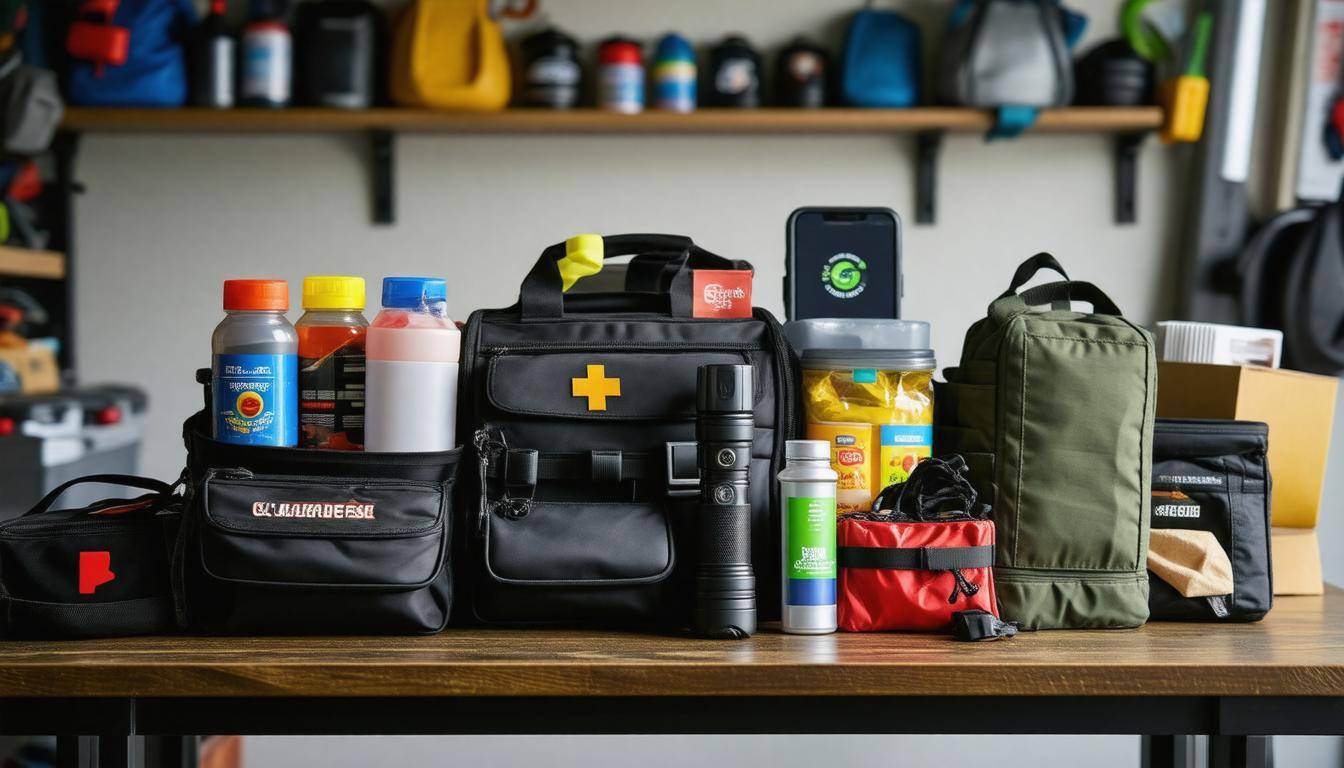
Properly organizing your cyclone defense kit isn’t just about tossing supplies into bins; it’s about thoughtful packing that can make all the difference when time is critical. Start by selecting waterproof, durable containers like plastic bins with tight-fitting lids to protect your essential gear from moisture and potential damage. The last thing you want during a storm is to find your supplies soggy or ruined.
When it comes to weight, aim for each container to hold a maximum of 30 pounds. This makes them easier to handle, especially in emergency situations when you might need to move quickly. Heavier items, like water jugs or canned goods, should go at the bottom of your containers, while lighter items like snacks or blankets can rest on top. This method ensures that nothing gets crushed under weight and everything remains easily accessible.
If you think labeling isn’t important, just imagine trying to sort through a chaotic mess during a storm! Clear labels on each bin provide instant visibility into their contents. Labels should detail what’s inside—like “Medical Supplies,” “Non-perishable Food,” or “Flashlights”—and include the date packed. This information can expedite access during an emergency when every second counts.
As you’re creating your kit, take a moment to think about where you’ll store it.
The location of your storage is just as crucial as how you pack it. Ideally, place your bins in a cool, dry space that’s elevated off the ground, reducing the risk of water damage in case of flooding. Make sure everyone in your household knows exactly where the kit is stored. Creating a mental map of your home that highlights where key supplies are kept can make them easy to find when urgency strikes.
Additionally, consider implementing a rotation schedule every six months. This means checking and updating the kit regularly to replace expired items and ensure everything is in prime condition. It’s a simple way to guarantee your supplies remain effective and reliable when you need them most.
Investing a bit of time in proper packing and storing now can pay off immensely during the chaos of an unexpected storm—it’s not just preparation; it’s peace of mind.
With this knowledge, let’s shift our focus toward keeping yourself informed and ready for any potential storm threat ahead.
Staying Updated and Informed
Keeping abreast of the latest information can truly be life-saving during cyclone events. A well-informed individual is better equipped to respond rapidly as situations evolve. This means regularly checking in with reliable sources like the National Hurricane Center, which tracks storms and provides vital updates. Their website offers real-time data, including hurricane forecasts and alerts that can help you make timely decisions about your safety. Additionally, local weather stations often give tailored information that reflects your community’s specific situation.
In our world today, misinformation can spread as quickly as accurate information; thus, it’s essential to prioritize endorsed sources. Following verified accounts on social media can also serve as a powerful tool for receiving immediate updates from local authorities. Just ensure that you’re not falling into the trap of unverified news that could lead to panic or erroneous beliefs about the situation at hand.
Keeping Informed
| Information Source | How to Access |
|---|---|
| National Hurricane Center | Website, Radio, TV |
| Local Government Alerts | SMS, Radio, TV |
| Social Media | Follow verified accounts |
This table illustrates various information sources and how to access each one, providing a clear overview of where to get credible updates during cyclones. The National Hurricane Center stands out as a primary source for comprehensive storm details—think of it as the central command center that provides guidance for navigating turbulent times.
Alongside using these resources effectively, consider ways to create a community network that reinforces shared responsibility in staying informed.
Establishing a communication network within your neighborhood can significantly enhance preparedness efforts. Connecting with neighbors allows you to share updates and check on each other’s safety. You might even consider setting up a group chat or email chain specifically designed for emergencies. By doing this, you’re not only verifying your own information but serving as a vital link for those who may lack access to trusted sources.
The key takeaway here is that preparation doesn’t only lie in gathering supplies but also in being well-informed before, during, and after any potential storm. By combining reliable sources with community engagement, you’ll create a robust defense mechanism against the chaos a cyclone can bring.
In summary, staying updated through credible sources and fostering strong community connections are essential strategies for effective storm preparedness. When everyone works together, you create a safer environment for all.
Are there any additional resources or tools recommended for cyclone preparedness beyond the defense kit?
Yes, beyond the “Island Cyclone Defense Kit,” it’s advisable to incorporate additional resources such as a comprehensive emergency plan, a first-aid kit, and an evacuation route map. According to FEMA, having an emergency plan can increase survival rates by up to 30% during extreme weather events. Additionally, utilizing weather apps for real-time updates and community warning systems can enhance preparedness and response effectiveness in the face of approaching cyclones.
What steps should be taken after a cyclone passes to assess damage and ensure safety?
After a cyclone passes, first ensure personal safety by avoiding damaged areas and downed power lines. Conduct a thorough assessment of your property, checking for structural damage and hazards like gas leaks. According to FEMA, nearly 50% of injuries post-disaster are caused by unsafe conditions. Document the damage with photos and notes for insurance claims, and report any dangerous situations to local authorities. Finally, stay informed through emergency services updates for guidance on recovery efforts.
How does one determine the best location to store an island cyclone defense kit?
To determine the best location to store an island cyclone defense kit, choose a dry, elevated area away from windows and flood-prone regions, ideally in a central part of your home for easy access during an emergency. According to studies, homes located within 100 meters of the coast face higher risks of storm surges and flooding, emphasizing the importance of storing your kit in a safe zone to ensure it remains usable when most needed. Regularly check accessibility and consider a backup location in case the primary one becomes compromised.
What essential items should be part of a comprehensive Island Cyclone Defense Kit?
A comprehensive Island Cyclone Defense Kit should include essentials such as non-perishable food, water (at least one gallon per person per day for three days), a first aid kit, flashlights with extra batteries, a multi-tool or knife, important documents in waterproof bags, and a portable phone charger. Additionally, having a NOAA weather radio can keep you informed of storm developments. According to the Federal Emergency Management Agency (FEMA), being adequately prepared can significantly reduce the impact of disasters on your family and property, making it crucial to equip yourself with these life-saving items before cyclone season.
How can homeowners effectively prepare for a cyclone using this kit?
Homeowners can effectively prepare for a cyclone using the “Island Cyclone Defense Kit” by ensuring they have essential supplies like non-perishable food, water, first aid kits, and batteries for communication devices. Additionally, it’s crucial to secure their home with storm shutters or plywood, trim overhanging branches, and create an emergency plan that includes evacuation routes. According to the National Hurricane Center, proper preparation can reduce damage by up to 40%, highlighting the importance of being proactive in safeguarding your family and property against cyclones.