
As the monsoon season approaches, many Malaysians are bracing for the annual deluge that transforms streets into rivers and homes into islands. The fear of flooding looms large, and for good reason; each year, thousands face the chaos that comes with heavy rains. But what if we could change that narrative? Instead of waiting for the next flood to strike, there lies an opportunity to turn our focus towards prevention, safety, and resilience. This article explores how a proactive Malaysia Monsoon Flooding Protection Plan can empower communities, enhance infrastructure, and ultimately save lives as we navigate the challenges of Mother Nature together.
A comprehensive Malaysia Monsoon Flooding Protection Plan should include advanced early-warning systems, community-based emergency response strategies, effective urban planning to manage water runoff, and flood mitigation infrastructure such as river cleaning and the installation of flood barriers. Additionally, incorporating public education on flood preparedness and community resilience initiatives is essential to enhance safety during the monsoon season.
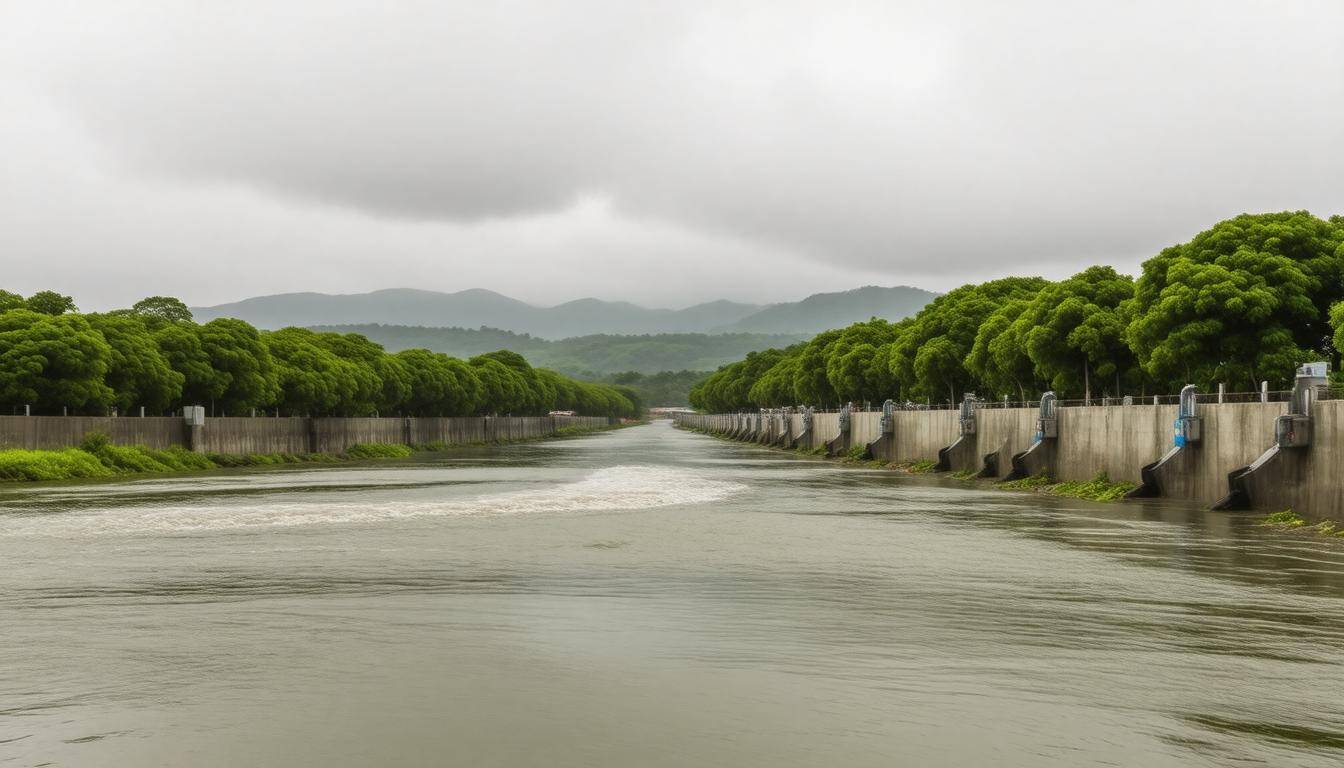
Overview of Malaysia Monsoon Flooding
Every year, Malaysia experiences the wrath of monsoon seasons, characterized by relentless downpours that lead to significant flooding, particularly in regions like Kelantan and Terengganu. During these periods, floodwaters rise quickly, often catching residents off guard. Historical data indicates that these floods are not merely sporadic events; they occur almost every year, causing substantial damage estimated at an average of $1 billion annually. The impact is felt far and wide, with approximately 150,000 people being affected each season.
As the rain begins to pour—typically from May to September and then again from November to March—many areas transform into waterlogged landscapes. This consistent flooding points to an unsettling pattern rooted in historical climate conditions. Yet, changes attributed to climate change have exacerbated the situation. As global temperatures rise, we see an increase in the frequency and intensity of rainfall, disrupting local ecosystems and leading to more severe flooding episodes.
The consequences are not limited to financial losses. Floods also lead to the displacement of families, disrupt daily life, and hinder community functionality. When homes are submerged and roads are rendered impassable, essential services become inaccessible, highlighting the urgent need for an integrated management approach.
It’s important to understand that while some areas have historically embraced floods as part of their agricultural cycles—flooding can be seen as a natural replenisher of soil—those perspectives are rapidly changing. The traditional understanding that these waters brought fertility has now shifted as increasing severity signals danger rather than opportunity.
Furthermore, mitigation strategies must evolve alongside this changing narrative. Local shanties and kampungs (villages) often find themselves underprepared for the shock of rising waters mixed with urban development. Expanding urban areas reduce natural absorption methods for rainwater; rivers become boxed in by concrete structures that channel rather than diffuse water flow.
To tackle these pressing challenges effectively, it’s crucial to explore innovative strategies and resources that could fortify infrastructure against future threats.
Key Infrastructure Improvements
One of the most effective strategies for mitigating flooding is the construction of elevated roadways. Elevated roads serve a critical purpose, enabling safe passage during heavy rains and preventing water accumulation on key transportation routes. This ensures that relief and emergency services can reach affected areas without delay in flood situations.
For instance, the elevated sections of the East Coast Expressway have proven invaluable during monsoon seasons, allowing vehicles to traverse areas that would otherwise be inundated with water. It’s like having a safety net beneath your feet—keeping you dry while ensuring vital connections are maintained during crises.
Construction of Flood Barriers
Moving from elevated roadways, we encounter flood barriers, another significant piece of the infrastructure puzzle. These large-scale engineering feats are specifically designed to contain vast bodies of water and shield communities from potential deluge. Cities like London have long benefited from structures like the Thames Barrier, which has effectively protected them from tidal floods.
Imagine watching storm clouds roll in while knowing there’s a reliable barrier standing guard, ready to protect against impending disaster.
In Malaysia, implementing flood barriers could revolutionize how we manage our waterways. For example, constructing barriers along the Kelantan River would not only reduce flood risks but also safeguard agricultural lands and residential areas from catastrophic damage. By strategically placing these barriers at critical points, we create a proactive defense system against floods.
However, it doesn’t stop there; the integration of smart water management systems amplifies these efforts significantly.
Enhancing Smart Water Management
The incorporation of smart water management systems is an innovative step towards flood prevention. These systems utilize technology to monitor rainfall patterns and water levels in real-time and can trigger automated responses to divert water away from vulnerable areas. Think of it as having an alert system for bad weather—it notifies residents and officials about potential flooding before it occurs.
Combining traditional infrastructure improvements with smart technology creates a holistic approach to flood mitigation. For instance, integrating sensor-operated drainage systems can enhance existing infrastructures by quickly channeling excess rainwater away from urban environments. This dual strategy not only enhances immediate safety but contributes to long-term sustainability by ensuring our cities adapt and respond efficiently to climate challenges.
These developments pave the way for even more sophisticated techniques in managing water resources effectively and tackling flood-related challenges head-on.
As Malaysia continues to face escalating climate challenges, investing in infrastructure that addresses both immediate needs and future resilience becomes ever more critical. Whether it’s elevated roadways or the strategic use of flood barriers and smart management systems, each initiative plays a role in protecting lives and property while promoting community sustainability in unpredictable weather patterns.
Advanced Flood Control Systems
Advanced flood control systems harness cutting-edge technology, enabling authorities and communities to predict, manage, and mitigate flooding effectively. These systems are particularly vital for a country like Malaysia, where the threat of monsoon floods can disrupt lives and properties.
Smart Water Management Systems
One significant advancement Malaysia could embrace is smart water management systems. Imagine a network of sensors strategically placed across rivers and reservoirs—continuously monitoring water levels in real time. This data helps predict flooding events before they occur.
These systems can intelligently optimize dam and reservoir usage, effectively delaying floodwaters by allowing certain areas to absorb excess water before heavy rainfall. Think about the peace of mind this could bring to families living in flood-prone zones!
By implementing such technology, we not only enhance safety but also foster sustainable resource management.
In practice, this means less reliance on outdated methods that often fall short during weather events. Instead of panicking at the onset of rain, residents might receive timely alerts indicating when to prepare or evacuate if necessary. Communities will be able to act swiftly and decisively in the face of rising waters.
Automated Floodgates
Another innovative technology making a significant impact is automated floodgates. These structures can be engineered to open or close based on real-time data from sensor networks gauging water levels. When the system detects high water levels, the gates automatically engage to divert or hold back excess water.
This proactive approach facilitates rapid responses to sudden rises in water levels, enabling municipalities to implement timely protective measures.
Envision busy urban areas with automated floodgates strategically placed around vulnerable infrastructure—these gates operate autonomously, directing traffic away from high-risk zones while channeling floodwaters into designated overflow areas.
This not only protects property but also safeguards human life during potentially catastrophic flooding situations.
Successful case studies demonstrate how similar systems have helped other regions combat flooding more effectively, allowing for smoother recovery operations and minimized economic losses. Malaysia’s adoption of these advanced flood control features could redefine our current efforts towards disaster management.
Understanding these technological advancements opens new avenues for resilience against natural disasters. With strategic investments in these innovations, communities can become better equipped to handle the challenges posed by extreme weather conditions.
Community-Based Protection Plans
Community involvement is the bedrock of effective flood management. When people take an active part in developing and implementing protection plans, it leads to a greater sense of ownership and responsibility. This engagement means they are informed about the risks that flooding presents and become invested in practical solutions that enhance overall safety. One impactful way this involvement is realized is through the formation of local emergency committees.
Formation of Local Emergency Committees
It’s crucial to establish local emergency committees trained specifically in flood response. These committees serve as the first line of defense during emergencies by coordinating evacuation procedures and providing immediate aid.
These groups should consist of community members with diverse backgrounds—teachers, health workers, local leaders, and volunteers—ensuring a wide range of skills and insights. When everyone plays a part, it boosts morale and enhances communication channels throughout the community in times of crisis.
In areas where such committees have been established, quick response times have drastically decreased casualties during flooding events. A unifying thread runs through these communities: proactive dialogue and collaboration foster trust, proving invaluable when disaster strikes.
Flood Preparedness Training
Beyond having committees in place, flood preparedness training takes community resilience further. Regular training sessions empower residents by teaching them how to respond effectively during flooding events or prepare beforehand. Think of these sessions as fire drills; if you’re familiar with what to do, you can act quickly when it matters most.
Simulations and drills can become crucial components of these training programs—similar to those implemented in flood-prone areas in Japan. Community members practice evacuation routes, learn how to secure their belongings, and understand emergency contacts. This hands-on approach creates muscle memory that turns abstract knowledge into actionable skills during real emergencies.
As we explore the next facets of how flooding affects daily life and infrastructures, understanding these community initiatives provides a foundation for addressing broader implications now faced by citizens across Malaysia.
Economic and Environmental Impacts
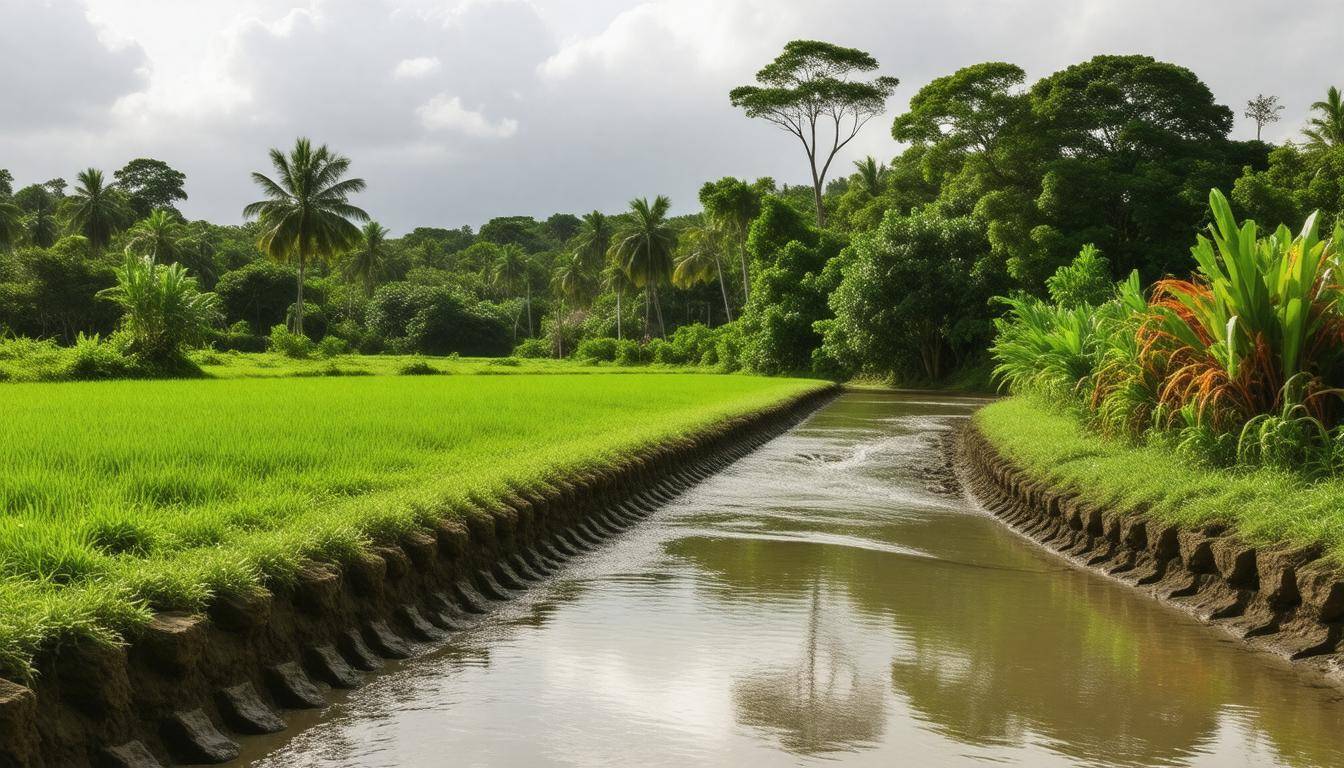
Flooding has severe economic consequences that extend far into the future. When disaster strikes, the immediate aftermath may seem dire, but the longer-term effects can be even more profound. Take agriculture, for instance. Floods can wipe out entire fields, resulting not just in lost crops but also in cascading impacts on food supply chains. For example, Malaysia’s devastating floods in 2014 led to a staggering 30% reduction in rice yields, showcasing how a single weather event can cripple a vital sector of the economy and directly affect food availability for millions.
Furthermore, this agricultural downturn is merely one chapter within a larger narrative. Urban areas bear their own unique set of challenges in the wake of monsoon season.
Damage to Urban Infrastructure
Urban infrastructure is often particularly vulnerable during floods. Heavy rains that deluge cities like Kuala Lumpur can lead to substantial damage to roads, bridges, and public transport systems. In 2020, extensive flooding resulted in repair costs exceeding $50 million. This isn’t just a financial setback for local governments; it puts a strain on communities already grappling with reduced access to essential services and impedes economic activity.
Despite insurance coverage stepping in to assist with recovery costs, it’s essential to recognize that much of the financial burden often lands squarely on the shoulders of local residents who are left struggling to rebuild. Such pressures can lead to increased poverty rates and social instability as communities fight to regain their footing.
Beyond urban settings and agriculture lies an equally pressing concern: environmental degradation. Flooding exacerbates soil erosion, negatively impacting future crop yields. When topsoil is washed away, it reduces the land’s fertility and can take years, if not decades, to recover fully.
It’s clear that the impact of flooding extends beyond immediate physical destructiveness; it poses systemic threats to economic viability and community resilience across both rural and urban landscapes.
The Broader Implications
The broader implications require long-term strategies focused on recovery and prevention. It’s essential for restoration efforts to be centered around building climate resilience—considering not only current vulnerabilities but also potential future risks. By integrating policies focused on sustainable development and proactive community engagement, Malaysia can work toward mitigating these economic losses while fostering an adaptable environment that strengthens its capacity to weather future natural disasters.
Examining these multifaceted impacts emphasizes the necessity for strategic measures aimed at securing safety and sustainability across various sectors affected by nature’s unpredictability. Let’s now shift our attention to specific approaches that can enhance overall community protection.
Implementing Safety Measures
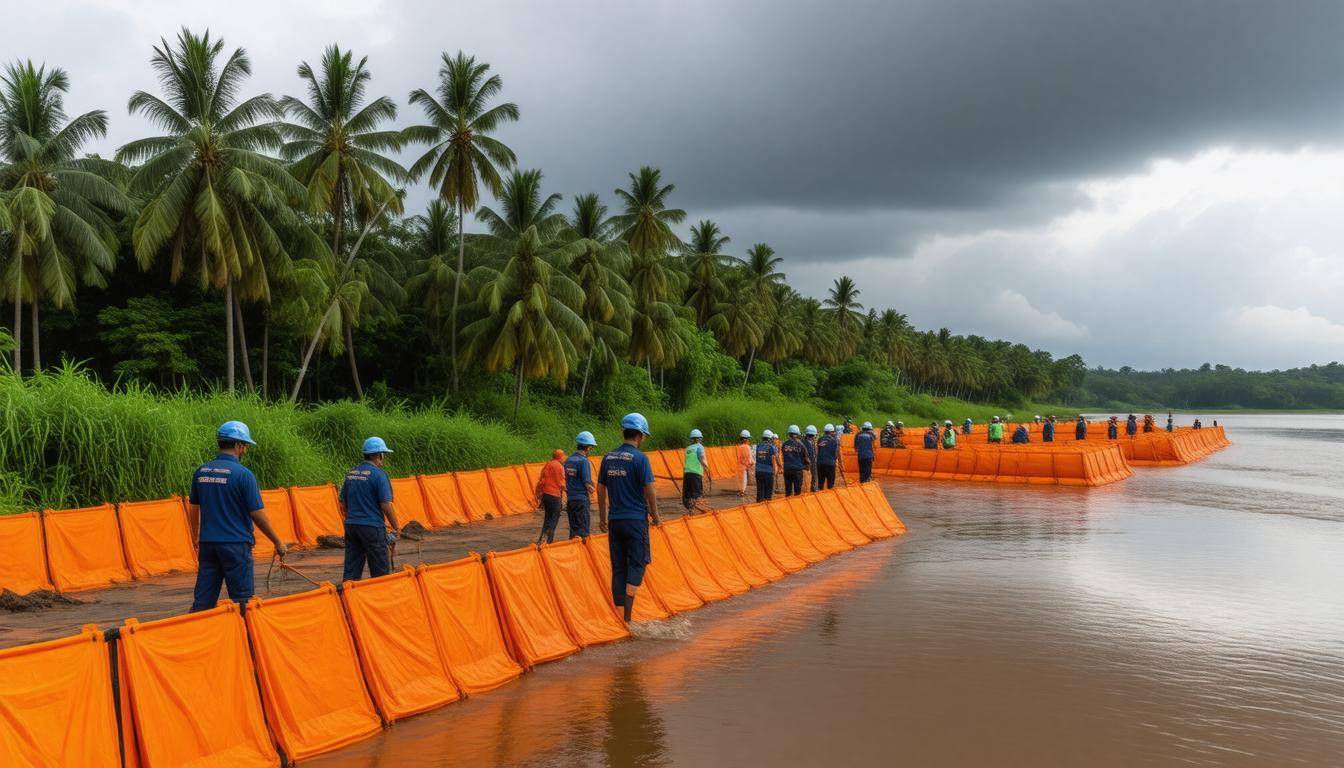
The importance of safety measures cannot be overstated when preparing for Malaysia’s monsoon seasons. As the climate continues to shift, increasing the risk of severe flooding, taking proactive steps can significantly enhance community resilience. The first line of defense begins with early warning systems, which can save lives by keeping people informed about potential weather threats.
Early Warning Systems
Developing robust early warning systems using satellite data and predictive models is vital for timely alerts. For instance, the system used in the Netherlands, recognized for its effectiveness, could serve as an excellent model for Malaysia. By leveraging technology such as satellite imagery and meteorological data, communities can receive alerts hours or even days before floods strike, allowing them to prepare accordingly. Imagine a town where families pack essentials and evacuate to higher ground upon receiving an alert. It’s this blend of technology and community readiness that ultimately saves lives.
Of course, having a warning system is just one piece of the puzzle; implementing safe infrastructure is equally important to manage any potential disaster effectively.
Emergency Shelters
Building and maintaining high-capacity emergency shelters is crucial for providing refuge during flooding events. These shelters should be strategically located on elevated ground in flood-prone areas to ensure they remain accessible when floods strike. Properly equipped with necessary supplies—such as food, water, medical kits, and blankets—emergency shelters can drastically reduce casualties and offer immediate relief to those displaced by flooding.
Consider the aftermath of last year’s devastating floods in Malaysia. In regions where such shelters were available, communities fared far better than those without proper resources. Families found sanctuary not only from rising waters but also from the chaos outside, fostering a sense of security amid uncertainty. Moreover, training volunteers to assist in these shelters can help facilitate evacuations and provide emotional support during crises.
Beyond emergency shelters and warning systems, it’s essential to invest in infrastructure improvements that proactively mitigate flood risks.
Infrastructure Enhancements
Investing in infrastructure enhancements—such as upgraded drainage systems and flood barriers—can also play a key role in reducing flooding impact. For example, creating a network of drains that are regularly maintained ensures they function optimally during heavy rains. By integrating sustainable practices like green spaces and permeable surfaces into urban planning, cities can improve rainwater absorption while promoting healthier environments.
To address how these proactive measures work together effectively: early warning systems keep communities informed, emergency shelters provide safe refuge, and enhanced infrastructure reduces water accumulation and speeds up recovery phases. Each layer reinforces the others, creating a comprehensive safety net for the populace.
With these foundational elements in place, exploring new strategies becomes imperative in enhancing resilience against impending threats from climate fluctuations.
Overcoming Challenges in Flood Prevention
Various challenges make flood prevention complex, and these hurdles often require innovative solutions and unwavering dedication. One significant obstacle is funding constraints; many municipalities simply do not have the resources needed for large-scale flood prevention projects effectively. While it’s easy to assume that governments should allocate adequate funds for disaster management, economic limitations often force decision-makers to prioritize other areas, such as healthcare or education. As public funding frequently falls short, forging partnerships with private sectors and international organizations becomes crucial.
These partnerships allow for a pooling of resources that can amplify the impact of flood prevention efforts. For instance, leveraging expertise from private companies specializing in infrastructure can lead to more efficient designs and implementations of flood barriers, drainage systems, and other necessary structures. This collaborative approach diversifies funding streams and encourages innovative techniques that might otherwise go unexplored due to budget limitations. Combining public funding with corporate investment enhances accountability, as all parties are motivated to ensure their investments protect communities from disasters.
However, financial constraints are just one piece of a larger puzzle.
Balancing Development and Flood Control
As urban centers like Kuala Lumpur expand rapidly, balancing development with effective flood control poses another challenge. New buildings and infrastructure can unintentionally exacerbate flood risks by changing natural water drainage patterns or reducing permeable ground surfaces. Developers may be hesitant to invest in extensive flood prevention measures when economic growth is the primary focus. Many see immediate financial returns from new developments as more pressing than long-term mitigation strategies.
The good news is that this challenge can be met through smart urban planning principles that effectively balance growth with sustainability. For example, incorporating green spaces within urban planning helps absorb rainwater naturally, reducing runoff into streets and minimizing the risk of floods. Additionally, engaging local communities in planning processes can yield valuable insights and foster a sense of ownership over flood prevention measures.
As we navigate these complexities, it becomes essential to recognize that innovative solutions will not emerge overnight; rather, they require careful consideration and collaboration from diverse stakeholders.
Addressing these challenges involves a delicate interplay between financial realities and urban planning decisions. By fostering cooperation among various sectors while keeping the community at the heart of discussions, substantial progress can be made towards resilient systems capable of withstanding climate-induced flooding.
Future Innovations in Flood Management
The landscape of flood management is rapidly evolving, and at the forefront are artificial intelligence and big data. By utilizing advanced algorithms, AI can sift through vast amounts of meteorological data, identifying patterns that could predict flooding events with remarkable accuracy. For example, a study demonstrated how AI models analyzing historical weather data managed to predict potential flood zones with a 90% success rate. This means not only can we be informed about imminent threats, but cities could also develop targeted emergency responses tailored to specific neighborhoods.
In practical terms, this predictive capability may extend to alert systems that notify residents days in advance about impending floods. Knowing when and where the water might rise allows families to prepare—whether that means moving valuables or making evacuation plans ahead of time.
But it’s not just technology on a screen; there’s also a significant push toward green infrastructure solutions that harmonize urban living with natural ecosystems.
Green Infrastructure
The implementation of green roofs and permeable pavements represents a proactive approach to managing excess rainfall effectively. By designing urban spaces to mimic nature, cities can absorb and manage stormwater more efficiently rather than directing it into already overburdened drainage systems. Imagine walking through a neighborhood where rainwater filters through the ground instead of running off into the streets. This method has shown great promise in cities like New York, where green initiatives have reduced runoff by up to 40% during heavy downpours.
These methods don’t merely alleviate flooding risks; they also offer additional benefits such as improved air quality and increased greenery in urban areas. Communities embracing these practices benefit economically too because well-maintained environments attract tourism and enhance property values.
For Malaysia specifically, adapting these strategies might involve customizing them to fit local conditions. Considering heavy monsoon seasons, landscaping practices rooted in native plant species can help maximize rainfall absorption while contributing to biodiversity preservation. Local governments can work with communities to design public spaces that integrate these solutions seamlessly into existing infrastructure.
As we explore the future, merging technology with nature isn’t just a hopeful ideal; it’s an actionable path toward resilience against flooding caused by both climate change effects and seasonal monsoons.
Adopting these innovative approaches requires thoughtful policymaking coupled with community engagement and education. As we pivot toward smarter solutions for flood management, it’s imperative for businesses and individuals alike to recognize the role they can play—be it advocating for better policies or implementing these measures on their own properties. The time for action—and collaboration—is now; a safer and more sustainable future awaits us amid changing climates.