
The Maldives, a stunning collection of islands nestled in the Indian Ocean, is facing one of the biggest challenges of our time: rising sea levels. Picture this: crystal-clear waters, white sandy beaches, and vibrant coral reefs—all at risk of disappearing beneath the waves. For the nearly 540,000 residents, climate change isn’t just a distant worry; it’s an urgent reality that impacts their homes, livelihoods, and way of life. As we dive into how the Maldives is tackling these rising waters, we’ll explore the innovative strategies they’re using to adapt and build a sustainable future that could offer lessons for the rest of the world.
The Maldives is implementing a variety of adaptation strategies in response to rising sea levels, including purchasing elevated land in other countries as a potential refuge, developing artificial islands like Hulhumalé that are designed to withstand flooding, and carefully managing land reclamation projects to enhance resilience. These measures aim not only to protect the existing population but also to provide sustainable solutions for future challenges posed by climate change.
The Rising Challenges Facing the Maldives
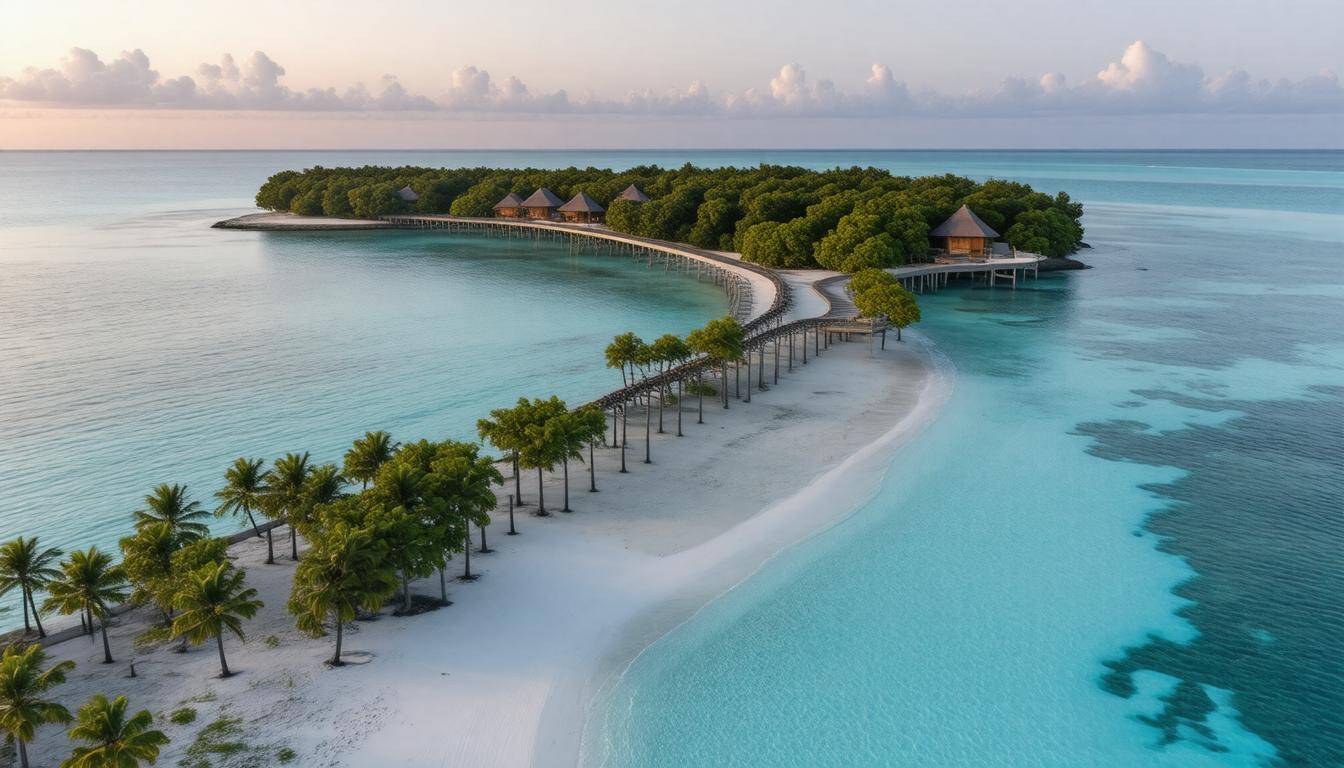
The reality for the Maldives is stark: as global sea levels continue to rise at a pace of 3 to 4 millimeters each year, its very existence is under siege. Over 80% of the Maldives lies less than one meter above sea level, rendering it highly vulnerable to flooding and erosion. Experts predict that by 2050, many low-lying islands might become uninhabitable due to incessant flooding and saltwater intrusion that renders freshwater sources undrinkable. This is not merely an academic concern but an impending crisis threatening the homes and lives of nearly 540,000 residents.
Each inch that sea levels rise translates into significant losses, not just in land but in livelihoods and cultural heritage.
Immediate Threats
Imagine waking up one morning only to find that your neighborhood has transformed into a lagoon—all your possessions now floating away. Such scenarios are becoming tragically plausible for many Maldivians as projections suggest increasing instances of flooding will engulf entire communities. With atolls eroding faster than they can regenerate, islanders are grappling with limited options for relocation and adaptation. Some experts estimate that up to 77% of Maldives’ land area could be submerged if current trends persist, leaving widespread destruction in their wake.
Furthermore, invaluable freshwater supplies face contamination from incoming seawater. As saltwater infiltrates aquifers—the natural reservoirs that provide drinking water—the implications for health and agriculture grow dire. This connection between freshwater scarcity and coastal stability illustrates just how intertwined these issues are, fueling a cycle of vulnerability.
Economic Impact
Beyond the immediate threat to inhabitation, rising seas threaten to devastate the Maldivian economy. Tourism—a lifeblood industry accounting for approximately 30% of the country’s GDP—stands at ground zero of this crisis. As coastal reefs deteriorate due to bleaching from warming waters and as sandy beaches erode, tourists will seek other tropical paradises. The economic repercussions can be staggering; without proactive measures, some analysts warn losses could reach an alarming $1.5 billion annually by 2050, severely limiting financial resources available for infrastructure and community resilience.
This economic fallout underscores not just a loss of revenue but also heightened social inequalities as those dependent on tourism face unemployment and instability.
These escalating threats combined with economic vulnerabilities paint a grim picture, spotlighting an urgent need for innovative solutions. Moving forward, attention shifts toward collaborative efforts aimed at crafting effective policies and initiatives to secure a more resilient future for the Maldives.
Government Strategies and Initiatives
One key initiative undertaken by the Maldives is their land purchasing program, where the government is actively seeking elevated land in safer countries for potential relocation. This approach illustrates the pressing nature of their situation and highlights a strategic foresight that many other nations could learn from. It’s a bold step, showing unwavering commitment to protect citizens from displacement caused by climate change. The government understands that preparing for all possibilities is crucial—a necessary way to not just survive, but thrive as they face this existential threat.
Artificial Islands
Another striking example of innovation is the development of artificial islands, such as Hulhumalé. This island is constructed from sand that has been carefully pumped onto existing coral platforms and sits approximately two meters above sea level. Its creation addresses two critical concerns: alleviating population pressure on Malé and providing a safe haven against incoming tides. However, it isn’t just about immediate safety; this project also aligns with urban developmental goals that aim to improve living conditions and infrastructure. By investing in artificial expansions, the Maldives showcases how creativity can effectively combat environmental challenges head-on.
As we explore these initiatives further, we can’t overlook the framework set forth by the Maldives regarding climate adaptation.
Climate Adaptation Plans
The National Climate Change Policy Framework outlines essential strategies such as improving coastal defenses, including constructing seawalls and restoring mangrove ecosystems that act as natural barriers against storm surges. Furthermore, there’s a strong emphasis on promoting sustainable tourism practices—a sector critical to the Maldives’ economy. This involves safeguarding against environmental degradation while ensuring that tourism adds value rather than detracts from ecological health.
Additionally, enhancing infrastructure resilience is pivotal. For instance, buildings are being designed with greater durability in mind, using materials that can withstand harsh weather conditions while considering future projections related to climate change impacts. A well-planned infrastructure can significantly reduce vulnerabilities during extreme events.
Through these concerted efforts, the Maldives showcases a blend of pragmatism and visionary action that other nations facing similar threats should consider adopting. Taking concrete steps now—whether through securing land, building innovative structures like artificial islands, or developing robust policies—sets an inspiring example of resilience amidst the realities imposed by climate change.
Transitioning from these adaptive measures, we now turn our attention to essential projects aimed at enhancing the country’s structural capabilities in light of rising seas.
Infrastructure Development Projects
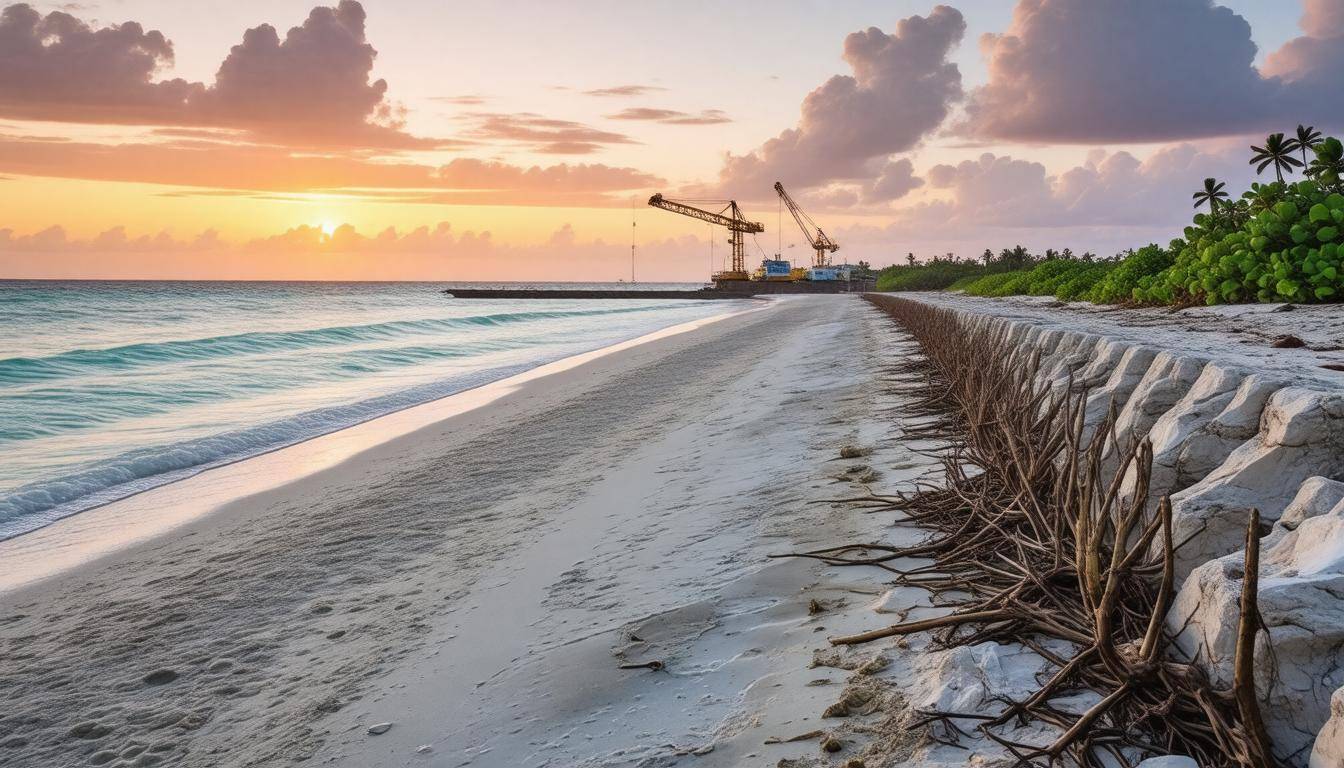
At the core of the Maldives’ strategy to combat climate change are its infrastructure development initiatives. These projects aim not only to protect vulnerable communities but also to enhance living conditions across the islands. A crucial aspect of these efforts includes advanced coastal defense mechanisms that shield key areas from nature’s relentless assault.
Coastal Defense Mechanisms
The construction of sea walls and revetments around particularly at-risk islands has proven effective in counteracting erosion and tidal surges. Successful projects in Malé have demonstrated their value, yet expansion is needed to cover more regions where communities remain unprotected and face severe risk. This involves integrating natural elements like mangroves, which can augment these structures to create a buffer while fostering biodiversity.
Expanding on this principle, another critical component of the adaptation strategy focuses on housing solutions.
Building Elevated Housing
In Hulhumalé, housing developments now prioritize elevation above sea level norms as a safeguard against potential flooding. By raising homes and communal structures, city planners maximize land use and ensure safety for residents without compromising accessibility. This ambitious approach addresses immediate challenges and sets a precedent for modern urban planning practices throughout the Maldives.
Additionally, it’s vital that new facilities are constructed with foresight concerning future climate realities.
Flood-Proof Facilities
Recent government buildings and hospitals are crafted with raised foundations and resilient materials meant to withstand rising water levels. This design ensures that critical services remain operational during environmental crises. Examples include:
- Elevated transportation hubs positioned strategically to sustain connectivity during adverse weather events.
- Development of flood-resistant schools and hospitals that guarantee education and healthcare continuity.
- Expansion of freshwater reservoirs designed to mitigate salinization risks, ensuring access to clean water for all communities.
As these infrastructure developments progress, it’s crucial that sustainable approaches define long-term solutions capable of enduring present and future environmental challenges. A commitment to innovative designs paired with ecological understanding promises to lay the groundwork for resilience in the face of rising sea levels.
Sustainable Planning for Future Generations
Future sustainability involves more than short-term fixes; it’s about creating enduring solutions that will safeguard generations to come. For the Maldives, this means crafting strategies that protect the environment and empower residents to thrive amidst the ongoing challenges posed by rising sea levels and climate change. A critical component of this approach is fostering strong education and awareness campaigns that inform residents about the immediate impacts of climate change and introduce sustainable practices into daily life.
Education and Awareness Campaigns
Initiatives aimed at educating the public can significantly shift mindsets, allowing people to better understand their roles in environmental protection. By organizing workshops and discussions in local communities, residents become more engaged with vital topics such as reducing plastic waste, conserving water, and participating in local sustainability efforts. Informative resources can be made available in schools and community centers, targeting different age groups and demographics to ensure no one is left out of the conversation surrounding climate action.
Such campaigns encourage a sense of ownership over sustainability efforts while driving home the importance of renewable energy as we transition away from fossil fuels.
Renewable Energy Projects
Investments in solar and wind energy have skyrocketed, with renewable sources providing over 30% of the nation’s energy. This showcases a commitment not just to reducing CO2 emissions but also to establishing a model for environmentally responsible economic growth. Furthermore, implementing solar panels and wind turbines creates local jobs, supports energy independence, and fosters healthy competition among private sector entities aiming for innovation in green technologies.
However, transitioning from traditional energy sources to renewable ones must coincide with community involvement. The government can launch programs where citizens participate in decision-making around energy projects, ensuring their needs and interests are represented. This inclusive strategy promotes public support for new infrastructure while advancing environmental goals.
With a focus on innovative approaches, sustainable urban planning further enriches our commitment to resilience.
Long-Term Urban Planning
Urban planners are honing in on creating ‘blue-green infrastructure’ that incorporates natural water management systems alongside green spaces to boost resilience against climate change effects. This means integrating rivers, ponds, parks, and vertical gardens into city layouts—an initiative that addresses both aesthetic concerns and environmental necessities.
Projects such as developing green belts surrounding urban areas or converting unused spaces into community gardens support biodiversity while serving as effective natural barriers against flooding. These actions recognize the connection between urban spaces and ecological health; vibrant communities flourishing harmoniously with nature can adapt more readily to disruptions caused by climate change.
Through these collaborative efforts toward progressive development strategies, we establish a foundation for stronger community frameworks that embrace adaptation for a changing world.
Community Involvement and Resilience Building
Across the stunning islands of the Maldives, community members are rallying together in grassroots initiatives that focus on resilience-building. These local groups are forming committees that specifically address challenges such as flood responses, water conservation, and sustainable fishing practices. By pooling their resources and ideas, these communities are fostering a sense of ownership over their future—a crucial element in ensuring sustainability.
It’s like watching a beautiful tapestry being woven, each thread representing a unique contribution or solution to shared problems.
Local leaders emphasize that the motivation for these efforts often comes from the very real knowledge that climate change poses an existential threat to their livelihoods. By participating in these initiatives, community members better understand their environment and develop strategies to adapt collaboratively.
Empowering Local Leadership
Empowering local leadership has proven essential on this journey toward climate resilience. Take Guraidhoo as an example; a passionate community leader shared, “Our community efforts in creating rainwater harvesting systems have significantly improved freshwater availability.” This statement illustrates not only a successful idea but also highlights how localized solutions resonate deeply within communities.
When local voices lead initiatives tailored to their specific needs, adaptation becomes more meaningful. Their intimate familiarity with regional challenges allows them to tailor solutions effectively, whether through simple rainwater collection systems or community-based fisheries management that aligns with traditional practices while ensuring sustainability. By placing power back in the hands of locals, a strong foundation for resilience is created. This kind of grassroots leadership inspires others to engage actively and invest in the future wellbeing of their community.
Skill Development Programs
Central to all of this is the necessity for skill development programs that equip local populations with expertise in new sustainable technologies and disaster response tactics. Training sessions are designed not just to impart knowledge but also to empower individuals through hands-on learning experiences. This ensures that resilience-building is not merely top-down; it fosters a culture where every resident feels like they play a crucial role.
The outcome of these initiatives has marked noticeable improvements within communities. When citizens are trained to use and maintain early warning systems or implement eco-friendly agricultural techniques, they often become ambassadors for these practices, sharing knowledge with peers and multiplying the impact. As community members learn together, they create robust networks built upon trust and shared experiences—essential elements for facing any future challenges.
As valuable as these human-centered efforts are, it’s equally critical that we turn our attention to preserving natural ecosystems as part of our comprehensive approach to combatting climate change.
Coral Reef Preservation and Ocean Solutions
Coral reefs are integral to the Maldives’ resilience against rising sea levels and climate change. They’re often recognized as the “rainforests of the sea,” brimming with life and providing necessary habitats for a multitude of marine species.
But their significance goes beyond aesthetics; they act as natural barriers, protecting coastal landscapes from erosion and storm surges. The preservation of these ecosystems is crucial not only for biodiversity but also for the livelihood of local communities that depend on fishing and tourism.
Coral Reforestation
One innovative approach gaining momentum is coral reforestation—a method where broken or fragmented coral pieces are carefully transplanted into areas needing rejuvenation. Programs such as Coral Reefs Maldives have been instrumental here, reporting an impressive 60% success rate for coral reattachment. This kind of proactive restoration helps create a thriving environment that can withstand external pressures like climate change and human activity. The community actively engages in this process by harvesting fragments from healthy corals, fostering a deep connection to their marine resources and instilling pride in stewardship.
However, restoring corals alone isn’t enough; sustaining these delicate ecosystems requires comprehensive strategies.
Marine Protected Areas
Establishing marine protected areas (MPAs) is another pivotal strategy to support coral reef preservation. By designating specific regions where fishing and other potentially harmful activities are restricted, MPAs help maintain biodiversity and allow ecosystems to recover naturally.
These safeguarded zones not only protect the reefs but directly benefit local fishing communities by nurturing fish populations, ensuring future generations can rely on the ocean’s bounty without depleting resources. Protected areas serve as vital sanctuaries, helping to sustain ecological balance while contributing to food security.
Alongside these conservation efforts, it is essential to consider sediment management for strengthening coastal defenses.
Sediment Management
Research demonstrates that coral reefs play a crucial role in producing sediment that contributes to island shore stability. Healthy reefs generate sand and sediment through various biological processes, which aids in natural land buildup. Encouraging robust coral growth not only enhances reef resilience but also fortifies coastlines against rising waters and harsher weather conditions.
This interconnectedness underscores the importance of a holistic approach: maintaining healthy marine ecosystems provides vital buffering against environmental challenges.
These multidimensional strategies highlight a broader narrative about environmental governance and resource management, offering insightful perspectives that can inspire global adaptation efforts.
Global Lessons and the Maldives’ Example
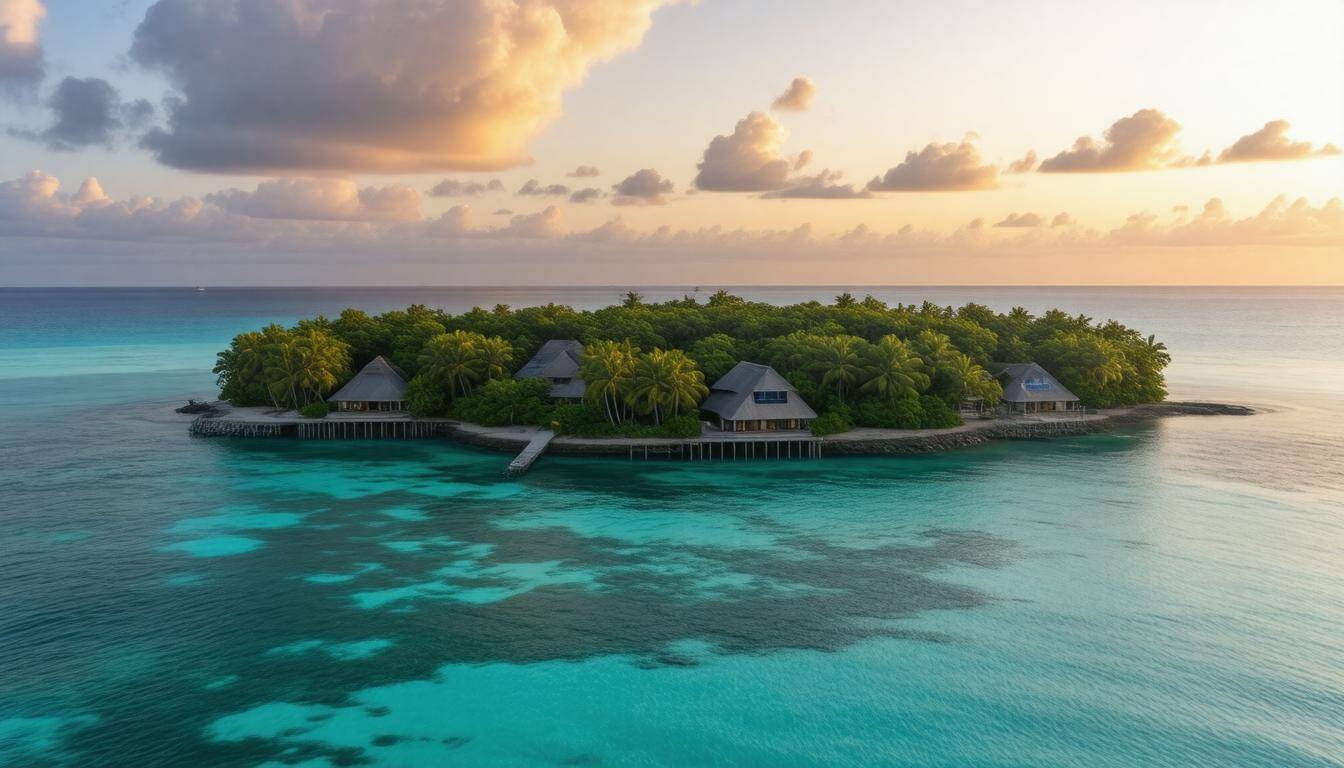
The Maldives, with its unique geography as a low-lying island nation, poignantly illustrates the urgent need for innovative climate adaptation strategies. By leveraging local knowledge and international assistance, the Maldives has become not only a victim of climate change but also a proactive player in crafting solutions. The country’s experiences serve as valuable lessons that resonate far beyond its shores, demonstrating what can be achieved when communities come together in resilience.
Replicable Models
In examining various strategies employed by the Maldives, we find replicable models that other low-lying nations can adopt. For instance, initiatives such as constructing artificial islands not only create new land but also protect existing habitats from rising seas. These engineered landscapes can become crucial hubs for tourism and habitation while mitigating flooding risks.
Additionally, community-driven resilience projects emphasize local participation, galvanizing residents to take ownership of their environment. This engagement is vital; communities involved in decision-making processes tend to be more invested in maintaining those solutions. Ultimately, these collaborative models can inspire similar approaches in countries facing comparable threats, encouraging them to innovate based on their own cultural contexts and resource availability.
International Cooperation
The significance of cooperation extends to global forums where the Maldivian government advocates for stronger international action. Through platforms like the UN Climate Change Conference (COP), the Maldives amplifies its voice, urging developed nations to commit to meaningful emission reductions and increased funding for vulnerable regions. This political engagement underscores an essential truth: combating climate change is not solely a national issue but a global imperative that requires collective action.
The synergy between local actions and international commitments magnifies possibilities, allowing small island states like the Maldives to articulate their needs while fostering alliances that lead to more robust responses against climate threats.
“What happens to the Maldives today is a preview of what will happen to other coastal regions tomorrow,” reflects the urgency articulated by the Maldivian President at COP26. This resonates deeply—to see the future we must act now—not just for ourselves, but for generations to come.
While these adaptation efforts illustrate potential pathways forward, embracing innovative governance models enriched by Indigenous knowledge is equally crucial for resilience building. The next segment will shed light on how these factors combine to shape upcoming challenges faced by island nations.
The Future of the Maldives and Rising Seas
Predicting the future for a nation at such a perilous elevation may feel like staring into a crystal ball clouded with uncertainty. However, through careful analysis and a pinch of hope, emerging trends point us toward avenues where resilience can flourish despite the looming threat of climate change. The Maldives’ fate hinges not only on how well it manages its immediate issues but also on how it embraces innovation and collaboration to forge a sustainable path forward.
Predictive Modeling
At the heart of this preparation is advanced predictive modeling, which enables scientists and policymakers to simulate possible scenarios arising from projected sea-level rises. These models help governments plan essential infrastructure while adapting communities and natural systems accordingly. For instance, if projections indicate that specific areas are likely to be submerged or at risk within certain timelines, developers can prioritize building protective barriers or enhancing drainage systems now rather than waiting until disaster strikes.
But predictive modeling is just one piece of this intricate puzzle; technology holds immense potential for shaping the future as well.
Technology and Innovation
Emerging technologies promise groundbreaking adaptations to tackle the threat of rising waters head-on. Take floating architecture, for example; these innovative structures can rise with increasing water levels while providing usable living space. Imagine islands potentially staying afloat, creating new eco-friendly communities that positively impact local biodiversity while maintaining cultural heritage.
Additionally, advancements in desalination plants will become vital as freshwater sources diminish due to encroaching saltwater. Developing more efficient methods could ensure that every citizen has access to clean drinking water during times of crisis.
Yet, technology alone won’t save the Maldives; scenario planning must also be part of the conversation.
Scenarios Planning
With ongoing global efforts to combat climate change, proactive scenario planning equips the Maldives to transform from vulnerability into a beacon of resilience. Innovative sustainability practices combined with international cooperation could secure this island nation’s place above water while inspiring other nations facing similar threats. By embracing adaptive strategies—such as eco-tourism, renewable energy investments, and comprehensive waste management—the Maldives could showcase how communities respond to environmental pressures rather than succumb to them.
Ultimately, the Maldives’ journey against rising seas serves as an incredible testament to human ingenuity. The quest for solutions through predictive data and groundbreaking technologies solidifies its community-based approach—not just surviving but thriving in an era defined by change.
In navigating this complex landscape of climate challenges, the Maldives serves as both a warning and an inspiration for global efforts towards sustainability and resilience.