
When temperatures plummet in Mongolia, the deep freeze can feel like a daunting challenge. Whether you’re a local navigating everyday life or an adventurous traveler exploring the vast steppes, understanding how to stay safe in extreme cold is crucial. The harsh winter conditions can lead to serious health risks, from frostbite to hypothermia, and knowing how to prepare yourself is essential for survival. This guide offers practical tips on everything from essential clothing and survival gear to effective warming methods, helping you navigate the biting cold with confidence. So, let’s dive into what it takes to thrive in one of the coldest places on Earth!
In an emergency during extreme cold in Mongolia, it is crucial to seek immediate shelter to protect yourself from the harsh elements and dress warmly in layers to retain body heat. Additionally, keep an eye out for signs of cold stress, such as hypothermia or frostbite, and be prepared to administer first aid while contacting local emergency services for assistance.
Essential Clothing for Extreme Cold
In extreme cold environments like Mongolia, every detail in your clothing choices matters. The right gear can mean the difference between feeling comfortable or battling frostbite. A strong layering strategy begins with understanding how materials interact with your body and surroundings to retain warmth while minimizing discomfort.
Layering Strategy
Start with a base layer made from moisture-wicking fabric, like Merino wool or synthetic materials, to keep sweat away from your skin—a critical factor since moisture can accelerate heat loss. This layer should fit snugly without restricting movement.
Following this, you’ll want an insulating middle layer such as a fleece or down jacket, responsible for trapping body heat. It needs to be breathable while providing maximum warmth.
Then, finish with a protective outer shell—ideally made from waterproof and windproof materials like Gore-Tex—to shield yourself against snow and biting winds. Much like building a well-insulated house requires framing and protection from outside elements, dressing effectively involves layering for warmth, insulation, and exterior protection. Think of it as the structural integrity of your winter wardrobe.
When it comes to specific products, imagine wearing thermal underwear beneath a cozy Merino wool sweater topped off with a heavy-duty parka that withstands the fiercest winter storms. By choosing quality garments designed for extreme conditions, you’re investing in comfort and safety during harsh weather.
Accessories
-
Hats: Insulated hats that cover the ears are essential because a significant amount of body heat escapes through the head. Opt for hats made of wool or fleece that trap warmth while allowing breathability.
-
Gloves/Mittens: While both options provide warmth, mittens often outperform gloves due to the shared heat from fingers. Look for styles that include inner liners for additional insulation on frigid days.
-
Socks: Don’t underestimate sock importance! Wool socks insulate and wick away moisture, preventing dampness that could lead to cold feet.
-
Boots: Insulated and waterproof boots rated for extreme cold are essential. Ensure your footwear has good tread for navigating icy conditions without slipping.
Each piece plays a vital role in forming an effective defense against frigid temperatures, ensuring you’re fully equipped to face whatever challenges the Mongolian winter throws at you. As we move forward, let’s explore the necessary tools and equipment designed to enhance your survival experience in these extreme conditions.
Survival Gear and Equipment
Proper gear is not just useful; it can mean the difference between survival and peril in the extreme cold. Consider a multi-tool, for instance. This versatile piece of equipment can handle various tasks—from fixing broken gear to preparing food. Its compact design allows you to carry it effortlessly, keeping essential tools at your fingertips without weighing you down. Many people underestimate its importance, but in an emergency, having a tool that performs multiple functions is invaluable.
Another necessity is a portable heater. When wood is scarce and temperatures plunge, maintaining warmth can be challenging. A portable heater serves as a reliable source of heat; plug it in when you find shelter or use it with a fuel source like propane if needed. Just remember: ventilation is crucial to prevent carbon monoxide poisoning, especially in enclosed spaces.
The selection of tents deserves careful consideration. A high-quality, four-season tent provides robust protection against wind, snow, and freezing rains. It creates an essential barrier between you and the unpredictable weather outside while allowing breathability within its walls—a crucial aspect to avoid condensation build-up that could chill you further.
Waterproof matches might seem simple, but they can save your life. In wet conditions, nothing beats being able to ignite fire easily. Fire creates warmth and is critical for cooking food and purifying water, adding another layer to your survival strategy.
Equally important are emergency blankets, which reflect body heat and could serve as a lifeline if things go awry. Their lightweight nature means they do not take up much space in your pack, yet their functionality during emergencies cannot be overstated—they can easily keep you warm during an unexpected night outdoors.
Essential Tools for Navigation and Construction
As we expand our understanding of wilderness preparedness, it’s clear that having tools for navigation is equally vital. A lensatic compass provides reliable direction even in overcast skies or blizzards—conditions that can quickly disorient anyone unfamiliar with the terrain. Familiarizing yourself with its operation before embarking on your journey is crucial; making mistakes under pressure can have dire consequences.
Coupled with these navigational tools, don’t overlook the importance of basic construction equipment such as a sturdy shovel. This unassuming object becomes invaluable when building snow shelters or clearing paths through deep snowdrifts that obstruct your way. Knowing how to use these tools effectively will enhance your ability to adapt and thrive under extreme conditions.
Equipping yourself with these essential pieces of gear and knowledge empowers you to face Mongolia’s unforgiving winters head-on. As the elements become increasingly unpredictable, understanding how to navigate this wild terrain will prove indispensable.
With the right tools in hand, the next step involves seeking out safe havens amidst harsh climates.
Finding Shelter in Winter
Knowing where to find or how to construct the right kind of shelter is essential for survival in freezing temperatures. Your first line of defense against the biting cold is to seek natural formations that offer protection. Caves, for example, can serve as excellent refuge spots if encountered on your journey. These formations provide a windbreak, which is vital, as wind chill can dramatically lower the temperature you feel. However, never assume safety without proper inspection; check for loose rocks or potential dangers like avalanches that might threaten your safety.
Alongside natural shelters, learning to construct snow shelters can enhance your chances of staying warm and protected.
Constructing Snow Shelters
-
Choose a Spot: First, look for an area with sufficiently deep snow, ensuring it’s not near any avalanche-prone zones. The depth of the snow provides the insulation you need.
-
Dig an Entrance: Next, carve out a small entrance just big enough for you to crawl through. Keep it low to the ground; this will help trap warm air inside.
-
Build an Interior Chamber: Hollow out a space large enough to sit or lie down comfortably. Ensure this area is well-formed to keep it sturdy.
-
Ventilation: Finally, poke a small hole at the top for ventilation. Fresh air circulation is crucial; you want to avoid suffocating yourself inside your new hideaway.
Portable shelters are another option worth considering when braving extreme conditions, especially if you’re on the move and can’t rely on natural formations or local snowpack.
Utilizing Portable Shelters
When selecting a portable tent, make sure to invest in a high-quality, four-season model designed specifically for harsh weather scenarios. While these tents are typically more expensive than their summer counterparts, their sturdiness and reliability in extreme wind and snowfall cannot be overstated. Before positioning your tent, look for a sheltered area such as behind a boulder or within trees that may obstruct strong winds.
At every stage of your search for shelter—whether natural or artificial—always prioritize safety and efficiency when constructing a refuge against winter’s chill. As you prepare for facing extreme cold, consider how to couple these strategies with effective methods for staying nourished and generating warmth amidst the elements.
Food and Warmth Strategies
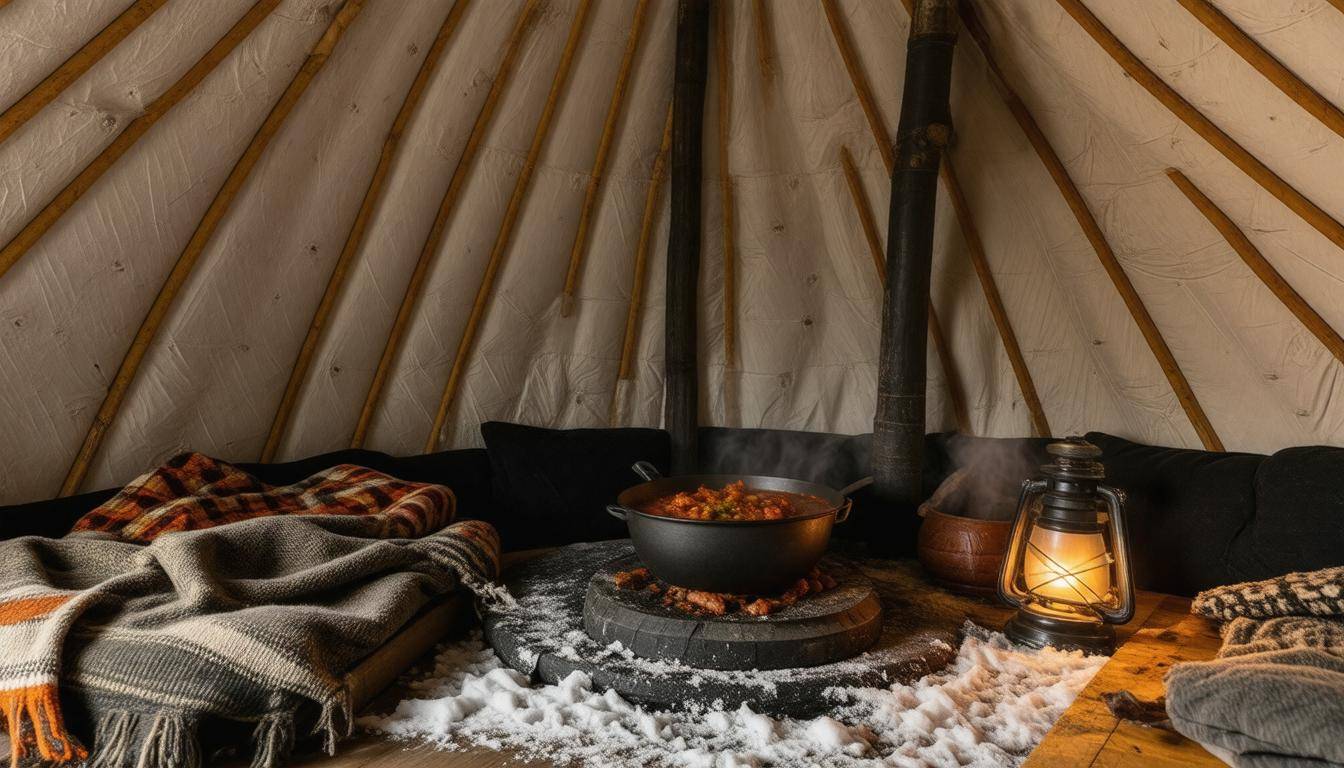
Navigating extreme cold requires a proactive approach to nutrition and warmth. In such harsh conditions, focusing on high-calorie and nutrient-dense foods can make a substantial difference. Nutrient-dense foods like beef jerky, nuts, and dried fruits not only provide essential calories but also sustain energy levels longer, which is critical when temperatures plunge below freezing. Jerky is an excellent protein source that’s lightweight and non-perishable, making it perfect for travel.
The importance of calorie intake cannot be overstated. When exposed to cold weather, your body works overtime to maintain its core temperature, requiring an increased caloric intake—aiming for around 3,000-5,000 calories per day. This helps replenish the energy spent fighting off the cold. Foods rich in fats are particularly beneficial; for example, nuts contain about 9 calories per gram—much more than carbohydrates or proteins—making them an ideal snack.
But food alone won’t suffice; maintaining warmth requires clever strategies for cooking and heating.
Supplemental Heat
Keeping warm goes beyond just consuming high-calorie meals; you also need effective means of heating your surroundings. A portable cooking stove is a valuable asset in this regard. Having one allows you to prepare hot meals like soups or stews that are not only easier on your digestive system but also significantly enhance your body temperature. Hot liquids warm you from the inside out, making them invaluable during winter expeditions.
Remember to always prioritize safety when using heat sources in enclosed spaces. Proper ventilation is crucial; otherwise, you risk carbon monoxide poisoning—a silent but deadly threat when using portable heaters or campfires.
There’s nothing quite like gathering around a campfire with friends after braving the cold all day. However, using this source of warmth wisely is imperative. Position the fire away from any flammable materials and ensure everyone is at a safe distance while enjoying its benefits.
While warmth is critical, prevention of illness must not be overlooked, as extra precautions will help you remain healthy amid harsh winter conditions.
Adequate nutrition and warmth go hand-in-hand in enhancing survival chances in extreme cold. By focusing on nutrient-rich foods and employing safe heating methods, you’ll be well-equipped to handle whatever challenges the biting cold may present.
With these survivor tactics firmly in mind, it becomes essential to explore how to mitigate risks associated with cold exposure effectively.
Preventing Cold-Related Illnesses
When the bitter winds of Mongolia sweep down, they can bring serious risks such as frostbite, hypothermia, and trench foot. These aren’t just old wives’ tales; according to the Bureau of Climate and Environmental Health, hypothermia can set in within just 30 minutes if you’re exposed to freezing temperatures without proper gear. That’s a sobering thought. It’s vital to have practical strategies at your fingertips to safeguard your health during these harsh winters.
Preventive Measures
Ensuring that you take proactive measures can significantly influence how your body reacts to cold weather. A few lifesaving tactics include maintaining dryness through sensible clothing choices.
Firstly, stay dry: It’s no secret that wet clothing dramatically increases heat loss. As soon as you start feeling damp, be proactive—remove any wet layers immediately. This simple act helps retain warmth and can mean the difference between comfort and danger when battling the elements.
Taking regular breaks is another essential strategy. If you’re working or spending extended time outdoors, make it a point to step into warmer surroundings frequently. These short respites allow your body to regain warmth and energy levels, similar to letting your phone battery refill before heading out again.
Lastly, don’t underestimate the power of monitoring your health. Regularly check sensitive parts like fingers, toes, and facial features for signs of frostbite such as numbness or discoloration. Awareness is key—if you notice any changes, it’s important to act fast by seeking warmth.
Use of Technology
In today’s world, technology can come to your aid in unimaginable ways. Investing in wearable tech and smart textiles that monitor your body temperature adds an extra layer of security against cold-induced health issues. These gadgets can alert you if you’re showing early symptoms of hypothermia or frostbite—essentially acting as your personal safety net when unyielding winter conditions arrive.
Being prepared might seem tedious at times, but when facing the extreme cold in Mongolia, your life could quite literally depend on it. Each small precaution contributes to overall safety and improves resilience against harsh winters.
As we shift our focus from prevention to action, understanding the immediate steps you should take in critical situations becomes essential for survival.
Emergency Procedures for Frostbite
Immediate and correct responses to frostbite can significantly reduce the risk of permanent tissue damage. Understanding how to detect frostbite early can make all the difference in achieving a positive outcome. The initial signs are quite telling and should not be ignored—numbness, pale or bluish skin, and a distinct hard, waxy feel to the affected area often indicate onset frostbite. If you notice these symptoms, it’s crucial to act swiftly; every moment counts as frostbite progresses rapidly when exposed to extreme cold.
Identifying Frostbite
As the body loses heat, blood flow to extremities like fingers, toes, and ears decreases, causing those areas to become cold and numb. It is vital to check for signs in anyone who has been outside in freezing conditions. In more advanced cases, blisters may develop, indicating that immediate action is needed. The earlier you recognize the symptoms, the better your chances are for recovery.
Once you identify frostbite, your response can be life-saving.
Treatment Steps
Treating frostbite should focus on safely re-warming the affected areas without causing additional harm. Here’s how to do it effectively:
-
Move to Warmth: Get the person into a warm area promptly; this might mean moving them indoors or into a vehicle where they can be sheltered from wind and harsh temperatures.
-
Do Not Rub: It’s natural to want to rub or massage the affected area to help generate warmth, but this can cause further tissue damage, worsening the injury rather than helping it. Instead, keep still; movement could break fragile tissues that are already compromised.
-
Warm Water Soak: Gradually warming the frostbitten area is essential. Soak it in warm (not hot) water at approximately 104°F (40°C). You can test the water with your wrist before submerging the affected parts; if it feels comfortable against your skin, it’s likely just right.
-
Seek Medical Help: Regardless of how promising the initial recovery seems, professional medical treatment is necessary. A healthcare provider can assess any potential complications and ensure no long-term damage occurs.
Remember: Early detection and appropriate actions are key!
Managing frostbite correctly doesn’t just address immediate symptoms; it sets up a pathway for long-term recovery during extreme cold conditions. This focus on timely intervention emphasizes the importance of preparedness when facing weather challenges ahead.
Steps for Hypothermia Response
Understanding hypothermia is vital; it lowers your body temperature to dangerous levels and impairs normal bodily functions. When outdoor temperatures drop dangerously low, recognizing and reacting to symptoms swiftly can mean the difference between survival and tragedy.
Initial Steps
The first step in any hypothermia response is detecting the symptoms. Look for the following tell-tale signs: shivering, confusion, slurred speech, or severe exhaustion. If you notice these indicators, spring into action quickly. This might sound simple, but being aware of these symptoms is genuinely a lifesaving skill.
Next, removing wet clothing from the affected person is crucial. Wet clothing can compound the effects of hypothermia by drawing heat away from the body. Replace those clothes with dry, warm alternatives you may have at hand—such as blankets or extra layers.
Providing warm drinks will follow suit. Offer non-alcoholic and non-caffeinated warm beverages like herbal tea or broth. This not only helps raise core body temperature but also provides comfort in an incredibly distressing situation. Remember, alcohol can hinder thermoregulation and ought to be avoided.
After these initial steps, introduce warming methods such as heating pads or hot water bottles placed under the armpits or around the neck area. Focus on these warmer areas where blood vessels are closer to the surface; this will help transfer warmth back into the core of their body safely.
Monitoring and Aftercare
Once you’ve enacted these responses, continuous monitoring of the person’s condition is paramount. Keep checking for updates in their alertness level, breathing patterns, and body temperature. If you observe that their symptoms worsen—more pronounced confusion or loss of consciousness—this should prompt immediate medical attention.
It’s essential to remember that some cases of hypothermia require professional medical intervention, especially if there are signs of severe illness or if the situation was prolonged. As always with emergency situations, err on the side of caution when assessing any symptoms.
Taking proactive steps not only aids in recovery but promotes safety among those who may be vulnerable to environmental hazards. Being prepared means being equipped with both knowledge and actionable steps—this won’t just help in fighting hypothermia but could ultimately save lives during harsh winter conditions.
As we consider how to respond effectively in extreme cold situations, we must also understand how to navigate the challenges posed by icy conditions on our environment and movement.
Navigating Snow and Ice Safely

Traversing snowy and icy terrain can be a challenge, but it doesn’t have to be daunting if you know what to do. One of the most critical aspects is your walking technique. When faced with slippery surfaces, shorten your steps and walk as flat-footed as possible. This means planting your feet gently on the ground to reduce the risk of slipping. Imagine balancing on a tightrope; every little adjustment matters!
It’s also beneficial to use trekking poles for added stability, which help distribute your weight more evenly and provide extra support when navigating tricky spots.
But even more important than technique is ensuring you have the right footwear.
Utilizing Proper Footwear
Wearing the proper footwear can make a world of difference when tackling ice and snow. Look for insulated, waterproof boots designed specifically for extreme cold conditions; these should boast non-slip soles that offer adequate traction. Think of it this way: a solid foundation is just as essential when walking on thin ice as it is in construction! Insulated boots keep your feet warm while preventing moisture from seeping in, providing both warmth and comfort. For those extra challenging icy patches where grip is paramount, consider attaching crampons. These sharp spikes dig into the ice, giving you the grip needed to confidently push through.
It’s not only about how you walk or what you wear; your navigation practices are equally important.
Safe Navigation Practices
-
Plan Routes: Before venturing out, always check weather forecasts to avoid hazardous areas known for avalanches. Local knowledge can steer you clear of potential dangers.
-
Communicate: Inform someone about your intended route and estimated return time. In extreme situations, effective communication can greatly enhance safety.
-
Carry Navigation Tools: Equip yourself with GPS devices, maps, and compasses to ensure you don’t lose your way in expansive snow-covered landscapes. Familiarity with these tools isn’t just useful; it’s often critical for safety.
Following these practices not only helps maintain safety while navigating treacherous terrains but also enhances your overall experience in the great outdoors. Whether you’re trekking through Mongolia’s breathtaking landscapes or exploring snowy trails closer to home, being aware of how you walk, what you wear, and how you navigate goes a long way toward ensuring your adventures remain safe and enjoyable.
Ultimately, staying informed and prepared is key to thriving in extreme cold conditions. Adventure awaits—just remember to heed these guidelines!
How can one protect livestock and pets during extremely cold temperatures in Mongolia?
To protect livestock and pets during extremely cold temperatures in Mongolia, it’s crucial to provide adequate shelter, such as insulated barns or windbreaks, to shield them from biting winds and freezing temperatures, which can drop as low as -40 degrees Celsius. Bedding like straw or hay can enhance insulation and keep animals warm. Regular health checks are essential, as colder conditions can lead to frostbite and hypothermia; studies show that livestock exposed to harsh winter conditions without proper care can suffer up to a 30% decrease in productivity. Additionally, ensuring access to unfrozen water is vital for their hydration and overall well-being.
How can residents identify signs of frostbite or hypothermia in themselves or others?
Residents can identify signs of frostbite by looking for pale, numb skin that feels hard or waxy, especially on extremities like fingers and toes. Hypothermia symptoms include shivering, confusion, slurred speech, and drowsiness. According to the CDC, prolonged exposure to cold can lead to these conditions, which are critical to recognize as they affect thousands yearly—an estimated 1,300 people die from hypothermia in the U.S. alone each year. Prompt recognition of these signs is vital for emergency intervention and ensuring safety in extreme cold situations.
What are the best heating methods to use during a cold emergency in rural areas of Mongolia?
The best heating methods during a cold emergency in rural Mongolia include using a traditional wood-burning stove, known as a “ger” or “yurt,” which can efficiently heat the space with locally sourced firewood. A study showed that these stoves can raise indoor temperatures significantly, averaging around 20-25°C even when outdoor temperatures drop to -30°C. Additionally, insulating homes with available materials like animal fur or blankets helps retain heat and reduce energy loss. For emergencies, portable propane heaters can serve as an alternative, ensuring that people have access to reliable warmth despite extreme cold conditions.
What specific preparations should be made for extreme winter weather conditions in Mongolia?
For extreme winter weather conditions in Mongolia, essential preparations include investing in high-quality insulated clothing, including thermal layers, waterproof outerwear, and sturdy boots designed for extreme cold. It’s also crucial to carry survival gear such as a portable emergency heater, food rations that can withstand low temperatures, and a reliable means of communication. According to reports, winter temperatures in Mongolia can plunge below -40°C (-40°F), making preparation not just advisable but necessary for survival. Additionally, having knowledge of local geography and potential shelter options can significantly enhance safety in dire situations.
What community resources are available in Mongolia to assist individuals during extreme cold emergencies?
In Mongolia, community resources for extreme cold emergencies include local non-governmental organizations (NGOs) like the Red Cross, which provide warmth shelters and distribute winter clothing to those in need. Additionally, the government has established emergency response teams that can be mobilized during severe weather events. According to recent statistics, over 200,000 people receive assistance annually from these programs to combat hypothermia and related issues during Mongolia’s harsh winters, which can see temperatures plummet below -40°C.