
When an emergency strikes, the last thing you want to worry about is where your next meal will come from. That’s where Meal Ready-to-Eat (MRE) comes into play—sturdy, convenient packs designed for survival situations and outdoor adventures alike. MREs are specifically formulated to provide necessary nourishment without requiring any cooking or extra tools. But with so many options on the market, how do you know which ones to choose? In this guide, we’ll walk you through everything you need to consider when buying MREs—covering critical factors such as shelf life, nutritional value, and taste. Together, we’ll make sure you’re equipped with the best meals for whatever unexpected challenges may arise.
When purchasing MREs for emergency food, consider factors such as the shelf life, caloric density, reputable brands known for quality like Sopakco or XMRE, and the variety of meals available. Additionally, check for expiration dates and consistently rotate your stock to ensure freshness while selecting portion sizes that meet your energy needs during emergencies.
Best MREs for Your Emergency Food Stock
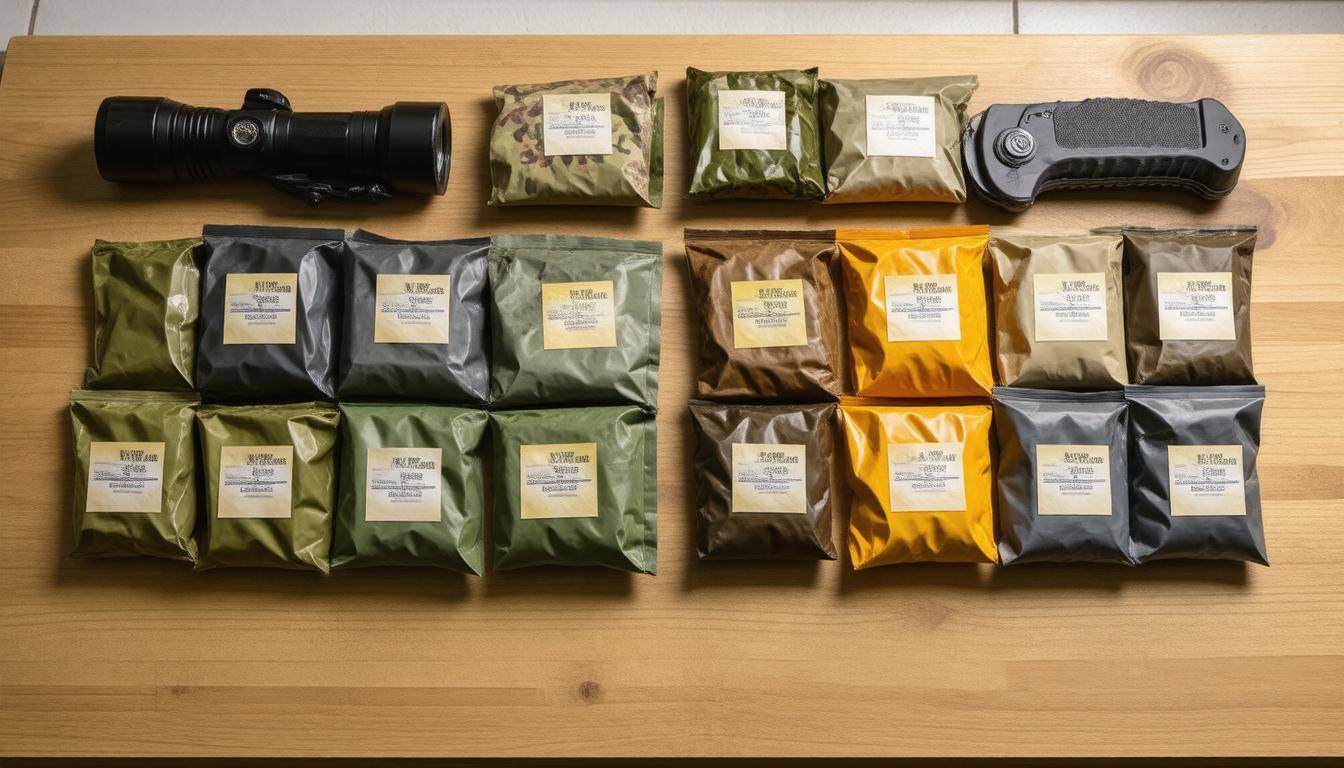
When it comes to choosing the right MREs for your stash, you want meals that not only provide energy but taste good too. Fortunately, there are several reliable brands on the market known for their quality and flavor. These brands have a proven track record of producing solid, nutritious meals that will serve you well in an emergency.
Top Recommended Brands
Brands like Sopakco, XMRE, and AmeriQual often top consumer ratings due to their reliability and variety of flavors. Each brand has its own unique traits, so it’s essential to find one that fits your specific needs. Sopakco’s entrees tend to be hearty and filling, while XMRE offers a more gourmet experience with different international flavors. On the other hand, AmeriQual stands out for its nutritional balance, even incorporating vegetarian options into its lineup. Regardless of which brand you lean toward, you can expect meals that provide a substantial caloric intake—typically around 1,000 to 1,200 calories per meal.
Remember, variety is key; having different flavors can make a world of difference when you’re relying on packaged meals for an extended period.
Military vs. Civilian MREs
A fundamental distinction lies between military-grade versions and civilian counterparts. Military MREs are specifically crafted to meet soldiers’ nutritional needs in demanding situations. They are durable and come packed with essential nutrients meant to sustain active individuals. Additionally, they often include extra features like flameless ration heaters and utensils, which can enhance convenience during use.
However, civilian versions from companies such as Mountain House and Wise Company are gaining popularity due to their accessibility and modern flavor offerings. Let’s face it—most people would prefer not to eat what their ancestors did in the trenches! Civilian MREs typically feature a wider range of enticing menu options, including gourmet-style meals like beef stroganoff or chicken teriyaki with rice.
Whichever route you choose—be it military or civilian—understanding the strengths and weaknesses of each can greatly affect your satisfaction during an emergency situation. As we explore further, the focus will shift to vital components that ensure these meals remain viable and effective when needed most.
Shelf Life and Storage Tips
The longevity of MREs is one of the most appealing features for anyone preparing for emergencies. While the average shelf life is between 12 to 24 months under regular conditions, optimal storage can extend this range substantially. Remarkably, MREs may last anywhere from 5 to 7 years if stored correctly. Some meticulous users claim to have kept their MREs edible for a full decade by maintaining suitable conditions, proving that where you store them matters just as much as how you store them.
Understanding Shelf Life
When discussing the shelf life of an MRE, it’s important to consider both the packaging date and how these meals are stored afterward. High temperatures can drastically reduce their usability.
For example, storing them at or below 75°F tends to ensure freshness for the maximum duration possible. If left at room temperature, you might only get 3 to 5 years out of them, while high heat environments exceeding 85°F could cut that down to less than 3 years. Recognizing this difference can assist you greatly during your preparation phase.
Optimal Storage Conditions
The way you store your MREs is crucial in preserving their quality. Ideally, they should be kept in a dark, cool place—away from direct sunlight and fluctuating temperatures—to ensure a longer shelf life. A basement, pantry, or closet with a consistent temperature works perfectly.
To illustrate this point, here’s a brief reference table outlining various conditions and their respective impacts on MRE longevity:
| Condition | Shelf Life |
|---|---|
| Under 75°F | 5-7 years |
| Room Temperature | 3-5 years |
| Above 85°F | < 3 years |
Keep humidity levels low as well; ideally below 15%. Excess moisture can cause packaging to deteriorate and food to spoil more quickly.
Beyond just temperature considerations, using vacuum-sealed packaging whenever possible is another tip worth noting. This type of storage minimizes exposure to air, helping prolong the freshness of your MREs. Additionally, regularly checking on your stock—rotating your inventory so that older meals are consumed before they reach their peak age—is essential for being prepared in case of an emergency.
With storage techniques established, we can now look closely at what makes these meals not only durable but also nutritionally reliable over time.
Nutrient and Caloric Content
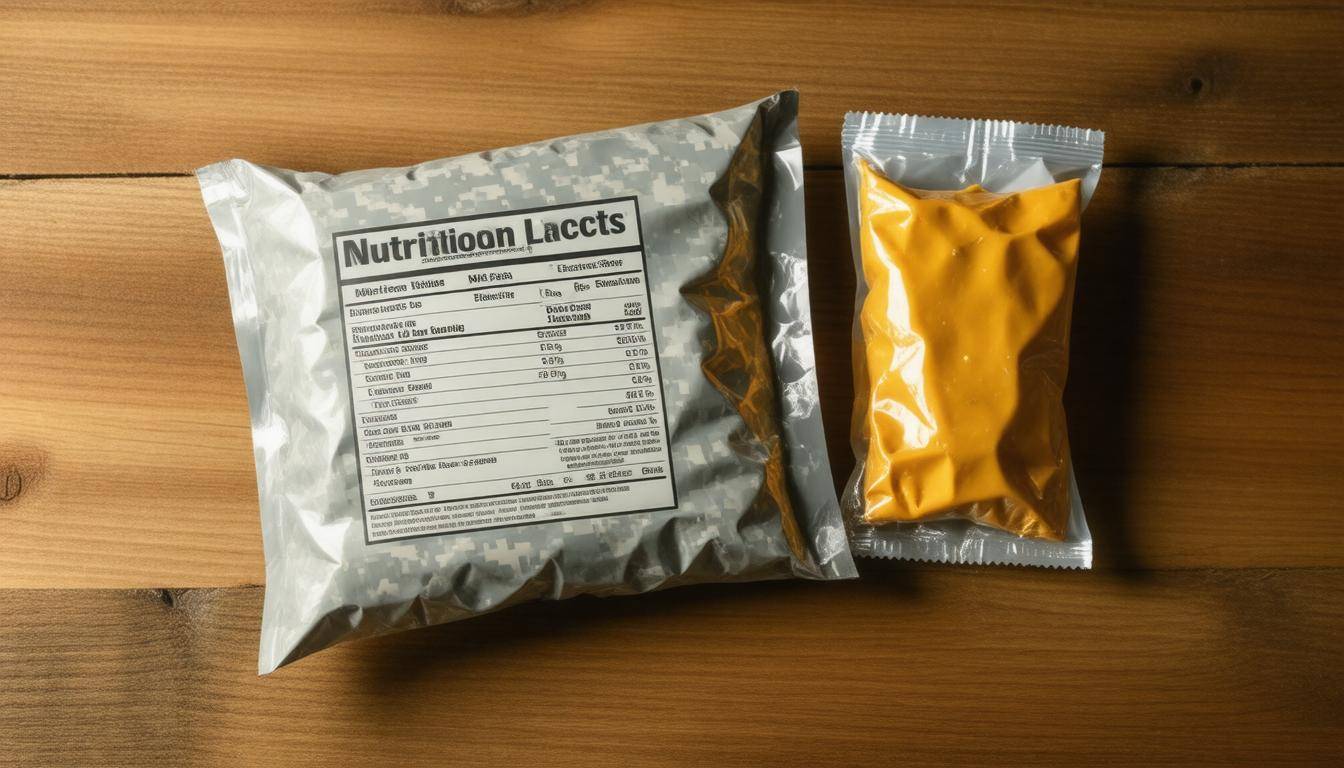
In times of uncertainty, maintaining a balanced diet can feel nearly impossible. However, when it comes to MREs, you’re often looking at meals designed not just to fill you up but to provide crucial nutrition. A well-rounded MRE typically offers around 1,200 calories per serving, which can sustain an adult during demanding situations.
It’s important to select MREs that offer a proper mix of proteins, carbohydrates, fats, vitamins, and minerals to support your body’s needs. For instance, a well-constructed meal will usually contain 20 to 30 grams of protein to help repair tissues and maintain muscle mass during stressful times. Furthermore, they typically provide between 40 to 60 grams of carbohydrates for vital energy and sufficient measures of fats ranging from 30 to 50 grams for additional calories in extended emergencies.
This combination ensures that you’re not just feeling full but also getting fuel that your body can use effectively.
However, navigating flavors and preferences is equally important. After all, you’re more likely to consume what you enjoy during tough times. While some users reported their MRE experiences were less than delightful, brands renowned for their quality—such as Sopakco or XMRE—consistently receive positive feedback for taste. When considering MREs, don’t only focus on the numbers; take time to peruse reviews that highlight not just nutritional benefits but also customer satisfaction.
One particularly telling story came from a user who experienced Hurricane Irma firsthand. They spoke about how MREs provided critical sustenance during the storm, keeping their spirits high amid the chaos. The necessity of these meals combined with a favorable flavor experience made all the difference in their survival journey.
As we explore the diverse options available for emergency meals, it’s essential to remember how variety can enhance both flavor and overall experience while meeting nutritional needs.
Variety and Taste of MREs
The diverse range of Meal Ready-to-Eat (MRE) options goes beyond mere survival; they can actually satisfy cravings and offer a semblance of normalcy in tough situations. MREs typically feature an array of flavors and entrees tailored to suit various palates. Some beloved options include Beef Stroganoff, Chicken Fajita, Cheese Tortellini, and Spaghetti with Meat Sauce. These familiar meals can turn a stressful moment into a more pleasant dining experience and help you forget you’re in the midst of an emergency.
It’s fascinating to note that consumers often gravitate towards brands like American Military and XMRE for their flavor profiles. Feedback from users highlights that 70% rate these meals as acceptable or better in taste, showcasing just how far food technology has come. The increasing popularity of MRE taste testing on platforms like TikTok and Instagram reflects this sentiment, as people are eager to share positive culinary experiences even when it comes to military rations.
However, the method of preparation also plays a crucial role in enhancing the overall flavor experience, so let’s dive deeper into that aspect.
MREs typically come equipped with flameless ration heaters, which allow you to warm them up without needing extra equipment. This heating process not only makes the meal more enjoyable by enhancing the flavors but also creates an inviting aroma that can lift spirits when circumstances feel grim.
Remember: Always check the packaging for specific heating instructions as variations exist between brands. Following these guidelines ensures that you’ll get the best experience possible from these meals.
As essential as flavor is for enjoyment, consider opting for variety packs if you’re unsure about which specific meals you’d like to try. Variety packs are much appreciated by buyers because they provide a little adventure through sampling different meals without committing to large quantities of any one option. This way, you can discover your favorites prior to emergencies or outdoor adventures.
While having enough calories and nutrition is paramount in emergencies, enjoying what you consume is equally important for sustaining morale and energy levels during tough times. In moments when every comfort counts, relishing your food can make all the difference.
With a solid understanding of the variety and taste of these meals, it’s time to shift our focus to preparing and enjoying them in real-life scenarios where their convenience truly shines.
Preparing and Eating MREs
Convenience is indeed a major selling point for meals ready-to-eat (MREs), making them a favored choice during emergencies or outdoor adventures. The beauty of these meals lies in their simplicity, allowing you to spend more time enjoying your surroundings and less time worrying about complicated preparation. To get started, it’s essential to follow a few simple steps that ensure your meal is both satisfying and safe.
Steps to Prepare Your MRE
- Open the Pouch: Start by locating the tear notch on the main meal pouch. A gentle pull will open it without needing scissors or other tools, which are often not available in emergency situations.
- Activate the Heater: If you have an MRE with a flameless ration heater (FRH), this is where the magic starts. You simply need to add a small amount of water to the fill line indicated inside the FRH. The water activates a chemical reaction that generates heat—no fire required!
- Heat: Insert the meal pouch into the activated heater and seal it up as per the instructions. Let it sit for about 10-15 minutes; your patience will reward you with a steaming hot meal.
- Enjoy: Once heated, you can eat straight from the pouch—this not only makes cleanup incredibly easy but also helps keep everything compact if you’re on the move.
While preparing your MRE is mostly hassle-free, it’s crucial to consider personal preferences regarding taste and texture when choosing what MREs to pack away. Exploring variety packs can be beneficial because they allow you to sample different meals and find favorites without committing to a whole case.
When MREs are on the menu, remember that they’re designed with convenience in mind, allowing immersion into your adventure or preparedness plan without added stress from cooking.
Occasionally, you may come across some unusual flavor combinations—think macaroni and cheese paired with jalapeño cornbread—that can lead to unexpected culinary experiences!
Finally, don’t forget to pair your MRE with snacks for an energy boost, especially during long excursions or emergencies where maintaining caloric intake is vital. Keep hydration in mind; having water or hydration packs on hand goes hand-in-hand with your meals. Enjoying an MRE should be about comfort and security in knowing that you’ve prepared adequately for whatever situation comes your way; take advantage of these useful little packages crafted for ease while still nourishing you when it’s essential most.
Armed with this knowledge on preparation and enjoyment, let’s now explore how these meals measure up in terms of cost-effectiveness and overall value.
Cost and Value of MREs
The price you pay for Meals Ready-to-Eat (MREs) can vary significantly based on a number of factors, so it’s important to know where you stand financially when considering this type of emergency food. Generally, if you buy MREs one by one, expect to spend anywhere from $7 to $12 per meal. This price range reflects different brands, quality, and contents of the meals which might also influence their nutritional content.
Price Points
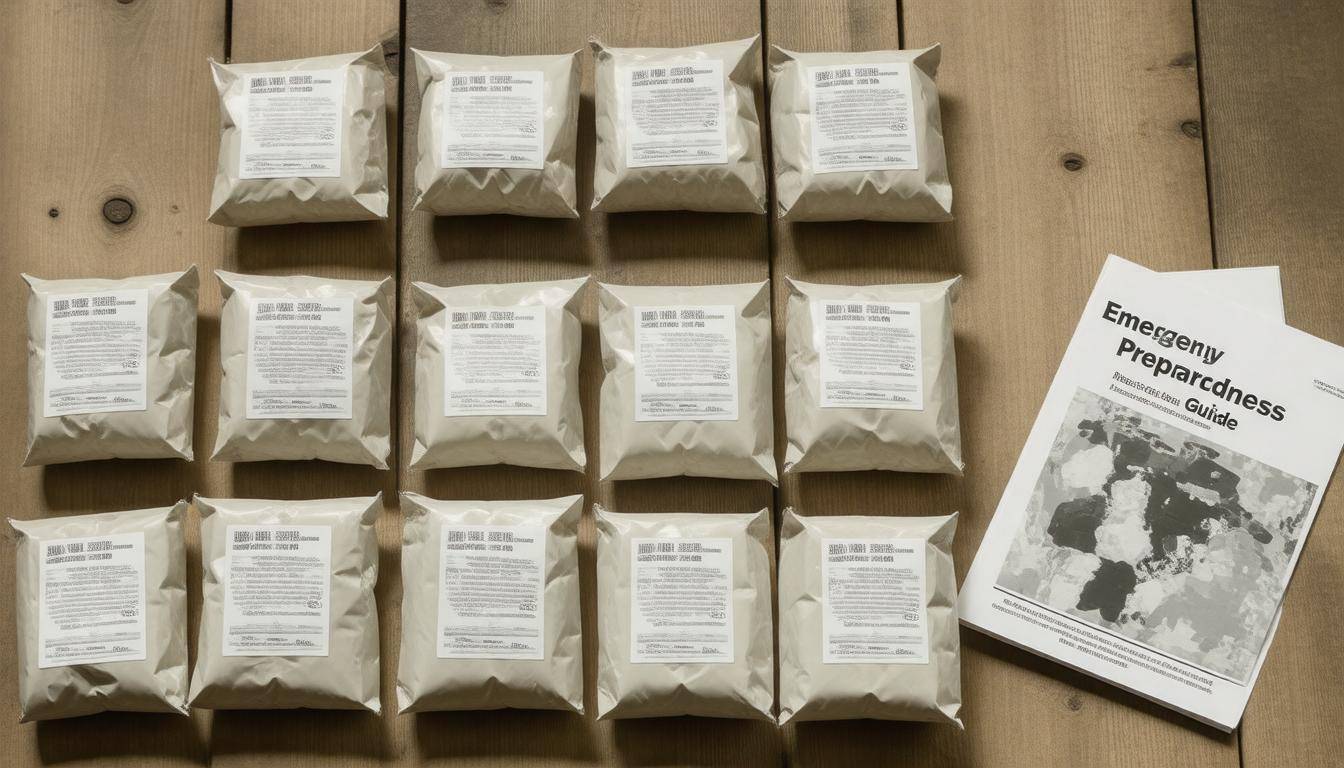
For those looking to stock up for emergencies, bulk buying is worth considering. A case typically containing twelve packs can range from about $60 to $150 depending on the brand and specific ration types included. The savings from purchasing in bulk compared to individual purchases can be significant, ensuring that you’re not only prepared but also managing your budget effectively.
But what about the true worth of these meals? It’s not just about how much you spend; it’s also vital to understand what you’re getting in return. Higher-priced MREs could be an enticing option for those prioritizing quality. They often contain more premium ingredients and come with additional items like utensils or even desserts, enhancing your eating experience during stressful times. Conversely, opting for budget-friendly brands like Wornick or Meal Kit Supply doesn’t necessarily mean sacrificing nutrition.
Comparing Cost to Value
In fact, some lower-cost MREs are crafted to provide sufficient sustenance without breaking the bank. Think of it as a balancing act: while you might be tempted by eye-catching packaging or gourmet options, it’s also important to remember that at their core, MREs are designed for nourishment and convenience first. The trade-off becomes clear as you weigh your options—high-cost meals may treat your taste buds better but could require a larger upfront investment.
Exploring the intricacies of selecting MREs can pave the way for making informed decisions regarding your emergency food options. By implementing smart strategies in your purchasing process, you’ll position yourself to choose wisely for your unique needs.
Buying MREs: Tips and Considerations
Navigating the world of MREs can feel overwhelming due to the sheer number of options available. However, understanding where to buy them, along with what factors to consider, can empower you to make informed decisions. Firstly, focusing on trusted sources is crucial. Vendors like MRE Mountain and MRE Depot have built solid reputations for providing authentic military-grade meals that meet high-quality standards. Purchasing from these reputable vendors not only ensures freshness but also helps you avoid expired or compromised products.
However, always remember that a great reputation isn’t enough; vigilance is key in making your purchase decisions.
It’s essential to be wary of deals that seem too good to be true. You may come across significantly discounted MREs on auction sites or questionable online retailers. While the price might tempt you, these could often indicate low-quality or near-expiration products. Prioritize checking the expiration dates before completing your purchase. Generally, MREs have a shelf life of 12-24 months at optimal temperatures, but they can last longer if stored correctly in cool, dry places. If an offer seems unusually cheap, it’s entirely possible it comes with hidden risks—after all, quality and safety should never be sacrificed for cost savings.
Informed consumers know how to strike a balance between economical choices and quality products.
Moreover, considering variety packs is another wise tip when purchasing MREs. These packs allow you to sample different meals without committing to an entire box of one flavor. This is particularly useful for families or groups with varied tastes and dietary needs; finding what everyone enjoys can save money and waste in the long run. Furthermore, look for brands known for catering to specific dietary concerns, such as vegetarian or gluten-free options, ensuring that you are prepared for all members of your household.
Lastly, don’t overlook the importance of customer reviews. They provide insights into taste, portion sizes, and overall satisfaction that can guide your selections effectively. Many users share their experiences on forums and community boards dedicated to outdoor survival and emergency preparedness. Taking the time to read what others have said about specific products will give you greater confidence in your purchases.
By focusing on trusted vendors while being cautious about deals that seem too good to be true, you’ll establish a strong foundation for effective emergency food preparation as you explore the available options and flavors ahead.
Types and Flavors Available
When it comes to MREs, the selection of flavors is one of the most appealing aspects. With a wide array of choices, you can find something to satisfy nearly any craving. From savory entrees like Buffalo Chicken to lighter options such as Tuna with Lemon Pepper, each meal is designed to be packed with flavor while fulfilling nutritional needs. This diversity helps ensure that meal fatigue doesn’t kick in during extended periods when cooking might not be an option.
The growing variety includes numerous flavors, accommodating different tastes and dietary restrictions:
-
Southwest Style Beans: A hearty vegetarian option full of fiber and flavor.
-
Vegetarian Chili: Great for those looking to avoid meat while still enjoying something filling and warm.
-
Beef Stew: Ideal for meat lovers wanting a comforting classic.
Each flavor is developed not just for taste but also for long-term storage stability. Since their introduction in the 1980s, MRE formulations have significantly evolved, aiming to enhance both consistency and nutrition—often reflecting popular culinary trends of the time!
Users who opt for specialty diets often express satisfaction with the availability of vegetarian or gluten-free options. This adaptability means everyone can stock up on something nourishing and flavorful.
Having diverse options on hand contributes to better overall preparedness. By considering personal preferences and dietary requirements, you can ensure you’re ready for whatever may come your way. MREs that appeal to various tastes not only make emergency scenarios more manageable but can also keep spirits high when challenges arise.
In summary, having a variety of MRE flavors ensures that you’re not only prepared for emergencies but also able to enjoy what you eat even in the toughest situations. Stocking a range of meals reflects a thoughtful approach to emergency readiness.
What are the key features to consider when choosing the best MREs for emergencies?
When choosing the best MREs (Meals Ready-to-Eat) for emergencies, consider key features such as caloric content (aim for 1,200-2,000 calories per meal), shelf life (ideally 5 years or more), nutritional balance (protein, vitamins, and minerals), packaging durability (waterproof and resistant to pests), and ease of preparation (no cooking required is preferable). Additionally, flavor variety can enhance morale during stressful situations. Research shows that well-balanced MREs can significantly improve energy levels in survival scenarios, making informed choices crucial for preparedness.
What nutritional value do MREs typically provide?
MREs (Meals Ready-to-Eat) typically provide a balanced nutritional profile, containing around 1,200 to 1,300 calories per meal, which includes proteins, carbohydrates, fats, vitamins, and minerals essential for energy and sustenance during emergency situations. Most MREs are designed to meet the dietary requirements of military personnel, providing approximately 20-30% of daily recommended values for key nutrients. Additionally, they often have a shelf life of over 12 months, ensuring that their nutritional value remains intact in an emergency scenario.
Can MREs be used as a main food source during extended emergencies?
Yes, MREs (Meals Ready-to-Eat) can be used as a main food source during extended emergencies due to their nutritional balance and long shelf life. Typically, each MRE contains around 1,200 to 1,300 calories, sufficient for daily energy needs in survival situations. Given their durability, with a shelf life of up to 24 months or more when stored properly, they provide a reliable food source that requires no cooking or preparation. Studies indicate that in prolonged emergencies, a combination of MREs and supplementary food items can help maintain nutritional requirements.
How long do MREs last when stored properly?
MREs (Meals Ready-to-Eat) can last between 12 to 24 months when stored properly at a stable temperature of 70°F (21°C) or lower. However, under optimal conditions—cool and dry environments—they can remain edible for up to 5 years or more, retaining their nutritional value and safety. Studies show that MREs stored at warmer temperatures may deteriorate more rapidly, so proper storage is crucial for maximizing their shelf life and ensuring they are effective as emergency food sources.
Are there any special storage requirements for MREs to maintain their quality?
Yes, MREs (Meals Ready-to-Eat) should be stored in a cool, dry place away from direct sunlight to maintain their quality. Ideal storage temperatures are between 50°F and 70°F (10°C to 21°C). At higher temperatures, the shelf life can significantly decrease; for instance, at 80°F (27°C), MREs may only last about 6 months, while at lower temperatures, they can last up to 24 months or more. Proper storage helps preserve flavor, texture, and nutritional value, ensuring you’re well-prepared for any emergency.