
When cyclones and flooding threaten Myanmar, being prepared can be the key to safety and survival. You might think it won’t happen to you, but those who find themselves in the eye of the storm often wish they had taken a few simple steps beforehand. Creating an emergency kit isn’t just a precaution; it’s crucial for protecting yourself and your loved ones during these unpredictable disasters. This article will guide you through essential supplies and preparations you need, ensuring that you’re ready when nature unleashes its fury.
A comprehensive emergency kit for cyclones and flooding in Myanmar should include non-perishable food, safe drinking water, a first aid kit, flashlights with extra batteries, important documents in waterproof bags, a whistle for signaling, and necessary medications. Additionally, consider including items like clothing, blankets, hygiene supplies, and a multi-tool to ensure your family’s safety during an emergency situation.
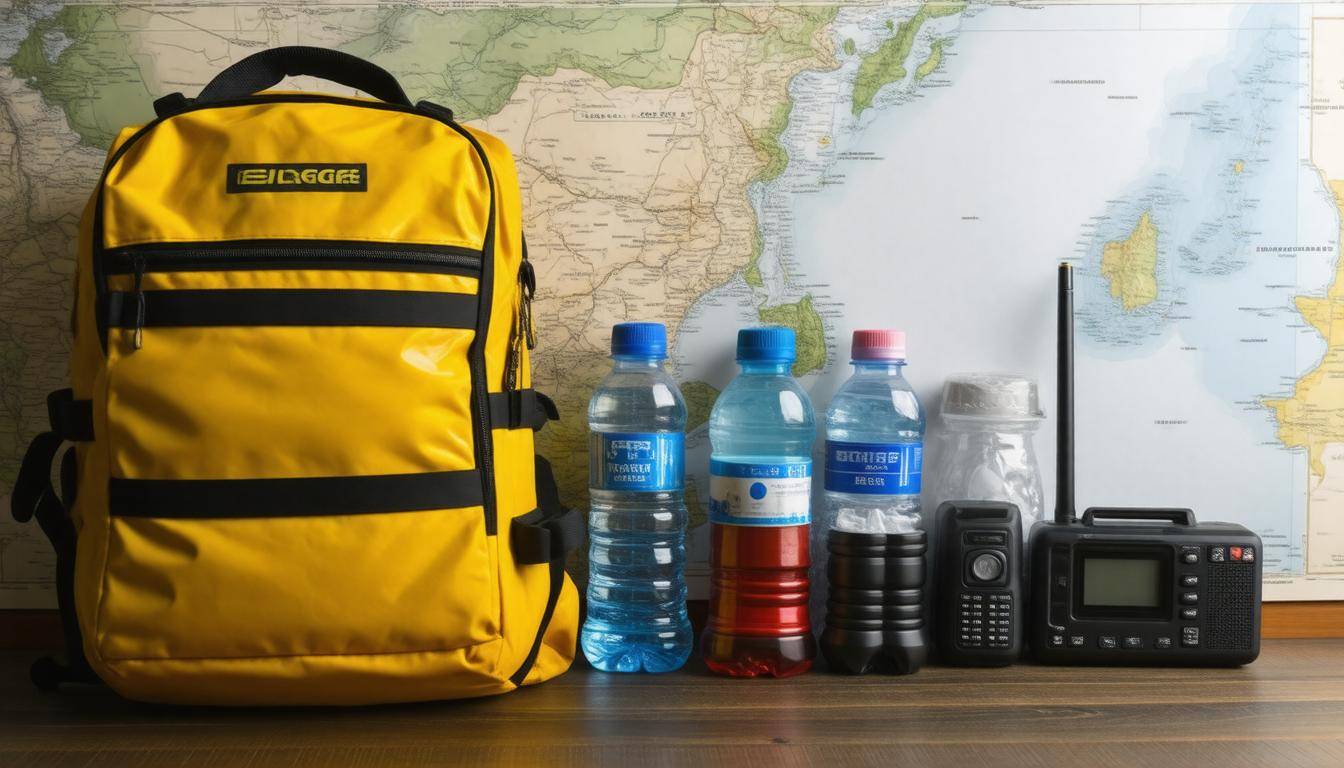
Essential Food and Water Supplies
In the event of cyclones and flooding, access to clean water is critical. The chaos that ensues from such disasters can quickly compromise local water systems, rendering them unsafe for consumption. That’s why it’s crucial to store at least one gallon of water per person per day, aiming for a minimum supply of three days, although two weeks would be ideal. Such foresight can safeguard your family’s well-being when clean water becomes scarce.
To mitigate the risk of running out of potable water during an extended emergency, consider investing in portable solutions like the LifeStraw or utilizing water purification tablets. These tools allow you to draw from alternative sources, assuming the water isn’t too contaminated, thereby stretching your initial bottled supply much further. This means even if your pantry is bare, the ability to source and purify water can significantly extend your survival options.
Water Supply
Now let’s turn our attention to food. Always opt for ready-to-eat non-perishable items that won’t require cooking or refrigeration during power outages. Think canned goods, dry cereals, nuts, and energy bars. These thoughtful choices can maintain your energy levels through uncertain times.
Some highly regarded options include canned beans, tuna, peanut butter—which is calorically dense and protein-rich—and packaged dried fruits that provide needed vitamins without taking up too much space. These foods are lightweight yet nutrient-packed; they do wonders in preserving both your health and spirits when comfort foods are out of reach.
Non-perishable Foods
Additionally, don’t overlook special dietary needs among your family members. Ensure you’re accounting for anyone in your household who may have infants, elderly relatives, or unique dietary challenges.
Make sure to include:
- Baby formula and bottled baby food for infants so they remain nourished and content during trying times.
- Gluten-free snacks or meals specifically for those with celiac disease; being unprepared could lead to painful consequences.
- Low-sodium options aimed at individuals with heart conditions will help manage their health without adding undue stress during emergencies.
- An extra supply of essential dietary supplements or necessary medications as these can literally mean the difference between health and severe repercussions in crises.
Having robust food and water supplies lays a solid foundation for emergency preparedness. Next, addressing proper clothing and shelter arrangements is essential for truly weathering the storm effectively.
Clothing and Shelter Needs
When it comes to preparing for a disaster like a cyclone or flood, ensuring you have the right clothing and shelter supplies is crucial. The seemingly simple act of putting on the right clothing can make a big difference in maintaining your health and comfort in tumultuous conditions. Imagine being outside in pouring rain and ferocious winds without proper clothing; that scenario can easily become dangerous. This is why packing lightweight, waterproof clothing such as raincoats, ponchos, and waterproof boots should be at the top of your list.
Choosing materials that dry quickly is another smart decision. Fabrics like polyester and nylon are perfect because they wick away moisture while keeping your body insulated. Staying wet for long periods not only drains energy but also increases the risk of hypothermia or fungal infections, which can be detrimental during an emergency when access to medical support is limited.
While clothing protects your body from the elements, appropriate bedding plays an essential role in maintaining warmth and comfort during difficult times.
Blankets and Bedding
For sleeping comfortably amid chaos, including thermal blankets or emergency space blankets in your kit is always advisable. These can be compactly folded yet surprisingly effective at retaining body heat, making them invaluable when temperatures drop after heavy rains. Additionally, if you have the space, consider adding sleeping bags rated for cold weather. Having a warm place to sleep can significantly improve morale during trying times.
However, what happens if you’re forced to evacuate or if your home becomes uninhabitable? The answer lies in having temporary shelter options ready.
Temporary Shelter
Your best bet in this case would be portable shelters like waterproof tents. They will provide immediate refuge from harsh elements while being easy to transport. Alongside tents, don’t underestimate the versatility of tarps—these handy items can serve multiple purposes. Whether it’s creating makeshift roofs to shield against rain or providing ground cover for sleeping arrangements, tarps will stretch your resources much further.
Adequately preparing for clothing and shelter needs isn’t just logistics; it’s about safety and comfort for survival in chaotic times.
The next focus emphasizes the importance of safety and communication—elements that can often become complicated during the chaotic aftermath of a disaster.
Safety and Communication Tools
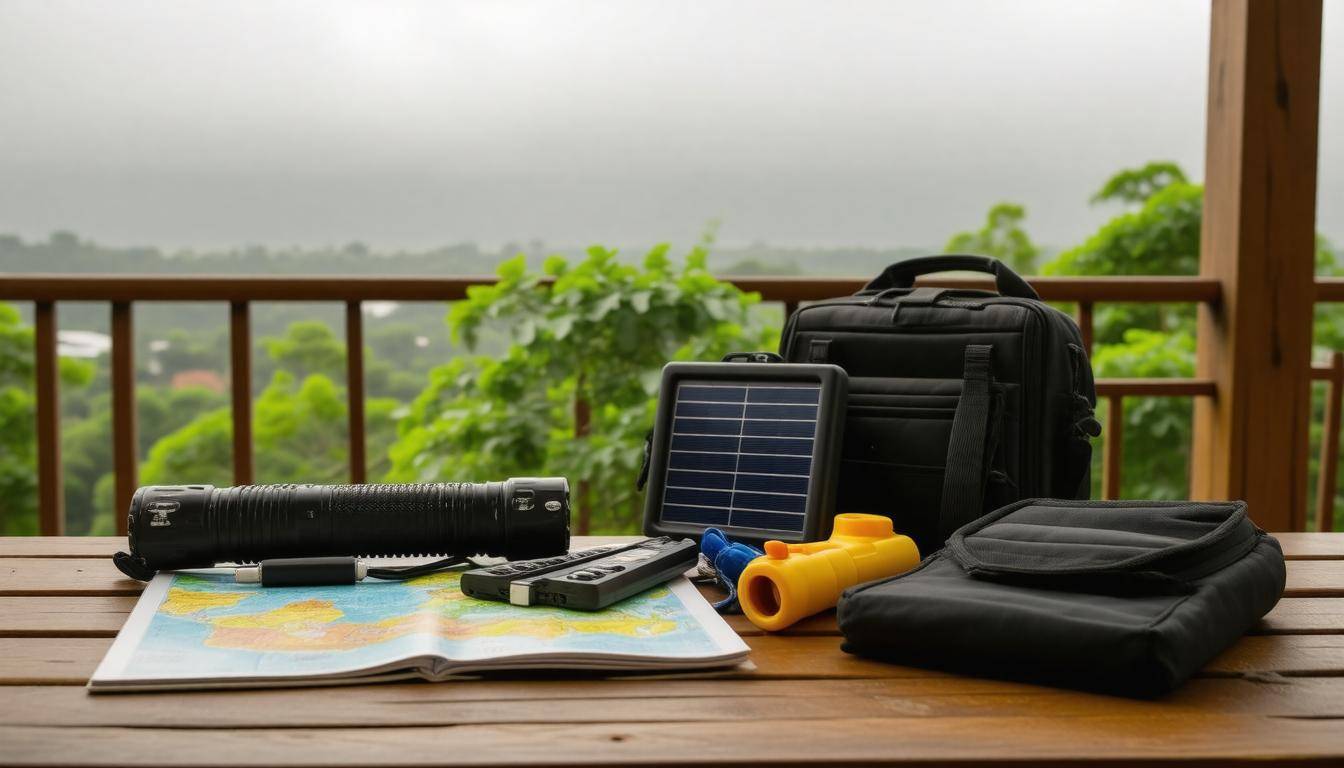
When disaster strikes, the ability to communicate can make all the difference. Effective communication tools serve not just to keep you informed but also to relay vital information to rescuers if the situation calls for it. This is why understanding what tools to include in your emergency kit is crucial.
For instance, a multiband emergency radio equipped with NOAA weather alerts can be a lifesaver. By tuning into emergency broadcasts, you stay ahead of potential storms or floods, allowing you ample time to prepare or evacuate when necessary. Opt for models that are battery-operated or crank-powered; these types don’t rely on traditional power sources, ensuring you’re informed even when the electricity goes out.
In addition to radios, signaling devices like whistles and flares play an essential role in emergencies. While they may seem simple, these tools are incredibly effective in dire situations where conventional forms of communication are compromised. A whistle can pierce through the chaos of a storm, while brightly colored flares significantly increase visibility during low-light conditions or heavy weather. For example, the Storm Whistle boasts a remarkable ability to reach up to 130 decibels, making it a top choice that cuts through most environmental noise after cyclones hit.
Another layer of preparedness involves mobile phones and backup chargers. Before any severe weather hits, it’s advisable to ensure your phone is fully charged. Think about incorporating accessories such as solar-powered chargers or power banks into your emergency kit. These devices will provide essential backup power when conventional electricity sources become unavailable. Remember, having two ways to recharge your phone increases your chances of staying connected when things get tough.
While maintaining communication is vital during emergencies, safeguarding health and safety is equally important—this is where essential supplies come into play.
First Aid Supplies
Being prepared with the right first aid supplies is not just a precaution—it’s a lifesaver in times of crisis. When faced with emergencies, especially in places like Myanmar where cyclones and floods can wreak havoc, understanding what to include in your first aid kit can significantly affect the outcome of minor injuries or health concerns. Your kit becomes your ally in ensuring basic medical care is accessible until professional help arrives, which can sometimes take time.
Basic First Aid Kit
At the core of your emergency preparation should be a well-stocked first aid kit. This is no ordinary collection of items; it must be tailored for immediate response needs. Key items to include are adhesive bandages for cuts and scrapes, sterile gauze pads to cover larger wounds, and adhesive tape for securing those pads. Antiseptic wipes serve as your first line of defense against infection, while tweezers and scissors can come in handy for removing splinters or cutting tape and gauze. Adding a digital thermometer aids in monitoring fevers, and a cold pack is invaluable for reducing swelling or discomfort.
It’s crucial to regularly check expiration dates on these items to ensure they’re effective and ready when you need them most. Imagine needing a bandage urgently only to find it expired—this highlights the importance of maintaining an up-to-date kit.
Prescription Medications
In addition to general supplies, don’t forget any necessary prescription medications. Prepare at least a two-week supply stored in waterproof pouches; this protects them from moisture that may arise during floods. Conditions like high blood pressure or chronic ailments demand uninterrupted medication access, particularly during stressful situations when consistent health management is paramount.
Over-the-counter Medication
Next on the list should be over-the-counter medications, which are essential for managing common ailments that can arise amid unsettling circumstances. This includes pain relievers like ibuprofen or acetaminophen for headaches or body aches, fever reducers for managing elevated temperatures, anti-diarrheal medication to combat sudden gastrointestinal issues, and antihistamines for allergic reactions that may occur unexpectedly.
Special Medical Needs
Furthermore, consider any special medical needs unique to you or your family members. For example, if someone requires insulin for diabetes, ensure it’s part of your emergency supplies along with the necessary syringes. Likewise, if someone suffers from asthma, having inhalers readily accessible may mean the difference between controlled breathing and excessive distress during a natural disaster. An EpiPen for severe allergies should also be considered; they are crucial items that require inclusion in every emergency kit.
Preparing ahead with these supplies can foster resilience amidst adversity. You’ll feel equipped to handle not just day-to-day injuries but also specific medical crises that might arise in chaotic situations. It’s empowering knowing you have the tools needed to potentially save lives while waiting for professional help during turbulent times.
Now that we’ve established the vital medical provisions for emergencies, let’s shift our focus to illumination solutions that can enhance safety and comfort during challenging situations.
Flashlights and Backup Batteries
When preparing for emergencies like cyclones and floods, the significance of dependable light sources cannot be overstated. Having a flashlight on hand is about more than just convenience; it’s about safety. LED flashlights are particularly advantageous because they use less energy while offering brighter light, which helps illuminate your surroundings when every second counts. It’s wise to pack several flashlights along with extra batteries, as a backup plan is always better than relying on a single source of light.
Beyond standard flashlights, headlamps can be incredibly useful during emergencies since they allow for hands-free operation. Imagine needing to nab something from a higher shelf or maneuver through tight spaces while holding onto important supplies; that’s where headlamps shine. Furthermore, if you are looking to light up larger areas, consider lightweight lanterns that can easily be transported yet provide substantial illumination.
Solar-Powered Options
As your focus shifts toward sustainability, solar-powered flashlights and lanterns become excellent options during power outages; they eliminate the need for disposable batteries entirely. Nothing beats the versatility of a solar charger—especially one capable of keeping other small electronics powered up in times of need. These options not only lighten your load but also reduce environmental impact, making them an ethical choice for anyone concerned with sustainability.
| Product | Type | Runtime | Additional Features |
|---|---|---|---|
| Fenix PD35 | LED Flashlight | 430 hours | Waterproof, Multiple modes |
| Black Diamond Spot | LED Headlamp | 200 hours | Multiple brightness settings |
| MPOWERD Luci Pro Outdoor 2.0 | Solar Lantern | 50 hours | USB port for charging phones |
Investing in reliable flashlights and batteries means not just meeting immediate needs for visibility but also being equipped to handle unexpected events with greater assurance. A well-prepared emergency kit with sustainable lighting sources transforms potential panic into a sense of calm resilience when facing nature’s adversities.
Understanding what essential supplies you may need extends beyond just lighting; having the right documentation and cash at your disposal is equally vital in times of crisis.
Important Documents and Cash
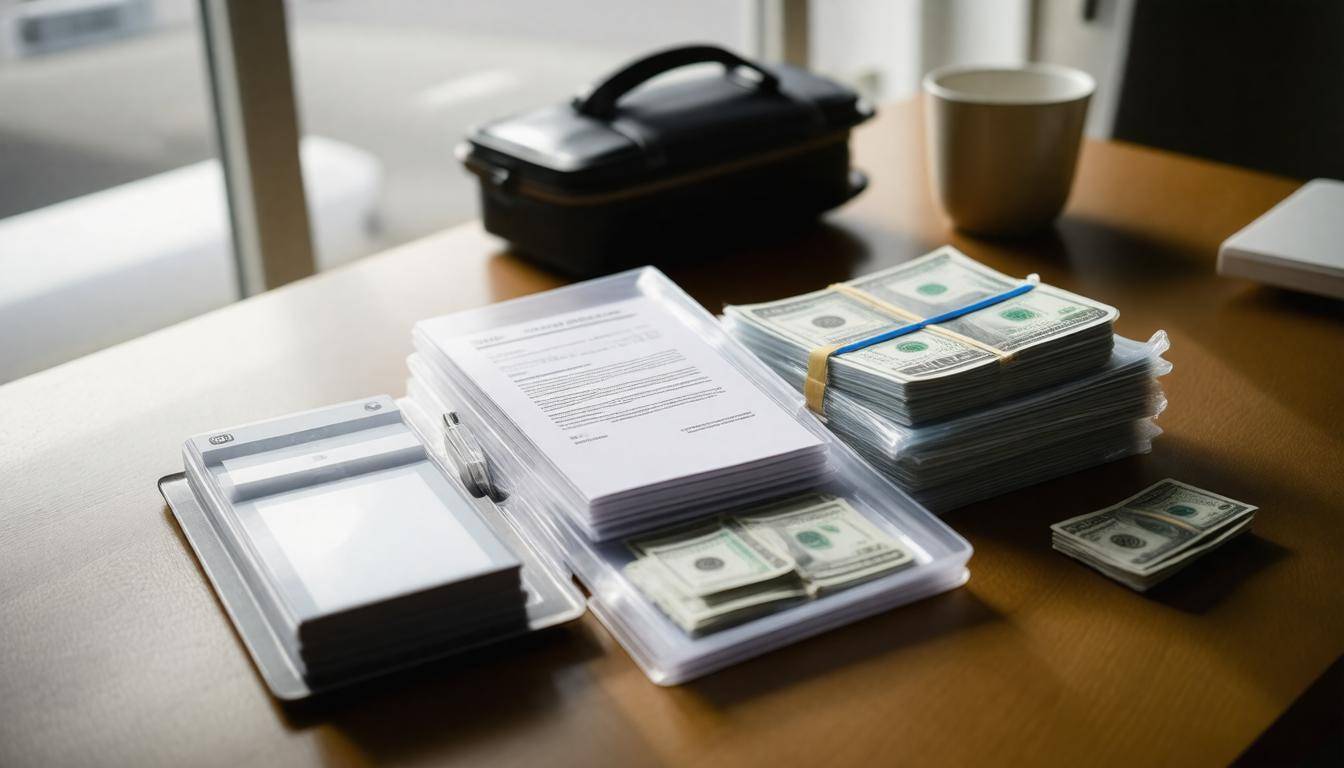
In the chaos following a natural disaster, having access to vital documents becomes incredibly important. These not only serve as identifiers but also as keys to recovery processes that significantly reduce stress in challenging times. Imagine trying to get help from your insurance company or proving ownership of your home without proper documentation—it can add unnecessary hurdles during an overwhelming period.
Documents to Include
- Passports: crucial for identification and may be required for travel or verification purposes.
- Birth Certificates: especially important for children, confirming identity and age, essential for healthcare services or school registrations.
- Insurance Policies: copies of health, property, and life insurance policies that help streamline claims after a disaster.
- Property Deeds: proof of home or land ownership is paramount when seeking assistance or making future decisions about property.
- Medical Records: significant for individuals with chronic conditions; knowing medications needed and accessing medical history can fast-track care.
- Emergency Contacts: a well-organized list of family members, close friends, and local emergency services is invaluable during a crisis.
Store these important documents in a waterproof, portable case to ensure they remain intact when necessary. Additionally, consider using a digital backup system like a secured cloud service to store copies electronically. This strategy ensures that if the originals are lost or damaged, you’ll still have access to essential information from anywhere.
Cash
While card payments are convenient in everyday life, emergencies can disrupt electronic payment systems, making cash a critical resource. Therefore, it’s wise to keep cash on hand in small denominations so you’re prepared for situations where other forms of payment may fail. For example, a small stash of 1000 MMK notes could make all the difference when purchasing necessities at local stores amidst the ongoing chaos.
Always maintain a reasonable amount of cash; however, avoid keeping large amounts for security reasons. A careful balance between accessibility and safety can ensure you have funds available when you need them most.
While having these essentials is crucial for navigating uncertainty, preparing for the possibility of leaving your home is equally important.
Preparing for Evacuation
When evacuation becomes necessary during a cyclone or flood, the speed and organization of your departure can greatly impact safety. One of the first steps is familiarizing yourself with local evacuation routes. Knowing how to exit your area efficiently is crucial.
Take some time to map out these routes before a storm strikes. Ideally, identify multiple routes so that if one road becomes impassable due to flooding or debris, you’ll have alternatives ready. Don’t forget to consider accessibility by foot, car, or even public transport, especially if you don’t have a vehicle.
In addition to these routes, keeping a detailed map or digital application handy could be beneficial. This provides confirmed pathways out and alternate spots if needed. Consider practicing these routes with your family during calmer weather conditions. Familiarity breeds confidence; when winds howl or water rises, everyone in your household should instinctively know where to go.
After securing evacuation routes, the next focus should be on gathering the essentials for your “go-bag.”
Go-bag Preparation
Every household should prepare a “go-bag” filled with necessities that will keep you safe during an emergency. Begin by including non-perishable food and water for each family member for at least three days—consider nutrient-dense options like protein bars or canned goods. About one gallon per person per day is a good rule of thumb for drinking water.
Your go-bag should contain essential items listed below:
- Food (non-perishable)
- Water (at least three days’ supply)
- Clothing (extra clothing suitable for various weather conditions)
- First aid supplies (medications and bandages)
- Important documents (identification, insurance papers)
Make sure this bag is easy to carry and kept in an accessible location so that everyone knows where it is. When packing, consider each item’s purpose and necessity; while extra items like entertainment options may seem appealing, prioritizing essentials could make a significant difference amidst chaos.
However, most households also have furry family members that deserve their own provisions.
Pet Preparedness
Pets are part of the family too! It is essential to plan for their needs during evacuations just like any other member of your household. Ensuring that your pets wear updated tags with identification information is crucial for reunification if they get lost during transport. Don’t forget about their comfort and safety; prepare carriers that allow them to travel securely and comfortably.
Include pet food and water bowls in your go-bag as well—the reality is they can become anxious during storms just like us humans! Remember to have enough supplies for several days since finding pet-specific food can be tricky in emergency situations.
Thorough preparation can significantly ease stress during ongoing emergencies.
Evacuating swiftly may mean the difference between safety and danger when unexpected storms hit, making organization paramount. By understanding local evacuation routes, assembling a practical go-bag filled with necessities, and planning ahead for your pets’ needs, you set yourself up for success should the worst occur. Regular discussions about these plans with your family ensure clarity when disaster strikes, allowing you to face challenges prepared.
As we shift our focus now to developing a comprehensive plan that ensures every member of your household knows what to do under pressure, staying proactive can be the key to ensuring everyone’s safety.
Family Emergency Plan Tips
Every family member should be involved in creating the emergency plan, as their input can make the process run smoothly and effectively. With everyone on board, it’s easier to ensure that each person knows precisely what they need to do when disaster strikes. Involving everyone promotes understanding and empowers individuals, making them feel responsible and aware of their role in the family’s safety.
Communication Plan
Establishing a solid communication plan is essential. Families should designate a comfortable meeting spot within the home where all can gather during an emergency—perhaps the kitchen or living room.
Additionally, choose an external location like a nearby park or community center to regroup if evacuation becomes necessary. Always keep a written list of emergency contacts that includes local loved ones and trusted individuals outside your vicinity who can be reached easily, whether by phone or text. Knowing who to contact can mitigate feelings of chaos that arise when plans must change suddenly.
Role Assignments
Role assignments are another crucial aspect of an effective emergency plan. When each family member has specific tasks, it streamlines responsibilities and minimizes confusion. For instance, one adult might oversee important documents—like identification papers and insurance information—while another prepares supplies such as first aid kits, food, and water for evacuation.
Children can have age-appropriate assignments as well; even young kids can help locate favorite toys or gather important items they may want to keep close during a crisis. By having clear roles, families are more likely to work together harmoniously under pressure.
Practice Drills
Regular practice drills are vital for ensuring family members are fully acquainted with the emergency plan. These rehearsals simulate how an evacuation would occur and what actions would need to be taken in specific scenarios.
Routine practice builds confidence among family members and helps identify any potential weaknesses in the plan that may need addressing before an actual emergency occurs. Imagine feeling calm and collected during a crisis simply because everyone has practiced their roles; it can truly make a difference!
Research indicates that families who routinely conduct these drills and familiarize themselves with their plans are about 30% less likely to suffer injuries when emergencies arise. It’s hard to argue against the peace of mind this brings.
Therefore, investing time into establishing a clear communication system, assigning distinct roles, and regularly engaging in drills equips families with tools needed for effective response in emergencies. This preparation creates a sense of trust and readiness among loved ones, enabling them to face unexpected situations with greater assurance.
In moments of crisis, preparedness can mean the difference between chaos and calm. A well-crafted plan is essential for navigating challenges like cyclones and flooding in Myanmar.
How often should individuals check and update their emergency kits for cyclone and flooding preparedness?
Individuals should check and update their emergency kits for cyclone and flooding preparedness at least twice a year, ideally when daylight saving time begins and ends. This ensures that supplies are fresh, batteries are functional, and any expired items are replaced. According to FEMA, being prepared can reduce the impact of natural disasters on lives and property by up to 50%. Regular checks enable families to be ready to react swiftly in case of an emergency, ultimately enhancing safety and resilience against such unpredictable events.
How can residents of Myanmar best prepare their homes for an impending cyclone or flood?
Residents of Myanmar can best prepare their homes for an impending cyclone or flood by reinforcing structures, securing loose items, and creating an emergency plan that includes evacuating to higher ground. According to the Myanmar Disaster Management Law, approximately 200,000 people are displaced annually due to natural disasters; thus, having an emergency kit with essentials like food, water, first-aid supplies, and important documents is crucial. Additionally, elevating furniture and using sandbags around entrances can significantly mitigate damage from rising waters, enhancing safety and preparedness.
What essential items should be included in a cyclone and flooding emergency kit specific to Myanmar?
A cyclone and flooding emergency kit for Myanmar should include essential items such as non-perishable food, clean drinking water (at least 3 liters per person per day), a flashlight with extra batteries, a first-aid kit, personal hygiene items, a multi-tool or knife, important documents in waterproof bags, and cash. Given that Myanmar faces an average of 6 cyclones annually and severe flooding events can displace thousands of people, preparedness is crucial to ensure safety and survival during these natural disasters.
What are the most effective ways to store an emergency kit to ensure it remains accessible when needed?
The most effective ways to store an emergency kit include keeping it in a designated, easily identifiable location such as near the entrance of your home or in a dedicated emergency storage area. Utilize waterproof containers to protect supplies from moisture damage, especially in flood-prone areas like Myanmar. It’s recommended to regularly check and update the supplies every six months, ensuring everything is within the expiration dates and functional. According to the Red Cross, having an accessible emergency kit can reduce response time significantly during disasters, enhancing safety and preparedness for all household members.
What local resources or organizations can help provide information on emergency preparedness in Myanmar?
Local resources in Myanmar that can provide valuable information on emergency preparedness include the Myanmar Red Cross Society, which actively engages in disaster response and community education, and the Disaster Emergency Management (DEM) Department under the Ministry of Social Welfare, Relief and Resettlement. Additionally, various NGOs like Save the Children and Oxfam operate in the region, offering workshops and training on disaster resilience. According to reports, approximately 70% of communities affected by flooding have benefitted from these initiatives, highlighting their effectiveness in improving preparedness and response strategies during cyclones and floods.