
Imagine the sound of laughter mixing with the clinking of tools, as neighbors come together to tackle projects and share resources. A Neighborhood Tool Sharing System isn’t just about borrowing a hammer or a lawnmower; it’s about building connections within your community while saving money and reducing waste. This guide will lead you through the exciting steps to create an organized tool-sharing initiative that strengthens neighborly bonds and encourages collaboration. You’ll discover how simple interactions over shared tools can spark friendships, enhance skills, and foster a more resilient community. Let’s dive in and explore how to turn this vision into reality!
The Neighborhood Tool Sharing System: Organization Guide outlines essential steps for establishing a successful tool sharing initiative within your community, including community engagement strategies, resource management frameworks, and lifecycle considerations. It also provides insights on forming partnerships, creating learning resources, and developing efficient operations to foster collaboration and resilience among community members.
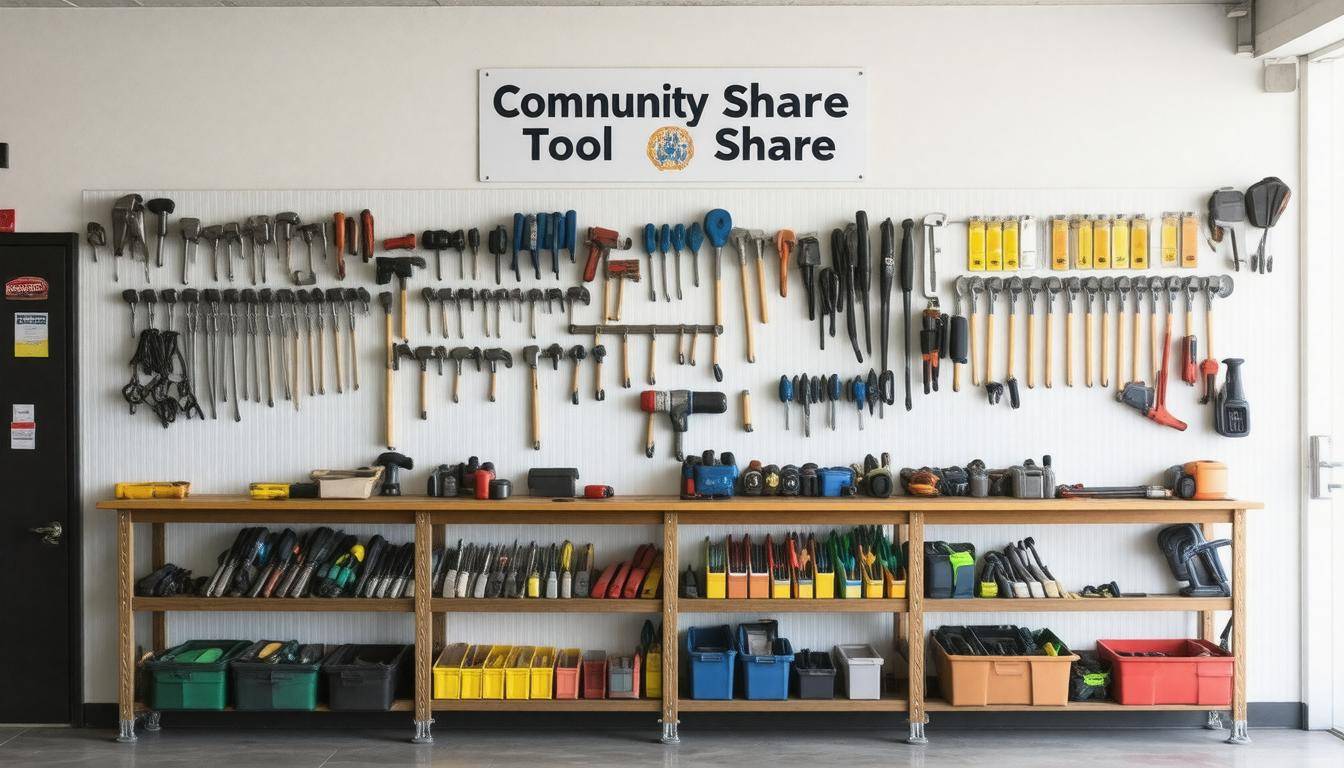
Establishing a Neighborhood Tool Sharing System
The initial planning phase sets the stage for everything that follows. Start by gathering your small organizing committee—a dedicated group of neighbors who share your enthusiasm and are willing to invest their time and energy. This committee should consist of people with diverse skill sets and backgrounds; those different perspectives can lead to innovative solutions and help in addressing any impediments along the way. Whether they’re handy with tools, skilled communicators, or adept planners, each member will contribute uniquely to the initiative.
With your committee in place, it’s important to create a solid foundation through thoughtful planning.
Initial Planning
Arrange a few meetings where everyone can outline goals together. What do you hope to achieve? What types of tools does your community most need? Establishing these objectives early on will guide your discussions. Moreover, use this opportunity to identify potential challenges—maybe some neighbors are concerned about sharing expensive tools or ensuring accountability. By acknowledging concerns upfront, you’re better prepared for conversations later.
Through this process, also think about opportunities disguised as challenges. Perhaps after discussing reservations about tool-a-thons (events where residents gather to share tools), you discover there’s interest in incorporating community workshops around tool usage! This not only enhances engagement but paves the way for deeper connections among residents.
Once the framework is established through initial planning, recruiting more members becomes essential for expanding your pool of tools and resources.
Recruiting Members
When it comes time to widen your circle, consider using local events, online community boards, or even knocking on doors to engage with neighbors personally. Word-of-mouth often works wonders; after all, people tend to trust recommendations from someone they know rather than online advertisements. Increase recruitment efforts by highlighting how this program strengthens community ties, reduces waste, and saves money—all compelling reasons that resonate well with most individuals.
Set achievable goals regarding participation; perhaps aim for at least 50 families involved in the launching phase. Each new member adds their own ideas and contributions, enriching the collective experience further down the road. Don’t forget to emphasize the importance of trust-based systems throughout your outreach efforts—sharing tools relies heavily on goodwill rather than formal contracts or agreements.
These foundational steps create a vibrant environment for collaboration and connection as you move forward in building a united community around shared resources. Let’s explore how to actively involve everyone in this exciting project.
Engaging Your Community
Successful tool-sharing systems thrive on active community participation. To foster this involvement, it’s essential to communicate clearly about the benefits and purpose of the tool-sharing initiative. Imagine explaining how easy it is to borrow a power drill instead of purchasing one; this simple act not only saves money but also builds connections among neighbors. By painting a vivid picture of these advantages, you can open the door for more community members to join in.
To ensure that people feel included, consider hosting community events like tool demonstration workshops or group DIY projects. These gatherings provide hands-on experiences with tools available for sharing while creating an atmosphere where neighbors can get to know each other. Sharing stories over a shared task allows trust and relationships to flourish, enhancing neighborly bonds. For instance, if someone demonstrates how to use a tile cutter while teaching others to install a backsplash, it promotes teamwork while showcasing the tools available in the system.
It’s equally important to keep everyone informed about ongoing and upcoming activities. Utilizing social media platforms, local newsletters, and neighborhood bulletin boards can help ensure that community members stay in the loop and excited about the initiative. Regular updates can include tips for home improvement projects using borrowed tools, success stories from participants, or announcements about future events. It’s all about creating a vibrant online and offline presence that encourages interaction and enthusiasm within your neighborhood.
Maintaining momentum through communication fosters a sense of ownership among residents, making them more likely to engage actively in the program. By prioritizing community engagement as a cornerstone of your initiative, you lay the groundwork for exploring the value that such collaborative efforts bring to both individuals and the community as a whole.
Key Benefits of Tool Sharing
One of the most compelling aspects of a neighborhood tool-sharing system is its ability to significantly lower individual costs for equipment. Rather than each household shouldering the financial burden of purchasing expensive tools that may only be used once or twice a year, sharing allows residents to access what they need without making an unnecessary investment.
Imagine needing a power drill for just one home improvement project; by borrowing instead of buying, families can save substantial amounts—averaging around $1,000 annually on tool purchases and maintenance. This savings can then be redirected toward other vital areas like education or family activities.
Aside from financial incentives, the environmental impact of tool sharing cannot be overlooked.
By promoting sustainability, these systems encourage residents to reduce their consumption while fostering a community-centric approach to resource management. With communities cooperating to lend and borrow rather than each person purchasing their own tools, there’s a marked decrease—up to 50%—in the overall number of tools owned per household.
This reduction not only saves money but also minimizes waste, significantly decreasing carbon emissions by about 20%. Less production and transportation means less energy consumed and a lighter ecological footprint. Picture a neighborhood where the need for storage space diminishes as shared resources flourish: less clutter and more sustainability.
Furthermore, one of the often overlooked yet crucial advantages of tool sharing lies in its role in skill development.
A tool-sharing program opens up opportunities for neighbors to learn new DIY skills while working together. Whether it’s fixing fences, installing cabinets, or even tackling gardening projects, residents can share knowledge while using shared tools.
This helps create a culture of learning and empowerment; new homeowners can gain confidence while veterans share their expertise with extended hands. Moreover, this educational exchange fosters resilience within the community—a vital trait when facing emergencies or disasters. After all, having a neighbor skilled in basic repair can make all the difference when high winds bring down tree branches on your property.
Lastly, let’s not forget how these shared experiences lead to the formation of social connections.
The act of exchanging tools naturally encourages interactions among neighbors. As each person lends out or borrows their items, conversations begin—they discover common interests and form friendships that might not develop otherwise.
These strengthened bonds lay the groundwork for collaboration on projects further down the line! You might find two families combining efforts on community gardens or joining forces for neighborhood clean-ups. Research shows that communities with established tool-sharing programs report over a 30% increase in neighbor interactions and community involvement—a testament to how something as simple as lending a rake can strengthen local ties.
These interconnected benefits create an engaged community ready to work together effectively. Next, we will explore essential steps on how to manage an effective inventory that will support these initiatives.
Creating an Inventory of Tools
An inventory is more than just a list; it’s a lifeline for your tool-sharing community, detailing what tools are available for borrowing. Imagine how much easier life would be if everyone in your neighborhood had access to the tools they need without having to buy them. This is where a well-maintained inventory comes into play.
To start creating this inventory, you should begin with an inventory audit. This means walking around your community and identifying what tools people already own. You’d be surprised at how many useful items are lying unused in garages and sheds. From lawnmowers to power drills, cataloging these resources is essential for boosting community engagement and ensuring availability during critical times.
When itemizing the tools, utilize simple software tools like spreadsheets or specialized applications such as MyTurn or Sharebee. These platforms not only simplify tracking but also centralize information so that everyone can access it easily. Each entry should include the tool name, quantity, current condition, and lending history to ensure transparency among community members.
Now let’s explore what details actually make up an effective tool inventory.
Including specifics such as tool condition and usage guidelines transforms your inventory from a mere list into an effective management tool. For example, indicating whether a lawnmower is in excellent, fair, or poor condition helps users make informed borrowing choices and reduces potential disputes over tool functionality.
Including these specifics minimizes misunderstandings about what to expect when borrowing a tool.
Furthermore, maintaining a lending history fosters accountability within the community. Tracking who borrowed which tool and when not only helps identify popular items but also encourages responsible use. By including all this information, you’re fostering trust and reinforcing good neighborly relations, which is the backbone of any successful sharing system.
Remember, regular updates to this inventory are vital; as tools come and go, experiencing wear and tear along the way, you’ll want to keep everything current to help manage expectations effectively.
Crafting this inventory carefully not only ensures that every member of your neighborhood has access to necessary tools but also cultivates a spirit of cooperation among neighbors. From here, we can move on to understanding the practical aspects of sharing—how do you borrow and lend effectively?
Guidelines for Borrowing and Lending
Clear guidelines are the heartbeat of any effective tool-sharing system; they protect all parties involved while fostering trust and ensuring smooth operations. For borrowers, rules should communicate a standard expected throughout the community. One key aspect is adhering to time limits. It’s essential for everyone to respect the agreed-upon borrowing period, typically ranging from one to two weeks. This ensures that tools are returned promptly so others can benefit from them as well. Imagine waiting weeks for a lawnmower, only to hear it was returned late because someone forgot about it.
Beyond time limits, it’s crucial that tools are cleaned before being returned. Not only does this prevent dirt from accumulating, but it shows respect for the next user who will use them. Additionally, borrowers must take responsibility and report any damage immediately to avoid further complications down the line. Reporting damages quickly allows lenders to make necessary repairs, ensuring tools remain in good condition for future use.
Lending Guidelines
On the flip side, lenders also have their own set of responsibilities. A fundamental guideline here involves inspecting the tools prior to lending them out. Thorough checks can identify any pre-existing issues or wear before someone else takes possession, helping avoid disputes later on. After an inspection, it’s recommended to maintain a log detailing who borrowed each tool and when it was lent out. This transparency creates accountability and helps track items more efficiently.
These robust guidelines not only foster a sense of responsibility among community members but also promote goodwill—thus reducing potential conflicts or misunderstandings that might arise without clear communication.
Additionally, having a well-defined communication protocol is indispensable within the tool-sharing system. Establishing a dedicated channel, like a group chat or email list, allows quick responses to borrowing requests and enhances engagement among members. Aim for responses within 24 hours; such promptness encourages active participation and satisfaction within the community.
By implementing clear borrowing and lending guidelines along with open communication channels, neighbors lay the groundwork for collaboration and unity—key ingredients in strengthening community bonds as we look towards enhancing outreach efforts next.
Effective Communication Strategies
Transparent and frequent communication serves as the backbone of maintaining an operational tool-sharing system. By fostering open lines of dialogue, community members can engage more fully, understanding not just what tools are available, but also the rationale behind shared guidelines and expectations.
Digital Channels
Leveraging digital platforms such as WhatsApp, Slack, or dedicated Facebook groups is a great way to provide real-time updates and facilitate discussions among members. These platforms allow users to post questions or concerns and receive immediate responses, creating a sense of immediacy and connection within the community. Imagine a neighbor reaching out to ask about borrowing a drill, only to discover that another member already has one available.
Moreover, implementing an email newsletter can significantly enhance communication; it serves as a monthly touchpoint summarizing tool availability, announcing upcoming events, and highlighting any changes in guidelines. A consistent format helps create familiarity, making it easier for members to stay informed.
However, it’s crucial to recognize that not everyone may be comfortable with technology.
Offline Methods
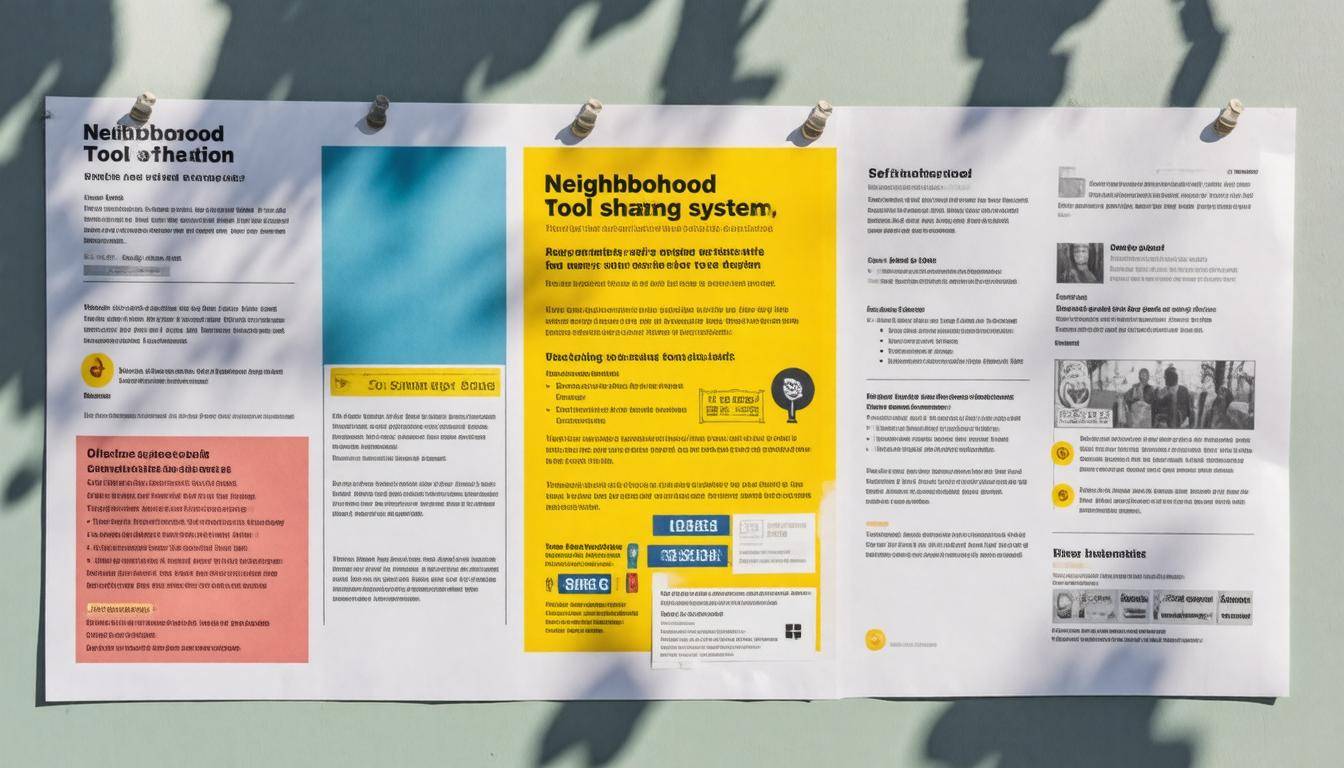
For those who prefer traditional methods of engagement, integrating offline strategies is highly beneficial. Community boards can be placed in central locations like local parks or community centers, offering a hub where individuals can look for updates on tool availability or upcoming meetings. Flyers can be another effective tool—imagine colorful announcements about new tools available for sharing pinned up in common areas. They catch the eye and communicate important information succinctly.
Additionally, organizing face-to-face meetings fosters deeper relationships within the community. These gatherings allow for discussions that help clarify roles and responsibilities while providing opportunities for brainstorming new ideas to improve the sharing system. It’s also a chance for newer members to connect with experienced users through informal mentorship. This personal interaction enhances trust among neighbors and encourages participation in the system’s upkeep.
The key is to ensure that communications feel inclusive so that every member feels valued, whether they prefer digital interactions or face-to-face engagement.
By employing both online and offline communication strategies effectively, the community can create a robust tool-sharing ecosystem while keeping every member engaged and informed.
With a solid foundation of communication established, our next focus will be on ensuring tools are well-maintained and managed properly for optimal sharing experiences.
Tool Maintenance and Management
Keeping your tools in good working condition is paramount to the longevity and efficiency of a Neighborhood Tool Sharing System. Tools aren’t merely items for borrowing; they represent shared resources that, when properly maintained, reflect the collective effort of your community. Consider regular inspections as the backbone of this maintenance strategy.
Regular Inspections
Schedule regular checks, perhaps on a monthly basis, to assess the condition of each tool. During these inspections, create a checklist that highlights common issues—such as missing parts, rust, or wear and tear. For instance, if you’re checking a power drill, ensure the battery is holding a charge effectively and the bit is not excessively worn down. Having a comprehensive inspection routine helps to catch small problems before they escalate into bigger ones, ensuring each tool remains reliable for whoever borrows it next.
The use of visual aids can enhance this process. A simple poster in your community tool library showing what to look for can make it easier and more engaging for users to participate in inspections.
Once the inspection is done, there should be a straightforward repair or replacement procedure in place to further streamline maintenance.
Repair and Replacement
Establishing a clear protocol for repairs and replacements enables quicker responses to identified issues. Designate a small fund specifically for maintaining this system. You might be surprised at the level of support you can gain; sometimes local businesses may be willing to sponsor or donate tools when they see the community benefits their initiatives offer.
In addition to financial support, partnerships with local hardware stores can provide access not only to discounts but also to repair workshops where community members can learn how to fix basic tool malfunctions themselves. This empowers users by developing skillsets while strengthening ties within the community.
To maintain transparency regarding tool maintenance, keep a detailed log documenting repairs made along with any replaced items. This could include the date of maintenance, type of issue identified, and what steps were taken for resolution. Such documentation ensures everyone in the neighborhood understands the ongoing efforts made towards caring for these communal resources.
By establishing regular inspections and clear procedures for repair and replacement, community members will feel more invested in the tools available at their fingertips—a crucial step toward effective community collaboration as we explore the next phases of this initiative.
Launching and Sustaining the System
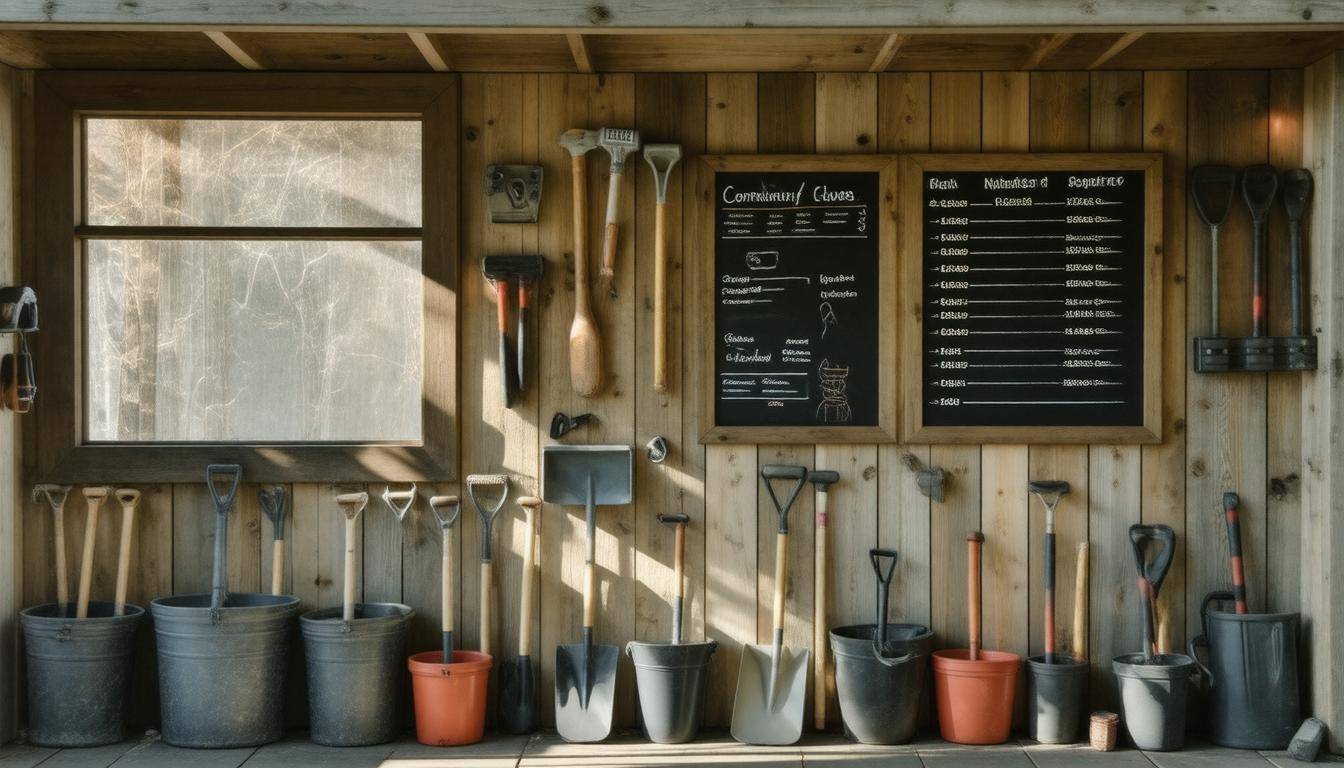
Launching a Neighborhood Tool Sharing System doesn’t just happen overnight; it requires strategy, enthusiasm, and a commitment to fostering community ties. The goal is to make this initiative appealing and accessible to everyone in the neighborhood while laying down a solid framework for continuous engagement.
Pre-Launch Activities
To kick things off effectively, consider organizing a lively launch event. This could include live tool demonstrations that allow attendees to visually connect with the tools available. Think of it as a mini trade fair where neighbors can mingle. Introductory speeches from well-respected community members can help build trust and credibility as well. Collect valuable feedback regarding system guidelines during this event; involving community opinions from the beginning sets the groundwork for future success.
Offering snacks and refreshments isn’t just about good hospitality; it’s an investment in attracting a crowd. A simple treat or drink can stimulate conversation and foster excitement around the new tool-sharing initiative.
Sustaining Participation
Keeping the momentum going involves regular engagement, which is where creativity comes into play. One effective strategy might be hosting monthly challenges like “DIY project of the month” or “most borrowed tool” contests. These activities generate fun while stimulating participation and creativity among your neighbors. Every time someone wins or participates, they become more embedded in the community fabric.
As these events unfold, they create opportunities to showcase how tools have been utilized—imagine sharing photos of completed projects featuring tools borrowed from your system! This nurtures inspiration and gives others ideas about how they might use the available resources.
Plus, think about it: who doesn’t like a little friendly competition? Getting neighbors involved reinforces relationships while raising awareness about what tools are at their disposal.
As you implement these elements over time, gauge success through community feedback. Collecting insights serves as a measure of effectiveness and opens avenues for adapting and evolving your system accordingly.
Repeat communication is key; sharing updates, celebrating achievements, or simply thanking everyone for their participation fosters a sense of belonging. Consistency in organizing events—paired with positive messaging—anchors the initiative into the daily lives of community members and ensures its long-term sustainability.
Together, these efforts create a thriving tool-sharing ecosystem that enhances community bonds while promoting resource efficiency. Engage your neighbors continuously, and watch your initiative grow!