
Coastal flooding is a pressing issue that affects millions of people worldwide, yet few countries approach it with the same level of skill and determination as the Netherlands. Known for its innovative strategies and resilience, this small nation has made significant investments in flood protection infrastructure to safeguard its low-lying land. By blending traditional engineering methods with modern technology, the Dutch have created a comprehensive system that not only protects lives but also preserves the environment. So, how did they turn their vulnerability into a model for global coastal defense? In this article, we will explore the various techniques and systems employed by the Netherlands, showcasing their journey in redefining safety and sustainability against rising seas.
The Netherlands Coastal Flooding Protection Guide outlines the country’s advanced flood protection measures, focusing on critical infrastructure such as dikes, polders, and flood barriers. It highlights historical techniques and modern innovations used to manage rising water levels and safeguard communities against flooding risks, providing valuable insights into effective coastal flood management strategies.
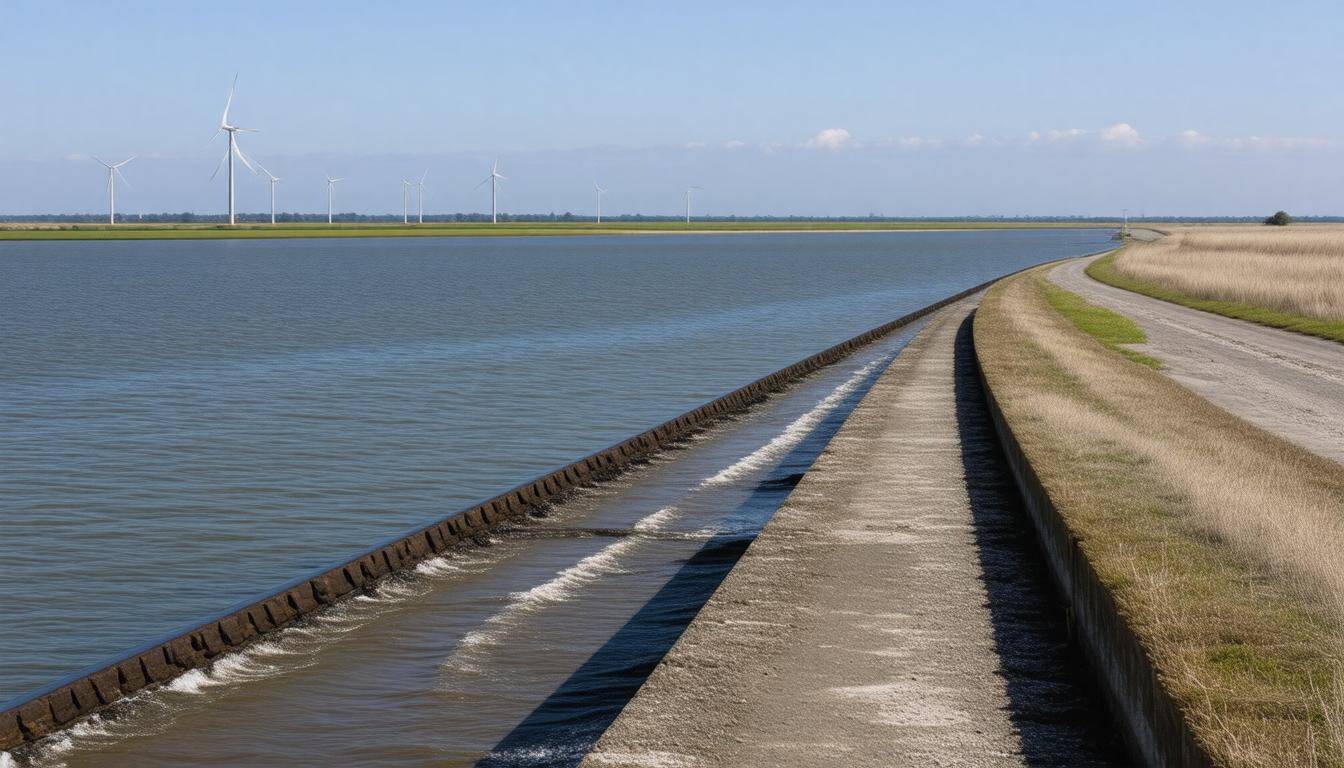
The Netherlands: A Paradigm of Coastal Flood Protection
Situated beneath sea level, the Netherlands has a unique and pressing relationship with water. This reality shapes not just how the Dutch live but also how they protect themselves from the encroaching seas. For over 500 years, the nation has perfected its flood defense techniques, which are now regarded as benchmarks worldwide.
As the country emerged from tragic events like the North Sea Flood of 1953, which claimed more than 1,800 lives, it committed itself to imposing strict flood defenses that could mitigate such disasters in the future. The Delta Works project is the leading symbol of this commitment. Completed in 1997, this monumental project comprises various components designed to ward off potential flooding from storm surges while integrating sophisticated technology for effective water management.
Advanced Features of Flood Defense
At the core of these strategies are a well-thought-out array of tools, each with a specific role in flood management. Dikes serve as robust barriers crafted primarily from earth or concrete to keep seawater at bay, while polders—reclaimed lands within these dikes—offer fertile ground for agricultural use without jeopardizing safety.
In essence, the dikes not only reduce flood risk but create usable land where otherwise water would prevail.
Equally critical are storm surge barriers; these movable structures automatically close during high tide or when significant storm events threaten. Sluices and locks facilitate careful management of internal waterways, allowing levels to be adjusted according to rainfall and river flows.
Implementation and Maintenance
However, it’s not merely about having these defenses in place; regular monitoring and maintenance are vital to ensure their functionality. In fact, technological innovations such as smart sensors and real-time data analytics have become integral to modern Dutch flood defense systems. These advancements facilitate constant monitoring of water levels and dike integrity, enabling rapid responses to emerging threats.
Overall, the level of investment dedicated to maintaining this infrastructure—approximately €1 billion annually—reflects a commitment to continual improvement in flood management practices. This funding ensures that even aged systems benefit from upgrades and do not fall victim to wear and tear.
Cultural Significance
The relationship between Dutch civilization and its innovative water management solutions does not just stem from necessity—it’s woven into the national identity itself. Water management practices are embraced culturally as symbols of resilience and ingenuity, reflecting a collective commitment to overcome natural challenges.
More importantly, the effectiveness of these systems emphasizes how contemporary approaches can blend traditional practices with modern needs. This has fostered a mindset that prioritizes sustainability in environmental education, ensuring future generations understand both the risks involved with living so close to water and the methods available to manage them effectively.
By continuously learning from successes and setbacks in flood management experiences, the Netherlands stands at the forefront—not only protecting its lands but also serving as an example for countries worldwide eager to enhance their own coastal resilience against climate change.
As we consider these essential strategies implemented in the Netherlands, it becomes apparent how exciting advancements can complement existing infrastructures for an even stronger defense against nature’s challenges.
Innovations in Sea Defense Infrastructure
Technological innovation has been at the core of the Netherlands’ sea defense strategy. One remarkable example is the Maeslantkering, a storm surge barrier hailed as a feat of modern engineering.
This colossal structure stands as one of the largest moving parts on Earth. It functions by automatically sealing off the Nieuwe Waterweg, effectively safeguarding Rotterdam from potential storm surges. The barrier springs into action based on real-time water level readings, showcasing its ability to respond swiftly to changes in environmental conditions.
To appreciate its significance, it’s essential to note that the Maeslantkering has operated successfully throughout its existence, needing to close only twice since its inauguration in 1997. This operational success highlights how combining advanced engineering with predictive technology can yield tangible benefits for flood protection.
Alongside this impressive barrier is another innovative solution—the Sand Motor.
The Sand Motor represents a forward-thinking approach to coastal management. This large-scale pilot project strategically distributes sand along the coast, utilizing natural processes to bolster coastal defenses over time. Unlike traditional dredging methods, which can disrupt marine ecosystems and lead to unintended consequences, the Sand Motor promotes sustainability while minimizing environmental impacts.
By leveraging natural dynamics—such as currents and wave actions—this method not only fortifies shorelines but also fosters biodiversity by creating new habitats. Imagine how this integration of technology and nature allows for a more adaptable defense system against rising waters!
The success of such initiatives illustrates how creatively blending modern advancements with ecological considerations enhances resilience while respecting the environment.
Moreover, these innovations symbolize a broader philosophy in Dutch water management; they exemplify the nation’s understanding that effective flood defenses must encompass both mechanical solutions—like gates and barriers—and natural strategies that allow ecosystems to play their part in flood risk mitigation.
As we shift our focus toward further advancements in flood risk management, it becomes evident that integrating innovative techniques with natural processes holds great promise for an effective defense system against climate challenges.
Natural Techniques in Flood Management
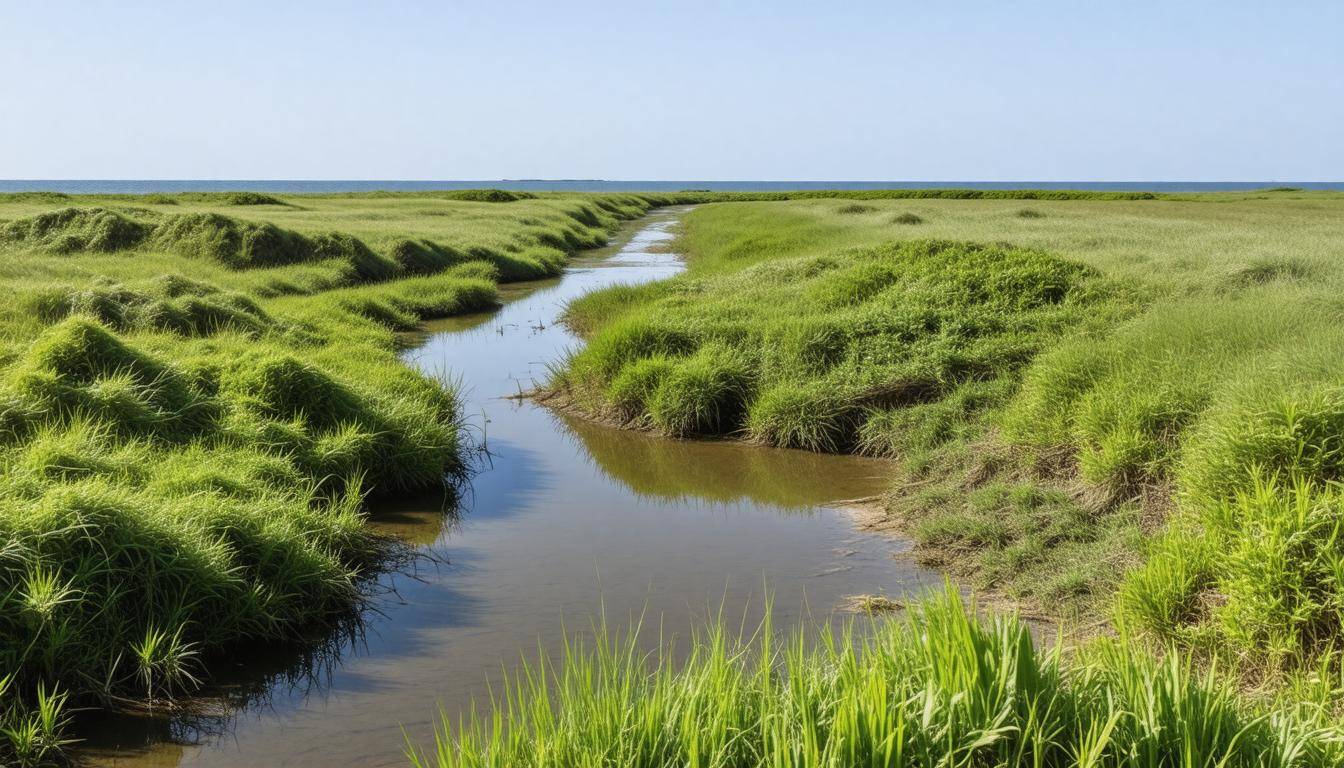
The Netherlands serves as a prime example of how utilizing natural techniques in flood management can yield significant benefits. Techniques such as restoring wetlands and creating dunes are not simply additions to existing infrastructure; they form a fundamental part of a holistic approach to flood risk management. Wetlands, for instance, act like nature’s own sponges, soaking up excess rainwater and storm surge, which helps mitigate flooding. This natural capacity to absorb water additionally contributes to reducing coastal erosion, a critical factor in maintaining land integrity along vulnerable shorelines.
In regions like Zeeland, the effectiveness of wetlands is remarkable—not only do they help control floodwaters, but they also foster rich biodiversity by providing habitats for various wildlife species. Unlike traditional hard structures such as dikes, which often require significant maintenance and can disrupt local ecosystems, these natural solutions need less ongoing oversight and integrate seamlessly into the landscape. This dual-purpose function—flood protection and ecological preservation—makes them an indispensable tool for sustainable flood risk management.
“We’ve seen how effective these natural solutions are not only in protecting our coasts but enhancing the overall ecosystem,” says Hans Pietersen, a flood management expert at Rijkswaterstaat.
Furthermore, as we look deeper into these methods, we can appreciate their multifaceted advantages—not just during times of crisis, but as long-term investments in community resilience against climate change.
Another pivotal method in this natural arsenal is dune restoration. Coastal dunes serve as formidable barriers against storm surges while simultaneously slowing wave energy before it reaches the shore. This mitigates erosion significantly—by some estimates, restored dunes can reduce wave energy by 50-70%. Perhaps more importantly, these naturally occurring infrastructures replenish themselves over time when left undisturbed. Sand can be transported back from the beach toward the land in response to weather events, meaning that while traditional barriers must be constantly rebuilt or reinforced following storms, restored dunes evolve with their environment.
As communities recognize the roles restored wetlands and dunes play in broader environmental health, there’s a growing acknowledgment of the interconnectedness of flood defense systems and local ecosystems. By investing in nature-based solutions alongside engineered approaches, disaster preparedness is enhanced through physical protection while strengthening ecological resilience too.
These insights highlight that integrating natural features within flood management isn’t merely about improved infrastructure—it’s also about fostering a culture of sustainable living and respecting our environment’s capacity to adapt and thrive amidst challenges.
Real-Time Monitoring Systems
At the heart of effective flood management lies an intricate web of real-time monitoring systems that collect and respond to data instantaneously. In the Netherlands, projects like INFRA-ICE exemplify this technological advancement, utilizing a network of sensors strategically placed near critical infrastructures such as dikes and levees. These sensors actively measure fluctuating water levels, gauge soil pressure, and monitor shifting earth movements. By providing continuous data feeds, these devices play a critical role in predicting potential breaches before they escalate into disasters.
The information gathered from these sensors is fed into AI-driven algorithms that sift through mountains of data to discern patterns and forecast risks. This capability enables authorities to be on high alert, ready to take preventive measures well ahead of time.
Communication networks are crucial to this ecosystem. They ensure that once data is analyzed and warnings are triggered, notifications reach the relevant agencies without delay. Picture a bustling command center where instant alerts about rising waters or concerning shifts in dike integrity prompt immediate action; that’s the effectiveness of these networks at work. Being able to send out timely alerts via SMS or email can mean the difference between life and death during sudden flooding events.
Key Components of Monitoring Systems
-
Sensors: The backbone of any real-time system. These gadgets assess various parameters—water levels rise, soil becomes saturated, or waves crash harder, triggering alerts automatically.
-
AI Algorithms: These sophisticated programs don’t just process data—they learn from it, improving their predictive capabilities over time. By analyzing historical weather pattern data alongside real-time sensor readings, they can offer insights that keep communities safer.
-
Communication Networks: Think of these as the lifelines connecting data points with decision-makers. If one sensor detects a critical issue, it’s imperative that the appropriate channels relay this information quickly, ensuring all parties understand the gravity of the situation.
As vital as these advancements are in real-time monitoring systems, they are but one layer of a comprehensive flood management strategy. Smart monitoring cannot function in isolation; it needs robust surge management strategies that prepare communities for possible inundation events. This integration of advanced technology with human expertise and community readiness forms a well-rounded approach to flood protection.
With this technological foundation laid out, we turn our focus to essential strategies aimed at managing water surges effectively.
Surge Management Strategies
One effective approach to managing storm surges is controlled flooding. This strategy involves intentionally allowing water to flood designated areas, thereby protecting more critical infrastructures and urban centers from potentially devastating floodwaters.
An excellent example of this can be found in the Overdiepse Polder located in North Brabant, where the land is designed to absorb excess water during high tide events. By opening the floodgates at strategic moments, this area acts as a buffer—an emergency reservoir that safeguards nearby cities from overwhelming storm damage.
Once the water recedes, it leaves behind enriched soil, which can rejuvenate agricultural lands, making it a win-win for both environmental health and food production.
Yet, there’s more to surge management than merely controlling water levels; it also necessitates fortifying structures that help maintain those levels.
Dike Reinforcement
Another key tactic in surge management is dike reinforcement. Strengthening existing dikes with modern materials such as geotextiles has proven effective in bolstering their resilience against increasingly severe weather patterns.
These geotextiles not only add strength but also improve drainage capabilities, minimizing erosion and seepage over time. Research indicates that employing these techniques can lead to a remarkable 30% increase in the lifespan of dikes. This extended durability means that communities can rely on their protective barriers for longer stretches, reducing financial burdens associated with frequent repairs or replacements.
However, it’s vital to recognize that effective surge management isn’t solely about erecting physical barriers; it extends into how we integrate these protective measures within our urban landscapes.
Urban Integration
Integrating surge management strategies into city planning offers another layer of defense and improves overall safety. Cities can design green spaces like parks that serve dual purposes: recreational areas during normal conditions while acting as natural buffers during storms.
For instance, rain gardens can absorb excess water and reduce runoff, mitigating strain on drainage systems. Furthermore, building codes should adapt to account for potential flooding facilitated by climate change predictions; elevated structures and permeable surfaces are ways to proactively address flood risks before they materialize.
Investing in robust surge management strategies creates safer communities while celebrating innovative solutions that are sustainable and beneficial for our environment and livelihoods alike.
As we explore further, we will assess how these strategies can be effectively woven into the fabric of urban development plans to create resilient cities prepared for future challenges.
Integrating Flood Control into Urban Planning
Urban planning is a vital component in creating communities that not only resist flooding but thrive despite its challenges. By incorporating flood control measures into the design of cities, urban planners create integrated systems that safeguard neighborhoods while enhancing quality of life. Through strategic designs, urban spaces can become multifunctional, serving both practical flood management needs and recreational purposes. This duality fosters a stronger community connection to their environment, especially concerning water management.
Multi-functional Dike Systems
Take, for instance, the innovative approach seen in Rotterdam’s multi-functional dikes. These resilient structures are designed to do far more than simply hold back water; they also serve as public parks and walkways, effectively transforming what would typically be a stark boundary into vibrant community spaces. Imagine strolling along a dike, with lush greenery all around you while also feeling secure knowing it protects you from potential floods. This integration serves two purposes simultaneously: it provides necessary flood defenses and encourages community interaction with these protective features.
A wonderful illustration is the Dakpark in Rotterdam. It’s not just your average dike; underneath it lies a grocery market bustling with activity while the surface offers open green areas for leisure activities. Such spaces not only beautify the landscape but also raise public awareness about the essential nature of flood safety. Residents become familiar with these structures and better understand their purpose—knowledge that empowers them to act responsibly during emergencies.
An important aspect of this strategy involves assessing and adapting existing infrastructure.
Cities like Rotterdam are pioneering the shift toward incorporating natural and man-made systems together in the urban fabric. This process often includes re-examining existing drainage systems to ensure they align with newer flood protection designs. For example, integrating green roofs and permeable pavements can significantly mitigate stormwater runoff by allowing rainwater to seep into the ground rather than flow directly into drainage systems which may overflow during heavy rains.
Community Engagement in Design
However, it’s not just about physical infrastructure; successful flood control integration demands active participation from community members throughout the planning process. Engaging residents helps identify specific local concerns and gather insights that professionals might overlook. When citizens feel involved, they are likely to support initiatives aimed at enhancing resilience against flooding risks.
Many municipalities have found that hosting workshops or public forums encourages discussion about ongoing projects and future developments. This engagement strengthens relationships between authorities and residents, fostering trust as well as promoting a culture of preparedness against flooding.
Innovative urban planning tied closely with a strong foundation of community involvement has the potential to deliver enduring safety against flooding. Creating adaptable spaces that address both immediate needs for flood control and enrich everyday life enhances the safety requirements needed for thriving urban environments.
With such transformative strategies in place, let’s explore how similar principles are applied to create safer living conditions for communities.
Resilient Cities and Community Safety
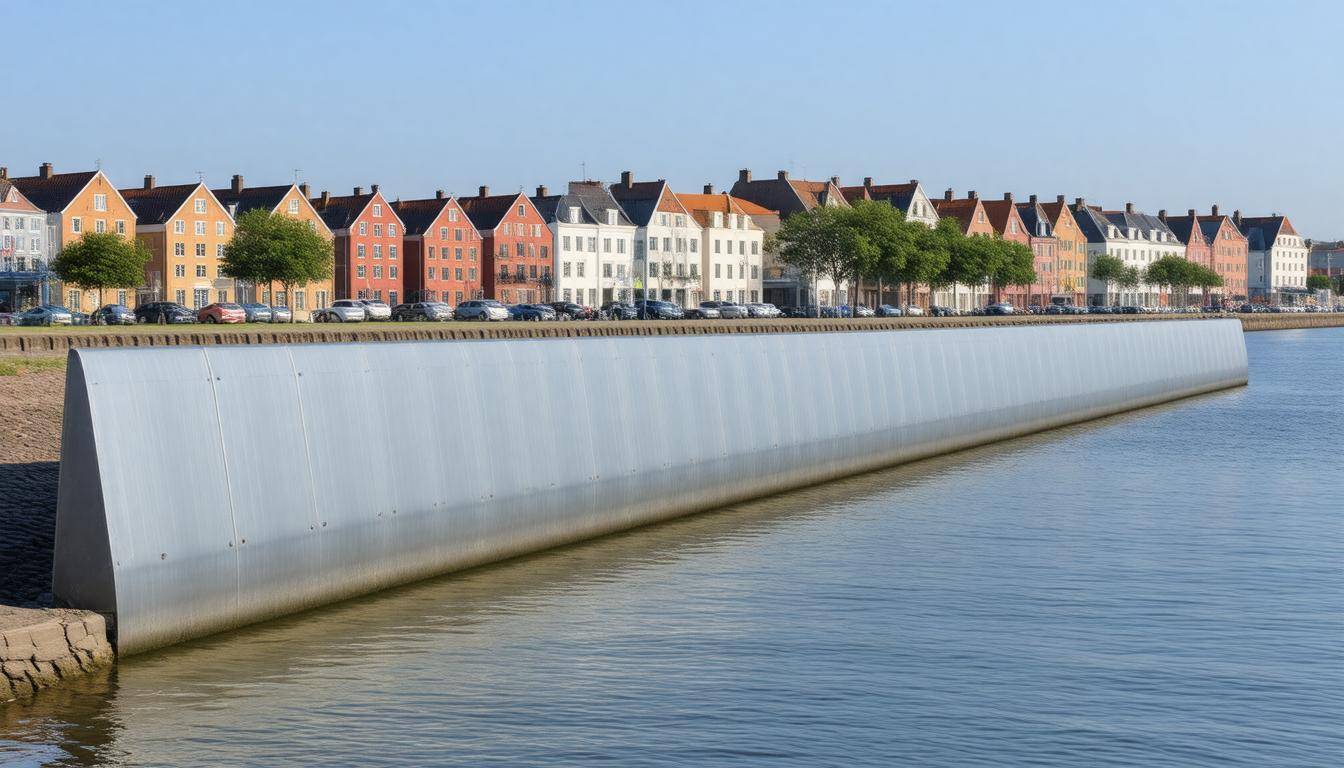
A city’s resilience against flooding relies not just on walls and barriers, but also on its people. Community cohesion plays a pivotal role in shaping how effectively neighborhoods can respond to floods. When communities come together, they foster a sense of responsibility towards their own homes and their neighbors’. Engaging citizens in local flood risk discussions empowers them, making them feel like active participants in ensuring the safety of their environment.
Studies indicate that when communities participate in flood preparedness plans, the reduction in fatalities related to flooding can be as high as 80%. This statistic underlines a simple truth: knowledge is power. The more people understand the risks and how to manage them effectively, the safer they will be.
One excellent demonstration of community engagement is Amsterdam’s “Rainproof” project. This initiative encourages residents to adopt measures such as installing rain barrels and creating green roofs not only to manage excess rainwater but also to reduce overall flood risk. By making these investments in their own homes, residents contribute to the larger goal of flood management across the city.
Community Training Programs
Implementing regular training programs can significantly impact how cities prepare for floods. Simple drills can familiarize inhabitants with evacuation routes and emergency contacts, ensuring that they are prepared when disaster strikes. This isn’t merely about following procedures; it’s about instilling a sense of readiness within each person.
Regular public information campaigns ensure that everyone knows what steps to take during emergencies, contributing to building a culture of resilience among residents. Having clear communication channels established beforehand helps eliminate confusion when time is of the essence.
It’s also important for these programs to include training on first aid and basic survival skills. In emergencies, those who can lend a helping hand make all the difference. For example, knowing how to assess a situation quickly or perform cardiopulmonary resuscitation (CPR) could save lives before professional help arrives.
Transforming any city into a flood-resilient area requires more than just infrastructure; it involves proactive and informed communities focused on collective safety and well-being. As we advance, it’s essential to consider the evolving challenges that lie ahead and strategize accordingly.
Future Challenges and Prospects
While the Netherlands has undeniably set the standard for flood defense systems, the landscape of climate change brings new complexities that require nimble responses.
With predictions suggesting a potential rise in sea levels by up to one meter by the year 2100, the stakes are considerably high. Imagine walking through cities where dikes once stood strong; those very barriers could face increasing pressure from higher tides and intense storms. Therefore, vigilance is paramount in safeguarding both people and property.
The Delta Programme 2100 serves as an inspiring model of proactive planning, allowing policymakers to envision various scenarios over the next century. This initiative doesn’t just consider rising waters; it’s about integrating adaptability into every aspect of flood management. By implementing flexible strategies—including movable barriers like the Maeslantkering—it seeks to stay one step ahead of any potential natural adversities.
However, there’s a lively conversation among experts about how far current technologies can carry us. Some argue that although our existing systems are effective, consistent upgrades and adaptations will be crucial. Others propose radical alternatives, such as floating cities or structures built to withstand severe flooding, highlighting a shift towards innovative living solutions rather than solely relying on traditional infrastructure.
The beauty lies not just in protecting what exists but exploring what can be built anew—where human ingenuity meets nature’s challenges head-on.
Beyond technology and infrastructure, societal engagement plays a critical role. Creating public awareness surrounding flood risks and sustainable practices can influence how communities respond during emergencies. Education initiatives need to grow just as steadily as the physical defenses against water encroachment.
In addition to maintaining conventional methods, integrating green spaces—like wetland restoration—can serve dual roles in better flood management while enhancing biodiversity. These elements work together harmoniously; they absorb excess rainwater and provide essential habitats for wildlife.
As these discussions evolve, investments will need to continue flowing into robust engineering projects, estimated at around €1 billion annually by the government.
With climate unpredictability looming, our commitment to innovation in flood defense must maintain pace with environmental changes.
The story of Dutch resilience continues to unfold—a testament to how ingenuity can combat adversarial forces posed by nature. The future may hold uncertainties, but history has shown that with careful planning and resourcefulness, humanity can thrive alongside even the fiercest elements.
In moving forward, it is crucial to enhance both our infrastructure and our community engagement for a safer future against coastal flooding threats. Together, we can ensure that safety remains a priority even as we navigate these challenges.