
In Northeast Brazil, where the sun blazes and the land often cracks under the weight of drought, communities face a tough fight for survival. The severe lack of water not only threatens agricultural production but also endangers the livelihoods of families who depend on farming for their daily needs. Often, we think of drought as a distant problem, something that happens far away or in another country, but for millions in this region, it’s a harsh reality. This article will explore the Brazilian government’s Drought Emergency Plan, which comprises vital relief measures designed to ease the suffering and build resilience in affected areas. By examining immediate actions alongside long-term strategies, we can understand how localities are coming together to combat these relentless dry spells and what innovative steps are being taken to secure a better future for all.
The Northeast Brazil Drought Emergency Plan includes a range of short-term and long-term strategies, such as seasonal climate forecasts, fund transfers, and credits for small-scale farmers, as well as infrastructure projects for water resource management. These efforts aim to mitigate the impacts of recurring droughts by enhancing agricultural resilience and ensuring sustainable water access for affected communities.
Government Response to the Drought
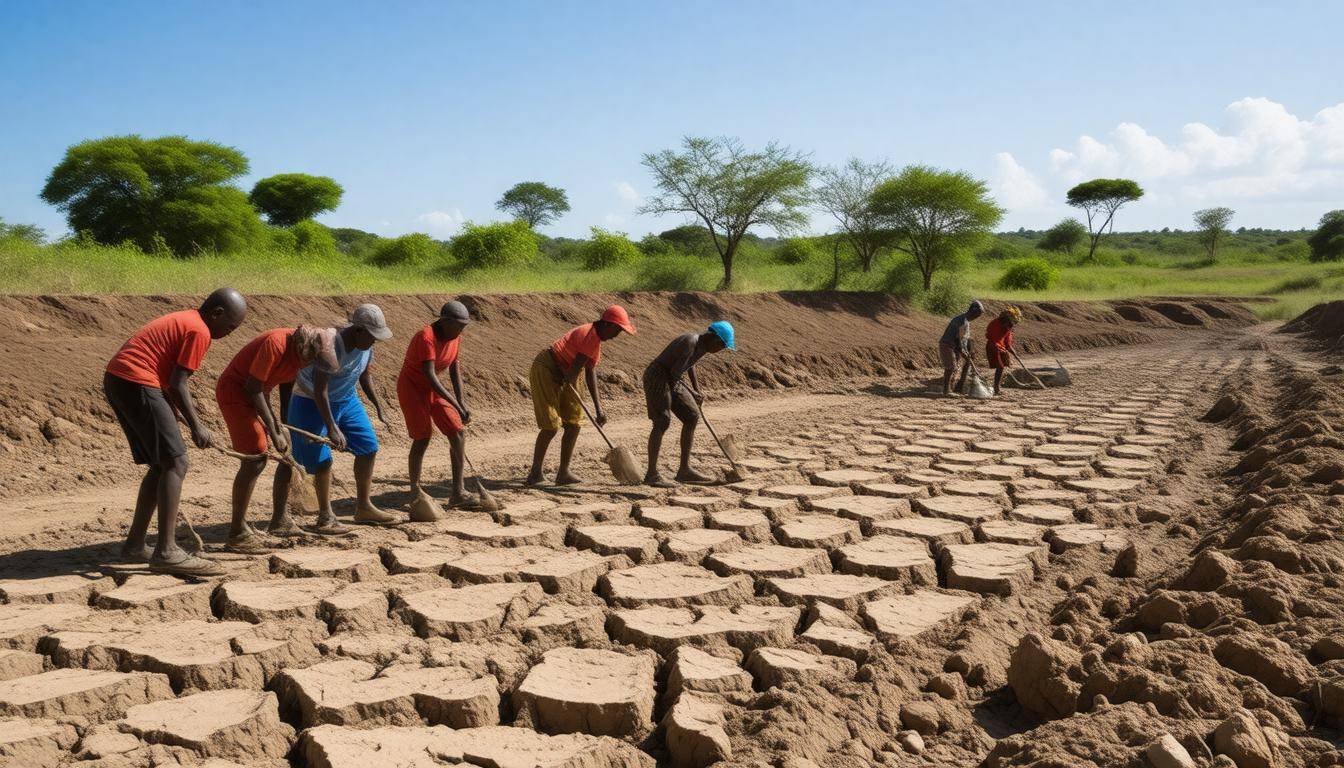
To tackle the immediate effects of the drought, the Brazilian government has set a clear focus on boosting food security and supporting local economies. They understand that many families rely on agriculture as their livelihood, and without proper support, these households face dire consequences.
In response, the government has allocated approximately $500 million specifically for relief efforts targeting vulnerable populations in Northeastern states like Bahia and Ceará. This funding isn’t just a number—it’s a lifeline that translates into real help for those struggling to meet basic needs.
These funds are being directed towards various initiatives designed to assist affected communities directly. For instance, financial aid is distributed to families who have lost crops due to drought conditions, ensuring that they can continue to afford necessities like food and medicine. Many of these families depend on regular harvests not only for sustenance but also for income to support their households. Immediate relief measures such as these serve as a vital cushion during this challenging time.
“We cannot allow our people to suffer silently—our priority is to provide swift assistance in any way we can,” stated one government official involved in drought response efforts.
Moving beyond financial assistance, resource mobilization is another critical strategy being employed. The deployment of water trucks has become essential in delivering potable water directly to the most affected areas, where local infrastructure struggles to provide even basic resources. Imagine communities unable to access safe drinking water; it’s a stark reality for many.
For example, the state of Ceará receives an impressive 50 million liters of water per month, which has been pivotal in sustaining life and alleviating some pressure from residents.
Yet while addressing immediate concerns through relief measures and resource mobilization is indispensable, planning for future sustainability presents an equally important challenge.
Long-term strategies play a crucial role in fortifying communities against recurring drought events. The government is investing in advanced climate monitoring tools aimed at improving predictive capabilities regarding drought patterns, which allows officials to better prepare in advance rather than merely reacting after conditions worsen.
Sustainable agriculture initiatives receive attention; investments are directed toward promoting efficient irrigation techniques and enhancing water management practices that ensure resources are used wisely and sparingly.
Local governments have been encouraged to engage actively with communities throughout this process. Tailoring relief measures to fit specific local needs results in more efficient resource allocation and maximizes the impact of government aids. Instead of adopting a one-size-fits-all approach, understanding the unique challenges faced by different regions helps reinforce community resilience.
This interplay of immediate relief actions and strategic foresight sets the foundation for a robust framework in combating ongoing adversities while paving the way for future developments.
Emergency Plan Development
Developing an effective emergency plan requires a structured approach that considers not only the unique challenges posed by drought but also the strengths within the community. The Brazilian government’s method combines insights from various sectors to create a comprehensive strategy for resilience.
Step 1 – Data Collection and Assessment
The initial phase of this process involves more than just gathering statistics; it’s about painting a vivid picture of the reality faced by people living in semiarid regions. In Northeast Brazil, authorities collect crucial data on soil moisture, water table levels, and rainfall patterns. This information is essential, as it helps assess how deep-seated the problem likely is regarding agricultural output and food security.
Utilizing tools such as satellite imaging and historical climate data, authorities can visualize trends and identify vulnerabilities in real-time. This comprehensive assessment leads to a better understanding of specific geographical areas most at risk.
Data alone isn’t enough, so the next step involves translating these insights into action through strategic planning.
Step 2 – Forming a Task Force
Establishing a multi-sector task force becomes vital at this juncture. By bringing together expertise from agriculture, hydrology, social sciences, and disaster management, the government is better equipped to craft a balanced and comprehensive plan that addresses both immediate needs and long-term adaptations.
This tailored team regularly reviews the accumulated data to ensure that the plan evolves alongside emerging information and conditions. Regular meetings foster collaboration among diverse stakeholders, allowing them to share insights and develop solutions that address local contexts effectively.
For instance, integrating knowledge from local farmers about sustainable practices can complement scientific research regarding drought-resistant crops. This synergy creates a holistic strategy that draws upon multiple perspectives.
However, this robust plan must be complemented by practical solutions related to water resources.
Step 3 – Water Resource Solutions
Recognizing the dire need for sustained water supplies during dry spells is pivotal in formulating effective drought management strategies. Therefore, the government extends its focus beyond securing data and forming committees; it looks towards actionable solutions aimed at improving water availability.
Infrastructure projects such as interbasin water transfers play a significant role in enhancing groundwater recharge and ensuring an alternative source for communities heavily reliant on rain-fed agriculture. Investing in reservoirs designed specifically for managing water scarcity fosters adaptability.
Empowering farmers with knowledge about effective irrigation techniques—including rainwater harvesting—can significantly bolster their resilience against drought. Education serves as a cornerstone of this approach, enabling communities to better face increasingly severe environmental conditions exacerbated by climate change.
As we navigate through these structured steps—data collection, task force establishment, and addressing water resources—it’s clear that there are critical avenues for enhancing water sustainability moving forward. We must now consider the innovative approaches that can reshape how we think about resource management in challenging environments.
Water Resource Solutions
Addressing water scarcity in Northeast Brazil requires innovative strategies. On one hand, immediate solutions provide necessary relief for communities suffering from severe drought conditions; on the other hand, we need to think about lasting changes that enhance water availability.
Short-term Measures
Temporary infrastructure is pivotal during a crisis. Initiatives like mobile desalination units offer a fast track to providing fresh water to affected regions. These units can quickly transform seawater into potable water, bringing immediate relief to those in desperate need. However, it’s important to understand that while they may alleviate short-term pressure, mobile desalination units are not a permanent fix. Their operation is energy-intensive and costly, thus not sustainable when considered for large-scale application over time.
Emergency wells also form part of this quick response strategy. By digging new wells, the government aims to tap into underground aquifers—an essential reserve during periods of severe drought. Despite being invaluable for short-term survival, their depletion can lead to long-lasting environmental repercussions if not managed carefully.
Long-term Projects
This is where the real challenge lies—in developing enduring solutions that resist future drought conditions. One ambitious project currently underway is the São Francisco River transposition. This initiative aims to divert water from the São Francisco River to regions in desperate need of hydration. While this bold plan could provide much-needed water supply for various states, it does not come without controversy. Environmentalists raise concerns regarding potential ecological impacts—disrupting local habitats and affecting biodiversity along its path—emphasizing the need for stringent oversight on all levels.
| Project | Description | Status |
|---|---|---|
| São Francisco River | Diverts water to affected states | Ongoing |
| Mobile Desalination Units | Portable units providing fresh water | Active |
| Emergency Wells | Digging of new wells in critical areas | Active |
The interplay between these efforts showcases the importance of balancing immediate action with thoughtful planning for long-term sustainability. As representatives engage with local communities while exploring what these solutions mean for them, it’s crucial we prioritize both environmental stewardship and community needs in crafting effective response strategies.
While ensuring access to reliable water sources is vital, fostering the health of crops and livestock remains equally important in tackling the widespread effects of persistent drought.
Agricultural Support Measures
In Northeast Brazil, the government is not just focusing on farmers individually but also pushing for community-wide initiatives to enhance agricultural resilience. This means that farming cooperatives are being encouraged and supported as they play a pivotal role in sharing knowledge, resources, and risks among various stakeholders. When farmers band together, they create a stronger voice for negotiating better prices for their goods, which directly impacts their sustainability and community economic growth.
Additionally, programs like cooperative farming can provide shared access to larger equipment and technology that might otherwise be too costly for a single farmer to acquire. The potential for pooling resources means that communities can afford advanced tools that boost efficiency and productivity. With government support, these cooperative efforts can also secure training programs on sustainable practices and climate-smart agriculture, empowering local farmers with critical skills needed to adapt to changing climatic conditions.
Eduardo’s insight underscores a vital aspect of agricultural support: “It’s not just about individual grants; it’s about creating a network of support where we can learn from each other.”
Furthermore, these collective farming initiatives often focus on educating farmers about environmentally friendly practices. By promoting crop diversification and agroecological methods, communities can reduce dependency on single crops, thereby decreasing vulnerability to market fluctuations and climate-related challenges. For instance, when farmers grow multiple types of crops instead of one staple, they safeguard their livelihoods against complete failure due to pests or drought affecting a single harvest.
Moreover, monitoring systems funded by the government help communities track weather patterns and soil health. This data is invaluable; it allows farmers to make informed decisions regarding planting times and crop choices based on real-time information. In essence, communities become more resilient because their farmers can adapt proactively rather than reactively.
As these support measures gain traction, statistics show positive trends emerging from cooperative models. For example:
- Cooperative farms report up to 30% higher yields compared to private farms.
- Access to shared resources has cut costs by an average of 20%.
With this robust framework of agricultural support measures—spanning financial aid and communal cooperation—Northeast Brazil’s rural communities are well-positioned to meet current challenges and thrive in a continually evolving agricultural landscape.
This emphasis on collaboration sets a strong foundation for further initiatives aimed at involving the whole community in preparation and response efforts. As we explore next, local groups are stepping up with innovative strategies that complement these governmental actions.
Community Conservation Efforts
Sustainable solutions often start at a community level, which is why grassroots projects are essential in addressing environmental challenges. In Northeastern Brazil, local communities play an active role in managing resources to combat the effects of drought. By taking ownership of their environments, they initiate solutions such as managing small dams and implementing rainwater harvesting systems. This empowerment fosters resilience and ensures that conservation efforts are grounded in the specific needs and backgrounds of the people who live there.
One standout practice is the establishment of community-managed rainwater harvesting systems. This allows families to capture and store rainwater for later use, effectively reducing their dependence on increasingly unreliable water sources. Implementing soil conservation methods further enhances agricultural efficiency while protecting essential ecosystems. These practices create a cycle of sustainability where conservation and daily life intersect.
Case Study – Rainwater Harvesting
A compelling case study can be found in the town of Milagres in Ceará. Here, over 200 homes have adopted rooftop rainwater harvesting systems that supply reliable sources of water for both drinking and irrigation. These systems are especially crucial during droughts when traditional water sources diminish or become contaminated. Residents benefit from improved health outcomes and better food security as they are able to cultivate their own gardens more effectively.
The success of such community-led efforts is greatly bolstered by support from governmental and non-governmental organizations. These entities provide not only financial assistance but also technical training, empowering locals with the knowledge necessary to maintain and optimize their systems long-term. Workshops held by these organizations teach innovative agricultural techniques and effective water management strategies, allowing communities to adapt confidently to their changing environment.
The urgent need for sustainable practices in locales like Northeastern Brazil is compounded by increased environmental stressors, making it imperative that community-led initiatives receive full support.
While grassroots efforts lay the foundation for sustainable change, a robust policy framework can turn these initiatives into powerful movements that drive profound improvements across regions.
Policy and Infrastructure Improvements
One of the core pillars of managing drought effectively lies in robust policies and infrastructure development. Together they create the necessary framework for sustainable drought mitigation. Initiatives like the National Water Plan promote efficient water usage while incorporating strict enforcement mechanisms aimed at penalizing wastage. This dual approach fosters a culture of responsibility among residents and authorities alike, ensuring that every drop of water is valued amidst the drying landscape.
Infrastructure Upgrades
Upgrading existing infrastructure is crucial. Outdated pipelines often contribute to significant water loss, while advanced technologies can change our ability to manage resources profoundly. Infrastructure projects focusing on replacing old pipes with more efficient systems and investing in smart grid technologies give communities the chance to monitor water usage in real-time. This means leaks can be detected quickly, reducing waste dramatically. However, these improvements typically require substantial investment and time, making them politically sensitive and difficult to execute.
It’s essential to recognize that these foundational upgrades must align with broader environmental strategies, ensuring that they promote not only efficiency but also sustainability.
These infrastructural changes are closely tied to policies encouraging community engagement in water conservation. For example, educational campaigns and incentives can foster greater awareness about water management practices among local farmers, who are often hit hardest by drought conditions. By providing training on climate-smart agricultural techniques that optimize water usage, the government can enhance food security while simultaneously supporting economic resilience.
A Coordinated Approach
This coordinated approach underpins the fight against drought—but it requires ongoing commitment. Policymakers need to ensure that investments in infrastructure are matched with education programs tailored for local communities. Furthermore, collaboration across governmental levels ensures that cities aren’t just left to fend for themselves amidst the crisis.
Ultimately, sustainable growth becomes far more attainable when laws governing resource distribution are enforced alongside tangible shifts in infrastructure. With layers of creativity through innovative policy-making positioned strategically above well-implemented infrastructure components can make all the difference in coping with changing climates.
As we examine how these frameworks integrate with community efforts, we can further appreciate their role in fostering robust solutions that will stand the test of time amidst environmental challenges.
Long-Term Adaptation Strategies
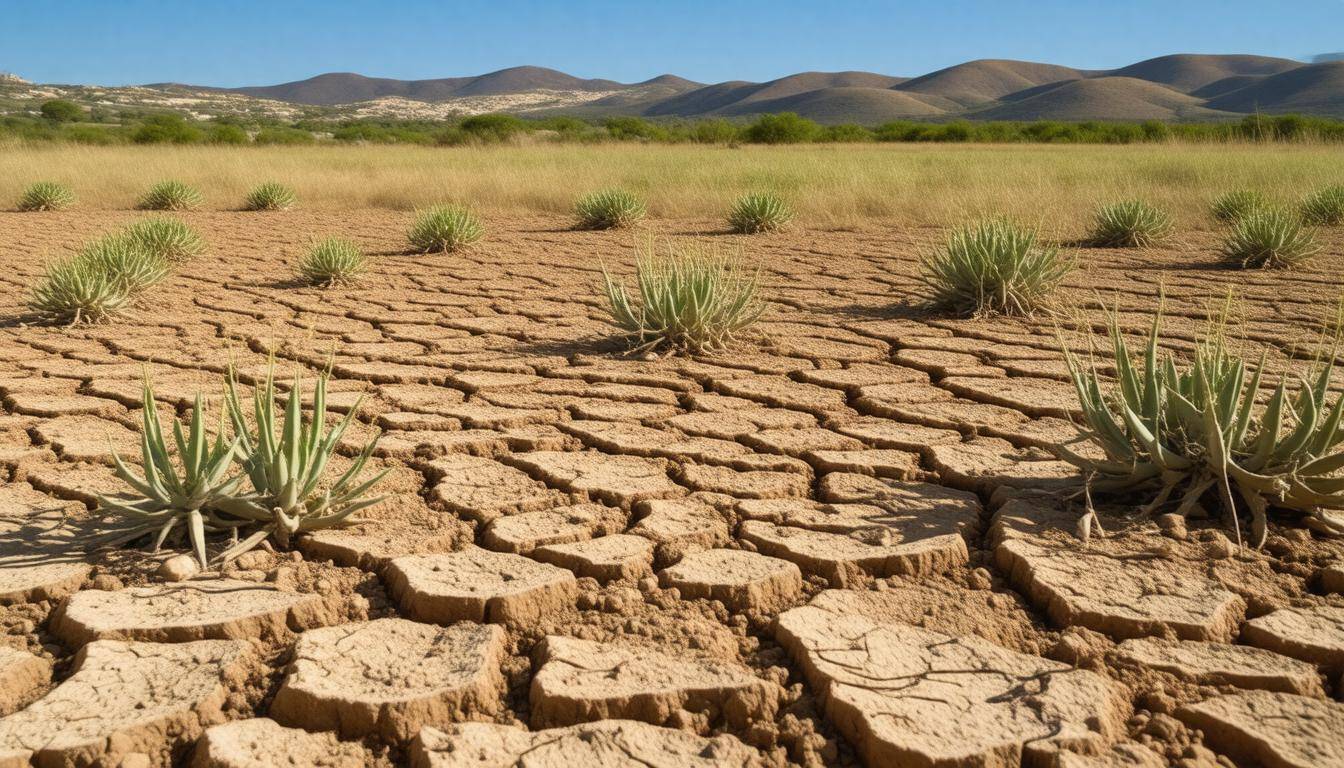
Long-term strategies are essential in making Northeast Brazil more resilient against the ongoing threat of drought. By diversifying crops to include drought-resistant varieties, farmers can cultivate a broader range of produce that thrives even when water is scarce.
Imagine a farmer who used to plant just corn or beans; now, by integrating heat-tolerant sorghum and millet into their rotation, they enhance both food security and economic stability. This approach not only lessens dependency on a single crop but also promotes agricultural biodiversity.
Investing in technology-driven solutions is another cornerstone of adaptive strategies. For instance, consider AI-based irrigation management systems that optimize watering needs based on real-time weather data and soil moisture levels. This type of technology can dramatically improve crop yields while minimizing water usage, which is critical in a region where annual rainfall averages below 650 mm.
By linking environmental data to irrigation practices, farmers can make smarter decisions about when and how much to irrigate, ultimately leading to healthier crops and more efficient water use.
However, while these technological solutions show great promise, real challenges must be addressed. Significant investment in education and training is necessary for farmers to effectively leverage these advancements.
Picture a farmer receiving training not only on how to use sophisticated irrigation systems but also on how to interpret data results. This knowledge empowers them to make informed choices that directly impact their productivity and resilience against drought conditions.
The potential impacts of education cannot be overstated—when farmers understand both the “why” and “how” behind these technologies, they are much more likely to adopt them successfully.
These initiatives help create a framework for understanding the interconnectedness of climate adaptation efforts and regional capacities. As we continue, we’ll examine how current measures influence overall sustainability and community strength in the face of environmental challenges.
Evaluating Regional Resilience
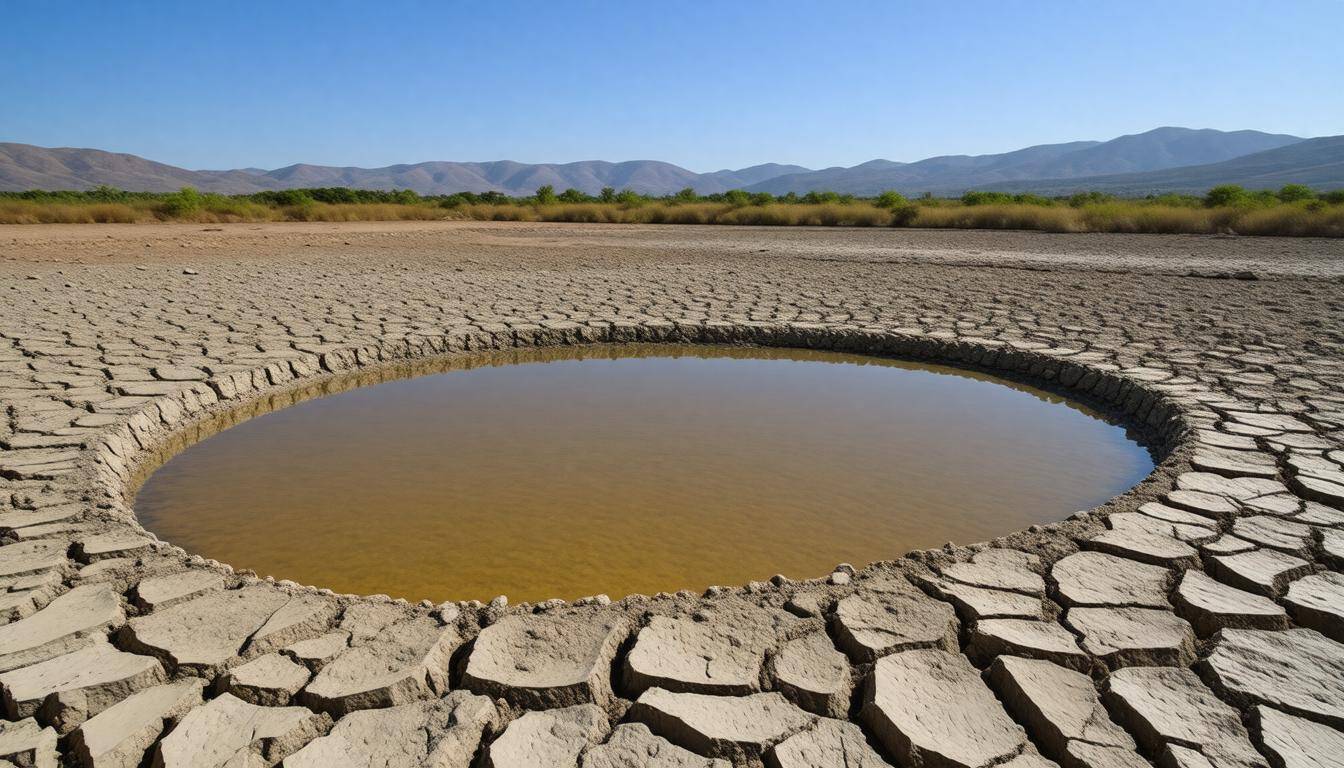
Evaluating the impact of interventions isn’t just a box-checking activity; it is a vital step in ensuring that strategies designed to mitigate the effects of drought effectively work. When communities measure and analyze metrics such as soil moisture content, water table levels, and health indicators, they gain practical insights into their resilience. Each piece of data reveals not only what has worked but also provides valuable lessons about necessary recalibrations.
Regularly conducting community surveys can amplify this knowledge. These surveys quantify the challenges faced by residents and foster a participative culture where community members feel involved in addressing issues. By embracing modern technology, remote sensing tools enable real-time data collection across large areas without cumbersome ground surveys. With satellite imagery, stakeholders gain a comprehensive view of developing situations in ways that traditional methods cannot provide.
A recent study conducted in 2024 indicated that regions implementing a combination of immediate and long-term measures experienced a 40% reduction in water scarcity and a remarkable 20% increase in agricultural yields. This statistic highlights how effective evaluation and adaptive responses can yield significant improvements in tackling ongoing water-related hardships.
Thus, these statistics underscore the necessity for a robust feedback mechanism, enabling communities to adjust strategies as situations evolve.
Building regional resilience requires more than just numbers; it demands an ongoing dialogue among stakeholders. When governmental bodies collaborate with local farmers to assess conditions cooperatively, it fosters trust and enhances overall outcomes. The resultant synergy cultivates an environment where adaptability thrives, transforming one-size-fits-all solutions into tailored approaches that address specific community needs.
To achieve genuine resilience in response to droughts, prioritizing a balanced fusion of immediate support initiatives, policy advancements, and active community engagement must be an overarching strategy. This approach will help craft a sustainable future for Northeast Brazil amidst its daunting climatic realities.
In conclusion, the shared responsibility of government agencies, communities, and stakeholders is crucial for overcoming the complex challenges posed by droughts. Together, they can forge paths toward lasting resilience and sustainability in the region.
What long-term solutions are being considered to prevent future drought emergencies in Northeast Brazil?
Long-term solutions being considered to prevent future drought emergencies in Northeast Brazil include the implementation of integrated water resource management, the construction of more reservoirs and systems for rainwater harvesting, and the promotion of sustainable agricultural practices that align with climate resilience. The government is also focusing on reforestation efforts to restore ecosystems that can better regulate local climates. Statistics show that between 2010 and 2020, only about 30% of the water resources available were effectively utilized, indicating significant room for improvement in resource management. By investing in these areas, Brazil aims not only to mitigate the impacts of drought but also to enhance food security and local livelihoods in this vulnerable region.
How does the government fund the initiatives outlined in the drought emergency plan?
The government funds the initiatives outlined in the Northeast Brazil Drought Emergency Plan primarily through a combination of federal budget allocations, public-private partnerships, and international aid. Specifically, federal funding is often directed from contingency reserves set aside for natural disasters, allowing rapid response to drought conditions. Additionally, partnerships with private organizations enhance resources and expertise, while international aid helps supplement local efforts. In recent years, the Brazilian government has allocated billions annually to combat drought-related challenges, reflecting its commitment to stabilizing affected regions and supporting vulnerable populations.
What role do local communities play in implementing the drought emergency plan?
Local communities play a crucial role in implementing the drought emergency plan in Northeast Brazil by participating in decision-making processes, mobilizing resources, and ensuring that government relief measures are effectively tailored to meet their specific needs. Studies have shown that community involvement can lead to a 30% increase in the efficiency of resource use during drought crises, as local knowledge and engagement foster better planning and execution of relief initiatives. When communities contribute to identifying essential support services—such as water management systems or food distribution methods—they enhance resilience and improve overall outcomes for affected populations.
What specific strategies are included in the Northeast Brazil Drought Emergency Plan?
The Northeast Brazil Drought Emergency Plan includes strategies such as the implementation of water conservation measures, the construction and maintenance of reservoirs and cisterns, distribution of drought-resistant crop seeds, and financial support programs for affected farmers. For example, in recent years, investments to build over 1 million cisterns have significantly improved the water supply for rural communities, allowing more than 2 million people access to drinking water during severe drought conditions.
How does climate change influence the frequency and severity of droughts in Northeast Brazil?
Climate change significantly exacerbates the frequency and severity of droughts in Northeast Brazil by altering precipitation patterns and increasing temperatures. Research indicates that the region has experienced a 20% decrease in average rainfall over the past few decades, with projections suggesting this trend may worsen, potentially leading to more prolonged dry spells. This disruption not only stresses water resources but also threatens agricultural productivity, affecting livelihoods and food security for millions in this vulnerable area.