
As winter blankets Northern Canada in its icy grasp, staying safe becomes a top priority for residents and travelers alike. With unpredictable weather and challenging road conditions, preparing for the worst is essential. Having a well-stocked winter emergency kit can mean the difference between comfort and chaos during unexpected situations. From warm clothing to food supplies, each item in your kit plays a crucial role in ensuring you’re ready for whatever winter throws at you. This article will guide you through creating your own comprehensive Northern Canada Winter Emergency Kit, making sure you stay safe and warm in even the harshest of conditions.
A Northern Canada Winter Emergency Kit should include extra clothing such as jackets, gloves, and scarves, blankets and hand warmers for warmth, tools like a knife or multitool, emergency items such as matches and jumper cables, and traction supplies like sand or kitty litter. Additionally, don’t forget non-perishable snacks to manage hunger during unexpected delays.
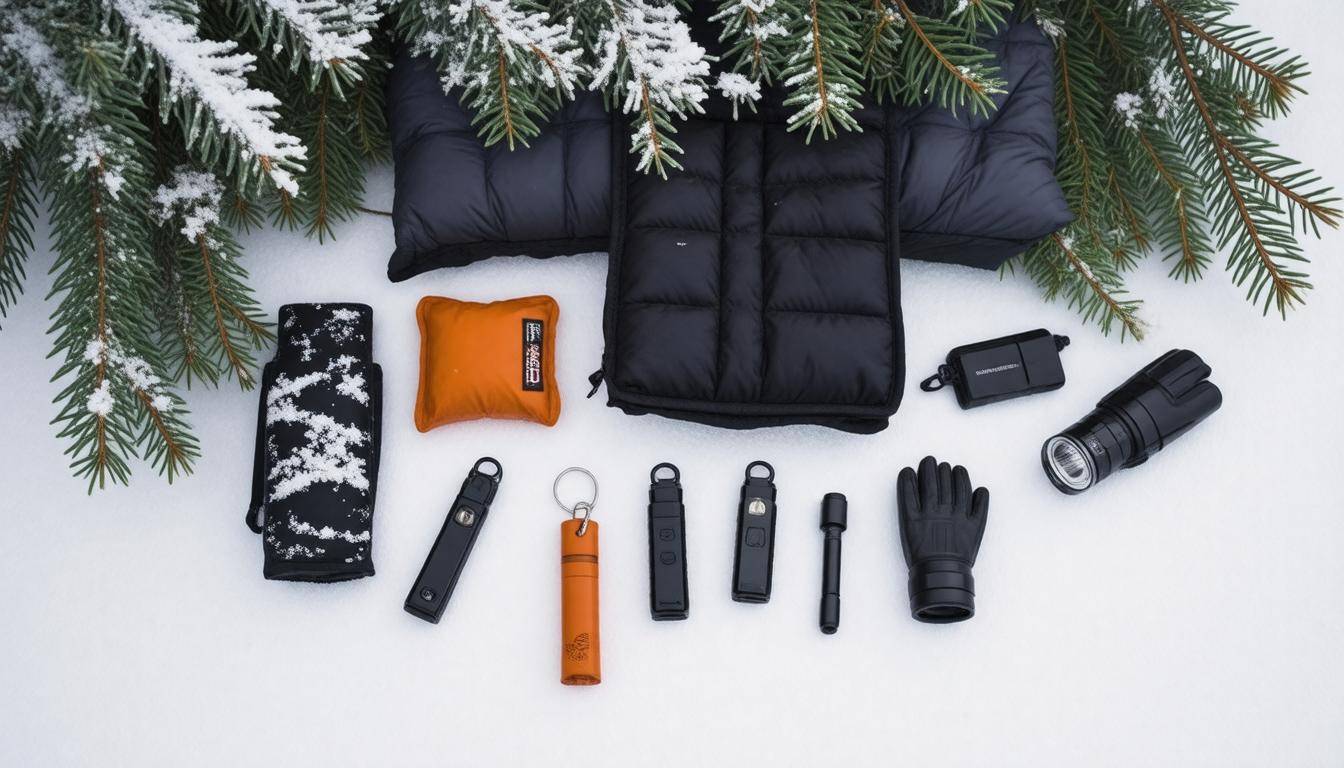
Essential Winter Survival Gear
Your emergency kit should kick off with some core items that serve as the foundation for your survival in extreme cold. A sturdy emergency thermal blanket tops the list; these blankets are not just lightweight but incredibly efficient at trapping body heat. Imagine being stuck in the frigid wilderness with temperatures dropping below freezing—this blanket could be your best friend, keeping you warm when every minute counts.
Adding to your kit, a high-quality first aid kit is crucial. It should be stocked with at least 50 items, including bandages, antiseptic wipes, and pain relievers. In a crisis, having basic medical supplies can make an enormous difference. Similarly, don’t forget to pack a whistle; it’s an essential tool for signaling for help. It’s much louder than your voice and takes up practically no space, making it a smart addition.
- Thermal blanket
- First aid kit
- Whistle
Moving beyond these essentials, let’s explore some additional items that can enhance your chances of survival.
One item that many people overlook is a multi-tool or survival knife. These versatile tools can assist with everything from food preparation to emergency repairs. Opt for one with several functions such as screwdrivers and scissors—having multiple tools in one compact device helps save space in your kit.
Additionally, consider incorporating a water filtration system, like the LifeStraw personal water filter mentioned earlier. This compact filter ensures access to clean drinking water even if frozen sources are all around you. Without hydration, your chances of survival plummet quickly in extreme conditions.
Food and Drink Considerations
And of course, we can’t ignore food! Pack non-perishable food items such as energy bars or trail mix; these items are lightweight but packed with nutrients to sustain you during unexpected delays. Think of snacks that require no cooking or preparation—easy access to food can keep morale high during tough situations.
Lastly, let’s round off our winter emergency gear by discussing practical additions without which you might find yourself caught short.
Don’t forget about including a bag of sand or kitty litter for traction if your vehicle gets stuck in snow or ice; this simple item can provide a much-needed boost when trying to regain control over slippery surfaces. Plus, a small shovel will be invaluable for clearing snow around your vehicle, allowing you to dig out quickly if the situation arises.
Understanding these essential supplies prepares you for whatever challenges the extreme cold may present. As we shift gears, let’s now focus on what you’ll need to wear to stay warm and comfortable in such harsh conditions.
Clothing for Extreme Cold
Clothing is your first line of defense against hypothermia and frostbite. When you venture into the harsh winter landscape, each piece of clothing plays a significant role in protecting you from the elements. It’s not just about throwing on more clothes; it’s about having a strategic approach to layering that maximizes warmth without restricting movement.
Layering Strategy
The key to dressing for extreme cold is layering. Start with a moisture-wicking base layer—this is typically made of materials like merino wool or polyester, which helps keep sweat away from your skin. Imagine you’re out snowshoeing; as you exert energy, your body warms up. If you’re layered correctly, this moisture will not cling to you but rather evaporate, allowing you to stay dry and warm.
Next comes the insulating layer, such as fleece or down. This middle layer traps heat and provides that all-important insulation. Finally, don’t overlook the outer layer: a waterproof and windproof shell is essential. Think of this layer as your shield against biting winds and unexpected snowfall that can sap your body heat rapidly.
Accessories are equally vital. High-quality thermal socks made from a merino wool blend are crucial for ensuring warmth and preventing cold feet—a common issue during long hours outdoors. Similarly, waterproof gloves are non-negotiable; if your gloves become wet from snow or sleet, they lose their insulating properties and can lead to frozen fingers.
Pair these with a thermal hat or toque that covers both your head and ears—a significant area for heat loss—because keeping your core temperature stable means less shivering and heightened comfort.
A double-layered scarf can not only keep your neck warm but also serve as face protection against howling winds. If things become particularly fierce outside, you can pull it over your nose; this small adjustment can feel like an instant retreat into comfort.
Each layer you choose and every accessory you equip yourself with can make a world of difference when facing the unforgiving chill of winter in Northern Canada. As you gather your essentials, consider how to enhance warmth from other sources that may complement these protective layers.
Portable Heating Solutions
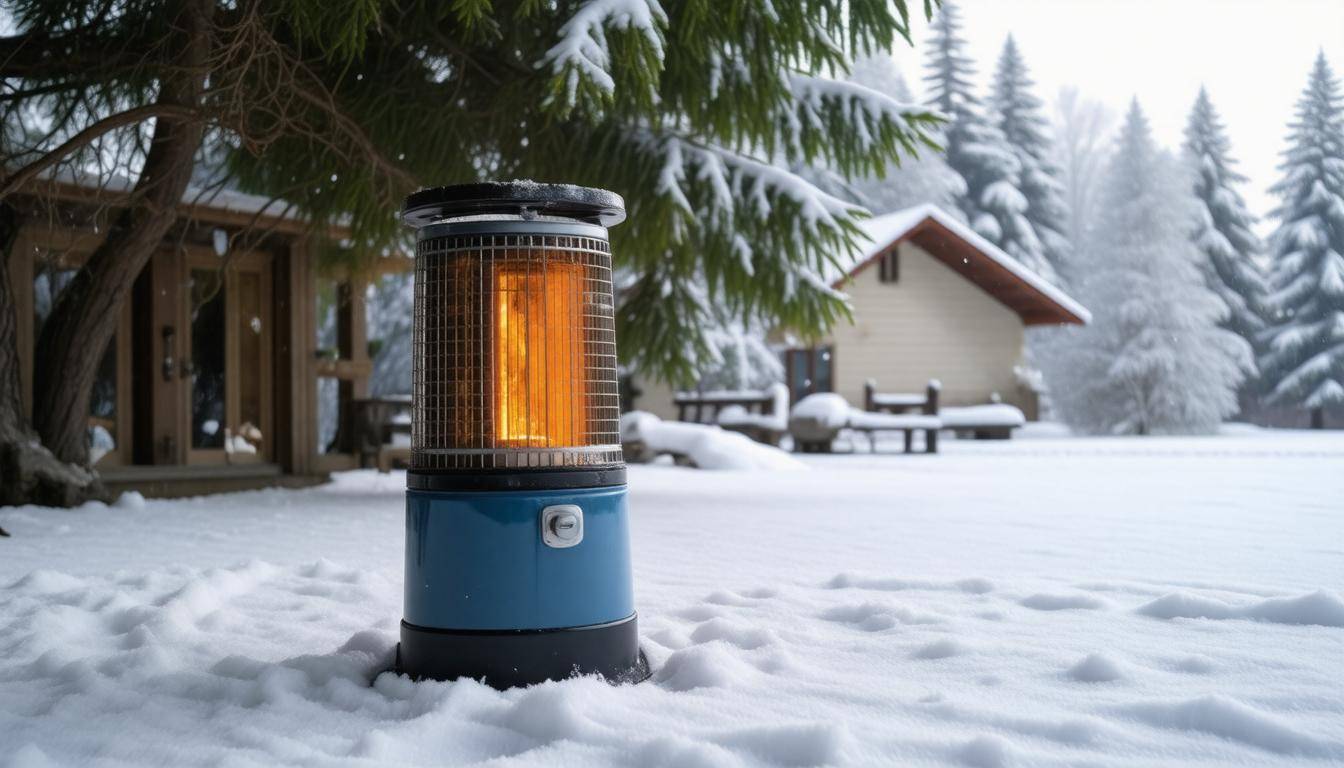
Portable heating solutions are a lifeline during the harsh winters of Northern Canada. They serve as essential tools to maintain a comfortable and safe body temperature when faced with severe temperatures outside. One practical choice is hand warmers, which provide immediate warmth at the drop of a hat. Brands like HotHands deliver disposable hand warmers that can stay warm for up to ten hours, making them perfect companions for those long winter nights. However, these are merely a small part of a broader spectrum of heating solutions.
For longer periods spent outdoors or during emergencies when you need consistent warmth, portable propane heaters become indispensable.
Just imagine a chilly evening spent by the campfire with your friends—having a portable propane heater by your side shifts the atmosphere entirely. These heaters, such as those from Mr. Heater, come equipped with features catering to both personal and professional needs, offering reliable heat that can transform an outdoor setting from frigid to cozy in moments. What’s particularly remarkable is their fuel efficiency; according to Consumer Reports, a small propane heater can effectively warm a small enclosed area for hours with just a single fuel cylinder.
This efficiency means more than just comfort—it translates to safety too. In freezing temperatures, hypothermia can set in faster than many realize. With effective heating solutions at hand, you can mitigate serious health risks associated with exposure.
Always keep in mind that while propane heaters provide warmth, they must be used responsibly. Ensuring proper ventilation is crucial to avoid potentially lethal consequences like carbon monoxide poisoning. Incorporating a battery-operated carbon monoxide detector into your emergency kit ensures that if any build-up occurs, you’ll be alerted well before it becomes dangerous.
Having alternative heating solutions isn’t merely a luxury; it’s an integral aspect of emergency preparedness in Northern Canada. As winters become increasingly harsh, the demand for efficient heating options rises dramatically. With reliable products like refillable 1lb propane tanks and adapters that facilitate easy connections between tanks and heaters, it’s easier than ever to prepare and ensure continuous heat availability during those critical moments.
Equally important is ensuring adequate provisions for sustenance and hydration during winter emergencies. Understanding how to effectively manage your food and water supplies can significantly enhance your preparedness for unexpected situations.
Emergency Food and Hydration
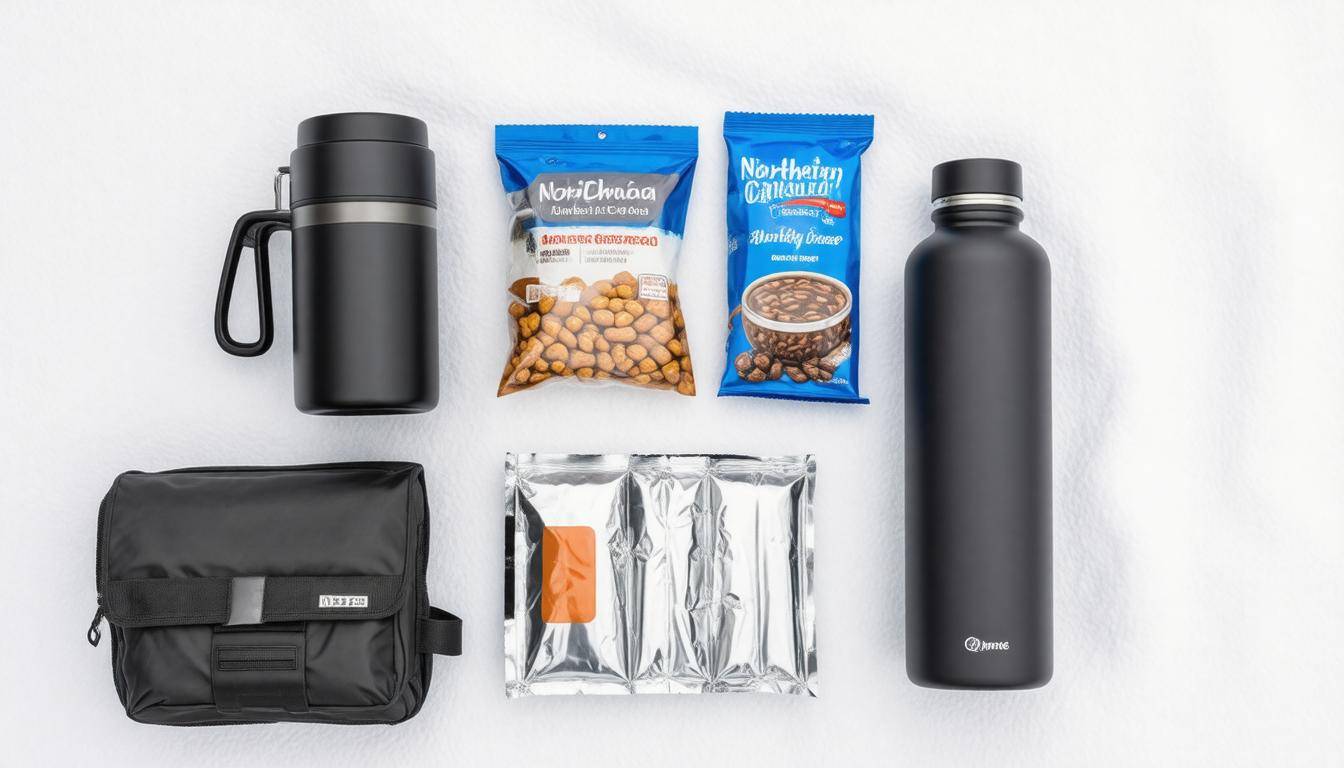
In an emergency, your body requires fuel to function effectively, making the right food choices crucial. High-calorie, nutrient-dense foods are your best bet since they provide energy without taking up too much space in your pack. Imagine being caught outside during a snowstorm—reaching for an energy bar that’s packed with protein can make all the difference in keeping your morale high and your energy steady. Products like Clif Bars and Jack Link’s jerky are not only easy to grab when you’re in a hurry but also give you the endurance to hold out for help.
Aim to have at least two weeks’ worth of provisions for each family member. Canned goods last long and typically require no preparation. Opting for foods that align with your regular diet ensures you will actually eat them when the time comes, rather than facing the dreaded challenge of “survival cooking.” Having foods such as nuts, dried fruits, or even well-packaged instant oatmeal can maintain both comfort and nourishment during stressful situations.
As we recognize how essential food is, let’s not overlook hydration. It often gets overshadowed by our focus on food supplies.
Surprisingly, many forget that dehydration can strike quickly in cold weather because the body doesn’t signal thirst as strongly when it’s chilly outside. Keeping a reliable water source should be part of your emergency kit strategy. Aim for a minimum of one gallon of water per person per day to cover drinking and hygiene needs during an emergency—so think about having enough for at least fourteen days!
To ensure you always have access to clean drinking water, consider packing items like water purification tablets or a personal water filter system like the LifeStraw. It’s a compact option that allows you to drink safely from questionable sources if needed. If you’re unsure how much filtration you might need, knowing LifeStraw can filter 40 gallons per hour ensures you won’t find yourself parched.
| Item | Brand | Shelf Life |
|---|---|---|
| Energy Bars | Clif Bar | 1 year |
| Trail Mix | Nature’s Garden | 6 months |
| Jerky | Jack Link’s | 12 months |
| Water Purifier | LifeStraw | N/A |
Despite what movies may say about going thirsty, trust me—survivalist fiction never features someone joyfully sipping puddle water! Keeping hydrated is paramount, so ensure you pack hydrating supplies even before the snack bar.
With food and water supplies firmly addressed, you’re honing in on effective strategies to safeguard those chilly winter nights in Northern Canada. Next, we’ll steer our focus toward other vital supplies that contribute to overall safety during this tough season.
Vehicle Safety Supplies
Ensuring your vehicle is well-equipped for the unpredictable conditions of Northern Canada’s winters is not merely a precaution; it’s a necessity. Imagine yourself stranded on a deserted snowy road with no resources at hand. The thought can be quite unsettling, but preparedness is key to ensuring your safety and comfort if such a situation ever arises. One of the fundamental components of a well-stocked winter emergency kit is having the essential vehicle supplies.
Essential Supplies
A small shovel should always find its way into your trunk. This tool becomes invaluable when you need to dig out snow that has piled up around your tires, helping you to gain traction and get back on the road. Similarly, jumper cables are not just an item on a checklist; they serve as lifelines that could assist both you and others if you encounter battery issues in frigid temperatures.
In addition, keeping a bag of sand or even kitty litter in your vehicle can come in handy for enhancing tire traction when stuck in icy conditions.
Beyond these basics, it’s equally important to have a spare tire tucked away in case of any punctures or blowouts during your journey. Navigating through tricky winter roads can wreak havoc on tires, making it vital to ensure you have a backup ready to go. Tire chains are another wonderful asset; they can provide that extra grip needed when driving through deep snow or over icy patches, allowing you to maintain control over your vehicle.
Don’t overlook the power of having a basic tool kit as well; this should include simple tools like wrenches and screwdrivers. These can help you tackle minor repairs that may arise while on the road, providing peace of mind as you’re traveling through remote areas.
An often overlooked yet critical inclusion is extra windshield washer fluid. You might wonder why this matters until you find yourself with dirty windshields obscured by slush and grime during a storm; being unable to see clearly can be perilous. Always keep an extra fuel canister nearby too; running low on gas in subzero temperatures risks not only your comfort but also your safety if you become stranded.
As winter travel intensifies, equipping yourself with these vital vehicle supplies creates not just reassurance, but also practical solutions for unforeseen circumstances. Discovering optimal strategies for preparing your winter emergency kit ensures that you’re ready for whatever challenges may arise.
Packing Tips for Your Kit
Packing your kit efficiently not only maximizes space but also guarantees that critical items are readily accessible in emergencies. To start, consider using clear, waterproof bags to group smaller supplies. This isn’t just about keeping things dry; it also makes it easy to visually identify contents at a glance. Make sure to label each bag accordingly—think categories such as “First Aid,” “Food & Water,” and “Warming Gear.” This simple organization strategy can save precious time when every second counts.
Furthermore, pay attention to the arrangement of items within your kit. Position commonly used tools and supplies on top for quick access while reserving heavier equipment for the bottom. This layout mitigates the risk of shifting during travel, ensuring that everything remains in its place no matter how bumpy the road gets.
It’s worth noting that integrating a color-coding system is a smart move. Using colored tape or markers significantly aids in quick identification. For example, you could use red to represent medical supplies and blue for hydration needs; these visual cues help everyone involved locate necessary items faster, even in a rush.
Additionally, don’t forget about packaging considerations. Always opt for waterproof containers when possible, especially for critical supplies that might be adversely affected by moisture or snow. This not only retains the functionality of items like matches and jumper cables but also ensures that everything stays organized.
As you pack, including a packing list inside your kit can help keep track of all items before your journey begins. Write down every piece of equipment and food item you include. This practice will give you peace of mind knowing you’re adequately prepared and will also help with restocking any used or expired supplies.
Preparation doesn’t stop once you’ve packed your kit; it involves ongoing checks and good storage practices as well. Properly storing your supplies lays the groundwork for safe travels through harsh winter conditions—an essential step for any adventurer tackling the elements.
Travel Safety in Winter Conditions
Traveling safely during a Northern Canadian winter isn’t just about having the right gear; it’s about being aware of the environment around you and knowing how to react to various conditions. As temperatures drop, roads can become slick with ice and snow, reducing traction and visibility dramatically. That’s why pre-trip preparation is essential before you even step into your vehicle.
Pre-Trip Preparation
One of the first things to consider is checking the weather forecasts and road conditions prior to your departure. This isn’t merely a suggestion; it’s a fundamental step to understanding what you may encounter during your journey. Are there blizzard warnings? Is freezing rain expected? Such insights dictate your travel plans and may even persuade you to delay or alter your route altogether.
Furthermore, you should always inform someone of your travel plans along with your anticipated arrival time. This way, if you run into trouble, help can be dispatched without delay.
Understanding the weather is only the beginning—what follows is equally important: managing your driving habits while out on the road.
On the Road
Once you’re behind the wheel, avoid using cruise control in snowy or icy conditions. While this feature is designed for convenience, it can lead to dangerous loss of control if your wheels start to slip. Instead, keep your hands firmly on the steering wheel and focus on modulating your speed based on current road conditions. Maintaining vigilance is paramount because even small hazards can escalate dramatically under winter conditions.
It’s also crucial to keep your gas tank at least half full during winter travel. This ensures enough fuel is available to keep your vehicle warm if you happen to get stranded—and believe me, that can make all the difference between comfort and discomfort in frigid temperatures.
Alongside those strategies, having essential items like snow chains, an ice scraper, and a flashlight within easy reach are invaluable for navigating unexpected road situations. For instance, snow chains provide added grip when you find yourself on slick roads, enhancing your safety against skids or slides. An ice scraper helps keep visibility clear—not just for you but for others on the road as well—and will save you any major headaches once parked.
While physical preparedness sets the stage for safety, cultivating a mindset aimed at caution and readiness proves equally vital as we continue exploring further recommendations.
Additional Safety Recommendations
Beyond the basics of a winter emergency kit, it’s important to consider other items that can truly make a difference in critical situations. One item I can’t recommend enough is a high-quality flashlight with extra batteries. Imagine finding yourself in a snowstorm, disoriented and unable to see — that reliable beam of light can illuminate your surroundings, guide you safely, and provide comfort in uncertain times. Remember that visibility is key when navigating harsh conditions.
As Alex reminds us, having access to fire can be a real lifesaver. It’s not just for warmth; it also allows you to cook food or purify water, making survival more manageable. Thus, including a fire-starting kit with waterproof matches, a fire striker, and tinder could very well be one of the best decisions you make.
Essential Items for Your Kit
-
A flashlight with extra batteries ready for unpredictable power outages.
-
A high-visibility vest that makes sure you stand out against winter’s white backdrop, especially if you’re lost or in distress.
-
A multi-tool that combines various functions into one device; it’ll serve as your all-in-one solution for any small jobs needing attention.
Additionally, consider integrating a GPS device with offline maps into your emergency gear. We’ve all experienced moments where cell service cuts off at the most inconvenient times; relying solely on your smartphone’s navigation can lead you astray without a signal. A dedicated GPS device ensures you’re never lost and helps chart the safest course through winter wilderness.
Each of these recommendations enhances your ability to survive and stay safe in even the harshest winter conditions. They contribute to a more thorough preparedness strategy, ensuring that you’re not just equipped with basic tools but are also ready for whatever nature throws your way.
Ultimately, being prepared is the best defense against winter’s unpredictability. Equip yourself wisely and remain vigilant in the face of harsh weather challenges.