
When heading off the beaten path, the thrill of adventure awaits, but so do potential mishaps—nothing can instill a sense of dread like the thought of your vehicle getting stuck in deep mud or soft sand. Not only does this scenario present a challenge, but without the right tools, it can quickly escalate into a serious predicament. That’s why having an Off-Road Emergency Recovery Kit is essential for any adventure enthusiast. By including key items like shovels, recovery straps, and traction boards, you’re setting yourself up for success and peace of mind on your journeys. So let’s dive into what you absolutely need in your kit to tackle unexpected issues head-on!
An Off-Road Emergency Recovery Kit should include several crucial items such as a shovel for digging out stuck vehicles, traction boards to enhance grip and mobility, a reliable recovery strap with soft shackles, and a good bottle jack kit like the Safe Jack Kit for safe lifting. Additionally, incorporating tools such as a winch and tire repair essentials will significantly improve your vehicle’s self-recovery capabilities during off-road adventures.
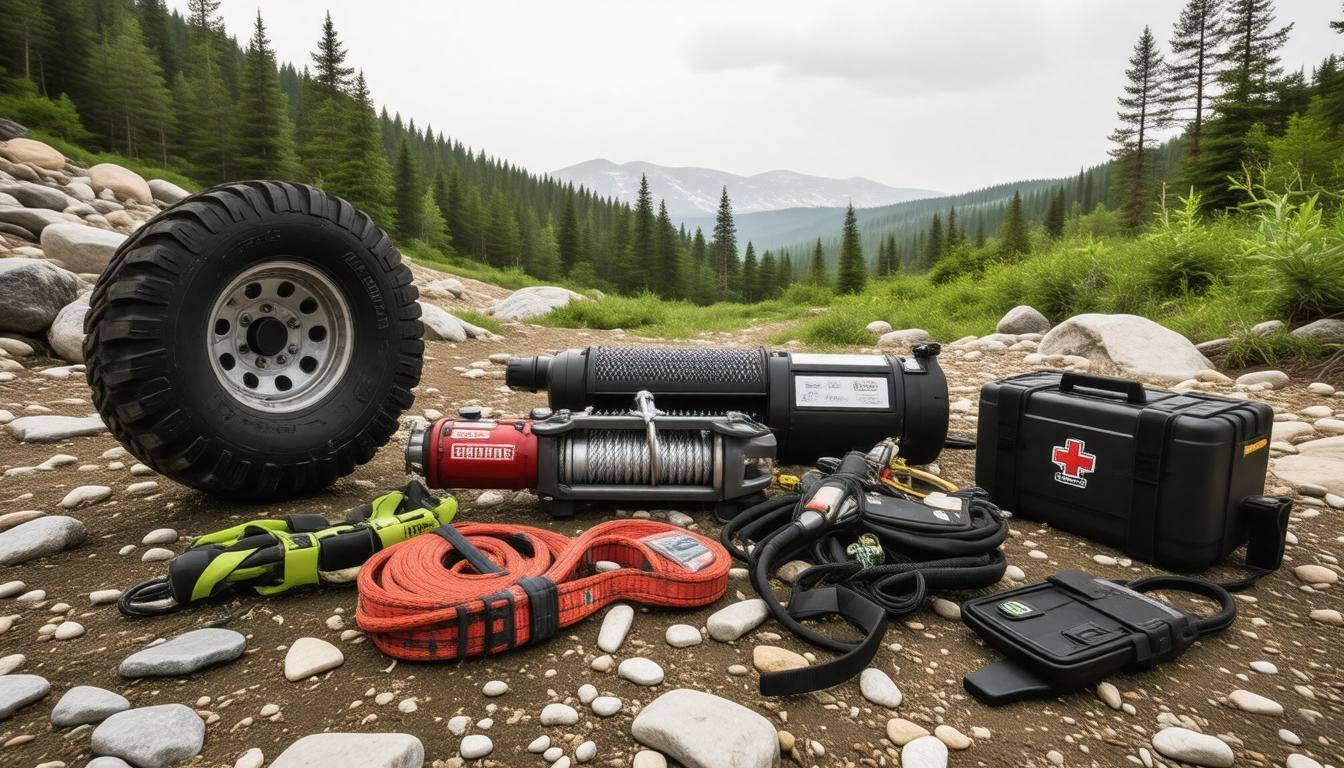
Essential Recovery Tools for Off-Road Adventures
Shovels: The Unsung Heroes
A reliable shovel not only digs out stuck vehicles but also becomes your best friend in various scenarios. Imagine being stranded on soft, shifting sand or muddy terrain; a sturdy shovel can transform the situation from a frustrating struggle into a manageable task.
When selecting a shovel, prioritize options with a robust handle and durable blade—flexibility here could lead to bending or breaking under pressure, leaving you helpless. For instance, shovels like the Fiskars Steel D-Handle Digging Shovel shine with their well-designed ergonomic grips and reinforced bases, which increase leverage and reduce effort while digging.
Bottle Jacks: Lifting Powerhouses
Investing in a quality bottle jack, such as the Safe Jack Kit, ensures you’re prepared for any lifting situation. Not only does it enable you to easily lift the vehicle for tire changes or to place traction devices underneath, but it does so safely. This particular kit is compact yet powerful, providing ample lifting capacity while stowing away neatly in your recovery gear. Remember, lifting power isn’t just about capability; it’s also about safety, giving you peace of mind during precarious situations.
Traction Boards: Proactive Defense
Now let’s turn our attention to traction boards—simply put, these are crucial tools for maintaining mobility before you find yourself stuck. Instead of waiting for issues to arise, these boards can be proactively placed under tires to assist navigation over slippery surfaces. High-quality options often feature durable materials designed to withstand heavy weight and rugged terrains. Utilizing them before you become bogged down saves time and potential damage to your vehicle.
Following professional insights, moving beyond basic gear can increase your recovery expertise significantly.
Recovery Straps: Strength You Can Rely On
Using a proper recovery strap is another fundamental aspect of an effective off-road recovery kit. These straps, characterized by their resilience, are typically rated for minimum breaking strengths of 20,000 lbs. They come in various types such as Kinetic ropes, which excel in areas of deep mud or sand due to their stretch and elasticity. Alternatively, static straps are ideal when navigating rugged terrains like rocky trails where sudden pulls are often necessary. It’s important to choose the right strap based on the ground conditions you expect to encounter.
Winches: Your Lifeline
Among all recovery equipment, a high-quality winch might be deemed the most vital addition for solo travelers taking on challenging terrains. With a minimum pulling capacity of 8,000 lbs recommended for most off-road vehicles, portable winches empower you to perform self-recovery efficiently when facing unforeseen obstacles. Be sure to select one that complements your vehicle’s capacity and terrain challenges—you never know when this lifeline will become indispensable.
Understanding the nuances of each tool will enhance your effectiveness in difficult situations as we continue exploring specific gear designed for maximizing recovery efficiency.
Winches and Tow Straps
Winches serve as the lifeline in any off-road recovery situation, offering the muscle needed to pull a stuck vehicle out of tricky predicaments. Their utility cannot be overstated; even seasoned overlanders recognize that approximately 70% rank them as indispensable tools.
A powerful choice for solo adventurers is the Warn VR EVO 12-S, boasting an impressive 12,000 pounds of pulling capacity—ample power for most off-road vehicles. This model showcases how a winch not only acts as an anchor point for recoveries but also reinforces safety, pulling stranded vehicles back onto solid ground with precision.
Moreover, portable winches have emerged as a favorite among enthusiasts who seek versatility without committing to permanently mounted equipment. Portable options allow you to adapt your recovery setup based on the situation, making a big difference when facing unforeseen challenges on remote trails. Imagine encountering steep, treacherous terrain far away from civilization; knowing that you have an efficient recovery system ready can provide peace of mind.
The Winch: An Off-Road Lifeline
When selecting a winch, it’s essential to consider your vehicle’s weight and anticipated recovery scenarios. For example, the general recommendation is to opt for a winch with at least one-and-a-half times your vehicle’s weight in pulling capacity. This provides a safe margin ensuring it can handle unexpected strains without faltering during critical moments.
Winches come in different types including electric, hydraulic, and manual options. Electric winches are quite popular due to their ease of use and speed, while hydraulic winches offer immense power for heavy-duty situations.
Transitioning now to tow straps, these unsung heroes of recovery deserve just as much attention. Choosing the correct type is crucial. The two leading contenders are kinetic ropes and static straps. Kinetic ropes, like the Bubba Rope, provide a degree of stretch that can absorb shock loads. This flexibility makes them particularly effective when retrieving vehicles ensnared in sand, snow, or mud—a moment that could turn daunting if not handled correctly.
Tow Straps: Choosing the Right Type
On the other hand, static straps excel in controlled settings such as rock crawling scenarios where precise pulls are mandatory. Their strength lies in their ability to maintain tension without extending too much during recovery efforts. In fact, having both types at your disposal can be advantageous; knowing when to utilize each can significantly improve your chances of successful recovery without damaging your vehicle or equipment in the process.
As we assess these core components of your off-road arsenal, let’s not overlook some vital accessories—shackles and hooks—which enhance the effectiveness of both winches and tow straps in real-world applications.
Heavy-Duty Shackles and Hooks
Shackles and hooks may seem like small components in the grand scheme of vehicle recovery, yet they wield immense power and play a vital role in ensuring safety during challenging terrains. These connectors become lifelines when your vehicle is stuck, providing the necessary strength to pull it back to safety. In fact, it’s startling to learn that nearly 15% of recovery efforts fail due to inadequate connectors, making proper selection and usage even more crucial.
D-Ring Shackles: Strength and Security
Among the strongest options available are D-ring shackles, which are ideally crafted from forged steel. Their design ensures they can handle substantial weight and withstand rigorous pulling forces without bending or breaking. For example, brands such as Rhino USA produce D-ring shackles rated at impressive capacities—up to 41,887 pounds—giving users peace of mind when partaking in recovery operations. This kind of reliability allows drivers to trust that their gear will hold during tense moments. The secret lies in their construction; robust and corrosion-resistant, these shackles are built to endure rough elements while maintaining their integrity.
It’s essential to always check the load rating on your shackles before use, ensuring they’re suitable for your specific vehicle’s needs.
Soft Shackles: Convenience Meets Strength
Alternatively, soft shackles have gained popularity among off-road enthusiasts for their unique blend of convenience and security. Constructed from high-strength synthetic fibers, these contemporary connectors offer flexibility and ease of handling compared to their metal counterparts. One significant advantage is their ability to minimize risk; if a soft shackle breaks under tension, it won’t behave like a dangerous projectile—a common concern with metal shackles.
Many users find soft shackles easier to manipulate in tight or awkward spaces when securing equipment or vehicles. They can be looped around various attachment points effortlessly without the worry of sharp edges cutting into your hands. Just keep in mind that while they’re incredibly strong, they should still be handled with care to ensure maximum performance over time.
As with any equipment, familiarizing yourself with the type of shackle you choose not only enhances your recovery knowledge but also contributes to safety for you and those around you.
Having secured your vehicle properly using heavy-duty shackles and hooks gives you optimal leverage; next, let’s explore how traction devices enhance vehicle performance on rugged terrains.
Tire Traction Devices for Rugged Terrain
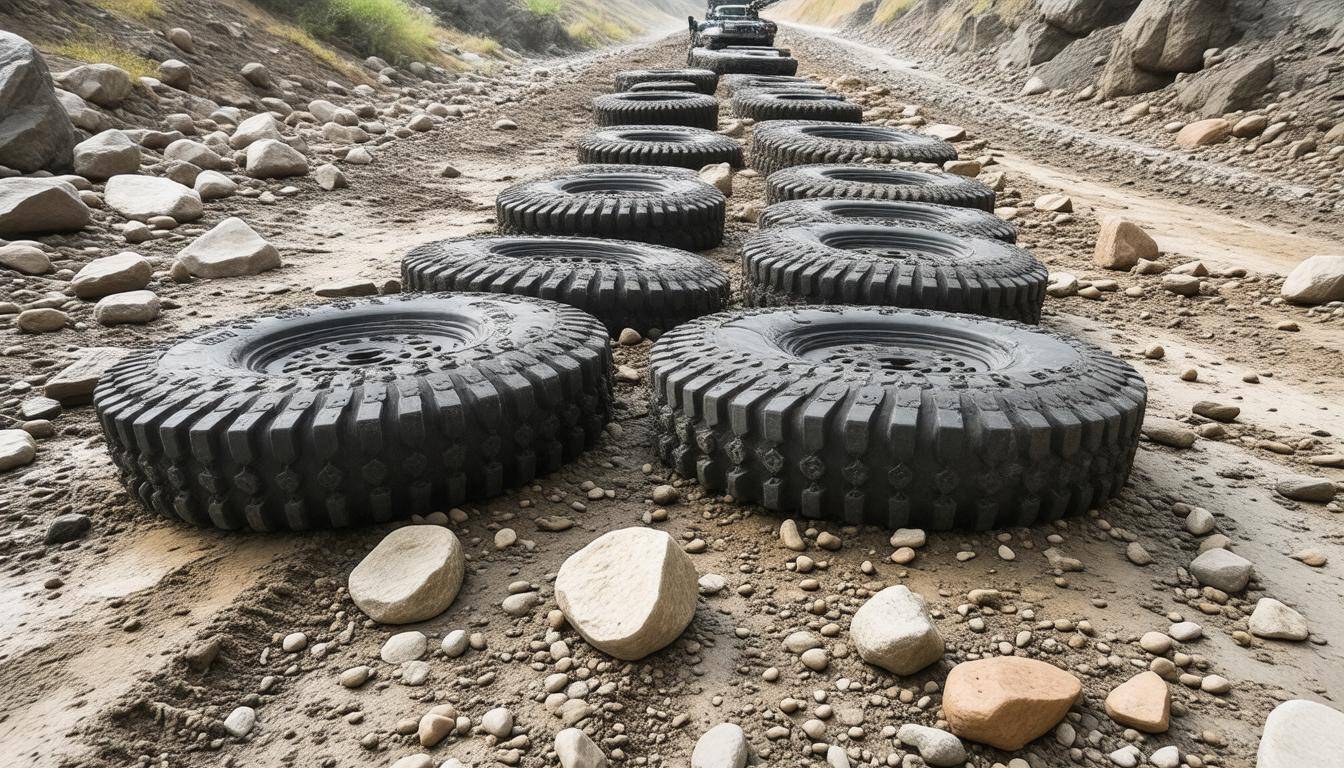
In the world of off-roading, tire traction devices serve as the unsung heroes that often go unnoticed until they’re needed most. These devices enhance your vehicle’s grip on challenging surfaces like mud, sand, or snow, transforming what could be a stressful situation into a smooth ride. With rugged locations filled with hidden obstacles, every bit of traction counts. Having these items in your recovery toolkit is crucial. Did you know that 30% of off-road enthusiasts credit these very tools with preventing them from getting stuck? Imagine being able to roll over a potential trap simply because you prepared well.
Traction Boards
Traction boards are among the most popular and effective options available. Brands like Maxtrax and TRED Pro have earned their reputations by offering high-quality products designed specifically for demanding conditions. These boards are crafted from durable, lightweight materials so they can easily be carried along without adding significant weight to your gear.
When the time comes to use them, simply slide one under your tire before trying to drive out of a sticky situation. The texture and design of these boards provide just enough grip to help your tires bite into the surface rather than spin helplessly.
Using traction boards proactively can drastically reduce the risk of becoming stuck in the first place. It’s not just about waiting for trouble to strike; it’s about foreseeing it.
One might think the only time you’d need traction boards is when you’re already mired in troubles—this couldn’t be farther from the truth. Many experienced adventurers advocate for placing these boards beneath your tires before you find yourself in a precarious position—especially when navigating potentially risky terrains like soft sand dunes or slick muddy patches. In fact, it’s often recommended to keep them at the ready when you’re approaching areas known for being tricky. A few seconds of preparation can save you hours of frustration down the line.
Tire chains and other such traction devices also offer unique advantages in various conditions. They can improve vehicle grip by up to 50% on rugged terrain, making them worthy considerations for extreme situations. However, unlike traction boards—which focus on proactive prevention—tire chains generally come into play once you’ve already encountered problems since attaching chains might not be practical when moving through thick mud or heavy snow.
So whether you’re maneuvering through steep inclines or attempting to traverse a slippery wooded trail, investing time and resources into selecting appropriate tire traction devices can significantly impact both your safety and confidence while exploring remote paths. Additionally, maintaining proper tire pressure—ideally between 15 to 20 psi depending on your terrain—can maximize efficiency, further enhancing grip when combined with your chosen traction methods.
As you gear up for your next outdoor expedition, understanding how to effectively utilize these devices will be instrumental in ensuring a safe and enjoyable journey ahead.
Safety Gear and Equipment
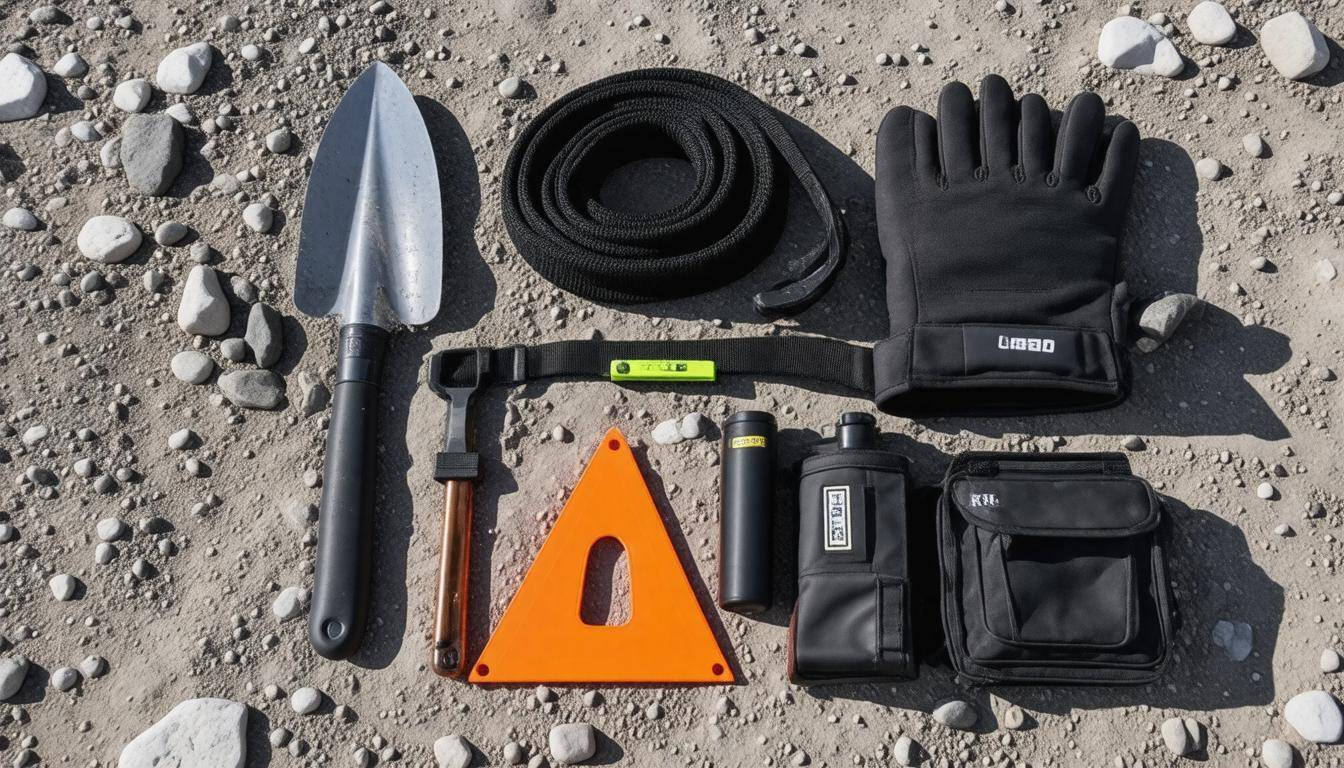
When venturing into the great outdoors with your vehicle, ensuring safety should always be a top priority. A well-equipped off-road emergency recovery kit not only enhances your chances of safe travels but also significantly minimizes the risks associated with unexpected situations.
For starters, one cannot emphasize enough the importance of Personal Protective Equipment (PPE). Each piece of protective gear serves a purpose, collectively creating a safer environment during recovery efforts.
Personal Protective Equipment (PPE)
- Heavy-duty gloves are crucial for hand protection while handling rough equipment or debris. I recall a time when I didn’t wear gloves and ended up with blisters from pulling on rough straps.
- Safety goggles shield your eyes against flying dirt and splinters that might cause injury as you work near your vehicle’s wheels and around loose stones.
- Wearing high-visibility vests can make a world of difference, especially in low-light conditions or high-traffic areas—ensuring that you’re seen by other vehicles can prevent accidents before they happen.
Remember: It’s easy to underestimate the power of PPE, but these items could be the little barrier between minor inconveniences and major injuries during recovery operations.
Fire Extinguishers
Another vital component is a compact fire extinguisher, which should be readily accessible in case of emergencies. Fires can escalate quickly in off-road environments, and at times, a small flame can turn into an uncontrollable blaze if left unattended. Keeping a fire extinguisher within arm’s reach allows you to act swiftly before the situation worsens. Standard vehicles should have at least one 2.5 lb ABC-rated extinguisher, which is effective against flammable liquids, electrical fires, and ordinary combustibles.
Moving beyond safety gear, it’s essential to recognize that preparedness extends to immediate medical assistance in challenging environments. Understanding how to address potential injuries will further bolster your readiness for any off-road adventure.
First-Aid Kits and Emergency Packs
Health emergencies can arise at any moment during an off-road adventure, and being prepared could mean the difference between a minor hiccup and a more serious situation. A study reveals that 10% of off-road incidents involve minor injuries, highlighting the necessity of having a comprehensive first-aid kit readily available.
Imagine spraining an ankle or getting a cut while navigating through rugged terrain—having the right supplies at hand can make all the difference.
Comprehensive First-Aid Kits
When putting together your first-aid kit, think beyond standard supplies. A good kit should include items like bandages, antiseptic wipes, pain relievers, and burn cream. However, you may also want to incorporate specialized elements such as triangular bandages, which can be used for slings or securing dressings.
Kits designed for outdoor use, like the Surviveware Comprehensive First Aid Kit, stand out thanks to their thoughtful organization; with easy-to-find compartments, you can quickly access whatever you need in a pinch. This rapid accessibility in emergencies is critical when every second counts.
“Preparedness isn’t just about survival; it’s about peace of mind.”
Emergency Packs
While a first-aid kit addresses immediate health concerns, an emergency pack fills gaps beyond basic medical aid. It’s wise to include essential items like emergency blankets to retain body heat, multi-tools for various tasks, and portable water filters to ensure you’re equipped if stranded.
Imagine getting stuck far from civilization—having clean water could be life-saving. It’s also recommended to add other useful tools like flashlights, signaling devices such as whistles or mirrors, and non-perishable food items to keep energy levels up during an unexpected delay.
As you assemble your gear for off-road excursions, remember that ensuring your vehicle is fully ready adds another layer of safety and preparedness to your journeys.
Preparing Your Vehicle for Emergencies
When it comes to off-roading, ensuring that your vehicle is prepared for the unexpected is crucial. Regular preventative maintenance can mean the difference between a small hiccup and a major dilemma out on those rugged trails.
For instance, think of your vehicle as a well-oiled machine—a heart that needs to be healthy to perform at its best. Investing just a bit of time into checking things like fluid levels and tire conditions can significantly reduce the chances of finding yourself stuck in a sticky situation.
Regular Maintenance Schedule
Implementing a regular maintenance schedule can reduce the chance of recovery situations by up to 60%. This number alone speaks volumes about how proactive care pays off dividends in peace of mind during adventures. Make it part of your routine—check engine oil, coolant levels, brake fluid, and even windshield washer fluid before heading out.
Don’t forget about the importance of tires; they are your main contact with the ground, so maintaining proper tread depth and pressure is vital. Keep tires pumped up within the recommended 30-35 PSI, as under-inflated tires can lead to unexpected difficulties, especially when maneuvering through rocky or uneven terrains. A simple visual inspection can often reveal issues before they escalate.
In addition to fluids and tires, you should also take a moment to evaluate other components like brakes and lights. Just imagine—it’s nearing dusk, and your brakes suddenly give way on a downhill slope! You can avoid that scenario by routinely testing their responsiveness.
Another integral part of preparation is inspecting your battery health. A fully charged battery should read between 12.6 to 12.8 volts when the vehicle is off; this ensures that you won’t be left high and dry after a long day of exploration. Additionally, ensure connections are firm since loose connections can cause electrical problems down the line.
Remember: emergencies seldom happen at convenient times. The more you prepare in advance, the less likely you’ll find yourself sitting stranded waiting for help.
Essential Emergency Kit Contents
Alongside regular maintenance, equipping your vehicle with an effective emergency kit adds another layer of security while navigating wild terrains. Essentials such as gloves, a flashlight, jumper cables, and tow straps might not seem vital until you truly need them. It’s like packing an umbrella—it may seem unnecessary until rain suddenly arrives.
One common issue encountered while off-roading is flat tires due to rough paths or sharp objects. To tackle this problem effectively, include a tire repair kit along with an air compressor—brands like Viair 300p, are highly recommended for reliability. Knowing you’re equipped with such tools will ease any lurking anxiety during your escapades.
Yet remember, while having the right gear helps, personal readiness is equally important; knowing how to use that gear effectively could save not just your trip but potentially your life as well. A balance between your vehicle’s mechanical health and practical knowledge sets the stage for safe adventures ahead.
Tips for Staying Safe in Off-Road Conditions
When traversing challenging terrains, employing effective driving techniques is key. For instance, understanding how to read the terrain can drastically alter your experience on the road. This means being aware of your surroundings, such as identifying loose gravel or steep inclines that require unique approaches.
Throttle control is critical; too much speed can toss your vehicle into unpredictable situations, while too little can leave you stuck. Proper tire deflation for different surfaces can also boost traction—lowering tire pressure helps to create a larger contact area with the ground, enhancing grip.
As much as skills matter, communication remains just as paramount. In many instances, clear communication tools can save lives and ensure quick recovery. Carrying a two-way radio can provide instant contact among group members while navigating difficult trails. Moreover, having a satellite phone is invaluable when venturing far from cellular service areas. Imagine finding yourself stuck deep in the woods; reaching for a direct line to help makes all the difference.
Keeping hydrated during off-road excursions cannot be understated; water should be a non-negotiable item within your emergency kit. It’s easy to overlook hydration while focusing on driving challenges but neglecting this can lead to fatigue and poor decision-making. To illustrate this point better, consider that an average person requires roughly 1 gallon of water per day during strenuous activity.
Alongside hydration, packing high-energy snacks provides needed sustenance without causing sluggishness. Nothing feels worse than struggling to maintain energy as you confront recovery situations!
| Item | Purpose |
|---|---|
| Water Bottles | Ensure hydration for sustained physical effort |
| High-Energy Snacks | Provide quick energy boost during long recovery sessions |
Implementing these suggestions not only enhances your safety but also transforms an adventure into a more enjoyable experience by minimizing risks along the way. Always prioritize preparation and awareness when heading off-road!
In sum, equipping yourself with essential items and effective strategies prepares you for any off-road challenge that may arise. Be proactive about your safety for an exhilarating yet secure adventure!