
Winter storms can be both beautiful and brutal, painting the world in a soft white layer while bringing chaos to our daily lives. As exciting as it might be to watch snowflakes tumble outside your window, being caught off guard during such weather can impact your safety and well-being. That’s why having a comprehensive winter storm preparedness kit is crucial. Whether it’s stocking up on food supplies, ensuring warmth at home, or preparing your vehicle for harsh conditions, a little foresight can make a world of difference when the winds start howling. Drawing from personal experiences and practical tips, this guide will help you create a robust plan that keeps you comfortable, safe, and ready for anything Mother Nature throws your way.
A Winter Storm Preparedness Kit for Palmerston North should include essential items such as non-perishable food, water (at least 3 liters per person per day), a battery-operated radio, flashlights with extra batteries, blankets, a first aid kit, and any necessary medications. Additionally, it’s important to have warm clothing, sturdy boots, and an emergency plan that includes communication strategies with family and neighbors.

Essential Food and Water Supplies
During a winter storm, having adequate food and water isn’t just a nice-to-have; it’s absolutely essential for your safety and well-being. It’s about making sure you have enough sustenance when conditions outside may not allow you to venture out for supplies. Imagine being cozy at home, knowing that you’ve stocked up adequately on essentials! To set yourself up right, it’s crucial to think ahead.
Canned Goods
Let’s start with canned goods. They are a staple in any emergency supply kit. When choosing canned foods, opt for a variety that includes soups, beans, vegetables, and fruits. These items are not only nutritious but also easy to prepare since all you need is a manual can opener—an often-forgotten item in many homes. You wouldn’t want to be stuck without a way to open those precious cans when hunger strikes!
Dry Goods
Next up is dry goods. Stocking up on rice, pasta, oats, and cereals ensures you have filling options that can last throughout the duration of the storm. The advantage of these staples is their long shelf life. A little creativity with seasonings can turn plain rice or pasta into a delightful meal when you’re stuck indoors.
Snacks
Don’t overlook snacks! Having quick energy sources like nuts, granola bars, and dried fruits can be both comforting and energizing during periods of confinement. Picture this: it’s cold outside, but you’re wrapped in a blanket with a handful of delicious dried mango slices—instant mood booster!
Bottled Water
Moving on to one of the most important elements of your kit: water. Aim for at least 3 liters per person per day for an entire week. Water is fundamental not only for drinking but also for cooking and hygiene purposes. If power outages occur, it may be difficult to heat or purify water. Hence, having an ample supply of bottled water keeps you covered.
Instant Meals
Lastly, don’t forget instant meals like Meals Ready-to-Eat (MREs). These are incredibly convenient in situations where cooking isn’t an option due to power outages or lack of resources. MREs pack nutrition into a compact package and require no preparation—just add hot water if possible!
As you’re planning your food supply, consider incorporating multi-use items such as powdered milk and protein shakes. They add versatility to your meals and can serve various roles in your diet.
With your food and water needs taken care of, it’s time to shift focus towards how to maintain comfort and safety within your living spaces when the temperature drops significantly.
Shelter and Heating Essentials
Palmerston North can experience chilling temperatures during winter storms, making it essential to have effective ways to stay warm.
Backup Heating
Investing in kerosene heaters or propane heaters specifically designed for indoor use can be a lifesaver when electricity fails. However, prioritize safety by ensuring adequate ventilation, as improper usage can lead to carbon monoxide poisoning—a silent but dangerous risk. Place these heaters on hard, non-flammable surfaces to prevent any accidental tipping.
A quick tip: Always keep a battery-operated carbon monoxide alarm nearby when using these heating sources. It can serve as an extra layer of precaution against unseen dangers.
Space heaters are also effective for adding warmth but should be combined with traditional methods to ensure comfort and safety. During particularly frigid nights, packing your home with extra blankets, thermal sleeping bags, and heavy clothing like woolen sweaters and thick socks can significantly improve your thermal comfort. Old quilts add insulation and weight, perfect for sealing in body heat.
Interestingly, portable electric heaters are useful only if you have a reliable generator. Without one, these devices may take up space rather than provide warmth. Therefore, always check the compatibility of your heater with your generator—knowing which appliances run well off it is crucial during a power outage.
Reflecting on my own experiences, I remember one particularly brutal winter where I thought I was well-prepared with my backup generator. Mid-storm, however, I found myself restricted by its capacity and ended up relying heavily on multiple layers of blankets rather than solely on electrical heat sources. Embracing simpler solutions proves more practical than we realize!
Preparing effectively requires a balance of modern technology and traditional wisdom, as each component plays a vital role in maintaining warmth during severe weather conditions. Next, we’ll explore some of the essential equipment that enhances readiness for these winter challenges.
Critical Gear for Winter Storms
Specialized gear plays a pivotal role in not only ensuring your safety but also providing comfort and reassurance during the unpredictable chaos of a winter storm. The right equipment allows you to navigate through adverse conditions effectively, making it vital to prepare ahead of time.
Why You Need It
Understanding critical gear is key; it’s about having the right tools readily available to address various emergency situations that could arise during severe weather. This preparation transforms potential panic into calm action when conditions worsen.
Essential items form the backbone of your winter storm preparedness kit. For instance, flashlights and batteries are non-negotiable. Opt for LED flashlights as they not only shine brighter but also tend to last significantly longer than traditional bulbs. Ensure that you have a good supply of fresh batteries on hand, because a flashlight without power is like a ship adrift without a paddle.
Another critical tool is a multi-tool. Think about this: whether it’s tightening screws, cutting rope, or opening cans, these handy devices consolidate several functions into one compact piece, saving space in your emergency kit while ensuring you’re prepared for anything.
Don’t forget a hand-crank radio. In an era where connectivity can falter, having a way to receive weather updates and emergency broadcasts without relying on power or the internet is priceless. By turning the crank, you activate a lifeline that keeps you informed and safe.
| Item | Description |
|---|---|
| Headlamps | Provide hands-free lighting for mobility |
| Spare Batteries | Ensure all battery-operated devices function |
| Fire Extinguishers | Essential for addressing unexpected fires |
| Whistle | Crucial for signaling for help if stranded |
Each of these items offers reassurance that you can handle whatever comes your way. In the cold grip of winter storms, having dependable gear turns anxiety into confidence, ensuring you’re ready to face emergencies head-on.
Having recognized the importance of these essential items, let’s explore how to effectively use them in real emergency situations.
Must-Have Emergency Tools
Efficient emergency tools can indeed make a significant difference during a winter storm, and understanding their importance shines a light on how they may benefit you when the weather turns hostile. Investing in a few key items isn’t merely a precaution; it becomes an essential strategy for maintaining safety and comfort during harsh conditions.
Starting with the snow shovel, consider this tool your first line of defense against accumulating snow. Snow shovels come in various sizes and designs, so choose one that suits your needs best. Look for lightweight materials that allow for easy maneuvering; remember, heavy shovels can lead to fatigue or even injury. On blustery mornings after a storm when you need to clear driveways, sidewalks, or access points quickly, having this trusty tool nearby ensures you won’t be trapped inside your home longer than necessary.
Next up on our must-have list is the ice scraper.
The ice scraper serves a dual purpose: removing ice from your vehicle’s windshield before driving and clearing pathways to ensure safe footing. A quality ice scraper should fit comfortably in your hand and have a sturdy blade that won’t bend under pressure. After all, nobody wants to find themselves struggling with brittle ice while racing against time to get to work or school. Make sure to check the condition of your scraper before winter begins, as these tools can wear down over time or become lost among other winter gear.
Moving beyond personal safety, let’s discuss heavier equipment.
When winter storms unleash their fury, they often bring down branches or entire trees. That’s where a chainsaw comes in handy. While it might seem like an intimidating device, today’s chainsaws are designed with safety features that make them more user-friendly for the average homeowner. Invest time in learning how to operate it safely—watch tutorial videos or take classes if needed—because knowing how to prevent accidents is paramount when using this powerful tool to clear your property post-storm.
Following that, ensuring continued safety during power outages is crucial.
A portable generator can be a lifeline during severe winter storms where power outages are common. This device enables you to keep essential electronics running—the lights, refrigerator, and even heating systems—while the storm rages outside. However, storing fuel safely is just as important as having a generator itself. Keep fuel containers in well-ventilated areas away from potential ignition sources. Furthermore, familiarize yourself with your generator’s operation; read the manual thoroughly to avoid any mishaps once the storm hits.
As we explore further into winter preparation techniques, it’s essential to consider what can be done to ensure your vehicle is ready for harsh conditions and unexpected challenges.
Preparing Your Vehicle
It’s not just about bundling up in warm clothes or stocking up your pantry; part of your winter preparedness entails ensuring that your vehicle can withstand the chill and provide reliable transport. A well-prepared vehicle enhances safety and gives you peace of mind whenever you take a drive, whether it’s down the street or on a longer journey.
Essential Checks
First on the list is the battery check. Cold weather has a notorious knack for draining battery life, sometimes leaving drivers stranded when they least expect it. If your battery is nearing its end or is more than three years old, consider investing in a battery warmer. This device keeps the battery at an optimal temperature, ensuring it maintains enough charge when needed. It’s far better to spend a few dollars now than to be left out in the cold waiting for a jump start.
Next up are your tires. If you haven’t yet swapped out regular tires for snow tires, now’s the time to do so. Snow tires are specifically designed with deeper treads for enhanced traction on slick surfaces—it’s like giving yourself an edge against winter’s worst. Don’t forget to check the tread quality as well; if it’s worn down, even the best snow tires won’t grip the road effectively.
Moving on, let’s talk about antifreeze. It’s essential to ensure that antifreeze levels are full because low levels can lead to engine freeze-up during extremely cold spells. Preventative maintenance—like checking this fluid—saves serious headaches and costly repairs down the line.
Additionally, wipers and fluid play a significant role in your vehicle’s winter readiness. Standard wiper blades often struggle against ice and snow, so swapping them out for winter-specific wipers helps maintain visibility during storms. Pair this with a winter blend of windshield washer fluid that won’t freeze — it’s crucial for ensuring clear vision when you need it most.
Finally, I cannot stress enough the importance of keeping an emergency kit in your car. Think of it as peace of mind packed into polyester pouches. This kit should include items like blankets to keep warm if stranded, flares for signaling for help, a first-aid kit for minor injuries, and non-perishable snacks to avoid hunger during extended waits. Each item plays a pivotal role in keeping you safe during unexpected situations.
With your vehicle prepped and ready, we can now pivot our focus towards strategies that enhance personal well-being during these challenging months ahead.
Health and Safety Measures
During a winter storm, preparation goes beyond just ensuring you have the right gear; it extends into your health and personal safety as well. It’s vital to have a comprehensive strategy that covers both immediate medical needs and long-term wellness in potentially isolating conditions.
First and foremost, always ensure that your home has a well-stocked first-aid kit. This isn’t just for minor scrapes; it should include bandages, antiseptic wipes, and pain relievers. You might not think you’ll need these items, but in emergency situations, their importance becomes quite clear.
In case you’re facing extended isolation due to severe weather conditions, consider these additional supplies critical for your survival. Ensure you have an extra supply of prescription medications on hand since running out can exacerbate existing health issues. It’s recommended that you also have hygiene supplies like hand sanitizer, soap, and sanitary wipes readily accessible to maintain cleanliness when resources may be limited.
Notably, having masks and gloves can serve a dual purpose: they help shield you from illness while providing an extra layer of protection if you’re sheltering with other people. Staying healthy during such times isn’t merely convenient; it could save lives.
Furthermore, be aware of the severe risks associated with cold weather. Statistics show that hypothermia and frostbite incidents surge by 30% during winter storms, emphasizing the need for preventive measures against freezing temperatures. Knowing the signs of these conditions—like intense shivering or numbness in extremities—could be the difference between safety and danger.
It’s equally important to have important phone numbers saved—family members, close friends, or even local support services you might contact in an emergency situation.
Personalizing your checklist will be essential as you prepare further for the unpredictability of winter storms. Let’s now focus on tailoring safety measures specific to your needs.
Creating a Personalized Checklist
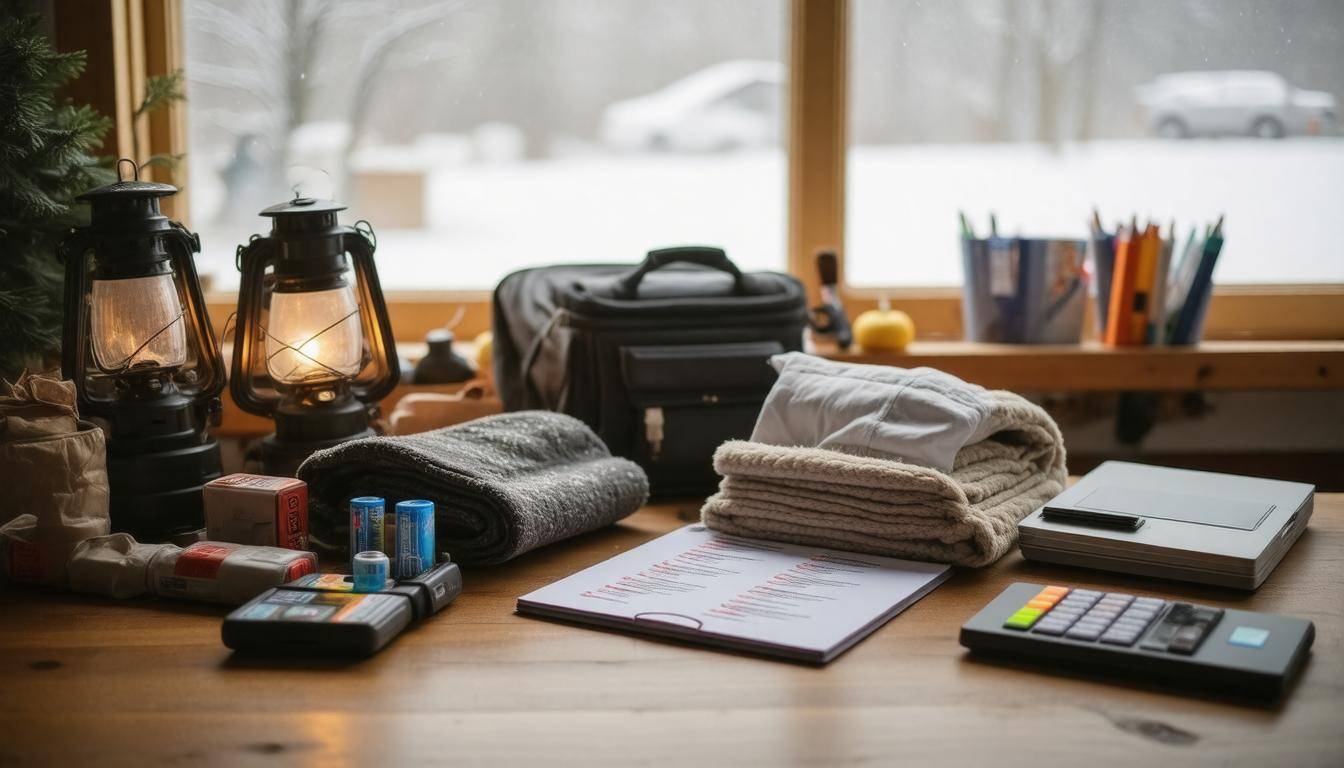
The heart of effective storm preparedness lies in having a checklist tailored to your household’s unique needs. By organizing essential preparations, you can greatly reduce the risk of overlooking critical items when the temperature drops and the winds howl. As winter quickly approaches, keeping everything organized ensures that each member of your household is safe and comfortable.
Steps to Create Your Checklist
To get started, consider these essential steps that ensure you’re covering all the bases effectively:
-
Identify Needs: Begin by evaluating what your household will require in terms of food, medications, water, and other daily necessities. Think about the specifics: Do you have any family members with dietary restrictions or require specific medications? This ensures that nothing essential slips through the cracks.
-
Categorize Items: It’s useful to group your supplies into clear categories such as food, shelter, health, and safety gear. For instance, under food, include non-perishable items like canned goods and dried fruits. Under health, include important documents and prescriptions—things that can be easily overlooked.
-
Prioritize: Once you’ve categorized your items, rank them based on importance. Start with the basics: food and water should come first, followed by medical supplies and tools for safety such as flashlights or batteries. Prioritizing helps you focus on what’s vital in case time runs short.
-
Review and Update: A checklist isn’t a static document; it evolves with your needs. Regularly review this list at least once a month to include any new requirements or remove items you no longer need. This iterative process allows flexibility in your preparations.
Having a rich inventory means being prepared for scenarios you hadn’t initially forecasted. For example, if you’re anticipating heavy snowfall, think about snow removal tools or unique dietary foods that may help sustain your family during an emergency.
Knowing where to find local resources can significantly assist in filling any gaps in your checklist while ensuring that you’re well-equipped before the storm hits. Taking thoughtful steps to create a personalized checklist fosters an environment of security and readiness for whatever may come your way.
As we transition from personal preparedness to accessing necessary support systems, let’s explore the various resources available within the community that can enhance your readiness during winter storms.
Local Resources in Palmerston North
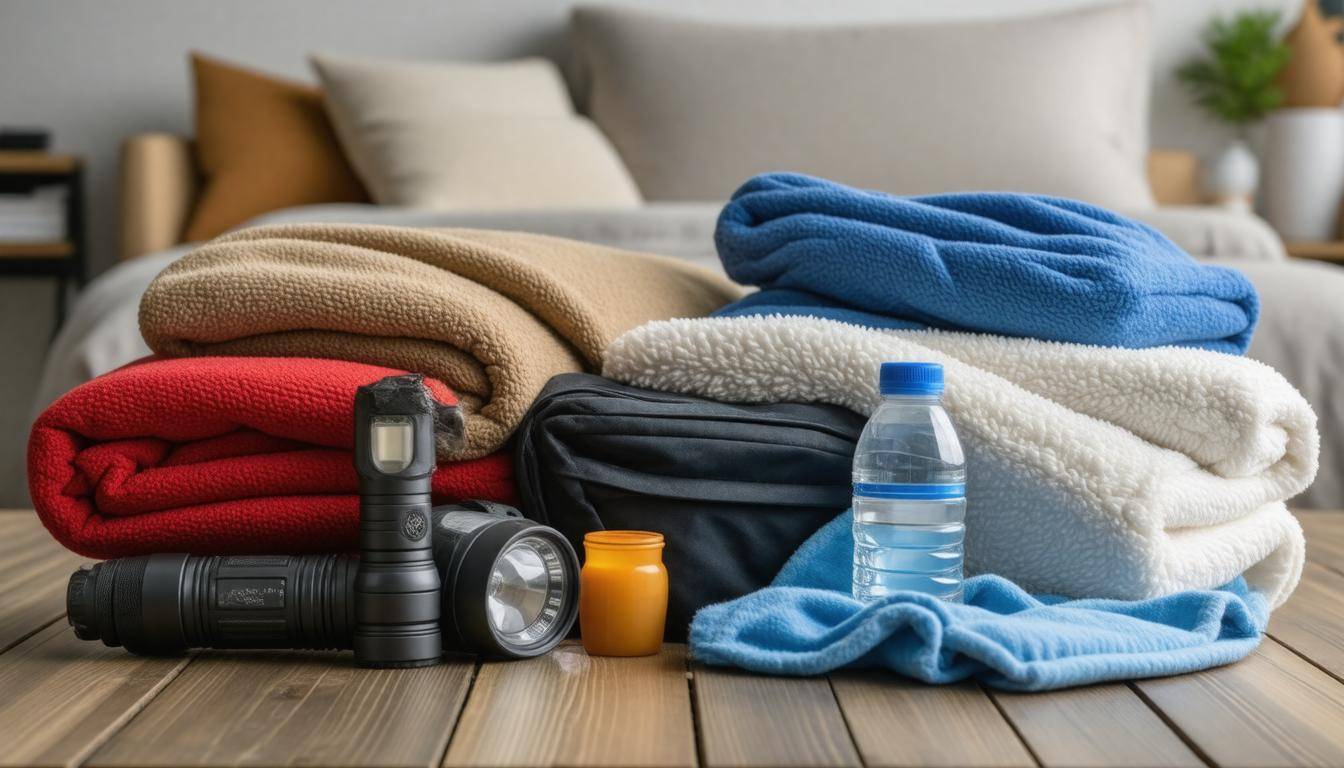
In Palmerston North, knowing where to access help can make a significant difference during winter emergencies. The Palmerston North City Council plays an essential role, particularly during severe weather. They establish community hubs that serve as warming stations and provide life-saving resources such as food supplies and blankets for those in need. These community centers act as safe havens, allowing residents to escape from the cold while accessing food and comfort.
Data shows that during harsh winter storms, the local council has been quick to open these community hubs, ensuring vulnerable populations receive timely assistance. Furthermore, they collaborate with local volunteers and organizations to enhance the scope of services offered during such times.
It’s wise to familiarize yourself with your nearest emergency contacts, including fire stations and hospitals. Many people overlook checking the locations of reputable shelters in their area. By utilizing smartphone apps or visiting websites dedicated to emergency management in Palmerston North, you can easily locate this information and keep it handy when you need it most.
“During last winter’s storm, I was amazed at how helpful my local community center was,” says Alice T., a resident who found herself without power for three days. “They provided warm meals and even offered games for the kids to keep spirits high.”
Knowing who you can rely on locally not only enhances your safety but also fosters a sense of communal spirit, especially during challenging times like winter storms. This interconnectedness can offer emotional support alongside logistics, truly embodying the idea that “together we are stronger.”
By being aware of local resources and taking steps to connect with them before emergencies arise, you reinforce your preparedness for any winter storm scenario.