
When it comes to our furry friends, their safety in emergencies is just as important as our own. As natural disasters and unforeseen circumstances can strike at any moment, knowing where to turn for help can make a huge difference. This directory of pet emergency shelters exists to guide you to the resources you might need during such trying times. Think of it as your go-to map for ensuring that your beloved companions have a safe haven when disaster looms—so you both can stay calm amidst the chaos. With valuable information about locations, services, and contacts, you’re not just reacting; you’re taking proactive steps to protect those who depend on you the most.
The Pet Emergency Shelters: Regional Directory provides a comprehensive list of animal shelters and resources available across various regions, ensuring that pet owners can quickly locate safe havens during emergencies. It includes contact information, operational hours, and services offered by each shelter to assist pet owners in need of urgent support.

Pet Emergency Shelters in the Region
Each region has a network of pet emergency shelters that can make all the difference when disaster strikes. These shelters, often coordinated by local governments and animal welfare groups, serve as safe havens for pets displaced by emergencies. Just like people, animals require special care and protection during crises—be it a natural disaster or an evacuation scenario. Knowing where these shelters are located and what they offer helps ensure the safety of your four-legged family members.
In many regions, organizations like the Humane Society or ASPCA play pivotal roles by collaborating with local authorities to provide resources for sheltering pets in emergencies. Their efforts go beyond just offering temporary refuge; they also provide support services such as medical care and food for the animals they house. For example, when wildfires rage in California, you can count on the Bay Area Pet Emergency Shelter Network (BayPESN) to step in, accommodating over 300 pets while working with local veterinarians to oversee their medical needs.
Similarly, communities in Florida benefit from Miami-Dade Animal Services, where they have set up pet-friendly hurricane shelters. These facilities can temporarily house up to 500 animals, providing peace of mind for owners who must evacuate and cannot leave their pets behind. By providing this essential service, these shelters help maintain the bond between humans and their furry companions during crises.
Remember: The availability of these shelters is crucial not only for immediate safety but also for long-term recovery. Animals need stability after trauma, just as we do.
In Texas, the SPCA of Texas emphasizes preparedness by offering evacuation assistance during floods and tornadoes. Their proactive approach equips pet owners with resources and knowledge about shelter options well before an emergency arises, fostering a sense of community readiness. They enable pet owners to plan ahead, defining routes to these shelters and ensuring animals are cared for when it matters most.
Now that we understand the importance of these vital resources, let’s explore the methods available for reaching out to local facilities during an emergency.
Accessing Local Shelters
To successfully access an emergency shelter for your pet, it’s important to be proactive and prepared. Navigating through panic can be overwhelming, so having a plan in place is invaluable.
First, remember that pre-registering your pet can save you critical time when every second counts. Many shelters require proof of registration during peak seasons or disasters, such as hurricane evacuations. Don’t wait until the last minute; take care of this detail well in advance.
Next, understanding evacuation routes is essential. Familiarize yourself with the best ways to reach the nearest shelter before an emergency arises. Often, local government websites provide maps and guidance that detail these routes. Knowing where to go can not only save time but also help avoid potentially blocked or dangerous areas during an actual crisis.
Keep documentation ready, too! It’s important to have your pet’s medical records, vaccination information, and identification tags easily accessible. Those documents can be crucial at a shelter, as many facilities may request proof of vaccinations or other health information before admitting your pet. Consider keeping these records in a waterproof folder in your emergency kit.
In addition to documentation, don’t forget to check shelter policies before disaster strikes. Each shelter may have different admission criteria; some may require specific vaccinations or may only allow certain types of pets. Knowing the specific requirements beforehand will ensure you won’t face unexpected hurdles when arriving at the shelter.
With these strategies in mind, you’re better equipped to navigate emergencies effectively while ensuring the safety and well-being of your pet. Now let’s explore the various types of assistance you’ll find at these vital facilities.
Services Provided by Shelters
Shelters are lifelines during emergencies, offering a range of essential services designed to comfort both pets and their owners. For example, basic veterinary care is often the first step when you arrive at a shelter. This includes initial health check-ups, basic treatments for minor ailments, and important vaccinations to ensure that all animals remain healthy and safe during their stay. It’s comforting to know that your furry friend will receive immediate attention if they need it.
In addition to health care, shelters also provide temporary housing in secure cages or kennels, which offer a safe haven while you explore longer-term options. This gives pet owners peace of mind knowing their beloved companions are in a protected environment while the surrounding chaos unfolds.
Provision of supplies, such as food, water, bedding, and grooming tools, is another critical aspect of shelter services. The goal here is simple: ensuring pets’ basic needs are met so they can remain comfortable and healthy until more permanent arrangements can be made. Having access to clean water and nutritious meals helps alleviate additional stress for both pets and owners in difficult times.
But that’s not all; shelters often offer behavioral support services as well. Animals affected by stressors related to an emergency—like being displaced—can display behavioral issues like anxiety or aggression. Qualified professionals at shelters can help with strategies to address these challenges, making potential reunions or adoptions smoother later on.
One particularly important service is microchipping. This process provides permanent identification for pets right when it matters most. In chaotic situations, microchips can significantly increase the chances of reuniting lost pets with their owners, serving as a safety net should anyone become separated.
Familiarizing yourself with these services can empower you to make informed decisions during emergencies, enabling efficient and effective responses that prioritize your pet’s health and well-being.
Armed with this knowledge about available support during emergencies, you’re now ready to consider proactive steps that can enhance your preparedness when every second counts.
Preparing for a Pet Emergency
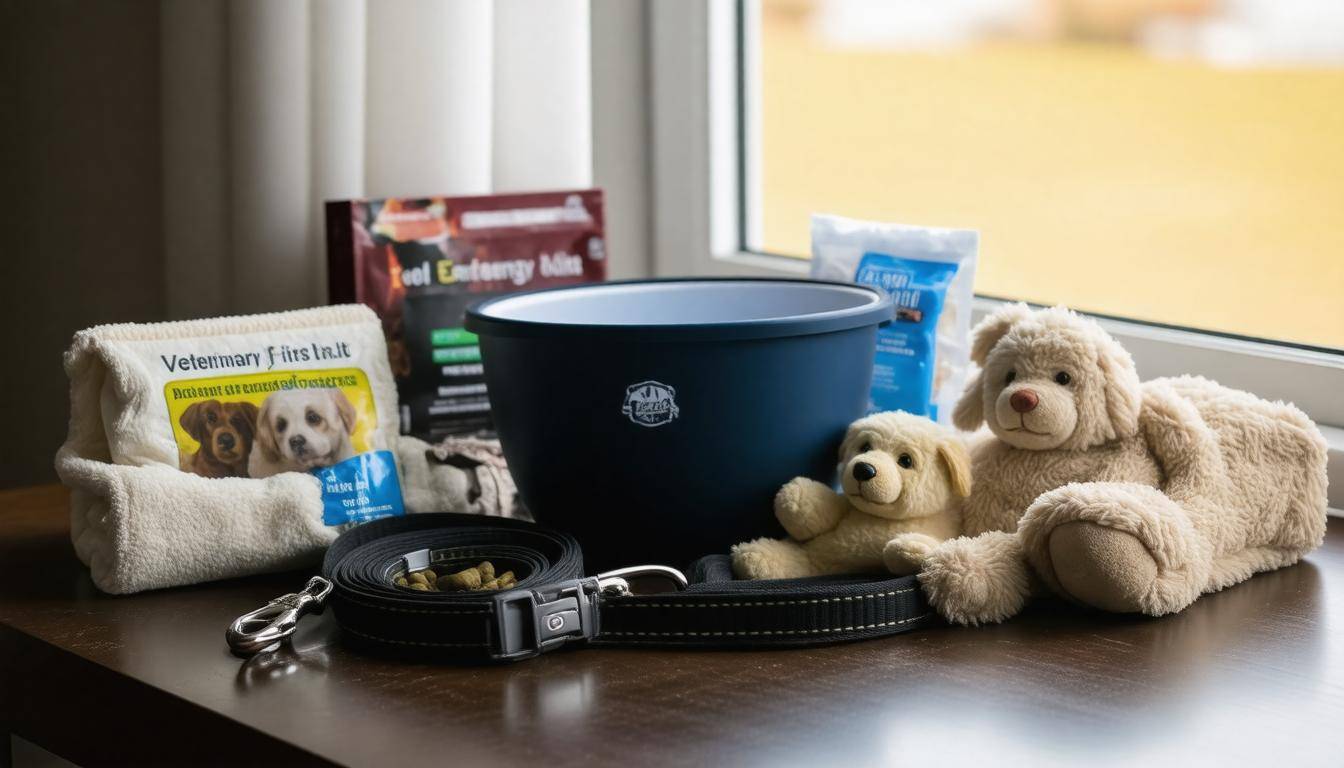
Preparation for a pet emergency extends beyond just gathering basic supplies into forming a comprehensive strategy that considers your unique circumstances. Think of it as creating a safety net. This means setting aside time not only to assemble an emergency kit but also to ensure that you’re mentally prepared for various scenarios. It’s about more than just keeping your pet safe; it’s about peace of mind.
A well-thought-out emergency pet kit can significantly ease the burden during unexpected situations. Start by housing your essentials in a durable, waterproof container that can be easily grabbed in case of an evacuation. Beyond food and water, consider including a copy of your pet’s medical records to have at hand any time you need them. It’s invaluable information if you need to visit a new vet on short notice or if your pet requires medication.
In structuring your kit, think of What would my pet need immediately? and break it down into categories: Food, Health, and Safety.
It’s important to keep in mind that emergencies can happen at any time. Cats may require special needs such as litter and a small litter box, while dogs might need their favorite toys for comfort during stressful moments. Including familiar items can help your pet adjust better during chaos and unfamiliarity.
Moreover, regularly updating and reviewing your emergency kit ensures that all items are current and ready to use. Make it part of your routine—review the contents every six months to check expiration dates on food and medications. This continual attention keeps you ready for immediate action when needed.
Finally, consider having a plan in place for where you would go if you need to evacuate with your pet. Research local pet-friendly hotels or shelters in advance so you know your options. Just like building an escape route for yourself during drills, planning where you’ll take your furry companion reinforces both your preparedness and their security.
By creating strategies, assembling kits, and remaining actively vigilant, you’re not only safeguarding your beloved pets but also enhancing your ability to face any challenges head-on with confidence and calmness.
With a solid understanding of preparation behind us, let’s explore what crucial items you’ll need to gather should an emergency arise.
Important Items to Bring

Always have a go-bag with specific items for your pet, creating a safety net during emergencies. This bag should serve as their personal kit, filled with everything they might need. Packing thoughtfully means being ready for unexpected situations, ensuring your furry friend stays comfortable and safe.
For starters, consider including food and water—you should have at least a week’s supply on hand. Regular food may not be readily available in shelters or emergency locations, so having enough of their familiar diet will help avoid digestive issues and maintain nutritional balance.
Medications
Next, think about medications. If your pet requires routine medications, include a sufficient quantity for at least a week along with any relevant medical records that detail dosages and treatments. This can prove invaluable if veterinary care becomes necessary during a chaotic time.
Identification is non-negotiable; pets can easily become disoriented in crises. Ensure they wear a collar with ID tags that display your up-to-date contact information and consider having their microchip number documented as well. This additional identification will increase the chances of reuniting with your pet should you get separated.
Think of these items as your pet’s survival kit, which will help maintain their comfort and health during stressful situations. Including comfort items such as their favorite toys or blankets can provide much-needed reassurance in unfamiliar surroundings. The smell of home is soothing; it helps alleviate anxiety and discomfort when change suddenly disrupts their routine.
Don’t forget practical considerations either: bring cleaning supplies like waste bags, paper towels, and non-toxic disinfectants. It’s likely you’ll need to clean up accidental messes in tight quarters, and maintaining cleanliness can prevent further stress for both you and your pet.
By preparing this specialized go-bag, you’re not just packing items but also providing emotional security for your pet while navigating through difficult circumstances. These preparations serve to communicate proactive measures towards keeping them safe, setting a positive tone amidst potential chaos.
As you gather all these important items, consider also exploring various strategies that can enhance safety for you and your companions during unexpected events.
Alternative Safety Options
In times of crisis, having a plan that stretches beyond the typical emergency shelters becomes imperative. For instance, boarding facilities can provide a safe haven for pets when local shelters are overwhelmed or unsafe. Many pet boarding services are equipped with trained staff and proper resources to care for your furry friend, easing your worries while you’re away. It’s a good idea to research and build relationships with nearby facilities ahead of time so you know where to go in an emergency.
Sometimes, relying on family or friends can also be a lifesaver. Imagine needing to evacuate but knowing you can turn to a trusted neighbor or relative; their home becomes not just a safe space but also familiar territory for your pet. Keeping open communication with loved ones about your needs can set a supportive network in place.
Another great option is portable pet carriers, which serve multiple purposes. They not only allow for easy transportation but also provide a secure space that pets can feel comfortable in when stress levels rise. Ensure that you have one ready and familiar to your pet, so it’s a welcomed refuge rather than a foreign container. Keeping treats and comforting items inside can further ease the transition during chaotic circumstances, turning the carrier into a cozy sanctuary.
Additional Safety Measures
Many people overlook pet-friendly hotels, yet they’re crucial resources during emergencies. Some hotels are willing to accommodate pets on short notice, particularly if you call ahead to confirm their policy. It’s wise to create a list of these hotels in your area, complete with contact numbers, as knowing which places will accept pets can save precious time during an evacuation. If you’re prepared, you’ll be less stressed about scrambling for last-minute arrangements.
Lastly, leveraging community networks proves beneficial during crises. Consider joining local pet owner groups on social media platforms where members offer support and share resources. These connections can often lead to finding additional temporary homes for pets or establishing communal care arrangements. This element of community fosters collaboration among pet owners, which can be incredibly uplifting and resourceful in tough times.
By ensuring you have multiple options available, you empower yourself against any situation that may arise. This kind of preparedness makes all the difference when every second counts.
As we consider our safety readiness, it’s essential to look at how we can effectively reach out for help when necessary; this step reinforces our overall strategy during emergencies.
Emergency Contact Information
It’s important to have a list of emergency contacts relevant to pet care readily available in your home or on your phone. This simple step can mean the difference between getting timely help or feeling frantic during a stressful moment. You never know when an emergency might crop up, whether it’s a natural disaster, an accident involving your pet, or sudden health issues. Staying organized with vital information is a proactive approach that can save time and stress.
When assembling your contact list, consider including Local Animal Control for immediate support regarding lost or injured pets. They’re often trained to handle emergencies involving animals and can guide you through the process.
Additionally, make sure to include the numbers of Veterinary Clinics, especially those available 24/7, because health-related emergencies don’t always stick to business hours. Accessing a veterinary hotline provides peace of mind knowing there’s expert advice just a call away.
Sample Contact List
| Agency | Phone Number |
|---|---|
| Local Animal Control | 555-123-4567 |
| 24-Hour Vet Clinic | 555-987-6543 |
| Shelter Hotline | 555-246-1357 |
| Humane Society | 555-864-7531 |
| Poison Control Center | 800-222-1222 |
| Animal Emergency Services | 866-123-4567 |
Keep this information updated by checking it every few months. There’s nothing worse than dialing a number only to find out it’s no longer in service. Storing an electronic copy of this crucial information on your smartphone or even in a notes app makes it easily accessible in times of crisis.
Remember, preparation is key in any emergency situation, and having contact information readily accessible will empower you to act quickly—ensuring your furry friend gets the care they need without delay.
Being prepared can truly make a significant difference in ensuring your pet’s safety and well-being during emergencies. Stay informed and act swiftly!