
When planning a trip to Phuket, it’s easy to get lost in the allure of its stunning beaches and vibrant nightlife. However, nestled beneath that paradise lies the reality of natural disasters, particularly tsunamis that can occur without much warning. This guide serves to remind us that while enjoying this beautiful island, we must also prepare for the unexpected. Having a tsunami preparedness checklist isn’t just smart; it can be life-saving. From knowing your evacuation routes to packing the right supplies, being informed can turn a potentially scary situation into a managed response. So let’s dive into the essentials you need to ensure your safety while soaking up all that Phuket has to offer.
A Phuket Tsunami Preparation Checklist should include the following essentials: familiarize yourself with local evacuation routes and high ground locations, keep emergency supplies like water, non-perishable food, first aid kits, and communication devices handy, and ensure your accommodation is situated on elevated ground if possible. Additionally, stay informed about local safety protocols and heed any tsunami warning alerts issued by authorities.
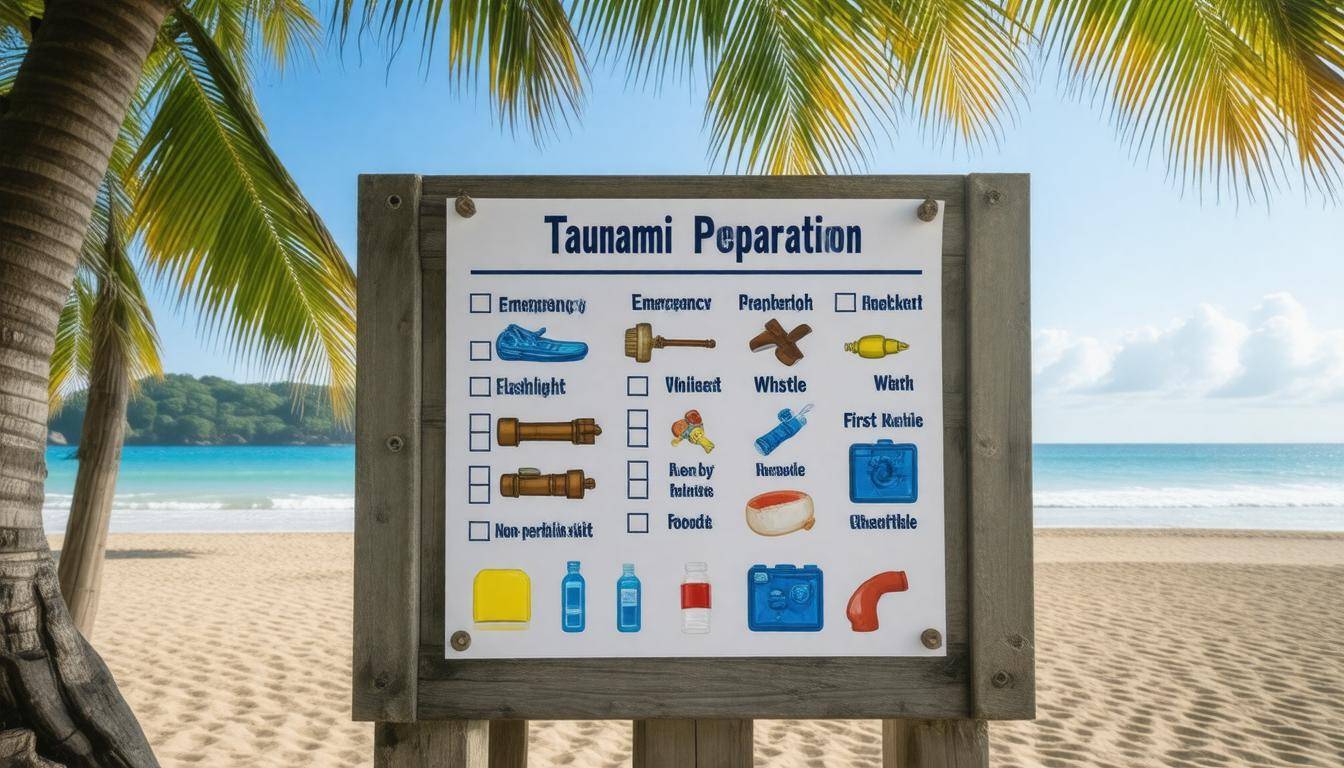
Overview of Tsunami Preparedness in Phuket
Tsunami preparedness in Phuket is not just an abstract concept; it’s a way of life for residents and travelers alike. The aftermath of the tragic 2004 Indian Ocean tsunami has reinforced the importance of being prepared, leading to significant advancements in safety measures across the island.
One key improvement lies in the enhanced warning systems that now include a network of about 30 buoy stations strategically placed throughout the Andaman Sea, monitored by the Thai Meteorological Department. These buoys can detect seismic activities and provide timely alerts, ensuring that when every second counts, there’s a higher chance for safe evacuation.
The local government and community organizations have also rolled out public awareness campaigns. Remarkably, over 70% of both residents and tourists in Phuket have participated in tsunami preparedness drills since 2010. These drills have familiarized many with the escape routes and safety protocols necessary during an emergency. Observing these events often sparks curiosity, as I have seen visitors engage with locals, asking questions about how best to react in case of a tsunami, signifying a collective responsibility towards safety.
Clear evacuation pathways are not just theoretical; they are visibly marked around coastal areas like Patong and Kata, where signs lead directly to high-ground zones situated at least 30 meters above sea level. This visual guidance proves invaluable during actual emergencies when clarity can mean the difference between safety and panic.
Staying informed while enjoying the beautiful beaches is vital for anyone visiting Phuket. Travelers should take time upon arrival to locate their nearest evacuation routes. For example, areas near Koh Phi Phi are known for their clear signage directing individuals toward safety. In my experience, this knowledge breeds confidence—knowing where to go when under duress alleviates some natural fear associated with such events.
As tourists venture toward accommodations along the coast, opting for places on elevated ground is an added layer of security worth considering. A memorable trip I once took involved choosing a hotel nestled on a hill overlooking the bay. Not only did I enjoy spectacular views but found peace of mind knowing I had that extra precaution.
Additionally, it’s prudent to prepare emergency supplies regardless of location since you never know when unforeseen events might occur. Essentials such as water, non-perishable food items, medical kits, and communication devices may seem trivial until you find yourself in need. Having these supplies readily available can significantly improve comfort levels and enhance safety during uncertain situations.
While no one wants to dwell on the possibility of natural disasters while planning a getaway, it’s important that understanding how well-equipped Phuket is for emergencies translates into practical steps for everyone’s safety. Integrating these actions into your travel plans ensures peace of mind while exploring this stunning region.
To build upon this foundation of preparedness, let’s turn our attention to ways families can further bolster their safety through proactive planning.
Developing a Family Emergency Plan
Ensuring that every family member knows what to do in the event of a tsunami can save lives. When creating your plan, consider including key components that foster preparedness and confidence in each individual. Think of it like crafting a roadmap – one that will guide your family safely to higher ground when the need arises.
Key Components of a Family Emergency Plan
First and foremost, establish family meeting points. Designate safe spots at higher elevations or local evacuation centers where everyone can gather if separated during an emergency. Clarity is key here—develop a straightforward plan that every family member understands. For instance, rather than simply saying “meet at the park,” indicate which specific part of the park is a safe haven and ensure that everyone knows how to get there from your home or any other common location.
With meeting points established, it’s important to address how family members will communicate.
Next, communication protocols are vital. In a chaotic situation, the ability to reach one another could be the difference between safety and panic. Ensure everyone knows how to use their phones effectively—not just for calls but also for texts or even social media messaging as backups if voice lines fail. Designate one person as the primary contact for the family, ensuring that all members maintain an updated list of important phone numbers, including local authorities and emergency services.
As you solidify communication, practicing your responses is equally crucial.
Another key aspect revolves around practice drills. Just like fire drills in schools, regular tsunami drills can instill confidence and familiarity among your family members. Set aside time every few months to walk through your plan together—practice gathering at your designated meeting points and review how everyone will communicate during this scenario. By doing this repeatedly, each member becomes comfortable with their role and knows exactly what to do under pressure.
The Smith family from California serves as an excellent example of proactive planning when they visit Phuket. They put together a simple step-by-step guide for their children, detailing everything from checking in with adults to locating the nearest high ground.
Establishing a robust emergency plan sets a solid foundation; however, the next stage involves determining how to navigate escape routes efficiently during an actual emergency.
Identifying Evacuation Routes

Evacuation routes play a crucial role when it comes to ensuring that you can leave danger zones quickly and safely, especially in coastal areas like Phuket where tsunamis are a possibility. Upon arrival, it’s wise to take note of the established evacuation routes marked throughout the island. These pathways have been strategically planned by local authorities in high-risk areas to facilitate quick egress to safe zones.
Familiarizing yourself with these routes is more than just a good idea—it could save your life. When you settle into your accommodation, take a moment to identify the nearest evacuation route from where you’re staying as well as from locations you frequently visit like beaches or restaurants. This preparation creates a mental map in case of emergency, allowing you to act swiftly when every second counts.
Map Your Routes
I always recommend downloading a reliable digital map that highlights evacuation routes. Many local travel apps or official tourism websites provide this information, so it’s worth checking before your trip. If technology fails during an emergency—a potential reality—having a physical map on hand is invaluable. Keep one tucked away in your room and another in your emergency kit, ensuring you’re always prepared. It’s about being proactive rather than reactive, and preparing visually reinforces what you’ve already learned.
Observation shows that major roads such as Thepkasattri Road lead inland and are often utilized during emergencies; knowing these key streets can guide your path away from the coast swiftly.
As you familiarize yourself with your surroundings, look for evacuation signage which indicates the direction and distance to safe zones—commonly marked every 500 meters along coastal areas. These signs serve as reminders of where to go and reinforce the escape routes established by local governments.
While understanding these routes is essential for safety, having a solid plan for communication during an emergency can greatly enhance your chances of staying connected amidst chaos.
Designing an Emergency Communication Plan
The reality of emergencies, like a tsunami, is that they often arrive unexpectedly. During such moments, communication breakdowns can amplify confusion and panic among loved ones. Therefore, developing a solid communication plan not only keeps everyone informed but can also help ensure safety in the face of adversity.
To start with, gather a comprehensive list of critical contacts that includes family members, trusted friends, neighbors, and essential local authorities. This list should be easily accessible and shared among all family members to avoid any delays during a crisis.
Think about setting up methods that are both practical and reliable. In today’s digital age, we have various options at our disposal. Establishing primary and secondary communication methods is key; for example, if mobile networks become overwhelmed or go down entirely during an emergency, you need alternatives.
Consider utilizing social media platforms or even satellite phones, which can operate independently from traditional networks. By creating a family group chat through apps like WhatsApp—which functions with minimal data—you can share real-time updates with ease.
Certain families have shared experiences using these tools during trips to areas prone to natural disasters. Take the Willis family from Connecticut; they found Zello, a walkie-talkie-style app, particularly beneficial on their vacation in Phuket. The app allowed them to stay connected effortlessly while navigating the island’s enchanting scenery.
Having a designated meeting place—preferably one that is at least 100 feet above sea level—adds another layer of reassurance. It serves as a focal point for families where everyone can regroup after an evacuation or emergency.
Now, let’s not forget the importance of practicing this plan regularly. Schedule drills so that every family member understands their roles and responsibilities during an emergency. Go through your list together and rehearse various communication strategies to ensure everyone feels confident in recalling critical contacts when needed.
As part of your preparation, consider writing down your main points of contact clearly and distributing them amongst family members. An organized approach will significantly reduce stress when timing matters the most.
With your communication strategy firmly established, it’s time to ensure that you’re equipped with all necessary supplies for effective preparedness in case of emergencies.
Assembling a Tsunami Preparedness Kit
The assembly of a tsunami preparedness kit might seem daunting at first, but it’s essential for ensuring safety in the event of an emergency. Here’s how to put together a comprehensive kit that will provide peace of mind, especially when you’re enjoying your time in beautiful Phuket or Krabi. Each item bears significance for your survival and comfort.
Start by focusing on water—arguably the most critical component of any emergency kit. You should plan for at least one gallon of water per person per day. If you have family members traveling with you, calculate accordingly to ensure everyone remains hydrated over a span of three days. Your body cannot function properly without it, especially during stressful situations. Consider storing water in durable, easily transportable containers to facilitate movement if evacuation becomes necessary.
Recommended Items for Your Kit
| Item | Quantity | Purpose |
|---|---|---|
| Water | 1 gallon per person/day | Hydration |
| Non-perishable food | 3-day supply | Nutrition |
| First aid kit | 1 | Medical emergencies |
| Flashlight | 1 | Visibility in the dark |
| Batteries | 4 | Power for flashlight and radios |
| Whistle | 1 | Signal for help |
| Local Maps | 1 | Navigation and evacuation routes |
| Portable charger | 1 | Keep devices operational |
Following hydration, consider food supplies; non-perishable items are best since they require no cooking and have a long shelf life. Stock up on canned goods, protein bars, or dried fruits that provide essential energy during trying times. For those who may have special dietary needs, carefully choose food items that cater to these requirements so no one feels unwell or deprived.
The inclusion of a first aid kit cannot be overstated. Having one readily available promotes confidence when confronting minor injuries like cuts or scrapes. Ensure it contains bandages, antiseptic wipes, pain relievers, and any prescription medications required by your travel companions. Additionally, consider including dust masks to filter contaminated air during events when debris is present.
Remembering the importance of visibility, don’t overlook a quality flashlight. A reliable flashlight can guide you through dark spaces while providing a sense of security when the lights go out after a disaster strikes. Be sure to pack extra batteries too—running out of power can hinder navigation effectiveness.
As events unfold during an emergency, signaling for help may become crucial. Pack a whistle to alert rescuers to your location if assistance is needed. Its compact size makes it easy to carry around and simple to use; just a quick blow is all it takes.
Lastly, never underestimate the value of keeping local maps on hand. Relying solely on GPS might not be wise due to potential outages following a tsunami. Paper maps offer invaluable resources that provide clear evacuation routes and reliable navigation options amidst chaos.
Having this kit ready is crucial; knowing what supplies to carry will simplify your life during an emergency situation. With this knowledge in mind, let’s explore the critical items that can bolster your safety.
Essential Emergency Supplies
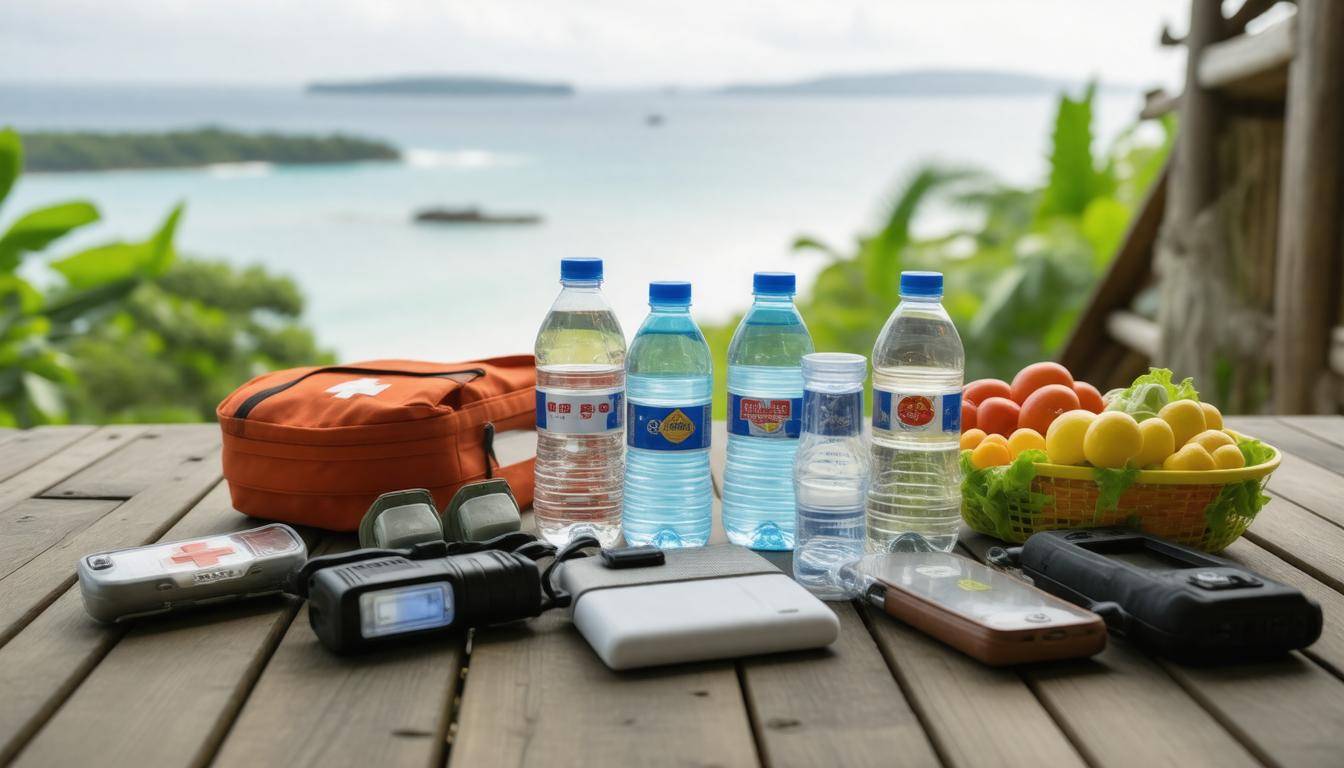
When it comes to tsunami preparedness, having the right emergency supplies can make all the difference between a safe experience and a chaotic one. It’s not just about stocking up on food and water; it’s about assembling a toolkit that will support you through unexpected events.
First and foremost, Personal Identification Documents are imperative. These include passports, driver’s licenses, and medical records. In any emergency situation, having proof of identity can facilitate quicker evacuations and access to services, enabling you to deal with post-event necessities without unnecessary delays. It might seem tedious to gather these documents beforehand, but they provide peace of mind when you’re on the go.
Next, a small cache of cash can be invaluable during emergencies. Picture this: after an event like a tsunami, ATMs may be down or inaccessible. In such moments, cash remains king—it allows you to buy essentials from vendors who may still be operating despite the disruption. Stashing away some smaller denominations is wise because larger bills often don’t work in urgent situations where transactions need to happen quickly.
Importance of Health and Sanitation Supplies
You also want to think about health and safety. Including cloth face masks in your preparedness kit can protect against various environmental hazards after a tsunami—think of all the debris stirred up by waves. When things get dusty, having a reusable mask can help filter the air you breathe and prevent discomfort. Emma from England made sure her family packed masks during their trip to Phuket after noticing how dusty some evacuation routes became. Her foresight provided both practicality and reassurance during their travels.
Beyond these immediate needs, consider adding items like flashlights, which become essential when the power goes out. Make sure every member of your party carries at least one flashlight with spare batteries—you’ll thank yourself later when navigating in darkness after the lights go out.
Preparing for the worst doesn’t have to mean expecting disaster at every turn; rather, it’s an opportunity to prioritize safety while traveling or living in coastal areas.
Building Your Kit for Enhanced Readiness
When putting together your tsunami emergency supplies, think beyond individual items; consider incorporating an emergency blanket per person for additional warmth if needed, or a multi-tool that can assist with various tasks during an emergency situation. A well-stocked first aid kit should also be included to ensure access to necessary bandages or medications—especially if traveling with children or those with specific health conditions.
Don’t forget to add local maps in your supply list! Being able to navigate effectively during an evacuation can save crucial time when every second counts.
Lastly, maintaining communication is vital: have a fully charged cell phone along with a backup charger handy within your kit. Staying connected can provide information on local updates or help you reach out for assistance if needed.
As you gather these essential supplies and remain aware of local protocols for safety, prioritizing readiness will empower you in any unanticipated circumstance.
With the groundwork laid for your preparedness, understanding how to stay updated on alerts becomes equally crucial for navigating potential risks.
Staying Informed About Tsunami Warnings
To effectively protect yourself from potential tsunami threats, it’s vital to stay up-to-date with reliable sources of information. Warning systems are established to keep populations informed, but understanding how they work and what actions to take can be life-saving. Local authorities utilize a variety of methods including warning sirens, specifically designed to alert individuals that an emergency may be on the horizon. Therefore, it’s key to familiarize yourself with these alerts and their corresponding responses.
Tsunami warnings generally come in three forms: warnings, watches, and advisories. Understanding these distinctions can make all the difference. A warning means a tsunami is imminent or occurring, while a watch indicates that a tsunami may happen, calling for heightened vigilance. An advisory might suggest there is no immediate threat but warns against hazardous conditions that could arise.
Mobile applications such as the National Disaster Warning Center (NDWC) app provide real-time notifications and updates regarding tsunami activity. By customizing the settings of these applications to deliver push notifications, you ensure that you’re kept in the loop no matter where you are. Many visitors have relied on such apps to avoid potentially dangerous situations, like Mike, who was able to evacuate his hotel just in time due to a notification he received on his phone.
Navigating the waters of tsunami preparedness can feel daunting, but leveraging technology can enhance your ability to remain safe and informed.
Beyond relying solely on technology, combining traditional sources of information with practical safety measures is essential for effective protection against tsunami threats in Phuket.
Practical Tips for Safety in Phuket
When you’re enjoying your holiday in beautiful Phuket, understanding how to respond effectively to a potential tsunami can help provide peace of mind. One essential tip is to stay away from the shore. The ocean may seem calm and inviting, yet if you feel the ground shaking beneath your feet—maybe even just the slightest tremor—make it your priority to move to higher ground immediately. Tsunamis are often preceded by an earthquake, and quick action can save lives.
Next, it’s crucial to head inland. Tsunami waves travel faster in deeper waters, but when they approach shore, they slow significantly. This characteristic gives you precious moments to make it to safer ground. Moving away from the beach can be your best defense strategy against the relentless power of nature.
Naturally, one question might arise: “What if I don’t hear any official warnings?” Trust your instincts. If you notice an unusual event—like the tide suddenly receding—don’t dismiss it. That change can be an ominous sign that a tsunami is on its way, and it’s vital not to wait for official alerts in those critical moments.
Moreover, listening to local recommendations can also be invaluable for both tourists and residents alike. Locals possess firsthand knowledge of their environment and can often provide vital information about safe areas and efficient evacuation routes. Engaging with them can lead to unique insights that further fortify your safety plans.
For example, Jane, a traveler from Australia, shared her experience where following local advice allowed her to navigate safely during a potential tsunami scare while vacationing in Phuket.
By adhering to these practical tips, you not only empower yourself but also increase your odds of staying safe when faced with the unpredictability of nature. As advancements in global awareness and preparedness efforts continue to develop locally; your knowledge about these situations vastly enhances your security and confidence when traveling along this breathtaking coastline.
This guide serves as an essential resource for anyone visiting Phuket, ensuring that you feel secure while enjoying all the beauty this destination has to offer.
How frequently should individuals review and update their tsunami preparedness plans?
Individuals should review and update their tsunami preparedness plans at least once a year, or more frequently if there are significant changes in local risk levels or personal circumstances, such as moving to a new area or major renovations. Regular updates ensure that the plan remains relevant and effective; according to the National Oceanic and Atmospheric Administration (NOAA), communities that engage in continuous preparedness exercises experience a 50% increase in their response effectiveness during actual disaster situations. Therefore, proactive reviews can significantly enhance safety and readiness.
Are there designated safe zones or shelters available in Phuket during a tsunami event?
Yes, Phuket has designated safe zones and shelters that are established for tsunami events. These areas are typically located on higher ground away from the coastline, ensuring safety during such emergencies. The local government has implemented these measures as part of their disaster management strategy, which gained momentum after the devastating tsunami in 2004. Regular drills and awareness programs have been conducted, with approximately 80% of residents being familiar with evacuation routes and shelter locations, significantly improving community preparedness.
What role do local authorities play in tsunami preparedness and response in Phuket?
Local authorities in Phuket play a crucial role in tsunami preparedness and response by implementing early warning systems, conducting regular drills, and educating the community about safety measures. They are responsible for developing evacuation plans and ensuring that infrastructure is resilient against tsunamis. For instance, Phuket has invested significantly in public awareness campaigns, reaching over 80% of residents with vital information on how to respond during a tsunami event, thereby enhancing community resilience and readiness for potential disasters.
How can one identify the safest evacuation routes in case of a tsunami in Phuket?
To identify the safest evacuation routes in case of a tsunami in Phuket, it’s crucial to consult local government resources, maps provided by disaster management authorities, and signage that indicates higher ground. Familiarize yourself with these routes in advance, ideally selecting pathways leading upwards and away from coastal areas, as studies show that most casualties occur when individuals fail to evacuate promptly. Additionally, having a designated meeting point can streamline your group’s movement towards safety. Stay informed through the local news for real-time updates during tsunamis, as conditions can change rapidly.
What specific items should be included in a tsunami emergency kit for Phuket residents?
A tsunami emergency kit for Phuket residents should include essential items such as a portable water supply (at least one gallon per person per day for three days), non-perishable food items, a flashlight with extra batteries, a first aid kit, important documents in a waterproof container, sturdy shoes, and a whistle to signal for help. Given that Phuket is situated in a region prone to tsunamis—evidenced by the devastating impact of the 2004 Indian Ocean tsunami—having these supplies readily available can be vital for survival in such emergencies. Additionally, considering that over 80% of tsunami casualties occur due to injuries and preventable deaths during evacuation, preparedness can significantly reduce risks.