
Reopening schools after a disaster can feel like navigating a maze—complex and sometimes overwhelming. As communities come together to heal, ensuring that students return to safe and supportive learning environments becomes a top priority. Each decision made during this critical time not only affects academic progress but also shapes the emotional wellbeing of both students and staff. It’s essential for schools to have clear plans in place, addressing everything from facility safety to the mental health needs of returning children. This guide will walk you through key protocols for reopening, focusing on risk assessment, communication strategies, and the importance of fostering a nurturing atmosphere conducive to learning amidst recovery.
After a disaster, schools must implement comprehensive safety protocols that include thorough cleaning and sanitization of facilities, routine health screenings for students and staff, and adherence to physical distancing measures. Additionally, mental health support services should be provided to assist students in processing their experiences related to the disaster.
Preparing for School Reopening
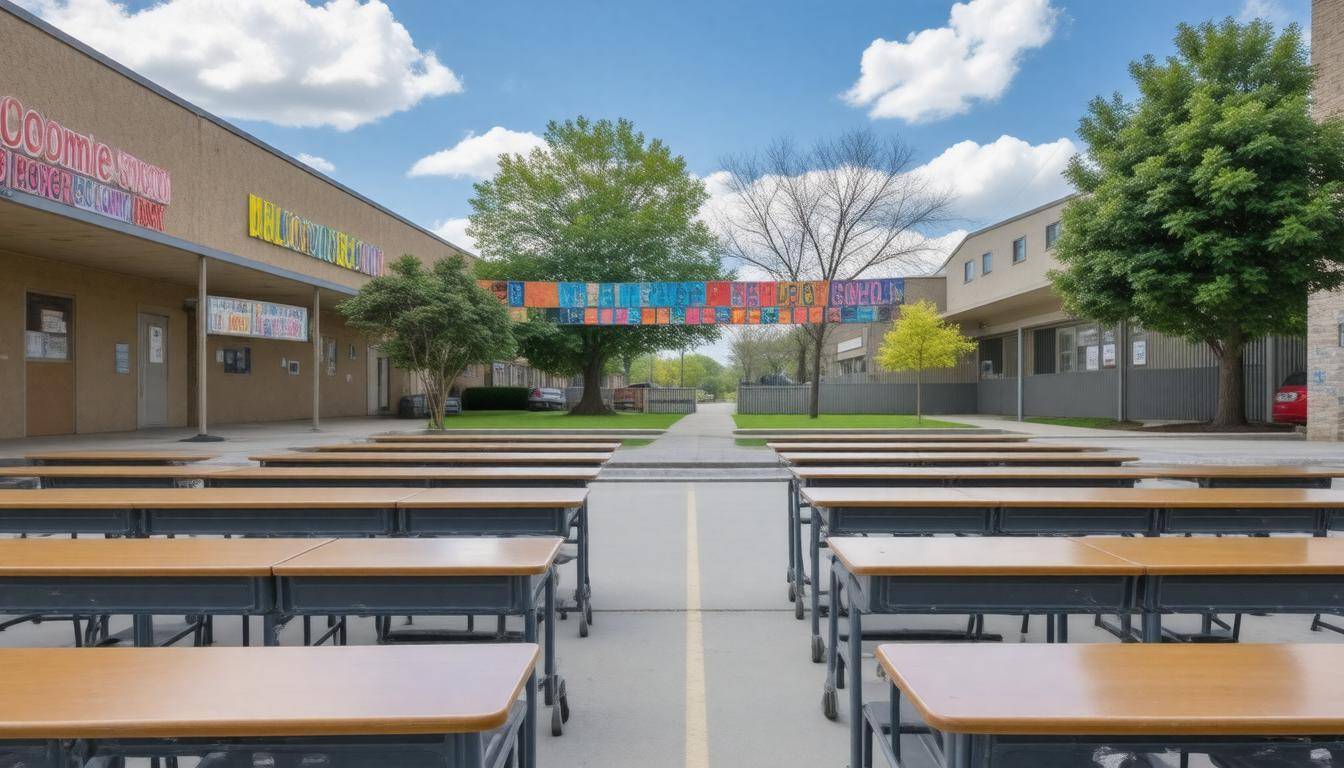
Preparing schools to reopen after a disaster isn’t just about getting back to normal; it’s about creating a safe haven for learning. From the moment the decision is made to return, local educational agencies (LEAs) must initiate a series of actions to assess potential risks thoroughly. Imagine stepping into a space where every corner has been evaluated for safety—no lingering smoke odors or visible damage. It’s all about crafting an environment where everyone feels secure and ready to learn.
Steps for Risk Assessment
-
Site Inspection: The first step is conducting a detailed site inspection. It’s crucial to engage professionals who can identify safety hazards, including structural issues from fire or water damage, electrical concerns, and any lingering contaminants from the disaster. This assessment uses various tools and techniques to evaluate not just the apparent problems but also hidden dangers.
-
Cleaning and Sanitization: Next comes cleaning and sanitization. This rigorous process focuses particularly on areas where soot and debris have accumulated. Utilizing HEPA-filtered vacuums helps trap fine particles that regular vacuums might miss, ensuring that even the smallest traces of contamination are removed.
-
Air Quality Checks: Maintaining good air quality is vital. This involves replacing or cleaning HVAC filters and possibly arranging for professional air quality assessments. Depending on the findings, additional measures may be necessary to ensure the indoor atmosphere is free from harmful contaminants.
By addressing these critical aspects of risk assessment, schools prepare themselves not only physically but also psychologically for the return of students and staff.
As we ground our reopening plans in solid preparation, it’s crucial to consider the emotional wellbeing of returning students as well. After trauma like wildfires, anxiety may linger in young minds. It’s important not just to check off tasks on a list but to create an inviting environment where students feel cared for and understood.
With safety protocols firmly established and emotional support at the forefront, the next step involves effectively sharing this vital information with all stakeholders involved in the school community.
Communication and Information Sharing
Clear and consistent communication is not just a formality; it’s essential in maintaining transparency and building trust within the school community. Without a well-structured communication plan, information can become muddled, leaving parents, students, and staff feeling anxious about the safety measures in place. Schools must prioritize sharing timely updates regarding the reopening process to ensure everyone feels secure upon their return.
To achieve this, utilizing multiple channels is key. Think of newsletters, social media platforms, school websites, and even parent-teacher association (PTA) meetings as vital tools for spreading the word. Regular updates about cleaning schedules, anticipated reopening dates, and detailed safety measures should be shared through these mediums. After all, when families know that health protocols are being prioritized, they are more likely to feel comfortable sending their children back to school.
Key Components of the Communication Plan
| Channel | Purpose | Frequency |
|---|---|---|
| School Website | Central hub for all updates and resources | Daily |
| Social Media | Quick updates and engagement | As needed |
| Newsletters | Detailed information and plans | Weekly |
| PTA Meetings | Direct interaction and feedback | Bi-weekly |
Each channel serves its unique purpose—while the school website acts as the central hub for comprehensive updates, social media might be used for rapid notifications or community engagements. By sending out newsletters weekly, schools can dive deeper into more complex subjects or changes in protocol that require more than just a quick post. PTA meetings further facilitate direct dialogue between school administrators and parents, allowing feedback to flow both ways.
This multi-pronged approach ensures that no one is left in the dark, fostering a sense of unity and collaboration among all stakeholders.
With effective communication established, attention now turns to implementing the critical safety protocols necessary to protect students and staff during the reopening process.
New Safety Protocols and Guidelines
The foundation of any effective safety protocol starts with the commitment to regular health screenings, ensuring that schools can identify potential health risks before they escalate. By employing routine temperature checks at entry points, schools can significantly reduce the spread of infectious diseases. This isn’t just about scanning temperatures; it’s about fostering a culture where health is a priority. Staff members must receive comprehensive training on how to handle personal protective equipment (PPE) properly—this prevents mishandling and promotes appropriate usage, ensuring an extra layer of safety for everyone involved.
Regular temperature checks act as the first line of defense, catching warning signs early before they can develop into larger health issues among students and staff.
Additional Safety Measures
Beyond health screenings, schools should consider implementing staggered schedules as another effective strategy. By carefully managing student attendance, schools can significantly lower density in classrooms and hallways. This not only facilitates physical distancing but also lessens the chances of overcrowding during transitions between classes—an often overlooked time when students are particularly vulnerable to close contact.
Moreover, creating outdoor learning spaces offers students an alternative that could prove beneficial in multiple ways. Fresh air plays a crucial role in minimizing airborne contaminants; thus, having open-air classrooms or outdoor learning environments enhances ventilation and freshens up the educational experience. Not only do these spaces provide a safer setting, but they also allow opportunities for creative teaching methods such as nature-based learning.
In fact, studies have shown that students perform better when educated in environments that prioritize both health and comfort, leading to improved focus and retention.
Plus, who wouldn’t want their math class held outside under a tree? Imagine multiplying numbers while hearing birds chirp—a clear win-win!
Compliance with government and local guidelines is essential for the successful implementation of these protocols. Schools should not only align with mandates but also strive to exceed them where possible, reinforcing their commitment to student and staff wellbeing. This overarching approach transforms schools from mere educational institutions into safe havens where genuine learning thrives amidst carefully considered safety measures.
By enacting these protocols robustly, schools can establish trusting relationships with parents and communities while providing transparency and reassurance during these challenging times.
Government and Local Guidelines
Reopening schools after a disaster is not merely a matter of unlocking doors; it’s about doing so with care, precision, and in strict adherence to established guidelines. Each educational institution must closely follow directives from government entities like the California Department of Education (CDE) and local health departments. These organizations provide vital support, ensuring that schools create safe environments conducive to learning.
For instance, according to the CDE, specific checklists exist that cover crucial aspects such as sanitation practices, social distancing measures, and emergency response protocols.
It’s essential for Local Education Agencies (LEAs) to regularly consult these guidelines—not just during initial planning but consistently throughout the year. Seeking technical assistance can significantly help tailor these broad policies into actionable plans fitting the unique needs of individual schools. Contacts at organizations like the CDE, such as Diane Waters, play a pivotal role in providing personalized advice based on local circumstances. They guide LEAs through processes like adapting food distribution programs under U.S. Department of Agriculture (USDA) recommendations, especially when ensuring access to nutritious meals becomes more complex post-disaster.
These targeted approaches to food distribution and nutrition ensure that students not only return to clean classrooms but also have access to adequate meals—key to their overall development.
In addition to food resources, schools must take proactive steps in managing other safety elements. This includes establishing health screenings for all students and staff prior to entering school premises. Implementing these measures helps reduce the risk of spreading illness within classroom walls, making everyone feel more secure during an already tumultuous time.
Another layer of necessity revolves around communication with families. Schools should embrace transparency by keeping parents informed about reopening plans and any associated changes they might need to know about. Regular updates can foster trust within the community and ensure consistent understanding among all parties involved as they navigate this transition together.
Hygiene practices are non-negotiable; providing hand sanitizers placed strategically throughout the school and adhering to routine cleaning schedules are fundamental components in this regard. Engaging with local health experts ensures that these hygiene measures align with current health guidelines and best practices post-disaster.
With a solid grounding in safety protocols and clear communication in place, the focus now shifts towards optimizing the environment in which learning occurs.
Classroom Environment Adjustments
Adjusting classroom environments involves reconfiguring spaces to enable physical distancing and ensuring they are conducive to learning. This process goes beyond mere rearrangement of furniture; it’s about creating an atmosphere where students feel secure while still engaging deeply with their education.
Imagine walking into a classroom after it has undergone an overhaul: individual desks sit six feet apart, promoting freedom of movement without crowding. Not only does this layout allow teachers to circulate more freely, but it also encourages students to focus on their studies without the anxiety that can come from feeling too close to others.
In addition to spacing, clear dividers can play a crucial role in maintaining safety, especially in settings like science labs or art rooms where group work might occur. These transparent barriers reassure both students and educators that they can interact safely while still enjoying collaborative projects.
To further enhance the learning experience, educational institutions are encouraged to leverage larger communal spaces, like gyms or auditoriums, as classrooms. This adjustment accommodates more students while adhering to distancing protocols and allows for greater flexibility in teaching methods. Imagine a teacher conducting a science class in a spacious auditorium, using multimedia resources that engage and inspire instead of confining learning within four walls. Enabling such creativity ensures that educational experiences remain dynamic regardless of the circumstances.
Beyond spatial considerations, special attention must be given to ventilation. Maintaining excellent air quality in classrooms is essential for minimizing airborne pathogens. Schools should aim for a minimum of 6 air changes per hour (ACH). Opening windows for natural airflow or utilizing HEPA filtration systems can significantly improve the environment, making it safer for everyone.
- Classroom Capacity Reduction: Limit classroom occupancy to 50% of normal capacity to ensure social distancing.
- Ventilation Standards: Establish standards for the number of air changes per hour in each room.
- Sanitation Frequency: Implement a schedule that includes regular cleaning and sanitization of high-touch surfaces multiple times throughout the day.
As we navigate these adjustments, it’s vital to maintain open lines of communication with parents and guardians; their feedback can inform any necessary refinements in our approach and ensure a supportive environment for every student returning to school. From here, we can explore how technology plays a key role in shaping effective learning experiences during these challenging times.
Virtual and Online Learning Options
Complementing physical classroom settings with virtual learning options is not just a trend; it’s a necessity. Many students face health concerns or personal circumstances that hinder their ability to attend school in person. Therefore, creating an adaptable learning environment ensures that no child is left behind.
Schools can harness platforms like Google Classroom or Microsoft Teams, which provide the flexibility of synchronous learning—where students attend live classes—and asynchronous learning, which allows them to engage with pre-recorded sessions at their convenience. This dual approach promotes continued participation regardless of physical presence.
However, the efficiency of these platforms hinges on one crucial element: ensuring all students have access to necessary devices and reliable internet connections. It’s like trying to bake a cake without having all the ingredients ready; the outcome just won’t measure up.
Administrators need to develop support structures that can help families obtain laptops or tablets, alongside affordable internet access. Exploring partnerships with tech companies or local governments could be pivotal here, as many organizations are looking to contribute positively to communities now more than ever.
It is vital to recognize that approximately 21% of children in the U.S. experienced challenges completing schoolwork due to a lack of technology during previous remote learning initiatives, according to the Pew Research Center. This statistic highlights the necessity of addressing the digital divide that exists in our education system today.
Consequently, bridging this gap cannot be an afterthought—it must be central to educational strategizing moving forward. Schools should not only integrate technology but also foster environments where students feel comfortable seeking assistance if they encounter technical difficulties while studying from home. Perhaps organizing dedicated tech-support hours could alleviate some anxiety students face when attempting online coursework alone.
Engaging Students Online
Engaging students in an online setting is another vital component of making virtual learning effective. Interactive elements, such as discussions, polls, and breakout groups, can simulate classroom dynamics even from a distance. Think about how much richer classroom conversations become when students bounce ideas off each other—this same interaction can occur through thoughtful design of online sessions.
Teachers can encourage participation by asking open-ended questions and incorporating multimedia content like videos or podcasts that can spark interest in subjects. The goal is to create an environment where students feel heard both online and offline.
Integrating virtual learning options presents unique opportunities for schools and their communities. It demands comprehensive planning so educators can offer equitable access while nurturing engagement among students who might otherwise struggle to connect with their peers and lessons.
Understanding these frameworks lays the groundwork for a more robust support system for those guiding our future scholars in their journey back to normalcy.
Supporting Teachers and Staff
Supporting educators is crucial during the reopening phase after a disaster. When calamities strike, the emotional toll on school staff can be overlooked. Regular training sessions not only help teachers adapt to new health protocols but also build their confidence in navigating these changes.
These sessions should cover everything from maintaining cleanliness and safety to instructing students effectively in varied environments, whether virtual or physical. The aim is to equip teachers with the tools they need to keep themselves and their students safe while also fostering a positive learning atmosphere.
As 75% of teachers report feeling stressed or overwhelmed after a disaster, it’s essential to provide them with accessible mental health resources.
Conducting workshops focusing on new teaching methods tailored for online or hybrid settings can greatly benefit staff. Instruction on the effective use of technology enhances teaching strategies and boosts educators’ confidence in integrating these tools into their lessons.
For instance, training on platforms that promote engagement—like interactive apps—can turn anxious classrooms into vibrant spaces of learning, making the shift less daunting for everyone involved.
Mental Health Support Services
In addition to academic training, it is imperative to establish comprehensive mental health support systems. Administrators should prioritize offering counseling services that resonate with the specific needs of their staff.
Having psychologists or trained counselors available can make a significant difference, providing teachers with a safe space to express their concerns and anxieties. Peer support groups can also be powerful; having colleagues share experiences fosters camaraderie and resilience among teams.
Studies show that 80% of school staff believe that peer support groups significantly improve their mental well-being. This underscores the necessity of creating formal structures where educators can connect personally and professionally, allowing them to process their shared challenges.
Regular communication from school administration regarding available resources is crucial for building confidence among staff as they navigate this new reality.
Finally, facilitating an open dialogue ensures that educators feel heard and valued. Keeping them informed about safety protocols, support resources such as counseling services, and updates on any changes makes for a collective experience rather than an isolated one.
When teachers feel secure and supported, they are more likely to create an environment where students feel safe to learn and thrive post-disaster.
Understanding the unique challenges faced by educators lays a strong foundation for developing strategies vital for lasting recovery and sustainability in education settings. By focusing on both immediate needs and future provisions, we can ensure a resilient educational environment moving forward.
Long-Term Reopening Strategies
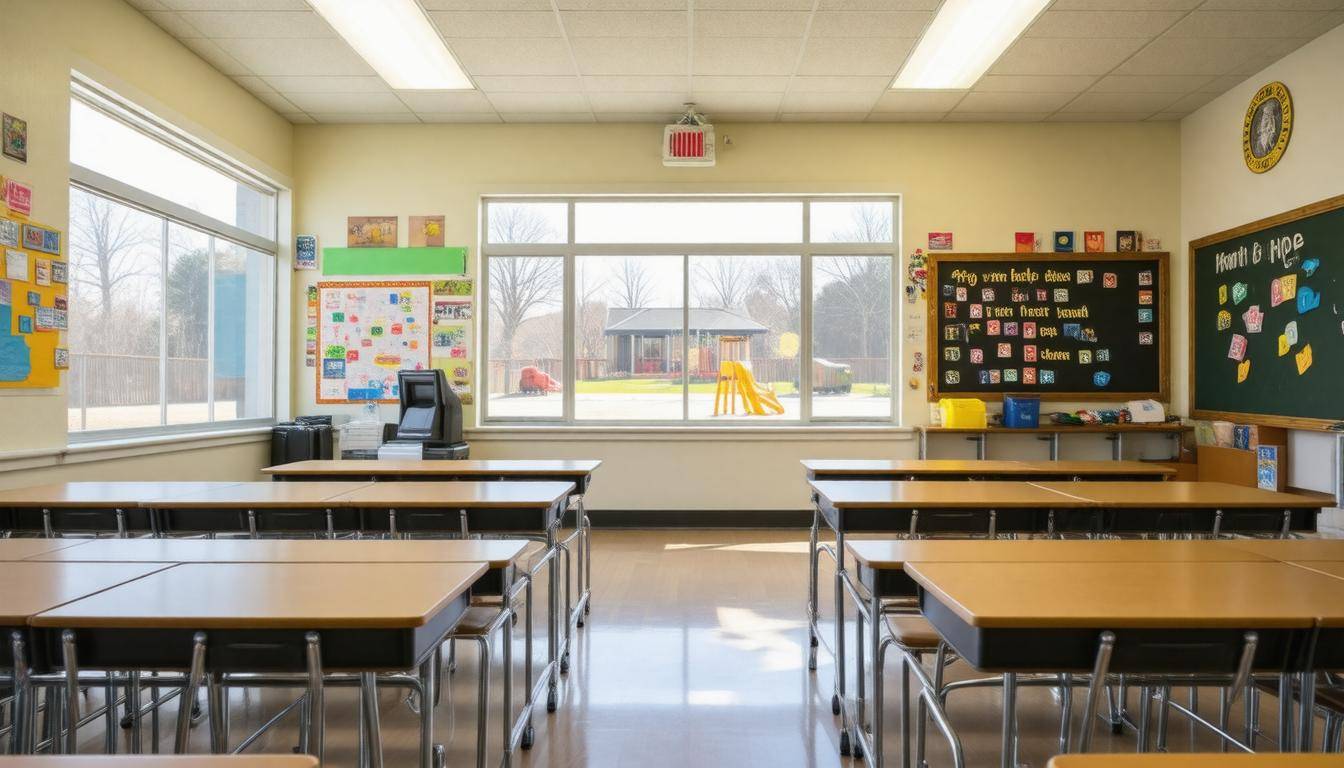
Developing long-term strategies ensures sustainable operations and resilience against future disruptions. Schools must recognize that successful recovery isn’t merely about reopening but evolving operational processes to be more robust against future challenges. This means investing time and resources into strategic planning that will help withstand potential disasters in the coming years.
Strategic Planning
One of the critical components in this journey is strategic planning. By investing in robust infrastructure—including upgraded buildings, reinforced facilities, and reliable technology—schools can create environments that not only support learning but can also endure future emergencies.
For instance, consider encasing critical utilities like electrical systems within flood-resistant structures or installing fire-resistant materials where necessary. This proactive thinking brings peace of mind to faculty, parents, and students alike.
Moreover, as important as physical infrastructure is, the human element should never be underestimated. Creating emergency response teams trained in disaster management is vital. These teams should include staff members who understand the unique challenges faced by schools, such as evacuation procedures and emergency communication methods. Ensuring that these teams exist—and are well-educated on their roles—streamlines responses during an actual event, minimizing confusion and maximizing safety.
Implementing community collaborations also plays a pivotal role in effective long-term strategies. Establishing strong relationships with local health departments, emergency services, and community organizations allows schools access to resources and expertise in times of need. Think of it as creating a safety net where support is always within reach; when everyone knows their role and has practiced it together through drills or training sessions, reactions to emergencies can be swift and coordinated.
Preparing for Future Challenges
Regular preparedness drills involving both staff and students instill confidence and familiarity with what actions to take if disaster strikes. These exercises simulate various scenarios—from natural disasters to health emergencies—ensuring that everyone knows their responsibilities. Schools can assess their effectiveness by gathering feedback after each drill for continuous improvement.
Here are some additional measures that can enhance preparedness:
-
Maintain Emergency Kits: Regularly check and restock emergency kits with essential supplies such as food, water, first aid items, and communication tools.
-
Communication Protocols: Establish clear lines of communication before crises arise. Leveraging technology such as automated text alerts can facilitate timely updates to ensure everyone knows what steps to take in an emergency situation.
-
Diverse Training Programs: Include procedural training along with mental health workshops to prepare staff and students for dealing with stress and uncertainty during crises.
By focusing on strategic planning, fostering community partnerships, and routinely practicing crisis preparedness, schools can create an enduring framework that supports ongoing educational excellence even amid unexpected hurdles.
In this continuously evolving landscape of safety protocols, proactive measures will ultimately shape a resilient educational environment for all involved.
What health protocols will be implemented upon reopening following a disaster?
Upon reopening following a disaster, schools will implement rigorous health protocols including mandatory mask-wearing, regular temperature checks, and enhanced sanitation measures. Research indicates that schools with strict hygiene practices saw a 50% reduction in the spread of illnesses among students during previous outbreaks. Furthermore, social distancing guidelines will be enforced, limiting classroom occupancy to ensure at least six feet between students. These measures aim to maintain a safe learning environment while prioritizing the well-being of both students and staff.
What factors determine when a school is ready to reopen after a disaster?
Several factors determine when a school is ready to reopen after a disaster, including safety assessments of the physical infrastructure, availability of resources such as clean water and electricity, health protocols to protect against disease transmission, and emotional readiness of students and staff. For instance, studies show that schools are more likely to successfully reopen within 6-12 weeks post-disaster if community support and mental health services are provided, emphasizing the importance of both physical safety and psychological preparedness in the reopening process.
Are there any resources available for families impacted by the disaster while schools are closed?
Yes, there are several resources available for families impacted by disasters during school closures. Organizations like the Red Cross and local community centers often provide emergency assistance, including food, shelter, and mental health support. Additionally, the Department of Education frequently updates its website with relevant links to aid programs specific to affected areas. For instance, studies show that access to these resources can significantly reduce stress and help families cope—data indicates that involved support services can decrease anxiety levels in children by up to 30%.
What specific steps are taken to assess the safety of school buildings after a disaster?
After a disaster, specific steps to assess the safety of school buildings typically include structural evaluations conducted by certified engineers, thorough inspections for hazardous materials such as asbestos or mold, and checks for utility functionality (water, gas, and electricity). Many districts utilize standardized protocols, often guided by FEMA recommendations, which suggest that over 70% of schools report problems requiring immediate remediation post-disaster. These assessments ensure that environments are safe for students and staff before reopening, ultimately prioritizing health and safety in educational settings.
How will communication be managed between schools and families regarding reopening updates?
Communication between schools and families regarding reopening updates will be managed through a multi-channel approach, employing email newsletters, text alerts, social media updates, and dedicated school websites to ensure timely dissemination of information. A recent survey indicated that 87% of parents prefer receiving updates via SMS due to its immediacy, while 78% find social media posts effective for quick announcements. This diversified strategy not only caters to different preferences but also enhances overall engagement and transparency, which is crucial in maintaining trust during post-disaster recovery efforts.