
Wildfires can be a devastating force, leaving not just charred landscapes but also thick smoke that hangs in the air for days, impacting our health. If you’ve ever stepped outside during or after a fire and felt a scratchy throat or burning eyes, you’re not alone—many people experience these uncomfortable symptoms. Knowing how to protect yourself while navigating these challenging conditions is crucial. In this guide, we will explore the types of pollutants typically released into the air after wildfires, their potential health effects, and practical steps you can take to safeguard your well-being. Recognizing these challenges can empower you to make informed choices amidst the haze of danger.
To protect your health after wildfires, it is essential to stay indoors during high pollution days, use N95 masks for outdoor activities, and employ HEPA filters in your home to improve indoor air quality. Additionally, keep informed about air quality levels through resources such as the AirNow website or local air quality alerts.
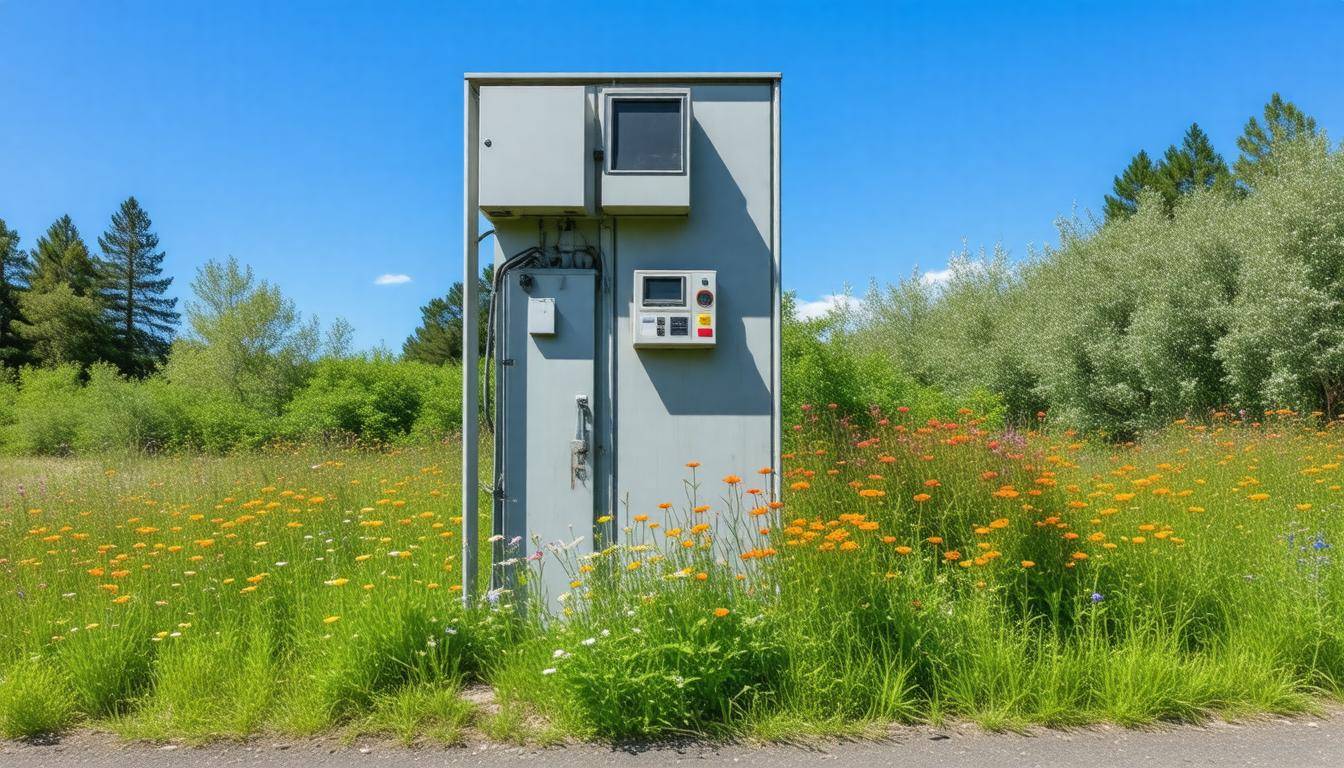
Types of Post-Wildfire Pollutants
After a wildfire, the air can become a dangerous cocktail of hazardous substances. Among these, particulate matter (PM2.5 and PM10) reigns as one of the most concerning pollutants due to their tiny size, which allows them to penetrate deep into the lungs and potentially enter the bloodstream. Imagine trying to breathe through a straw; that’s what it can feel like when fine particulate matter is floating around—difficult and harmful.
According to the EPA, levels of PM2.5 can reach alarming numbers, often exceeding safe limits by over 300% in affected areas, sometimes persisting for several days following the fire.
This is not just a theoretical concern; real-world data has shown that during post-wildfire situations, individuals with respiratory issues might see their conditions exacerbated dramatically. The risks are especially heightened for vulnerable populations, such as children and the elderly whose bodies may struggle to cope with such pollution.
In addition to particulate matter, carbon monoxide (CO) emerges as another significant concern. Produced by incomplete burning, carbon monoxide can build up rapidly indoors and outdoors alike. Think of it as a silent foe; since it’s colorless and odorless, you might not even notice it until symptoms arise. Common effects include dizziness, headaches, and impaired oxygen delivery to vital organs. During wildfires, people should be particularly cautious if they experience these symptoms, especially if they’ve been near smoke-affected environments.
As we consider other dangerous pollutants arising from wildfires, volatile organic compounds (VOCs) come into play.
VOCs are emitted from burning vegetation and materials found in structures—think paints and plastics—that catch fire easily. While it sounds benign enough, exposure to VOCs can lead to eye, nose, and throat irritation along with long-term health consequences as some compounds are carcinogenic. The aftermath of wildfires may leave behind lingering VOCs that continue to affect our living spaces long after smoke has dissipated.
Toxicity isn’t confined only to smoke; even post-fire environments can harbor harmful substances that drift into indoor air.
Finally, we must address polycyclic aromatic hydrocarbons (PAHs). These compounds are also byproducts of incomplete combustion and pose serious risks ranging from skin irritation to heightened chances of lung cancer and developmental issues in children exposed over long periods. PAHs can linger on surfaces or particles in the air long after flames extinguish.
| Pollutant | Source | Risks |
|---|---|---|
| PM2.5 | Combustion of wood | Respiratory issues, cardiovascular problems |
| Carbon Monoxide | Incomplete burning | Dizziness, headache, impaired oxygen delivery |
| VOCs | Burning vegetation/materials | Eye, nose, throat irritation, potential carcinogenic |
| PAHs | Incomplete burning | Skin irritation, lung cancer, developmental effects |
Recognizing these pollutants serves as an essential first step in mitigating their impacts on health and making informed choices about safety practices during wildfire seasons. Understanding how these contaminants affect you lays the groundwork for grasping the immediate challenges posed by their presence in the environment.
Immediate Health Effects of Smoke Inhalation
When it comes to health risks, inhaling smoke during a wildfire can lead to a range of uncomfortable and even dangerous symptoms that may catch you off guard. From the moment that thick cloud of smoke drapes over a neighborhood, the body reacts strongly.
Fine particulate matter, known as PM2.5, can penetrate deep into the lungs, leading to issues like coughing, sore throats, and shortness of breath. These might seem like minor annoyances at first, but they can escalate quickly—especially in those with pre-existing conditions like asthma or chronic obstructive pulmonary disease (COPD).
According to the CDC, emergency room visits for respiratory issues spike by over 40% during wildfire events, indicating just how widespread these effects can be. In fact, studies reported that levels of fine particulate matter in the air could exceed 500 µg/m³ under severe wildfire conditions.
Common Health Symptoms
In addition to respiratory challenges, many people report eye irritation—a burning or itchy sensation that can make it difficult to focus on daily tasks. A sore throat often accompanies these symptoms, serving as a reminder that something unusual is happening in your environment.
You might also experience increased coughing as your body tries to expel harmful particles. Importantly, for those already grappling with heart and lung diseases, exposure to this smoke can aggravate their conditions and lead to hospitalizations.
Dr. Jane Grant from the American Lung Association emphasizes further caution: “Even healthy individuals can experience an increase in respiratory symptoms and decreased lung function in smoky conditions.” This stark reminder highlights how serious these seemingly benign symptoms can become.
It’s worth noting that children and the elderly are particularly vulnerable; they may not only face heightened risks but also increased susceptibility to respiratory infections due to compromised air quality. Understanding these immediate effects is essential for taking prompt action—whether that means staying indoors or wearing protective masks—to mitigate health consequences effectively.
As we shift our focus from pressing symptoms to consider broader implications, it becomes clear that the repercussions stretch far beyond the immediate aftermath of a wildfire.
Long-Term Health Risks
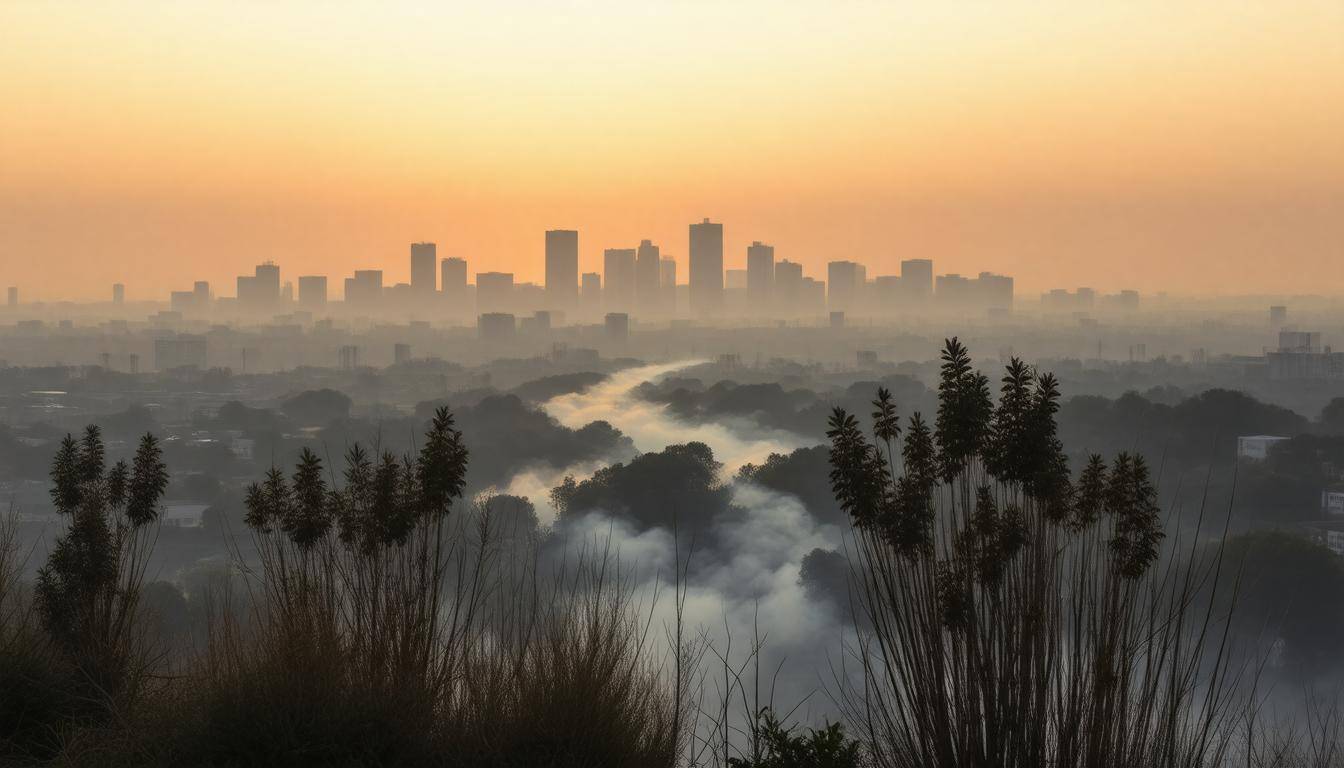
Constant inhalation of polluted air from wildfires can lead to significant and lasting effects on our health, often manifesting months or even years after initial exposure. The impact is especially pronounced in vulnerable groups such as children and the elderly. For instance, a startling 2023 study revealed that children who had frequent exposure to wildfire smoke experienced lung function reductions akin to those seen in habitual smokers. Such revelations highlight the potential dangers lurking in the aftermath of these environmental disasters.
Potential Chronic Conditions
Among the many health risks posed by wildfire smoke, the emergence of chronic conditions stands out. Long-term exposure can predispose individuals to respiratory diseases, such as asthma and bronchitis, which may not have been present prior to these events. Cardiovascular issues are also on this list; research has shown a direct correlation between particulate matter from wildfire smoke and higher rates of heart disease. Even more concerning is how these environmental pollutants can weaken our immune systems over time, making us more susceptible to infections and other illnesses.
With climate change contributing to an increase in wildfire frequency and intensity, health experts are cautious about projecting an alarming rise in these conditions within affected populations.
Given these risks, effective preventive measures are crucial to protect our health during wildfire season and beyond.
Masks, particularly N95 or P100 respirators, provide an effective barrier against harmful particles found in wildfire smoke. Transitioning to guided practices surrounding mask usage can help individuals significantly decrease their inhalation of fine particulate matter (PM2.5), which is known for its ability to penetrate deep into the lungs and enter the bloodstream. This proactive step is a simple yet powerful line of defense against the precarious post-wildfire environment we often find ourselves navigating.
With awareness rising around air quality and its effects on health, community engagement in preventative initiatives is essential. Regular public health assessments will help communities evaluate their vulnerabilities and foster strategies that ensure public safety during periods of poor air quality resulting from wildfires. These partnerships are critical as we face an unpredictable future heavily influenced by climate patterns and their fallout on air quality.
As we consider protection strategies in detail, it becomes clear that understanding proper usage techniques for personal protective equipment is key to minimizing health risks effectively.
Effective Use of Masks and Respirators

During the intense smoke that accompanies wildfires, wearing a mask can mean the difference between good respiratory health and serious complications. N95 and P100 masks are particularly noteworthy because they can filter out at least 95% and 99.97% of airborne particles respectively. This high level of filtration is crucial since research shows that even healthy individuals can experience discomfort breathing in smoke-filled air, while those with pre-existing conditions face even higher risks.
The key to taking full advantage of these masks lies in their proper usage. It’s not enough to simply don one; you must ensure that you have a snug fit without any air leaks around the edges. A poorly fitted mask will allow polluted air to seep in, effectively nullifying its protective benefits. To check the fit, breathe in deeply: if the mask collapses inward slightly, it’s secure. Custom-fitted masks are available, though most standard N95s provide adequate protection for everyday use.
Alongside ensuring a good fit, it’s imperative to replace your mask frequently, especially if it becomes damp or soiled. Moisture from prolonged wear can reduce the mask’s effectiveness by making it easier for particles to penetrate through damp material.
The effectiveness of this simple yet powerful tool is echoed by individuals like Sarah Thompson, who navigates life in wildfire-prone areas. She shares, “Using an N95 mask helped me avoid severe respiratory symptoms during the last wildfire. It’s a small but essential investment in health.” Testimonials like hers serve as reminders that our health should always take precedence.
While masks are essential for short-term protection against immediate threats posed by wildfire smoke, they form part of a broader safety strategy. By utilizing tools such as the Air Quality Index (AQI), individuals can monitor conditions and adjust their activities accordingly, ensuring they remain protected from harmful pollutants.
Monitoring Air Quality
Staying on top of air quality is key to ensuring the well-being of you and your loved ones, especially in areas affected by wildfires. Tracking air quality allows you to make informed decisions about when to stay indoors and when it’s safe to venture outside. By doing so, you can significantly reduce your exposure to harmful airborne particulate matter that often accompanies wildfire smoke.
Tools and Resources
Fortunately, there are various tools available for monitoring air quality effectively. One of the most reliable options is the AirNow website and its mobile app, both of which provide real-time air quality information based on the AQI (Air Quality Index). This index categorizes air quality levels, helping you understand whether conditions are healthy or unhealthy at any given moment. Regularly checking this resource can assist you in determining whether you should take precautions or alter daily activities.
Furthermore, many modern smartphones now come equipped with built-in air quality monitoring features. This integration means that you can check air quality with just a quick glance at your device while you’re on the go. By having immediate access to this vital information, you gain an added layer of security against adverse health effects related to wildfire smoke.
It’s essential to note that according to NOAA, it’s common for AQI values to exceed 150 during and after wildfires, which falls into the “Unhealthy” category. These elevated levels indicate that everyone, especially those with pre-existing respiratory or cardiovascular conditions, may experience health effects from poor air quality.
Understanding these numbers is crucial; they inform your decisions regarding outdoor activities such as exercise or errands, allowing you to prioritize safety first.
Armed with this information from your monitoring tools, you can now explore effective measures to enhance indoor air quality and ensure a safer environment during wildfire emergencies.
Strategies to Improve Indoor Air
Keeping your indoor air clean is paramount during and after wildfires, as lingering smoke and ash can easily seep into your home. One of the most impactful steps you can take is to use high-efficiency particulate air (HEPA) filters. These filters are designed to trap tiny particles, including smoke, dust, and allergens, significantly improving your home’s air quality. In fact, a study in 2024 discovered that households using HEPA filters experienced 60% lower indoor PM2.5 levels compared to those not employing these filters. It’s like stocking up on armor against pollutants that invade your space!
Now, while installing these filters is essential, it’s equally important to ensure they’re properly maintained. Change them regularly, as clogged filters can’t do their job effectively. A good rule of thumb is to check filters at least once a month after wildfire events and replace them based on usage and recommendations from manufacturers.
Alongside utilizing HEPA filters, another crucial step is to keep all windows and doors shut during smoky conditions.
By shutting them, you can effectively prevent outdoor air filled with harmful particulates from entering your space. This isn’t just a casual request; closed windows and doors can result in a staggering reduction of indoor particulate levels by nearly 50%. It’s really astonishing how something so simple can have a giant impact on your air quality!
However, don’t get too complacent! While you want the outside out, you also need to improve the air inside. Creating a designated clean room—a small area equipped with a portable air cleaner—is an excellent way to achieve this. This space becomes your sanctuary where you can breathe easy and relax while keeping exposure to hazardous air quality at bay.
Even beyond these initial steps, the cleanliness of your home matters.
Dust regularly with a damp cloth to avoid stirring up stale particles into the air. And for deep cleaning? Employing vacuums that have HEPA filters will help you efficiently pick up dust, ash, and allergens from carpets and upholstery—keeping everything in pristine condition. Don’t forget about humidity control! Maintaining indoor humidity levels between 30-50% inhibits mold growth, which could emerge following the moisture brought about by fire suppression efforts. If necessary, consider using dehumidifiers for additional assistance.
It’s essential that all these measures work hand-in-hand to create an environment that prioritizes health and safety in the aftermath of wildfires.
As we navigate through these vital steps in protecting our indoor air quality, we’ll now shift our focus toward understanding how to further reduce outdoor exposure during and after such events.
Minimizing Outdoor Exposure
One of the easiest yet most effective strategies to protect your health during wildfire events is simply minimizing your time outside. As smoke fills the air, it brings with it dangerous particles that can exacerbate respiratory issues and lead to serious health problems. Staying indoors when pollution levels are high is crucial for maintaining both short-term comfort and long-term health.
It’s important to pay attention to the local air quality index (AQI), a valuable tool that provides real-time measurements of air pollution levels. When the AQI exceeds 150—classified as an unhealthy level—it’s a clear signal to stay indoors as much as possible.
During these peak hours, which often occur between 10 AM and 4 PM, even light physical activity can increase your exposure to harmful pollutants in the air. Make it a point to save any outdoor chores or exercise for safer times.
If you have children or know someone susceptible to respiratory diseases, advocate for their safety by encouraging schools and community groups to postpone outdoor activities during high pollution days. Activities like recess or sports practices might seem harmless, but altering routines can significantly reduce exposure risks. In fact, a study found a remarkable 30% reduction in respiratory-related complaints among individuals who limited outdoor exposure during wildfire events.
Safety is a collective effort. Individuals should not only focus on their sensitivity but also engage in dialogue within the community. Discussing strategies with neighbors and local organizations can yield beneficial changes, such as adjusting school schedules or raising air quality awareness amongst residents.
We have agency in how we respond to environmental challenges. While the presence of wildfire smoke is daunting, understanding how to navigate impacts can keep us healthy and informed.
To further support this collective approach, let’s examine the resources available within our communities that can enhance safety and awareness during wildfire events.
Community Resources and Support
Local air quality management districts stand as a beacon of guidance during wildfire events. They provide essential updates, tips, and resources tailored to affected communities. For instance, consider websites like South Coast Air Quality Management District, which offer real-time air quality alerts and expert guidance on protecting yourself during these challenging times. It’s not just information; it’s a lifeline to understanding how changing air quality can impact your health.
Plan ahead and familiarize yourself with local emergency resources. For example, emergency shelters can play a crucial role in mobility and safety during severe air quality events. Check for shelters equipped with filtered air systems—these places offer a haven when outside air becomes hazardous. Knowing their locations could be invaluable in an emergency.
Similarly, keeping the nearest healthcare facilities on your radar is essential. They can provide updated advice on managing respiratory issues, especially if you or a loved one has asthma or other pre-existing conditions aggravated by smoke. It’s worth remembering that healthcare workers are trained to handle such crises, so don’t hesitate to reach out for help.
Furthermore, community centers often emerge as unsung heroes during wildfire seasons. Many have been known to distribute masks and air filters, acting quickly to address urgent needs as they arise. They serve not only as locations for acquiring supplies but also as gathering spots where you can connect with others experiencing similar concerns.
If you consider the availability of government resources, non-governmental initiatives can often bridge gaps effectively. Community-led air quality monitoring stations contribute valuable data, offering insights into local air conditions that may not come through official channels. This grassroots effort empowers neighborhoods to take charge of their health actively.
By understanding and utilizing these various resources, you can effectively mitigate risks associated with post-wildfire air pollution and safeguard your family’s health amidst unpredictable challenges.
In summary, staying informed and connected to community resources is vital for navigating the complexities of post-wildfire air quality threats.
What specific pollutants are released into the air after a wildfire, and how do they affect health?
After a wildfire, several specific pollutants are released into the air, including particulate matter (PM), carbon monoxide (CO), volatile organic compounds (VOCs), and PAHs (polycyclic aromatic hydrocarbons). These pollutants can lead to respiratory issues, exacerbating conditions like asthma and causing cardiovascular problems. Research indicates that exposure to PM increases the risk of heart attacks and strokes, with studies showing a correlation of up to a 20% increase in respiratory problems within affected populations immediately following wildfires. Protecting health in the aftermath of such events is crucial for vulnerable groups, especially children and the elderly.
Who is most vulnerable to poor air quality following a wildfire?
The most vulnerable groups to poor air quality following a wildfire include children, the elderly, and individuals with pre-existing respiratory conditions such as asthma or chronic obstructive pulmonary disease (COPD). Children have developing lungs and higher rates of outdoor activity, making them more susceptible to inhaling harmful pollutants. The elderly often have weakened immune systems and may struggle with existing health issues that can be exacerbated by poor air quality. According to studies, people with respiratory diseases are at a significantly higher risk of experiencing severe health effects, and nearly 30% of adults with asthma report increased symptoms after wildfires.
What measures can individuals take to protect their health during post-wildfire air quality concerns?
Individuals can protect their health during post-wildfire air quality concerns by staying indoors, using air purifiers with HEPA filters, and wearing N95 masks when venturing outside. Keeping windows and doors closed helps minimize exposure to harmful particulate matter, which can increase respiratory issues, especially in vulnerable populations. For instance, studies show that fine particulate matter (PM2.5) can surge up to 10 times higher following wildfires, leading to increased hospital admissions for respiratory conditions. Staying informed through local air quality reports is also crucial for assessing when it’s safe to step outside.
What resources are available for monitoring air quality in areas affected by wildfires?
Resources for monitoring air quality in areas affected by wildfires include government agencies like the Environmental Protection Agency (EPA), which provides real-time air quality indices through its AirNow platform. Additionally, local health departments and organizations such as CAL FIRE offer updates and guidelines specific to wildfire events. Personal air quality monitoring devices are also available on the market, allowing individuals to track particulate matter levels (PM2.5) and make informed health decisions. According to recent studies, over 80% of urban areas show improved monitoring capacities post-wildfire, enhancing public awareness and safety measures.
How long does it typically take for air quality to return to normal after a wildfire?
The time it takes for air quality to return to normal after a wildfire can vary significantly, typically ranging from a few days to several weeks depending on factors such as the size of the fire, wind patterns, and local weather conditions. Studies have shown that after major wildfires, particulate matter levels can remain elevated for weeks due to residual smoke and ash. For instance, research indicates that some areas may see air quality improve within 72 hours post-fire, while others might take up to a month or longer for particulate levels to stabilize back to pre-wildfire conditions. It’s crucial for residents in affected areas to monitor air quality reports during this recovery period.