
When the power goes out, it can feel like a sudden halt to our daily lives, leaving us in the dark and uncertain about what comes next. Most people might not realize that there’s a whole system in place designed to ensure that power is restored as efficiently and safely as possible. Understanding how utility companies prioritize their restoration efforts can help ease some of that anxiety. It’s not just about getting your lights back on—it’s about coordinating resources, ensuring public safety, and putting the most vulnerable facilities back online first. Let’s dive into how this intricate process works so you know what to expect when the lights flicker off unexpectedly.
During a power outage, utility companies prioritize restoration efforts based on customer count and the duration of outages, with critical infrastructure such as hospitals and emergency services receiving immediate attention. You can expect that larger outages will be addressed first before utility crews focus on smaller individual issues, ensuring maximum service restoration in the shortest time possible.
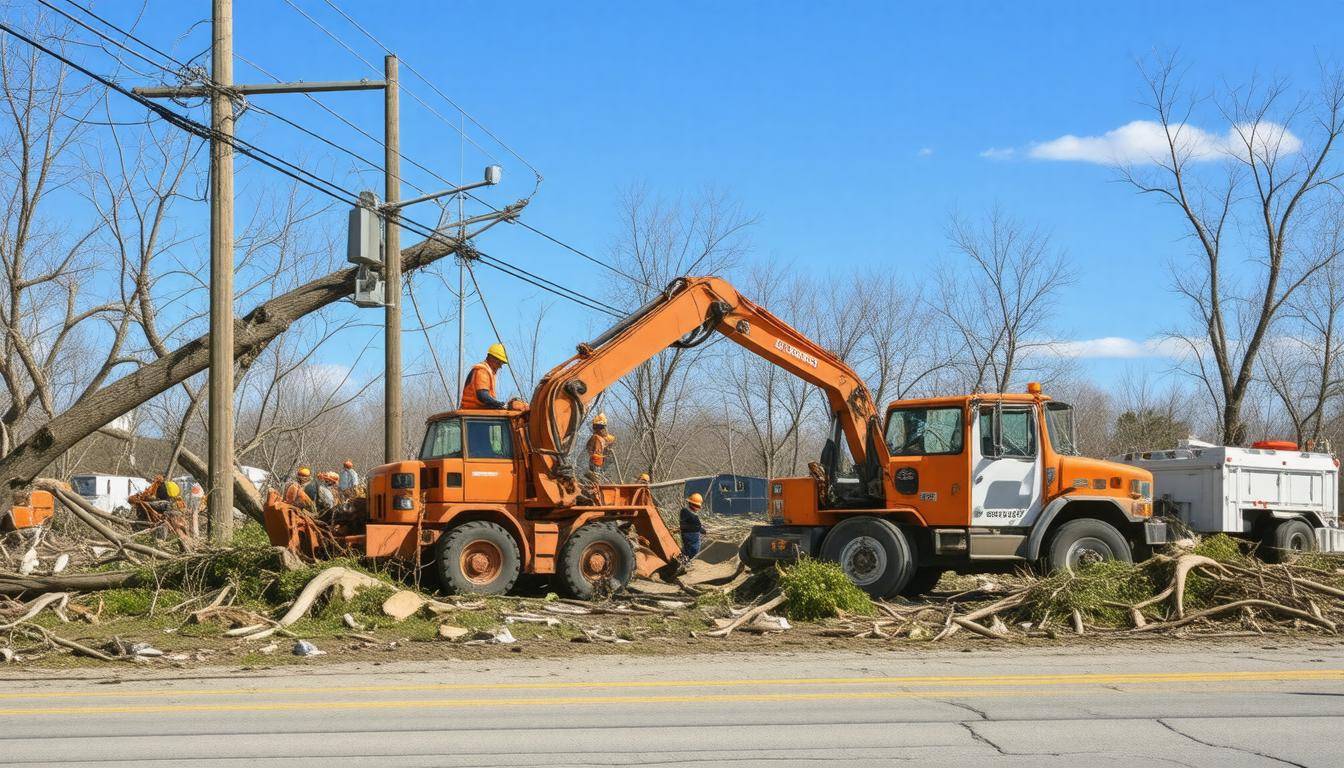
Overview of Power Restoration Priorities
Power restoration after an outage typically involves a structured approach centered on getting customers back online as quickly and effectively as possible. Utilities have developed specific methodologies to ensure that the most crucial areas are prioritized first. This protocol aims to restore power efficiently while ensuring safety.
The first step in this process usually revolves around transmission lines, which deliver electricity from power plants to substations. These major lines can impact thousands of customers, hence why they take precedence during restoration efforts. Their repair is akin to opening the floodgates of power supply back into affected areas. In fact, roughly 30% of the total restoration efforts focus on these high-capacity lines. Once they are operational again, utilities can start tackling substations, which serve as the bridge between transmission lines and smaller distribution networks.
It’s crucial to understand that every minute spent restoring these primary systems translates into faster service for residents who rely on them, particularly during emergencies.
After the transmission lines and substations have been restored, utilities shift their attention to the distribution networks that serve individual neighborhoods. Your street may experience an outage due to localized issues; thus, this phase accounts for around 40% of the entire restoration timeline. During this time, crews work diligently to ensure all homes regain their safe electricity supply.
Even with everything else prioritized, restoring power for individual customers accounts for nearly half—up to **50%**—of the total restoration process. This step takes longer because it requires detailed inspections and localized troubleshooting. Crews must assess each situation and tailor solutions accordingly, often making repairs in response to complex issues like equipment failures or fallen power lines.
As restoration progresses through these various stages, maintaining clear communication with customers becomes essential to manage expectations and ensure smoother operations overall. Understanding how these priorities play a role sets the stage for appreciating the critical facets that support our communities in times of need.
Importance of Critical Infrastructure
Critical infrastructure encompasses more than just buildings; it signifies the systems and services that keep our communities functioning smoothly. Think about it: hospitals provide life-saving medical services, fire stations are crucial for emergency response, and water treatment facilities ensure that we have access to clean water. Without functioning electricity to power these establishments, the ripple effects can be catastrophic. When power restoration teams prioritize these facilities, they are actively safeguarding public health and safety.
According to the U.S. Department of Energy, hospitals and emergency services are statistically restored within the first 24 hours of an outage if the damage isn’t too severe. This quick restoration is a matter of life and death for many individuals who rely on these facilities for their well-being. For example, without power, medical equipment fails, emergency services face delays, and communication systems falter — all leading to unnecessary risks for patients and the community.
It’s important to recognize that such rapid restoration reflects a systematic approach to ensuring societal resilience. When critical infrastructures maintain their functions during outages, potential losses are minimized, helping to protect society’s most vulnerable members—those dependent on reliable emergency care and safety services.
Once we’ve ensured that these crucial facilities are stable and functioning again, efforts transition towards addressing residential and commercial outages across the broader community.
In this stage, utility companies begin focusing on restoring power in neighborhoods—a process that becomes increasingly complex due to varying factors such as the size of outages and individual customer needs. By understanding the significance of prioritizing critical infrastructure first, we can appreciate how vital these measures are for immediate recovery and long-term community stability.
Addressing Residential and Commercial Outages
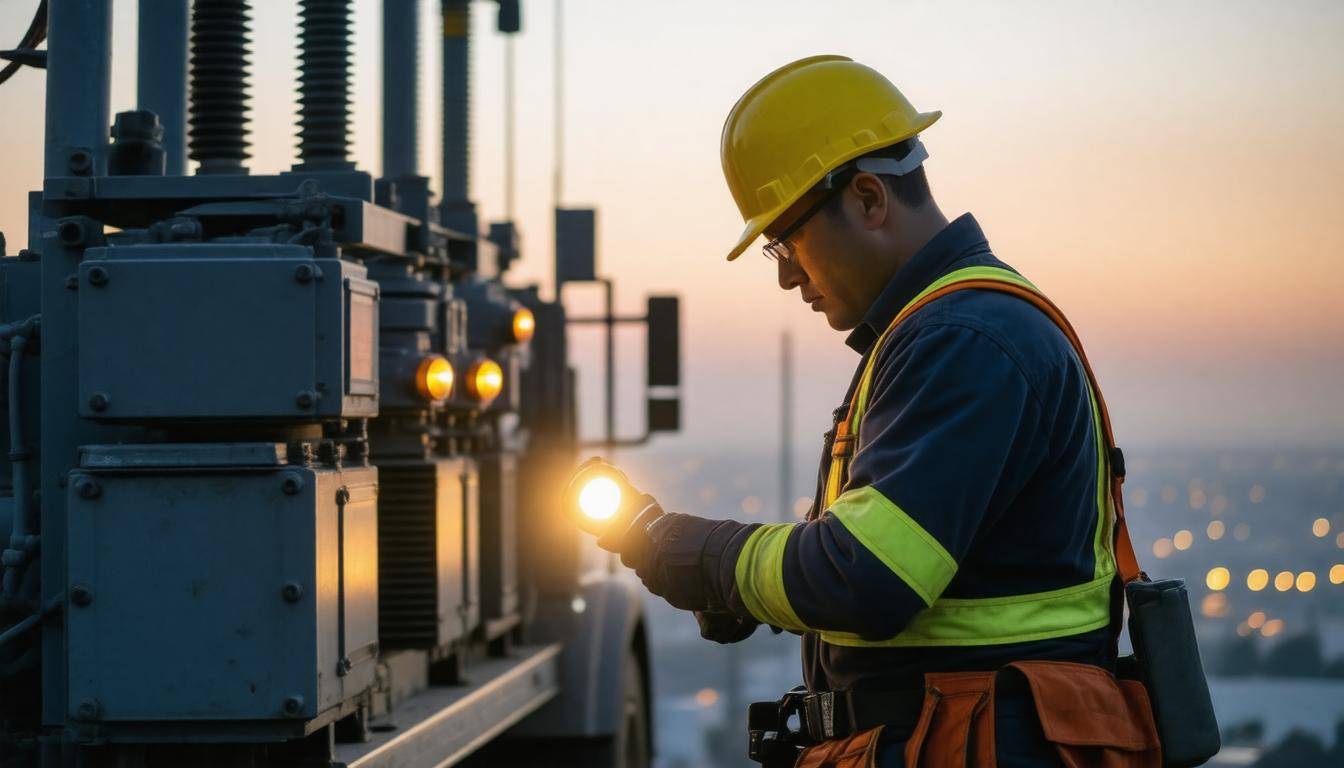
When the lights go out, the race begins for utility companies to get them back on as quickly as possible. Once critical infrastructure has been prioritized and serviced, the focus shifts to ensuring that both residential neighborhoods and commercial districts regain their electricity. Utilities adopt a systematic approach known as the tiered restoration model, emphasizing efficiency by addressing areas where they can make the most significant impact quickly.
Consider a bustling downtown that houses numerous businesses; it often stands at the front of the line for power restoration. This strategic choice makes sense—not only does it affect thousands of people directly, but restoring power to these areas during outages can mean keeping essential services operational, enhancing safety and convenience for all. On the flip side, more sprawling suburban neighborhoods tend to have less priority if there are nearby regions with larger populations experiencing outages.
However, this prioritization doesn’t mean that individual residential outages are ignored; rather, they are handled systematically based on urgency and situation severity.
Utility crews often work on larger grid issues first—such as downed power lines or transformers—before tackling smaller faults affecting individual customers in residential areas. They focus on high-voltage transmission lines initially since these carry power to many customers simultaneously. Statistics show that approximately 70% of restoration efforts concentrate on these higher voltage lines before addressing local distribution lines. This method means that even if you’re in a quiet neighborhood, your restoration isn’t too far off when crews address wider issues first.
Larger commercial outages receive attention based not just on size but also on their impact on the community. Businesses like hospitals or water treatment facilities may be restored within just a couple of hours due to their critical role in maintaining public safety and health. Power companies understand this dynamic well; thus, expect that commercial entities will frequently appear above residences in terms of urgency.
All this means that timely communication during outages is essential to manage expectations.
Utility companies generally keep customers informed about estimated restoration times. While most residential customers can expect power restored within an average of 4–8 hours after a major outage event, knowing that timing can vary according to specific conditions enhances patience. Moreover, around 90% of customers typically regain service within 24 hours following extensive outages. Thus, there’s a clear recognition by providers of the need for transparency—often utilizing apps or automated notifications—to keep everyone in the loop about when they might expect their lights to flicker back on.
For those frustrated by prolonged outages during a storm or event, understanding that every step taken by utility companies follows a thoughtful methodology tailored towards maximizing efficiency can help keep feelings of helplessness at bay. This insight fosters confidence in knowing that behind every blackout is a coordinated effort aimed at restoring normalcy efficiently and effectively.
Transitioning smoothly from understanding these priorities allows us to explore the strategies utilities employ in their response efforts.
Utility Restoration Strategies
Utilities deploy a variety of strategies to ensure efficient restoration of power, and these strategies can be quite intricate. The power restoration process begins with a thorough assessment of the situation. After crews arrive on-site, their priority is to gauge the extent of the damage. By walking through the impacted areas, they can identify critical repair spots. This ability to quickly assess allows utility companies to allocate resources effectively, leading to quicker restoration timelines for customers.
Step I – Assessment
Once teams evaluate the damage, they pinpoint various levels of priority based on urgency and safety concerns. For instance, if a downed line poses a danger to nearby homes or roads, that will likely take precedence over non-hazardous issues elsewhere. The emphasis here is on accuracy; understanding where the most support is needed can make all the difference in how fast power is restored.
Now that crews are aware of what needs immediate attention, effective resource allocation takes center stage.
Step II – Resource Allocation
With priorities established, specialized teams are dispatched strategically to tackle repairs at critical infrastructure points such as substations and transformers. This step emphasizes not just addressing issues as they arise but also anticipating potential roadblocks. During significant events like Hurricane Laura in 2020, utilities have been known to mobilize massive resources efficiently; for example, Entergy called upon over 15,000 workers from various states to assist with recovery efforts. Such coordinated action ensures that utility companies can respond to outages as swiftly and safely as possible.
To enhance these strategies further, many utilities are starting to integrate innovative technologies into their restoration efforts. These include self-healing systems, which aim to automatically isolate issues and continue supplying power wherever feasible while repairs are underway. This kind of advancement can drastically reduce outage times while keeping customers informed about progress in real-time.
However, while these strategies work effectively during typical circumstances, tackling the aftermath of natural disasters complicates matters significantly.
As severe weather events become more common—a reality underscored by recent statistics—utilities must adapt quickly not only in technology but also in operational planning. Investing in resilience now proves more cost-effective than facing extensive repairs later. It’s a strategic shift that underscores how organizations prioritize safety and reliability alongside traditional restoration processes.
Understanding how power restoration affects those enduring natural calamities is crucial as these challenges often require a proactive approach rather than reactive measures.
Impact of Natural Disasters
Natural disasters like hurricanes, wildfires, and floods create immense challenges in power restoration efforts. When calamities strike, they not only cause immediate outages but also inflict long-lasting effects on infrastructure. The aftermath resembles a war zone, with downed trees and power lines scattered everywhere, roads rendered impassable, and critical facilities compromised. Community members can attest to the chaos that ensues as they rally to recover.
For example, during Hurricane Ida in 2021, over 1 million people lost access to electricity. Local businesses were forced to close, homes were damaged, and families were displaced. This is not merely an inconvenience; it’s a complete disruption of daily life.
In the wake of such events, utility companies prioritize their restoration efforts strategically. First, they assess which areas need immediate attention based on the severity of damage. Power restoration focuses on re-establishing service to critical infrastructure such as hospitals and emergency services before considering residential neighborhoods. This approach underscores the necessity of coordinating efficiently with other emergency services to ensure public safety and restore order swiftly.
Restoration priorities are essential guidelines that help manage expectations during outage responses. Residents often feel frustrated when their power isn’t restored immediately after a storm has passed. However, understanding that utility workers work tirelessly to clear debris and repair damaged lines can provide some comfort. Communities may benefit from educational sessions regarding the reasons behind utility restoration priorities, alleviating confusion felt during a crisis.
It’s vital to recognize the emotional toll these disasters can have on individuals and communities. People affected by outages due to natural disasters may feel helpless or anxious about their safety. While utility crews focus on technical obstacles, stakeholders—including local governments and advocacy groups—should work together to communicate clearly with residents about timelines and safety protocols. Clear communication can significantly reduce fear and uncertainty among those affected.
With climate change causing more frequent extreme weather events, understanding these dynamics will help communities prepare for future emergencies. Developing plans for quicker responses and targeted technology implementations will enhance resilience when facing natural disasters ahead.
Coordination with Emergency Services
Efficient power restoration during emergencies relies on well-orchestrated collaboration between utilities and local emergency services. When disasters strike, timely communication and strategic operations become crucial for public safety. Approximately 70% of utility companies actively coordinate with local emergency services during power outages, emphasizing the importance of these relationships.
This partnership often begins even before disaster hits; planning sessions and mutual aid agreements are established ahead of time to ensure both sides know their roles and responsibilities when an emergency occurs. For instance, when Hurricane Sandy impacted the East Coast, multiple agencies worked side by side to restore power while addressing immediate safety concerns.
The statistics surrounding this coordinated effort reflect its effectiveness:
-
85% of emergency services prioritize restoring power to critical infrastructure such as hospitals and emergency response centers.
-
Approximately 90% of emergency management agencies utilize real-time data from utilities to inform their response strategies.
This real-time data is invaluable, as it allows emergency responders to prioritize restoration efforts where they are needed most. The cooperation ensures that areas like hospitals receive attention first because lives depend on them being operational. For a hospital, every minute without power can be critical, whether for powering medical equipment or preserving essential services.
However, it doesn’t stop at just hospitals. Since many critical infrastructures share electrical lines with other customers, restoring power creatively can lead to improved efficiency. When crews address shared issues first, they increase the chances of restoring multiple customers at once, effectively maximizing the impact of each repair.
With so many moving parts involved in these efforts, one might wonder about the logistical aspect of keeping everything running smoothly.
Logistical Considerations
As crews mobilize to restore power, having effective communication channels in place is paramount. Approximately 75% of power restoration plans include dedicated communication pathways between utilities and emergency services. This guarantees that anyone needing information can access it quickly—crucial when lives are on the line during severe weather events.
Operations are not just about restoring power; it’s also about restoring community confidence. The visible presence of utility crews working alongside firefighters or police officers during outages reassures the public that everything possible is being done to return normalcy. It’s an emotional lift amidst chaos.
As one local emergency manager noted during a storm recovery effort: “Seeing those trucks lined up together gives people hope that they’re not alone.”
Successful coordination impacts how quickly restoration occurs and fosters resilience within communities facing adversity.
All these elements—cooperation among agencies, effective communication, and prioritizing critical infrastructure—serve as essential foundations that inform and enhance the mechanisms employed in modern recovery efforts.
Technological Tools in Restoration Efforts

In today’s world, sophisticated tools have revolutionized how energy companies respond to power outages. At the heart of this modern approach lies intelligent mapping systems that streamline the process. These systems aggregate data from various sources, allowing utilities to pinpoint outage locations swiftly. The beauty of these intelligent tools is their ability to create a detailed geographic layout, which aids in efficiently deploying resources where they are needed most.
For instance, utility companies like Florida Power & Light have adopted advanced AI-driven mapping technology that significantly shrinks response times and optimizes recovery efforts.
But there’s more than just intelligent mapping; another essential advancement has come in the form of drones for damage assessment. Imagine a team of inspectors trying to reach a remote area after a storm—now envision drones doing that work far more effectively and safely. Drones can quickly survey vast landscapes, capturing high-definition images and videos without putting human lives at risk. This real-time insight lets teams identify hazards or damage areas faster than ever before, allowing them to address issues promptly and prevent further complications.
As a result of integrating drones, utilities are better equipped to assess storm impacts and prioritize repairs based on actual footage rather than relying solely on ground inspections.
Data Analytics for Predictive Maintenance
Another game-changer in the toolkit for restoration efforts is the use of data analytics to predict potential outages before they occur. By harnessing data from previous incidents, weather patterns, and grid performances, utilities can anticipate vulnerabilities in their infrastructure. This proactive approach allows for timely maintenance that ultimately reduces the likelihood of major outages.
Surveys indicate that about 80% of consumers expect power restoration within 24 hours of an outage. To meet these expectations, using predictive analytics ensures that utility companies stay ahead of potential disruptions rather than merely reacting once problems arise.
By combining cutting-edge technology with strategic planning, energy providers are transforming their capacity to manage disruptions effectively. Next, we will focus on strategies for enhancing readiness against unexpected power interruptions in the future.
Preparing for Future Outages
As we continue to confront increasing demands on our electrical grid, especially in densely populated urban areas like New York City, understanding how to prepare for potential power outages becomes essential.
Homeowners and businesses must take proactive steps that not only help them endure outages when they occur but also ease the restoration process once power is lost. One crucial aspect of this preparation is assembling an emergency kit. This kit should include essential items: food, water, flashlights, batteries, a first-aid kit, and other personal necessities to ensure families can sustain themselves without immediate access to power or services. Additionally, having a battery-operated radio can provide valuable updates about the situation as it unfolds.
Beyond individual preparedness, the community plays an essential role in outage resilience. For instance, businesses should consider investing in UPS (Uninterruptible Power Supplies) systems or backup generators that can keep critical operations running during blackouts. In some cases, these systems can even be programmed to automatically kick in during outages, allowing for seamless transitions without economic loss.
A resilient community doesn’t just rely on individual actions. It’s important for neighbors to collaborate and share resources, creating a network of mutual support during times of need.
Utilities have a responsibility too. They should invest in grid-hardening measures which might include undergrounding power lines and reinforcing existing structures against severe weather events. The statistics speak to this need:
According to the Edison Electric Institute, there has been a 30% increase in investment towards grid modernization and resilience over the past decade. This indicates a commitment to long-term preparedness and highlights an industry aware of challenges posed by climate change and rising peak demands.
Imagine a world where utility companies flipped a switch, and everything was back to normal before you even had time to finish your coffee! While that may seem improbable now, every effort toward improving grid resilience takes us closer to that dream.
Research shows that regions investing in robust grid infrastructure tend to experience fewer outages and recover faster when they do occur. A stronger grid can withstand more stress and adapt better during high-demand times or adverse weather.
By focusing on these proactive measures, communities can enhance their readiness for future outages—ensuring safety and well-being even when the lights go out unexpectedly. Through collaboration and preparation, we can transform vulnerability into resilience in the face of impending power challenges that lie ahead.
In summary, as households and utilities come together with effective strategies for preparedness, we can mitigate the impacts of power outages while enhancing community resilience.
Are there specific protocols for restoring power after severe weather events?
Yes, there are specific protocols for restoring power after severe weather events, typically guided by the Incident Command System (ICS) and standards set by organizations like the Institute of Electrical and Electronics Engineers (IEEE). Restoration usually follows a phased approach, prioritizing critical infrastructure such as hospitals and emergency services first, followed by major thoroughfares, then residential areas. According to the U.S. Department of Energy, during major outages, utilities aim to restore power to 90% of affected customers within 24 hours in most cases; however, full restoration can take several days or even weeks depending on the severity of the damage.
What should residents do while waiting for power restoration?
Residents should remain patient and stay informed during a power outage by utilizing battery-operated radios or mobile devices to receive updates on restoration efforts. It’s advisable to conserve perishable food items by keeping refrigerator and freezer doors closed, as studies show that a fully stocked freezer can maintain its temperature for about 24 to 48 hours without power. Engage in low-tech activities such as reading or playing board games, which not only pass the time but also foster family bonding during these challenging moments.
What factors influence power restoration priorities during an outage?
Power restoration priorities during an outage are influenced by factors such as the number of customers affected, critical infrastructure needs (such as hospitals and emergency services), safety considerations, and the estimated time for restoration. For instance, utilities often prioritize areas that serve larger populations or critical services, as restoring power to these locations can impact the greatest number of people and essential operations. In some studies, it has been shown that restoring power to critical infrastructure first can reduce overall societal disruption by up to 30%.
How can customers report outages and get updates on their restoration status?
Customers can report outages and receive updates on their restoration status through multiple channels such as mobile apps, dedicated hotlines, or online customer portals provided by their utility company. Many utilities now boast advanced outage management systems that allow for real-time tracking of issues, with studies showing that customers who utilize these tools are 30% more likely to stay informed during outages. Furthermore, social media platforms often give timely updates, catering to the growing trend of instantaneous communication.
How do utilities communicate expected restoration times to customers?
Utilities typically communicate expected restoration times to customers through a combination of automated messaging systems, social media updates, and customer service representatives. During outages, 80% of utilities report using text message alerts as an effective way to keep customers informed, while over 60% utilize social media platforms to provide real-time updates. Additionally, many companies maintain interactive websites where users can track outage status and estimated restoration timelines, ensuring transparency and enhancing customer trust during service disruptions.