
When a hurricane is on the horizon, the importance of being ready can’t be stressed enough. For many in Puerto Rico, the memories of past storms linger, making preparation not just a good idea but a necessity. Having the right supplies can mean the difference between comfort and chaos during recovery. This guide will help ensure your hurricane recovery kit has everything you need—it’s about more than surviving the storm; it’s about thriving afterward. Let’s dive into what essentials you should include and how to make sure you’re fully prepared for whatever comes your way.
A comprehensive Puerto Rico Hurricane Recovery Kit should include non-perishable food, water (at least one gallon per person per day), first-aid supplies, medications, flashlights with extra batteries, important documents, and personal hygiene items. Additionally, consider including tools for securing your home, a battery-powered or hand-crank radio, and cash in small denominations to ensure you are prepared for any emergency situation.
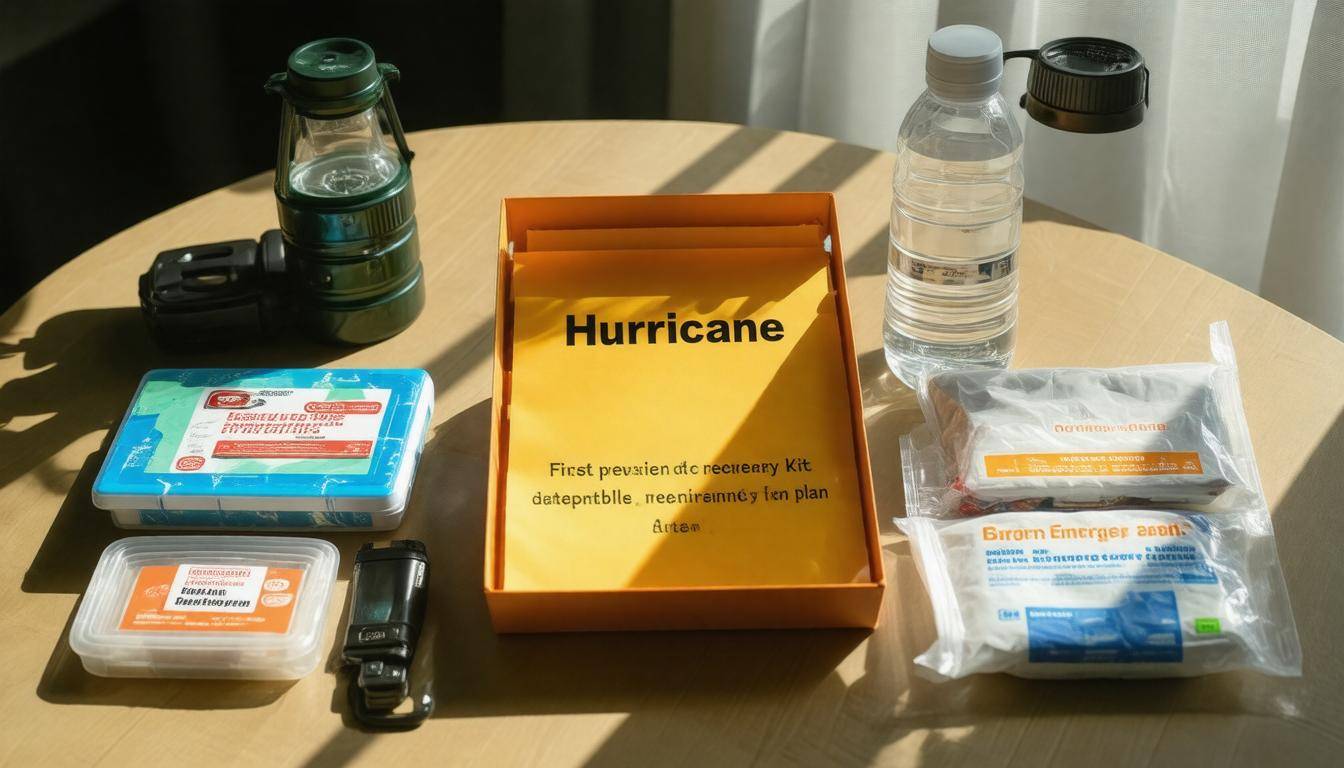
Overview of the Puerto Rico Hurricane Recovery Kit
A comprehensive hurricane recovery kit should account for both your immediate needs and those that may arise in the following days or weeks. First, let’s consider the essentials that everyone should aim to include.
Climate Considerations
In light of Puerto Rico’s tropical climate, its residents face unique challenges when preparing for hurricane recovery. The high humidity and oppressive temperatures necessitate a focus on items capable of withstanding these conditions.
Waterproof containers are an absolute necessity. These containers not only protect your essential documents—like identification and insurance papers—but also secure valuables against potential water damage during heavy rainfall or flooding.
It’s equally critical to incorporate breathable storage options. Mold can grow easily in humid environments, so opt for breathable storage bags specifically designed for clothes and medications. This ensures your supplies remain usable long after the storm has passed.
Knowing how to secure important documents is just the tip of the iceberg when it comes to smart preparation.
Infrastructure Factors
Puerto Rico’s electrical grid has historically been vulnerable, which means power outages may persist for extended periods post-hurricane. Therefore, having a backup power source is vital.
Think solar chargers—these handy devices allow you to charge essential electronics without relying on the grid. Alongside this, battery-powered fans can help keep you cool while waiting for normalcy to return.
Always choose equipment that is lightweight and portable; following a hurricane, roads may be blocked or damaged, making transport challenging.
[QUOTE] “In times of crisis, preparedness is often our best defense.”
With these foundational elements in place, we can now shift our attention to specific items that ensure you’re well-equipped when disaster strikes.
Essential Safety Items
Safety should never be an afterthought, especially in a place like Puerto Rico, where post-hurricane conditions can leave behind not only physical debris but also unseen hazards. Whether navigating through fallen branches or searching for supplies, it’s crucial to be prepared. That’s where your safety gear comes into play, ensuring you’re ready to tackle whatever challenges arise.
One critical component of a hurricane recovery kit is a First Aid Kit. It goes beyond mere convenience to become an absolute necessity. Your kit should contain essential items such as bandages, antiseptics, and pain relievers, along with any prescribed medicines you may need. Quick access to these supplies can make all the difference between managing minor injuries and facing significant consequences.
Another must-have item on your list is flashlights with extra batteries. During and after a hurricane, power outages are common, making a reliable light source indispensable. Opt for LED flashlights since they are energy-efficient and tend to last much longer than traditional bulbs. You might also want to consider a flashlight with an emergency strobe feature that can signal for assistance if needed.
Additionally, don’t overlook the importance of whistles—a simple yet effective tool for communication in emergencies. The piercing sound can travel much further than your voice, making it easier for rescuers to locate you if necessary.
As you prepare your kit, think about being resourceful with a multi-tool knife. This versatile gadget serves multiple purposes—whether cutting rope or performing simple repairs—and having one handy could simplify many tasks when you least expect it. It’s that small element of practicality that can ease some of the stress during recovery activities.
While we focus on tools and utilities, let’s not forget the need for sturdy gloves. These will protect your hands while clearing away debris or handling sharp objects during cleanup efforts. Injuries are all too common when dealing with hazardous conditions, so investing in quality work gloves ensures you’re less likely to suffer from cuts or scrapes.
Lastly, don’t neglect goggles and face masks, which should be in your safety kit as well. These items guard against dust and harmful airborne particles that can cause irritation or worse as you navigate through damaged areas. Protecting your eyes and respiratory health should always be part of your recovery strategy.
With this comprehensive approach to safety gear, you’re laying the groundwork for effective action as you confront the aftermath of a hurricane. Now let’s turn our attention to the essential provisions you’ll need to sustain yourself during this challenging period.
Vital Food and Water Supplies
When preparing for a hurricane, gathering the right food and water supplies can make all the difference. After the storm passes, roads might be impassable and grocery stores could be closed, leaving you reliant on what you’ve stored. Imagine waking up to find that your usual sources of nourishment are gone. This is why it’s essential to think ahead and stock up wisely.
Choosing the Right Supplies
The following supplies are key to ensuring that you can sustain yourself and your family in those crucial days after the hurricane strikes:
-
Non-perishable Foods: Opt for canned goods such as vegetables, fruits, beans, and soups. Protein bars and dried fruits also serve as great energy boosters that won’t spoil.
-
Manual Can Opener: Don’t forget this small but essential tool! Without it, even the best-prepared meals become inaccessible.
-
Water: Aim for at least one gallon of water per person per day for three days—even more if you’re in remote areas where access could be severely limited.
-
Water Purification Tablets or Filters: Sometimes, using local water sources becomes necessary. Having tablets or filters can help ensure that any collected water is safe to drink.
According to FEMA, it’s recommended to have a basic three-day supply of food and water on hand; however, for those living in remote areas like the mountains of Puerto Rico, aiming for a seven-day supply is advisable. This kind of preparation not only covers immediate needs but also accounts for any unforeseen delays in assistance or replenishment.
In addition to these vital supplies, consider incorporating some cooking essentials like portable stoves or fuel sources if you anticipate being without power for an extended period. A small camp stove can provide comfort in trying times, allowing you to heat food and purify water if necessary.
It’s crucial to ensure you’re equipped with essential supplies now, as they will play a significant role in your overall preparedness during challenging times ahead. With these provisions ready, let’s explore what you’ll need to stay warm and protected during such events.
Shelter and Clothing Necessities
When a hurricane strikes, maintaining a safe and comfortable environment becomes an immediate priority. Having the right shelter can mean the difference between surviving the storm and facing the harsh elements afterward. One of the first steps is ensuring you have a reliable tent or tarp. Tents offer protection from rain and wind while providing a private space to regroup if your home is damaged. Tarps are versatile, serving as ground cover, rain catchers, or additional coverings for makeshift shelters.
A good sleeping bag should not be overlooked either; it provides warmth and comfort during rough nights when temperatures drop unexpectedly. Choosing a sleeping bag that is rated for cooler weather ensures you’re protected against night chill, which might surprise you even in warmer climates.
Warm clothing also plays a crucial role during recovery periods. People often think only bulk winter gear is necessary, but even in tropical storms, temperatures can drop at night. Lightweight thermal layers that retain body heat without added bulk are ideal. For those chilly evenings post-storm, packing long-sleeved shirts, warm socks, and perhaps a fleece jacket can significantly improve comfort levels.
Furthermore, rain gear cannot be emphasized enough during hurricane recovery. Waterproof jackets and ponchos become your lifeline against prolonged wet conditions, which can pose health risks like hypothermia if you become too cold or wet. Pick items that are breathable and easy to pack to ensure they’re available when needed without adding unnecessary weight.
Sturdy footwear is another critical element—these shoes should provide support and protection while you navigate through debris-laden areas. Opt for waterproof boots with good traction; flooding may create unforeseen hazards scattered throughout your environment.
With all these essentials packed away for refuge from the storm, it’s equally vital to prepare for medical needs in case of emergencies.
Medication and Healthcare Supplies

When preparing for a hurricane, it’s crucial to think about more than just shelter and food; your health is paramount and hinges on having the right medication and healthcare supplies. Natural disasters can disrupt pharmacy services, and without proper medical care, your well-being can rapidly decline. For many, maintaining a robust supply of necessary medications is not just a matter of convenience—it’s a matter of survival.
Start with prescription medications; these should comprise at least a two-week supply for everyone in your household who relies on them. If you or someone you love needs a daily dose of medication, it’s essential to have that covered in your preparedness kit. Many people underestimate how quickly disruptions can occur—pharmacies may close during storms, and you want to avoid any interruption in critical treatment.
Besides prescription meds, don’t overlook over-the-counter supplies. Keep pain relievers like acetaminophen or ibuprofen handy, as well as antihistamines for allergies and anti-diarrheal medications in case the stress of the storm takes a toll on your stomach. These small but essential items can make a big difference in relieving discomfort when you’re dealing with the aftermath of a hurricane.
According to experts, “The body reacts to stress in unpredictable ways, which can lead to illness.” It’s best to be prepared.
Vitamins can be an essential addition too, especially if you anticipate that access to fresh food will be limited post-hurricane. A multivitamin can help fill nutritional gaps during what might be a period of limited food variety. They’re also handy for anyone who may have specific dietary restrictions; those tablets can offer peace of mind when whole-food sources are scarce.
Basic first aid supplies are equally important and should never be overlooked. Accidents are not exclusive to major disasters; they happen even during minor disruptions. Make sure your kit includes bandages for cuts and scrapes, antiseptic solutions to prevent infection, and tools such as tweezers for removing splinters or debris from wounds. Investing a bit of time now into assembling these first-aid essentials might save you considerable issues later.
Maria’s experience resonates with this preparation advice: “Having my insulin readily available saved my life during Hurricane Maria. Always pack extra medication.” Her testimony underscores how crucial it is never to gamble with your health when the unpredictable nature of hurricanes comes into play.
After taking care of health through medication supplies, maintaining cleanliness becomes a vital aspect during crisis situations that cannot be overlooked.
Personal Hygiene Essentials

Hygiene is crucial in preventing disease outbreaks, and having the right supplies on hand can make a remarkable difference in stressful situations. Consider this: When you are facing the aftermath of a hurricane, access to clean water may be limited, which is why incorporating essential hygiene items into your kit is imperative. To begin with, soap and hand sanitizer are cornerstones of good hygiene. While soap is ideal when water is available, having hand sanitizer ensures that you can still keep your hands clean during emergencies when washing isn’t possible.
Next on your list should be toothbrushes and toothpaste for maintaining oral hygiene. It’s easy to overlook dental care when your focus is elsewhere, but neglected oral health can lead to further complications down the line. You might not realize it, but even a few days without proper dental care can result in discomfort or infections. Packing two toothbrushes—one for adults and one for kids—can help streamline the process while ensuring everyone’s needs are met.
Another vital component of your hygiene kit consists of feminine hygiene products. These are essential for women’s health and comfort during crises. Whether it’s pads, tampons, or menstrual cups, having a backup stock prepared ensures that you won’t have to worry about these necessities when other challenges abound.
As personal experience teaches us, “you can’t have enough wipes and sanitizers during such crises.” Baby wipes come in handy not just for infants but for anyone needing quick cleaning after meals or outdoor activities. They are incredibly versatile and can serve multiple purposes.
Finally, don’t forget about toilet paper, which often stands out as an overlooked yet critical supply. In a situation where resources may be scarce, running out of toilet paper can quickly escalate into an uncomfortable predicament. It’s wise to pack at least two rolls more than you think you’ll need—it’s the sort of item you’re grateful for later.
Having covered how vital maintaining personal hygiene is during recovery efforts, our attention shifts to the essential communication tools that ensure effective information exchange in emergencies.
Emergency Communication Plans
A well-structured emergency communication plan ensures that everyone knows how to reach each other, especially when traditional methods fail. The importance of this can’t be overstated, particularly in regions like Puerto Rico where hurricanes can disrupt both power and communication lines. It’s not just about having the tools; it’s also about understanding how to use them effectively to keep communication open with family, friends, and emergency responders.
Communication Tools
To begin with, let’s discuss some vital communication tools that should always be part of your hurricane recovery kit. First on the list is a battery-powered radio; it allows you to receive updates on weather conditions and important announcements even when power outages occur. When Hurricane Maria hit, many residents relied on these radios for real-time information that could save lives.
Next is a pair of walkie-talkies, which are excellent devices for maintaining contact over short distances without relying on cellular networks. These can be particularly helpful in areas where cell towers are down or congested. When every moment counts, walkie-talkies enable quick coordination among family members without extensive setup.
Another indispensable tool is an external battery pack. These handy devices allow you to recharge your phone and other electronic gadgets when electricity isn’t available. Considering how crucial cell phones can be during crises—for calling for help or simply reaching out to loved ones—you’ll want to ensure they stay charged.
Juan’s experience during Hurricane Maria reinforces this point: “My only link to the outside world was my battery-powered radio. It was a lifeline when communication networks collapsed.” His account highlights not just the importance of having this equipment but knowing how to use it effectively.
Finally, don’t underestimate the power of a comprehensive emergency contact list. Keep a hard copy stored in your shelter area, including essential phone numbers for local authorities and loved ones. In times of crisis, when emotions run high and stress levels soar, it’s easy to forget numbers or misdial in the heat of panic. Having them written down ensures you maintain access to necessary contacts no matter what happens.
By assembling these tools and developing clear plans ahead of time, you’re equipping yourself with the means to navigate challenges more effectively while ensuring a safety net for you and your loved ones during emergencies.
Tools and Miscellaneous Items
As we grasp the challenges of hurricane recovery, one major lesson learned from past experiences is the necessity of having the right tools on hand. Beyond just food and water, having certain vital tools can significantly improve your ability to handle emergencies and perform repairs swiftly. After all, when the winds die down and calm returns, you want to be ready to face whatever aftermath awaits you.
Vital Tools
| Tool | Purpose |
|---|---|
| Multi-tool | Versatile use for cutting, repairing |
| Duct Tape | Quick fixes and sealing leaks |
| Fire Extinguisher | To control small fires |
| Rope or Paracord | For securing items or basic repairs |
| Plastic Sheeting | For quick window or roof repairs |
A multi-tool is typically the first item I recommend; its versatility can’t be overstated. Whether you’re trying to cut through debris or need a screwdriver for a quick fix, a multi-tool offers functionalities that can save the day. Similarly, duct tape serves as a hero when it comes to quick repairs. From patching materials to sealing leaks and stabilizing loose items, this humble roll of tape should never be underestimated.
Reflecting on the experiences of many Puerto Ricans during the 2017 hurricane season, those prepared with these essential tools found their recovery efforts greatly streamlined. The fire extinguisher is another key player in your kit because safety from fires should always remain a cornerstone of your strategy.
As we explore additional needs, let’s not overlook some other practical items that could prove to be lifesavers during a crisis.
Along with these vital tools, consider adding other miscellaneous items that enhance your preparedness further—items like flashlights and batteries, which help illuminate dark spaces during power outages. It’s also wise to stock up on basic first aid supplies: bandages, antiseptics, and pain relievers all belong in your recovery arsenal. Maintaining good hygiene can sometimes be overlooked in the frenzy of cleanup, so including sanitizing wipes, hand sanitizer, and garbage bags will help maintain cleanliness in your living space.
If you’ve ever faced uncertainty after a storm—when anxiety levels are high—it can feel empowering to know you’re equipped with both tools and essentials that will enable you to recover effectively. By considering these aspects thoughtfully ahead of time, you create an environment where you can reclaim control amidst nature’s unpredictability.
Being well-prepared with the right tools and supplies not only enhances safety but also instills a sense of confidence during challenging times. With careful planning and consideration, you can navigate the aftermath of hurricanes more successfully.
What steps should residents take during a hurricane beyond having a recovery kit?
Residents should secure their homes by reinforcing windows and doors, elevating furniture, and moving outdoor items indoors to prevent damage from strong winds. It’s also crucial to stay informed through local weather updates and have an evacuation plan in place. According to the National Oceanic and Atmospheric Administration (NOAA), nearly 70% of hurricane-related deaths occur after the storm has passed due to post-storm hazards, emphasizing the importance of preparation beyond just having a recovery kit.
How can communities in Puerto Rico prepare collectively for hurricane season?
Communities in Puerto Rico can prepare collectively for hurricane season by establishing local resilience networks that include regular training sessions, resource sharing, and emergency drills. Collaborative initiatives, such as neighborhood watch programs and community resource centers, enhance coordination during crises. According to the National Oceanic and Atmospheric Administration (NOAA), communities that engage in pre-storm planning can significantly reduce disaster impact; states with strong community preparedness saw a 30% decrease in damages from hurricanes. By fostering communication and resource-sharing, Puerto Rican communities can enhance their collective readiness and resilience against storms.
Are there any specific local resources or organizations in Puerto Rico that assist with hurricane recovery?
Yes, there are several local organizations in Puerto Rico that assist with hurricane recovery. Notably, the Centro de Apoyo Puerto Rico (CAPR) provides support for recovery efforts and resources to affected communities. Additionally, the Red Cross of Puerto Rico offers emergency assistance and recovery programs. According to recent data, these organizations have helped over 100,000 families rebuild their homes and regain access to essential services following hurricanes. Their comprehensive approach focuses on immediate relief as well as long-term recovery strategies.
How often should you check and replenish the supplies in your hurricane recovery kit?
You should check and replenish the supplies in your hurricane recovery kit at least twice a year, ideally during the spring and fall seasons. This ensures that items like food, water, batteries, and medications are not expired or depleted, which is crucial for effective preparedness. According to experts, many people underestimate the urgency of this task; nearly 70% of households surveyed in hurricane-prone areas do not regularly update their kits, risking safety in emergency situations. Regular checks help maintain readiness and peace of mind.
What essentials should be included in a hurricane recovery kit specifically for living in Puerto Rico?
A hurricane recovery kit for Puerto Rico should include essentials such as non-perishable food, water (at least one gallon per person per day for three days), first aid supplies, flashlights with extra batteries, a battery-powered or hand-crank radio, personal hygiene items, and important documents stored in a waterproof container. Given that Puerto Rico faces an average of 4 to 6 hurricanes during the season each year, being prepared is crucial for ensuring safety and quick recovery in the event of severe weather. Additionally, including local needs such as mosquito repellent can help cope with post-hurricane conditions.