
In a city as beautiful and vibrant as San Francisco, it’s easy to get caught up in the stunning views and bustling life. But lurking beneath the surface is the reality of living in a seismically active area. Earthquakes are not just possibilities; they are a part of life here, and being prepared for them is not just smart—it’s essential. This guide is designed to help you and your loved ones navigate the steps to earthquake readiness, ensuring that when the ground shakes, you’re ready to respond calmly and effectively. We’ll explore how to create an emergency plan tailored to your family, assemble crucial supplies, secure your living space, and connect with community resources that can be invaluable in times of crisis. Taking these steps now means less panic later, allowing you to face whatever comes your way together with confidence.
The Complete Guide to San Francisco Earthquake Readiness includes essential information on emergency planning, safety practices during an earthquake, preparedness tips for building safety, and details about local programs and resources like the NERT training program. It also provides guidance on assembling an emergency kit, understanding seismic risks in the area, and steps to take post-earthquake to ensure community safety.
Essential Earthquake Preparedness Tips
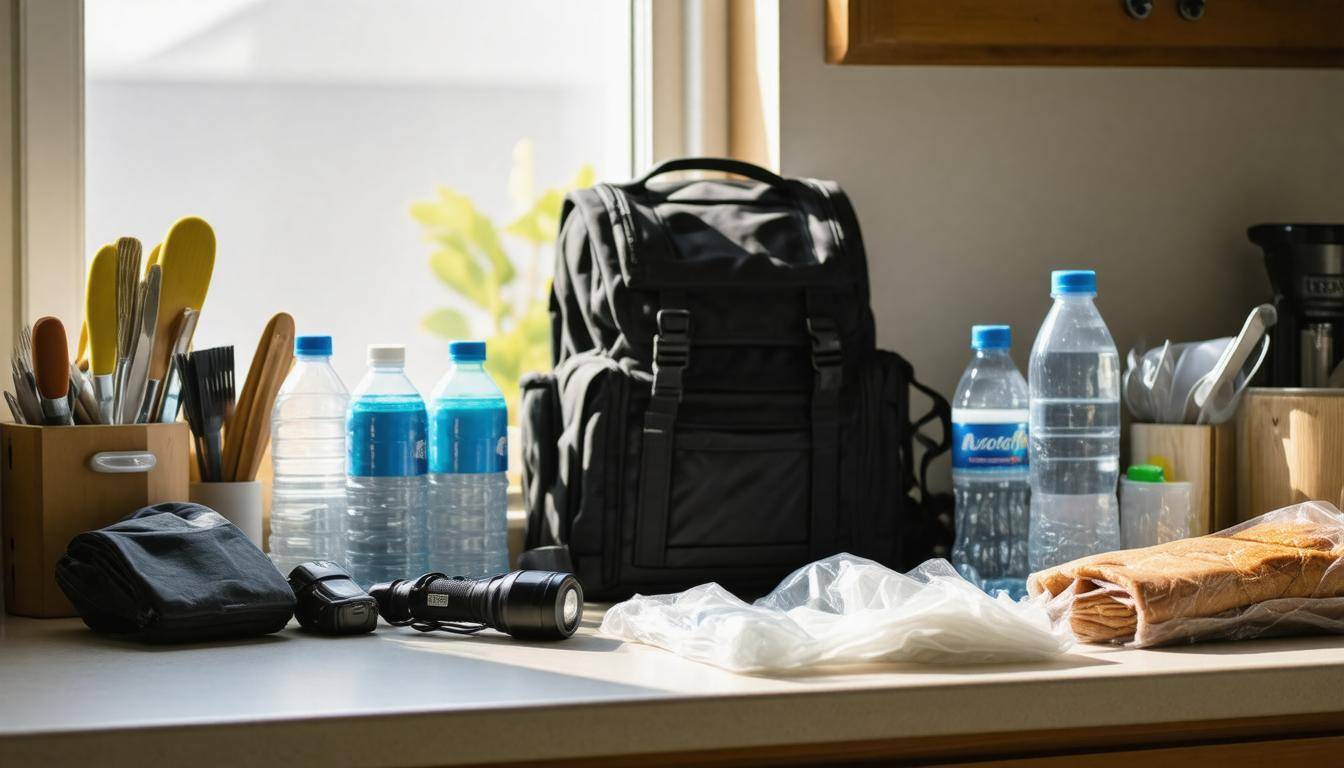
One fundamental takeaway is to always have an emergency kit ready. Think of it as your lifeline during those first critical days post-quake. An effective emergency kit should include:
- At least one gallon of water per person per day for three days
- Non-perishable food
- A flashlight
- Batteries
- A first aid kit
- Communication tools like a whistle or a battery-powered radio
Remember to keep this kit easily accessible, perhaps near the front door or under your bed, so you can grab it instantly if an evacuation becomes necessary.
Along with supplies, establishing a solid communication plan within your family is vital.
Create a clear list of emergency contacts and meet-up locations that everyone knows about. This list should cover local emergency services and include your primary care physician and an out-of-area contact. In case local phone lines go down, having someone far away who can relay information becomes incredibly valuable. Many people have experienced the relief that comes from quickly reconnecting with loved ones after a quake by following this simple but effective step.
Furthermore, taking home safety measures will enhance your preparedness significantly.
Review your living space for potential hazards; secure heavy furniture and appliances to walls using safety straps to prevent them from tipping over. Store fragile items in low cabinets to minimize breakage, which can lead to injuries during an earthquake. Additionally, conducting regular drills at home or work helps instill muscle memory for responding appropriately under stress. The “DROP, COVER, and HOLD ON” technique should be practiced until it becomes second nature.
Lastly, it’s essential to stay informed through community resources.
The San Francisco Fire Department runs programs such as the Neighborhood Emergency Response Team (NERT), offering free hands-on training on how to respond during disasters. Participating in this training not only builds individual confidence but also fosters a sense of community preparedness. Familiarizing yourself with local emergency services and evacuation routes empowers you further in ensuring both your safety and the well-being of those around you.
By implementing these essential tips into your routine, you’re doing more than just preparing for an earthquake; you’re actively investing in your family’s safety and fostering resilience for whatever may come your way.
As we build on these foundational steps, the next crucial element involves crafting a personalized strategy tailored to your family’s specific needs and dynamics. It’s time to explore how to effectively map out that plan together.
Creating a Comprehensive Family Plan
A tailored family emergency plan offers a sense of confidence in the face of uncertainty. It’s like having a roadmap that guides you and your loved ones through chaotic situations. By constructing this plan, you ensure that everyone knows not only what to do but also where to go when the ground starts shaking.
Step-by-Step Guide
I. Assign Roles
Begin by designating specific responsibilities to each family member. This is essential because it creates clarity during an emergency. For instance, one person can take charge of the emergency kit—making sure it is stocked and readily accessible. Another family member might be responsible for managing communication, which means keeping track of phone numbers and knowing how to turn off utilities if necessary. Individuals caring for pets must know where to gather their belongings quickly, as pets require immediate attention during such events.
With roles assigned, the next vital step is establishing meeting points to ensure everyone can regroup after an unexpected event.
II. Establish Meeting Points
Choosing safe spots both inside and outside your home can significantly reduce confusion during an emergency. Inside your home, identify areas away from windows and heavy furniture; perhaps a central room like the living room or kitchen. Outside, select a spot near your building, like a tree or park bench, where everyone knows to head post-quake. Additionally, choose a planned meeting place outside of your neighborhood, should conditions in your immediate area become unsafe. Establishing these locations helps prevent panic and provides reassurance that no one will be left behind.
Once you have established roles and meeting points, it’s time to focus on your communication strategy during a crisis situation.
III. Communication Strategy
Find robust methods for staying connected during emergencies when traditional communication lines may fail. It’s wise to encourage family members to utilize text messaging or social media platforms since they often remain functional even when local phone service is overwhelmed or down. To facilitate this strategy further, create a shared group chat or write down each person’s key contacts. Keeping these details within reach—from physical lists to saved notes on mobile devices—can make all the difference in those high-stress moments.
As you finalize your comprehensive plan, don’t overlook the importance of drills and practice runs.
IV. Drills and Practice
Regularly practicing earthquake drills is an essential part of preparing your family for real-life scenarios. Whether conducted monthly or quarterly, these drills help reinforce each family member’s assigned roles and ensure they understand how to react automatically when the moment arrives. Practicing together builds teamwork and enhances confidence, transforming fear into assurance as everyone becomes familiar with procedures and locations for safety.
Now that you’ve laid out this comprehensive plan for your family’s readiness, gathering essential supplies and forming additional support networks will not only solidify your preparations but also empower your community in facing potential earthquakes together.
Building Your Earthquake Kit
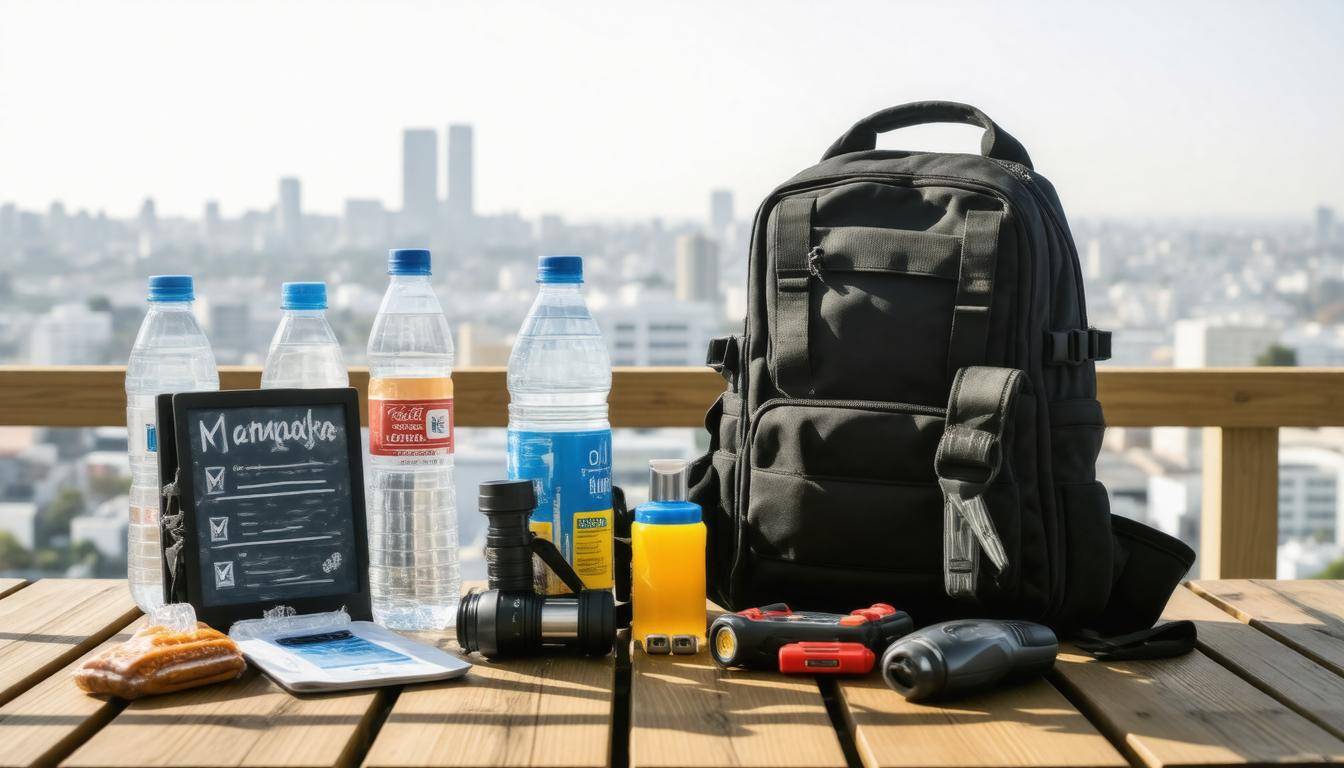
An earthquake kit serves as your lifeline in times of crisis, packed with essential supplies to navigate the first days after a seismic event, when services may be disrupted. It’s vital that this kit not only meets the general recommendations but is personalized to suit the needs of every member of your family.
Essential Items
-
Water: Ensure you have at least one gallon per person per day for a minimum of three days. Water is crucial, not just for drinking, but also for sanitation.
-
Non-perishable food: Stock enough food to last at least three days. Think about items such as canned goods, dried fruits, and energy bars that can provide nourishment without needing refrigeration.
-
Manual can opener: Don’t overlook this small gadget; you’ll need it to access your canned food if the power goes out.
-
First aid kit: A comprehensive kit should include bandages, antiseptic wipes, pain relievers, and any prescribed medications necessary for family members.
-
Flashlight and extra batteries: Power outages are common after earthquakes, so having reliable light sources is non-negotiable.
Beyond these essentials, there are personal touches that can make your earthquake kit even more effective.
Personal Touches
Include personal hygiene items such as toothbrushes, toothpaste, and sanitary products to help maintain comfort and health in challenging circumstances. Hygiene is often overlooked in emergency preparedness but can significantly impact overall well-being.
It’s equally important to have essential documents safely stored and easily accessible. Create copies of ID cards, insurance policies, and medical records. These documents can be crucial for securing assistance or making claims after a disaster.
Additionally, don’t forget to include a list of medications each family member takes. This information can be invaluable if you need to seek medical attention quickly or if you find yourself without your regular prescriptions in an emergency.
Final Insights
Keep your earthquake kit somewhere easily accessible; consider storing it near the front door or under beds. This positioning allows for quick retrieval and ensures you’re ready to leave in haste if necessary.
Review your kit regularly—at least once a year—and replenish any expired supplies. As family needs change over time, update the contents of your kit accordingly to reflect new dietary requirements or additional members in the household.
As you prepare to fortify yourself against seismic threats, it’s equally crucial to focus on how to secure your living environment for maximum protection during an earthquake.
Securing Your Living Space

Securing your home isn’t just a precaution; it’s an essential step in protecting your family when the ground begins to shake. By addressing the physical environment you live in, you can minimize the risk of damage and potential injuries that arise from an earthquake. Start with furniture and electronics, as they are often the first to go tumbling during strong tremors. Heavy items can easily topple over, causing serious harm or severe damage to your home when loose.
Furniture and Electronics
Begin by anchoring heavy furniture such as bookshelves, dressers, and armoires to wall studs using sturdy brackets and straps. This simple act not only safeguards the furniture itself but also eliminates the risk posed by falling objects.
For televisions, consider using specialized anti-tip straps designed specifically for this purpose; these will help keep your expensive electronic devices safe while preventing them from becoming dangerous projectiles during an earthquake. You can further secure smaller decorative items on shelves or tables using museum wax or quake putty. This adhesive offers a stronghold against movement, ensuring that cherished items stay intact even in the event of a jolt.
Remember: These steps prevent injuries caused by falling objects.
Utility Management
Moving on to utility management, knowing how to turn off your gas, water, and electricity is crucial. Accidents can happen after a quake—think ruptured gas lines or busted pipes—leading to leaks that pose fire hazards or flooding issues. Label all shut-off valves clearly so anyone in your household can act quickly after an earthquake strikes. Many residents don’t realize the hidden dangers lurking behind their walls until it’s too late.
Additionally, consider keeping a wrench near the gas meter for easy access when necessary. Make it a habit to review these procedures with your family regularly so everyone understands how to react in an emergency situation. This preparation fosters confidence among all household members—and makes it clear that readiness is a shared responsibility.
With these proactive measures in place to secure your living environment, we can shift our focus to examining how structural integrity plays a vital role in safeguarding our homes against seismic threats.
Strengthening Buildings and Structures
Enhancing the resilience of your home or workplace is not just a wise investment; it’s essential for minimizing earthquake-related damage. Many older structures were built before modern seismic standards, leaving them vulnerable when the ground shakes. Thankfully, retrofitting can make all the difference.
Retrofitting Basics
Retrofitting older buildings to current seismic building standards isn’t merely a suggestion—it’s an action every San Francisco resident should consider. This process might involve reinforcing foundations, which can dramatically improve stability during seismic events. You can also add steel frames or install seismic dampers that effectively absorb shocks, similar to how shock absorbers in cars work.
The San Francisco Department of Building Inspection offers invaluable resources and permits for homeowners wishing to make their properties more earthquake-resistant. Their guidance includes suggestions tailored specifically to the unique challenges presented by living in such a seismically active zone.
Cost Considerations
While retrofitting might seem daunting, understanding cost considerations can help you take the first step. Investing in seismic safety today can save significant expenses down the line due to potential damages or even building replacements after an earthquake strikes.
| Retrofit Type | Average Cost | Expected Benefits |
|---|---|---|
| Foundation Bolting | $3,000 – $7,000 | Prevents structural sliding off foundation |
| Masonry Reinforcement | $5,000 – $15,000 | Strengthens walls to resist collapse |
| Seismic Bracing | $4,000 – $10,000 | Reduces overall shaking and damage |
Each retrofit option comes with its unique benefits and costs parameters. Spending around $3,000 to $7,000 for foundation bolting could mean the difference between a stable home and one that slides off its base during a quake. When considering masonry reinforcement or seismic bracing, it’s crucial to weigh immediate financial costs against long-term protection and peace of mind.
With this knowledge in hand, assessing the hazards associated with earthquakes becomes vital in shaping your preparedness plans and ensuring both personal safety and community resiliency.
Understanding Earthquake Risk in San Francisco
Living in San Francisco means embracing the beauty of vibrant neighborhoods and stunning vistas—but it also carries a weighty responsibility: awareness of earthquake risks. Situated near major fault lines, such as the infamous San Andreas and Hayward faults, residents are faced with a unique reality. These geological fractures are reservoirs of immense tension that can release an untold amount of energy in the form of earthquakes.
For example, if we look back at history, the 1906 earthquake rocked the city with a staggering magnitude of 7.9, leaving behind a path of destruction that many still remember today.
According to historical records, the potential for similar events looms large over San Francisco. The US Geological Survey paints a stark picture, estimating a 72% chance of at least one earthquake reaching magnitude 6.7 or greater in the Bay Area within the next 30 years. This risk isn’t just a statistic; it’s a reminder that preparedness should be woven into the very fabric of life in this beautiful city.
But what exactly does this mean for you as a resident? It underlines an urgent call to action, emphasizing the need for readiness within the community.
Understanding your surroundings is crucial when preparing for an earthquake. Knowing which fault lines are nearby can help inform your emergency plans—whether you’re developing strategies for securing heavy furniture, organizing emergency kits, or creating communication plans with family members.
Remember, being proactive can significantly reduce disaster-related injuries and damages when a quake strikes.
In addition to individual readiness, fostering community awareness plays an equally vital role. Engaging in local drills or participating in neighborhood preparedness meetings creates a supportive environment where residents can share resources and strategies for survival. It’s about strengthening not only your home but also your community against seismic threats.
By taking these steps and having conversations about earthquake preparedness, you set in motion a framework for resilience that extends beyond individual households into the heart of the community.
City Support and Resources
San Francisco has a robust support system designed to empower residents as they prepare for the inevitable seismic events that can occur in this region. One of the standout programs offered by the city is the Neighborhood Emergency Response Team (NERT), which caters to community members eager to gain practical skills for disaster preparedness. Through NERT, participants have access to free training sessions that cover a wide range of crucial topics such as first aid, search and rescue operations, and fire suppression techniques.
Many who’ve taken part in the NERT training rave about how hands-on learning fosters confidence and equips them with skills they never thought they’d master. The result? A community that’s not just aware, but capable of responding effectively in an emergency.
Beyond personal training programs, there are structural initiatives aimed at ensuring your home or building remains safe following seismic activity.
Post-Earthquake Inspections
Among these initiatives is the Building Occupancy Resumption Program (BORP). This program is particularly beneficial for building owners interested in pre-certifying inspections by qualified engineers. Enrolling in BORP allows owners to streamline the re-occupancy process after an earthquake by having their property inspected ahead of time, thus affirming its safety for tenants and inhabitants.
By taking advantage of BORP, you can avoid delays that might arise post-disaster when many properties may be competing for quick inspections. With this proactive approach, you ensure safety for those residing in your property while alleviating stress on local emergency services.
In addition to these city-based resources, staying informed about various organizations and their initiatives is wise.
For example, the California Earthquake Authority plays a pivotal role not just in promoting safety education but also by providing affordable earthquake insurance policies tailored for every type of residence—from single-family homes to mobile dwellings. Understanding your insurance options is crucial; it ensures financial security should an earthquake damage your property. These programs are designed not only for awareness but also facilitate financial recovery in the aftermath of an earthquake.
All these resources collectively create an environment fostering preparedness within San Francisco’s communities. By actively participating in these programs and utilizing what the city offers, residents can significantly enhance their readiness for any seismic event while ensuring their family and homes remain safe in a city known for its unique beauty—and geological challenges.
With this foundation of support established, we now look toward staying updated on alerts and ongoing safety measures that will further empower residents during seismic threats.
Staying Informed and Alert
Real-time information can be critical in the moments before, during, and after an earthquake. Being prepared means you’re not just waiting for the ground to shake beneath you; it involves proactive measures that keep you and your loved ones safe. Understanding how to access and process information about earthquakes can make all the difference when a tremor strikes.
Alert Systems
It’s essential to sign up for emergency alert systems like ShakeAlert. This system provides early warning notifications about imminent seismic activity, which can be crucial for your safety. While some might argue that these alerts don’t always offer enough time to take action, even a few seconds can significantly impact your response. It could give you just enough time to drop, cover, and hold on—making the difference between minor injuries and serious harm. Additionally, these alerts may help avoid panic by preparing you mentally for what’s about to happen.
Monitoring Tools
Monitoring tools can also be extremely helpful. Utilizing apps and websites like sf72.org or the US Geological Survey’s Earthquake Hazards Program, allows you to stay updated with real-time information on seismic activity as well as preparedness tips. These platforms provide valuable data on recent earthquakes in the area, potential aftershocks, and safety recommendations—keeping you informed at all times. Bookmarking these resources makes accessing critical information quick and easy during moments of uncertainty. With a few taps on your smartphone or clicks on your laptop, you’re empowered to make informed decisions that greatly enhance your safety.
So remember: in a city with such a rich history of seismic events, knowledge isn’t just power—it’s survival. Stay alert, stay connected, and prepare yourself with the right tools to ensure both your safety and peace of mind in the face of nature’s unpredictability.
In summary, remaining informed through alert systems and monitoring tools is essential for earthquake preparedness in San Francisco. Equip yourself with the necessary resources to navigate and respond effectively when events unfold.
Are there local resources or organizations that provide training on earthquake preparedness and response?
Yes, in San Francisco, various local organizations offer training on earthquake preparedness and response, including the San Francisco Department of Emergency Management and the American Red Cross. They provide workshops, drills, and resources that help residents develop emergency plans and understand how to respond during an earthquake. For example, according to FEMA, communities that engage in preparedness training show a 70% increase in resilience and effective response during crises, highlighting the importance of utilizing these local resources.
What specific steps should individuals and families take to prepare for an earthquake in San Francisco?
Individuals and families in San Francisco should take several specific steps to prepare for an earthquake: create a comprehensive emergency plan that includes communication strategies, establish a family meeting point, and ensure everyone knows how to “Drop, Cover, and Hold On” during an earthquake. Stock up on at least 72 hours’ worth of essential supplies like food, water, first aid kits, and necessary medications. Additionally, secure heavy furniture and appliances to walls to prevent tipping. According to the US Geological Survey, there’s a 63% chance of a major earthquake occurring in the Bay Area within the next 30 years, making preparedness essential for safety.
How can residents assess whether their homes are structurally sound against earthquakes?
Residents can assess the structural soundness of their homes against earthquakes by hiring a licensed structural engineer to perform a thorough inspection, focusing on key elements such as the foundation, framing, and any potential soft-story conditions. According to FEMA, nearly 75% of earthquake-related injuries occur due to building failures; hence, evaluating your home’s compliance with current seismic standards is crucial for safety. Additionally, homeowners should check for any visible cracks in walls or foundations and ensure that their home has proper connections between walls and floors to enhance overall stability during seismic events.
What emergency supplies are essential for a post-earthquake scenario?
Essential emergency supplies for a post-earthquake scenario include food and water (at least one gallon per person per day for three days), a first aid kit, flashlights with extra batteries, multi-tools, whistle for signaling, personal sanitation items, blankets or sleeping bags, and local maps. According to FEMA, after any disaster, it is crucial to have at least 72 hours’ worth of supplies as local emergency services may take time to reach you. Being prepared can significantly increase your chances of staying safe and healthy in the aftermath of an earthquake.
What role does community planning play in enhancing earthquake resilience for San Francisco neighborhoods?
Community planning plays a crucial role in enhancing earthquake resilience for San Francisco neighborhoods by fostering collaboration among residents, local organizations, and government agencies to create comprehensive preparedness strategies. Effective community engagement ensures that everyone is aware of risks and safety protocols, leading to higher participation rates in drills and educational programs; studies indicate that neighborhoods with strong community ties can reduce disaster impacts by up to 40%. Furthermore, implementing zoning regulations and retrofitting initiatives can significantly strengthen infrastructure, thereby minimizing damage during seismic events and ensuring quicker recovery for affected areas.