
When it comes to being prepared for emergencies, most people think about food, water, and tools. But what about clothing? The right clothes can make all the difference when unexpected weather hits or when you find yourself stranded outdoors. Whether it’s freezing cold temperatures or scorching heat, having appropriate seasonal clothing packed in your emergency kit could save you from discomfort or more serious health risks. I spent time diving into what essential items every seasonal kit should have to ensure not just survival but comfort too. Let’s explore what you need to include for each season so you can stay safe and ready for anything that comes your way!
The full list for seasonal clothing in emergency kits typically includes waterproof jackets, thermal hats, gloves, and thick socks to provide warmth and protection from the elements. Additionally, consider including extra layers such as fleece or insulated pants, and sturdy footwear to ensure comfort and safety during emergency situations.
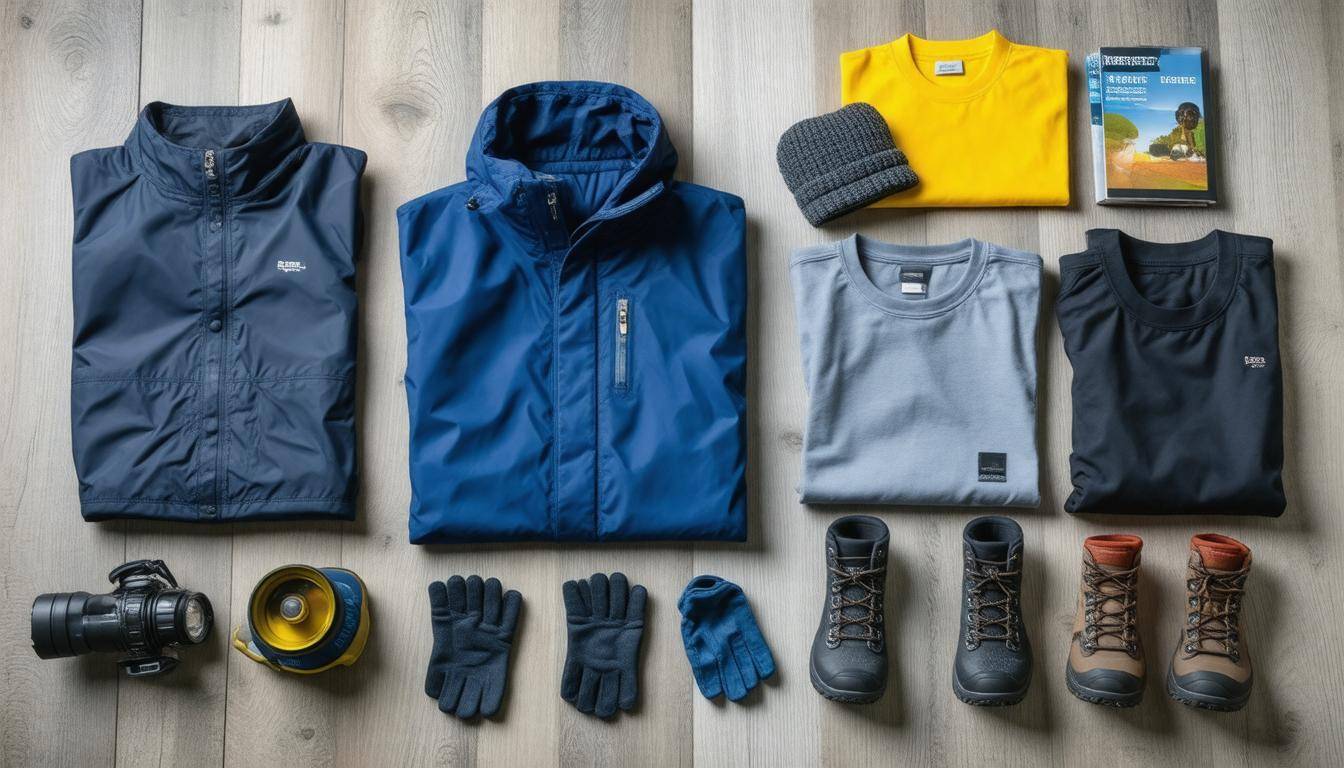
Seasonal Clothing for Your Emergency Kit
When assembling an emergency kit, having suitable clothing is vital for staying safe and comfortable in unexpected weather conditions. The focus should be on layering components; with layers, you can easily adjust as temperatures fluctuate throughout the day or night.
For winter, an insulated waterproof jacket is non-negotiable. Its primary function is to prevent heat loss while shielding you from wind and moisture. To ensure warmth beneath that outer layer, thermal underwear acts as an excellent insulator, trapping body heat close to your skin. Furthermore, thick socks help keep your feet warm; after all, cold extremities can quickly lead to discomfort and even frostbite.
With winter addressed, let’s move into the summer months.
It’s paramount to keep cool and protected from the sun’s harmful rays. Lightweight, breathable shirts work wonders here—opt for materials designed to wick moisture away from your skin, ensuring you stay dry even during intense activities. Coupled with a UV-protective hat, you’ll shield yourself from direct sunlight effectively.
Additionally, quick-dry pants are practical; they dry quickly if they get wet and stay light despite the humidity. A pair of sandals allows your feet to breathe while also providing comfort when navigating unfamiliar terrain.
As seasons transition into spring and autumn, it’s essential to think about variable weather patterns.
Waterproof jackets serve multiple purposes—you’ll appreciate their capacity to keep you dry when rain catches you off guard. Pair these jackets with hoodies that provide insulation without bulk, making it easy to pack them without taking up much space in your bag.
Having long-sleeve shirts available adds versatility for both warmth and protection against insects as well as sun exposure during hikes or outdoor excursions—layer them under a jacket or wear them alone as the temperatures rise and fall throughout the day.
And don’t underestimate the power of a light scarf; it can protect you from wind chill or simply add flair to your outfit!
In packing your emergency kit, remember that each item serves a purpose beyond fashion; durability and practicality are key values to uphold. Always choose fabrics that provide functionality suited to their respective seasons.
By selecting clothing appropriate for each season and focusing on multi-functional items, you’re paving the way toward effective preparedness for whatever nature throws your way.
Adapting to Winter Conditions
The wisdom of layering your clothing provides not only comfort but also a shield against winter’s harsh embrace. Think of layers as an onion; each one adds a barrier between you and the cold, trapping warmth close to your body while allowing moisture to escape.
The outermost layer should be both windproof and water-resistant, as this prevents chilling drafts and wetness from seeping in. It’s not just about piling on clothes; it’s about creating a system designed to adapt to changing environments throughout your day.
A common misconception is that wearing one bulky jacket will keep you warmer than multiple thinner layers. In reality, wearing thermal base layers, such as thermal leggings and tops, can provide superior insulation by retaining heat more effectively. This approach encourages moisture management—even when the temperature dips below freezing, having proper thermal wear can prevent dangerous conditions like frostbite or hypothermia.
Remember: Hypothermia can creep up surprisingly quickly; even temperatures above 40°F can pose risks if you’re wet. Staying dry is as critical as staying warm.
Additionally, don’t underestimate the importance of your extremities—hands, feet, and head lose heat much faster than your core. Investing in insulated waterproof gloves and thick wool socks goes a long way toward maintaining overall body temperature. Encasing your feet in warm, insulated boots with good traction ensures you remain mobile, whether navigating through snow or icy conditions.
As we embrace the winter months, let’s consider both the warmth our clothing provides and how effectively it shields us from biting winds that can exacerbate the chill.
Wind can dramatically increase the feeling of cold due to its ability to whisk away body heat—this process is commonly known as wind chill. A well-designed jacket with a high collar or hood can serve as an effective barrier against brisk breezes. When weaving your wardrobe strategy together for winter travel or outdoor activities, choosing apparel that’s versatile yet functionally robust is essential.
To further illustrate this point, statistics show that layered clothing combined with proper wind protection can significantly lower the risk of cold-related health issues during outdoor exposure. By combining specific materials – such as fleece for insulation and nylon for wind resistance – you’re not just dressing; you’re preparing yourself for every challenge winter throws at you.
Adapting your clothing choices to stay snug and secure in winter conditions isn’t just about style; it’s an important strategy for survival. Each item you select plays a role in ensuring your readiness for whatever nature has in store.
Equipped with this knowledge on how to face winter’s chill, we can now shift our focus to tackling the challenges posed by rising temperatures and preparing accordingly for the warmer seasons ahead.
Preparing for Summer Heat
In the sweltering summer months, dressing appropriately transcends mere comfort—it becomes a vital aspect of personal safety. Clothing should not only allow your skin to breathe but actively aid in regulating your body temperature. Fabrics like cotton and linen are often hailed as heroes in this department because they promote airflow while absorbing moisture. This natural wicking ability keeps you feeling cooler, especially when the sun beats down relentlessly. You’ll be surprised by how much a light shirt can contribute to a more pleasant experience outdoors.
Interestingly, studies reveal that lightweight, UV-protective clothing can lower skin temperature by up to 10 degrees Fahrenheit, giving you an edge against the heat. Imagine being outside on a scorching day, yet feeling a noticeable difference just because of what you’re wearing—that’s significant!
Incorporating accessories is also key. A wide-brimmed hat doesn’t just look stylish; it offers an essential layer of protection for your face and neck, ensuring that direct sunlight doesn’t leave painful reminders in its wake. Similarly, don’t overlook the importance of UV-blocking sunglasses. Shielding your eyes from UV rays is equally vital; prolonged exposure can harm delicate eye tissues and lead to complications over time.
Keeping cool is only half of the battle; ensuring you’re well-hydrated is crucial as well. That’s why having lightweight water bottles always at hand is imperative, especially when hitting the trails or enjoying outdoor activities.
To enhance hydration efforts during hot weather, consider investing in insulated water bottles that can keep liquids cool for hours on end. Staying hydrated isn’t just about drinking water but doing so frequently throughout the day; thirst isn’t always an accurate indicator that your body needs fluid replenishment. Carrying extra bottles or even utilizing a hydration pack while hiking ensures you get regular sips without constant trips back to a cooler.
Moreover, think about incorporating some emergency hydration supplies in your kit—electrolyte packets can make a substantial difference after sweating profusely. They quickly restore vital nutrients lost through perspiration, offering both convenience and relief.
While focusing on hydration and clothing essentials for summer heat, it’s important to understand how these preparations integrate into your overall readiness plan—being prepared for any season is fundamental!
Spring and Autumn Essentials

During these transitional seasons, having the right clothing in your emergency kit is vital. As temperatures fluctuate throughout the day and unexpected rain showers often appear without warning, versatility becomes key. Consider incorporating lightweight waterproof jackets alongside sturdy windbreakers into your kit. This combination ensures you’re ready for both sunny afternoons and sudden downpours, allowing you to enjoy the beauty of seasonal changes while staying dry.
You might want to add breathable long-sleeve moisture-wicking shirts to your attire options. They serve the dual purpose of keeping you insulated on cooler days and comfortable when temperatures rise. Pairing this with insulating layers, such as fleece or wool sweaters, provides an effective solution for fluctuating temperatures since they trap heat without being bulky.
Reflecting on my own experiences, I recall hiking during a sudden change in weather in spring; my light jacket turned out to be a lifesaver against sharp winds. A packable jacket served me well; it stashed easily in my backpack but made all the difference in battling those unexpected chills.
Focusing on what’s beneath your outer layers is equally important. Breathable pants are essential as they provide comfort and mobility while protecting against the elements. It’s wise to opt for quick-dry materials that wick away moisture should you encounter damp conditions. Remember to pack extra pairs of socks; having a few moisture-wicking pairs can elevate your comfort level especially if you unexpectedly step in a puddle.
While personal protection from the elements is crucial, don’t overlook accessories that enhance your preparedness too.
Essential accessories include a warm hat and gloves for those cool spring mornings or brisk autumn evenings. Additionally, consider carrying an umbrella or compact rain poncho. They can be life-saving items that don’t take up much space but provide valuable protection from rain when pulled out at just the right moment.
If you’re looking to maximize versatility further, consider multi-functional gear like scarves that serve both warmth and protection from elements like wind and rain. This adaptability not only ensures comfort but also helps prevent hypothermia during sudden drops in temperature.
What lies ahead is an exploration of strategies that enhance comfort through layering—empowering you to face whatever the weather has in store.
Layering Techniques for Emergencies
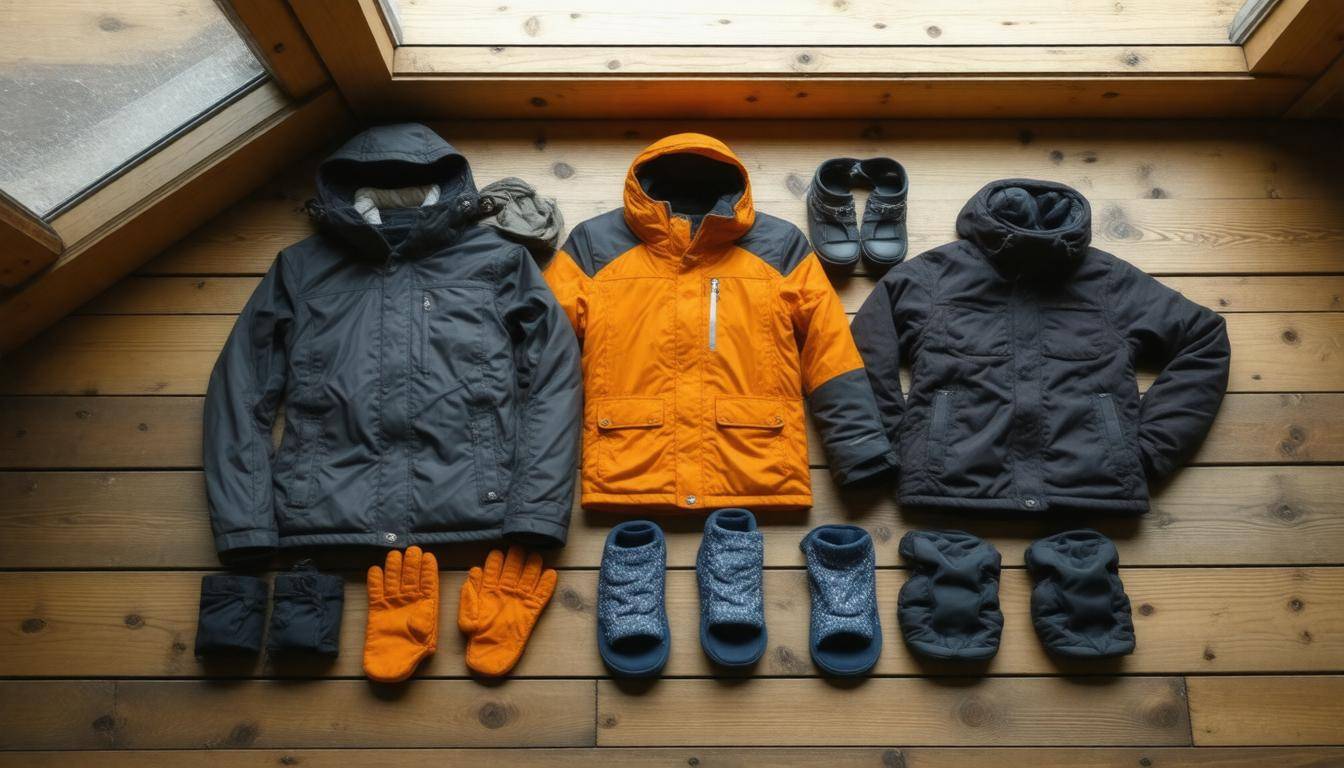
At its core, layering is not just about dealing with the cold—it’s a strategy for temperature regulation during unexpected weather. It allows you to easily adapt to changing conditions by adding or removing layers as needed. There are three primary layers that together form a system designed to keep you comfortable and protected.
The Layering System
The first step in this effective layering setup begins with the base layer. This layer is meant to be worn closest to your skin and should be made from moisture-wicking fabrics like merino wool or advanced synthetic materials. The goal of the base layer is to manage perspiration; it pulls moisture away from your skin when you’re active, preventing you from getting chilled as sweat cools down your body in cold environments.
Next up is the mid layer, which serves as insulation. Materials like fleece or down are ideal choices here, providing necessary warmth while still allowing for some breathability. During colder seasons or harsh conditions, this layer retains body heat without making you overly hot. It’s essential to choose a thickness appropriate for the temperatures you expect to face—essentially, thicker insulation for colder weather and lighter layers for milder days.
Finally, we have the outer layer, which acts as your shield against wind, rain, or snow. Waterproof jackets made from materials like Gore-Tex provide both waterproofing and breathability so that heat can escape while keeping moisture out. This layer is crucial in extreme weather conditions; whatever else you’ve done in terms of layering won’t mean much if your outer layer fails to protect you from the elements.
Adapting these components effectively allows for transitions between activities too; if you’re exerting yourself during a hike, you might shed an insulating layer but add it back at a rest stop when the temperature drops or wind kicks up.
Understanding how to use each of these layers helps in staying warm and could very well make a difference when faced with emergencies. Proper maintenance of your system means regularly checking its fabrics and weather-resistance capabilities; any tears or worn-out sections can dramatically reduce effectiveness.
As you prepare for seasonal changes, actively consider how these components work together—you might find it transforms not just your emergency preparedness but everyday comfort as well.
With this knowledge about optimal layering techniques, it’s time to evaluate what resources you currently have on hand and ensure they meet your needs.
Assessing Your Current Gear
The first step in preparing yourself for any emergency is understanding exactly what’s in your closet. A clothing audit allows you to discern which pieces are still functional and which ones need replacing. To get started, lay out all your current clothing items together. This simple act can be quite revealing as you start to see the variations in quality and usability.
Begin by sorting the clothing into seasonal piles. You might find summer clothes mingling with winter gear, and this distinction is crucial when considering what you’ll need as the seasons change. It’s surprising how easy it can be to overlook an old winter parka until you see it next to a pair of flip-flops. Once sorted, take a careful look at each item and check for signs of wear and tear. Are there any frayed edges, stains that just won’t wash out, or zippers that no longer zip?
As you assess your clothing, follow this simple checklist:
- Categorize each piece by season—this provides clarity on what you truly need for immediate use.
- Condition-check each item; assign a rating based on wear, from 1 as “like new” to 5 indicating “needs replacement.”
- Note the size—if something doesn’t fit well anymore, mark that down too so you can make room for better-fitting options later.
Once you’ve rated everything, it’s time to replace those worn-out items and take an inventory of the gaps in your clothing collection. Do you need another pair of gloves or perhaps a warmer coat? Jotting these down will serve as a practical guide for your next shopping trip.
This assessment is more than just a chore; it’s an opportunity to refresh your wardrobe while ensuring that each piece serves its purpose when called upon. Having appropriately sized and functional gear can be lifesaving during emergencies where quick access matters most.
Recognizing what you have on hand and its overall condition prepares you to tackle challenges head-on. With this solid foundation in place, we now turn our attention to the accessories that enhance preparedness across different seasons.
Essential Accessories for Various Seasons
When it comes to preparing for unpredictable weather and emergencies, it’s the small things that make a significant difference. Accessories, though they may seem trivial at first glance, can play crucial roles in ensuring personal safety and comfort during adverse conditions. Let’s take a closer look at what you should include for each season to enhance your preparedness.
Winter Necessities
In winter, when temperatures can plummet and snow blankets the ground, staying warm is paramount. Pack thermal hats that provide insulation without bulk; these will trap heat while allowing breathability. Hand warmers are an absolute must—they’re compact and can easily slip into pockets or gloves, providing instant warmth when needed.
Don’t forget sturdy snow boots designed to keep feet dry and insulated; the right pair not only offers warmth but better traction in slippery conditions.
A ski mask can be uncomfortable or restrictive if chosen poorly, but one that fits well and is made of breathable material can protect your face from biting cold winds.
Summer Necessities
Conversely, summer brings its own set of challenges with heat waves and pests. Hats with UV protection are essential to shield your face from harmful rays while providing an additional layer of sun protection. Incorporating cooling towels into your kit is a game-changer; they’re lightweight and provide immediate relief from heat when soaked in water and draped around your neck.
Alongside those, sunblock is not just for beach days—having a good SPF available protects your skin during emergencies too. Lastly, don’t overlook insect repellent; keeping bugs at bay is crucial, especially in warmer months when they proliferate—an overlooked detail that can significantly affect morale during challenging situations.
These accessories cater specifically to seasonal needs, ensuring you remain comfortable and safe regardless of the elements you might encounter. Now we can shift focus to strategies that ensure your clothing kit remains optimized for future uncertainties.
Future-Proofing Your Clothing Kit
One of the most intelligent investments you can make for your emergency clothing kit is to focus on versatility. Selecting high-quality materials like merino wool is paramount. This fabric performs exceptionally well in a range of temperatures, keeping you warm in winter and cool when the temperature rises. The beauty of merino wool extends beyond its thermal properties; it also has moisture-wicking qualities, making it less likely to retain odors after prolonged wear—a significant advantage during emergencies when resupply might be tricky.
Another thing to consider is layering. Think of it as creating a flexible defense against Mother Nature. Investing in several lightweight layers allows you to easily adjust your comfort level by adding or removing items based on changing temperatures. For example, an insulated jacket can work wonders over a simple t-shirt and base layer, providing warmth during a chilly night without needing bulky options that take up too much space.
Keep in mind that clothing should be sized a bit larger to accommodate these additional layers when preparing your kit. This way, you won’t feel restricted, and you’ll have room to adjust as needed.
Furthermore, consider seasonal transitions that may occur unexpectedly. Items such as convertible pants—which can transform into shorts—or packable rain jackets that fit snugly in your bag become incredibly beneficial. They’re dual-purpose solutions that prevent clutter while ensuring adaptability in your collection.
It’s also vital to periodically reevaluate what you’ve included in your emergency kit as seasons change or as you discover new products that outperform older selections. A yearly inspection not only provides an opportunity to update worn-out pieces but also considers recent weather patterns and services available in your region. According to research, nearly 70% of families do not prepare for seasonal emergencies like snowstorms or heat waves, highlighting how crucial it is to keep your needs current.
There’s no denying the influence of familiarity during stressful situations. When envisioning an emergency scenario where quick decisions are necessary, you’ll find comfort in wearing clothing that’s known and trusted. Practicing setup drills while donning the gear can familiarize everyone with how it packs and functions.
By emphasizing quality and versatility in your choices and maintaining an active approach towards readiness, you’re not just surviving—you’re thriving amidst uncertainty. This thoughtful preparation empowers you against unforeseen challenges ahead, enhancing your ability to respond with confidence rather than anxiety.
In summary, being proactive with your clothing choices not only ensures comfort but also boosts your overall preparedness for any situation life may throw at you.
Are there additional accessories that should accompany seasonal clothing in an emergency kit, such as footwear or blankets?
Yes, in addition to seasonal clothing, it’s essential to include accessories like durable footwear and thermal blankets in your emergency kit. Proper footwear can prevent injuries and ensure mobility during conditions like heavy snow or rain, while thermal blankets are crucial for retaining body heat in colder climates. According to FEMA, hypothermia claims about 1,300 lives annually in the U.S., underscoring the importance of having adequate warm gear and accessories ready for emergencies.
How often should the seasonal clothing in emergency kits be checked and updated?
Seasonal clothing in emergency kits should be checked and updated at least twice a year, ideally at the change of each season. This ensures that items are still in good condition, appropriately sized, and suitable for impending weather conditions. According to a survey by the Ready Campaign, 60% of Americans do not have an emergency preparedness kit, and among those who do, only 30% regularly check or update their supplies, highlighting the importance of maintaining current and relevant items for effective readiness.
What specific types of clothing should be included for each season in an emergency kit?
For an emergency kit, include season-specific clothing such as insulated jackets and thermal layers for winter, breathable fabrics and sun hats for summer, waterproof rain gear for spring, and versatile fall layers. Each type serves to protect against extreme temperatures and weather conditions, crucial for survival. According to the National Weather Service, hypothermia can occur in temperatures above 50°F if wet, emphasizing the need for appropriate clothing regardless of the season. Properly prepared outfits can significantly reduce health risks during emergencies.
How can one determine the appropriate sizes for clothing items included in an emergency kit?
To determine the appropriate sizes for clothing items included in an emergency kit, it is essential to consider the average clothing sizes of all potential users. Research indicates that around 50% of people wear sizes considered “medium” (size 10-12 for women, size 38-40 for men), so including a mix of sizes—small, medium, large, and extra-large—ensures inclusivity. Additionally, it’s wise to opt for adjustable or unisex options that can accommodate different body types and layers of clothing, ensuring comfort and practicality in various emergency situations.
What materials are best for seasonal clothing in terms of durability and comfort during emergencies?
For seasonal clothing in emergency kits, materials like Merino wool and synthetic fabrics such as polyester are ideal due to their durability and comfort. Merino wool is known for its moisture-wicking properties, warmth even when wet, and natural anti-odor qualities, making it suitable for varying weather conditions. On the other hand, polyester is lightweight, quick-drying, and resistant to tearing, which enhances longevity in emergency scenarios. Studies show that garments made from these materials can last significantly longer than cotton blends in harsh environments, providing essential protection and comfort when it matters most.