
When the seasons change, so do the needs of our communities, especially for those facing homelessness or other vulnerabilities. As temperatures drop, it is crucial for us to come together and ensure that everyone has a safe place to turn during harsh weather. This guide serves to help you find seasonal emergency shelter options tailored to your region, highlighting various resources and innovative solutions that arise in times of need. By being informed about available shelters and understanding how they change with the seasons, we can foster a sense of community resilience, ensuring no one faces the elements alone.
Seasonal emergency shelter options vary by region and often include local shelters operated by nonprofits, government facilities, or community centers that open during times of increased need. To find specific options, it is advisable to check with local homeless services organizations or visit regional government websites that provide updated information on available resources during critical weather conditions.
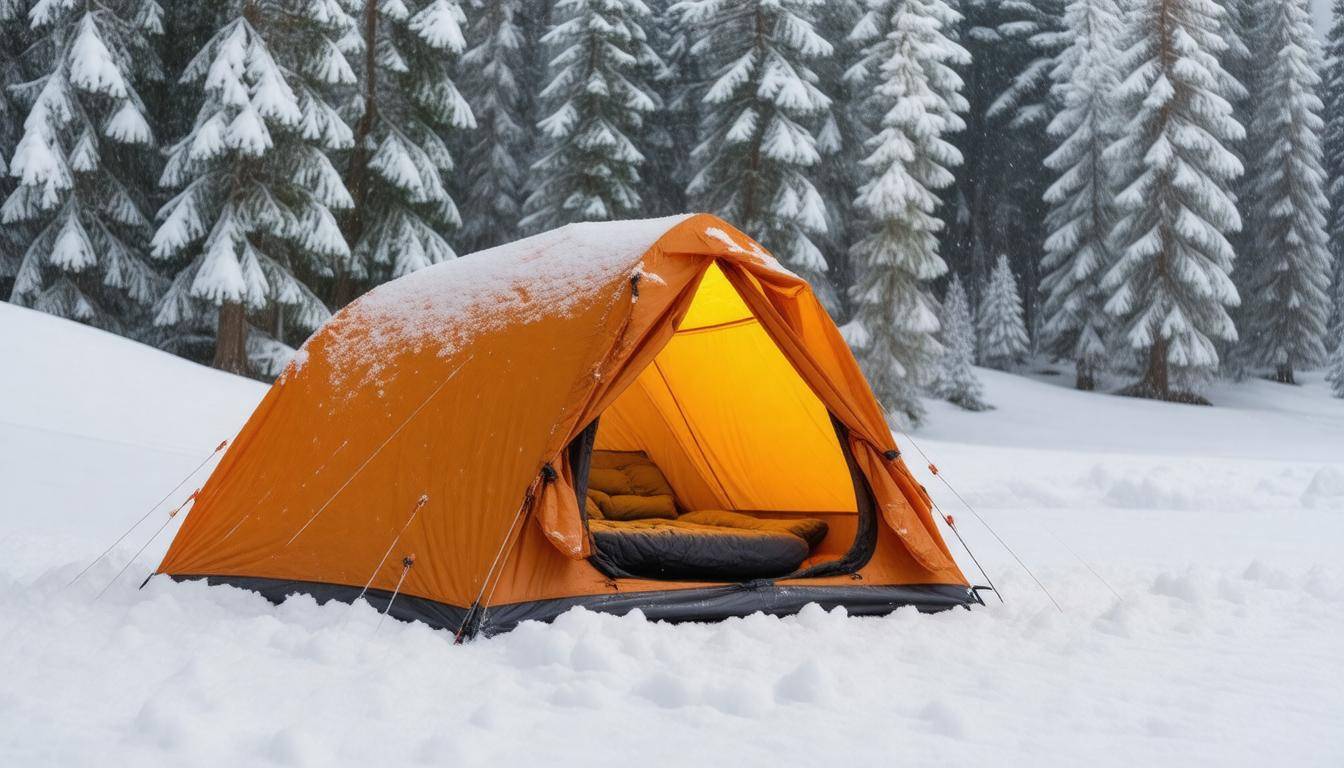
Winter Shelters in Cold Regions
In areas where temperatures plummet, winter shelters become a lifeline for individuals experiencing homelessness or those simply seeking refuge from extreme weather. These shelters are strategically set up to respond to significant drops in temperature, ensuring that no one is left outside to face freezing conditions alone. The creation of specialized warming centers illustrates the community’s commitment to safety and support during these unforgiving months.
One effective model for these shelters involves local governments coordinating with non-profits and community organizations to mobilize spaces like schools, gyms, and community centers. This ensures not only that ample shelter exists but also that these facilities can handle an influx of individuals when severe weather alerts are issued. For instance, when Minneapolis announces temperatures dipping below 20°F, it’s all hands on deck to prepare warm meals and stock blankets.
“During extreme weather events, we open all available buildings,” said a spokesperson from a Minneapolis nonprofit organization. “It’s a community effort.”
To truly grasp the importance of these shelters, consider the variety of amenities they provide, which often exceed basic sheltering needs and contribute significantly to overall well-being. Individuals arriving at these warming centers can expect access not just to heated spaces, but also a range of resources designed to restore dignity while meeting immediate survival needs.
Amenities Provided
The following common amenities are found at winter shelters:
- Heated spaces that combat the biting cold.
- Hot meals that offer nourishment and comfort.
- Warm clothing essentials to keep everyone cozy.
- Blankets for additional warmth during nighttime hours.
- Medical services, ensuring immediate health concerns are addressed.
- Shower facilities for hygiene and refreshment.
For many who rely on these shelters, their experiences often highlight a greater sense of community than isolation. Take Heather’s story as an example: “Last winter, I had nowhere to go. The community center opened their doors as a warming shelter. They gave me not just a warm place to sleep, but also a hot meal and new blankets.” This reflects not only the provision of physical necessities but also the emotional comfort derived from kindness and shared humanity during tough times.
As we explore the vital role that emergency accommodations play in colder months, it is equally important to consider how these needs shift as temperatures rise and unique challenges emerge in warmer seasons.
Types of Summer Shelters
Summer shelters play a critical role in safeguarding individuals from intense heat and potential heat-related illnesses. Cooling stations are particularly prominent in urban areas where temperatures can reach unbearable levels during the summer months. These spaces typically feature air-conditioning, which is vital for maintaining a comfortable environment. Without these refuges from the heat, vulnerable populations, including the elderly and those with pre-existing health conditions, face significant health risks.
Cooling Stations
Cities like Phoenix and Las Vegas are shining examples of how communities have adapted to their harsh climates by establishing numerous cooling centers. These well-equipped facilities often include not only climate control but also amenities such as bottled water and fans, ensuring visitors leave feeling refreshed. It’s heartening to see local governments stepping up in such impactful ways, offering a safe haven amid the blistering sun.
By providing accessible spaces, these cooling stations become lifelines for many. During particularly intense heatwaves, they serve a crucial function in preventing heat-related ailments.
Furthermore, studies have shown the profound impact cooling centers can have. In Phoenix, for example, data indicated that these centers contributed to a remarkable 30% reduction in heat-related deaths during peak summer months. This stark statistic illustrates how essential it is for cities in hot climates to prioritize the safety and well-being of their residents.
In addition to cooling stations, there are other types of summer shelters worth considering that can provide various forms of respite from excessive heat. Understanding these options is key as we move towards discussing supportive accommodations available in more temperate environments.
Temporary Housing in Temperate Zones

In temperate regions, natural disasters can disrupt lives, making temporary housing a fundamental concern. These areas are no strangers to calamities, including earthquakes, floods, and fires—each presenting its own set of challenges regarding shelter for displaced individuals and families. As communities begin recovery efforts following an earthquake, the immediate priority often shifts to providing safe living spaces while permanent solutions are sought.
Seasonal Disasters and Temporary Housing
Disasters in these zones can range from:
- Earthquakes
- Floods
- Fires
Each disaster displaces people and requires rapid responses from local authorities to ensure access to basic necessities. For example, an overflowing river during floods might lead to widespread evacuations and the urgent need for temporary shelters. Schools or community centers often transform into makeshift living quarters where people can find safety until they return home.
However, such transitions aren’t always seamless. Setting up temporary shelters requires coordination among various branches of local government and nonprofit organizations willing to step in during crises. Portable homes can be crucial during extended emergencies, especially when infrastructure is significantly compromised.
In California, temporary shelters during wildfire evacuations frequently include high school gyms, providing not just a roof over one’s head but also a place where camaraderie can flourish amid adversity. The community rallies around those affected, fostering a spirit of support even in dire circumstances.
Recent events have demonstrated how mobile housing units can be effectively deployed during urgent needs. For instance, during the floods in the UK, systematic planning led to the quick installation of these units to accommodate families who had lost everything. This prompt action emphasizes the importance of having strategies in place well before disasters occur.
The adaptability of facility uses and the employment of mobile units highlight the necessity for communities in temperate zones to stay vigilant and prepared for unforeseen challenges as climate patterns shift dramatically.
Regions Facing Extreme Weather
In regions affected by extreme weather, shelter solutions become paramount for safety and community resilience. Understanding the specific types of shelters needed can significantly impact survival rates during such events. For instance, tornado-prone areas often focus on quick-access options that people can reach in mere minutes when a weather alert is issued. In contrast, coastal regions emphasize resilient structures that can shelter communities from flooding and high winds.
Tornado Shelters
In the Midwest, particularly in states like Oklahoma and Kansas, tornado shelters are common sights. Many municipalities invest in designated public buildings—such as libraries or community centers—that serve as safe havens during severe storms. These shelters foster a sense of collective support during emergencies and are crucial for community well-being. According to the Tornado Safety Institute, communities with access to designated tornado shelters have seen a dramatic reduction in fatalities—by as much as 40%—during significant tornado events.
- Location: Identifying where your nearest shelter is can save crucial time during an emergency.
- Accessibility: Ensure that the shelter has clear access routes and is well-marked so that anyone can find it quickly.
- Basic Supplies: Many community shelters maintain essential supplies such as food, water, and first aid kits, which can be life-saving during extended weather interruptions.
While tornadoes certainly pose significant threats in certain regions, hurricanes—especially along the Southeastern U.S. coastline—require different approaches to sheltering communities effectively.
Hurricane Shelters
Hurricane shelters across the Southeastern United States are meticulously constructed with features designed to withstand high winds and potential flooding. Unlike traditional storm shelters, hurricane-specific facilities cater to larger groups of evacuees, providing enough space to accommodate families and their needs during prolonged evacuations. These robust structures typically boast reinforced concrete walls, secure shutters, and elevated foundations aimed at reducing the risk of flood damage.
Being prepared means not just having the right building but also ensuring that users know what to expect. Community outreach programs play a vital role—they educate citizens about where to go, what to bring, and how the shelters operate. For instance, many hurricane shelters encourage individuals to pack essentials such as medications, personal identification, and snacks while providing bedding or cots on-site for comfort.
According to Federal Emergency Management Agency (FEMA) guidelines, communities that proactively develop comprehensive emergency plans—including clear information on hurricane sheltering strategies—often experience fewer injuries and enhanced recovery times post-storm.
Understanding these various shelter options lays a solid foundation for addressing how individuals can better navigate local resources tailored specifically for their needs.
Accessing Local Shelter Resources
Finding local shelter options shouldn’t feel overwhelming, even in stressful situations. Knowing where to start makes a significant difference. The first step is always to contact local authorities. This may include reaching out to city or county emergency management offices. These officials not only have up-to-date information about emergency shelters but can also guide you through the various resources available in your area. Think of them as your safety net; they provide a crucial lifeline when time is of the essence.
After you’ve made that initial contact, it’s important to explore online platforms as well. Websites like FEMA.gov are invaluable tools, offering comprehensive directories and interactive maps of emergency shelters across regions. When you access such online resources, you’re not just gathering a list of places; you’re arming yourself with knowledge about their capabilities, accessibility, and possibly necessary requirements for entry. It’s an excellent idea to familiarize yourself with these options before you need them.
In addition to formal channels, utilizing community hotlines can streamline your search for available shelters. Many municipalities have established hotlines that provide real-time information regarding shelter openings and capacities. Imagine having a dedicated line you can call anytime for assistance during emergencies—this can be solace amid chaos. When you call, ask specific questions: What shelters are nearby? Are there any special accommodations for pets or individuals with disabilities? Information obtained through hotlines can sometimes be more immediate than online searches, where sites could be overloaded during crises.
Finally, don’t underestimate the power of social media alerts! Following local government social media accounts on platforms like Twitter or Facebook can keep you updated on instant developments related to emergency shelters. Updates shared through these channels may include new shelter openings or changes in procedures that could be crucial during an emergency situation. It’s impactful and reassuring when communities unite via social media to share crucial information quickly.
Accessing local shelter resources requires a proactive approach, but doing so can save lives and increase safety during emergencies. By leveraging various channels—including local authorities, online databases, community hotlines, and social media updates—you equip yourself with vital tools to navigate challenging times effectively. With this foundational understanding in place, attention naturally shifts toward how we can further enhance the safety and well-being of those at risk during such crises.
Protecting Vulnerable Populations
During emergencies, certain groups face challenges that require not only acknowledgment but also tailored responses. Vulnerable populations—such as the elderly, disabled individuals, and children—are often at a greater risk during crises. Their needs must be prioritized to ensure their safety and well-being; not everyone can navigate an evacuation or a cramped shelter space with the same level of ease. Special measures are essential and can make a dramatic difference.
Special Measures and Programs
It’s imperative that shelters implement targeted programs aimed at accommodating these vulnerable groups. This includes having ramps for wheelchair access and staff trained in assisting individuals with disabilities. Ensuring there are quiet areas where families with children can go to reduce noise is integral. It’s in these dedicated spaces where people feel valued and cared for, alleviating some of the stress related to their situation.
The importance of this care isn’t just anecdotal; according to the CDC, older adults are four times more likely to suffer severe consequences during extreme weather events compared to younger populations. This underscores the need for shelters to take extra precautions when serving them.
A stark illustration of effective service occurred during the Texas winter storm of 2021. In that emergency, several shelters recognized the distinct necessities of disabled and elderly individuals, providing transportation assistance and medical care on-site. This initiative not only saved lives but also highlighted what true compassion looks like during times of adversity.
It’s crucial to remember that a successful response to emergencies goes beyond merely providing shelter; it requires a holistic approach informed by empathy and understanding.
More proactive measures could include training volunteers on the specific needs of vulnerable populations or establishing partnerships with local healthcare providers to ensure adequate medical support is available at all times. Furthermore, communication about available resources should be clear and accessible, utilizing various formats such as visual aids or verbal announcements tailored for those with auditory impairments.
When first responders and shelter operators collaborate with clarity of purpose, they make significant strides in safeguarding our communities’ most vulnerable members during emergencies.
With an understanding of how vital these tailored services are, we can transition our focus toward strategies that individuals and organizations can adopt to enhance preparedness during adverse situations.
Seasonal Preparedness Tips
To navigate the unpredictability of weather changes, proactive preparedness becomes essential. By ensuring you have a clear strategy in place, you can minimize disruption and enhance safety when emergencies arise.
General Tips
-
Stockpile Essentials: Start by building up a stock of non-perishable food items, adequate drinking water, and extra medications. Aim for supplies that can sustain your household for at least three days, but it wouldn’t hurt to prepare for longer stretches.
-
Create Emergency Kits: Your kits should contain not just typical survival necessities like blankets and flashlights but also multi-tools, a first-aid kit, maps of local resources, and copies of important documents.
-
Stay Informed: Regularly monitor reliable weather sources to remain updated on forecasts and potential warnings—whether it’s storms in spring or extreme cold alerts in winter.
-
Have a Plan: Familiarize yourself with the fastest routes to the nearest emergency shelters. Consider practicing this route with family so everyone knows where to go if the need arises.
-
Check on Neighbors: Building a community network is crucial; reach out to those living nearby, especially the elderly or disabled, to confirm their preparedness and offer assistance as needed.
Beyond general preparedness strategies, tailoring your approach to seasonal specifics makes all the difference.
Specialized Tips
During summer months, hydration remains paramount; therefore, ensure that your household has enough fresh water and consider investing in portable fans or air conditioning units to combat heat-related illnesses. Conversely, as winter sets in, securing insulation around windows and doors becomes vital in retaining heat within your home. It’s also beneficial to stock up on warm clothing and blankets to keep your family snug during prolonged power outages.
By addressing these tailored seasonal needs with intent and foresight, you’ll create a more resilient environment—essentially giving yourself peace of mind knowing you’re well-equipped for whatever weather changes may come your way.
With these preparations firmly in place, it’s time to explore how community connections can play a vital role in providing support during emergencies.
Community Support and Outreach
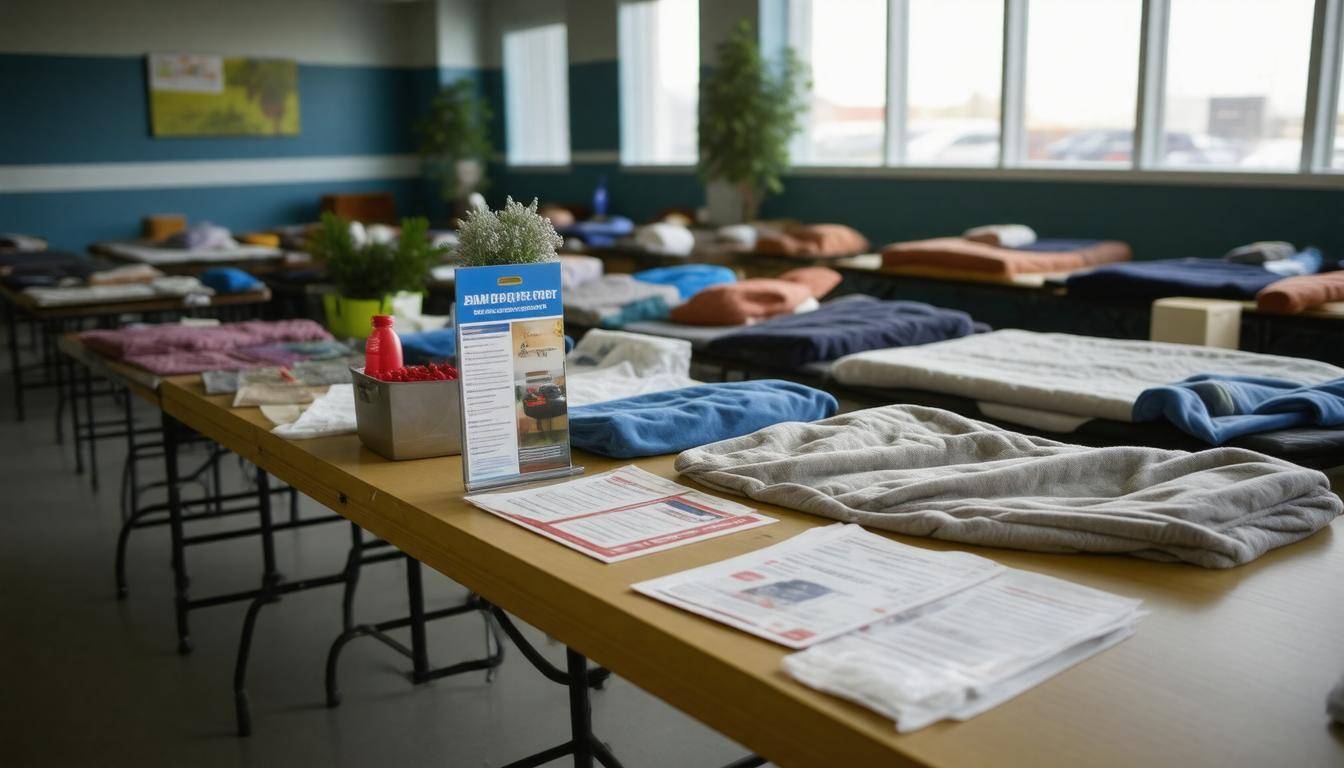
Engaging the community to amplify shelter effectiveness can make all the difference. Local organizations, businesses, and individuals can work together to provide resources and information that guide people towards available shelter options when they need them most.
Building Awareness
One effective way to promote shelter information is through community meetings, where residents can gather to learn about shelter options and preparation strategies. Handing out flyers highlights key information and allows residents to share it with neighbors who may not have access to digital resources like social media or websites. Local radio stations are another powerful medium for promoting awareness; they reach a broad audience and can remind listeners of nearby shelters as dangerous weather approaches.
In Boulder, Colorado, the community has taken this a step further by regularly involving local businesses in broadcasting shelter locations. These partnerships extend beyond mere announcements; they ensure that resources are shared effectively. What’s also notable is their initiative that offers free transportation to shelters through collaboration with local taxi services.
Grassroots efforts like these underscore the importance of community engagement during emergencies. By tapping into the existing networks within your neighborhood, you improve not only visibility but accessibility as well. Think of community outreach as a safety net—when neighbors come together, they create an added layer of protection for those who are most vulnerable during crises.
The impact of these initiatives goes beyond mere logistics; it nurtures a sense of collective responsibility within the community. When people feel connected and informed, they are more likely to assist one another in times of need. As communities rally together, they reinforce each other’s strengths, providing help where it’s needed most and fostering resilience in the face of emergencies.
Encouraging community-supported outreach systems helps reduce anxiety and uncertainty during crises while enhancing overall preparedness for anyone facing potential displacement due to extreme weather or other disasters.
By strengthening community bonds and disseminating vital information effectively, we can ensure that no one faces emergencies alone. Effective outreach not only improves shelter access but also cultivates a spirit of solidarity among residents.
What resources are available for individuals seeking information about seasonal emergency shelters in their local region?
Individuals seeking information about seasonal emergency shelters in their local region can access a variety of resources including local government websites, nonprofit organization databases, and mobile apps dedicated to community services. Many regions publish annual guides that list available shelters, their capacities, and operational dates, often found through local health departments or housing authorities. In 2023, the National Alliance to End Homelessness reported that about 80% of cities offer online platforms for shelter information, enhancing accessibility for those in need during crises.
How do seasonal weather patterns influence the need for different types of emergency shelters in various regions?
Seasonal weather patterns significantly influence the need for different types of emergency shelters across regions, as varied climates lead to distinct challenges. For instance, regions prone to heavy snowfall require insulated shelters that can withstand extreme cold, while areas facing hurricanes or severe storms demand wind-resistant structures. According to the National Oceanic and Atmospheric Administration (NOAA), in 2022 alone, over 40% of U.S. disaster declarations were due to severe weather events, highlighting the need for adaptable emergency shelter designs tailored to specific climate-related threats. This adaptability ensures safety and efficacy in providing refuge during unpredictable seasonal changes.
How can communities prepare for and respond to seasonal emergencies with adequate shelter options?
Communities can prepare for and respond to seasonal emergencies by conducting thorough assessments of local vulnerabilities and resources, establishing partnerships with organizations, and creating a robust inventory of potential shelter sites such as schools, community centers, or faith-based buildings. Training volunteers in disaster response and ensuring that shelters are equipped with essential supplies, including food, water, and medical assistance, is crucial. According to the Federal Emergency Management Agency (FEMA), timely preparedness efforts can reduce emergency response costs by up to 50%, demonstrating the effectiveness of proactive planning in safeguarding community members during crises.
What are the primary factors to consider when selecting a seasonal emergency shelter option?
The primary factors to consider when selecting a seasonal emergency shelter option include location, capacity, safety, and accessibility. Location should be strategically chosen based on the demographics of the vulnerable population and proximity to resources such as food and medical assistance. Capacity must match the expected influx of individuals seeking shelter, as overcrowding can compromise safety and wellness. Safety features are critical, especially in harsh weather conditions, while accessibility ensures that all individuals, including those with disabilities, can utilize the shelter effectively. According to recent studies, shelters that meet these criteria have seen a 30% improvement in occupancy rates during peak seasons.
Are there specific organizations or agencies that coordinate seasonal emergency shelter programs in different areas?
Yes, various organizations and agencies coordinate seasonal emergency shelter programs across different regions. National entities like the Federal Emergency Management Agency (FEMA) and local non-profits such as the Salvation Army or local homeless shelters often work together to provide essential services when temperatures drop or crises occur. According to a report from the National Coalition for the Homeless, over 60% of major cities in the U.S. have implemented coordinated outreach strategies, highlighting the importance of collaboration in ensuring vulnerable populations receive necessary support during extreme weather events.