
As winter approaches, many of us feel a mix of excitement and dread. Snowflakes can create a picturesque scene, but the harsh reality of winter weather can also lead to dangerous situations. If you live in the Snowbelt region, where heavy snowfall and freezing temperatures are common, planning ahead is essential. A well-thought-out winter emergency plan can make all the difference between a cozy family gathering or a stressful scramble to stay safe when storms hit. We’ve compiled this comprehensive guide to help you prepare your home and loved ones for whatever winter may throw your way. By taking proactive steps now, you can ensure that when the snow starts falling, you’re ready to embrace it rather than fear it.
A complete Snowbelt Home Winter Emergency Plan should include essential preparations such as having proper winter tires, an emergency supply kit with food and water, safety gear like reflective vests, and a communication strategy with local services. Additionally, it is critical to prepare your home by insulating pipes, checking heating systems, and stocking up on necessary supplies to ensure safety during severe winter weather conditions.
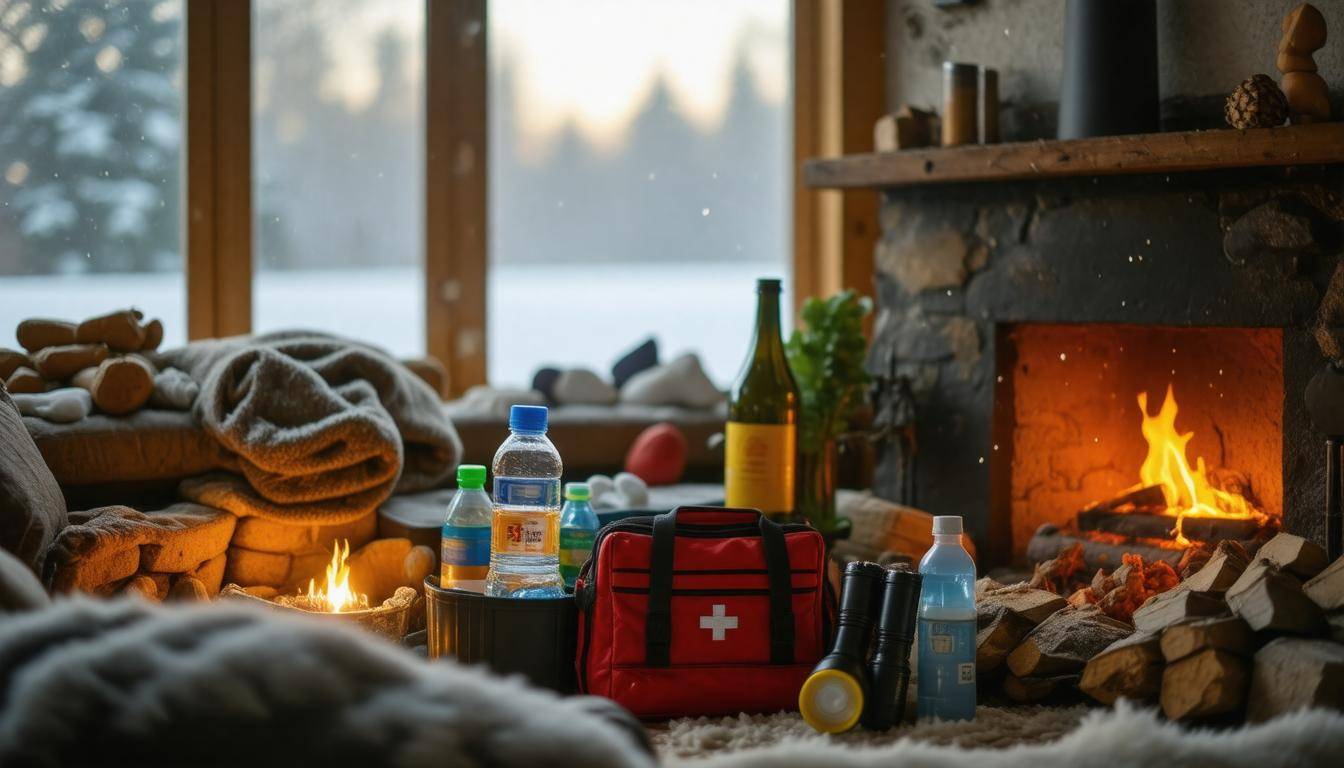
Creating Your Snowbelt Home Winter Emergency Plan
Step I – Assess Your Home’s Weak Points
The first step in crafting a solid winter emergency plan is to systematically assess your home for vulnerabilities against relentless winter conditions. Start by examining insulation levels; inadequate insulation can lead to heat loss, making your home colder and more expensive to heat.
It’s essential to check that all areas, especially attics and basements, are properly insulated and free from moisture, which can lead to mold if it becomes trapped. Next, take a good look at the roof stability. Snow accumulations can put significant weight on your roof so verify that your roof is clear of debris and potential weak spots.
As you move around your home, keep an eye out for drafty windows or doors, as these can significantly affect indoor temperatures. A simple test with a candle or even your hand can help identify drafts. Remember, effective sealing solutions such as caulk or weather stripping can dramatically improve comfort and energy efficiency. By pinpointing these problematic areas early on, you set the stage for a safer environment.
Once you’ve conducted this thorough inspection, make it a priority to address these issues immediately to fortify your home against harsh elements.
Step II – Establish Communication Plans
Having established a strong foundation through assessing vulnerabilities, it’s time to turn attention to communication strategies among family members, especially during emergencies like power outages or severe snowstorms. Make sure every member of your household knows whom to contact in case of an emergency—this could be a trusted neighbor or relatives living nearby.
Create a list of emergency contacts and distribute it to each family member so everyone has access when they need it most. It’s also beneficial to designate one central person as the primary contact for emergencies. This individual will be responsible for gathering information and keeping everyone updated, reducing any feelings of chaos during stressful moments.
Don’t forget to consider alternatives when roads become impassable; discuss plans for meeting at local public buildings or safe zones within walking distance if necessary.
As part of enhancing your prepared mindset, implementing practical drills reinforces responses in real situations.
Step III – Schedule Regular Drills
In addition to knowledgeable preparedness, it’s pivotal to hold regular practice drills involving everyone in the household. These winter emergency drills should mimic potential scenarios, such as a sudden power outage due to an ice storm or dealing with a medical emergency during heavy snowfall.
Walk through various escape routes from your home and discuss what each person’s responsibilities would be during an actual emergency. Think about how you would react: Are there alternate routes depending on different situations? Do children know where the emergency kit is located?
Each rehearsal provides invaluable experience that could prove crucial when confronted with actual emergencies. Practicing together not only instills confidence but also strengthens family bonds; everyone’s awareness of procedures means faster decision-making when surprises arise.
By integrating the steps—the assessment of vulnerabilities in your home, establishing robust communication plans among family members, and conducting regular rehearsals—you create not just a plan but a resilient structure ready for whatever winter throws your way.
With these foundational elements of preparation now firmly in place, we can shift our focus toward pinpointing specific hazards that may arise during winter months.
Identifying Winter Emergency Risks
Living in the Snowbelt means you encounter some serious winter challenges each year. Recognizing these risks ahead of time is essential for planning your emergency response and safeguarding your family and property. As you settle into winter mode, consider the unique threats that come along with the season.
Key Winter Emergency Risks
-
Power Outages: The Snowbelt often sees significant power outages lasting from a few hours to several days due to extreme weather conditions like ice storms or heavy snowfall. This disrupts daily life and hinders access to essential services.
-
Heavy Snowfall Blocking Exits: In many areas, accumulations exceed 60 inches of snow annually, leading to blocked doors and driveways. Being unable to exit could pose real problems in situations requiring quick evacuation.
-
Frozen Pipes: Frigid temperatures averaging -10°F to -30°F increase the chance of pipes freezing and bursting, leading to costly repairs and complicating already difficult winter living conditions.
-
Limited Accessibility to Emergency Services: Severe weather can isolate communities, making it hard for emergency services to reach those in need. Closed roads can impact ambulance response times and firefighters getting to emergencies.
-
Carbon Monoxide Buildup from Unsafe Heating: As people crank up heating systems or use alternative heating methods during outages, the risk of carbon monoxide poisoning rises dramatically due to improper ventilation.
By anticipating these risks now, you give yourself a fighting chance against potential winter emergencies later on.
Understanding these risks leads us to consider actionable solutions and preventive measures that ensure you’re ready when unexpected circumstances arise. Staying informed about weather patterns can be invaluable—remember, knowledge is power in securing your home during the harshest months!
With these risks in mind, it’s essential to prepare adequately by gathering the right supplies that can help you navigate through potential winter challenges effectively.
Stocking Essential Supplies
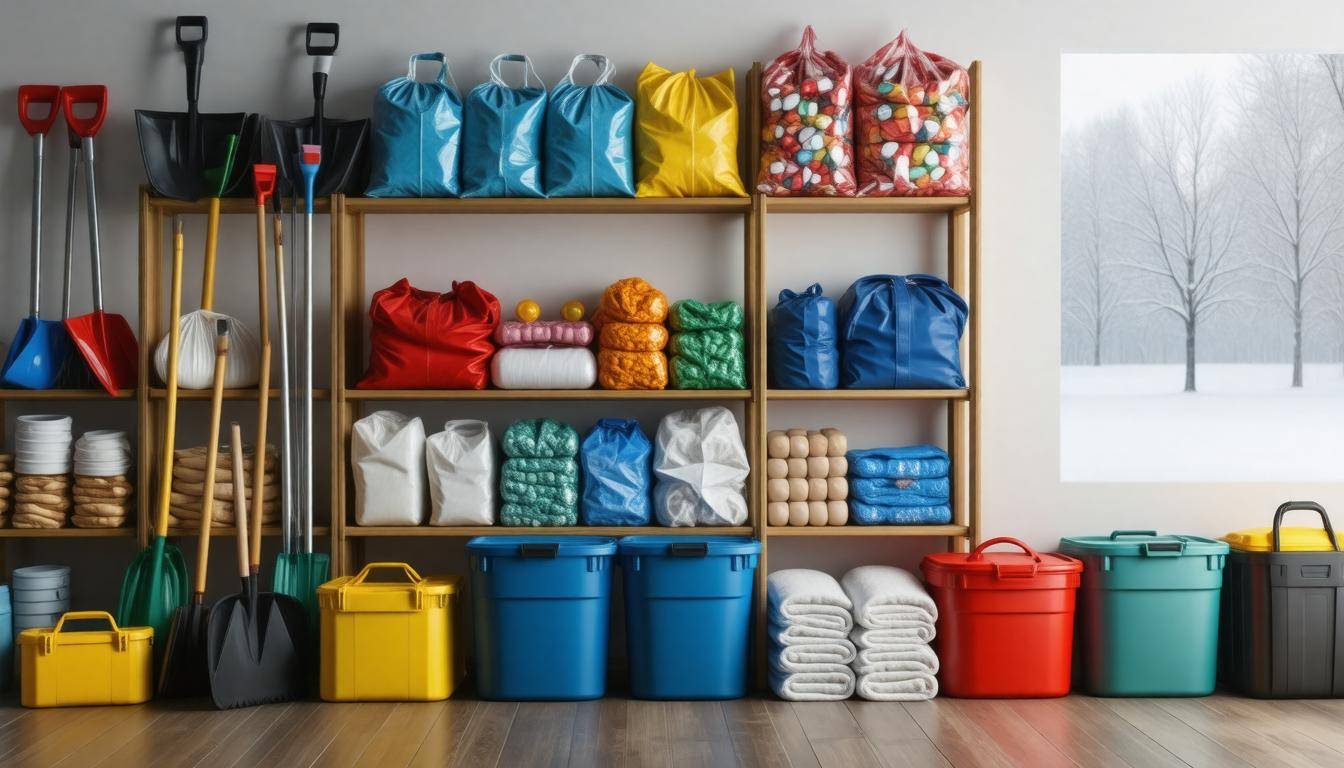
Having a well-rounded collection of essential supplies can significantly enhance your preparedness. Start by thinking beyond the basics—while food and water form your foundation, there are numerous other supplies needed to keep you safe and comfortable. For instance, incorporating a reliable first aid kit into your stockpile is vital. Bandages, antiseptic wipes, gauze, adhesive tape, and scissors can make a critical difference in an emergency scenario. Just imagine needing medical assistance but not having the necessary tools at your disposal; that’s why this is non-negotiable.
Food and Water Supply
When selecting food items for your emergency stash, opt for non-perishable options that can endure cold temperatures and won’t spoil quickly. Consider items like energy bars, nuts, canned soup or vegetables, and dried fruits—foods that are nutritious but lightweight for easy storage.
A general rule of thumb is to prepare for at least a week’s worth of meals based on the size of your household. Furthermore, never overlook the importance of hydration. Always keep at least one gallon of water per person per day allocated for drinking and sanitation purposes. This way, even if stuck indoors due to heavy snowfall, your family remains hydrated and healthy.
With food and water settled, think about how you will cope when the lights go out during a winter storm.
Backup Lighting and Power Supplies
In addition to stocking food and water, ensure you have adequate lighting options readily accessible throughout your home. Flashlights should be available in every room, accompanied by extra batteries kept in a designated spot known to all family members. Opt for LED flashlights as they tend to have longer battery lives compared to traditional ones while providing bright light when needed most.
Notably, consider investing in battery-powered lanterns; these can illuminate larger spaces during extended outages without requiring constant battery changes. Furthermore, portable power banks can serve multiple purposes—from charging devices to supporting smaller electronics throughout tough times. These essential tools will keep you connected during emergencies and alleviate the stress of being cut off from communication or resources.
As you gather these essential supplies, also consider the specific gear necessary to maintain warmth and safety when facing the unique challenges winter can bring.
Heating Solutions During Power Outages
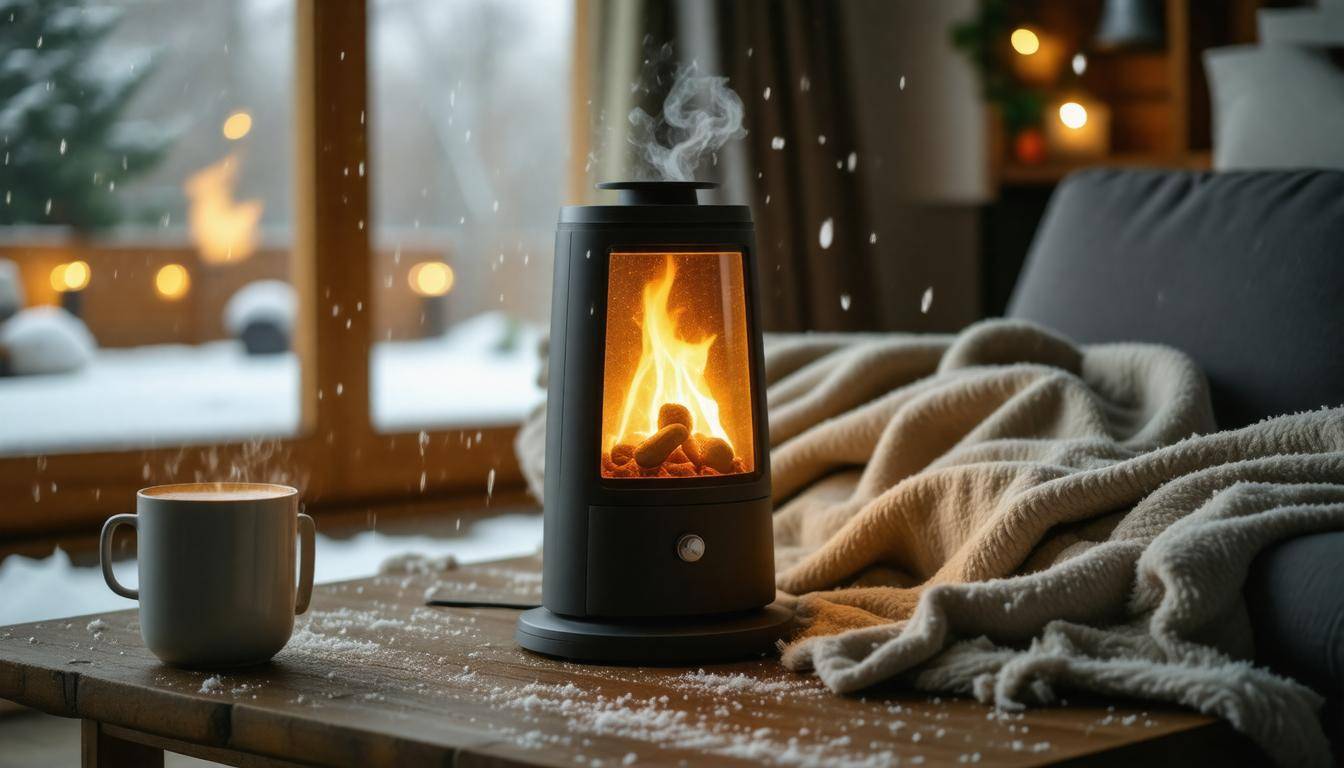
As temperatures plunge and snow piles up outside, the last thing you want is to be left in the cold due to a power outage. This underscores the critical need for alternate heat sources that can keep your home warm when conventional systems fail. First on the list are wood-burning stoves and fireplaces, which have been trusted for generations. These stoves are not just nostalgic; they are efficient long-term solutions for heating.
To ensure you’re prepared, it’s wise to stockpile enough firewood that will last several days, allowing for continuous use during extended power loss. Seasoned hardwoods, such as oak or maple, ignite efficiently and burn hotter, providing consistent warmth.
Picture this: You can sip hot cocoa beside a crackling fire while the blizzard rages outside—your cozy sanctuary awaits!
However, if you’ve never used one of these stoves before, there are some safety precautions you should bear in mind.
While wood-burning options are solid, portable propane heaters can provide immediate warmth during those chilly nights. They’re immensely practical because they require minimal setup and can generate heat quickly. However, there’s an important caveat to remember: proper ventilation is crucial to avoid carbon monoxide poisoning—a danger all too often overlooked.
It’s advisable to have a functional carbon monoxide detector in your home with spare batteries on hand; this small piece of equipment plays a significant role in keeping your family safe.
Have you ever felt the reassuring vibe of being wrapped in a cozy blanket while knowing you’re still prepared?
Beyond appliances, personal protective gear like thermal blankets also plays an invaluable role.
Next in line are thermal blankets and sleeping bags, which trap body heat effectively and maximize warmth without relying solely on external heating sources. Distributing emergency thermal gear among family members ensures that everyone is well-covered during unforeseen circumstances. The added layer of warmth these items provide can make a world of difference; after all, maintaining body temperature is critical during freezing conditions.
Make sure to test out your heating solutions before winter descends fully—not only does this ensure that everything works as planned, but it also helps build confidence when utilizing them under actual emergency conditions. Taking stock of your resources and understanding how to use them properly can mean the difference between comfort and cold misery when winter storms hit your neighborhood.
Equipped with effective heating solutions lays a strong foundation for preparing your home against the bitter cold. Alongside these resources, let’s consider the essential steps needed to safeguard your home infrastructure from winter’s wrath.
Protecting Home Infrastructure
Homes in Snowbelt regions need to withstand the intense and often brutal conditions of winter. One major area of consideration is ensuring that your roofs and gutters are reinforced to manage heavy snowfall. A little bit of prevention can help avoid catastrophic damage once the thaw comes along.
Insulating Pipes
To kick things off, insulating your pipes isn’t just a recommendation—it’s essential. Exposed pipes, especially those in unheated areas such as basements or attics, are prone to freezing and bursting, which can lead to significant water damage. Using foam pipe insulation or heated tape safeguards against freezing temperatures and helps indoor plumbing maintain a consistent temperature. When inspecting your home, pay special attention to areas that are typically overlooked: under sinks, behind appliances, and along exterior walls where drafts might creep in.
Make a habit of performing these inspections at the beginning and throughout the winter. Consider it part of your seasonal checklist—much like pulling out the holiday decorations!
Yet, pipes aren’t the only concern; let’s turn our attention upwards towards roofs and gutters.
Reinforcing Roof and Gutters
Heavy snowfall can lead to severe weight on rooftops, sometimes leading to collapses in extreme cases. It’s imperative to regularly clear snow accumulation from your roof. If possible, invest in a roof rake to safely remove heavy snow buildup without risking injury by climbing onto the roof yourself.
Furthermore, consider installing gutter covers. These handy additions act as guards against ice dams by preventing debris from accumulating in gutters, ensuring that melting snow can drain properly. Also, having your roof inspected for structural integrity before winter rolls in allows you to address potential weaknesses ahead of time.
Simple maintenance tasks like these can seem tedious but they’ll save you untold amounts of money and headache down the road.
Regular check-ups on your roof may not be glamorous, but they significantly contribute to the longevity of what shelters you from snow and sleet during harsh winters. Every aspect of your home, from interior pipes to rooftop facades, plays a role in how well it can handle winter’s whims, reinforcing its strength through preventive actions.
By adopting these proactive measures, you create a resilient environment that prioritizes safety when fierce storms approach this winter season.
Ensuring Family Safety
When it comes to winter emergencies, the physical structure of your home is just one piece of the puzzle; ensuring your family’s safety and well-being is equally crucial. Protecting your loved ones during severe weather entails being aware of potential health hazards as well as physical dangers. Simple yet effective solutions can fortify your family’s readiness to handle whatever winter throws at you.
Carbon Monoxide Safety
First things first: carbon monoxide (CO) safety cannot be overstated. Install CO detectors on every level of your home, especially near sleeping areas. It’s imperative to test these detectors each month and replace their batteries bi-annually. This small investment can save lives, as the gas is odorless and colorless—making it an invisible enemy. Remember, if a detector goes off, don’t hesitate; exit the premises immediately and seek professional help.
According to the CDC, more than 400 people die from unintentional CO poisoning in the U.S. each year, making it essential to integrate safety measures into everyday life.
Awareness and readiness extend to health, too.
Emergency Medical Knowledge
Preparing for the winter months should include a focus on medical knowledge as well. Enrolling in a basic first aid course can equip you with essential skills that could prove life-saving in an emergency. It doesn’t just benefit you; make sure every family member knows the signs of hypothermia and frostbite as well. Hypothermia can develop rapidly when exposed to cold temperatures, often presenting itself through confusion or weakness, while frostbite typically affects fingers, toes, ear lobes, and the nose.
To empower your family further, distribute resource guides filled with winter health tips tailored for the season. These guides should contain clear information on recognizing symptoms of exposure to extreme cold as well as steps to take until professional help arrives or conditions improve.
Don’t forget that keeping a well-stocked first aid kit readily accessible is vital too. Fill it with essentials like bandages, antiseptics, and any necessary medications for both minor injuries and chronic conditions like asthma or allergies during winter storms. Stocking food items that require minimal preparation—think energy bars or dried fruits—can also support everyone’s sustenance in case you’re snowed in.
Ensuring that everyone in your household understands emergency procedures creates an additional layer of security, equipping each member with confidence when facing unexpected challenges during harsh weather situations. With this foundation of safety in place, it’s essential to turn our attention towards understanding what medical supplies are necessary to bolster your preparedness even further.
First Aid and Medical Supplies
A comprehensive first aid kit can truly be a lifesaver in unfortunate circumstances—especially in winter, when conditions can quickly turn hazardous. It’s essential that your kit contains not only the basics but also items tailored to specific needs your family may encounter. Imagine being stranded by snow and dealing with a minor injury; having the right supplies can make all the difference.
Basic First Aid Components
- Bandages of Various Sizes: Ensure you have both adhesive bandages for small cuts and larger gauze pads for more serious wounds.
- Antiseptic Wipes: These are critical for disinfecting wounds to prevent infections.
- Latex Gloves: Keep these handy for personal protection when treating injuries.
- Digital Thermometer: This is vital for monitoring fevers, especially in children.
In addition to these essentials, include prescription medications that any family member may need in ample supply, such as inhalers or EpiPens for those with allergies. It’s equally important to keep essential medical documents—like allergy information or chronic condition prescriptions—within this waterproof packaging, ensuring they remain intact even in adverse weather.
Regularly checking your first aid supplies is crucial; a good rule of thumb is to examine and refresh your kit every six months. Doing this prevents the disappointment of finding expired items when you actually need them.
Furthermore, don’t underestimate the importance of educational materials! A first aid manual easily tucked within your kit can offer guidance on how to handle unforeseen injuries or illnesses. Familiarizing yourself with basic emergency procedures, such as CPR or how to treat burns, ensures you’re prepared if something goes wrong.
Additional Recommendations
Alongside these individual components, consider adding extras like instant cold packs for strains or sprains, as well as scissors and tweezers for removing splinters or cutting tape. These simple tools might seem minor but can make managing injuries much easier.
Just remember that a first aid kit isn’t static; it evolves based on personal experience and needs. Collaborating with other family members about what supplies are useful can lead to a more robust preparedness plan, fostering an environment where everyone feels secure knowing they’re covered in emergencies.
As winter approaches, it’s crucial that you take action now to ensure your first aid kit meets all of your family’s needs before facing unexpected medical situations. With a solid foundation in place, you’ll also want to address how to keep resources managed throughout the coming months.
Managing Resources Throughout Winter
Efficiently managing resources ensures that you remain prepared and sustainable throughout prolonged winter conditions. This doesn’t just mean having enough supplies but knowing how to make those supplies last while staying organized. One fundamental aspect is keeping an eye on your inventory. If you’ve ever found yourself rummaging through a disorganized kit under pressure, you’ll understand the value of a systematic approach.
Monitoring Inventory
Regularly checking the supply levels in your emergency kit is vital—you should ideally do this once a week. It’s all too easy to forget how many batteries you have or if the food stash needs replenishing. To streamline this process, I recommend creating a simple inventory list that includes critical items like non-perishable food, water, flashlight batteries, and first aid supplies. When you use something, make it a habit to mark it off that list right away: this keeps your stock accurate and prevents unexpected shortages when you need them most.
Moreover, the rotation system for perishable goods cannot be overstated. Foods with expiration dates should be used first according to their shelf life, so keep a visible date on each item. Labels can help remind you of what’s getting low ahead of time—anything from energy bars to canned foods can hang around longer than you’d like if you’re not careful.
Water Conservation Tips
During emergencies, conserving water can be lifesaving; thus, ensuring you have effective water collection means is essential. For instance, keeping buckets handy for capturing melting snow can provide an extra resource without needing to rely solely on stored water supplies.
When driving about town or just within your neighborhood, look at the snow collecting in natural depressions; it can be quite amazing how quickly these can fill up.
In terms of best practices within your home, consider adopting water-efficient habits such as turning off the tap while brushing your teeth or washing dishes. These small changes add up quickly over time. You might even save extra washwater—catching excess water in a bowl while rinsing fruits and vegetables. That leftover water can serve double duty by being poured into your toilets when necessary or used for watering indoor plants in mild conditions.
Staying mindful about how every drop counts transforms your approach to resource management during the harshest winter months into an opportunity for sustainability and preparedness.
The importance of managing resources wisely extends beyond survival; it enhances the overall resilience of your household against severe winter challenges.
In building a comprehensive emergency plan, remember that preparation is key for enduring the unpredictable winter months effectively.
What essential items should be included in a winter emergency kit for Snowbelt residents?
A winter emergency kit for Snowbelt residents should include essential items such as a flashlight, extra batteries, bottled water (at least one gallon per person per day), non-perishable food, a first aid kit, blankets, a battery-operated radio, and necessary medications. According to the National Oceanic and Atmospheric Administration (NOAA), snowstorms can cause power outages affecting millions; thus, being prepared with these items significantly increases your chances of staying safe and sustaining through emergencies.
How can homeowners effectively prepare their homes for severe winter weather?
Homeowners can effectively prepare their homes for severe winter weather by insulating pipes to prevent freezing, sealing drafts around windows and doors, and stocking emergency kits with essential supplies like food, water, and blankets. According to the National Oceanic and Atmospheric Administration (NOAA), nearly 20% of winter-related home damage is caused by frozen pipes, making insulation crucial. Additionally, ensuring that heating systems are serviced regularly can enhance efficiency and safety during extreme cold, preventing breakdowns when they are needed most.
What steps should be taken if a family becomes stranded during a snowstorm?
If a family becomes stranded during a snowstorm, they should first remain with their vehicle to stay safe and warm and to make it easier for rescuers to find them. It’s crucial to run the engine periodically (about once an hour) for heat, while ensuring the exhaust pipe is clear of snow to prevent carbon monoxide poisoning. Additionally, ensure everyone in the car is dressed warmly and periodically check on each other. According to the National Highway Traffic Safety Administration, being found by rescue teams can take hours, so signaling for help using flares or reflective items can be life-saving.
What are the best practices for maintaining heating systems before winter sets in?
The best practices for maintaining heating systems before winter include scheduling professional inspections, cleaning or replacing filters, checking ventilation systems, and ensuring that vents are unobstructed. According to the U.S. Department of Energy, regular maintenance can improve system efficiency by up to 15%, which not only helps reduce energy bills but also prolongs the lifespan of your heating equipment. Additionally, keeping the thermostat calibrated ensures optimal performance and comfort during cold months.
How can families stay informed about impending winter weather emergencies?
Families can stay informed about impending winter weather emergencies by subscribing to local weather alert systems, utilizing smartphone apps for real-time updates, and following trusted meteorological sources on social media. According to the National Weather Service, timely alerts can significantly reduce the risks associated with winter storms, as communities that implement regular emergency notifications see a 30% increase in preparedness actions among their residents. Additionally, maintaining a battery-powered NOAA Weather Radio ensures access to crucial warnings even during power outages.