
When the lights go out, it’s easy to feel lost in the darkness and uncertainty. Power outages can happen unexpectedly, leaving us scrambling for a reliable way to see through the night. One of the smartest strategies to prepare for these situations is by investing in solar lighting. Unlike traditional flashlights or candles, solar lights soak up energy during the day, so when evening falls and you need light the most, they’re ready to help without needing batteries or plugs. In fact, I’ve found that having a few good solar lanterns on hand not only made navigating through darkened rooms easier but also brought a sense of security during stormy nights. Let’s explore how you can best equip your home with solar lighting to stay prepared for any power outage.
The best solar lighting options for power outages include portable solar lanterns like the Goal Zero Crush Light, which is collapsible and easy to store, and high-capacity models like the LT1 S Lantern that offer enhanced brightness for larger areas. Additionally, investing in LED lights with USB-rechargeable capabilities ensures you have long-lasting and environmentally friendly illumination during emergencies.
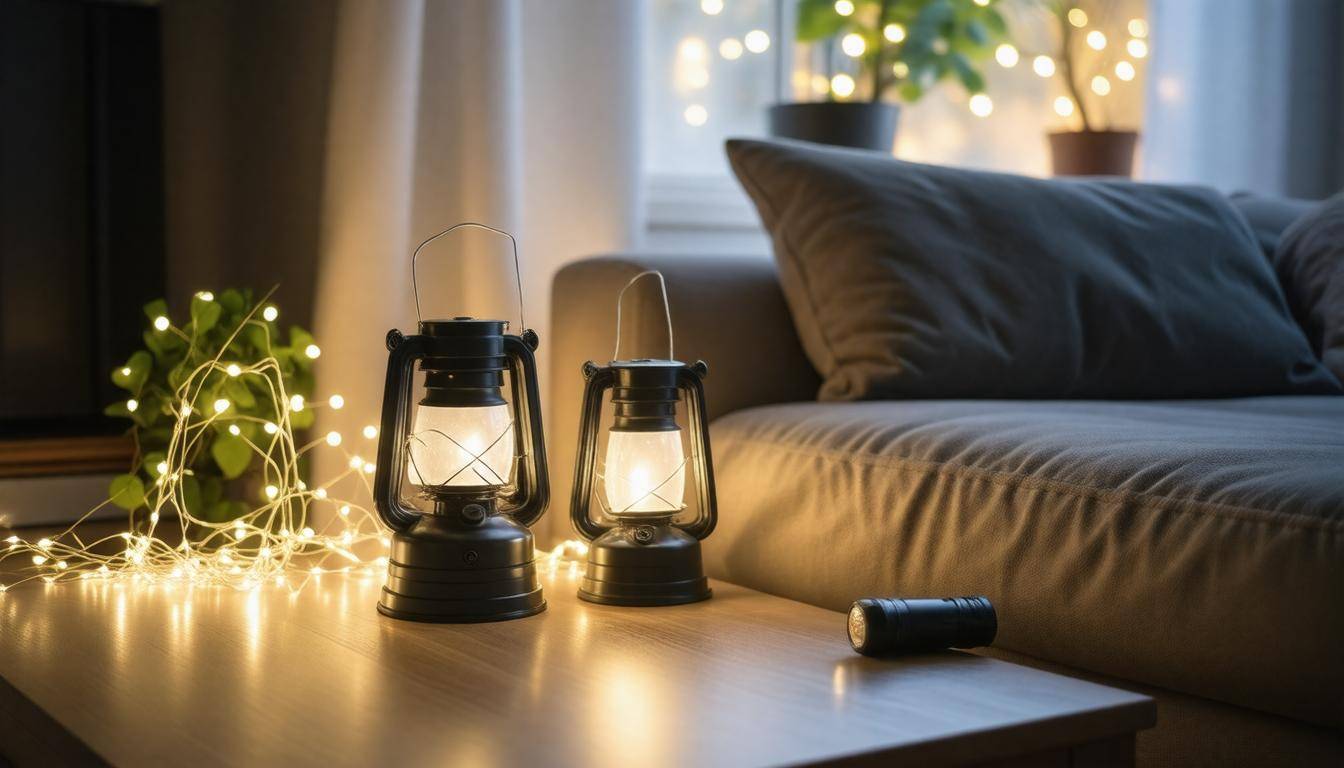
Overview of Solar Lighting During Outages
Solar lighting options have gained traction as essential tools for individuals preparing for power outages, especially in regions like Florida or Louisiana where hurricanes frequently disrupt power supply. The beauty of solar lights lies in their ability to harness energy directly from the sun, allowing them to shine brightly even when the grid goes dark. This sustainability not only makes them environmentally friendly but also cost-effective over time, as they eliminate the need for disposable batteries and reduce long-term operational expenses.
Think about it: having a backup lighting source that charges during the day and provides illumination at night can offer both safety and comfort—allowing you and your family to navigate your living space with ease during unexpected situations. As concerns over climate change intensify, solar lighting seems almost prophetic, allowing users to embrace renewable energy while gaining peace of mind.
One standout option is the LT1 Lantern, a compact solar-powered model perfect for children to handle. Its manageable size makes it ideal for small spaces, ensuring younger family members can participate in emergency preparedness without feeling overwhelmed. For broader areas—like gathering spaces during an outage—the LT1 S lantern comes into play, boasting enhanced brightness suitable for family-centric activities.
Having both models on hand can be transformative; one for close-up tasks and another for larger gatherings.
Moreover, in a recent discussion among users concerning various solar lighting solutions during outages, several noteworthy alternatives emerged:
- Goal Zero Crush Light – This collapsible lantern can easily fit in your bag while still providing ample light.
- Thorfire Lantern – A versatile device that can charge by manual cranking or USB connection, offering dual functionality as a lantern and phone charger.
- Fenix HL50 Headlamp – Recommended for those who prefer hands-free operation; however, many reported it has been discontinued.
- Feit Electric Solar Lights – Bright solar lights with rechargeable batteries provide continuous charging capability.
It’s crucial to recognize that opting for solar over traditional lanterns presents clear advantages. Solar lanterns emit zero pollutants compared to oil lamps or candles, making them a safer alternative without smoke residue. Most importantly, their reusable nature emphasizes sustainability—a key factor in today’s environmentally conscious world.
As we prepare for the unpredictability of nature’s wrath—whether during hurricane season or snowstorms—it becomes paramount not just to invest in quality solar lighting but also to adopt complementary strategies.
Enabling smoother transitions through these power outages means embracing both renewable energy sources and planning ahead with efficient tools. Utilizing rechargeable batteries such as Eneloop alongside battery-operated devices ensures assistance even if sunlight is scarce during an extended outage. With the average lifespan of solar lights spanning anywhere from 25,000 to a staggering 50,000 hours, this further solidifies your decision as not just practical but profoundly effective.
With so many options available, it’s clear that equipping yourself with reliable solar lighting can change the game when facing emergencies. Let’s turn our attention now to specific portable solutions designed to meet those urgent needs efficiently.
Portable Solar Lanterns for Emergencies
Portable solar lanterns have become a staple in emergency preparedness kits. Not only do they offer reliable illumination, but their lightweight and compact design makes them incredibly convenient—especially when every ounce matters during an emergency. For instance, collapsible solar lanterns like the Goal Zero Crush Light are popular due to their ability to flatten out and fit snugly into any backpack. Their efficient design means you get great light output without carrying excessive weight.
Choosing the right lantern often depends on how you intend to use it during a power outage. Think about whether you need a source of light for an entire family gathering or just a personal space.
Another fascinating option is crank solar lanterns. Devices such as the Thorfire Lantern champion this dual mechanism approach, meaning they can harness solar energy or be powered manually via cranking. This flexibility ensures you won’t be left in the dark if the sun decides to shy away for days, particularly during stormy weather when clouds cover your panels. The USB connectivity also adds another level of convenience since you can charge smaller devices. If you’ve ever been caught without a charged phone when you needed it most, you understand how invaluable this feature can be.
Now let’s break down some practical features you should consider:
-
Lumen Output: Opt for lanterns with a lumen range suitable for your needs; while smaller spaces might only require 50-100 lumens, larger areas may need 500 lumens or more for better visibility.
-
Battery Capacity: Look for portable lanterns with battery capacities between 2000mAh to 10000mAh to ensure they will last through long outages.
-
Water Resistance: An IPX4 rating means the lantern can handle water splashes, making it suitable for outdoor activities even if conditions aren’t perfect.
Additionally, multi-functional solar lanterns take portability and function one step further by doubling as power banks, allowing you to charge your electronic devices directly from the lantern itself. A prime example would be something like the BioLite SolarHome 620, which comes equipped with multiple lights and a small solar panel—ideal when you’re not just looking to illuminate an area but also keep your communication devices charged.
As we explore these options for portable lighting further, combining various types of solar lighting will enhance your comfort and security significantly during unexpected power disruptions. With that in mind, let’s move on to examine innovative systems designed specifically for outdoor environments.
Outdoor Solar Lighting Systems
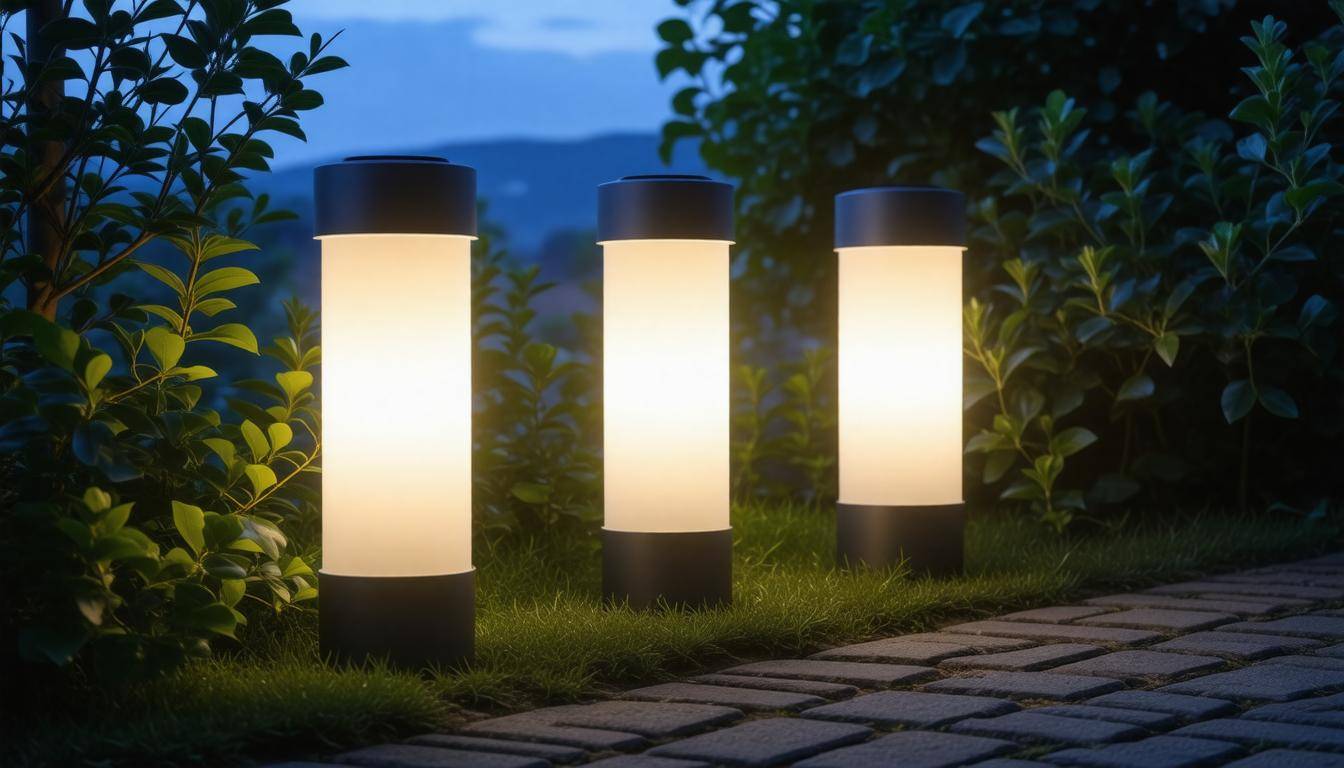
When it comes to preparing for unexpected power outages, outdoor solar lighting systems can make a remarkable difference—not just in terms of illumination but also in enhancing safety. Imagine stepping outside during a stormy night, the wind howling as you navigate your way around darkened paths; having bright solar lights illuminating your driveway or garden can be not only comforting but essential.
Take Feit Electric Solar Lights as an example: they don’t just shine brightly; they come equipped with rechargeable AA batteries, ensuring that charged power is always readily available. This feature makes them perfect companions during a blackout, illuminating pathways and driveways so you can move safely around your property. Their practicality and sustainability elevate them above standard lighting options—these lights harness the sun’s energy, providing a renewable solution while keeping your outdoor areas bright.
Key Features to Look For
When selecting outdoor solar lighting systems, consider a few key features to ensure you get the best bang for your buck. First up is durability. Look for lights that are weather-resistant; many models come with an IP65 rating, meaning they are protected against dust and water jets. This durability ensures that whether it’s sweltering summer heat or biting winter cold, your lights will stand up to Mother Nature’s challenges.
Next is battery capacity, which cannot be overlooked. Lights fitted with higher-capacity batteries can last longer and provide illumination over extended periods—this is especially important during lengthy outages. A battery capacity of between 2000mAh and 10000mAh is common, generally providing between 6 to 12 hours of illumination per charge.
Have you ever been surprised by an unexpected power outage during the night? That’s why motion sensors are another noteworthy feature to consider. Having lights that activate automatically when motion is detected offers both convenience and a layer of security by illuminating entryways when someone approaches.
Each of these features contributes to a more reliable outdoor lighting experience that keeps your home secure, comfortable, and illuminated even when the power goes out. Understanding these elements will lead us to appreciate the benefits that solar lighting offers during power failures.
Advantages of Solar Lighting in Power Failures
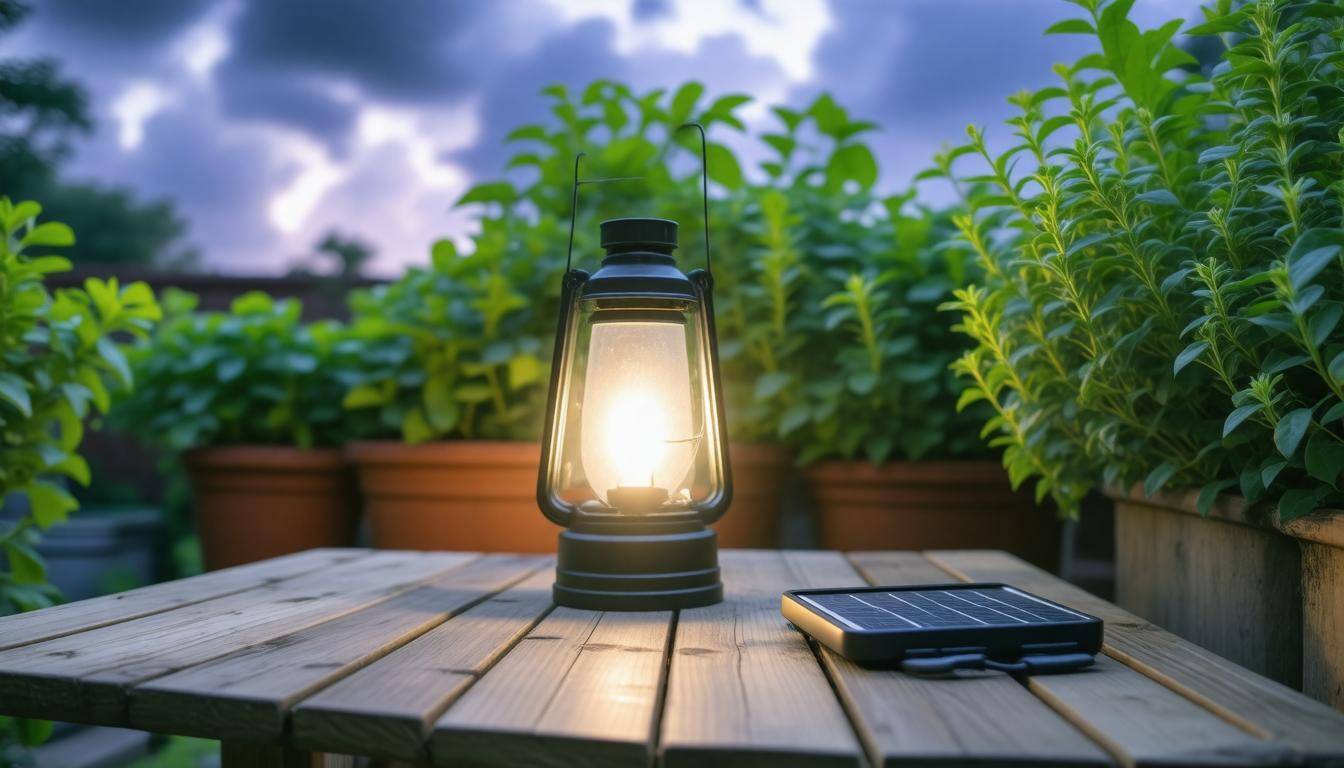
Utilizing solar lights can significantly change the way we experience power failures. According to the Department of Energy, modern solar lights can convert up to 22% of absorbed sunlight into usable energy. This remarkable efficiency means that even during cloudy days, you can still bask in a reliable glow for hours at a time. Imagine sitting peacefully in your living room while outside storms rage, knowing that your lights will keep working—this is more than just convenience; it’s a game changer during emergencies.
Safety is another pressing advantage of solar lighting. Unlike traditional candles or gas lanterns, which emit heat and can lead to fire hazards, solar lights are cool to the touch. They don’t produce toxic fumes either, making them an excellent choice for indoor use as well. Think about how comforting it is to light up your home without worrying about accidents—this peace of mind is invaluable when the power goes out.
Furthermore, there’s the financial aspect to consider. Once installed, solar lights incur zero operational costs. You can use them freely without the worry of increasing your electricity bill or constantly buying batteries. They also last significantly longer than their incandescent counterparts. Many solar lights equipped with LED technology boast lifespans that can exceed 25,000 hours, meaning you get durable, long-lasting illumination.
Relying on solar lighting doesn’t just help in emergencies; it contributes to reducing overall electricity costs by up to 75%. Imagine this scenario: You set up several solar lights around your home ahead of hurricane season, knowing that every bit of energy saved adds up over time.
Let’s not overlook the added benefit of their independence from the grid. Solar lights operate autonomously and require no complex wiring, allowing them to be easily relocated as needed. This flexibility makes them convenient for outdoor spaces like your patio or yard, creating inviting areas even during a blackout. As we consider these advantages, it’s essential to explore how to choose the most effective solar lighting options tailored to your needs.
Selecting the Best Solar Lighting Products
Think of selecting solar lighting as crafting a toolkit for a job. Just like a carpenter has different tools for cutting, joining, and finishing, each type of solar light serves its unique purpose. For instance, some lights might be ideal for illuminating pathways, while others excel at casting bright beams across expansive backyards. This diversity allows you to tailor your lighting solutions to fit your specific needs.
Factors to Consider
When diving into the selection process, several key factors must guide your choice.
First is lumens output: this measure directly correlates to brightness. If you’re planning on using indoor solar lights, aim for at least 100 lumens—the sort of gentle glow that hovers around a cozy living space. However, if security’s your main concern or you need outdoor lighting for large areas or pathways, look for models exceeding 700 lumens to ensure bolder illumination that deters unwelcome visitors.
Next up is charging time, which plays a crucial role in ensuring your lights perform effectively when needed most. Ideally, a solar light should fully charge within 6-8 hours of sunlight exposure. That way you can count on it to last through those long nights—imagine it’s dusk and you’ve just wrapped up dinner without realizing how dark the evening can get. You want your lights charged and ready!
One also cannot overlook battery life; after all, what good is a bright light if it only lasts for an hour? Look for products boasting extended battery lives; ideally, they should last around 12 hours on a full charge so that they remain functional well into the night—especially during emergencies when power outages are likely to strike unexpectedly.
As you consider these aspects, remember how each small detail contributes significantly to the overall performance of your chosen solar lighting options. Maintaining efficiency is essential in making sure they fulfill their purpose effectively in crucial situations.
Tips for Maximizing Solar Light Efficiency
To get the best performance from your solar lights, positioning is key. Look for a spot where your solar panel can bask in maximum sunlight during the day, preferably for six to eight hours. It’s crucial because even the most advanced solar technology needs sufficient sunlight to generate energy efficiently.
I recall setting up my solar lights for the first time and thinking they could work in shady spots; it was a lesson learned when they barely lit up at night despite charging all day.
In addition to placement, keeping the solar panel clean cannot be overlooked. Dust and debris can accumulate and block out sunlight. A quick wipe with a damp cloth every few months is all it takes to keep them operating at peak capacity. I’ve found that this small chore dramatically increases both brightness and longevity.
Seasonal Adjustments
The tilt of your solar panel could also be adjusted seasonally to capture sunlight optimally throughout the year. During winter months, the sun follows a lower arc across the sky, so tilting your panel more vertically can ensure that you’re harnessing every ounce of available light. It’s like adjusting your sails on a boat—you have to catch the wind just right for it to be effective.
Many users have reported noticeable improvements in their solar light output simply by altering the angle as seasons change. One winter, I experimented with tilting my panels according to this principle and was pleasantly surprised by the increase in performance.
These adjustments, while simple, are often overlooked but can lead to significant changes in efficiency over time. Understanding these nuances prepares you better for considering aspects like affordability and performance reliability in the next phase of your solar lighting journey.
Evaluating Cost and Reliability
When exploring solar lighting, two primary factors dominate the decision-making process: cost and reliability. Budget concerns often reign supreme, as consumers seek options that are both affordable and dependable. As the solar lighting industry evolves, advancements have led to a notable reduction in costs along with enhanced product longevity. A remarkable statistic from Market Watch indicates that the market for solar lighting is set to grow by 10% annually, driven largely by decreasing costs and improving reliability.
To illustrate these trends further, let’s take a look at how budget models stack up against premium models:
| Feature | Budget Models | Premium Models |
|---|---|---|
| Initial Cost | $20 – $50 | $100 – $300 |
| Battery Life | Up to 8 hours | Up to 14 hours |
| Lumens Output | 50 – 200 lumens | 300 – 1000 lumens |
This table summarizes the trade-offs consumers face. Budget models provide accessible price points but may offer lower battery life and light output. For those prioritizing performance, investing in premium models guarantees longer battery life and brighter illumination—both crucial for safety during power outages. Think of this decision similarly to selecting a vehicle; while you might be tempted to choose a compact model for its low price, its reliability during critical times ultimately determines overall savings.
Premium models often employ advanced technology such as improved solar panels and durable batteries that can withstand fluctuating weather conditions. Enhanced reliability enables these systems to operate well even during extended periods of cloudy days or adverse weather—qualities vital for maintaining functionality when it’s needed most.
“Investing a bit more initially can lead to significant savings down the road due to reduced replacements and repairs,” many users emphasize based on their experiences.
Another dimension worth exploring is the trend toward energy independence. Many users appreciate solar lighting’s ability to function autonomously from the power grid, making them beneficial in remote areas prone to outages caused by natural disasters. This independence not only enhances reliability but also protects against rising electricity costs—a concern increasingly relevant amid recent fluctuations in global energy markets.
As we transition into examining real-life feedback from users, we can uncover how these factors play out in everyday scenarios where solar lighting proves its worth.
User Experiences and Recommendations
One user from Houston shared their experience with the LT1 S lantern: “I bought the LT1 S lantern, and it lit up my entire living room for nearly 12 hours during a blackout last winter. It’s been a game-changer for my family.” These firsthand accounts illustrate just how vital solar lighting can be when conventional electricity fails. A product that can rally together both your family and environment is worth considering—especially when night falls, and darkness closes in around you.
Beyond single products, many individuals emphasized the effectiveness of combining portable and outdoor solar lights. As one user aptly noted, having multiple light sources positioned strategically throughout a home can provide comprehensive coverage during emergencies. Imagine being in complete darkness, yet having multiple light sources illuminating key areas such as staircases, hallways, or even the backyard. This not only keeps you more comfortable but also heightens safety—reducing slips or falls that can occur in pitch black conditions.
To equip yourself effectively, browsing forums and review sites like Reddit or Amazon can be immensely helpful. These platforms host discussions where users share their genuine thoughts on different products; you’ll find everything from detailed reviews to casual conversations about what worked well—an ideal way to gauge reliability before making a purchase. By reading through these shared insights, you can make a more informed decision based on someone else’s trials and tribulations rather than purely marketing claims.
As we explore the world of solar lighting further, remember that each person’s experience adds another layer of understanding around how these solutions hold up during power outages. Having access to this knowledge ensures you’re not just prepared but also personally connected to your choices.
Ultimately, investing in reliable solar lighting options not only provides peace of mind but also empowers you to take control during unexpected power outages.
How long do solar lights typically last during a power outage?
Solar lights typically last between 6 to 12 hours during a power outage, depending on the battery capacity and the quality of the solar panel. Most solar lights are designed with rechargeable batteries that store energy collected during the day. For instance, higher-end solar models can provide illumination for up to 12 hours, while basic models may only last around 6 hours. Investing in efficient solar lighting not only enhances your preparedness for outages but can also save on energy costs in the long run.
What factors should be considered when choosing solar lights for backup lighting?
When choosing solar lights for backup lighting, consider factors such as brightness (measured in lumens), battery capacity (to ensure longevity during outages), durability (weather resistance is crucial), and charging time. For optimal performance, look for solar lights with a minimum of 200 lumens for adequate illumination and a battery capacity that can sustain lighting for at least 6-12 hours of use after sunset. According to recent statistics, more than 30% of households experience power outages annually, making reliable solar backup options essential for emergency preparedness.
What types of solar lighting are best suited for emergency use during power outages?
The best types of solar lighting for emergency use during power outages are solar lanterns and solar flashlights, as they provide portability, ease of use, and reliable illumination. Solar lanterns can typically offer between 50-200 lumens, sufficient to light up a room or outdoor area, while solar flashlights are compact and ideal for navigation. Moreover, with an average battery life of around 5-12 hours on a full charge, these devices ensure prolonged usability during emergencies. Additionally, recent studies indicate that households prepared with solar lighting options fare better during blackouts, ensuring safety and comfort when the grid fails.
How do solar-powered lights perform in different weather conditions?
Solar-powered lights generally perform well in various weather conditions, but their efficiency can be affected by factors such as sunlight availability and temperature. For instance, most solar lights can operate effectively even on cloudy days, with some models capturing up to 30% of sunlight during overcast conditions. However, extreme cold may reduce battery performance, while heavy rain can temporarily obscure solar panels. Statistically, high-quality solar lights typically maintain functionality in temperatures ranging from -20°C to 50°C (-4°F to 122°F), making them a reliable option for year-round use, even during power outages.
Can I integrate solar lighting with my existing home security lighting system for use during outages?
Yes, you can integrate solar lighting with your existing home security lighting system for use during power outages. Many modern solar lights come equipped with smart technology that allows them to connect with existing systems, ensuring seamless operation during outages. This integration not only enhances security but also provides a reliable light source when the grid fails. In fact, according to recent statistics, homes equipped with integrated solar lighting systems see a 30% increase in overall safety during blackouts, making it a practical solution for preparedness.