
In a country like Somalia, where drought and conflict have become unwelcome but familiar adversaries, the struggle for survival is an everyday reality for millions. Imagine waking up each day uncertain about where your next meal will come from or whether you can find safe drinking water. The impact of these crises is profound, especially for families who face the double burden of environmental disaster and insecurity. As we dive into solutions that can make a difference—or even save lives—let’s take a look at the critical items that should be included in an emergency kit, enabling individuals to withstand the challenges they encounter amid chaos and fear. This guide aims to help not only those directly affected by such circumstances but also anyone looking to understand how to provide support in times of dire need.
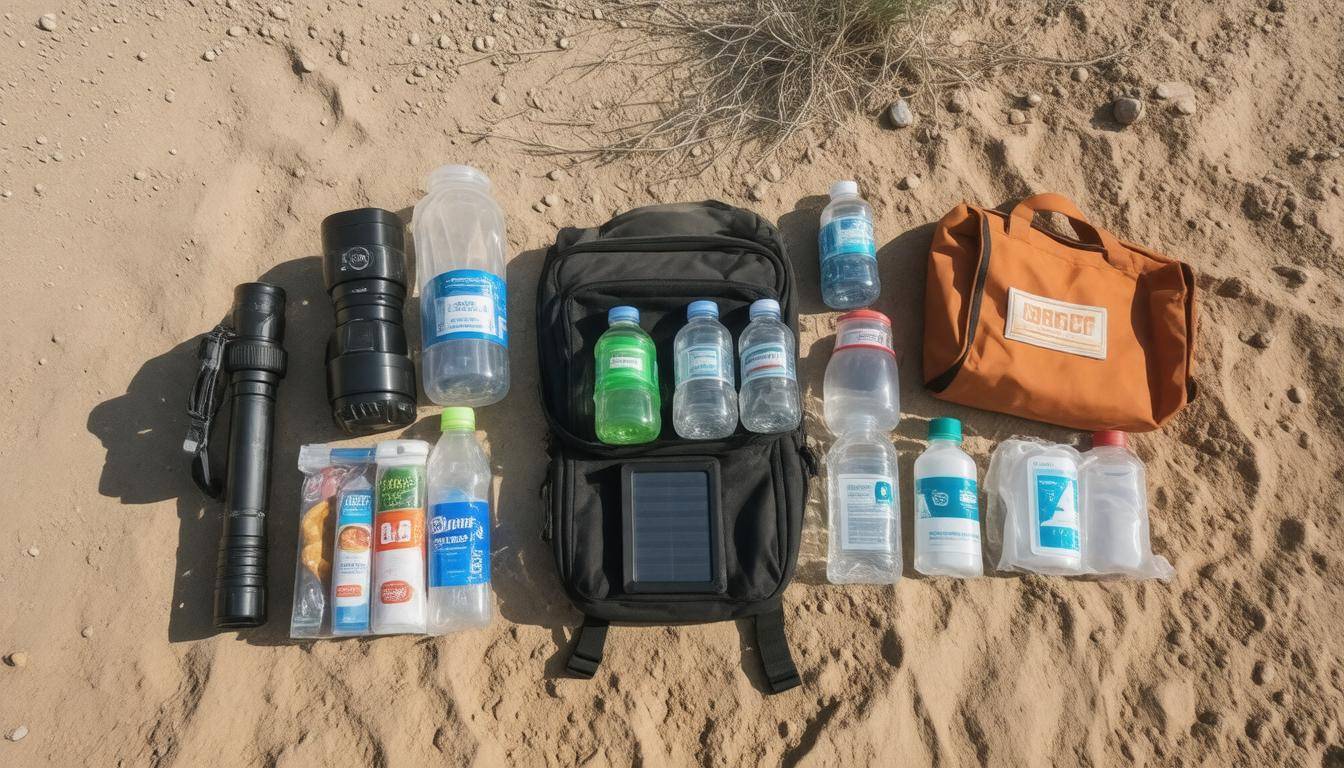
A Somalia Drought & Conflict Emergency Kit should include water purification tablets, high-energy food rations, portable solar chargers, basic first aid supplies, and multi-tools. These items are crucial for maintaining health and accessibility to resources amidst the dire humanitarian situation caused by ongoing drought and conflict.
Overview of the Somalia Crisis
The challenges that Somalia faces today are both monumental and heartbreaking. With over 7 million people in urgent need of assistance, it feels as though a heavy shadow looms over the nation. The relentless effects of severe drought have been compounded by escalating conflict, leading to wide-scale suffering and desperation. The United Nations has identified Somalia’s predicament as one that demands global attention, as families grapple with hunger, displacement, and insecurity in an increasingly perilous landscape.
Alarming statistics emphasize the severity of malnutrition in the country: more than 1.4 million children under five years old are projected to experience acute malnutrition. This staggering figure is not just a number; it represents the many children struggling to survive daily without proper nourishment. According to the World Food Programme (WFP), there has been a dramatic 25% increase in displacements within the last six months alone due to deteriorating living conditions. Families who once called their towns home now find themselves uprooted and wandering in search of safety and basic necessities.
One poignant example of this plight is seen in Dadaab refugee camp, located across the border in Kenya, where countless families have sought refuge from both drought and violence. Between October 2023 and March 2024, an estimated 80,000 new arrivals made their way into this camp, fleeing the dual threats that plague their homeland. Each arrival adds weight to an already burdened system designed to provide support, further stressing the resources allocated for essential services. As these figures continue to rise, it’s clear that solutions must be sought urgently.
Addressing these needs is vital; thus, we cannot underestimate the value of emergency kits in supporting those affected in such dire circumstances. This necessity opens a discussion on how prepared individuals can be when faced with crises and what supplies can offer some measure of relief amid chaos.
Importance of an Emergency Kit
In the arid landscape of Somalia, where access to clean water is limited amidst ongoing drought and conflict, an emergency kit can mean survival or hardship. Clean drinking water is the first line of defense against dehydration and illness; without it, the human body quickly succumbs to exhaustion. For many families displaced by disaster, obtaining even small amounts of clean water becomes a daily struggle. This is why including purification tablets in an emergency kit is essential: they allow individuals to make contaminated water safe for consumption, transforming a life-threatening resource into one that can sustain them.
Nutrient-dense food must also play a crucial role in an emergency kit. The prevalence of malnutrition among children in crisis zones is alarming; it can lead to serious health consequences if not addressed urgently. High-energy food rations such as fortified biscuits or ready-to-eat meals provide critical sustenance during dire situations when traditional cooking methods are unattainable. These types of food are not just convenient; they can be essential lifelines for families while navigating through uncertainties.
However, nourishment is only part of the equation. Basic medical supplies in an emergency kit are indispensable in mitigating health risks and providing immediate care for injuries or ailments. Items like antiseptic wipes, bandages, and essential medications can alleviate suffering while waiting for professional medical assistance. The presence of these supplies can reduce the severity of injuries and enhance recovery chances significantly.
The need for power sources can’t be overlooked either, especially during prolonged displacement scenarios where electricity may be nonexistent. Portable solar chargers can power vital electronics such as phones, enabling communication with loved ones or accessing information about aid services. In emergencies, staying connected often means being informed about safety updates or available resources.
It’s vital to understand that an emergency kit isn’t just a collection of items; it’s a carefully curated resource designed with thoughtfulness towards the unpredictable challenges faced in bedrock humanitarian crises like Somalia’s current situation. As communities contend with drought impacts and scarcity, every person equipped with an emergency kit increases their resilience against life-threatening conditions.
In recognizing the urgent need for clean water safety, we can now explore efficient methods for ensuring its purity and proper storage during times of crisis.
Water Purification and Storage
Access to clean drinking water is crucial, especially in drought-stricken areas like Somalia, where it is a matter of life and death. It’s not just about quenching thirst; it’s about ensuring that the water you consume is free from harmful pathogens.
Step I – Collecting Water
The first step is to identify any available water sources. This may include rivers, lakes, or even rainwater collection. When approaching these sources, always use clean containers. Harvesting water from murky ponds could introduce contaminants that make you ill. Instead, look for clearer streams or collect rainwater in pots. Prioritize finding a source that’s as clean as possible right off the bat; this simplifies subsequent purification efforts.
Once you’ve collected your water, the next step is purification—a critical measure to ensure its safety.
Step II – Purification Methods
Now comes the essential task: purification. You have a few options here: chemical purification and physical filtration.
Boiling is one of the simplest methods. Just bring water to a rolling boil for at least one minute (or three minutes if you’re at a higher altitude). Boiling kills most pathogens effectively. However, when boiling isn’t feasible, using chemical tablets can be a practical alternative.
Chemical tablets like chlorine should be used according to their instructions. Typically, you add 2 to 4 drops per liter of water and let it sit for about 30 minutes before consuming.
For those concerned about bacteria and protozoa, using a portable water filter with a pore size of 0.2 microns or smaller can be very effective. These filters remove contaminants by physically straining them out of the water.
After purification, the way you store your clean water is equally important for maintaining its quality.
Step III – Safe Storage
Proper storage of purified water will prevent recontamination—a common problem once you’ve done all that hard work purifying it. Store your clean water in sealed containers made from food-grade plastic or glass. Always ensure they are sanitized prior to use; this helps avoid introducing new contaminants back into your drinking water.
It’s also essential to keep these containers in a cool, dark place and consume the stored purified water within six months for optimal safety. Water can start to grow bacteria even after being purified if it’s not stored correctly.
Think of proper purification and storage as two sides of the same coin—they’re both necessary for keeping you safe and healthy in challenging situations.
Staying hydrated is essential during crises like this one, but maintaining energy levels through diet is equally important.
High-Energy Food Supplies
High-energy and nutrient-dense foods should be staples in any emergency kit. They play a vital role in maintaining strength and overall health when access to regular meals is compromised. It’s not just about keeping hunger at bay; these foods fuel the body when it needs it most. In contexts like the ongoing drought in Somalia, where millions face food insecurity, ensuring you have the right provisions can make a significant difference.
Think of high-energy bars; they’re compact, lightweight, and designed to give a quick boost of energy when your body craves it. Brands like Clif Bars or local options are perfect because they pack calories into a small package—ideal for situations where space and weight matter. Each bar can deliver around 250 to 300 calories while containing necessary proteins that help maintain muscle strength in times of scarcity. This means you can carry fewer items while still obtaining significant nutritional value.
Additionally, dried fruits and nuts are excellent choices as they offer both energy and essential nutrients. Imagine reaching into your kit for a handful of raisins or almonds; not only do these tasty morsels satisfy hunger, but they also provide vitamins and healthy fats to keep your brain functioning optimally during stressful times. One cup of dried apricots contains about 241 calories and nearly 63 grams of carbohydrates, contrasting sharply with typical emergency rations that might fall short on taste and variety.
It’s alarming to note that according to UNICEF, if current conditions persist without timely intervention, as many as 1.8 million more children could find themselves facing emergency-level malnutrition. This statistic drives home why stocking your emergency kit with proper supplies isn’t just practical; it’s lifesaving.
Food Items to Consider
In addition to the bars and dried fruits mentioned earlier, here are other high-energy items worth considering:
- Peanut Butter: A small serving carries around 588 calories, packed with protein that will energize your body.
- Canned Beans: While often overlooked, one cup provides about 225 calories along with essential proteins and carbs.
- Energy Bars: Average 60-gram bars yield around 250-300 calories, making them a smart addition.
While ensuring you have enough food is crucial, don’t forget about the importance of hydration and power for communication as part of your survival strategy. Balancing these needs effectively can make all the difference when resources are scarce.
As we consider essentials for survival, turning our focus to portable technology reveals vital support that can enhance safety and connectivity in challenging circumstances.
Portable Solar Chargers
Portable solar chargers are essential tools for survival, particularly in areas facing ongoing crises like drought and conflict. These devices transform sunlight into electricity, offering a sustainable energy supply when traditional power sources are unavailable or unreliable. In emergency situations, this technology keeps vital communication lines open and enables the use of lifesaving equipment such as LED lights and mobile phones. Their simplicity not only makes them practical but also environmentally friendly, utilizing renewable energy that is often overlooked.
When choosing a portable solar charger, it’s crucial to consider its wattage output. Higher wattage outputs, typically ranging between 5W to 20W, allow for more efficient charging of devices during the day. For instance, a charger with approximately 10W output can recharge smaller gadgets like smartphones effectively, while larger chargers might sustain more demanding devices like tablets or batteries for LED lights.
As a rule of thumb, aim for chargers equipped with built-in battery storage. This feature collects energy throughout the day for use at night when the sun isn’t shining. This capability ensures your devices remain operational even in dark conditions.
Additionally, it is important to note the size and weight of portable solar chargers, especially if you’re on the move. Most weigh between 0.5 to 2.5 pounds, making them easy to carry without significant burden. Battery capacities can vary dramatically from 5,000 mAh to 30,000 mAh, determining how much power you can store for later use; the higher the capacity, the longer you can go without needing direct sunlight.
Make sure to check the lifespan of the solar panel itself; many portable chargers offer warranties indicating they will effectively provide power for 20-25 years. Investing in a quality charger isn’t just about immediate benefits—you’re securing a resource that will serve you reliably over time. It’s also wise to look for models with 15% to 25% efficiency rates, indicating better sunlight conversion into usable power.
While these portable solar chargers help ensure your communications and emergency lighting remain functional, addressing other critical needs—such as medical supplies for health emergencies—is equally essential in challenging environments.
Basic First Aid Essentials
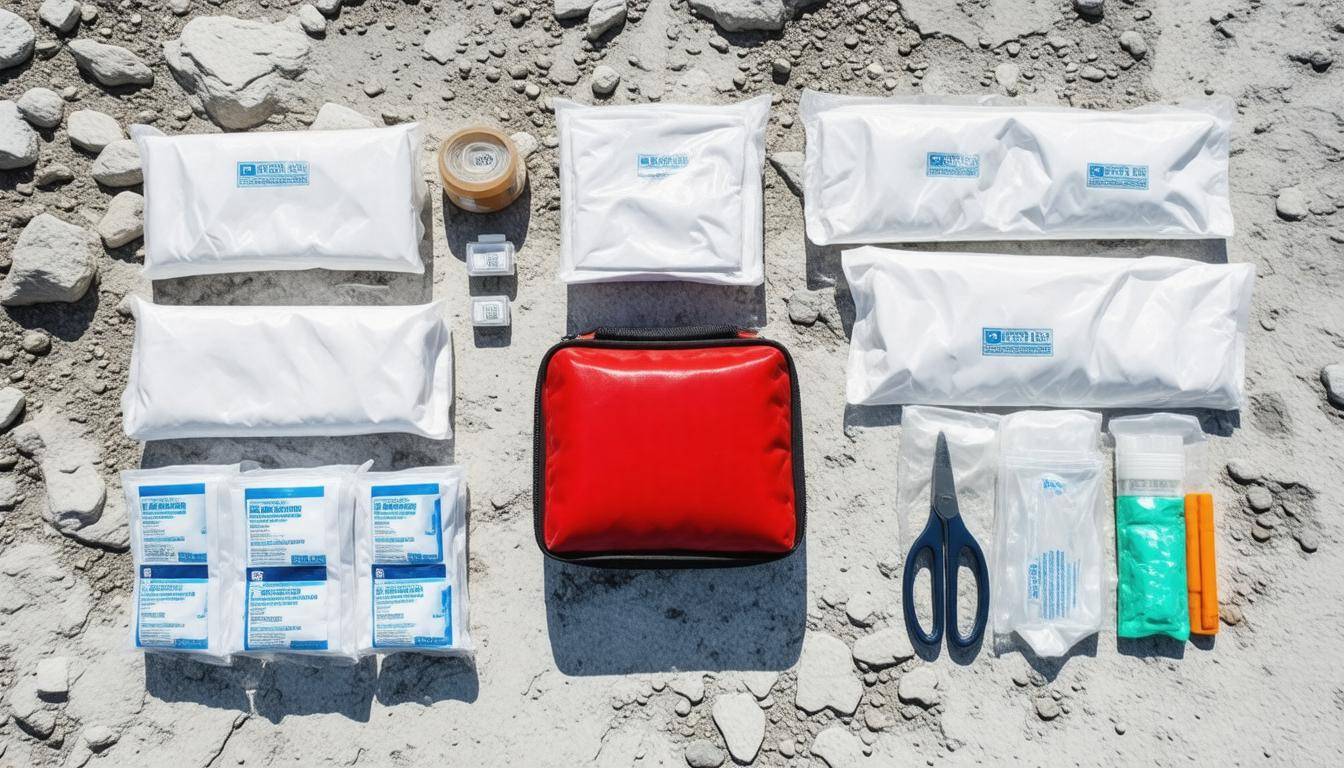
Basic first aid supplies should be an integral part of any emergency kit. In challenging environments like those created by the ongoing drought and conflict in Somalia, these supplies become paramount not just for treating injuries but also in preventing infections that can worsen dire health conditions. Just imagine a scenario where someone suffers a minor cut or scrape while searching for food or water; without basic supplies, that small injury could lead to severe complications.
Essential items to include are:
- Adhesive bandages of various sizes for covering cuts.
- Sterile gauze pads to manage larger wounds and absorb excess blood.
- Antiseptic wipes to clean and disinfect injuries before applying dressings.
- Pain relievers like ibuprofen, providing immediate relief from pain or fever.
- Antibiotic ointments such as Neosporin, which can help prevent infection once a wound is cleaned.
- Oral rehydration salts that are crucial in countering dehydration caused by infections or heat.
These supplies can bridge the gap until professional medical help is available, which is often scarce in refugee camps. Each item plays a vital role; for instance, adhesive bandages not only protect injuries but also lend emotional reassurance during distressing times. When children see their wounds covered and cared for, it helps reduce fear and anxiety—elements that are already heightened in such environments.
Access to antiseptics can mean the difference between healing and worsening health conditions, especially under overcrowded and unsanitary conditions that many face in refugee camps.
It’s important to remember that the best way to handle emergencies is not only having these supplies on hand but knowing how to use them effectively. For example, while applying an antiseptic wipe may seem straightforward, doing so with care ensures that you avoid further damage to the skin surrounding a wound.
Alongside medical supplies, versatile tools play a critical role in addressing various practical needs faced in these environments.
Multi-Tools and Utility Items
Multi-tools are the Swiss Army knives of emergency preparedness; they pack a punch in utility without taking up too much space. In settings where resources are limited, such as during the ongoing drought in Somalia and the subsequent displacement crisis, every item in an emergency kit matters. A versatile tool can assist with everything from building shelters to preparing food, allowing individuals to adapt quickly to changing circumstances.
For example, imagine facing the daunting task of setting up temporary living arrangements in a new environment. A multi-tool can aid in gathering materials, cutting ropes, or even repairing small items that may break while under stress. Common features found in multifunctional tools include a sturdy knife for slicing through tough materials, pliers for gripping and twisting, and essential gadgets like screwdrivers and bottle openers—all designed to enhance your flexibility in emergencies.
When selecting a multi-tool, durability is key. The average weight of a high-quality multi-tool ranges between 7 to 12 ounces (200 to 340 grams), making it portable yet robust enough to withstand rough conditions. Many models are crafted from stainless steel, offering impressive tensile strength of approximately 200,000 psi—resilience you’ll appreciate when carving through tough tasks in the wilderness or an overcrowded refuge.
An effective multi-tool should feature at least ten functions to ensure you’re prepared for various situations. Items such as scissors can be invaluable when precision cutting is necessary, while built-in can openers allow access to food supplies that would otherwise remain sealed. This adaptability not only increases individual survival rates but also enhances community resilience as members work together using shared tools.
Studies have shown that possessing a strong multi-tool elevates survival chances by up to 30% in emergencies—an impressive statistic that highlights its importance. While prices can vary significantly based on brand and features (ranging from $30 to $150), investing in a reliable multi-tool is often worth the expense for long-term peace of mind.
Moreover, equipping displaced populations with these essential tools aids not only personal preparedness but also bolsters collective recovery efforts amidst dire humanitarian crises. As we consider the broader implications of these efforts on community dynamics, it’s crucial to look at how we can further support those affected by conflict and environmental challenges.
Supporting Displaced Populations
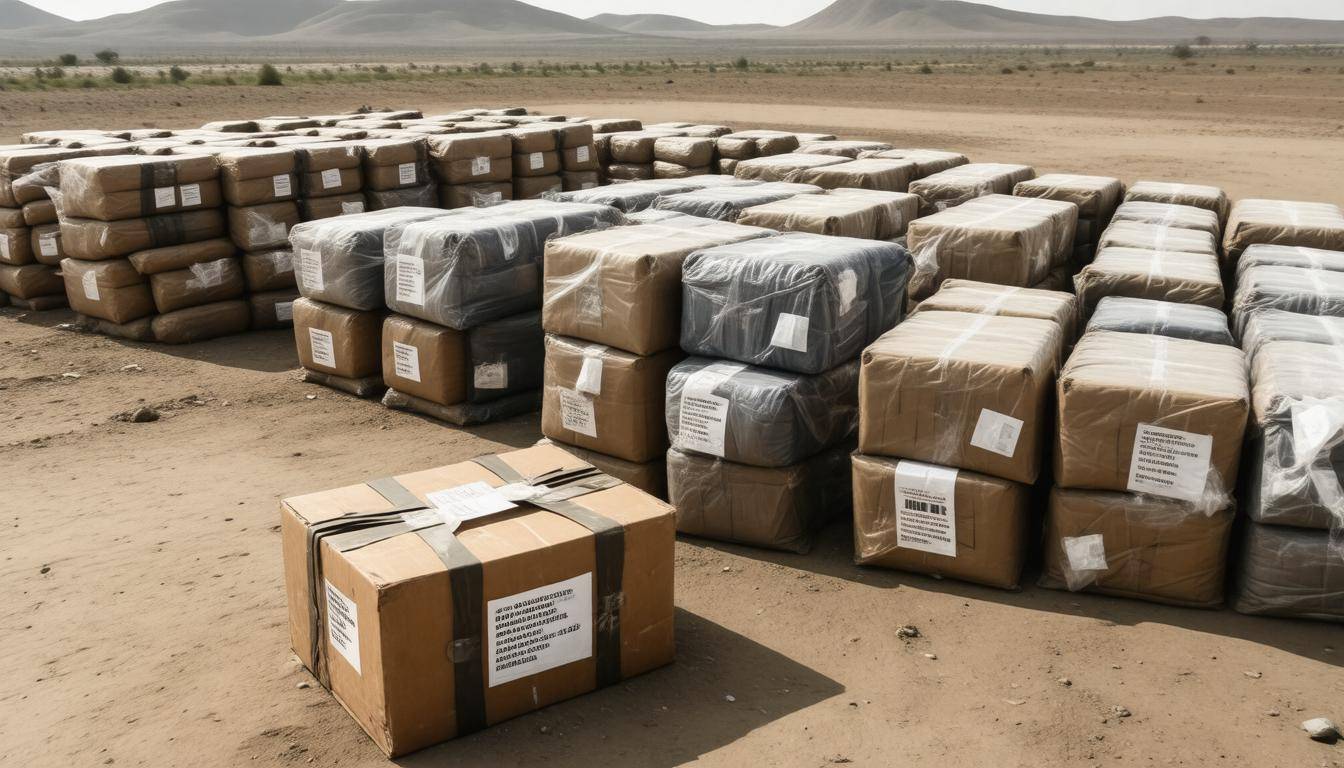
Amid the overwhelming challenges faced in Somalia, it’s essential to approach support for displaced populations with a comprehensive strategy that considers the broader context of their circumstances. More than just handing out supplies, effective support requires us to create a lifeline that extends into education, mental health care, and critical infrastructure. These elements are not only helpful but vital for the long-term recovery of individuals facing tremendous hardship.
One of the first areas to focus on is educational resources for children. Imagine a child who has already experienced the trauma of displacement; without access to education, the future looks grim. Learning kits and makeshift schools provide a sense of normalcy amidst chaos, enabling these children to continue their studies. This is essential in ensuring they have a path forward, rather than being lost in the turmoil of their current situation.
“Education is the most powerful weapon which you can use to change the world.” – Nelson Mandela.
Alongside education, we cannot underestimate the importance of mental health aid. In a crisis like this, many survivors carry emotional scars that require attention and healing. Counseling services and group therapy sessions offer safe spaces where individuals can process their experiences and begin to heal from trauma. The stress and anxiety that arise from loss and instability deserve acknowledgment; addressing these issues creates an environment where individuals can rebuild both emotionally and physically.
Critical infrastructure also plays a pivotal role in supporting displaced populations:
-
Latrines: Necessary for sanitation, helping prevent disease outbreaks that often follow large gatherings of displaced individuals.
-
Clean water points: Access to safe drinking water is paramount for health. Without it, even minor injuries or illnesses can become severe threats.
| Support Type | Example | Importance |
|---|---|---|
| Educational Resources | Learning kits, schools | Ensures children continue their education |
| Mental Health Aid | Counseling, group therapy | Helps combat trauma and stress |
| Infrastructure | Latrines, clean water points | Prevents disease, supports hygiene |
However, none of these efforts can succeed in isolation. They necessitate a collective commitment involving international organizations, local governments, and NGOs working tirelessly together toward a common goal. This coalition strengthens support networks and optimizes resource allocation while preserving cultural sensitivity in approaches tailored toward the communities being served.
As we examine this subject further, it becomes clear that fostering sustainability in these practices will ensure a more lasting impact as Somalia navigates its ongoing challenges.
Each step taken today can lead to fertile ground for rebuilding shattered lives tomorrow.