
Spring is a beautiful time of year, but it also brings the risk of flooding in many areas. As the snow melts and rain showers become more frequent, it’s crucial to take steps to protect your home and loved ones. Preparing for potential floods can feel overwhelming, but having a solid plan can make all the difference. From securing your property to gathering essential supplies, there are practical actions you can take now to mitigate risks before the next storm rolls in. In this article, we’ll walk you through a comprehensive safety checklist to ensure your family and home are ready for whatever spring weather has in store.
Your Spring Flood Preparation checklist should include obtaining flood insurance, checking and clearing local stormwater drains, securing important documents in waterproof bags, assembling an emergency kit with essential supplies, and creating a family evacuation plan. Additionally, it’s important to stay informed about local flood alerts and develop a communication strategy with family members in case of an emergency.
Identifying High-Risk Areas
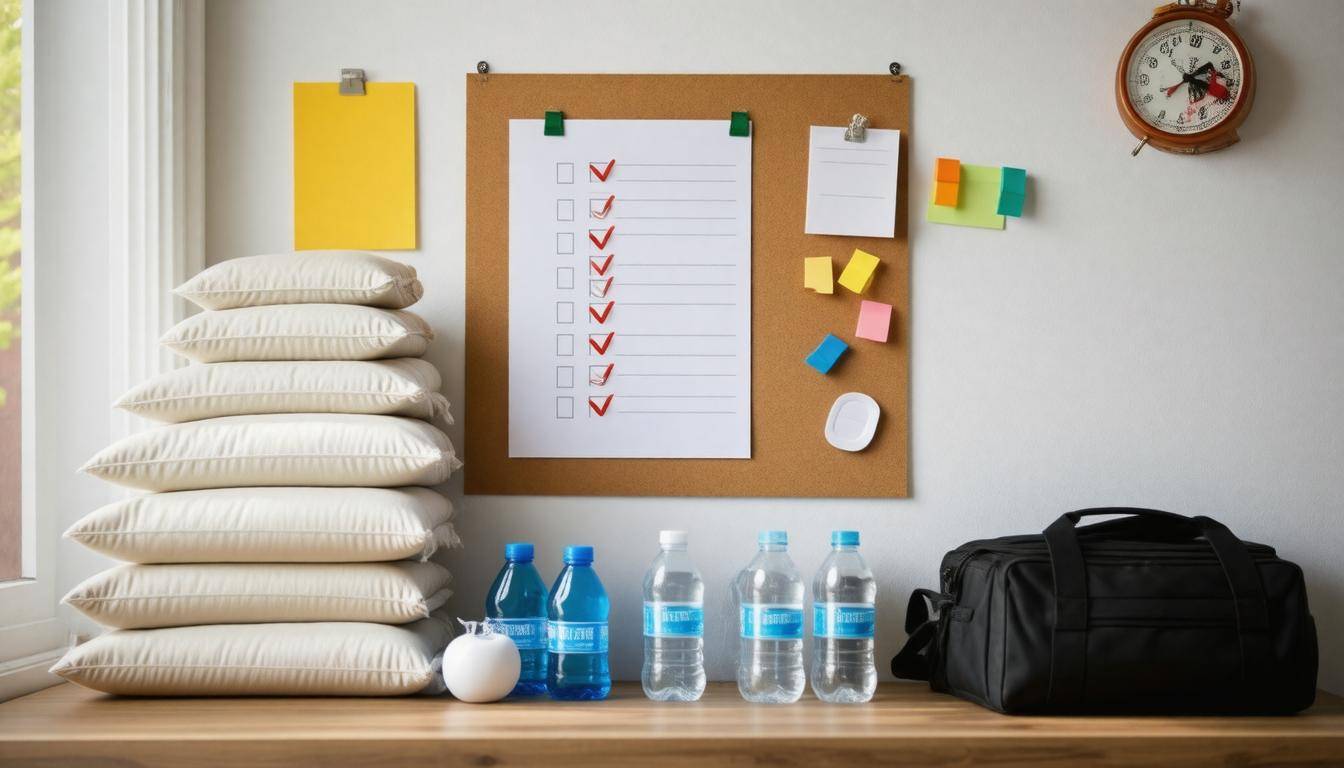
Understanding the specific risks associated with your property starts with recognizing which areas are more likely to flood during heavy rain or melting snow. This goes beyond simply knowing whether you’re in a flood zone; it involves a deeper assessment of your home’s unique location and the topography around it.
Utilize Government Resources
One of the best places to start is by accessing FEMA’s updated flood zone maps. These maps classify regions based on their risk levels, with areas marked as Zone A and Zone V being the most vulnerable to flooding. By entering your address, you can determine if your home lies within these high-risk zones, guiding you in your preparations. Consulting these resources empowers you to make informed decisions about flood insurance policies and necessary preventive actions.
Local Resources
Tapping into local government resources is invaluable. Many municipalities have detailed records of flood zones and historical data. For example, some counties provide online platforms with interactive maps and floodplain management information. The Minnesota Department of Natural Resources offers a Flood Risk Information System (FRIS), allowing residents to input their addresses directly and view various hazards affecting their homes, making this resource critical for personal safety preparation.
Historical Data
Examining historical flooding data is another essential part of assessing risk. Understanding patterns from past events can shed light on what to expect in the future. This might involve looking at when floods typically occur or how often they impact certain areas.
As an illustration, consider Houston: during Hurricane Harvey in 2017, the city grappled with unprecedented rainfall leading to devastation estimated at over $125 billion. Such major incidents reveal not only the vulnerabilities in urban planning but also highlight locations requiring enhanced flood defenses.
Recognizing these high-risk areas enables you to identify both short-term threats and long-term strategies, which fosters greater resilience in the face of unpredictable weather.
Having identified high-risk regions and associated resources, it’s now time to focus on what supplies will ensure your safety during flooding events.
Essential Safety Supplies
Preparing for a potential flood involves more than just monitoring weather reports; it means having the right supplies at your fingertips. Assembling a comprehensive emergency kit can serve as your lifeline when circumstances become dire. Imagine waking up one morning to heavy rains, which quickly turn into a downpour. As the water begins to rise, confidence stems from knowing that you’re prepared with plenty of essentials packed away safely.
Start by gathering fundamental items such as flashlights and extra batteries. A power outage can occur alongside severe weather, and having light ensures you can navigate your home safely. Pack a well-stocked first aid kit containing everything from adhesive bandages to antiseptic wipes to tend to minor injuries if needed. Equally crucial is a portable battery-powered radio that includes NOAA Weather Radio capabilities, keeping you updated on real-time weather developments.
Hydration is of utmost importance, particularly during emergencies. Ensure that you have bottled water; the recommendation is at least one gallon per person per day for three days. This amount will keep everyone hydrated while also providing extra water for pets—our furry friends should not be forgotten in times like this. Alongside water, include non-perishable food items that require minimal preparation; think along the lines of energy bars, canned goods, or freeze-dried meals.
-
Include personal hygiene items such as toothpaste, soap, and hand sanitizer to maintain cleanliness during the ordeal.
-
Don’t forget necessary medications—anything you or family members take regularly should be stored in easily accessible portions.
-
Add essential documents—keep copies of insurance policies and medical records in waterproof containers.
Durable Containers
One aspect often overlooked is how best to store these supplies. Using durable containers can make a significant difference. Consider investing in bins with tight-sealing lids; these will keep out moisture and ensure that your essentials remain dry and usable when needed most. Heavy-duty waterproof bags are also excellent options for protecting critical items from flooding.
It’s reassuring to know that you’re taking proactive steps for your family’s safety. With your emergency kit prepared and stored properly, you’re already ahead of potential disasters. When moments become overwhelming, these small yet significant actions will help you approach unexpected challenges with confidence rather than fear.
While ensuring your emergency supplies are ready is vital, an equally important step involves securing essential protective measures designed to mitigate flooding risks.
Securing Sandbags and Protective Equipment
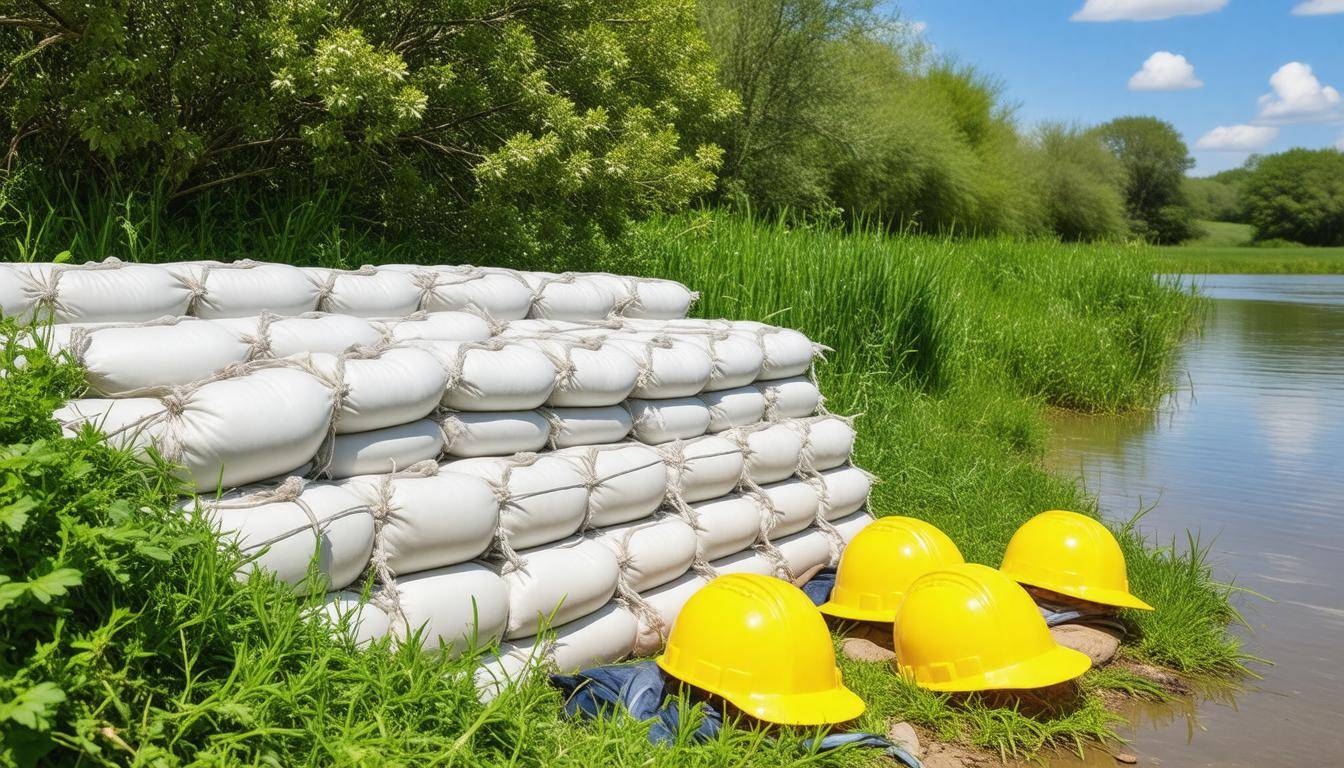
Sandbags are essential allies in the battle against flooding, acting as sturdy barriers that divert water away from vulnerable entry points. To make sure you’re prepared, sourcing sandbags should be at the top of your list.
Local hardware stores often carry them, but there’s a good chance your city has designated sandbag distribution sites, particularly during flood season. These stations may even supply them for free! It’s worth checking your local emergency management agency for nearby sandbag resources. This proactive step can save time and ensure you have an adequate supply on hand when things start to look grim.
However, sourcing the bags is just the beginning; knowing how to place them effectively is key.
Proper Sandbag Placement
Placement of sandbags is where their effectiveness truly shines. It’s not enough to merely scatter them around; strategic placement maximizes their protective potential. Start with doors and windows since these areas are more susceptible to flooding.
In addition, any low-lying regions around your foundation must not be overlooked. An effective technique is stacking the sandbags in a staggered brick pattern, much like building a wall. This method lends additional stability because each layer supports the next one down.
A neighbor once shared with me their success story: “After placing sandbags along our garage door, we prevented water from flooding our living space during last year’s heavy rains.” Their experience underscores how critical proper placement can be when push comes to shove.
Nonetheless, while you’re gearing up for challenges outdoors, don’t forget about protecting yourself!
Protective Gear
Handling sandbags involves not just physical effort but also exposure to potentially harmful contaminants found in floodwaters. To safeguard against this risk, it’s advisable to equip yourself with appropriate protective gear.
Rubber gloves will keep your hands safe from sharp edges and bacteria that may be lurking or groundwater contaminants that might exist in standing floodwaters. Waterproof boots are equally essential; they keep your feet dry while navigating through potentially deep or muddy conditions. Safety goggles can shield your eyes from debris or any splashes during handling. The combination of these items ensures you’re fully prepared to tackle sandbag operations without putting your health at risk.
With these precautions and strategies in place to secure your environment, you’re now ready to explore drainage solutions and enhancement measures that will help keep your home safe from flooding.
Drainage and Basement Protection
Having an effective drainage system is essential to keeping basements dry. When rain falls, directing that water away from your home can prevent costly damage. Each element of your drainage system plays a vital role, so let’s explore these components for a solid defense.
Gutter Maintenance
Keeping gutters clean is the first line of defense. If they’re clogged with leaves and debris, rainwater can overflow and seep directly into your home’s foundation. This can lead to severe issues like damp walls or mold growth. I recommend clearing out your gutters at least twice each year—once in the fall and again in early spring. However, if you live in a heavily wooded area, you might need to check them more frequently. When cleaning, ensure downspouts are also clear and angled to divert water at least six feet away from your foundation. By doing this diligently, you’ll significantly reduce the chance of basement flooding during heavy rains.
Sump Pumps
Another critical safeguard is a sump pump installed in your basement. This device works hard behind the scenes, pumping out any water that accumulates during intense storms or sudden thaws. Investing in a good quality sump pump can cost anywhere from $500 to $1,000; however, it pays off by saving you thousands of dollars in potential water damage repairs. Regularly test your sump pump by pouring water into the pit. If it doesn’t activate, replace it or seek professional help immediately—you don’t want to find out it’s not working during a storm!
Check Valves
In addition to gutters and sump pumps, consider installing check valves in sewer lines as another layer of protection. These valves are designed so that floodwater can only flow one way—away from your home—preventing a backup during heavy rains. If you’re uncertain about where to install these valves or which type is best suited for your home, contacting a local plumbing expert can be beneficial. Keeping unwanted water out of your basement means peace of mind in times of unpredictable weather.
With these robust drainage systems now established, attention shifts towards developing cohesive strategies that involve both family members and the larger community for flood preparedness.
Family and Community Flood Plans
A well-prepared flood plan is like a safety net for your family. When disaster strikes, every second counts, and knowing exactly what to do can make all the difference. Start by mapping out clear evacuation routes; know in advance where you will go if you need to leave your home quickly.
Assign responsibilities to each family member—who grabs the emergency kit, who checks that everyone is accounted for, and who drives the vehicle. These small acts of preparation create a streamlined response in times of panic.
Practicing these plans regularly isn’t just about being prepared; it builds confidence. When children know what to do, they feel empowered rather than frightened during an emergency.
The heart of any effective family flood plan lies in communication. It’s essential to create a communication plan detailing how you’ll stay in touch during a flood. List emergency contacts such as family members, neighbors, and local emergency services.
Assign a designated family spokesperson responsible for relaying information if separated. It’s also wise to determine various methods of communication—texting may be more reliable than phone calls when cell networks get congested.
Community Coordination
Transitioning from personal preparedness to community involvement can amplify your readiness significantly. Engaging with local emergency response teams fosters a sense of collective responsibility. Attend community meetings or join local organizations focused on flood preparedness.
Staying informed about local procedures helps you understand what resources are available during a crisis.
In my own experience, participating in discussions with neighbors has improved our plans and inspired creative solutions tailored to our unique environment. At a recent community meeting, residents shared invaluable insights on their preparations, enriching everyone’s emergency strategies and cultivating a deeper sense of unity among us.
It’s essential to recognize that floods don’t discriminate; they affect whole communities. Cooperative planning ensures that resources like shelters or volunteer groups are accessible to everyone when needed most.
Integrating both family and community strategies into your flood preparedness can enhance the safety and resilience of your neighborhood against flooding threats. This foundation sets the groundwork for effective communication and swift action when floods strike, protecting lives and homes alike.
With these plans in place, understanding how to communicate effectively during emergencies becomes crucial for ensuring everyone’s safety and coordination within your community.
Emergency Contacts and Communication
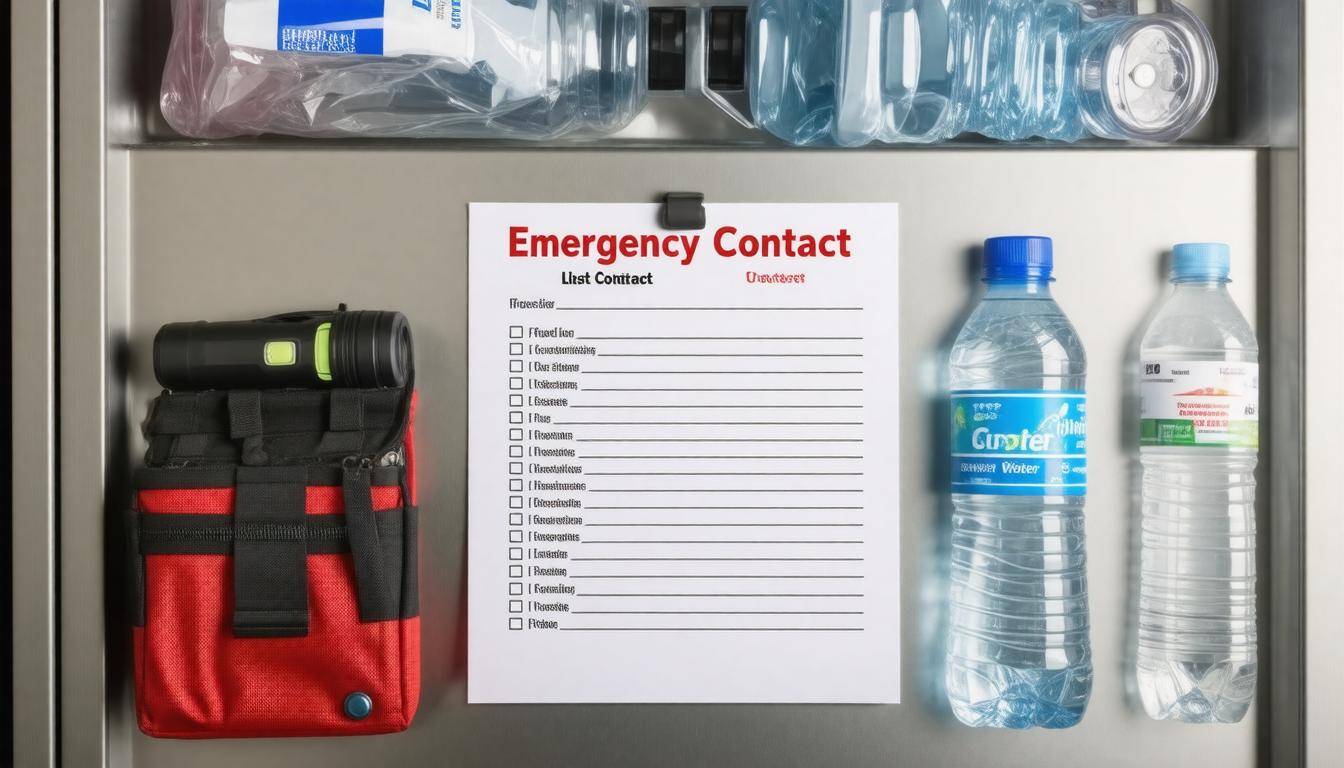
It’s vital to maintain an updated emergency contact list and ensure that every family member knows its importance. Compile a comprehensive list that includes not only your immediate family members but also neighbors, local emergency services, fire departments, police stations, medical facilities, and utility companies.
This list should be easy to access—consider storing it in both physical and digital formats. For instance, keeping copies on your refrigerator or in your wallet can be helpful during fast-paced situations.
After you’ve organized your contacts, think about how you’ll communicate when disaster strikes.
Update Contact Lists
Start by gathering everyone’s contact information—
- Family members’ phone numbers and email addresses.
- Close friends or neighbors who could assist during an emergency.
- Local emergency services like police, fire departments, and hospitals.
- Utility company numbers for power outages or gas leaks.
- Out-of-town relatives who can serve as out-of-area coordination points.
Periodic reviews of this list are crucial; changes happen over time, and keeping this information current ensures you don’t miss anyone important in times of need.
Now that you’ve established your contact list, let’s explore the best strategies for effective communication during this critical time.
Communication Strategies
Using diverse methods of communication will enhance your chances of staying in touch with loved ones during an emergency. In today’s world, social media platforms and text messaging are becoming essential tools for communication when traditional phone lines may be congested or unavailable. According to FEMA, text messages are 40% more likely to go through than phone calls when systems are overwhelmed. Leverage this knowledge by using group messaging apps or inviting family members into dedicated messaging groups where everyone can share updates quickly.
Consider designating out-of-town relatives as emergency contacts where family members can relay their situation. This strategy can ease some pressure and provide a central point for information sharing when everyone is trying to understand their surroundings.
Understanding the necessary steps to prepare your home is just one part of readiness; financial considerations play an equally critical role in ensuring your family’s safety and security when emergencies arise.
Insurance and Financial Readiness
Financial preparation can alleviate some stress during flood recovery. It’s essential to start by reviewing your insurance coverage to ensure you’re safeguarded against potential disasters. Verify that your homeowner’s insurance policy includes flood coverage. Many people are caught off guard when they discover their standard policy does not cover floods, leaving them vulnerable. In fact, the National Flood Insurance Program (NFIP) states that 15% of homes are at risk of flooding but lack proper coverage. This statistic serves as a wake-up call for homeowners, highlighting an often-overlooked aspect of flood safety.
Beyond just flood insurance, it’s imperative to secure your financial documents as well. Make it a habit to keep important papers in a waterproof container—think insurance policies, personal identification, property deeds, and bank statements. The last thing anyone wants during a flood emergency is to sift through soggy papers looking for critical information. By organizing these documents ahead of time, you’ll be able to focus on what truly matters: the safety of your family and home.
Establishing an emergency fund is another critical component of financial readiness. Ideally, this fund should have enough money set aside to cover immediate costs such as temporary lodging, food, and unexpected repairs if flooding occurs. A good rule of thumb is to aim for three months’ worth of expenses, which will provide a cushion and peace of mind in the aftermath of any flooding disaster. Having those funds readily available means less worry about how bills will be paid immediately after the storm—something we all know can become a significant source of stress.
As you organize your finances and prepare for the unexpected, remember that these steps not only help mitigate risks but also pave the way for effective recovery efforts once the waters recede. Transitioning from preparation to action leads naturally into the necessary steps for restoring your home after such an event.
Post-Flood Cleaning and Recovery
Swift action after a flood is essential to mitigate damage and minimize health risks. As water recedes, the cleanup process begins—but it’s not as simple as just drying out your home. Floodwaters can contain hazardous contaminants, making proper cleaning techniques paramount to both safety and restoration.
Safety First
The first rule of thumb when entering a flooded space is to prioritize your safety. Make sure you wear protective gear, including rubber boots, gloves, and masks. This prevents direct contact with water that could be contaminated with bacteria and harmful substances. It’s easy to underestimate what lurks in standing water; therefore, this precaution cannot be overstated. Imagine stepping into a puddle only to find you’ve encountered a hidden danger—avoid this by gearing up from the start.
It’s vital to remember that mold can begin growing within a mere 24 to 48 hours of water exposure. A simple observation of your environment can save you from bigger problems down the line.
Drying Out
Once you’re adequately protected, focus shifts towards removing any standing water. To do this effectively, use pumps and wet vacuums designed for such situations. I often advise friends, when faced with flooding, to start with a dedicated pump which can drain large volumes of water quickly. This saves precious time during clean-up.
Following that, bring in fans and dehumidifiers to dry out the area completely. It’s crucial that every hidden corner gets dried out because moisture left behind can become a perfect breeding ground for mold. According to CDC guidelines, unless you’ve got it under control, there’s a high chance mold will surprise you—like an unwanted guest arriving at your door.
Cleaning Solutions
As the drying process is underway, it’s time to tackle sanitization. For surfaces affected by floodwater, using EPA-approved disinfectants is your best bet for cleaning walls, floors, and other materials. Ensure thorough application on all impacted surfaces.
| Item Needed | Purpose |
|---|---|
| Pumps | Remove standing water |
| Wet Vacuums | Dry affected areas |
| Fans/Dehumidifiers | Speed up drying process |
| EPA-approved Disinfectants | Sanitize areas |
| Protective Gear | Safety during cleanup |
Here’s something a homeowner shared after experiencing their own flood ordeal: “We used a bleach solution recommended by our local health department, and it worked wonders in sanitizing our basement.” These cleaning practices ultimately reshape how your home recovers after a flood—don’t take them lightly!
With these steps followed diligently, you’re well on your way to restoring your home while ensuring safety throughout the process.
In summary, careful preparation and swift action are crucial components in navigating the aftermath of a flood. By prioritizing safety and utilizing effective cleaning strategies, you’re paving the way for successful recovery.
What steps should I take to safeguard my property against potential flooding?
To safeguard your property against potential flooding, elevate electrical appliances and utilities above expected flood levels, ensure proper drainage systems are in place, and create a barrier using sandbags or flood walls. Additionally, having an emergency plan and necessary supplies can significantly reduce risks; statistics show that homes with proactive measures can reduce flood damage by up to 50%. Always stay informed about local weather alerts and consider flood insurance for added protection.
Are there local resources or organizations that assist with flood preparation efforts?
Yes, many local resources and organizations assist with flood preparation efforts, including your city’s emergency management office, local Red Cross chapters, and community organizations focused on disaster preparedness. For example, the Federal Emergency Management Agency (FEMA) reported that in areas prone to flooding, communities that engaged with these organizations saw a 30% increase in preparedness activities among residents. Engaging with local resources can provide valuable information on evacuation routes, flood insurance options, and emergency supplies.
What should I do after a flood event to recover effectively?
After a flood event, it’s essential to prioritize safety by avoiding flooded areas and inspecting for structural damage before re-entering your home. Begin the recovery process by documenting all damages with photographs for insurance claims; according to FEMA, 40% of small businesses never reopen after a disaster due to inadequate recovery planning. Next, ensure you dry out your home within 24-48 hours to prevent mold growth, as mold can develop in as little as 24 hours under damp conditions. Finally, seek professional assistance if needed and consult local resources for rebuilding and recovery programs.
What essential items should be included in a flood preparation kit?
A flood preparation kit should include essential items such as clean water (one gallon per person per day for at least three days), non-perishable food, a flashlight with extra batteries, a first aid kit, important documents in a waterproof container, and communication devices like a battery-operated radio. Statistics show that nearly 90% of all natural disasters involve flooding, making it crucial to be prepared. Being equipped can significantly reduce recovery time and ensure the safety of your household during unexpected flood events.
How can I assess my home’s flood risk before spring arrives?
To assess your home’s flood risk before spring, start by researching your local flood maps available through FEMA or your state’s emergency management agency, which can indicate high-risk zones in your area. Additionally, consider factors such as your home’s elevation relative to nearby water bodies and historical flood data for your region; approximately 40% of all flood insurance claims occur in moderate- to low-risk areas, so even homes not in designated flood zones can be at risk. Regularly inspecting your property’s drainage systems and landscaping can also help mitigate potential flooding issues.