
In a world where unexpected events can upend our daily lives in an instant, having a solid emergency plan for your suburban home isn’t just smart; it’s essential. Think about it—how often do we hear about natural disasters or unfortunate incidents from our neighborhoods that seem distant until they knock on our door? Trust me, I learned this firsthand when a sudden storm uprooted trees and knocked out power for days. My family and I were caught off guard initially, but it sparked a commitment to be better prepared for the next time disaster strikes. Whether it’s due to unpredictable weather, safety concerns, or simply being proactive, creating an emergency plan can provide you and your loved ones with peace of mind and a reliable roadmap for handling crises as they arise. Let’s dive into how to prepare your suburban home for whatever life throws your way!
The “Suburban Home Emergency Planning: Complete Guide” covers essential topics such as creating emergency protocols, understanding potential risks specific to suburban environments, and stockpiling critical supplies. You will also find practical strategies for community collaboration, as well as checklists for both short-term and long-term preparedness to ensure your family is equipped to handle emergencies effectively.
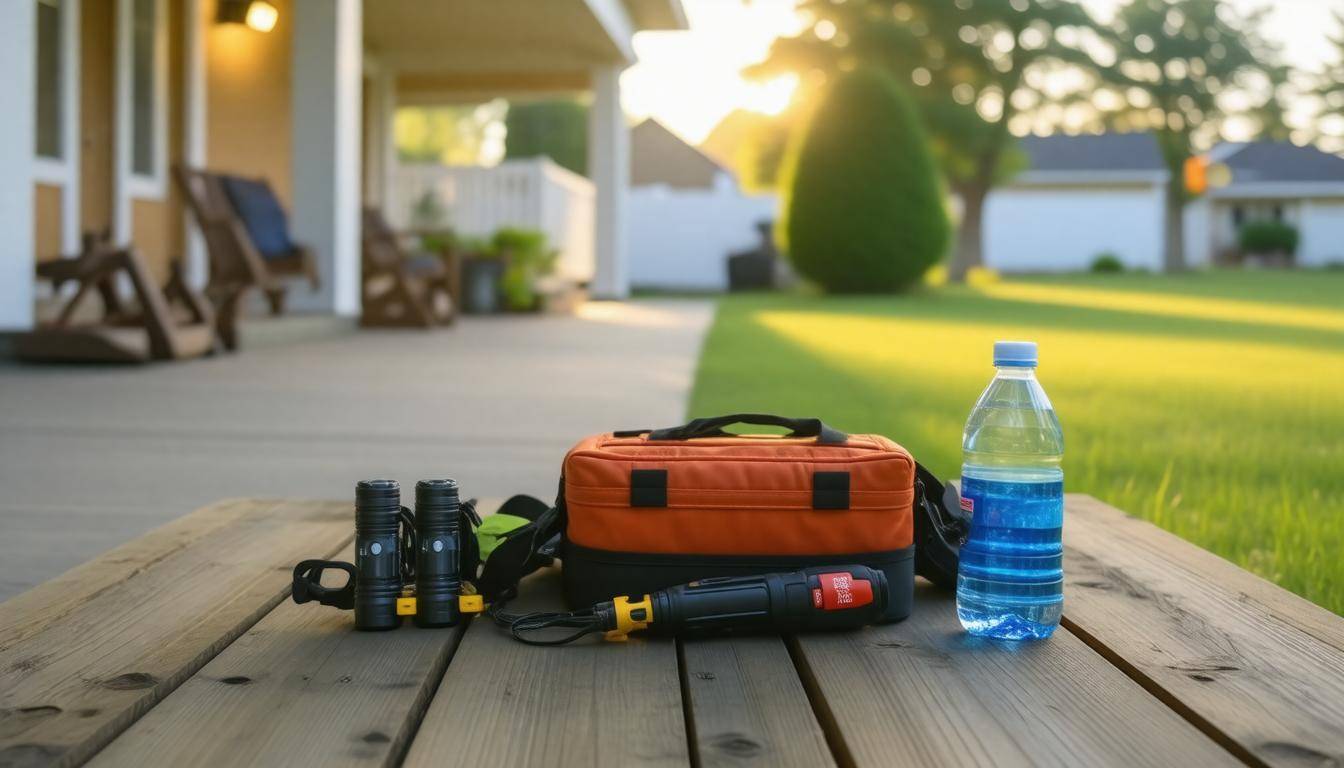
Identifying Potential Threats
The first step to ensuring the safety of your suburban home is understanding the potential threats that exist in your environment. While picturesque and peaceful, suburbs are not exempt from dangers, both natural and man-made. Even though suburbia may be more stable than urban centers, it can still face challenges like traffic accidents and disturbances, as highlighted by local emergency calls. Because threats come in different forms—from erratic weather patterns to human-related emergencies—it’s essential to perform a thorough assessment.
Research Local Hazard History
Start your journey by researching the historical data on natural disasters relevant to your specific location. What has affected your community in the past? Local government websites provide valuable information regarding past incidents.
Websites often feature historical archives that detail occurrences such as floods, earthquakes, and wildfires. Even small towns may have faced notable hazards over the years. Take a moment to investigate what events have taken place nearby; for instance, residents in areas prone to flooding should consider purchasing flood insurance or having an evacuation plan handy.
Fear of the unknown can be unsettling, but knowledge is empowering.
Consider Man-Made Threats
Furthermore, we mustn’t forget about the possibility of man-made threats that can disrupt daily life. These are often overshadowed by natural disasters yet pose serious risks if not acknowledged. Consider factors such as gas leaks, chemical spills, home invasions, or road traffic accidents.
According to a report by the National Safety Council, gas leaks contribute to an average of 4,200 home fires annually in the U.S.—a stark reminder that vigilance is key. It’s wise to familiarize yourself with local response numbers and resources available for emergencies.
Understanding these risks allows you to formulate appropriate plans and responses effectively. With an awareness of potential dangers at hand, you’re well-equipped to embark on effective family preparation strategies for any eventuality.
Family Emergency Preparation
A well-prepared family can mean all the difference in a crisis. Begin by holding regular family meetings to discuss potential emergencies and develop a shared understanding of the risks based on your locality—natural disasters, medical emergencies, or financial downturns.
Educating each family member about various scenarios will not only empower them but also reduce panic when faced with adversity. For instance, I recall practicing fire evacuation routes with my kids; their enthusiasm transformed a serious subject into an engaging learning experience.
Educate and Train
It’s essential to incorporate role-play into your preparation efforts. Gear your drills towards realistic situations that reflect what you may face. Practice makes perfect! Loading up on information is useful, but simulating events—like storm preparedness or simple First Aid procedures—ensures that skills are retained and everyone feels capable of acting swiftly during a real emergency.
Remember, knowledge is power, and instilling that sense of empowerment in each family member fosters confidence and resilience.
Emergency Contacts
Additionally, ensure that every family member has a list of emergency contacts readily accessible. This should encompass neighbors, local emergency services, and out-of-town relatives who can be reached if the situation demands.
Creating a centralized reference point, like keeping an updated contact list pinned on your fridge—as I do—ensures that everyone knows where to find critical information when it’s most needed. Visibility encourages familiarity; thus, promote discussions around these contacts so everyone knows who to reach out to in various emergencies.
With the family prepared, we now shift our focus to actionable steps that consolidate our preparations into an effective framework for handling any eventuality.
Creating an Emergency Plan
An effective emergency plan is more than just a document; it’s a lifeline that outlines how to act before, during, and after an emergency. Such plans need to be clear and concise, ensuring everyone in the household understands their responsibilities and knows the steps to take when the unexpected occurs. In essence, your family’s safety begins with understanding what needs to be done when disaster strikes.
Step I – Communication Strategy
First and foremost, establish a communication strategy. This is crucial for maintaining contact when services may falter or when family members are separated. Discuss with your family how you will reach each other in various scenarios such as natural disasters or power outages.
Make sure to utilize different forms of communication—phone calls, text messages, and even social media updates—to improve your chances of staying connected. A simple plan could involve everyone notifying a designated contact outside of your immediate area, allowing for information to flow even if local networks are compromised.
Remember, when the chaos of an emergency unfolds, knowing who to contact can relieve anxiety and allow for quicker decision-making.
Step II – Evacuation & Meeting Points
Next, think about evacuation routes and meeting points. Identify at least two primary evacuation routes from your home so that every family member knows where to go if you need to leave quickly. Don’t just choose one route; consider alternatives in case road conditions are unsafe.
Once you’ve established those routes, designate both a primary and secondary meeting point for your family. For instance, you might decide that your primary meetup location during a fire is the mailbox in front of your house, while the community park serves as the secondary spot to regroup if something goes wrong on the way. This ensures that no matter what happens, there’s a clear plan for reuniting.
Visualize these routes! Taking walks as a family along these paths enables everyone to familiarize themselves with what they might encounter during an actual emergency.
Step III – Assign Roles
Then comes another vital piece: assigning roles. This doesn’t just create efficiency; it fosters accountability among family members during stressful times. Designate specific responsibilities—perhaps one person is tasked with grabbing the emergency kit while another ensures pets are safely evacuated. Having these roles outlined reduces confusion when time is of the essence.
Encourage open conversations about these assignments; let every family member express any concerns or preferences. The more engaged they feel, the more likely they’ll remember their role during an actual emergency.
With your comprehensive plan in place and practiced through discussion, consider how effectively the information can be shared with others around you. Engaging in community preparedness initiatives can amplify safety measures across neighborhoods and families alike.
Effective Communication Strategies
When the unexpected occurs, chaos often ensues. This chaos can cloud judgment and hinder decisive action. That’s precisely why prioritizing clear and effective communication is vital when formulating your household’s emergency strategy. It’s all about keeping everyone informed and ready to act, no matter the situation that arises.
-
Mobile Alerts: A crucial first step involves signing up for community emergency alerts. These notifications serve as your lifeline during disasters, delivering timely updates on local threats such as severe weather warnings or evacuation orders straight to your mobile device. The early warning can save lives and gives you precious time to prepare. Services like AlertMedia are a great resource, offering reliable communication channels that can reach you quickly.
-
Family Group Chat: Next, consider establishing a dedicated family group chat for communicating during emergencies. This digital space should be separate from everyday conversations, solely reserved for critical information. Imagine everyone’s worried messages flooding in about an incoming storm; having a specific, private group allows you to keep track of essential alerts while reducing distractions.
-
Social Media: In addition to instant messaging, social media platforms play a vital role in wider communication. They can keep your circle updated about your whereabouts, allowing friends and family to know that you’re safe or if you need help. However, exercise caution with privacy settings; ensure your posts don’t put others at risk by sharing sensitive information publicly.
-
Emergency Whistle: Lastly, every family member should have an emergency whistle handy. A whistle can be a game-changer if mobile communication fails — it can help signal for help when words alone won’t do. A short burst will carry much farther than a human voice and can alert neighbors’ attention from yards away.
The right communication plan ensures that not only does everyone have crucial information during tough times but allows for the coordination of efforts so nobody feels lost or isolated.
Creating a solid communication strategy means thinking ahead and anticipating potential pitfalls that could arise during an emergency. For instance, imagine you’re in the middle of a storm when the power goes out; you need quick access to updates without relying solely on possibly unavailable cell service. Here lies the importance of having alternative methods, such as landlines or personal two-way radios for immediate family members.
With effective communication established, it’s essential to focus on where your family will gather and how everyone will navigate toward safety when the time comes.
Meeting Locations and Evacuation Routes

Deciding on meeting locations and evacuation routes should be a collaborative family effort because it ensures everyone agrees and understands. Imagine a scenario where an emergency strikes, and every family member knows precisely where to go and how to get there; this clarity can bring calm in a chaotic situation. To make this process more effective, each location chosen needs to be safe and easily accessible for all family members.
It is essential to identify two designated meeting locations away from your home; perhaps a neighbor’s yard or a local park could serve as reliable spots. Having multiple options helps in case one becomes inaccessible due to road closures or other hazards.
Primary and Secondary Meeting Points
Establishing primary and secondary meeting points will cover different scenarios. The primary meeting point should be visible and centrally located, somewhere every family member can remember easily. For instance, the big oak tree at the end of your street could be a recognizable landmark amidst the confusion of emergency situations. Your secondary location should be further away but still accessible; maybe a friend’s house or a nearby community center fits the bill.
By keeping these points simple yet identifiable, you ensure everyone knows where to regroup regardless of what happens.
With these locations set, the next step is understanding how to get there quickly and safely.
Route Practice
Practicing each evacuation route is an indispensable part of preparation. Life seldom presents us with ideal conditions, so it’s critical that you test each route during different times throughout the day to account for traffic fluctuations or other obstacles. When my family first practiced our escape plan, we did it on a sunny afternoon. Everything seemed straightforward until we tried again during a rainy evening rush hour; that experience opened our eyes to alternative routes we’d never considered before.
It’s one thing to have a theoretical plan and quite another to see how it plays out in actual conditions. Pinpoint specific landmarks along your routes that may serve as guides—stop signs, unique buildings, or even friendly neighbors—so that everyone can orient themselves under pressure. Document the time each route takes under varied conditions so you can prepare for any necessary adjustments when disaster strikes.
Having a solid plan and established routes ensures you’re ready when the unexpected occurs, paving the way for essential supplies that are crucial for your family’s safety.
Building an Emergency Kit
An emergency kit is your survival lifeline during a crisis, serving as a comprehensive resource that can keep you and your loved ones safe until help arrives. It must be thoughtfully organized, considering the specific needs of your household and any unique circumstances you might face. An ideal kit is more than just a collection of items; it’s a carefully curated set of resources that addresses potential emergencies effectively.
Essential Items
| Item | Description | Quantity |
|---|---|---|
| Water | 1 gallon per person per day | 3-day supply |
| Non-perishable food | Canned goods, granola bars, dry food | 3-day supply |
| First Aid Kit | Bandages, antiseptics, medications | 1 kit |
| Flashlight | With extra batteries | 2 per household |
| Multi-tool | Swiss army knife or similar | 1 |
It’s essential to have adequate water—a gallon per person per day for at least three days—to keep everyone hydrated. This might seem excessive, but in an emergency, access to clean drinking water can be limited. Additionally, including non-perishable foods like canned goods or granola bars ensures that you have sustenance readily available. Aim for a variety of foods that require minimal preparation; they should be easy to consume, especially when worries are high.
The first aid kit you choose should cater to your family’s specific needs. Beyond general supplies like bandages and antiseptics, consider including personal medications that anyone in your household may need. Moreover, don’t underestimate the importance of a good quality flashlight equipped with extra batteries. Not only does it illuminate dark spaces when the power goes out, but it can also signal for help if needed.
Lastly, every kit benefits from a multi-tool—something versatile like a Swiss Army knife—that can aid in numerous situations, from simple tasks like opening cans to more complex repairs.
Pet Supplies
And let’s not forget your furry friends! It’s crucial to include supplies specifically for pets: ample food and water tailored to your pet’s needs, as well as any necessary medications they may require. To facilitate quick evacuations when time is of the essence, keep a portable pet carrier nearby. This aids not only in transportation but also provides a sense of security for pets during uncertain times.
With this solid emergency kit in place, you’ll find peace of mind knowing you’re prepared for various emergencies. This foundation allows you to build stronger connections with those around you for additional support.
Strengthening Community Cooperation
A united community can better withstand emergencies, and active cooperation among neighbors is key to achieving this goal. When everyone plays a part, it spreads out responsibilities and makes your entire neighborhood more resilient. Getting involved can be as simple as attending local meetings or joining forces with others on initiatives aimed at enhancing safety.
Join Local Groups
One of the most effective ways to foster community cooperation is to join local groups such as the Community Emergency Response Team (CERT) or neighborhood watch programs. These organizations are invaluable for sharing resources, knowledge, and skills that could be indispensable during an emergency.
As I observed in my own experience, being part of CERT not only equipped me with critical skills like damage assessment and fire hazard identification but also allowed me to connect with others who were equally dedicated to ensuring our community’s safety.
This network serves as a fertile ground for relationship-building, making it easier to mobilize resources when crises occur. For example, during a recent storm, our cooperative CERT team quickly organized to assist those affected by power outages, showcasing how effective collaboration translates into real-world problem-solving.
Create a Community Plan
Creating a comprehensive community emergency plan takes this cooperation to another level. When neighbors come together to develop strategies tailored to their unique needs, they empower one another in times of crisis. In my neighborhood, we devised a phone tree and an easily recognizable signal system for emergencies. This approach allows us to relay important information quickly and efficiently; knowing that help is just a call away fosters peace of mind.
Adopting such plans involves open dialogues about vulnerabilities, response capabilities, and resource availability among neighbors. What might your neighborhood need most in an emergency? Identifying common concerns opens the door for constructive discussions that yield actionable solutions.
While these steps emphasize planning ahead, the importance of maintaining a connected and engaged community cannot be overstated. Regular check-ins, meeting-ups for training sessions, or even social events can keep the momentum going, strengthening ties that may prove vital during emergencies.
With the foundation of community cooperation firmly established, it becomes imperative to prepare for various crisis situations that may arise unexpectedly.
Handling Various Crisis Scenarios
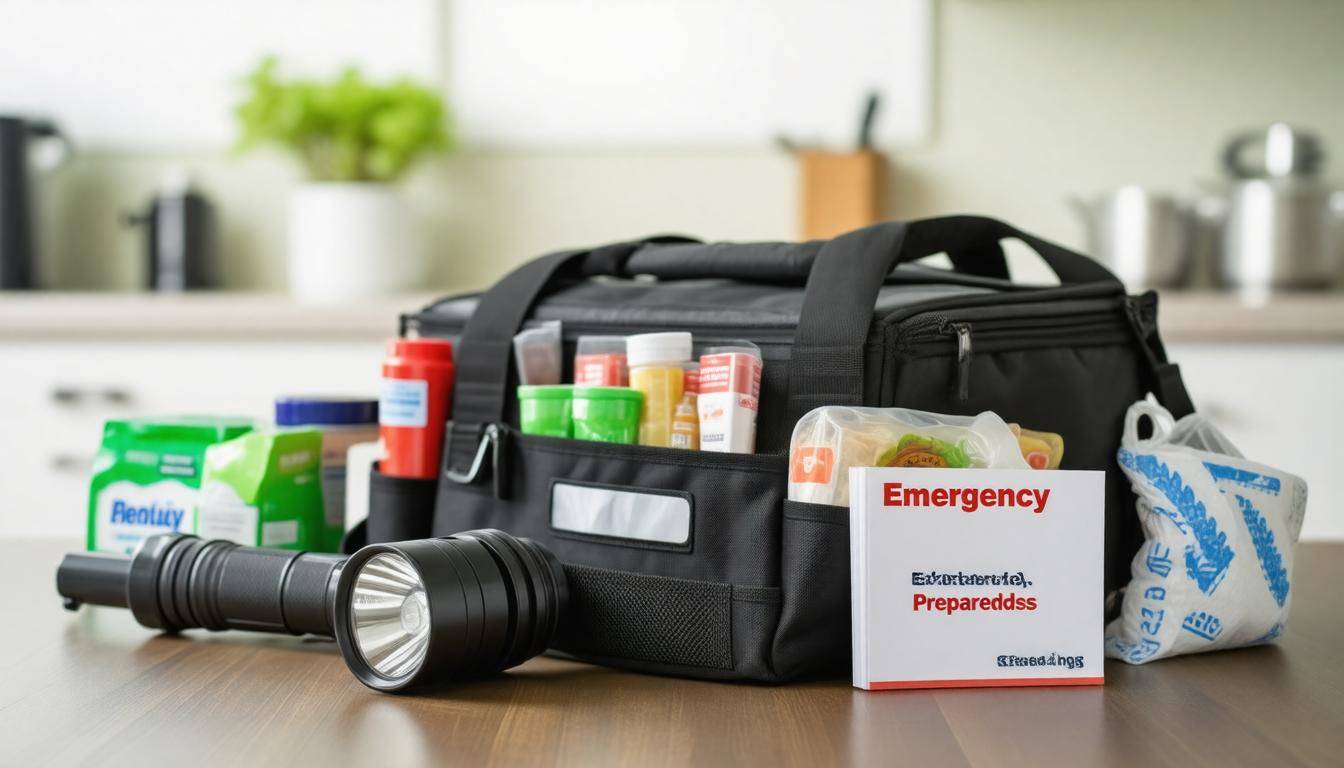
Natural Disasters
When it comes to natural disasters, awareness is your first line of defense. Take earthquakes as an example—familiarize yourself with the steps of “Drop, Cover, and Hold On.” Practicing this straightforward maneuver can protect you from falling objects during tremors.
Similarly, hurricanes require proactive measures; having supplies ready to board up windows can prevent wind and debris from causing significant damage. Preparation means more than just gathering supplies; it involves creating a dynamic action plan that everyone in your household understands. Regular updates and drills can instill confidence and ensure that everyone knows their role if disaster strikes.
Health Emergencies
When health emergencies arise, preparation is defined by the availability of essential medications and a well-thought-out first-aid response plan. According to the CDC, over 50% of Americans take at least one prescribed medication. Having an extra supply is essential in case of unexpected events like severe weather or transportation failures.
Maintain a detailed inventory of medications in your home and keep track of expiration dates. Moreover, consider taking a basic first aid course; knowing how to treat common ailments or injuries empowers you to act quickly if someone in your household experiences an emergency.
Financial Emergencies
Often overlooked but equally important is preparing for financial emergencies. Establishing an emergency fund that covers at least three to six months of living expenses can provide a vital safety net during unexpected job losses or medical emergencies.
One effective strategy is setting up an automatic transfer to a designated savings account each payday; this way, savings build up gradually without requiring continual effort or conscious tracking. This condition allows your financial reserves to accumulate silently until they’re needed most.
As the saying goes, “Being prepared is half the victory.” By equipping your household with knowledge and essential resources related to these scenarios, you’ll not only alleviate stress if something happens but also cultivate resilience within your family unit.
Embracing these strategies forms a solid foundation for emergency planning, ensuring you’re not just reacting to crises but actively mitigating their potential impact on your life.
Incorporating these elements into your emergency planning will help you face any crisis confidently and effectively protect your family’s future.
How can families effectively communicate their emergency plan?
Families can effectively communicate their emergency plan by holding regular family meetings to discuss the plan, practicing drills, and utilizing visual aids, such as maps or checklists. According to a survey by the National Safety Council, families that routinely discuss emergency plans are 60% more likely to respond effectively during a crisis. Engaging children in these discussions not only empowers them but also fosters a sense of safety and preparedness, making it crucial for all family members to be on the same page.
What specific emergencies should suburban homeowners prepare for?
Suburban homeowners should prepare for emergencies such as natural disasters (like floods, hurricanes, and wildfires), home invasions, and prolonged power outages. According to the National Oceanic and Atmospheric Administration (NOAA), over 62% of the U.S. population lives in areas vulnerable to extreme weather events, making preparedness essential. Additionally, the FBI reports that a burglary occurs every 26 seconds in the United States, highlighting the need for a robust security plan. Being prepared not only protects lives but also ensures peace of mind in your suburban community.
What steps can be taken to ensure pets are included in the emergency planning process?
To ensure pets are included in the emergency planning process, create an emergency kit that includes food, water, medications, and a first aid kit tailored for pets. Establish a pet-friendly evacuation plan, including safe transportation methods and contact information for pet-friendly shelters. According to the American Kennel Club, around 44% of households own dogs, and ensuring their safety during emergencies is crucial—after all, a prepared home is one where every family member, furry ones included, can find safety.
How often should we review and update our emergency plan?
You should review and update your emergency plan at least once a year, as well as whenever there are significant changes in your household, such as moves, new family members, or changes in local hazards. According to the Federal Emergency Management Agency (FEMA), over 60% of Americans have not practiced their emergency plans, highlighting the importance of regular reviews to ensure preparedness. By keeping your plan current, you increase its effectiveness and ensure that everyone knows their roles during an emergency.
What supplies and resources should be included in a suburban emergency kit?
A suburban emergency kit should include essential supplies such as non-perishable food and water (at least one gallon per person per day for three days), a first aid kit, flashlights with extra batteries, a multi-tool or Swiss Army knife, personal hygiene items, important documents in waterproof bags, and a battery-powered or hand-crank radio. It’s also wise to have local maps, blankets, and a basic toolkit. According to FEMA, nearly 60% of Americans have experienced an emergency event in the past year, making preparedness vital for safety and peace of mind.