
When living in a beautiful but mountainous country like Tajikistan, the breathtaking views can easily distract from the dangers lurking beneath the surface. Earthquakes and avalanches are not just stories we hear about; they’re real threats that could impact us or our loved ones at any moment. With the right information and preparation, we can reduce the risks these natural disasters bring into our lives. This article aims to equip you with essential tips and strategies to keep yourself and your community safe, ensuring that when disaster strikes, you know exactly what to do. Let’s dive in and explore how better preparedness can lead to stronger, more resilient communities ready to face nature’s challenges together.
A comprehensive safety plan for earthquakes and avalanches in Tajikistan must include preparedness measures specific to these natural disasters, such as understanding past avalanche cycles caused by rainfall or geological shifts, establishing early warning systems, and regular monitoring of weather conditions. Additionally, it is essential to develop communication protocols for timely response and coordination during emergencies.
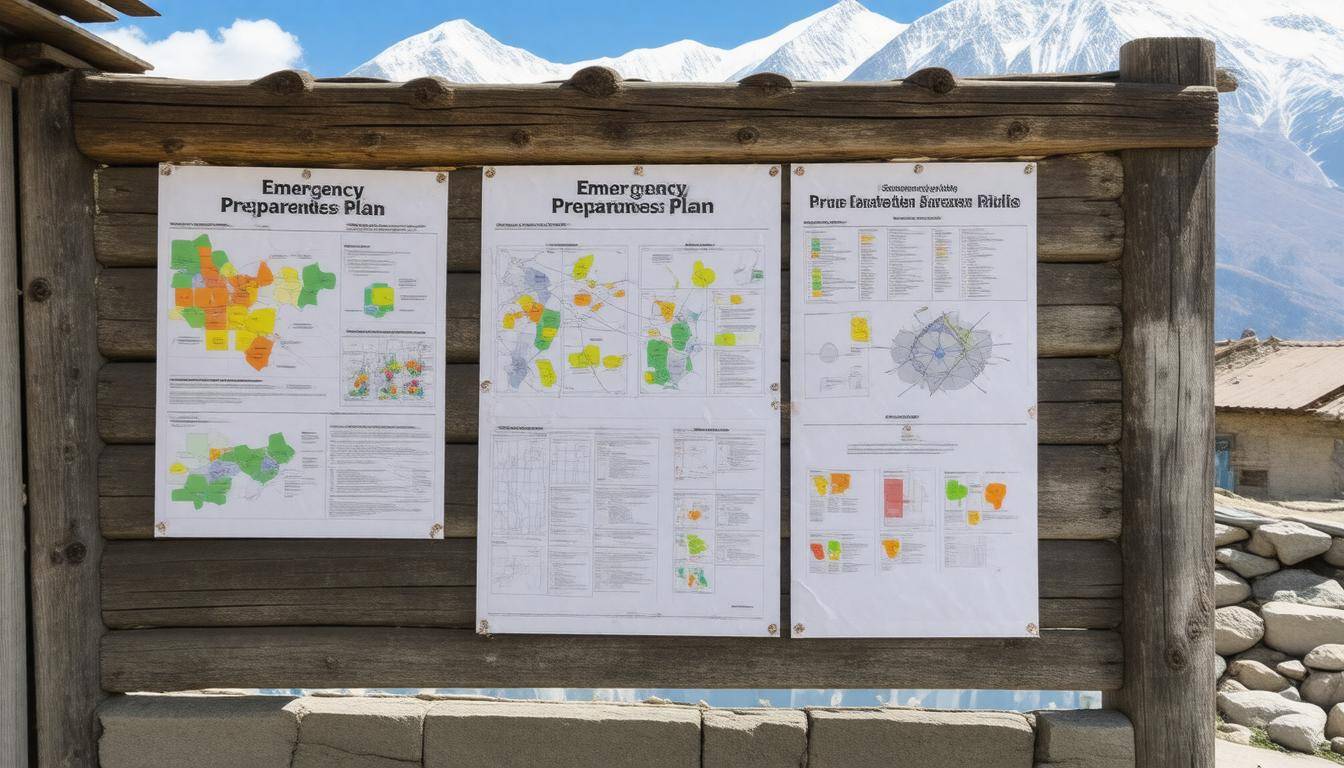
Analyzing Risks in Tajikistan
Tajikistan’s mountainous terrain has shaped not just its stunning vistas but also the severe challenges posed by natural disasters such as earthquakes and avalanches. The landscape, while beautiful, tells a story of vulnerability; thousands of residents face the threats of seismic activity and snow-related hazards on a regular basis. Recognizing these risks is essential for developing effective emergency response plans.
Seismic Activity and Historical Data
The seismic landscape in Tajikistan is quite alarming. With 8 to 10 earthquakes occurring each year that register above 5.0 on the Richter scale, the residents remain on edge. This frequency indicates an environment ripe for potential disaster if not adequately addressed. For instance, the infamous 1911 Sarez earthquake serves as a historical benchmark whose aftermath included devastating landslides that altered local communities forever. Such events remind us that preparedness isn’t merely advisable—it’s crucial.
Regularly updating emergency protocols based on historical earthquake data can significantly mitigate risk.
Avalanche Incidence
Beyond earthquakes, avalanches pose another critical risk, particularly in regions like the Pamir and Alay mountain ranges where snow accumulation is heavy. Recent studies have indicated that warming winters are shifting snow patterns, making these winter wonderlands increasingly unstable. As temperatures rise, the very nature of winter weather changes; consequently, conditions lead to more frequent avalanches than ever before. One might recall instances when entire towns had to be evacuated due to sudden avalanche warnings, demonstrating the immediacy of this threat.
With an understanding of both seismic activity and snow safety now in place, we can further analyze how these risk factors interconnect and contribute to forming hazard zones across the country.
Identifying Hazard Zones
Earthquake Hazard Zones are vital to consider when assessing the risk in Tajikistan. The Institute of Seismology has carefully mapped out high-risk areas, mainly concentrated in the Gorno-Badakhshan Autonomous Region. This region sits along significant fault lines, and understanding the potential impact of seismic activity on communities can save lives. A simple tremor could escalate into something far worse if buildings and infrastructure are not properly prepared. Therefore, it’s essential for local residents to stay informed about these hazards. Engaging in community meetings can provide additional awareness about earthquake preparedness.
Avalanche-Prone Areas
When it comes to avalanche-prone areas, data from the Tajikistan Hydrometeorological Service becomes indispensable. Research indicates that elevations above 2000 meters pose the highest avalanche risks, particularly after heavy snowfall or rapid temperature changes. Communities like Murghab and others perched in these mountainous terrains should monitor weather conditions during winter months closely. Familiarizing yourself with local signage and utilizing resources such as online maps that denote hazardous regions clearly will ensure safety is always at the forefront of your planning.
Population Centers
In addition to geological assessments, identifying population centers within high-risk zones is crucial for emergency planning. Villages such as Murghab and Khorugh lie within perilous areas but also possess unique risks related to population density and infrastructural integrity. With many families living close together in potentially dangerous zones, creating a clear evacuation strategy can significantly enhance survival rates during disasters. Collaborating with local authorities to draft and regularly update emergency response plans tailored specifically for these towns can make a vital difference during critical moments.
With a clear understanding of hazard zones, we can now turn our focus toward creating actionable strategies that effectively address these safety challenges.
Developing a Safety Plan
A comprehensive safety plan for earthquake and avalanche preparedness in Tajikistan must intricately blend preparation, response, and recovery strategies tailored to the region’s unique challenges. This approach starts with a thorough risk assessment, a process that requires gathering updated data on geological surveys and historical occurrences. Regularly reviewing maps that highlight high-risk areas allows communities to visualize potential dangers and prepare accordingly. Understanding the patterns of past seismic events or avalanche activity is essential to predict future risks and enhance overall safety.
Strategy Components
- Risk assessment: Regularly updating risk data keeps you informed about shifts in geological stability, helping locals stay alert.
- Resource allocation: Equipping communities with necessary tools—like shovels, first aid kits, and emergency food supplies—ensures immediate access when disasters strike.
- Emergency protocols: Developing clear, actionable steps that outline how individuals should respond to different scenarios like earthquakes or avalanches can mitigate chaos during a disaster. These should include evacuation routes and safe zones clearly marked on community maps.
With your strategy in place, the next focus is on coordinating with authorities. Establishing communication lines with local and national authorities maximizes your network’s effectiveness, ensuring that your plans align with broader safety policies already in motion. This synchronization enhances resource sharing and enables a quicker response during emergencies when timing is critical.
Implementing these plans not only prepares your community but also fosters a sense of empowerment that can lead into further discussions on enhancing readiness through training initiatives and drills.
Community Training and Awareness
Empowering individuals with knowledge about earthquake and avalanche safety can make a significant difference in how well they respond when disaster strikes. It’s not merely about teaching theory; it’s about fostering a culture of awareness and readiness. Regular training sessions provide opportunities for individuals to practice skills that could save lives, ultimately transforming a community into an interconnected network of informed individuals. Imagine knowing exactly what to do, where to go, and how to help others in the chaos of a natural disaster.
Conducting Workshops
Practical workshops play a vital role in this empowerment. For instance, successful initiatives like those led by the Aga Khan Agency for Habitat have shown communities how to conduct earthquake drills and identify safe zones within their homes and local areas. These hands-on sessions allow residents not just to learn but to experience firsthand the steps they need to take in case of an emergency.
Thoughtfully designed workshops foster confidence as participants practice critical response techniques, turn knowledge into action, and understand the importance of preparation in potentially life-threatening situations.
However, workshops alone are not enough; these efforts must be reinforced through continuous engagement.
Awareness Campaigns
Utilizing various platforms for awareness campaigns significantly broadens the reach of safety information. Community centers serve as ideal locations to host informational sessions while social media can amplify outreach beyond physical boundaries. Imagine a tweet or post that provides vital safety tips reaching thousands within minutes!
Regular drills and simulation exercises should be organized with participation from all age groups. Such events not only teach required procedures but also build camaraderie among residents, reinforcing their collective responsibility towards safety. Encouraging family members to attend together can also help firm up individual commitment, as they share experiences and discuss their roles. This kind of communal effort ensures everyone grasps the gravity of the situation — making it clear that everyone plays an important part in preserving life during crises.
Once community members foster awareness through training and practical interaction, it’s crucial to ensure they understand the specific actions to take when disaster strikes. This understanding will form the backbone of preparedness for any emergency scenario that unfolds.
Evacuation Procedures
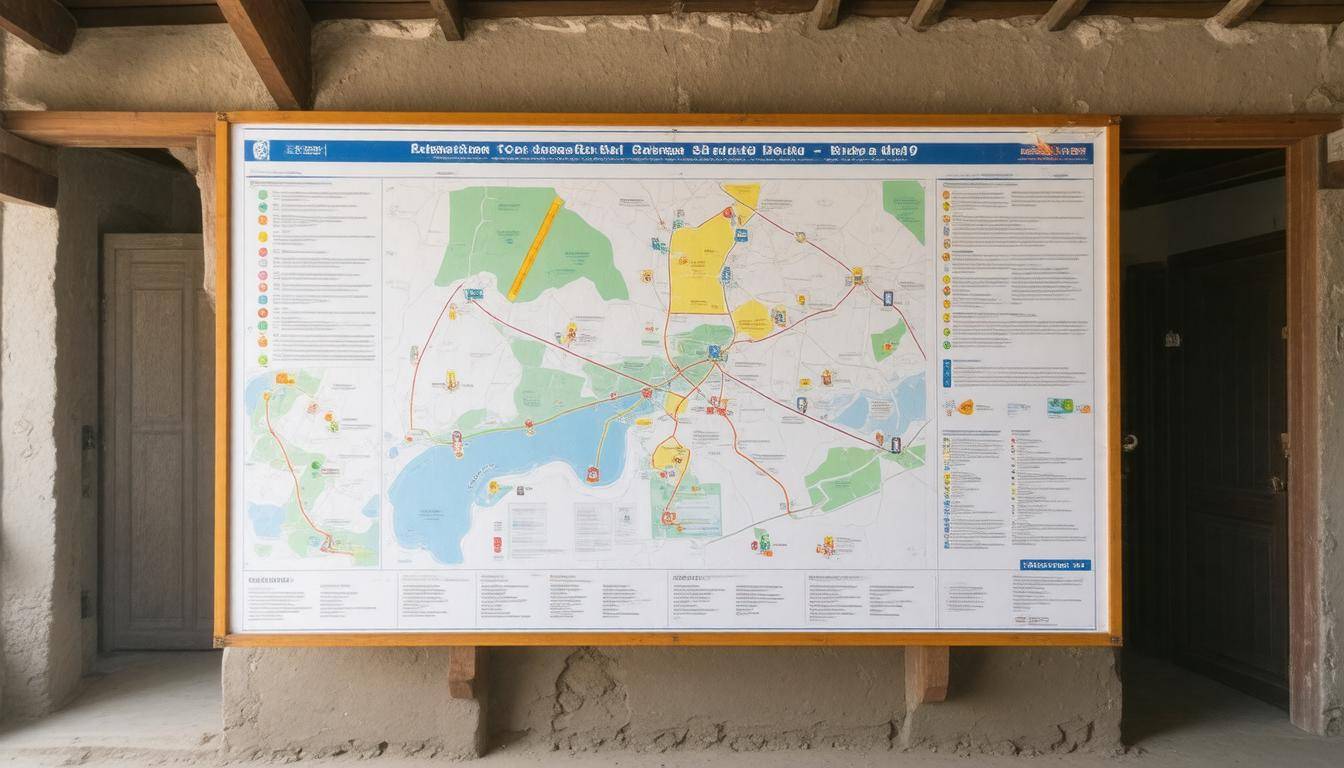
First, let’s discuss the implications of leaving safety to chance. Each community should design clear, structured evacuation plans that outline designated escape routes and assembly points. These routes need to be more than just vague ideas; they must be specific enough to guide individuals safely out of harm’s way. For instance, using visual aids—such as maps—can greatly ease navigation during an emergency. Community members should have access to these crucial maps in key locations, whether they’re schools, community centers, or even homes.
When it comes to structured evacuation plans, simply having routes isn’t enough. The efficiency of an evacuation hinges on proper signage and visibility during a crisis. Road signs leading to safe zones should be clearly marked, using large fonts and colors that stand out against their backgrounds. During extreme weather conditions or nighttime scenarios, reflective materials can make a significant difference in directing evacuees.
Another critical aspect is the inclusion of multiple evacuation routes, taking into account that landslides or other unpredictable events might block primary paths. Designating at least two accessible pathways for each building allows people to remain calm and collected rather than panicking over blocked routes. Encouraging local leaders to walk through these routes with their communities will foster familiarity and confidence during actual emergencies.
As noted by disaster response experts, communities that practice their evacuation drills regularly have higher rates of survival when actual disasters occur. When residents know where to go and how to get there without hesitation, chaos is significantly reduced.
A well-coordinated effort involves not just individual preparedness but active participation from every member of the community. Organizing regular training sessions helps everyone understand their role during an emergency scenario. Each drill should incorporate elements like timing the evacuations and simulating various conditions—whether it’s heavy snowfall blocking roads or simulated tremors mimicking those preceding a real earthquake.
However, smooth evacuations rely heavily on advanced communication channels that ensure everyone remains informed throughout the process.
Establishing reliable communication systems is key for relaying critical information quickly and efficiently. Utilizing sirens or alerts through mobile applications can keep residents updated on imminent threats as well as instruct them when it’s time to evacuate. Furthermore, ensuring that these alerts reach portions of the population who may have language barriers or hearing impairments is essential; having translation services available and visual signals can assist in creating a more inclusive safety strategy.
Communication methods should also include post-evacuation check-ins to assess who has made it safely to designated assembly points and determine if any individuals are unaccounted for. Using modern technology such as drones or geographic information systems (GIS) can enhance emergency responders’ ability to search for individuals who may still be trapped following an avalanche or earthquake.
By fostering a culture of preparedness through these structured approaches, communities will not only bolster their chances of survival during disasters but also strengthen collective resilience in facing nature’s unpredictability.
As we explore further strategies for effectively managing crises, it becomes imperative to consider how information flows within a community during emergencies.
Enhancing Communication Channels

Developing clear communication strategies is paramount in a country like Tajikistan, which faces risks from earthquakes and avalanches. Every second counts when disaster strikes, and having reliable channels can save lives. Therefore, establishing a robust communication infrastructure is essential. This infrastructure should not be limited to traditional lines but incorporate radio systems, satellite phones, and internet-based alerts. By integrating these technologies, we can ensure that information flows swiftly and efficiently, enabling rapid response efforts when every moment is crucial.
Beyond technology, there is a human element that must not be overlooked: community networks. Creating a network of community leaders is a strategic approach to disseminate vital information effectively. These leaders serve as liaisons between local authorities and residents, ensuring that everyone is updated about emergency protocols or evacuation plans. This grassroots level of communication can synchronize efforts during crises. When local leaders relay critical updates—like availability of shelters or resource distributions—they help forge a stronger community bond while enhancing situational awareness.
“It’s not just what we say but how we say it.”
To maximize the effectiveness of these channels, the message must be clear and precise. This entails using simple language that all community members can comprehend, avoiding jargon that could confuse or mislead during stressful situations. Moreover, regular drills incorporating these communication strategies are crucial. They not only familiarize citizens with emergency procedures but also build confidence in the efficacy of established communication routes.
Additionally, using mobile applications tailored for disaster alerts can further enhance communication efforts. With technological advancements, it’s now possible to develop localized apps that provide real-time updates regarding seismic activity or avalanches. Such innovations keep residents informed about potential threats, allowing them to take preventive actions. Training sessions on using these applications can also extend their reach among those who may not be technologically savvy.
Continuous improvement in communication strategies hinges on regular feedback from community members. Conducting surveys periodically helps identify gaps in understanding or perceived inefficiencies in information distribution. This data can direct adjustments for clearer messaging and better accessibility.
Strengthening communication channels lays a solid foundation for effective emergency preparedness; however, the implementation of education and training interventions is equally crucial to ensure readiness when faced with actual disaster scenarios.
Personal Safety Measures
When it comes to safety during natural disasters, being prepared can make all the difference. An emergency kit is your first line of defense, providing essential supplies that you may need if disaster strikes. Imagine the peace of mind knowing you have at least three days’ worth of non-perishable food and one gallon of water per person per day tucked away, ready to be accessed. Water is particularly crucial—so always ensure you periodically check expiration dates and replace items in your kit as needed.
Emergency Kits
Your emergency kit should include more than just food and water; consider adding tools and supplies tailored to specific risks. Include a well-stocked first aid kit equipped with bandages, antiseptics, and medications for common ailments. Also pack flashlights with spare batteries to navigate dark conditions safely if the power goes out. It’s wise to keep a list of important emergency contact numbers in your kit—these can be invaluable when communication channels are disrupted.
Assembling these kits might seem like a chore, but think of it as a small investment in your peace of mind. Having access to essentials can save time when every passing second counts.
Alongside having an emergency kit, practicing safety drills regularly can significantly enhance your responses to emergencies.
Safety Drills
Conducting safety drills ensures that every family member knows exactly what to do when the ground shakes or snow begins to slide. Simple practices like identifying safe spots in your home—areas away from windows and heavy furniture—can help everyone respond quickly and effectively. The Safe Schools initiative in Dushanbe serves as a prime example; through regular safety drills, children have become better equipped to handle emergencies.
Engaging local communities in these drills fosters collective preparedness, strengthening not just individual households but entire neighborhoods. When families understand evacuation routes and practice them together, they create a network of safety that benefits everyone involved.
Remember, preparedness isn’t just about personal measures; it’s about building a culture of safety where everyone looks out for one another.
With these personal safety measures established, the next step involves understanding the mechanisms for organizing swift and effective responses during crises.
Coordinating Emergency Response
An organized emergency response system is crucial for minimizing the toll that natural disasters can take on communities. It begins with the establishment of Emergency Response Teams trained to react swiftly in times of crisis. Forming these dedicated teams, made up of local volunteers who understand their communities, allows for quicker mobilization and efficiency during emergencies. Imagine a group of individuals who know their neighbors, buildings, and local geography working together; they can expedite initial response efforts when every second counts.
Beyond just rescue efforts, these teams should be well-versed in first aid techniques so they can immediately attend to injuries before professional help arrives. Regular training and drills are essential, allowing team members to practice various scenarios such as earthquakes or avalanches. This hands-on experience not only builds skills but fosters camaraderie and trust within the team—essential elements when quick decisions must be made under pressure.
Partnerships with international organizations significantly augment local emergency efforts. Collaborating with bodies like UNDP, USAID, and the Red Crescent Society opens avenues to additional resources, expertise, and advanced training methods that enhance preparedness levels.
International Cooperation
The value of international cooperation cannot be overstated, particularly when the scale of a disaster exceeds local capabilities. By joining forces with established organizations, Tajikistan gains access to vast networks of support during crises. For example, the Red Crescent Society plays a vital role by providing medical assistance and relief supplies in emergencies while collaborating with local partners to ensure that help reaches those in need quickly.
| Organization | Role in Emergency Response |
|---|---|
| Red Crescent Society | Provides medical assistance and relief supplies |
| UNDP | Offers technical support and resources |
| Aga Khan Agency | Conducts local training and risk assessment |
Similarly, organizations like UNDP offer technical support tailored specifically to local needs, enabling better disaster management practices through comprehensive resources. The Aga Khan Agency conducts local training programs that educate communities about disaster risks while assessing vulnerabilities. This knowledge equips locals with strategies to mitigate potential hazards in their specific environments.
With coordinated efforts between local teams and international partners, communities can build resilient systems capable of responding effectively to the inevitable challenges posed by nature.
In essence, a well-structured emergency response plan enriched by local expertise and international collaboration is key for safeguarding lives during natural disasters. Each community’s proactive approach will ultimately define its resilience against such unforeseen events.
How can communities collaborate to improve their overall safety against earthquakes and avalanches?
Communities can enhance their safety against earthquakes and avalanches by fostering robust collaboration through organized emergency response teams, regular training sessions, and community drills. By engaging local governments, NGOs, and residents in disaster preparedness initiatives, they can share resources and knowledge effectively. Statistical data from various regions shows that communities with established response plans reduce fatalities by up to 30% during natural disasters. Collaborative mapping of high-risk zones can further improve early warning systems and evacuation protocols, ensuring a collective readiness that saves lives.
What educational resources are available in Tajikistan for teaching disaster preparedness?
In Tajikistan, various educational resources for teaching disaster preparedness include the “Tajikistan Disaster Risk Reduction Strategy” and materials developed by organizations such as UNICEF and the Red Crescent Society. These programs focus on integrating disaster risk reduction into school curricula and community training. According to a 2022 report, only about 30% of communities are aware of emergency response strategies, highlighting the need for enhanced educational initiatives to improve resilience in disaster-prone areas.
How does Tajikistan’s geography influence the frequency and impact of earthquakes and avalanches?
Tajikistan’s mountainous terrain, especially within the Pamir Range, makes it highly susceptible to both earthquakes and avalanches. The region is located along the boundary of the Indian and Eurasian tectonic plates, resulting in significant seismic activity; for instance, approximately 10% of earthquakes globally occur in this area. Additionally, heavy snowfall and steep slopes increase the risk of avalanches, particularly during spring thaw when temperatures rise rapidly. These geographic factors combine to amplify the potential frequency and severity of natural disasters, necessitating robust emergency response strategies.
What role do government agencies play in implementing and promoting safety plans for natural disasters?
Government agencies play a crucial role in implementing and promoting safety plans for natural disasters, such as earthquakes and avalanches, by developing guidelines, conducting public awareness campaigns, and coordinating response efforts. They are responsible for establishing infrastructure, such as early warning systems and training programs for first responders. For example, in Tajikistan, government-led initiatives have helped reduce disaster-related fatalities by up to 30% over the past decade through improved preparedness and community engagement strategies. Their leadership ensures that safety plans are not only effective but also widely adopted by the public.
What specific steps should residents take to prepare an effective earthquake and avalanche safety plan?
Residents should take several specific steps to prepare an effective earthquake and avalanche safety plan, including forming a family emergency plan that designates a safe meeting location, assembling an emergency kit with essential supplies like water, food, and first aid, and ensuring that their homes are structurally sound. Regularly practicing evacuation routes and staying informed about local risks through community resources can significantly enhance preparedness. Notably, according to the United Nations, countries in seismically active regions like Tajikistan face a high risk of disasters; thus proactive measures can save lives and reduce injuries during emergencies.