
Living in a city as vibrant and bustling as Tehran comes with its unique set of challenges—including the risk of earthquakes. With the ground shaking beneath our feet, it’s crucial to understand not just how to react, but how to prepare in advance. Earthquake safety isn’t merely about having supplies on hand; it’s about knowing your risks, making a solid plan, and ensuring that you and your loved ones are ready to act quickly and calmly when the shaking starts. By taking proactive steps now, we can build a sense of security that allows us to enjoy all that our wonderful city has to offer without fear of what lies beneath. Remember, preparedness is not an optional task—it’s essential for safeguarding our communities and families. Let’s dive into some vital tips and resources that will help us stay ready!
A Tehran Earthquake Safety Preparation Guide should include essential components such as knowledge of evacuation routes, assembling emergency supplies like water and non-perishable food, creating a family communication plan, and ensuring your home has adequate safety measures in place. Additionally, it is important to conduct regular drills and stay informed about local earthquake risks to enhance community preparedness.
Assessing Your Risk & Making a Plan
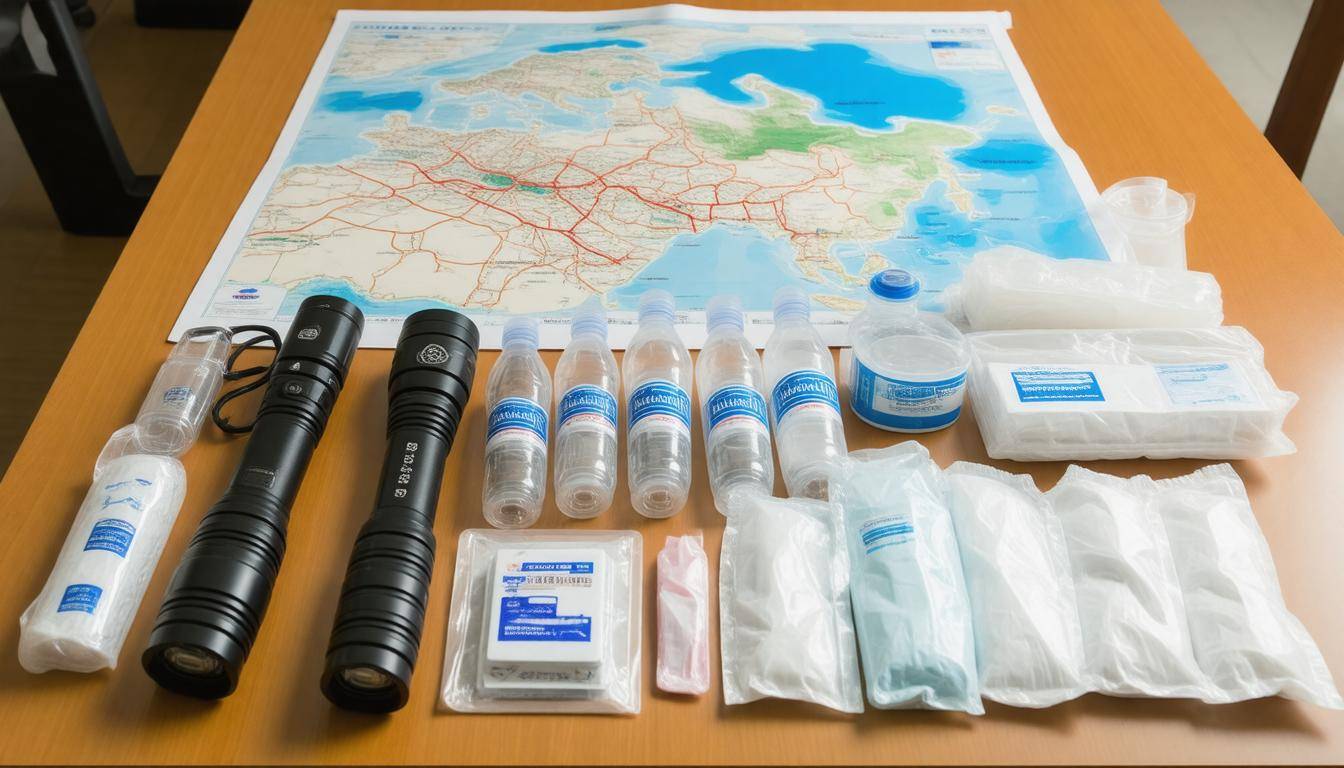
Understanding your specific earthquake risk is the first step in ensuring that you are well-prepared. Tehran’s seismic landscape dramatically heightens this risk, so it’s essential to assess how vulnerable your home and family are. To begin this process, utilize resources from the Iranian Seismological Centre, which provides maps showing high-risk zones. This isn’t just about knowing where potential danger lies but about feeling empowered to take action based on that knowledge.
Once you have determined your home’s location within these risk zones, the next logical step is a thorough home evaluation. Engaging with a qualified professional who can assess your home’s structure will provide insights into its earthquake resilience. Are the materials used strong enough? Are there retrofitting options available that could bolster the integrity of your building? Detailed assessments often reveal specifics that can make all the difference during a quake.
I remember when my neighbor had their home evaluated. The findings prompted them to add reinforcement beams, and though it felt like an investment upfront, they now have peace of mind knowing they have taken significant steps toward safety.
However, evaluating your physical surroundings is only one aspect of preparedness; establishing a family communication plan is equally crucial. Think of it as your family’s lifeline during chaos. Begin by determining safe meeting points both near your home and farther away, should evacuation be necessary. Decide on methods for communicating; in today’s digital age, relying solely on phones may not work if cell networks are overwhelmed. Perhaps set up a group messaging app or designate a central contact outside the area who everyone can check in with after an emergency occurs.
Once you have established how you’ll communicate, focus on identifying your evacuation routes.
Having two or more escape paths mapped out can prove invaluable when every second counts during an earthquake. Walk through each route with family members so everyone understands what to do without one another’s guidance when nerves might run high. Practice will ensure everyone can move quickly and effectively when it matters most.
Quick Tips for Evaluating Risk:
- Assess your building materials: Are they compliant with the Iranian National Building Code?
- Discuss safety spots: Identify areas in each room where you’ll seek shelter—under sturdy furniture or against interior walls.
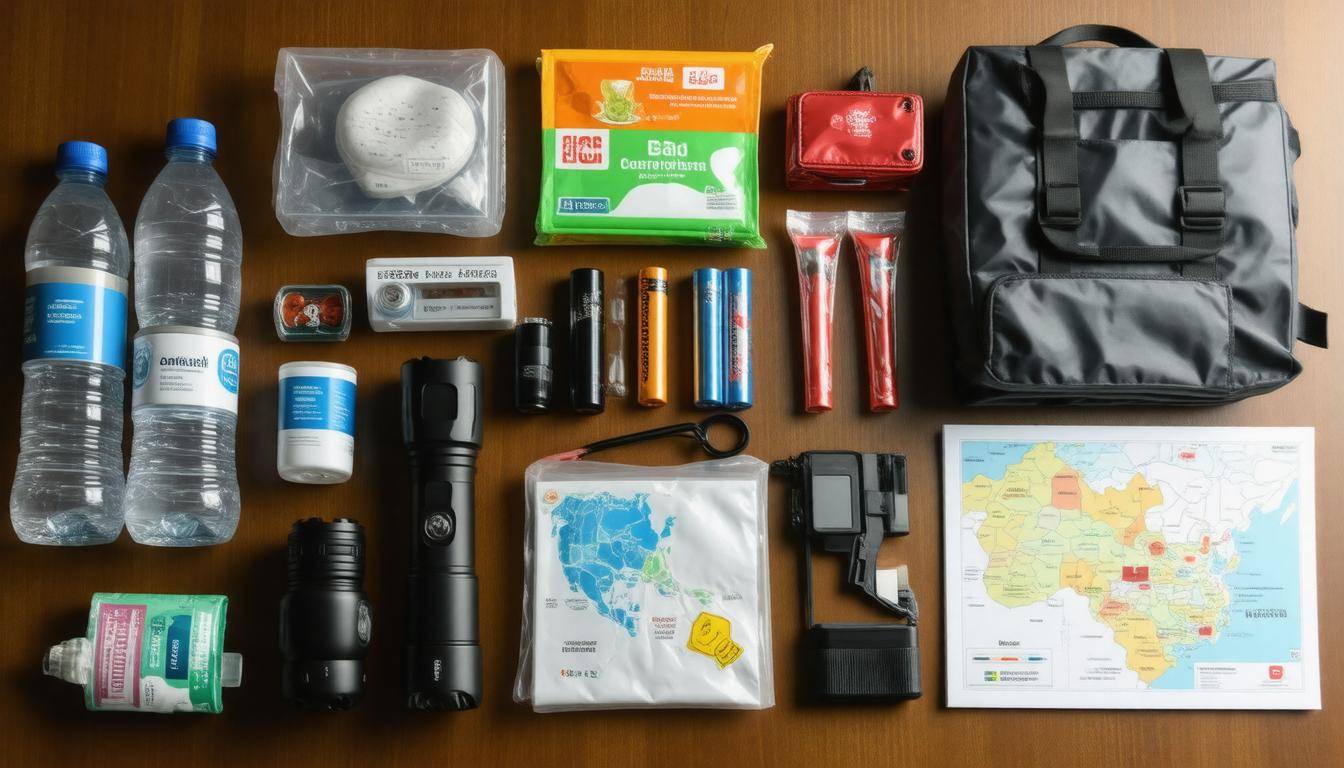
- Check emergency kits: Ensure each kit contains essentials such as water and non-perishable food to sustain you for at least three days.
Taking these steps not only fosters confidence but sets the stage for further preparations, particularly concerning how to safely secure your living environment and belongings for enhanced protection.
Securing Your Home and Furniture
As we prepare our homes for the possibility of earthquakes, it’s crucial to think thoroughly about all our possessions. While anchoring larger pieces like bookcases is important, securing smaller items can be equally critical. These smaller items may seem harmless when stationary, but when an earthquake hits, they can easily become dangerous projectiles, causing injury or damage if they’re not properly secured.
For starters, heavier objects such as picture frames and mirrors should be fitted with special hooks that not only hold them securely but also prevent them from tipping—take a moment to check your local hardware store for such hooks. Not only do these hooks provide stability, but they also minimize the risk of sharp edges causing injuries should they fall. Wall-mounted brackets are excellent investments for these kinds of items.
According to statistics, 70% of earthquake-related injuries occur due to falling objects and unsecured furniture. Just think—attaching your sturdy picture frames could save someone from an unfortunate accident.
However, let’s not ignore technology. Computers and televisions are significant contributors to potential hazards in our living spaces. If you have these devices perched on shelves, it would be wise to invest in non-slip pads or removable putty to secure them in place. This keeps them grounded and less likely to tip during tremors. It’s a simple safeguard with a meaningful impact on protecting both your gadgets and family.
Additionally, think about those knick-knacks and cherished decorations that might sit precariously on your shelves.
Opt for securing these smaller items as well by using display cases with locked doors or strategically placing heavy object putty underneath them. This type of putty adheres gently yet firmly to surfaces without leaving residue, allowing for flexibility while reducing the risk of breakage. You’d be surprised how much peace of mind comes from knowing that even your most delicate items are being safely held in place.
Lastly, let’s consider something vital but often ignored: furniture placement itself. Ensure that tall bookshelves or cabinets are positioned away from walkways where anyone might pass during an emergency. And don’t forget about heavy furniture like dressers—these should also be secured using brackets attached to walls.
Creating a safe environment requires a thoughtful approach; every little action adds up to greater protection against earthquakes. From the placement of furniture to the safeguarding of smaller items, every step you take enhances safety and preparedness. With these strategies in mind, it’s now essential to focus on another critical aspect of earthquake readiness: preparing emergency supplies that can support you through any crisis.
Assembling Emergency Kits

An emergency kit is your lifeline during and after an earthquake. This kit should address not only basic survival needs but also items that provide comfort. While it’s crucial to have enough food and water, including items that promote emotional well-being can make a significant difference during a crisis.
Basic Supplies
-
Water: Aim for at least one gallon per person per day for a minimum of three days. Water is vital for hydration and sanitation; without it, recovery becomes increasingly challenging.
-
Food: Stock non-perishable items like canned goods, energy bars, and dried fruits. These items are calorie-dense and easy to prepare, making them ideal for emergencies.
-
First Aid Kit: Include essential supplies such as bandages, antiseptics, adhesive tape, scissors, and any necessary prescription medications. A well-stocked first aid kit ensures you can treat minor injuries promptly.
Beyond these foundational supplies, think about additional items that could enhance your readiness and comfort during a prolonged ordeal. You might be surprised at how small comforts can uplift spirits in stressful situations.
Additional Items
A reliable flashlight with extra batteries is essential—power outages are common after quakes, and you need to be able to see clearly. A whistle acts as a signal for help if you’re trapped, while personal hygiene items—such as moist towelettes and hand sanitizer—can prevent infection and keep morale high.
In addition to these practical supplies, consider packing a few comfort items in your emergency kit.
Including a deck of cards or a small book can serve as a great distraction and alleviate stress during anxious periods when you may have to wait for assistance or the situation to stabilize.
The thoughtful inclusion of both essential and comforting items in your emergency kit fosters resilience during emergencies. Preparing wisely will empower you to face unforeseen challenges without compromising your well-being. As we explore further, understanding the significance of family safety procedures becomes crucial in maintaining collective preparedness.
Establishing Family Safety Procedures
Having clear safety procedures in place can significantly enhance your family’s readiness during an earthquake. Establishing these protocols isn’t just about knowing what to do; it’s about creating a sense of security and confidence. That assurance translates into quick, effective action when seconds count.
A crucial first step is to conduct family drills focused on practicing the “Drop, Cover, and Hold On” techniques. These drills should be conducted at least twice a year, ensuring each family member understands their role during an earthquake.
When practicing, emphasize the importance of dropping to the ground immediately to prevent being knocked over by shaking. Next, they should find cover under sturdy furniture—like a table or desk—to shield themselves from potential hazards like falling debris. Finally, they should hold on until the shaking stops, remaining aware of their surroundings.
As part of these drills, it’s essential to designate safe spots throughout your home, particularly in each room. Ideally, look for places such as under heavy tables or against interior walls where there are fewer risks from falling objects. By familiarizing everyone with these locations, you create an intuitive reaction rather than one born from panic during an actual earthquake.
Families who engage in regular practice often express heightened feelings of security and preparedness. Knowing that everyone is equipped with the right knowledge informs their response and reduces anxiety.
Moreover, integrating a communication plan within your safety procedures can further bolster your family’s preparedness.
Family Communication Plan
Your family communication plan should establish a designated meeting place outside your home where everyone will gather after an earthquake—like a nearby park or community center. This is imperative in case you’re separated during the chaos; everyone knows exactly where to head once it’s safe.
Alongside this physical meeting point, designate a family member as your emergency contact who lives outside Tehran. Should communication become disrupted post-earthquake, this designated contact can relay information and facilitate reconnections among family members.
Preparing for emergencies involves more than packing supplies; it encompasses planning and practicing together as a unit. By incorporating frequent drills and establishing clear communication protocols, you help ensure all family members understand how to respond and reunite safely.
With these foundational steps laid out, we can now shift our focus to important actions that must be taken during an earthquake itself.
Actions During an Earthquake
When the earth starts shaking, instinct kicks in, but having a clear plan makes all the difference. The mantra “Drop, Cover, and Hold On” is not just a catchy phrase; it’s a vital lifesaving practice. As soon as you feel the tremors, drop to your hands and knees. This position helps to keep you steady and lessens the chance of being knocked over by sudden jolts. Next, cover your head and neck—think about it as bringing your body’s most vulnerable parts under protection from falling debris that could come tumbling down.
Holding on tightly is equally important. Find something sturdy to cling onto—a table or a desk can be perfect. This allows you to maintain your position and provides an extra layer of protection until the shaking stops. It may seem like a straightforward action, but doing this correctly can prevent serious injuries.
Remember: Avoid using elevators! Elevators can malfunction during earthquakes, trapping you inside when the power goes out or the structures shift. If you’re on the ground floor, opt for stairs when evacuating; however, remain aware of your surroundings since stairwells can also become hazardous.
If you find yourself driving when the earthquake strikes, safely pull over to a clear area away from buildings, trees, and overhead structures like bridges or power lines. Staying inside the vehicle until the shaking ceases is important; there’s less risk of falling debris hitting you inside your car than if you’re outside.
Key Considerations for Safety
Understanding what to stay clear of is just as critical as knowing what to do during an earthquake. Move away from windows or heavy furniture that could topple over. This applies not only during the shaking but also afterward, as aftershocks can follow unpredictably.
Following an earthquake, stay informed through local news or community alerts regarding any further hazards or instructions from emergency services. This knowledge will guide your next steps—whether that’s to evacuate if your building has been compromised or to stay put if it’s declared safe.
Preparation is key. Regular practice of these actions equips everyone—from individuals to families—with instinctual reactions that can reduce panic and enhance survival during those crucial moments when every second counts.
With these strategies in mind, it’s essential to also consider how to handle what comes next following an initial quake.
Preparing for Aftershocks
It’s essential to understand that aftershocks can strike at any moment following the initial quake, sometimes catching us off guard. The first step post-earthquake is to quickly check if anyone around you requires medical assistance. This swift assessment may seem mundane, but ensuring the safety and well-being of those nearby should genuinely be your priority.
After tending to injuries, it’s time to scan the surroundings: look for any signs of structural damage or hazards like broken glass or fallen objects. Remember, situations can change rapidly in the aftermath of a quake, so remain alert and prepared for additional surprises.
Immediate Steps
It’s important to remember that aftershocks serve as reminders that we must stay vigilant.
As the tremors subside, it’s crucial to maintain safety protocols such as “Drop, Cover, and Hold On.” You should always assume that another shake could follow closely behind. Even minor aftershocks can reignite panic or dislodge weakened structures further—this steadfast approach ensures you have an immediate response plan in place when nature decides to rattle things up again.
Once you’ve addressed immediate concerns, it’s time to shift focus toward longer-term actions.
Longer-term Actions
In the days and weeks following an earthquake, reinforcing compromised structures becomes a vital task. Take the time to examine your living space: does anything look unstable? If you have experienced any structural damage, consider contacting professionals who specialize in assessments and repairs. Not only will this help prevent additional accidents from occurring during future seismic activity, but it also aids in maintaining peace of mind.
Furthermore, reviewing your emergency kit is paramount. Just because the shaking has stopped doesn’t mean preparations can now take a back seat. Make sure your supplies align with recommendations; restock food, water (one gallon per person per day), batteries for flashlights, and first aid items before they run low. A well-prepared kit makes a massive difference if you need to rely on it for survival during prolonged outages.
It’s worth noting that although the likelihood of significant aftershocks declines over time, according to the US Geological Survey, the risk still lingers for weeks following the main quake. By being proactive about preparations and assessing potential risks regularly within your environment, you’ll be significantly more equipped to handle what may come next.
Together with caution and awareness, these steps form the backbone of earthquake preparedness in communities like Tehran where seismic activity is part of everyday life. Staying informed and ready fosters resilience against not only immediate dangers but future uncertainties as well.
Now that we’ve explored effective strategies for managing aftershocks, let’s take a closer look at how regularly updating your preparedness plans can ensure ongoing safety and readiness in the face of unpredictable seismic events.
Updating Preparedness Plans Regularly
Earthquake preparedness is not a one-time task but rather a continuous process that demands attention. As life changes—whether it’s moving homes, welcoming new family members, or changing phone numbers—your emergency plan should reflect these updates. Regularly revisiting your preparedness plan helps ensure every member of your household knows what to do when the ground starts shaking.
It’s advisable to review and revise your emergency plans and kits at least once a year. When you sit down to update your plan, start by gathering your family together. This meeting can serve as both an informative session and a confidence-building exercise. Discuss evacuation routes, meeting points, and the recovery process so everyone feels involved and informed.
During this review, take stock of your emergency supplies. Are there items that have expired? Common supplies like bottled water, food rations, and first-aid kits need to be checked consistently to ensure they remain usable when needed most. Don’t forget to update contact lists for family members or friends who may help in an emergency. It’s also wise to designate a specific outside contact person who can coordinate among family members during chaotic situations.
Real-life testimonials show that families who regularly update their plans report higher confidence in their readiness. Imagine the peace of mind knowing your kids know how to respond appropriately, from where to seek shelter during a quake to whom to call if separated.
By treating preparedness as an evolving strategy rather than a static checklist, you can effectively adapt to changing circumstances and maintain safety within your home. Let’s now examine some important tools and contacts that can assist you further in your safety journey.
Key Tehran Safety Resources
In a city like Tehran, where the risk of seismic activity looms large over daily life, knowing what resources are at your disposal is not just beneficial—it’s essential. Relying on local organizations can help residents stay prepared and educated about best practices for safety and response. One standout organization that plays a vital role is the Iranian Red Crescent Society. They provide emergency response training, ensuring individuals have the skills necessary to react appropriately during an earthquake. Imagine being able to administer first aid or offer assistance when it’s desperately needed; these training sessions can give you invaluable knowledge that may save lives.
Additionally, the Tehran Disaster Mitigation and Management Organization is another key resource that keeps citizens updated with the latest developments regarding earthquake safety and guidelines. They regularly publish information on how to secure your home and how to respond if an earthquake occurs, making them a reliable source of practical tips you can implement immediately. Familiarizing yourself with their updates can clarify any misconceptions about your level of preparedness.
When attending local community centers, not only can you learn from experts, but you often encounter fellow residents eager to share their experiences and insights into what works best for them.
Have you ever found yourself confused during an emergency because you didn’t know how to act? That’s why local gatherings can provide a wealth of collective knowledge; they foster community connections that deepen understanding. These seminars cater to various audiences—whether you’re a family with small children or someone living alone—ensuring everyone leaves equipped with useful information.
Here’s a quick reference table summarizing essential safety resources:
【TABLE】
| Resource | Website/Contact |
|---|---|
| Iranian Seismological Centre | irsc.edu.ir |
| Tehran Disaster Mitigation and Management | tdmmo.tehran.ir |
| Iranian Red Crescent Society | english.rcs.ir |
To ensure this crucial information is readily available when you need it most, I strongly recommend bookmarking these sites on your devices. You never know when an emergency might strike, making rapid access to these organizations vital for effective preparedness. Each resource offers unique insights and guidance that can bolster your confidence before, during, and after an earthquake. By utilizing these local tools effectively, you’ll find yourself more capable of facing the unexpected twists that life in a seismic zone can present.
Embracing these resources with proactive engagement will enhance your readiness and resilience during seismic events. Your awareness can make all the difference in securing your safety and that of your loved ones.
What resources are available for residents of Tehran to learn more about earthquake safety?
Residents of Tehran can access a variety of resources to learn about earthquake safety, including government websites like the Iranian Red Crescent Society and local emergency management agencies, which provide valuable information on preparedness techniques. Community workshops and educational programs are often organized by these agencies to promote awareness. According to the Iranian Seismological Center, Tehran is at significant risk due to its proximity to major fault lines, making it crucial for residents to be informed; over 40% of Iran’s population lives in seismic zones.
What specific steps should residents take to earthquake-proof their homes in Tehran?
Residents in Tehran should take several critical steps to earthquake-proof their homes, including retrofitting structures to meet seismic codes, securing heavy furniture and appliances to walls, and installing flexible gas lines to prevent leaks. It’s essential to assess the foundation and ensure it’s anchored properly; studies show that well-maintained structures can reduce damage by up to 30% during an earthquake. Additionally, creating a family emergency plan and having emergency supplies readily available will significantly improve safety and preparedness in the event of an earthquake.
What role do local authorities play in earthquake preparedness and response in Tehran?
Local authorities in Tehran play a crucial role in earthquake preparedness and response by coordinating emergency services, implementing building codes, and conducting public awareness campaigns. They are responsible for developing and updating disaster response plans, ensuring that infrastructure can withstand seismic activity, and organizing training sessions for both citizens and emergency responders. For instance, studies have shown that cities with proactive local government initiatives see up to 30% higher survival rates during major earthquakes. In Tehran, which is situated on the highly active Alborz fault line, these efforts are vital to minimize risk and protect residents.
How can individuals and families develop an effective emergency plan for earthquakes?
Individuals and families can develop an effective emergency plan for earthquakes by first identifying safe spots in their home—like under sturdy furniture or against interior walls—and practicing “Drop, Cover, and Hold On” drills regularly. It’s crucial to create a communication plan that details how family members will reconnect post-earthquake, considering that mobile networks may be down; studies show that 70% of individuals feel more secure having a predetermined meeting point. Additionally, assembling a disaster supply kit with essential items such as water, non-perishable food, first-aid supplies, and important documents can significantly increase preparedness. These proactive measures not only enhance safety but also reduce panic during emergencies.
How often should individuals review or update their earthquake preparedness plans?
Individuals should review or update their earthquake preparedness plans at least once a year. Regular reviews ensure that plans reflect any changes in personal circumstances, such as new family members or relocation. Additionally, after significant earthquakes, it’s beneficial to reassess safety measures as they may reveal gaps in your preparedness. According to the Federal Emergency Management Agency (FEMA), 75% of individuals do not have a sufficient emergency plan, highlighting the importance of regular updates to enhance community resilience.