
In uncertain times, having a well-equipped emergency supply kit can be a real lifesaver, but building one doesn’t have to mean emptying your wallet. Thrift stores offer a surprising range of essential items at affordable prices, making them great places to shop for preparedness. Whether you’re looking for sturdy storage containers, warm blankets, or even non-perishable food, you’ll often find hidden gems that can help you prepare for the unexpected without financial stress. With a little creativity and patience, you can assemble a comprehensive emergency kit that not only keeps you ready but also encourages sustainable shopping habits by giving new life to pre-owned goods. So, let’s explore just what treasures await you in your local thrift store!
When building an emergency supply kit, consider looking for versatile items at thrift stores including Tupperware containers for storage, durable garbage bags that can serve multiple purposes, and blankets or sleeping bags for warmth. Additionally, you may find first aid supplies, flashlights, and non-perishable food items that can enhance your preparedness without breaking the bank.
Why Thrift Stores Are Great for Emergency Supplies
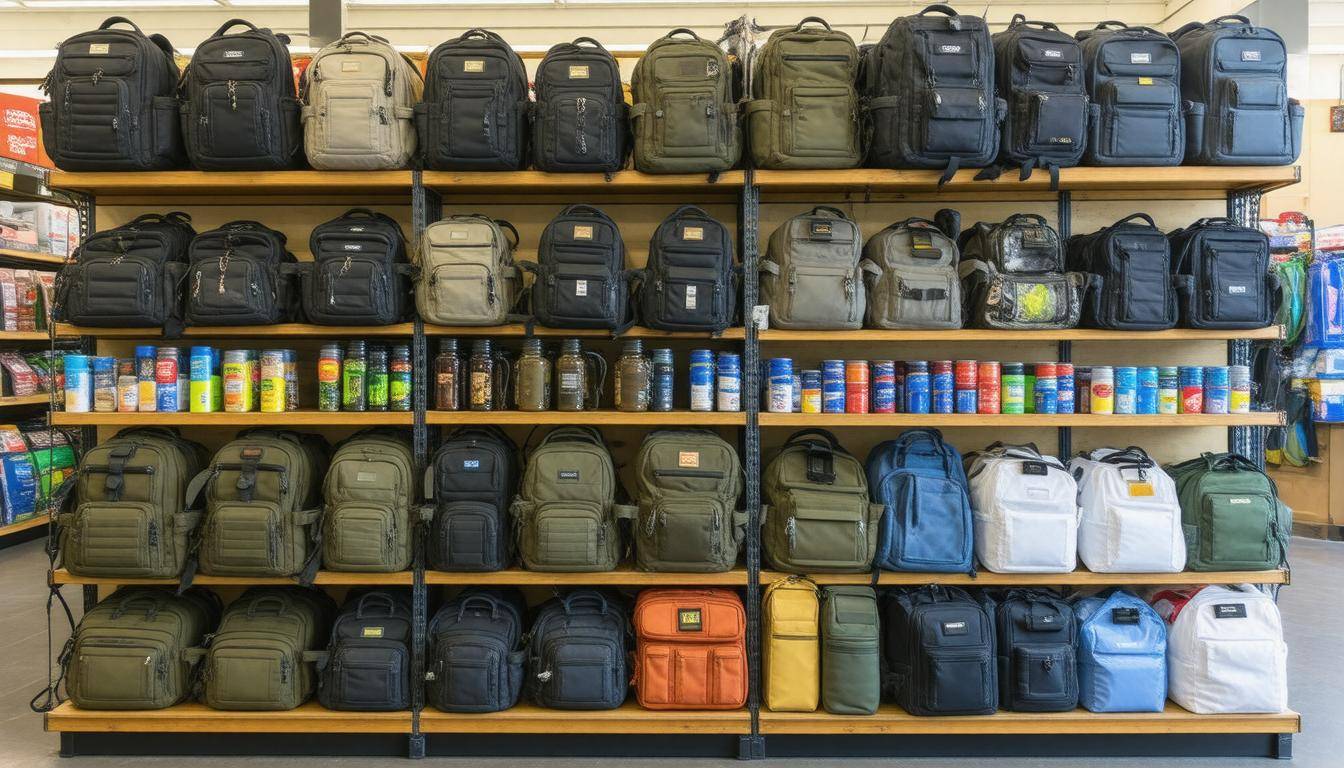
When it comes to preparing an emergency supply kit, thrift stores can be an unexpected goldmine. Their diverse inventory means you’re likely to stumble upon useful items that are essential for your preparedness plan—at prices that won’t break the bank. With shelves stocked with everything from blankets and non-perishable food to cooking utensils and tools, it’s like a treasure hunt where you get more than just a bargain; you might secure crucial elements for your family’s safety during an emergency.
One of the biggest advantages of thrift stores is the value in variety. Picture this: you’re browsing through aisles filled with all sorts of goods when you discover high-quality thermal blankets tucked among the clothing. Because these stores often receive generous donations, you can find items that are not only functional but also durable—things you’d usually pay much more for brand-new. Some people even luck out and find camping gear or sturdy backpacks that may come in handy for organizing your supplies.
Shopping in thrift stores encourages creativity as you look at items through a different lens. Rather than seeing what’s there, consider what else each item could do for you.
Aside from their affordability, thrift stores promote sustainable shopping. Every item you purchase contributes to reducing waste by giving a second life to perfectly usable goods. By choosing thrift over new, you’re making a responsible choice for the environment, which can be especially comforting when considering the challenges posed by climate change and environmental degradation. Not only are you gathering supplies; you’re also engaging in eco-friendly practices that benefit our planet.
Another aspect worth mentioning is the potential savings if you take advantage of rotating inventory and seasonal sales. Since thrift stores frequently add new items to their stock, visiting regularly increases your chances of finding exactly what you’re looking for at an exceptionally low price. This dynamic nature of thrift stores keeps things fresh and exciting, making each trip feel like an adventure.
Incorporating those unique finds into your emergency preparation strategy equips you for unforeseen circumstances while encouraging mindful consumerism. As you continue this journey into cost-effective readiness, the next focus will be on practical tools and essential gear that further enhance your preparedness plan.
Budget-Friendly Tools and Gear
One of the best things about thrift stores is not just finding items at a fraction of retail prices, but also discovering the sheer variety available. When I walked into my local thrift shop last week, I was amazed at the array of multi-tools that could serve countless purposes. A good multi-tool can provide everything from a knife to screwdrivers, which are necessary for repairs or quick fixes during emergencies. The beauty lies in their adaptability, and finding one for as low as $5 to $15 is a smart way to equip yourself without breaking the bank.
However, multi-tools are just the tip of the iceberg. Next up are flashlights, which provide critical illumination in tough situations. Opt for both battery-powered and hand-crank flashlights to ensure you always have light, even when power sources are limited. Remember, when shopping, don’t hesitate to test them out on the spot; a flashlight that doesn’t work when needed is useless—especially during an emergency. Expect these handy items to range from $2 to $10, making them an easily accessible investment.
Beyond light, we often overlook cooking gear. Camping utensils like portable stoves or cookware can be treasures waiting to be discovered in thrift stores. These items allow you to prepare meals with relative ease even in unconventional circumstances. Being able to cook something warm in an emergency can lift spirits and help maintain physical health with proper nutrition. You might find these essentials priced between $5 and $25, compared to brand-new items that could cost three times that amount.
While curating your emergency kit with tools is crucial, safety and protection go hand-in-hand with any preparedness plan. Items such as blankets, weather-appropriate clothing, or ponchos are equally vital for staying warm and dry during unexpected events.
By carefully selecting from thrift store offerings, you’ll discover all kinds of usable items without derailing your budget. Prioritizing practical choices will help you gain peace of mind knowing you’re equipped for whatever may come next.
As you think about what supplies to include in your kit, consider the importance of choosing appropriate clothing and shelter provisions that can further enhance your safety and comfort during unforeseen circumstances.
Clothing and Shelter Essentials
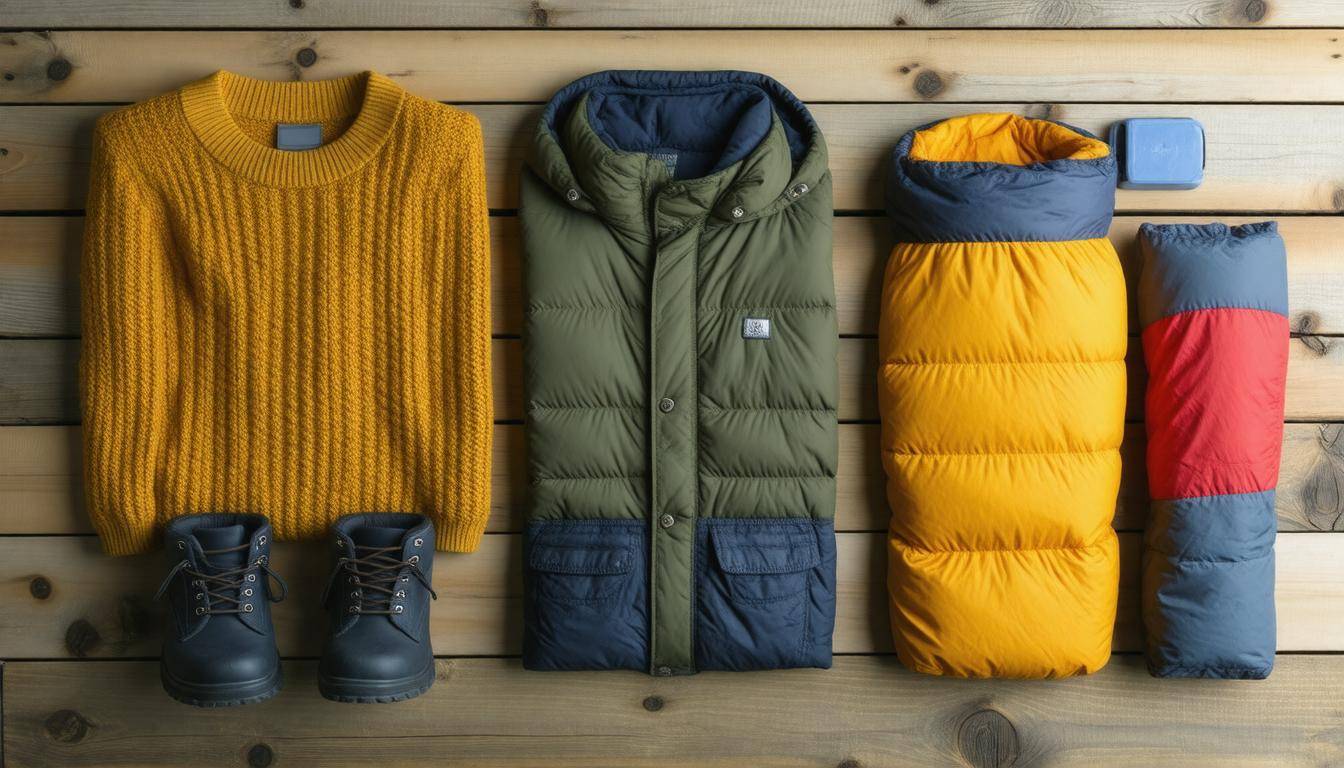
Protection from the elements is crucial during emergencies, and thrift stores have plenty of affordable options to keep you warm and dry. Insulating layers are extremely important, particularly in unpredictable weather conditions. Search for clothing made of wool or fleece, as these materials provide excellent insulation while remaining relatively lightweight.
It’s wise to look for jackets, sweaters, and undergarments crafted from these fabrics; they can trap heat effectively without causing overheating. In my experience, I have often stumbled upon great brands like Patagonia or North Face in thrift stores, which offer high-quality gear that thrives in outdoor conditions.
However, it’s not just about the clothes you wear; your sleeping setups deserve equal attention.
Insulating Layers
On chilly nights or in dire circumstances, the distinction between comfort and discomfort often lies in layering. Focus on items that can function together throughout different scenarios: base layers that fit snugly against your skin, mid-layers made of fleece or wool for insulation, and outer layers that are water-resistant to protect against rain or snow.
Sourcing various sizes ensures that everyone in your family has adequate protection, accommodating different body types comfortably. Furthermore, investing in multi-functional items, like fleece-lined gloves that double as mittens or jackets with removable linings, provides versatility when preparing for emergencies.
Now let’s explore how to keep yourself sheltered during these circumstances.
Sleeping Bags and Blankets
When searching for shelter essentials at thrift stores, make a point of checking out the outdoor sections where you may find emergency shelters such as tents alongside sleeping bags and blankets. The quality and condition are vital when selecting these items—ensure that sleeping bags are rated for low temperatures to guarantee adequate warmth even when the mercury dips dramatically overnight.
It’s also useful to seek out compact and lightweight options in this category. Look for sleeping bags that pack down easily but still provide enough insulation for comfort. Remember, a good night’s sleep can make all the difference in maintaining morale during a crisis.
Assembling a well-rounded emergency kit goes beyond just tools and non-perishable food; paying close attention to clothing and shelter essentials ensures you’re fully prepared for whatever mother nature throws your way.
With these essentials covered, let’s move forward into crafting practical kits using treasures found in those thrift store aisles.
DIY Emergency Kits from Thrift Store Finds
With a little creativity and resourcefulness, assembling an effective DIY emergency kit from thrift store finds is not just practical but also budget-friendly. Imagine walking through the aisles of your local thrift shop, spotting treasures that could make all the difference in an unexpected situation. Items that might seem ordinary can hold invaluable potential for your preparedness plan.
Creating a Customized Kit
First things first, let’s talk about container selection. A sturdy backpack or duffle bag is ideal for storing all your supplies and makes it easy to grab and go in an emergency. Don’t overlook large Tupperware containers; they’re often found at thrift stores and can keep your items organized while providing watertight protection against moisture. When selecting a container, ensure it’s durable enough to withstand wear and tear—after all, you want your supplies safeguarded.
Once you’ve secured the right container, it’s crucial to think about what goes inside.
The next step focuses on basic supplies, which should form the foundation of your kit. Look for non-perishable food items like canned goods, dried fruits, or granola bars during your thrift store hunt. These foods pack well and have long shelf lives—ideal for emergencies when fresh food may be scarce. Water bottles are another essential; reusable ones not only help conserve resources but are also often available at thrift stores.
Additionally, don’t forget to include first-aid supplies. Bandages, antiseptic wipes, and gauze can typically be found at thrift shops for a fraction of the cost compared to retail prices. They play a crucial role in treating minor injuries when professional help may not be immediately available.
Now that you have the basics down, it’s time to think outside the box.
As you’re rummaging through shelves, be on the lookout for specialized gear that could enhance your kit significantly. Items such as solar chargers are perfect for keeping essential devices alive during power outages, while hand-crank radios provide reliable weather updates without needing batteries. Both of these could easily be lurking amongst miscellaneous electronics discarded by previous owners. So keep your eyes peeled!
The beauty of DIY emergency kits is that they are completely customizable to suit your unique needs and environment. For instance, if you’re crafting a kit for extreme weather conditions—like blizzards or heat waves—consider including items relevant to those specific situations, such as thermal blankets or cooling towels.
Once you’ve meticulously crafted your kit with thoughtful selections from your thrifting adventure, remember: preparedness is an ongoing process.
Keeping an inventory list helps track what you’ve included in your emergency supplies while identifying gaps that need filling over time. You might find yourself returning to browse at thrift stores seasonally—who knows what hidden gems you might unearth that could enhance your emergency readiness?
With every trip to the store adding to your preparations, it’s vital to stay informed about efficient shopping approaches that can benefit not just your savings but also the effectiveness of your emergency plans.
Shopping Tips for Emergency Readiness
One of the best ways to maximize your preparedness is by shopping smart at thrift stores. Start by creating a clear list of essential items that fit your emergency plan—this helps maintain focus and prevents impulse buys. As you collect supplies, think about your specific needs: how many people are in your household? What do you already have? A well-defined list means less wasteful wandering around the aisles.
As you embark on your thrift store journeys, consider visiting different locations regularly since their inventories change frequently.
Each trip can present an opportunity to discover new treasures. It’s not uncommon to find crucial items such as first aid kits, weather-proof gear, or battery-operated devices that can aid in emergency situations. While you’re there, take the time to inspect each item for wear and tear; ensure they are not only suitable but also functional and safe to use during emergencies. Check the expiration dates on items like band-aids or first-aid ointments; expired products may not be effective when you need them most.
When it comes to equipment like flashlights or batteries, you may want to test them right there in the store if permissible. A working flashlight can give you peace of mind when the lights go out, so ensuring its reliability before purchasing is key.
With a solid shopping strategy in place, it becomes easier to keep an eye out for affordable first aid supplies and other vital items.
Thrift stores are excellent places to find various supplies that might typically be cost-prohibitive elsewhere. You could stumble upon high-quality items like multi-purpose tools or durable plastic bins for storage—all at a fraction of retail prices. Remember to think big picture: while individual supplies are important, the overall functionality and versatility of your kit will serve you better in an emergency.
Also factor in seasonal changes or local hazards. For instance, if winter storms pose a major threat in your area, prioritize items like thermal blankets or waterproof tarps. Adapting your shopping habits based on these factors keeps your preparations relevant and effective no matter what circumstances arise.
Lastly, don’t hesitate to engage with store staff or fellow shoppers; a friendly conversation might lead to tips on finding resources you hadn’t considered before or even discovering hidden gems simply waiting to be uncovered in the store’s corners.
With thorough shopping practices established, it will be valuable to explore cost-effective solutions for maintaining a well-equipped first aid kit for any unforeseen circumstances.
Affordable First Aid Supplies
Equipping yourself for emergencies doesn’t have to drain your wallet. One of the best places to find budget-friendly first aid items is at thrift stores. You’d be amazed at how many slightly-used or even new supplies turn up on their shelves. While first aid kits might not come standard in many vehicles—like the BMW X5—you can easily assemble a solid kit by hunting through local shops.
A basic first aid kit can range anywhere from $5 to $20, often including essentials like adhesive bandages, antiseptic wipes, and gauze—all of which are invaluable during an emergency. When scanning the shelves, look for a kit that prioritizes comprehensive and portable features. Imagine being able to grab everything you need from one container.
Beyond just premade kits, individual components can provide flexibility tailored to your unique needs.
Let’s break down some critical items that should be included in any thoughtful first aid supply collection. Bandages and gauze packs usually cost around $1 to $5 each. Make sure they’re sterile and come in various sizes; you never know when a small cut might require a larger pad or just a simple band-aid for a tiny scrape.
Investing in over-the-counter medications is another way to enhance your kit without overspending; prices generally range from $2 to $10. Just remember to check expiration dates periodically, as few things are less helpful than outdated medications when you need them most!
As we discuss thermometers, ideally, look for digital versions priced around $3 to $10. They tend to give fast and accurate readings, which is what we want in those anxious moments. Meanwhile, antiseptic wipes, priced between $1 and $3 per pack, can keep things hygienic; they should be individually wrapped for convenience.
By focusing on these key items, you’ll create a robust foundation for your first aid supplies:
- First Aid Kits: Look for comprehensive packages.
- Bandages and Gauze: Sterile and available in a variety of sizes.
- Over-the-counter Medications: Always check expiry dates!
- Thermometers: Go for digital ones where possible.
- Antiseptic Wipes: Individually wrapped are best.
When considering what else goes into your kit, think about including items like triangular bandages or burn ointment, depending on your household needs. It’s common for families to discard slightly-used kits or surplus supplies as they upgrade or reorganize their homes, leading to exceptional finds at thrift stores.
Once you’ve gathered your supplies, it’s critical to ensure that everything is organized effectively for quick access during emergencies.
Organizing Your Emergency Bag
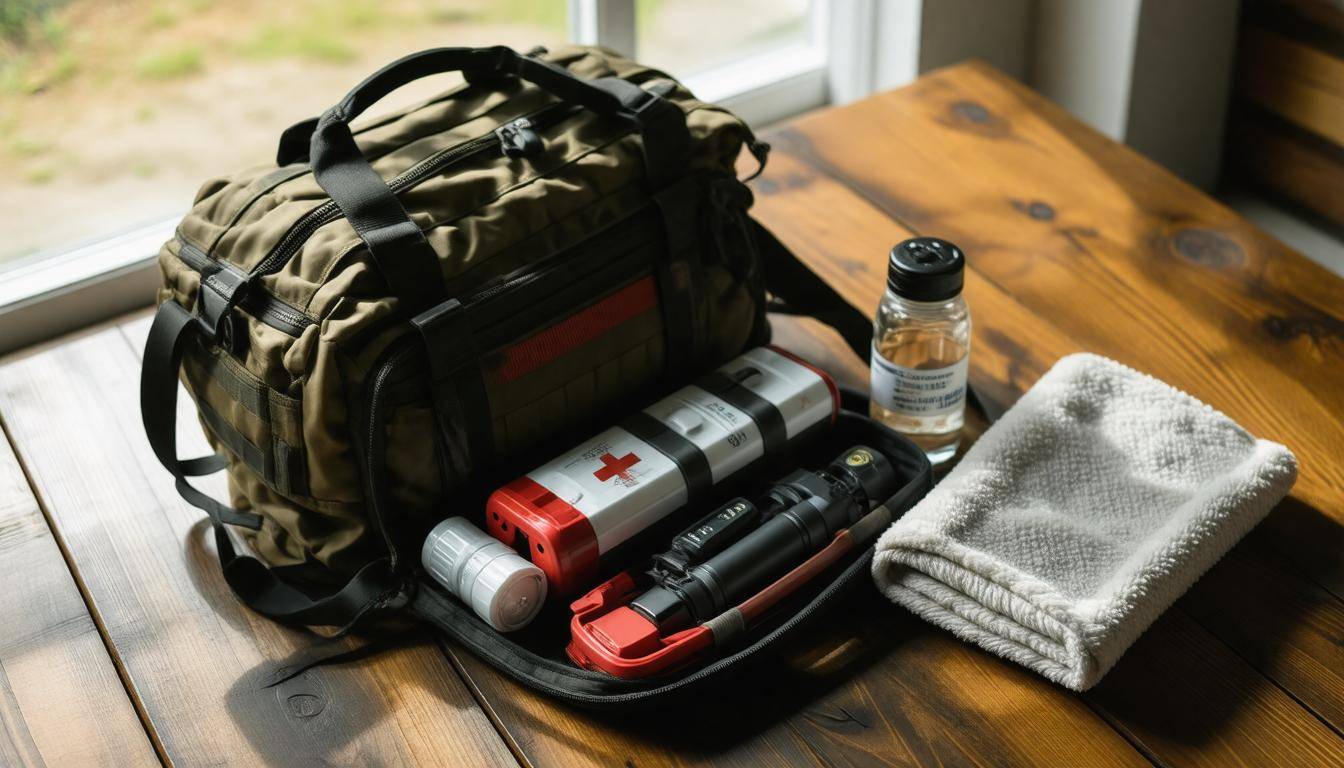
Proper organization of your emergency bag is crucial. It not only makes it easy to find what you need but also ensures that your supplies can be used effectively in stressful situations. Imagine fumbling through a chaotic bag full of mixed items when every second counts; that would add unnecessary stress at a moment when clarity is vital. By categorizing supplies using compartmentalization, you create an efficient system where each item has its place, and it’s simple to locate even in low light or a hurry.
Compartmentalization
Start by using smaller bags or containers to categorize essential items. Different types of supplies like medical kits, tools, food, and water all serve unique purposes in emergencies and should be kept separate from one another. Reusable grocery bags or old cosmetic pouches serve as excellent options for this task. Not only are they durable and often waterproof, but they also come in various sizes to accommodate different needs.
Don’t underestimate the power of clear labels. Labeling each section clearly prevents confusion when time is of the essence. Consider using colorful stickers or markers—these not only create visual appeal but also enhance quick identification at a glance. For example, marking one pouch as First Aid with a bright red label can help you swiftly grab the right kit when someone needs immediate assistance.
Well-organized bags will also help when storing food and water, as accessibility becomes just as crucial in ensuring proper hydration and nutrition during an emergency situation.
When it comes to food storage, maintaining freshness is important. Opt for lightweight, non-perishable foods packaged in resealable containers to save space and minimize waste. A small airtight container keeps snacks secure and protected from moisture while helping locate them easily without rummaging through loose items. Storing your water supply is equally essential; consider using collapsible water bottles to maximize space when not filled.
Additionally, creating a checklist based on categories will serve as an excellent reference point during both the packing phase and any necessary updates over time. This way, if you’re faced with an emergency scenario, you’ll know exactly what’s included in your kit without second-guessing yourself.
Effective organization transforms your emergency bag into a lifeline during troubling times rather than just another backpack tucked away somewhere in the house.
Following these strategies will ensure you have solid foundations for your preparedness plan as we transition into exploring valuable finds that keep you nourished and hydrated during uncertain times.
Thrift Store Bargains for Food and Water
While food and water are not usually the first items people associate with thrift stores, they provide a treasure trove of related supplies that can enhance your emergency readiness. When you step into these stores, keep an eagle eye out for items like non-perishable food and water storage solutions. It’s about ensuring that when emergencies strike, you’re prepared without breaking the bank.
Storage Solutions
One of the most critical aspects of food and water preparedness is adequate storage. You’ll often find containers suitable for storing large quantities of both food and water at thrift shops. For instance, Tupperware or heavy-duty plastic bins can help keep your supplies organized and safe from pests. Airtight containers are invaluable, as they help maintain freshness and prevent spoilage, acting as your first line of defense against contamination!
Whenever I visit a thrift store, I make it a point to check the aisles dedicated to kitchenware. I’ve often stumbled upon items that not only serve as great storage solutions but also add some flair to my emergency setup.
Cooking Aids
Besides storage, cooking supplies are something you shouldn’t overlook while rummaging through thrift stores. Essentials like portable stoves, pots, pans, or even camping cookware can typically be found at reasonable prices. In emergencies where power may be disrupted, having a means to cook or boil water becomes crucial. Always take a moment to inspect these items; ensure they are in good condition and functional before making them part of your kit.
Remember to properly assess the cooking aids—check for rust, warping, or any signs of wear that could render them unusable when you need them most.
Now that you’ve armed yourself with the knowledge of how to elevate your emergency supplies shopping experience at thrift stores, you’re well on your way to being prepared when it matters the most.
In conclusion, with thoughtful shopping at thrift stores, you can obtain essential items that not only bolster your emergency preparedness but also save you money. Staying proactive in this way ensures that you and your loved ones will be ready for whatever comes your way.